

A collagen-boosting face mask is a feel-good, skin-friendly ritual that can help brighten texture, support surface plumpness, and — when combined with the right ingredients and lifestyle habits — encourage your skin’s ability to build and protect collagen over time. Below you’ll find a clear explanation of how these masks work, which ingredients help, safe DIY recipes with exact proportions, step-by-step application, timing, post-mask care, usage frequency, supportive lifestyle tips, mistakes to avoid, and when to get professional help.
Why this matters
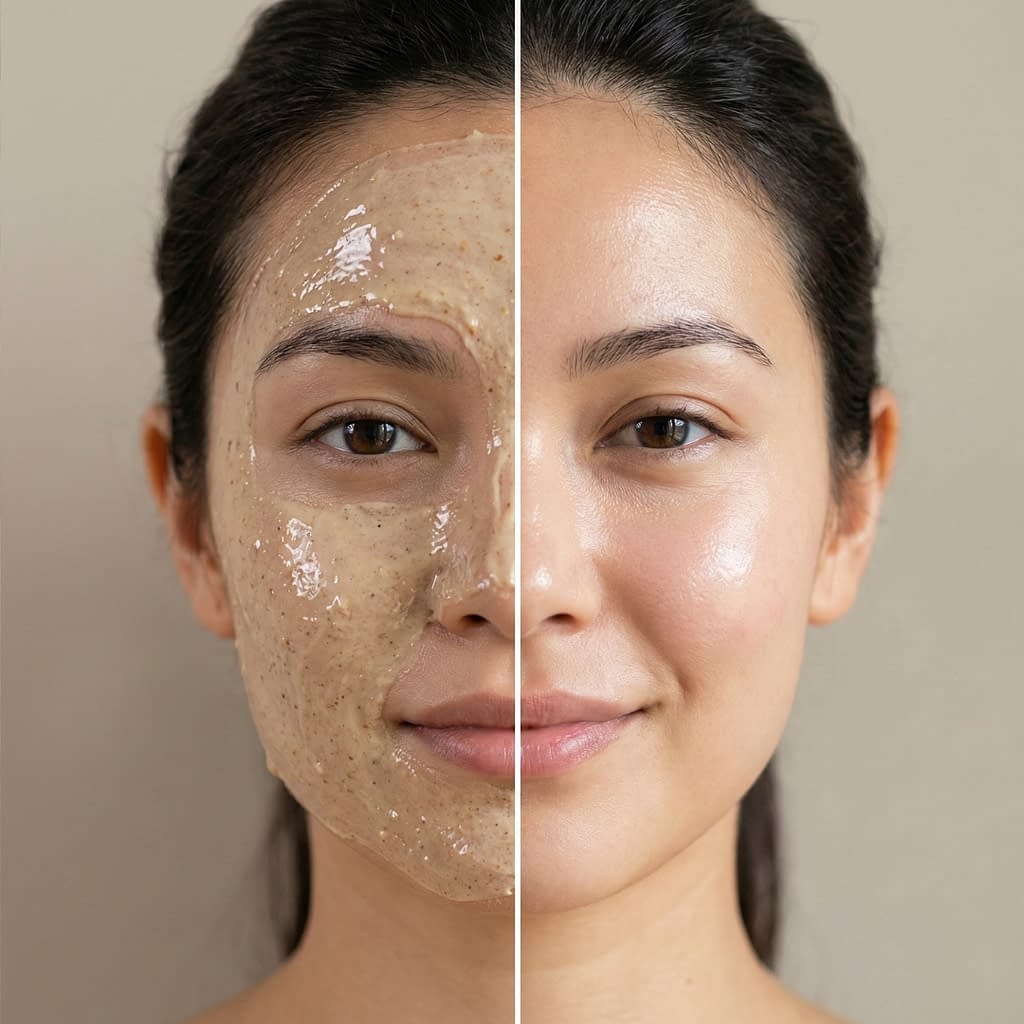
Collagen is the structural protein that keeps skin firm, bouncy, and smooth. As we age, collagen production slows and environmental stressors break it down faster than it is replaced. While a single homemade mask won’t rebuild your dermis in a week, masks that combine gentle exfoliation, antioxidants, hydrating humectants, and nutrients can:
- improve texture and brightness (so skin looks firmer),
- support fibroblast activity that produces collagen over time,
- protect new collagen from free-radical damage with antioxidants, and
- enhance product penetration for serums that actually do stimulate collagen (vitamin C, peptides, retinoids — the latter best used in formulated products).
Read on for realistic, safe, and effective DIY recipes and routines.
Why Collagen Is Key for Youthful Skin
Collagen forms the scaffold of the dermis. Healthy collagen = skin that resists creasing, has fewer fine lines, better tone, and more bounce. Loss of collagen leads to visible laxity, deeper lines, and uneven texture. Boosting collagen production (or slowing its breakdown) is the single most important strategy to maintain a youthful appearance — and masks are one accessible tool in that toolbox.
How Collagen-Boosting Masks Work
Most DIY “collagen-boosting” masks deliver benefits through three basic mechanisms:
- Mild controlled exfoliation (enzymes or lactic acid from yogurt) — removes dull surface cells so skin looks smoother and light reflects better; superficial exfoliation also signals the skin to repair, which can stimulate collagen production over time.
- Antioxidant delivery (green tea, vitamin C, honey) — protects existing collagen from oxidative damage so what you have lasts longer.
- Hydration and occlusion (hyaluronic-acting ingredients, aloe, honey, oils) — immediate plumping that reduces the appearance of fine lines and improves skin resilience while the skin manufactures new collagen.
Important note: topical collagen molecules are usually too large to enter the dermis, so “collagen masks” work primarily by stimulating your skin’s own collagen production and protecting it, not by depositing collagen into deeper layers.
Ingredients That Naturally Stimulate Collagen
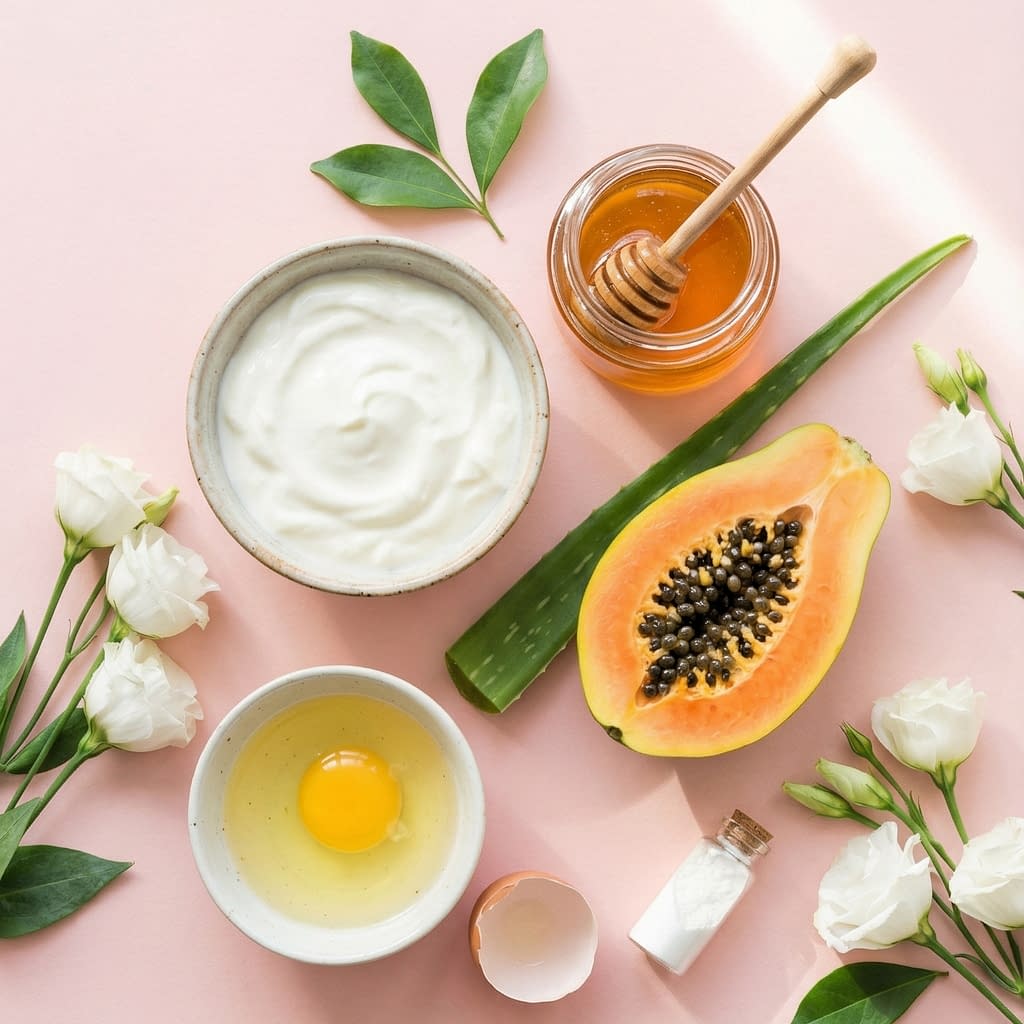
Here are the most useful, realistic ingredients you can safely include in a DIY mask — and why each helps.
- Vitamin C (L-ascorbic acid, powdered) — a cofactor for collagen synthesis and a strong antioxidant. (Use cautiously as DIY; see recipe.)
- Yogurt (plain, unsweetened) — contains lactic acid (gentle AHA) that exfoliates and helps cell turnover.
- Honey (raw, unprocessed) — humectant, mild antimicrobial, and antioxidant; supports hydration and healing.
- Aloe vera gel — soothes, hydrates, provides polysaccharides that support barrier repair.
- Green tea (brewed & cooled) — antioxidant polyphenols that protect collagen.
- Papaya or pineapple (fresh, mashed) — contain natural enzymes (papain, bromelain) that gently exfoliate; use short contact time.
- Egg white — tightens on skin surface temporarily, gives a lifted feel; not for everyone.
- Rosehip oil (for post-mask application) — contains provitamin A and essential fatty acids that support repair (use in oil form, not as a leave-on acid).
- Hyaluronic acid (serum) — excellent follow-up for water retention and immediate plumpness.
- Niacinamide (in product form, not DIY) — barrier support and helps even tone, partners well with masks.
- Peptides (in product form) — small molecules that signal collagen synthesis (best used as formulated serums, not kitchen DIY).
Safety flags: avoid strong pure acids (undiluted citric acid or lemon juice left long on skin) for sensitive skin; avoid retinoids in DIY; always patch test new ingredients and avoid if pregnant/breastfeeding any ingredient flagged by your clinician (e.g., avoid topical retinoids).
DIY Collagen Face Mask Recipes You Can Make at Home
Below are three safe, effective recipes with exact proportions and notes. Always patch-test on the inner forearm for 24 hours before applying to the face.
1) Gentle Vitamin C + Aloe + Honey Brightening Mask — for texture & antioxidant boost
Good for: dull, uneven skin that tolerates vitamin C.
Ingredients:
- ½ tsp powdered L-ascorbic acid (pharmaceutical grade vitamin C powder)
- 1 tsp pure aloe vera gel
- ½ tsp raw honey
How to mix & use:
- Dissolve the vitamin C powder in the aloe (it should dissolve quickly); add honey and mix to a spreadable paste.
- On clean, dry skin, apply a thin, even layer avoiding eyes and lips.
- Leave 5–10 minutes (start at 5 if you have sensitive skin).
- Rinse thoroughly with lukewarm water, pat dry.
- Follow immediately with a hyaluronic acid serum and moisturizer, and use SPF the next morning.
Cautions: vitamin C can irritate very sensitive skin; do not use if you have broken/inflamed lesions. Use once weekly to start.
2) Lactic Acid Yogurt + Honey Gentle Resurfacing Mask — for soft exfoliation & hydration
Good for: almost every skin type (except severe active rosacea), especially dry or textured skin.
Ingredients:
- 1 tbsp plain whole-milk yogurt (live cultures)
- 1 tsp raw honey
- Optional: ½ tsp mashed papaya (if you want enzymatic boost; reduce time)
How to mix & use:
- Mix yogurt and honey until smooth; stir in papaya if using.
- Apply to cleansed skin; leave 8–12 minutes (less time if you added papaya).
- Gently rinse with lukewarm water using circular motions (this gives mild physical exfoliation).
- Pat skin dry, apply hyaluronic acid serum + moisturizer. Use SPF next day.
Frequency: 1× weekly (up to 2× for tolerant skin).
3) Green Tea + Egg White Tightening & Antioxidant Mask — for immediate “lift” feel and protection
Good for: combination to normal skin; temporary tightening effect before an event.
Ingredients:
- 1 tbsp strongly brewed green tea, cooled
- 1 egg white (room temperature)
- ½ tsp honey (optional for hydration)
How to mix & use:
- Whisk egg white until lightly foamy, mix in cooled green tea and honey.
- Apply thin layer to clean skin, avoiding eyes.
- Leave 8–12 minutes until slightly tightened but not unbearably dry.
- Rinse off, press in a hyaluronic serum and finish with moisturizer.
Cautions: avoid raw egg masks if you have open acne lesions; avoid if allergic to eggs. Use sparingly (1× weekly max).
Step-by-Step Guide to Applying Your Face Mask
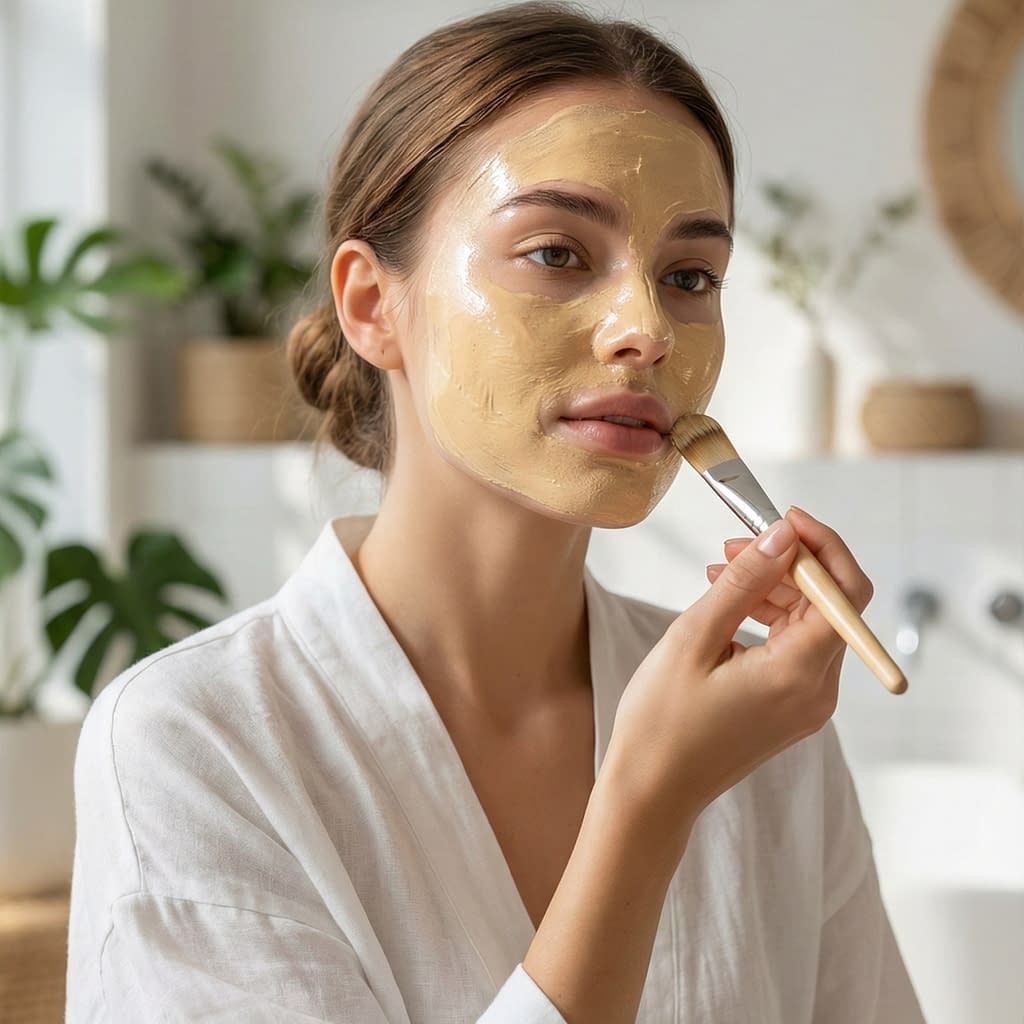
Follow these steps for safer, more effective results:
- Cleanse: remove makeup and surface oils with a gentle cleanser.
- (Optional) Steam or warm towel: 1–2 minutes of steam opens pores and increases mask penetration — only if your skin tolerates it.
- Patch test: first time using a new mix, apply a pea-size amount to inner forearm; wait 24 hours for reaction.
- Apply with a clean brush or fingertips: avoid metal bowls and utensils that react with vitamin C — use ceramic/glass/plastic.
- Avoid delicate areas: keep mask off eyelids and lips.
- Set a timer: follow recommended times below for safe exposure.
- Rinse carefully: lukewarm water, gentle circular motions as needed. Pat dry.
- Post-mask routine: apply hyaluronic acid serum (to damp skin), then a peptide/ceramide moisturizer or a nourishing oil. At daytime, finish with broad-spectrum SPF 30+.
How Long to Leave a Collagen Mask On for Best Results
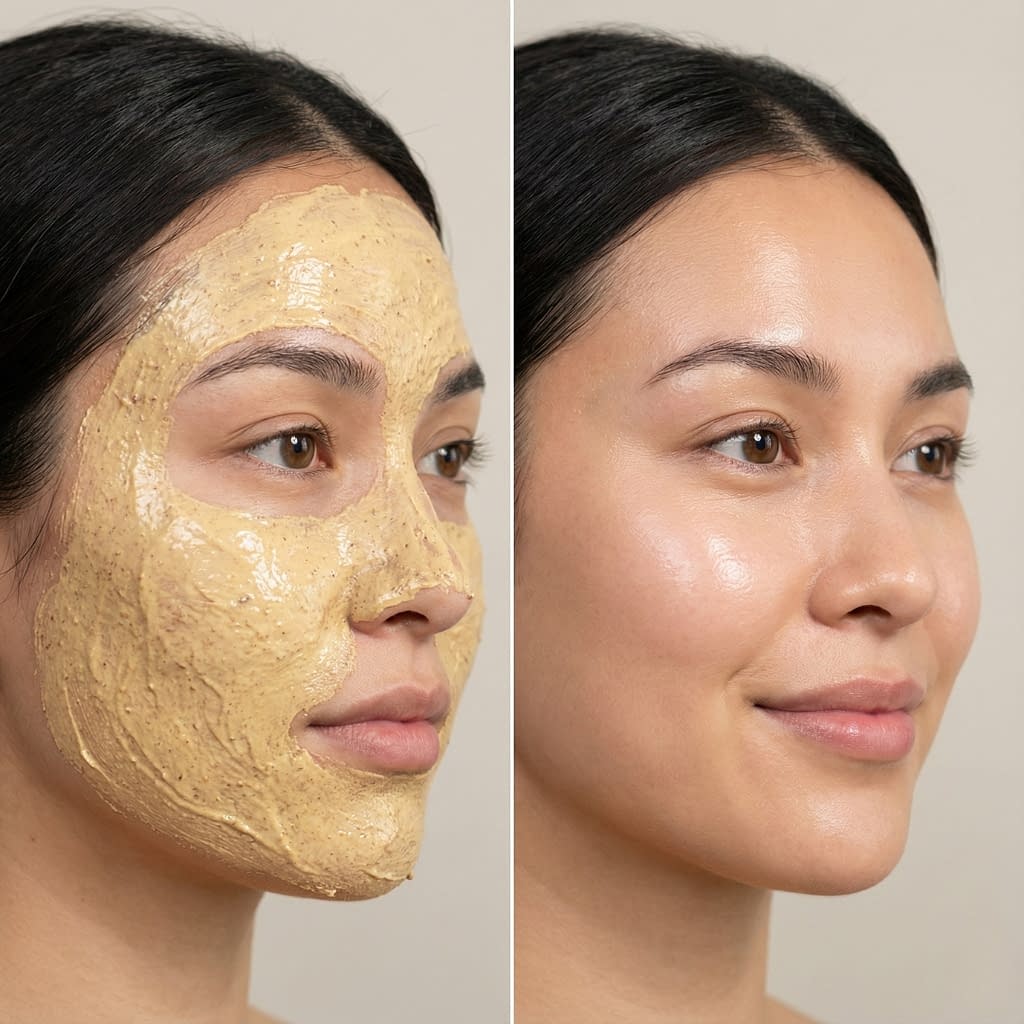
- Vitamin C masks (DIY L-ascorbic powder blends): 5–10 minutes. Start short to minimize irritation.
- Yogurt/lactic masks: 8–12 minutes.
- Enzyme (papaya/pineapple) masks: 3–8 minutes depending on strength — stop if tingling increases.
- Egg white masks for tightening: 8–12 minutes — do not leave until cracking or flaking intensely.
- Honey/aloevera hydrating masks: 10–20 minutes comfortably; these are gentler and can be left longer.
If you feel burning, intense stinging, or red blotching — rinse immediately and soothe skin with aloe or a fragrance-free moisturizer.
Post-Mask Care: Lock in Moisture and Benefits
After rinsing, your skin is primed — this is when active serums and moisturizers work best.
- Gently pat skin dry — don’t rub.
- Apply a humectant (hyaluronic acid serum) while skin is still slightly damp to draw water into the skin.
- Seal with an emollient (ceramide or peptide moisturizer). For drier skins, finish with a light facial oil to lock moisture.
- Use SPF the next morning (vitamin C and AHA masks increase sensitivity).
- Avoid heavy actives same night if your mask included an acid or vitamin C — give skin a calm, reparative night (moisturizer + peptides is a good combo).
How Often to Use Collagen-Boosting Masks
- Beginner / sensitive skin: 1× week.
- Normal/combination: 1–2× week depending on mask type.
- Oily/robust skin: up to 2× week (but avoid over-exfoliation).
Alternate types: e.g., one week choose a gentle lactic mask, next week use a vitamin C short-contact mask, and use hydrating masks as needed. Overdo it and you’ll provoke inflammation — counterproductive for collagen.
Additional Tips to Naturally Support Collagen Production
A mask helps — but these lifestyle changes are where sustainable collagen support happens:
- Diet: eat vitamin-C rich foods (citrus, bell peppers), quality protein (collagen needs amino acids), zinc & copper (nuts, seeds, shellfish), and omega-3s (fatty fish).
- Supplements (optional): hydrolyzed collagen peptides + vitamin C show modest benefits in studies for skin elasticity when taken chronically; consult your clinician.
- Sleep & stress: sleep is repair time; chronic stress increases cortisol which degrades collagen.
- Sun protection: daily SPF 30+ is essential — UV is the biggest collagen killer.
- Avoid smoking & high sugar: both accelerate collagen breakdown via glycation and oxidative stress.
- Regular gentle exercise: supports circulation and delivery of nutrients to skin.
Common Mistakes to Avoid When Using DIY Face Masks
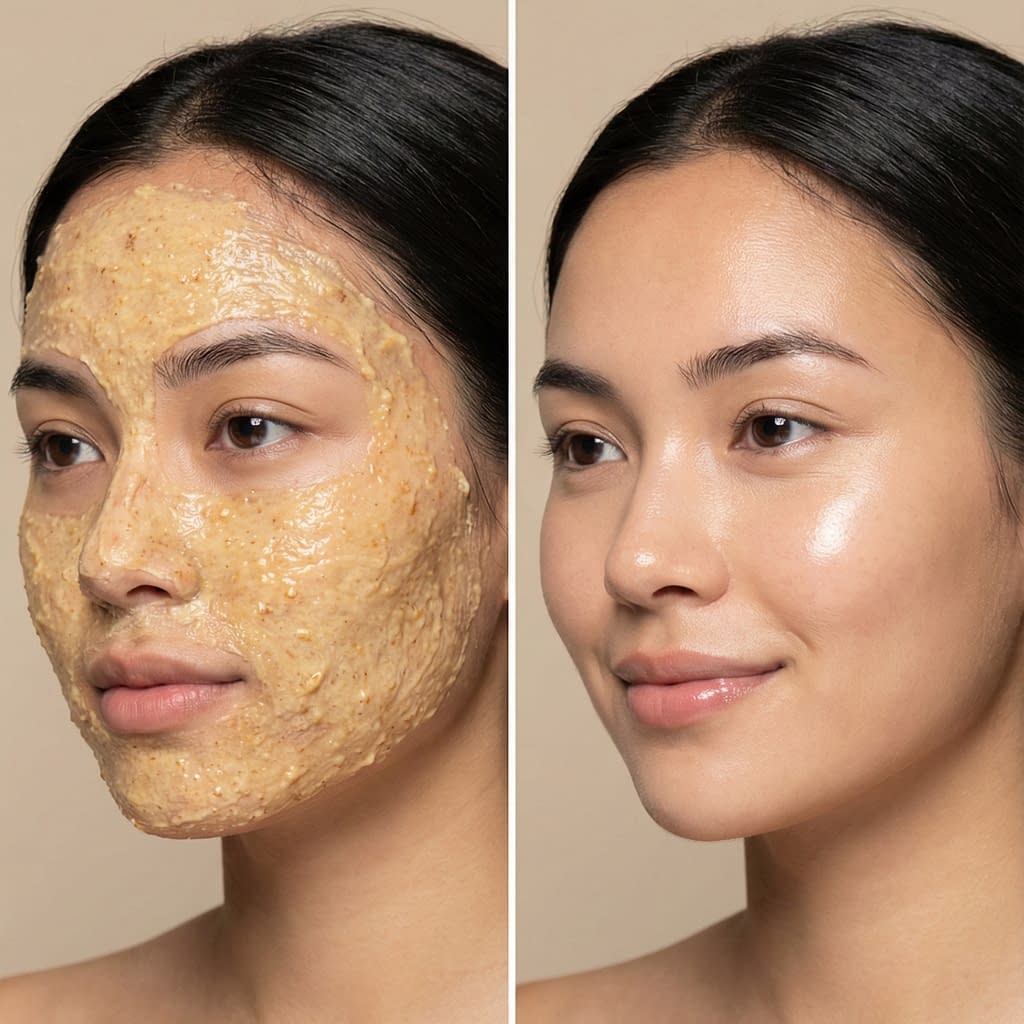
Avoid these traps that cause irritation or negate benefits:
- Leaving acidic masks too long (lemon, high-dose vitamin C) — can burn and weaken barrier.
- Using too many actives at once — e.g., doing a vitamin C mask and then retinol at night — alternate nights instead.
- Skipping patch tests — many natural ingredients still cause reactions (papaya, essential oils).
- Expecting overnight miracles — collagen remodeling takes time; masks are supportive, not magical.
- Not protecting from sun after exfoliating masks — UV exposure after an acid/enzymatic mask increases damage risk.
When to Consult a Dermatologist
See a board-certified dermatologist if you have:
- severe acne, rosacea, eczema, or active dermatitis — DIY masks can make these worse.
- repeated irritation from many products — you may have a condition that needs prescription care.
- interest in more potent collagen stimulation — treatments such as prescription retinoids, professional chemical peels, microneedling, laser resurfacing, or PRP are clinical options that deliver more dramatic collagen remodeling than home masks.
- sudden, significant skin changes — consult promptly.
Final Words
DIY collagen-boosting masks are a lovely, inexpensive way to support skin texture, hydration, and antioxidant protection — all of which make skin look firmer and more youthful. For best results: use safe, proven ingredients (lactic acid from yogurt, honey, aloe, green tea, cautious vitamin C), follow clear timings, patch test, protect with sunscreen, and pair masks with collagen-supporting lifestyle habits (nutrition, sleep, sun protection). If you want stronger, faster results, talk to a dermatologist about clinically proven procedures and topical prescriptions.


