

Inflamed pimples — the red, swollen, painful spots that show up at the worst times — are stressful and can leave marks if handled incorrectly. The good news: most inflamed lesions can be calmed, shortened, and healed with smart, gentle steps that reduce inflammation and lower the risk of scarring. This guide explains what causes inflamed pimples, why picking makes scars worse, how to calm them fast, safe spot treatments, sensible skincare and lifestyle moves, and when to see a dermatologist. Follow the step-by-step tips and you’ll give your skin the best chance to heal cleanly.
What Are Inflamed Pimples and Why Do They Happen?
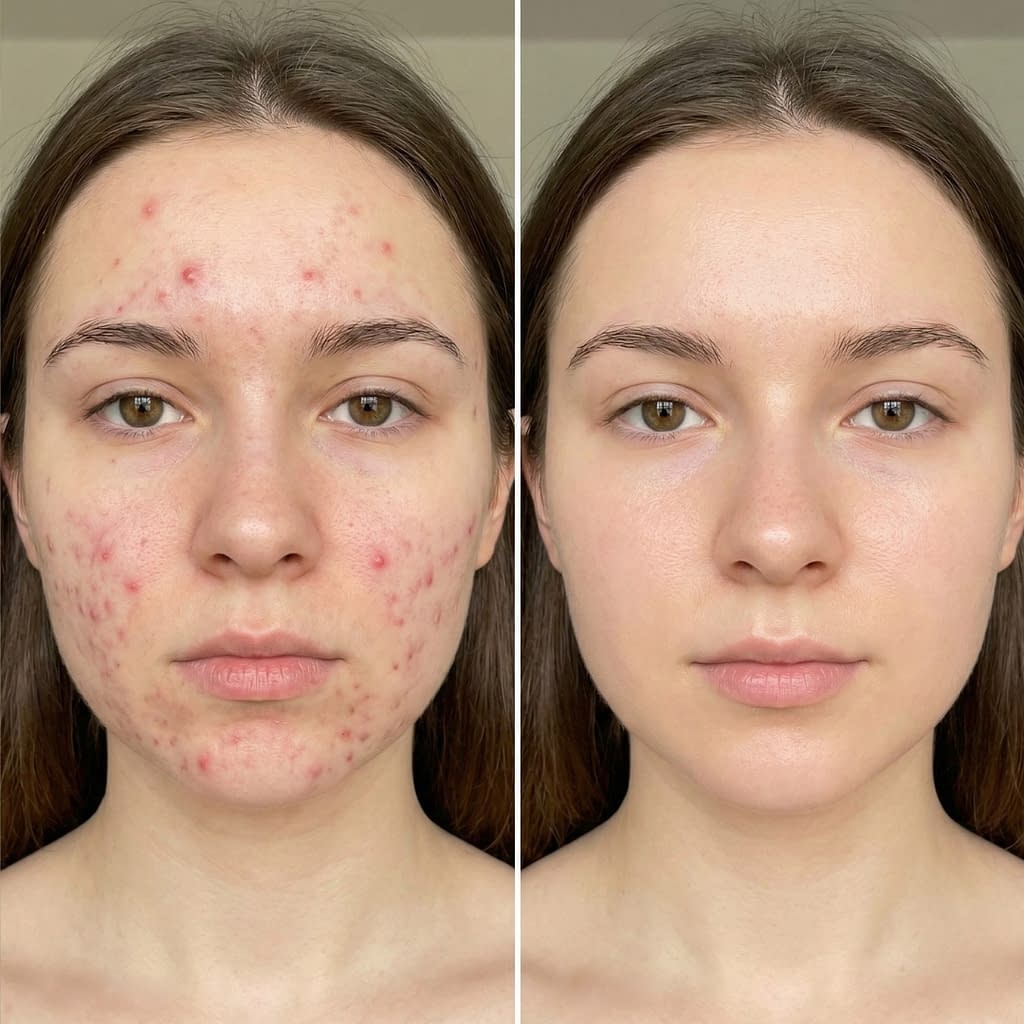
An inflamed pimple is a lesion where the hair follicle and surrounding skin have become blocked and infected or irritated. Key players:
- Clogged pore (comedone): dead skin cells and sebum build up.
- Bacterial overgrowth: Cutibacterium acnes (formerly Propionibacterium acnes) multiplies in the clogged pore.
- Immune response: your body sends immune cells to fight, causing redness, swelling, pus and pain — that’s the inflammation.
- Types of inflamed acne: papules (small red bumps), pustules (pus-tipped), nodules/cysts (deep, painful lumps that are most likely to scar).
Triggers include hormonal changes, stress, certain cosmetics/skin products, friction or pressure (headbands, helmets), and diet or medications in some people. Genetics also plays a role — some people form deeper, more inflammatory acne than others.
Why Picking Pimples Causes Scars and Dark Marks
When you squeeze or pick, you force pus, bacteria, and debris deeper into the dermis (the skin layer that holds collagen). That extra trauma has two harmful consequences:
- Increased inflammation: more immune activity -> more damage to collagen and pigment cells.
- Delayed healing & infection risk: torn skin is slower to close and more prone to infection.
The result: post-inflammatory erythema (red marks) and post-inflammatory hyperpigmentation (brown marks) or true scars (depressed or raised tissue) that can take months to years to fade.
Bottom line: picking multiplies the damage. For scar prevention, hands off — use targeted treatments and protective patches instead.
How to Calm Inflamed Pimples Fast
If you have a painful, red pimple and want it to settle down quickly, follow this prioritized, step-by-step action plan:
- Cleanse gently (see next section) to remove oil and grime.
- Cold compress (ice therapy) — apply a wrapped ice cube or cold pack for 5–7 minutes, rest 1 minute, repeat 2–3 times. This reduces swelling and pain quickly. (Steps below in the Ice Therapy section.)
- Apply an anti-inflammatory spot product:
- Benzoyl peroxide 2.5–5% cream or gel (short-contact can reduce bacteria and inflammation but can bleach fabrics).
- Topical 1% hydrocortisone cream for a single evening can reduce severe localized swelling (use sparingly and short-term; see cautions below).
- Tea tree oil (5% formulation) or diluted 5–10% topical tea tree product — natural antimicrobial/anti-inflammatory (patch-test first).
- Sulfur-based spot treatments — helpful for some inflamed pustules.
- Consider a hydrocolloid (pimple) patch: apply to the lesion after cleansing. It protects the spot, absorbs fluid, reduces oxygen exposure to bacteria, and prevents touching/picking — many people see flattening overnight.
- Warm compress (only for a coming-to-head white pustule): if the pimple is clearly a surface whitehead and needs to drain, a warm compress for 10–15 minutes (2–3× daily) can encourage softening and safe drainage; do not squeeze — let it surface or use a patch.
- Avoid layering many active ingredients on the same inflamed spot (e.g., benzoyl peroxide + high-strength acids + retinol at once) because that can worsen irritation.
- If the lesion is large, very painful, or nodulocystic: see a dermatologist quickly — they can inject a tiny steroid into the lesion to rapidly reduce inflammation and minimize scarring.
Important: topical hydrocortisone is useful short-term for severe inflammation but should not be used repeatedly or extensively without clinician guidance (long-term steroid use can thin skin and worsen acne patterns).
Gentle Cleansing to Reduce Redness and Irritation
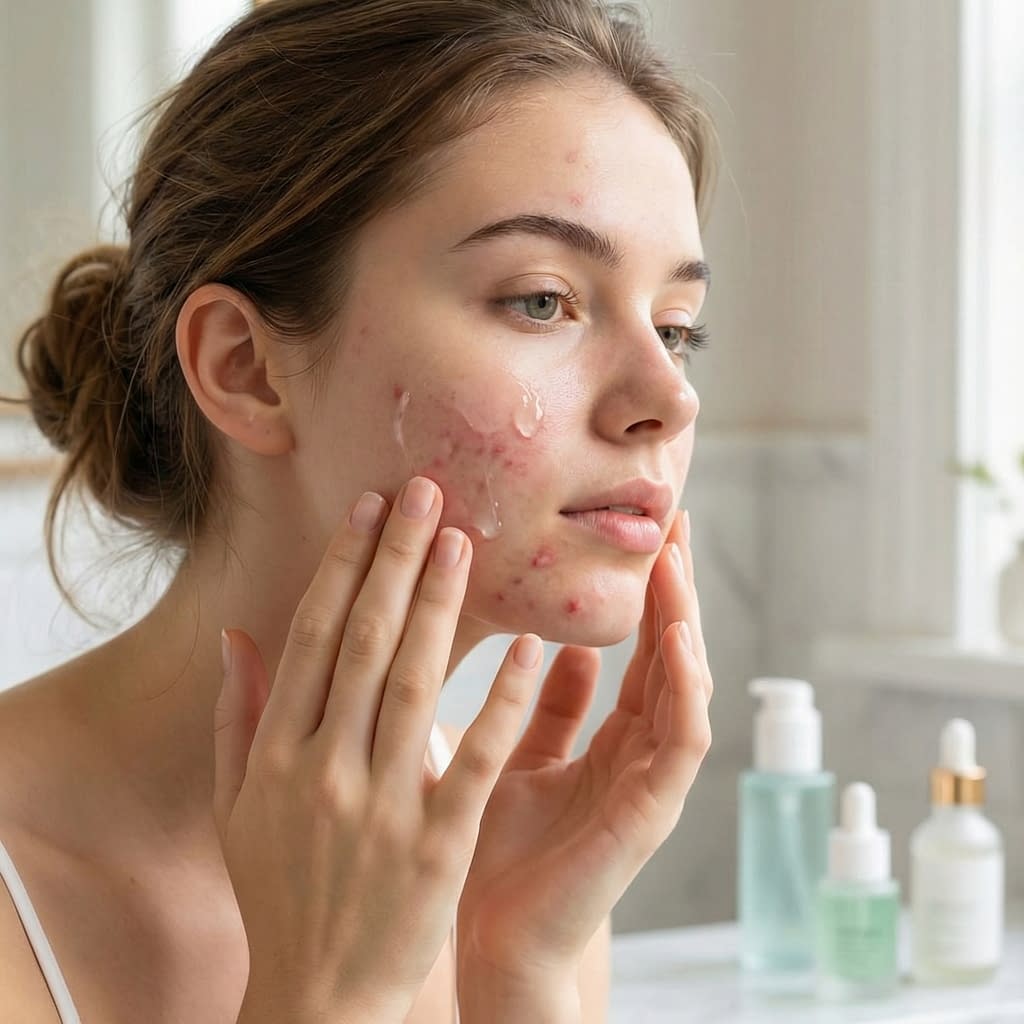
Cleansing is the foundation. Harsh scrubbing makes inflammation worse.
Daily cleansing guide:
- Use a gentle, non-comedogenic cleanser — gel or gentle foam for oily skin; cream or milk cleanser for dry/sensitive skin. Avoid heavy soaps with high pH.
- Lukewarm water only. Hot water increases redness and irritation.
- Use fingertips, not washcloths or exfoliating scrubs on inflamed spots. Gently massage cleanser for 20–30 seconds and rinse.
- Pat dry with a clean towel. Do not rub.
- After cleansing, apply treatments to clean, dry skin (or as the product directions say). For hyaluronic serums and moisturizers, apply while skin is slightly damp.
Frequency: wash twice daily. If you sweat heavily (workout), shower soon after to remove sweat and bacteria.
Spot Treatments That Work Without Over-Drying
You want anti-acne potency without stripping the skin barrier.
Effective OTC spot options:
- Benzoyl Peroxide (2.5–5%): bactericidal and reduces inflammation. Use as thin layer; can bleach fabrics. Start at 2.5% if sensitive.
- Salicylic Acid (0.5–2%): BHA that exfoliates inside pores — best for acne that’s mixed with blackheads/whiteheads and less helpful alone for deep nodules.
- Sulfur (3–10%): effective and drying; good for pustules and is gentler for some people.
- Hydrocolloid patches: protect, absorb fluid, and discourage picking — excellent for surface pustules and post-drain protection.
- Azelaic acid (10–20%): anti-inflammatory, reduces redness and pigment — good for sensitive inflamed acne and post-inflammatory hyperpigmentation. OTC 10% gels or 15–20% prescriptions exist.
- Topical antibiotic combos (prescription): clindamycin + benzoyl peroxide or topical erythromycin (only by prescription) — useful when acne is infected or heavily inflamed.
How to apply spot treatments:
- Cleanse and dry the area.
- Apply a thin layer of spot product only to the spot (not all over) unless directions say otherwise.
- If using benzoyl peroxide, avoid clothing contact until it dries to prevent bleaching.
- If irritation occurs, reduce frequency (e.g., once nightly) or switch to gentler options like azelaic acid.
Natural Remedies to Soothe Inflamed Pimples
Some natural options can be supportive, especially if you prefer gentle approaches. Patch-test first.
Safe, evidence-backed natural supports:
- Tea tree oil (diluted, ~5% products): antibacterial and anti-inflammatory — effective for mild acne. Don’t use neat (pure) undiluted tea tree oil on skin.
- Aloe vera gel: soothing, hydrating, anti-inflammatory; apply after cleansing.
- Honey (raw, medical grade Manuka if available): mild antimicrobial and humectant — a dab on the spot can help (leave 10–20 minutes and rinse).
- Green tea topical extracts or cooled green tea compresses: polyphenols reduce inflammation. Soak cotton and place over the lesion for a few minutes.
- Centella asiatica (cica) extracts: calms inflammation and supports barrier.
Natural remedies can help but are usually slower and less potent than pharmaceutical options for severe lesions.
Ice Therapy and Cold Compress for Swelling
Cold therapy is a fast, safe first-aid to reduce redness and pain.
How to do it properly:
- Wrap ice or a gel pack in a thin clean cloth (never place ice directly on skin).
- Apply to the inflamed pimple for 5–7 minutes, remove 1 minute, repeat up to 3 cycles.
- Repeat every 1–2 hours during the first day if the lesion is painful/swollen (don’t overdo — excessive cold can irritate).
- Don’t use cold if you have a condition that causes sensitivity to cold (e.g., Raynaud’s) unless you’ve checked with a clinician.
Effect: constricts blood vessels, reduces swelling, eases pain, and may make the spot less noticeable within hours.
Ingredients to Look For in Acne-Fighting Products
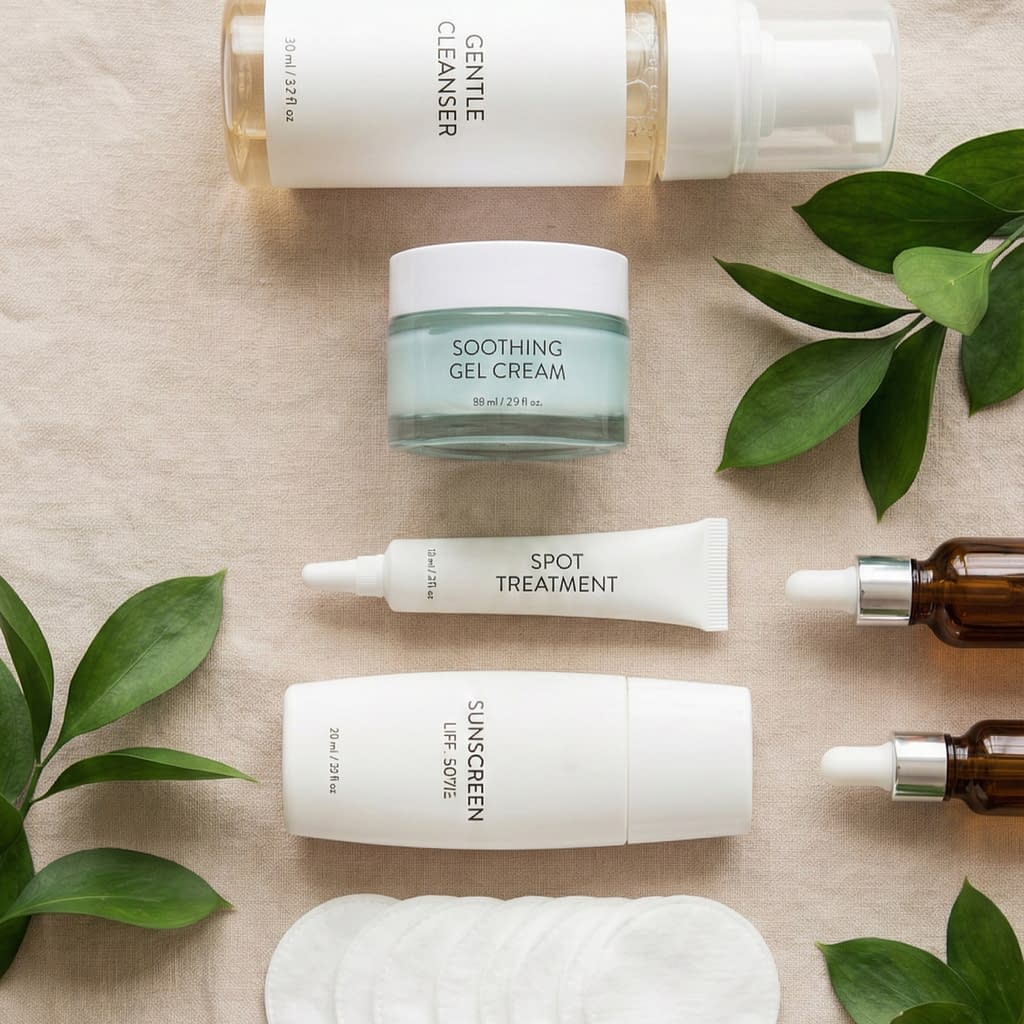
When shopping, these ingredients are worth knowing:
- Benzoyl peroxide: kills acne bacteria and reduces inflammation.
- Salicylic acid (BHA): unclogs pores and reduces comedones.
- Azelaic acid: anti-inflammatory, good for redness and post-inflammatory hyperpigmentation.
- Retinoids (adapalene OTC 0.1% or prescription tretinoin): normalize cell turnover and prevent future clogs — adapalene is available OTC and is helpful for inflammatory acne when used consistently (start slowly).
- Niacinamide: reduces redness and helps barrier; often used in combination with other actives.
- Sulfur, resorcinol: spot drying agents that help pustules.
- Hydrocolloid patches: to protect and absorb.
- Non-comedogenic moisturizers with ceramides for barrier support.
Pairing tips:
- Use benzoyl peroxide in the morning and retinoid at night (if using both) to minimize irritation.
- Avoid layering strong acids and retinoids same night when you’re starting; build tolerance.
Moisturizing Acne-Prone Skin the Right Way
Dryness and barrier damage make acne worse — moisturizing is crucial even for oily skin.
How to choose & use a moisturizer:
- Look for “non-comedogenic” and “oil-free.” Gel creams and light lotions with ceramides, hyaluronic acid, glycerin, or niacinamide are great.
- Use at least once daily (AM and PM for sensitive/dry skin; at least PM for everyone).
- Apply after treatments — if you use a spot product that’s drying, follow with a moisturizer once the spot product dries (or use moisturizer first then spot treat if product instructions recommend).
- Avoid heavy occlusives (thick oils, butters) on active inflammatory acne unless you have very dry skin and acne is under control. For nighttime barrier repair, a thin layer of non-comedogenic oil (squalane) or a ceramide-rich balm can be helpful.
Good barrier care reduces inflammation and speeds healing — which reduces scarring risk.
Diet and Lifestyle Habits That Reduce Breakouts
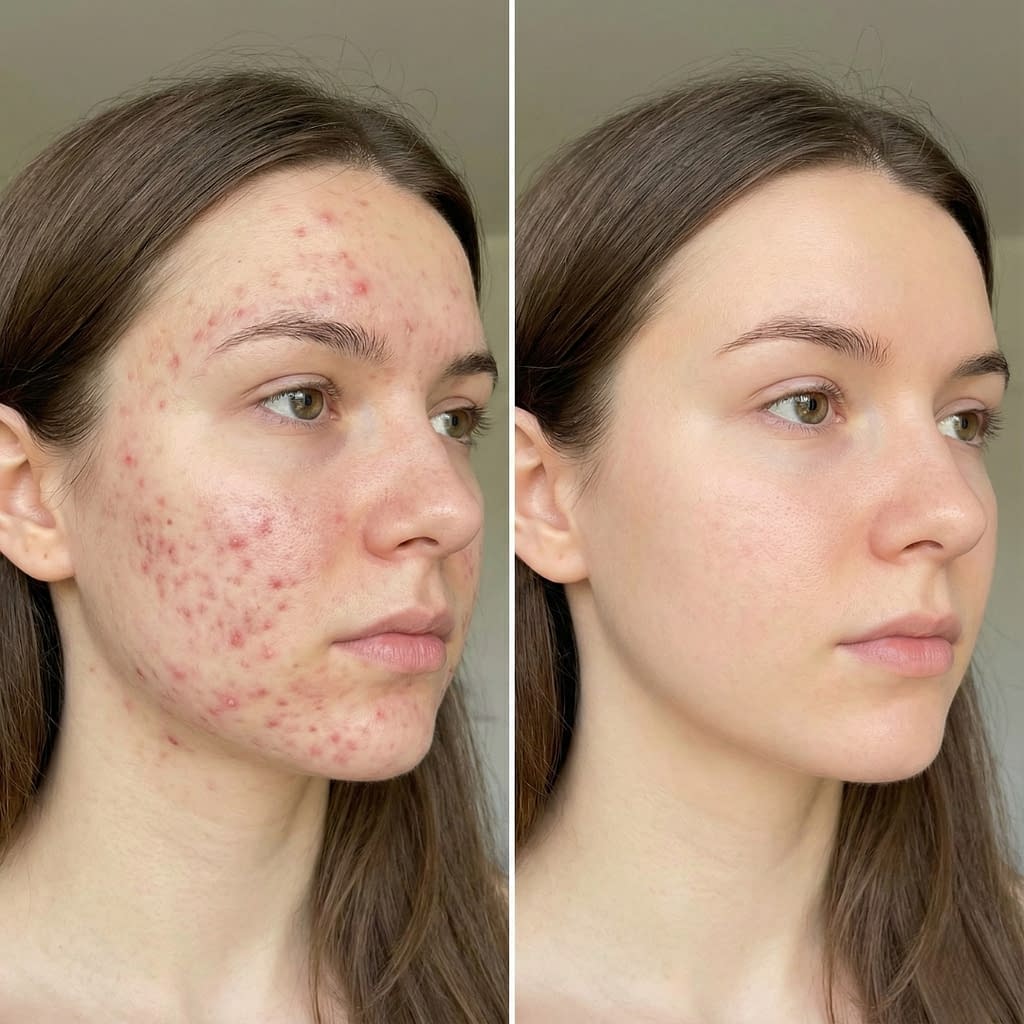
Lifestyle matters. While diet isn’t the sole cause of acne, certain habits correlate with fewer breakouts.
Foods & habits to favor:
- Low–moderate glycemic index foods: whole grains, legumes, vegetables — high-GI diets (sugary and refined foods) can raise insulin and androgen signaling that may worsen acne.
- Limit high-dairy intake (especially skim milk) if you notice a relationship to breakouts — evidence is mixed but some people see improvement.
- Omega-3 rich foods (salmon, chia, walnuts) — anti-inflammatory.
- Stay hydrated, sleep well, manage stress (stress worsens inflammation).
- Avoid smoking and excessive alcohol — both harm skin health.
Add: regular exercise to help circulation — but shower soon after sweating to avoid sweat-related clogging.
What to Avoid When Pimples Are Inflamed
Avoid these common mistakes that worsen inflammation or scarring:
- Squeezing/popping/picking — increases depth of damage and scarring risk.
- Harsh scrubs & aggressive exfoliation on inflamed spots — this amplifies inflammation.
- Overuse of drying astringents (highly concentrated alcohol or acetone-based products) — they damage barrier and cause rebound oiliness and irritation.
- Using multiple strong actives at once (high-strength acids + benzoyl peroxide + retinoids) before skin tolerance — leads to excessive irritation.
- Sun without SPF after active treatments — can worsen post-inflammatory pigmentation.
- Wearing occlusive makeup on fresh lesions — traps bacteria and delays healing; use breathable non-comedogenic formulas and remove thoroughly at night.
- Reusing dirty towels/pillowcases — change linens regularly to avoid re-depositing oils & bacteria.
If you slipped and popped, treat the area like a wound: gentle cleanse, apply hydrocolloid patch or topical antibiotic (if recommended by clinician), and protect from sun.
How to Prevent Acne Scars and Post-Inflammatory Marks
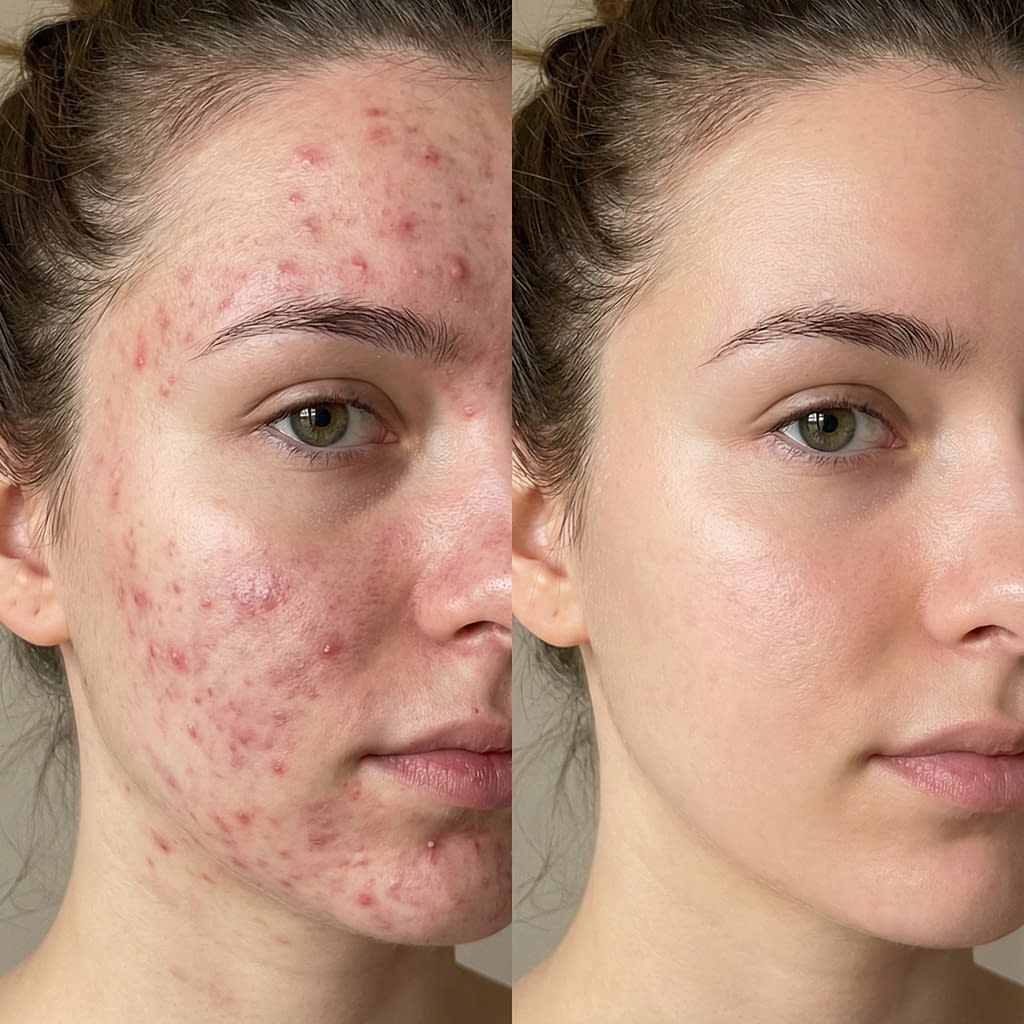
Prevention is easier than fixing scars. Strategies:
- Stop picking — this is the single most effective prevention step. Use hydrocolloid patches to discourage touching.
- Treat inflammation early: fast anti-inflammatory steps (cold compress, short-term hydrocortisone under guidance, benzoyl peroxide or azelaic acid) reduce the intensity of the lesion and the chance of a scar.
- Use SPF daily: UV exposure darkens post-inflammatory marks and slows fading.
- Consider early professional interventions for big nodules: a dermatologist can perform corticosteroid injections for large cysts/nodules — these dramatically reduce scarring risk.
- After the pimple heals: for leftover hyperpigmentation, topical azelaic acid, niacinamide, vitamin C, or professional modalities (chemical peels, laser, microneedling) can improve pigment gradually. For depressed scars, in-office treatments (microneedling, subcision, fillers, lasers) are options.
- Patience: post-inflammatory hyperpigmentation (brown marks) fades over months with protection and treatment; collagen remodeling from scarring can take longer and may need professional care.
If you see early signs of scarring (fibrotic nodules, tethering, or persistent deep pits), consult a dermatologist promptly for best outcomes.
When to See a Dermatologist
Seek professional help if you have:
- Large, painful nodules or cysts — they benefit from medical injections or oral meds.
- Rapidly spreading inflammatory acne or acne that’s unresponsive to OTC treatments after 2–3 months.
- Scarring that worries you or is forming despite home care.
- Signs of infection (increasing pain, spreading redness, warmth, fever).
- Significant emotional distress or impact on quality of life — a dermatologist or therapist can help.
- Need for prescription therapy (oral antibiotics, hormonal therapy such as oral contraceptives or spironolactone for women, oral isotretinoin for severe nodulocystic acne).
Dermatologists can provide targeted treatments that reduce scarring risk and speed safe resolution.
Final Words
Inflamed pimples are frustrating, but you can dramatically reduce their duration and the risk of lasting marks by: not picking, calming inflammation fast with cold and appropriate spot treatments, protecting the barrier with gentle cleansing and moisturizers, using hydrocolloid patches, avoiding overly aggressive products, supporting skin health with diet and sleep, and getting medical help for big, painful lesions. If you act early, use gentle, science-backed products, and protect from sun, your skin is much less likely to end the episode with scars.


