

Your skin is remarkable: it’s a living organ that constantly repairs, defends, and renews itself. But modern life — harsh products, over-exfoliation, sun, stress, poor diet — can overwhelm its natural repair systems. The good news is you can train your skin to heal more efficiently by supporting the processes it already uses: protecting the barrier, reducing inflammation, supplying nutrients, and avoiding behaviors that slow repair. This guide explains how skin heals, which habits and ingredients genuinely help, and a practical, step-by-step routine you can use to encourage smarter, faster, and healthier skin repair — without expensive procedures.
The Skin’s Natural Healing Abilities
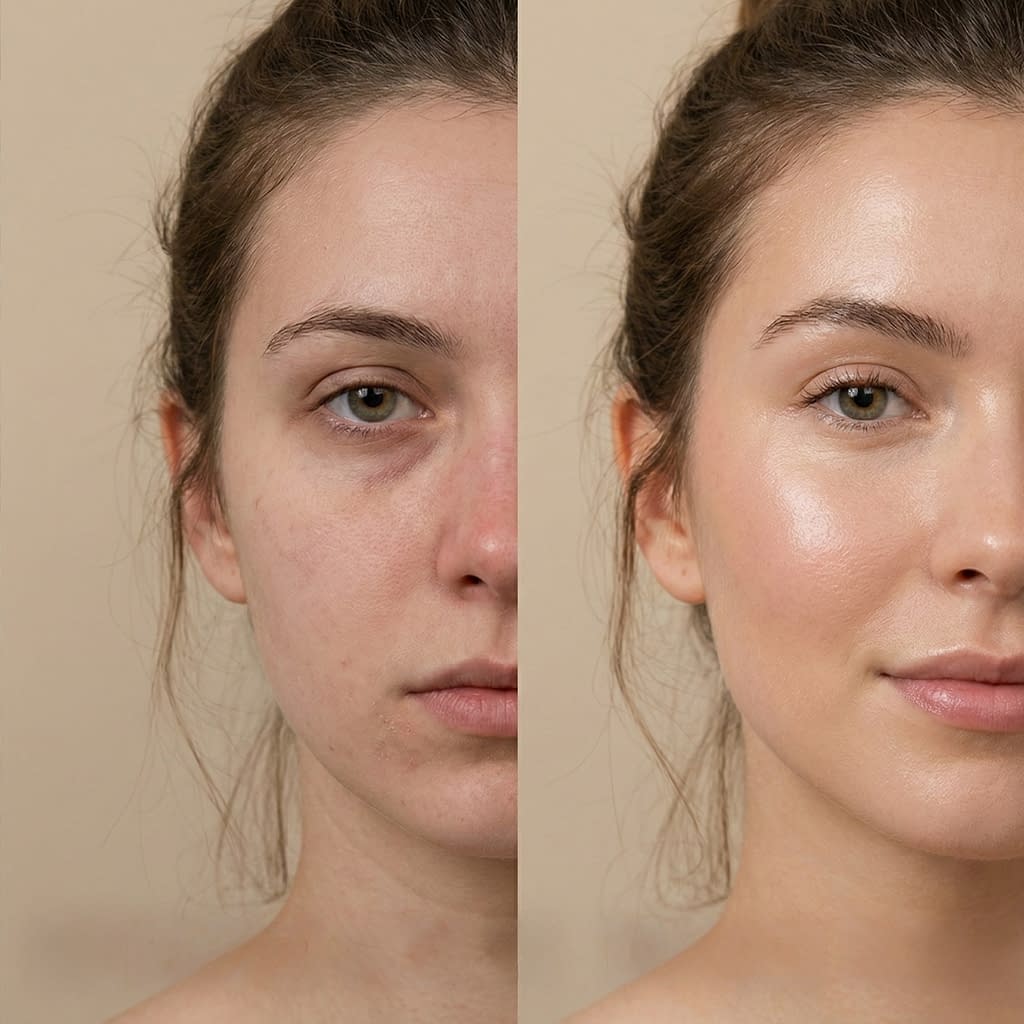
Skin healing is a coordinated, phased process your body runs automatically whenever there’s injury.
The three classic phases:
- Inflammation (hours to days): the immune system clears pathogens and debris, which causes redness and swelling. Controlled inflammation is essential; prolonged inflammation is harmful.
- Proliferation (days to weeks): cells called fibroblasts build new extracellular matrix (collagen, elastin), and keratinocytes re-epithelialize the surface. New capillaries grow to feed the tissue.
- Remodeling (weeks to months): collagen fibers reorganize for strength and flexibility; pigment and texture gradually normalize.
Your job — help these phases run efficiently and avoid actions that prolong or complicate them (for example, constant picking, harsh chemicals, sun exposure). When you optimize conditions, the body does the rest.
Key concepts to remember:
- Clean + protected + nourished = best environment for natural healing.
- Inflammation is necessary but should be limited in intensity and duration.
- The outer barrier layer (stratum corneum) is crucial — fix the barrier and many problems resolve faster.
Understanding Your Skin Barrier and Its Role in Healing
The skin barrier is the frontline: the outermost cells plus lipids form a brick-and-mortar system that keeps moisture in and irritants out. A healthy barrier means fewer irritations, less inflammation, and faster wound closure.
What a healthy barrier does:
- Reduces transepidermal water loss (TEWL), so wounds and micro-tears don’t dry out.
- Keeps microbes and allergens from provoking stronger immune responses.
- Helps topical treatments remain where they’re useful rather than leaking away.
Signs of a damaged barrier:
- Tightness, stinging or burning when you apply products
- Flaky, patchy dryness or sudden sensitivity
- Redness that doesn’t calm down
- Increased irritation from previously tolerated products
How to support the barrier (step-by-step):
- Stop harsh stripping: switch to a gentle, pH-balanced cleanser and use lukewarm water.
- Moisturize consistently: use a formula with ceramides, cholesterol, and fatty acids (the lipid trio the barrier needs).
- Use humectants + occlusives: humectants (glycerin, hyaluronic acid) attract water; occlusives (dimethicone, petrolatum) seal it.
- Avoid irritants: fragrances, high alcohol content, and unnecessary essential oils while healing.
- Protect from sun: UV delays remodeling and increases scarring risk — SPF daily.
When the barrier is healthy, the inflammatory phase is shorter and the proliferative phase is more productive.
Signs Your Skin Needs a Healing Boost
Knowing when to intervene is practical. Your skin will tell you when it needs help.
Red flags that call for focused healing support:
- Persistent redness and sensitivity after changing products
- Small breaks in the skin, frequent dryness, or scaling despite moisturizing
- Slow-healing acne lesions that keep reopening (from picking or improper care)
- New or worsening irritation after minor trauma (paper cuts, shaving)
- Recurrent infections (red streaks, increased pain, pus)
Quick assessment routine:
- Look in good light and note problem areas.
- Run a fingertip across the skin — is it tacky (indicating a failing barrier) or smooth?
- If healing seems delayed (>2 weeks for obvious changes) or infection signs appear, consult a clinician.
Small problems fixed early respond much faster; chronic damage takes longer to reverse.
Gentle Cleansing Habits That Support Recovery
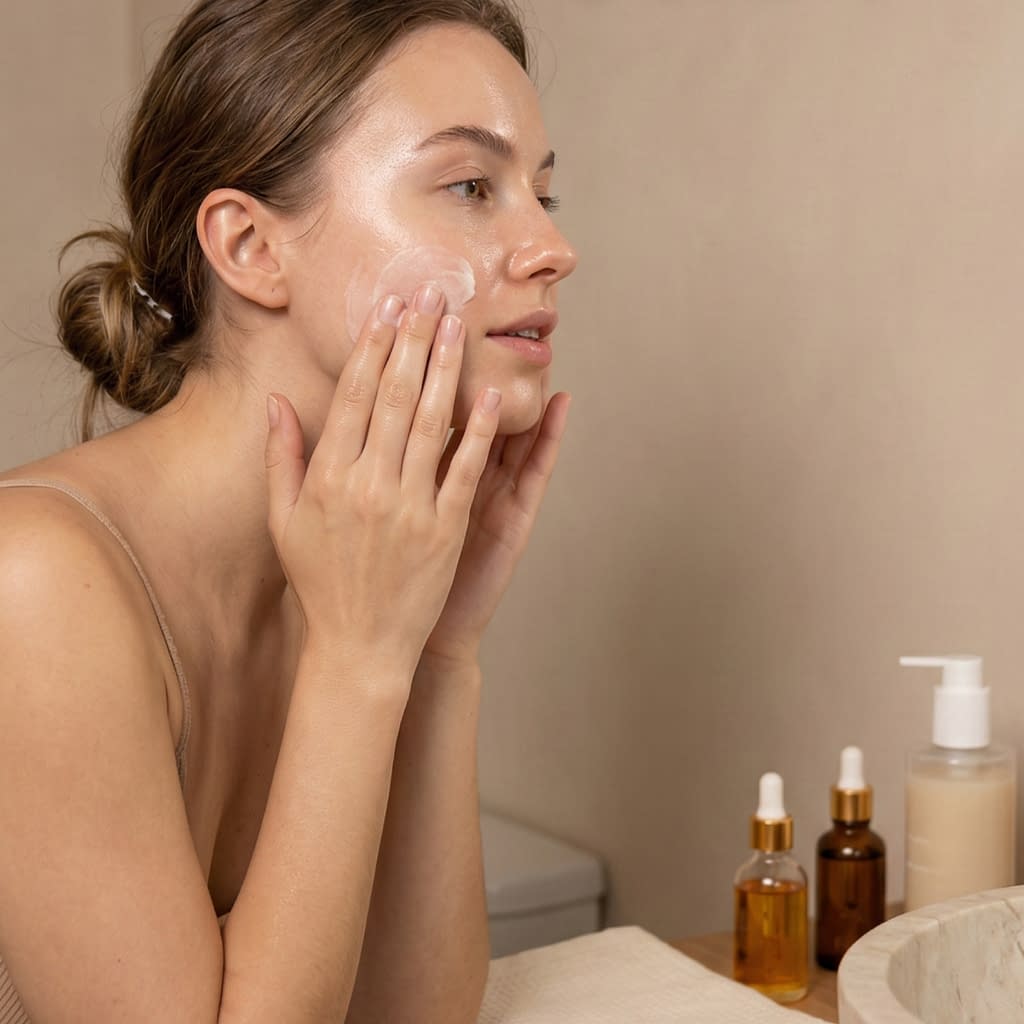
Cleansing is essential but can be a double-edged sword. Use these principles to keep skin clean without interrupting healing.
Cleansing routine for healing skin (step-by-step):
- Choose the right cleanser: pick a gentle, sulfate-free, pH-balanced “syndet” or cream cleanser. Look for “for sensitive skin” labels and avoid rough physical scrubs.
- Limit frequency as appropriate: morning rinse or gentle cleanse; evening cleanse thoroughly only if you wore sunscreen/makeup or were exposed to pollution. Avoid washing more than twice daily unless necessary.
- Use lukewarm water: hot water strips oils and increases inflammation.
- Use gentle motions: fingertips, light pressure, 20–30 seconds, rinse fully.
- Pat dry; don’t rub: press with a clean towel to avoid micro-tears.
- If you have open or broken areas: consider saline wound cleansing (sterile saline spray or saltwater rinse) rather than standard surfactant cleansers on the open wound; then apply healing ointment and cover if needed.
Cleansing should remove debris and bacteria without removing the lipids the barrier needs to heal.
Moisturizing Correctly to Promote Skin Repair
Moisturizing is one of the most powerful, evidence-backed things you can do to train skin to heal itself.
How moisturizers help
- Replenish lipids needed for barrier reconstruction
- Reduce TEWL and protect from irritants
- Provide a matrix for topical actives to work (serums applied under moisturizer are more effective)
- Reduce itching and secondary trauma that delays healing
A step-by-step moisturizing protocol:
- Apply to damp skin: right after cleansing while skin is slightly damp, apply your serum and moisturizer to lock in water.
- Layer humectant + emollient + occlusive: for example, a hyaluronic acid serum (humectant) → ceramide-rich cream (emollient + barrier lipids) → a light occlusive balm over very dry patches at night.
- Use fragrance-free, minimal ingredient formulas to reduce sensitization risk.
- Moisturize often: small, regular applications keep the barrier steady — do it morning and night and after any washing.
- For wounds or very raw skin: use an appropriate healing ointment recommended by a clinician, such as petrolatum or medical-grade emollients, which support re-epithelialization.
Choosing products: look for ceramides, cholesterol, fatty acids, glycerin, hyaluronic acid, panthenol, and niacinamide for added repair benefits.
Ingredients That Help Skin Heal Naturally
Certain ingredients support the cellular machinery of repair or reduce damaging inflammation.
Key supportive ingredients and how they help:
- Ceramides, cholesterol, fatty acids: rebuild the lipid matrix of the barrier. Use in moisturizers.
- Glycerin & hyaluronic acid: draw and retain moisture in the epidermis for plump, flexible tissue.
- Niacinamide: reduces inflammation, improves barrier function, and helps regulate sebum. Use 2–5% topical concentrations.
- Panthenol (pro-vitamin B5): soothes and aids epithelialization.
- Centella asiatica (cica): contains asiaticoside and madecassoside that support collagen synthesis and soothe inflammation.
- Vitamin C (topical, stable forms): supports collagen production during remodeling; apply after the initial inflammation calms and never on raw open wounds.
- Zinc oxide / zinc salts: barrier-protective and mildly antimicrobial; zinc also supports enzymatic functions in healing.
- Medical honey (Manuka) or dressings: in some wound-care contexts they are used for their antimicrobial and moist-healing properties — generally used under clinical guidance.
- Growth-factor or peptide serums (clinical-grade): may support remodeling but often are best used after barrier restoration and under guidance.
What to avoid initially:
- High concentrations of pure vitamin A/retinoids, high % AHAs/BHAs, strong essential oils, or alcohol-based toners on fresh injuries — these can sting and delay healing.
How to Use Natural Remedies Without Irritating Skin
Natural doesn’t always mean gentle. Many home remedies can irritate or sensitize skin when misused.
Common DIY ingredients and safe use:
- Aloe vera gel: soothing and hydrating — apply pure aloe to calm irritated skin. Patch-test if you’ve never used it.
- Honey (raw/medical-grade): antimicrobial and moist-healing when applied to intact wounds — use sparingly and remove after recommended time to avoid excessive moisture breakdown. Not recommended for deep, infected wounds without clinician oversight.
- Green tea compress: cool brewed green tea soothes redness and delivers polyphenol antioxidants. Apply with a clean cloth for 5–10 minutes.
- Oatmeal (colloidal): a gentle topical soak or mask can calm itch and inflammation. Use a clean preparation and rinse after 10–15 minutes.
- Coconut oil / plant oils: can be emollient but some people react or clog pores — avoid on acne-prone areas. Use squalane instead for a non-comedogenic option.
- Tea tree oil: antimicrobial but can be irritating; use only in low concentrations or pre-formulated products (avoid neat application).
Safe DIY principles:
- Patch test any new natural remedy on inner forearm for 48 hours before facial use.
- Use clean tools and containers — contamination can cause infection.
- Keep contact time limited — many “leave-on” natural masks are best removed after 10–20 minutes.
- Stop if you feel burning, increased redness, or itching.
- When in doubt, stick to clinically known gentle ingredients (ceramides, glycerin, niacinamide, hyaluronic acid) rather than exotic home mixes.
Natural supports can be valuable, but they aren’t a replacement for barrier repair basics and professional care when needed.
The Role of Nutrition in Skin Regeneration
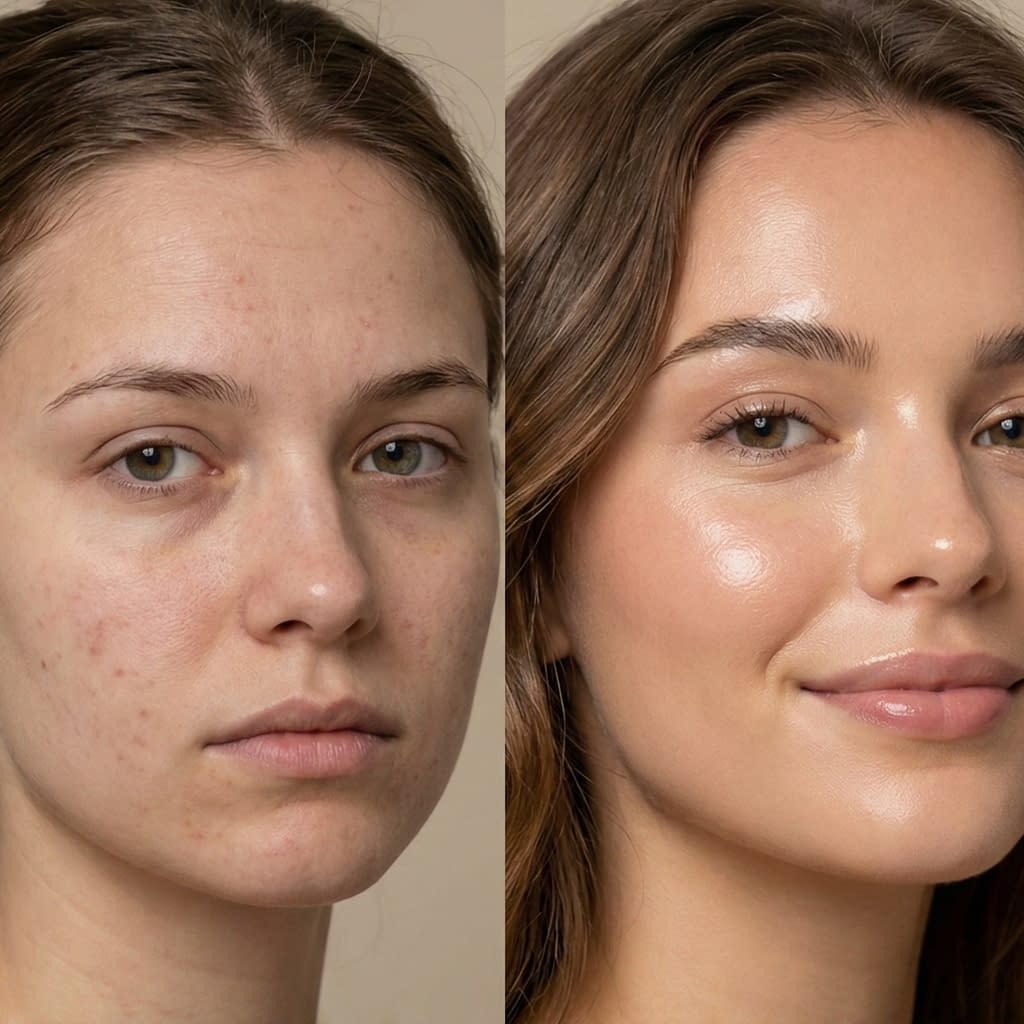
Your skin rebuilds using building blocks from food. Supportive nutrition speeds remodeling and reduces inflammation.
Nutrients that matter:
- Protein and amino acids: collagen and keratin require protein (lean meats, fish, eggs, dairy, legumes).
- Vitamin C: essential cofactor for collagen synthesis (citrus, strawberries, bell peppers).
- Zinc: supports cell division and immune function (pumpkin seeds, oysters, beef).
- Omega-3 fatty acids: reduce inflammation and assist barrier lipids (salmon, chia, flaxseed).
- Vitamin A (from precursors in food): supports epithelial health — but avoid high-dose vitamin A supplements unless advised.
- Antioxidants: polyphenols from green tea, berries, and colorful vegetables reduce oxidative damage that slows healing.
Practical nutrition steps:
- Prioritize protein every day.
- Eat a rainbow of fruits and vegetables for antioxidants.
- Include an omega-3 source several times per week or consider a fish oil supplement after consulting your clinician.
- Stay hydrated — cell function is optimized when tissues are not dehydrated.
A balanced diet helps skin heal faster and supports long-term resilience.
Hydration: Water’s Effect on Skin Healing
Systemic and topical hydration both matter. Cells repair best when they have access to water.
Hydration tips:
- Drink regularly throughout the day — a baseline of ~1.5–3 L depending on body size, activity, and climate.
- Eat water-rich foods like cucumbers, melons, and soups.
- Use topical humectants (HA, glycerin) to trap water in the skin.
- Consider humidification in dry indoor climates — a 40–60% relative humidity supports barrier recovery overnight.
Hydration keeps the extracellular matrix supple, enabling cells to migrate and repair the surface more efficiently.
Avoiding Habits That Slow Down Skin Recovery
Some everyday behaviors sabotage the healing process.
Habits to stop immediately:
- Picking and squeezing lesions — this forces bacteria and debris deeper, causing more inflammation and scarring.
- Over-exfoliating with harsh physical scrubs or concentrated acids during active healing phases.
- Using multiple new products at once — introduces variables and increases irritation risk.
- Excessive sun exposure without protection — UV breaks down collagen and prolongs remodeling.
- Sleeping on dirty pillowcases — transfer of oil and bacteria irritates healing skin.
- Smoking and excessive alcohol — both impair circulation and cellular repair.
Replace them with gentle, consistent habits and you’ll see measurable improvements.
Sun Protection for Faster and Safer Healing
UV exposure disrupts collagen synthesis and makes pigmentation and scarring worse. Protecting skin from sun is non-negotiable.
Practical sun-protection steps:
- Daily SPF 30+ broad-spectrum every morning, even on cloudy days. Reapply every 2 hours outdoors.
- Use protective clothing: hats, UV-blocking fabrics, and sunglasses.
- Time your sun exposure: avoid mid-day sun and seek shade during peak UV hours.
- If you have a fresh wound or treatment: keep it covered and strictly avoid sun; use physical sunblocks (zinc oxide) on exposed repaired areas.
- After procedures (laser, microneedling), follow your clinician’s advice — often strict sun avoidance is required for weeks.
Sun protection preserves repair and prevents discoloration and scar hypertrophy.
Lifestyle Habits That Support Skin Repair and Resilience
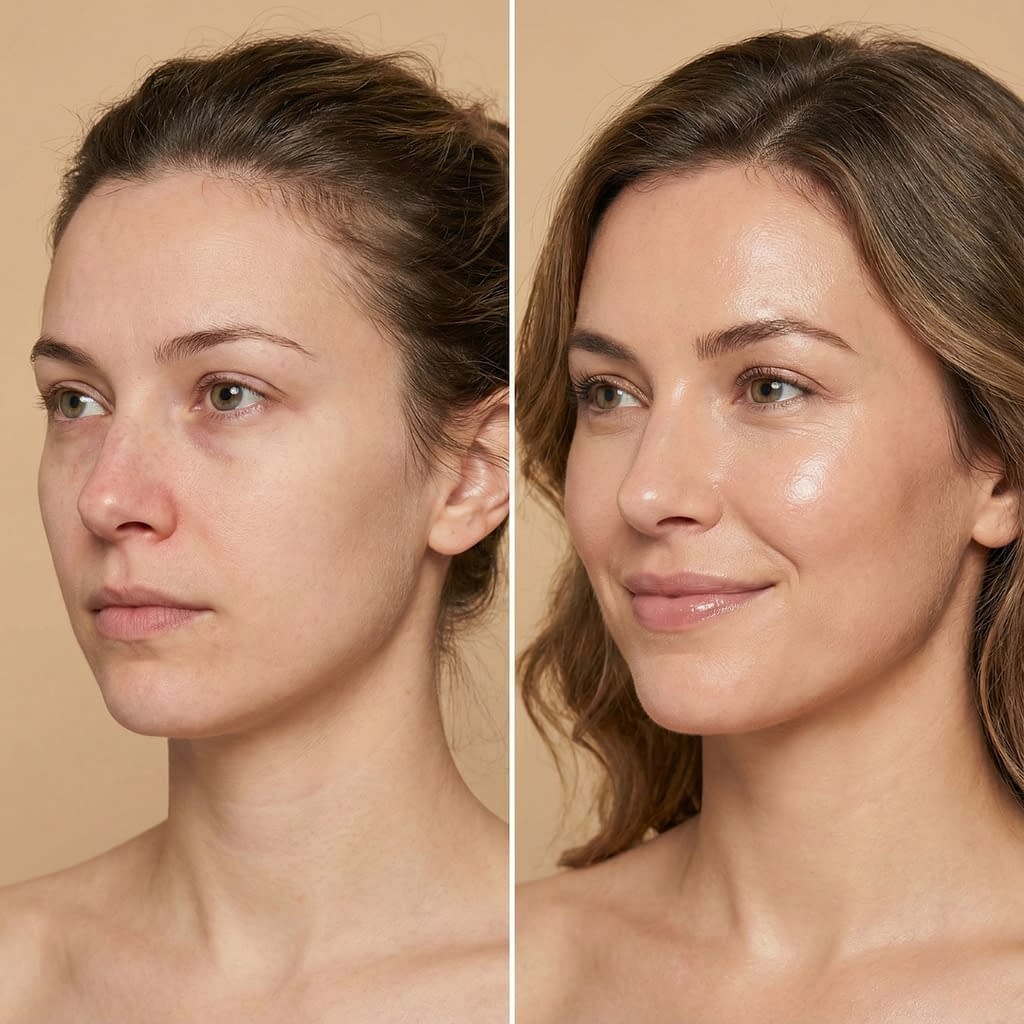
External treatments matter, but lifestyle sets the baseline for how well your skin can repair.
Daily lifestyle habits:
- Sleep: aim for 7–9 hours to allow growth and repair cycles to work optimally.
- Stress management: meditation, breathwork, or short walks reduce cortisol — high cortisol impairs healing.
- Exercise: improves circulation and immune regulation; shower to remove sweat afterward to avoid pore clogging.
- Limit smoking and heavy alcohol: both lower tissue oxygenation and slow collagen synthesis.
- Maintain general health: manage chronic conditions (diabetes, thyroid) with your doctor — uncontrolled systemic disease can impair wound healing.
Resilient skin is often a reflection of balanced, sustainable lifestyle choices.
When to Seek Professional Help for Persistent Skin Issues
Most everyday wounds and minor skin damage heal with good care. See a professional if you notice any of the following:
When to seek help:
- Signs of infection: increasing redness, warmth, severe pain, pus, fever — get immediate medical attention.
- Slow healing for weeks: lesions that don’t show improvement in 2–3 weeks.
- Recurrent wounds in the same place or unexplained erosions.
- Suspected underlying disease (e.g., autoimmune conditions, diabetes-related slowed healing).
- If cosmetic scarring is a concern: dermatologists and aesthetic professionals can advise and provide safe interventions (microneedling, laser, PRP) at the appropriate stage of healing.
- Before trying stronger active treatments (like prescription retinoids or professional peels) if your barrier is compromised.
A clinician can diagnose, debride infected tissue, prescribe antibiotics or steroids when appropriate, and recommend advanced wound care products.
Final Words
Training your skin to heal itself is about creating consistent conditions for natural repair: gentle cleansing, barrier-first moisturizing, smart ingredient use, proper nutrition and hydration, sun protection, and lifestyle choices that reduce inflammation and support cellular work. Start with simple, repeatable habits — palms-full-of-product aren’t necessary — and protect rather than punish your skin. When you remove irritants, feed your body the nutrients it needs, and give the skin the right topical support, healing becomes a reliable, predictable process. Over weeks and months you’ll notice faster recovery, less scarring, and stronger, more resilient skin that really does heal itself.


