

Winter brings cozy layers, hot drinks, and — for many of us — an uptick in loose hairs in the shower and on the brush. Cold air and indoor heating change the environment that keeps your scalp and strands happy, and small daily habits can either protect or accelerate seasonal shedding. This guide explains why winter matters, what actually causes extra hair fall, and gives precise, realistic, step-by-step routines (cleansing, conditioning, scalp care, food, oils, protective styling and more) so you can reduce hair loss naturally and keep your mane healthy till spring.
Why Hair Fall Increases During Winter
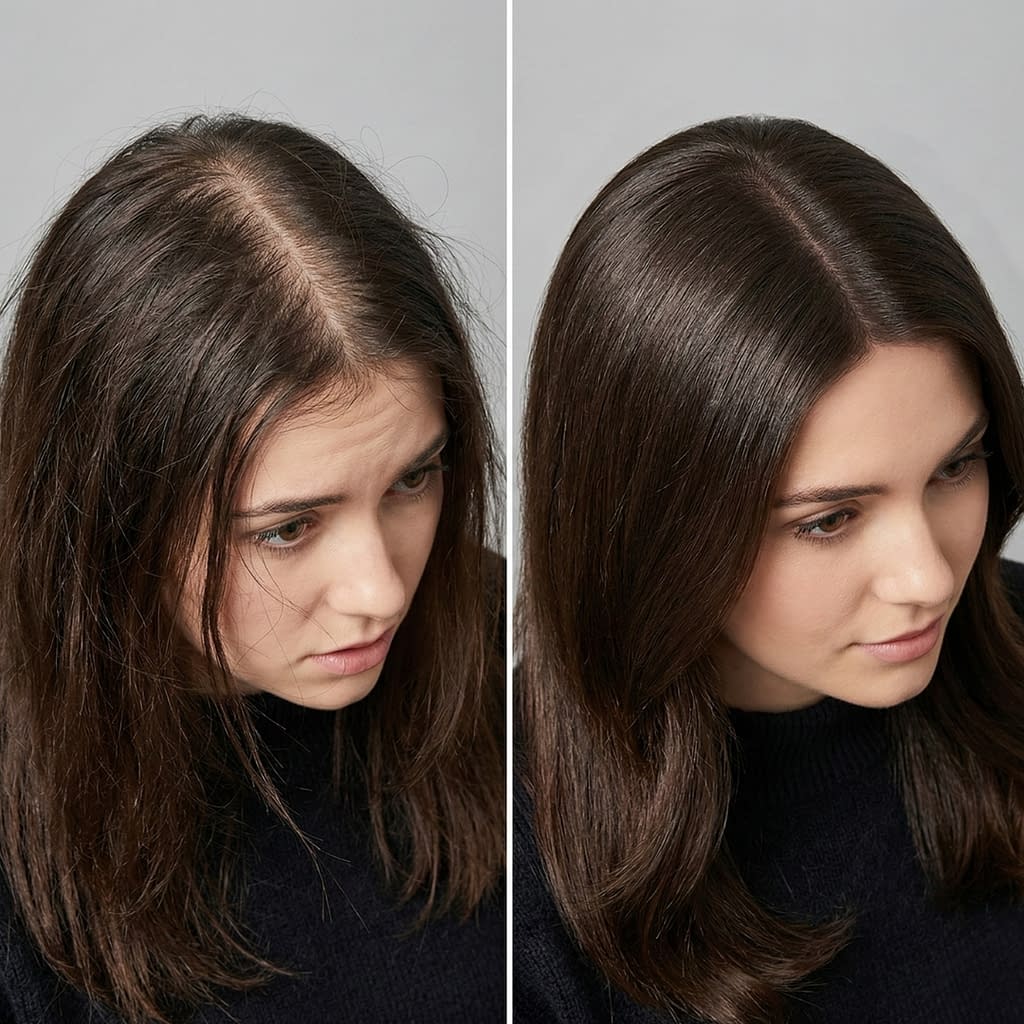
Hair cycles through growth (anagen), transition (catagen) and rest (telogen). Seasonal factors don’t change genetics, but they do influence the scalp environment and hair integrity — and that’s enough to push more hairs into shedding or make already fragile hairs break.
How winter contributes:
- Lower humidity outdoors and dry heated air indoors -> increased transepidermal water loss from the hair shaft and scalp, making hair brittle.
- Static and friction from hats, scarves and wool fabrics -> mechanical breakage at the shaft.
- Reduced blood flow to the scalp in cold conditions (vasoconstriction) can temporarily reduce nutrient delivery.
- Lifestyle shifts (less fresh produce, more hot showers, stress around holidays) can impair hair resilience.
Understanding these links helps you choose targeted interventions — not just more products.
Common Causes of Seasonal Hair Shedding
Be precise about cause so you treat the right problem.
Typical winter triggers:
- Dry, brittle hair that snaps rather than shedding from the root.
- Increased breakage caused by friction (hats, collars, rough towels).
- Flaky, tight scalp that discourages healthy hair anchoring.
- Behavioral factors: overwashing with hot water, aggressive towel rubbing, heavier styling products that build up.
- Temporary telogen effluvium triggered by stress, illness, or sudden temperature changes — usually resolves in months but benefits from gentle care.
If hair fall is sudden, clumpy, or very heavy (more than usual daily shedding), seek medical advice — sometimes winter uncovers underlying deficiencies or thyroid/hormonal changes.
How Cold Weather and Indoor Heating Affect Hair

Two-part explanation and immediate fixes.
What happens and what to do:
- Cold, dry outdoor air strips moisture.
- Fix: use a humidity-raising strategy indoors (humidifier set to ~40–50%), and wear a lined hat (silk lining or silk scarf under a wool hat) to reduce friction.
- Hot indoor heating further dries the scalp and hair.
- Fix: lower the thermostat slightly, avoid sitting directly in front of vents, and run the humidifier in sleeping and main living areas.
- Rapid temperature swings (cold outside -> hot inside) stress the cuticle.
- Fix: protect hair with a hat and avoid overly hot showers. Rinse with lukewarm or cool water to help close cuticles.
Small environmental changes often produce big improvements in hair elasticity and scalp comfort.
Gentle Cleansing Habits for Winter Hair Care
Shampoo less aggressively, choose mild formulations, and wash smart.
Step-by-step cleansing routine:
- Reduce washing frequency to 1–3 times/week depending on oiliness — overwashing strips protective oils.
- Use a sulfate-free, mild shampoo formulated for dry or damaged hair (look for glycerin, panthenol, mild surfactants).
- Pre-wash tip: apply a small amount of oil (light oil like squalane or argan) to mid-lengths if hair is extremely dry; rinse out during shampoo to reduce swelling stress.
- Lukewarm water only: avoid hot water that strips lipids; finish with a cool rinse to flatten cuticles.
- Scalp-first technique: massage shampoo gently into the scalp with fingertips (not nails) for 30–60 seconds; allow rinse water to cleanse lengths rather than scrubbing them vigorously.
- Pat dry with microfiber or cotton T-shirt — don’t rub; detangle gently with a wide-tooth comb when damp.
These changes reduce mechanical trauma and help hair retain moisture so it’s less likely to break.
Deep Conditioning to Strengthen Hair Roots
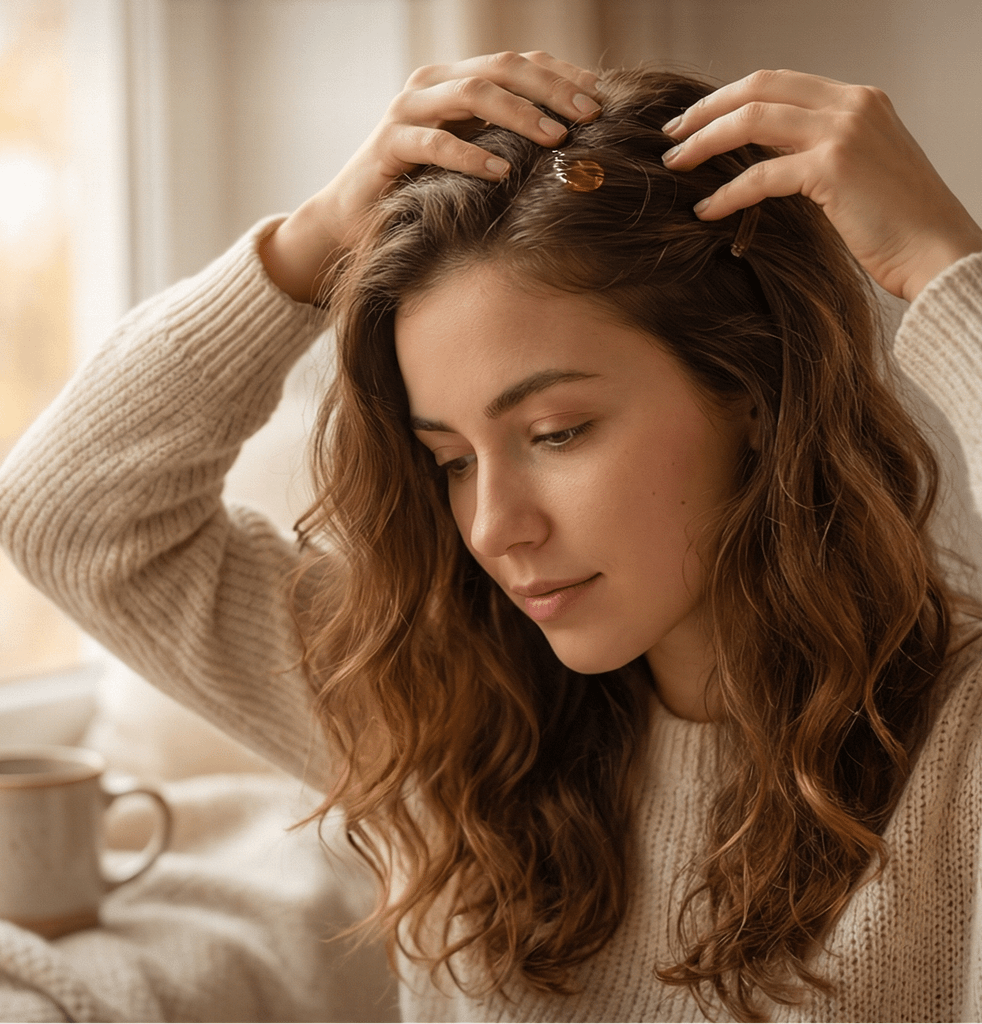
Moisture + strength = less breakage. Use masks and treatments targeted at winter needs.
Deep conditioning protocol:
- Weekly deep mask: choose a moisturizing mask with proteins and humectants (e.g., hydrolyzed keratin, panthenol, glycerin) and nourishing oils (argan, shea).
- Application: after shampoo, towel-blot hair, apply mask from mid-lengths to ends (roots only if scalp is dry), distribute with a wide-tooth comb.
- Boost with gentle heat: cover hair with a shower cap and sit under a warm towel or heat cap for 10–20 minutes to improve penetration (heat opens the cuticle mildly).
- Rinse with cool water to close the cuticle and lock in shine.
- For fragile or chemically treated hair: alternate moisturizing masks with a mild protein treatment every 3–4 weeks to rebuild structure (don’t overdo protein; too much makes hair stiff).
Consistency — once weekly — will noticeably reduce snapping and make strands more resilient.
Nourishing Oils That Reduce Hair Fall in Winter

Oils seal moisture, minimize friction, and can nourish the scalp when used correctly.
Best oils & how to use them:
- Argan oil: lightweight, high in fatty acids and vitamin E — great as a leave-in on damp hair (2–3 drops on short hair, 4–7 on long).
- Coconut oil: penetrates the hair shaft and reduces protein loss; best used as a pre-wash treatment (apply 30–60 minutes before shampoo).
- Castor oil: thick, promotes scalp circulation and adds thickness illusion — mix 1:3 with a carrier oil (jojoba or almond) and massage into the scalp weekly.
- Jojoba & squalane: close to sebum; excellent for scalp balance and lightweight sealing on ends.
- Rosemary essential oil (diluted): traditionally associated with hair growth support; add a few drops to carrier oil for scalp massages (always dilute and patch test).
How to oil safely (step-by-step):
- Mix: if using a heavy oil like castor, blend with a lighter oil.
- Warm slightly in hands (do not overheat).
- Apply to scalp or lengths depending on need (scalp massage vs. end treatment).
- Massage 5–10 minutes for circulation (see scalp massage technique below).
- Leave 30–60 minutes or overnight for deep treatments, then shampoo and condition as usual.
Regular, light oiling prevents dryness and reduces breakage from friction and brittleness.
Scalp Care Tips to Prevent Dryness and Flaking
Healthy hair starts at the scalp — keep it balanced and well-nourished.
Scalp regimen (step-by-step)
- Gentle exfoliation once a week (scalp scrub or a low% BHA product) to remove flakes and product build-up that block follicles.
- Use targeted serums with niacinamide, panthenol, or azelaic acid for flaky/scaly scalps — these calm inflammation and regulate sebum.
- Massage daily (1–5 minutes) with fingertips or a soft-bristled brush to stimulate circulation and distribute oils.
- Avoid harsh anti-dandruff shampoos frequently unless needed — alternate medicated shampoos with a hydrating sulfate-free option.
- Humidify your environment to keep the scalp from drying out.
A calm, hydrated scalp supports stronger hair shaft anchoring and reduces telogen shedding from irritation.
Limiting Heat Styling to Minimize Breakage
Heat multiplies winter damage — reduce it and use protection.
Heat strategy (step-by-step)
- Air-dry when possible or rough-dry to 70–80% before using tools.
- Use the lowest effective heat setting on tools (fine hair: lower temp; thicker hair: slightly higher).
- Always apply a heat-protectant (spray or cream) before any hot tool.
- Minimize frequency: reserve straighteners/curlers for special occasions and stretch styles with braids, buns, or twists between wash days.
- Limit blow-drying time and use a nozzle for targeted airflow; keep dryer 6–8 inches away from hair.
Fewer heat sessions = less cumulative damage and far fewer broken hairs left on the brush.
Protective Hairstyles for Cold, Dry Weather
Smart styling reduces friction and breakage while still looking good.
Protective style ideas:
- Loose, low buns or braids to limit movement and friction under hats.
- Silk/satin scrunchies and scarf wraps to reduce tension points and friction.
- Ponytails loosely tied at the nape (avoid high, tight styles that stress the hairline).
- Box braids or twists (if appropriate) spaced correctly to avoid traction — not too tight.
- Hat linings: silk or satin cap under wool hats to eliminate rough contact.
Remember: the goal is to reduce rubbing and pulling, not hide hair under a tight cap that causes breakage.
Diet and Nutrients That Support Hair Strength
What you eat feeds the follicle. Aim for balance and specific nutrients that hair needs.
Nutritional guide
- Protein: hair is keratin — ensure adequate protein daily (eggs, fish, legumes, dairy).
- Iron: deficiency increases shedding — include red meat, spinach, lentils, or consider testing and supplementing if low.
- Zinc: important for hair tissue repair; sources include oysters, pumpkin seeds, and beef.
- Omega-3 fatty acids: anti-inflammatory and supportive of scalp health — fatty fish, flaxseeds, walnuts or fish oil.
- Vitamin D: low levels are correlated with hair fall in some people — get safe sun exposure or test/supplement if needed.
- B vitamins (biotin, B12): generally supportive — biotin supplementation helps some people but is only necessary if dietary intake is low.
- Antioxidants: vitamin C and E protect follicles from oxidative stress — eat berries, citrus, nuts, and leafy greens.
If you suspect a deficiency, ask your clinician for blood tests before starting high-dose supplementation.
Hydration and Its Role in Hair Health
Hydration matters for hair elasticity and sheen — don’t neglect it.
Hydration checklist:
- Drink water consistently through the day (small frequent sips rather than huge volumes at once).
- Eat hydrating foods (soups, cucumbers, citrus, melons) during winter when dryness is prevalent.
- Topical hydration: use leave-in conditioners and humectant serums (glycerin, low-MW hyaluronic acid) on hair to draw water into the fiber.
- Use a humidifier especially in the bedroom while sleeping — it reduces dryness overnight which is critical for repair.
Hydrated hair bends rather than snaps; that simple fact reduces visible fall considerably.
Natural Home Remedies to Control Hair Fall
Some traditional remedies have supportive evidence or at least low downside when used sensibly.
Practical remedies & how to use
- Onion juice (scalp application): may support hair growth signals; blend onion, strain juice, massage into scalp for 15–30 minutes, then shampoo. Use patch test; smell and irritation are possible.
- Fenugreek paste: soak seeds overnight, grind into paste, apply to scalp for 30–60 minutes then rinse — may reduce shedding and improve hair strength for some.
- Aloe vera gel: soothing, anti-inflammatory — use as a pre-shampoo scalp mask for 20–30 minutes.
- Green tea rinse: rich in antioxidants — steep, cool, and rinse hair for a gentle antioxidant boost.
- Coconut oil pre-wash: reduces protein loss and strengthens hair; apply 30–60 minutes before shampoo.
Use these 1–2× weekly and discontinue if irritation occurs. They’re supportive — not miracle cures — and work best combined with the core care steps above.
Mistakes That Worsen Hair Fall During Winter
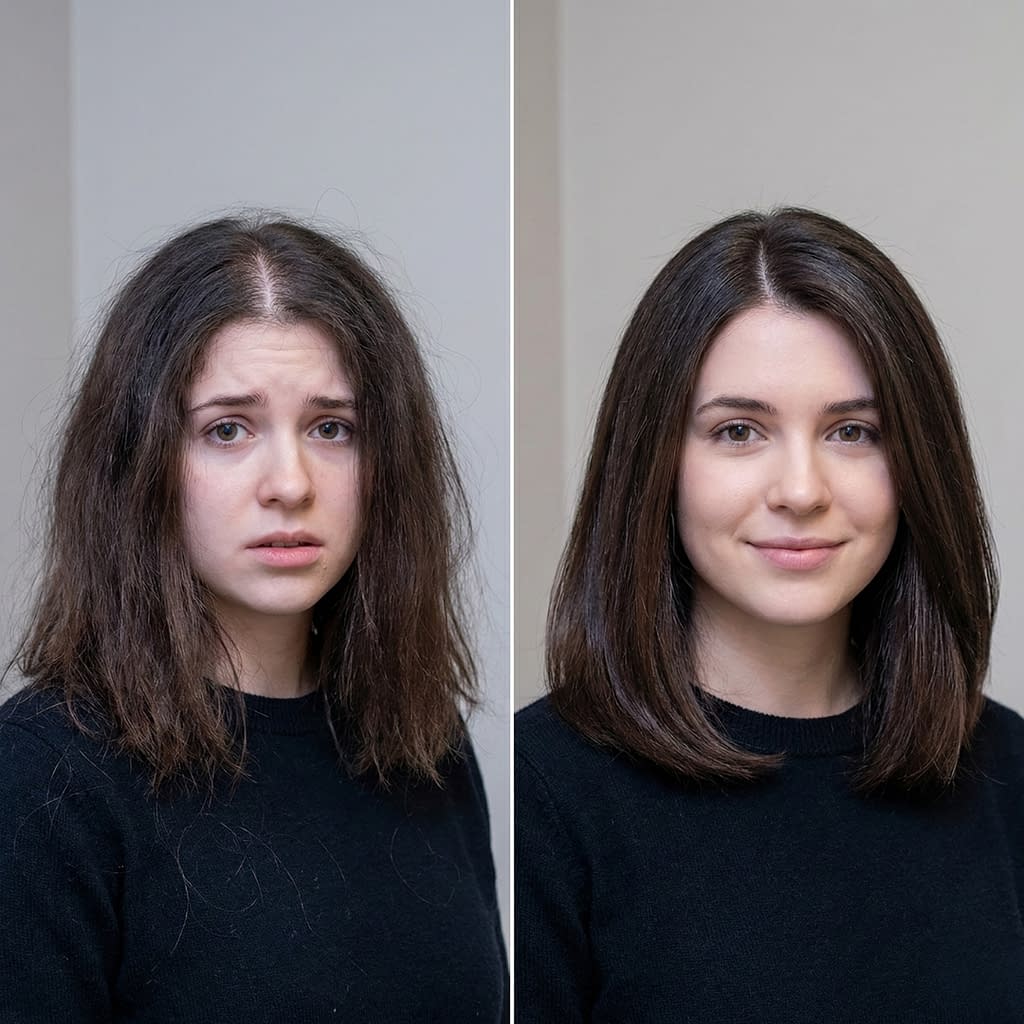
Avoid these common errors that undo your best efforts.
Top winter mistakes
- Hot showers and hot styling that strip natural oils.
- Overwashing or using harsh sulfates that dry hair and scalp.
- Tight hairstyles and rough towel drying that cause traction and breakage.
- Skipping deep conditioning because you think it’s “too heavy” — in winter you need the extra nutrition.
- Not protecting hair under hats (or using rough-wool hats without a lining).
- Self-medicating with high-dose supplements without checking deficiency — unnecessary and sometimes harmful.
Stop the mistakes, and you’ll save more hair than any single “super” product can.
Final Words
Winter hair fall is real — but it’s also manageable. The most effective strategy is low-tech and consistent: gentle cleansing, weekly deep conditioning, scalp care and massage, smart oiling, reduced heat, protective styling, a nutrient-rich diet, and indoor humidity. Add targeted natural remedies if you like, but prioritize foundational care first. If you see sudden or severe shedding that doesn’t improve after 2–3 months of good winter care, consult a dermatologist or trichologist to check for nutritional deficiencies, thyroid issues, or other medical causes.


