

If you’re tired of trying the latest miracle serum, cycling through every trending routine, and waking up frustrated when your skin hasn’t “transformed overnight,” this post is for you. Real, sustainable skin improvement happens when you slow down, do fewer things well, and give your skin time to respond. Below you’ll find why patience matters, how skin renewal truly works, step-by-step guidance for building a calm, effective routine, and practical ways to track progress without turning skincare into an anxiety spiral.
Why Patience Matters in Skincare
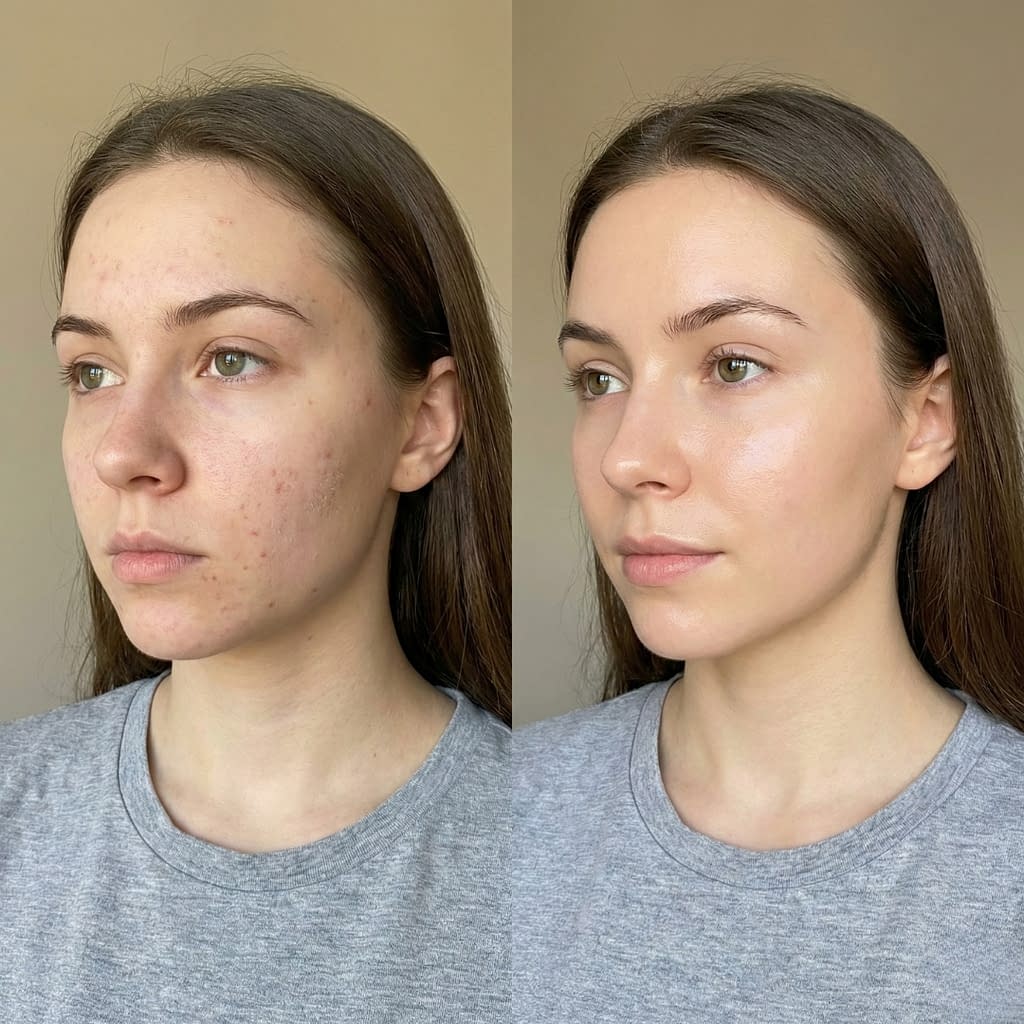
Skin is a living organ with its own tempo. Expecting instant change forces you to over-treat, which usually causes irritation, rebound oiliness, or barrier damage — and that creates the very problems you were trying to fix.
Practical points
- Skin cell turnover is not instant; repair and remodeling take weeks to months.
- Slow improvements are more durable than fast fixes that come with side effects.
- Patience reduces the impulse to layer conflicting actives and helps you notice real trends (not random fluctuation).
Mindset shift (step-by-step)
- Replace “fix it now” with “support and observe.”
- Reserve daily decision energy for essentials: cleanse, hydrate, protect.
- Remind yourself that visible progress often appears in 4–12 weeks for barrier repair and 8–12 weeks for many active-driven changes.
The Problem With Chasing Quick Fixes
Quick fixes—harsh peels, aggressive double-downs on retinoids, or swapping products every week—give short-term change or dramatic flash effects but rarely long-term health.
Why quick fixes backfire
- They can strip the barrier, making skin more reactive.
- Constant switching prevents you from knowing what actually helps.
- They create dependency on frequent intervention and a cycle of disappointment.
What to do instead (step-by-step)
- Keep a routine simple for 4–8 weeks before deciding if it’s working.
- If you try a new product, introduce one at a time and track reactions.
- Favor gradual, tolerable increases (build up retinoid frequency slowly; increase acid strength slowly).
Understanding How Skin Renewal Actually Works
A simple primer on timelines and biology helps set realistic expectations.
Key biology in plain terms
- Epidermal turnover (outer layer renewal) takes ~28–40 days in younger skin, longer with age.
- Barrier repair (lipid repletion, reduced TEWL) can begin within days but needs weeks for measurable improvement.
- Collagen remodeling (texture and firmness changes) happens slowly — noticeable change usually takes months (3–6+ months).
Practical timeline (what to expect)
- 1–2 weeks: immediate soothing or hydration changes.
- 4–8 weeks: reduction in sensitivity, fewer flaky areas, more even tone.
- 8–12+ weeks: visible improvement in pigmentation, acne frequency, and general texture.
- 3–6 months: firmer skin and clearer change in collagen-dependent measures.
The Role of a Consistent Skincare Routine
Consistency beats complexity. A predictable, gentle routine trains your skin to function rather than reacting to new inputs constantly.
Core routine template (daily)
- AM: gentle cleanse (if needed) → lightweight hydrator or serum (hyaluronic/niacinamide) → moisturizer → sunscreen (broad-spectrum SPF 30+).
- PM: double cleanse if wearing makeup/sunscreen (oil then gentle cleanser) → targeted treatment (retinoid or acid on alternating nights) → moisturizer/repair cream.
- Weekly: 1× gentle chemical exfoliation or an enzyme mask if tolerated; 1× nourishing mask if very dry.
How to keep it consistent (step-by-step)
- Put products where you’ll use them (sunscreen next to toothbrush, night products on bedside table).
- Track every new product for 3–4 weeks before declaring success/failure.
- Simplify if your skin is reactive: less is more until barrier is stable.
Avoiding Overuse of Active Ingredients
Actives are powerful but need respect. Too many at once → irritation; too many doses → barrier damage.
Safe active strategy (step-by-step)
- Start low and slow: begin retinoids/strong acids once or twice weekly, then increase frequency as tolerated.
- Single active focus: try one major active at a time (e.g., vitamin C OR a retinoid), not both at full strength simultaneously.
- Alternate nights: use acid one night, retinoid another, moisturizer-only nights in between.
- Spot-test for 48 hours on jawline or behind ear when trying a new active.
- Watch for signs of overload: stinging, redness, persistent flaking, increased breakouts — if they appear, reduce frequency or pause and repair the barrier for 1–2 weeks.
How Stress and Anxiety Affect Your Skin
Mind and skin are tightly linked. Stress increases inflammation, triggers oilier skin or breakouts, and slows healing.
Practical stress-reduction tips (step-by-step)
- Sleep: aim for consistent sleep (7–9 hours). Good sleep supports repair cycles.
- Breathing/mini-breaks: practice 5 minutes of paced breathing daily to reduce cortisol spikes.
- Movement: gentle exercise improves circulation and mood; avoid extreme crash diets or overexertion.
- Boundaries with information: reduce skincare doomscrolling; set specific times to read product info rather than constant checking.
When stress spikes, simplify your routine: prioritize barrier care (moisturizer, SPF, gentle cleanser) and skip new actives.
The Importance of Gentle Cleansing and Hydration
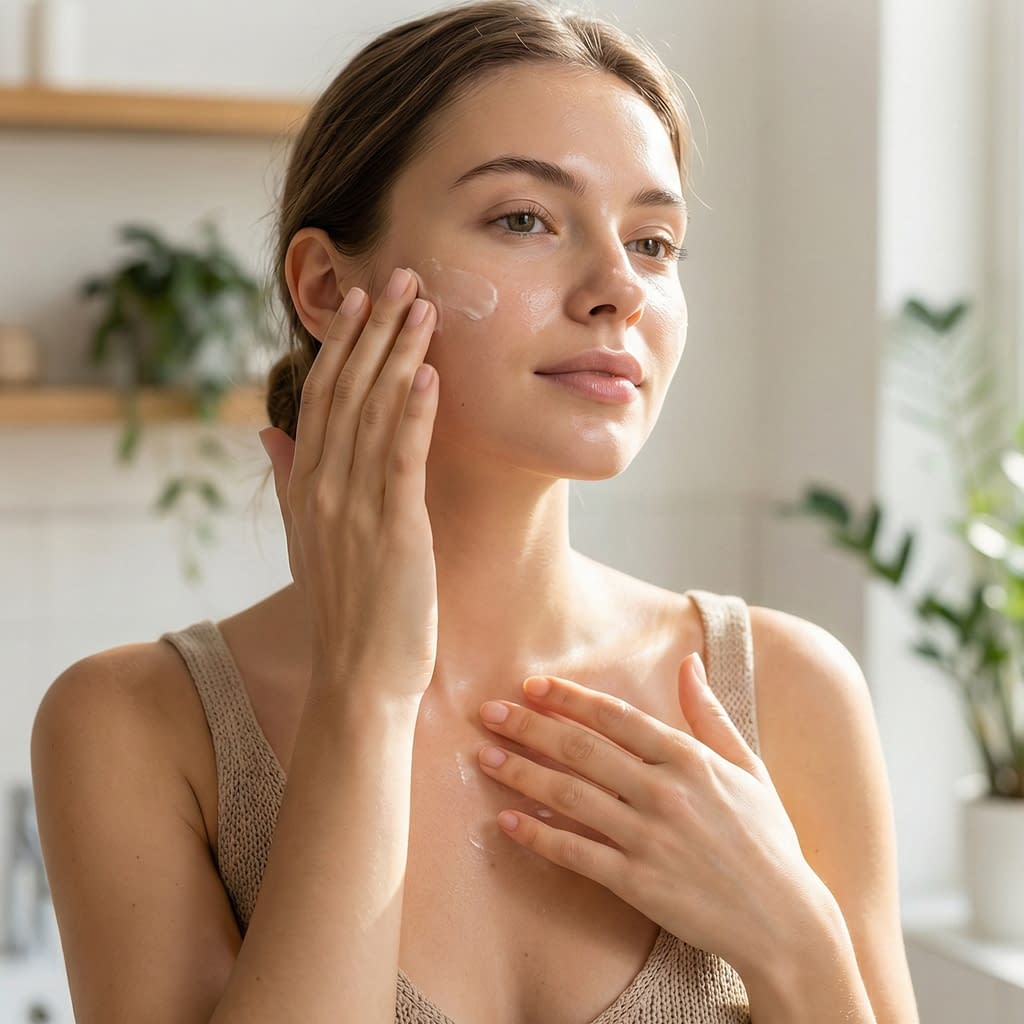
Cleansing and hydration are the true foundation. They prepare skin to accept treatments without irritation.
Step-by-step cleansing + hydration routine
- Choose a mild, pH-balanced cleanser that doesn’t leave your skin tight. Use lukewarm water.
- Limit hot showers and long washes — 30–60 seconds for face is often enough.
- Apply humectants (glycerin, hyaluronic acid) to damp skin to draw in moisture.
- Seal with emollients and ceramide-containing moisturizers to rebuild lipids.
- Use occlusives (petrolatum, dimethicone) at night on dry patches to protect and accelerate repair.
Hydrated, well-sealed skin tolerates actives better and looks more radiant — without extra tricks.
Food, Lifestyle, and Sleep Habits That Support Skin Health
Topical care matters, but system-level support compounds results.
Practical steps for inside-out support
- Eat a balanced diet with whole foods, protein to support repair, and antioxidants (berries, leafy greens).
- Include omega-3s (fish, flaxseed) to reduce inflammation.
- Stay hydrated — sip water steadily across the day.
- Sleep consistently — repair processes happen during deep sleep cycles.
- Avoid extreme diets unless supervised — sudden restriction can cause telogen effluvium (hair shedding) and skin dullness.
Small daily habits often yield visible skin benefits within weeks to months.
When to Introduce Treatments Without Overloading Skin

Timing and staging make treatments work better and safer.
Introduce new treatments (step-by-step)
- Patch-test new product behind the ear or on inner forearm for 48 hours.
- Introduce one product at a time for 3–4 weeks; track results and irritation.
- Increase gradually (frequency and concentration) only if tolerated.
- If irritation occurs: stop the new product, use soothing care (moisturizer, barrier balm) and reassess in 1–2 weeks.
- Consult a professional for prescription actives to get tailored ramp-up plans.
A slow introduction minimizes confusion about what’s helping or hurting.
Signs That Your Skin Is Improving Slowly But Surely
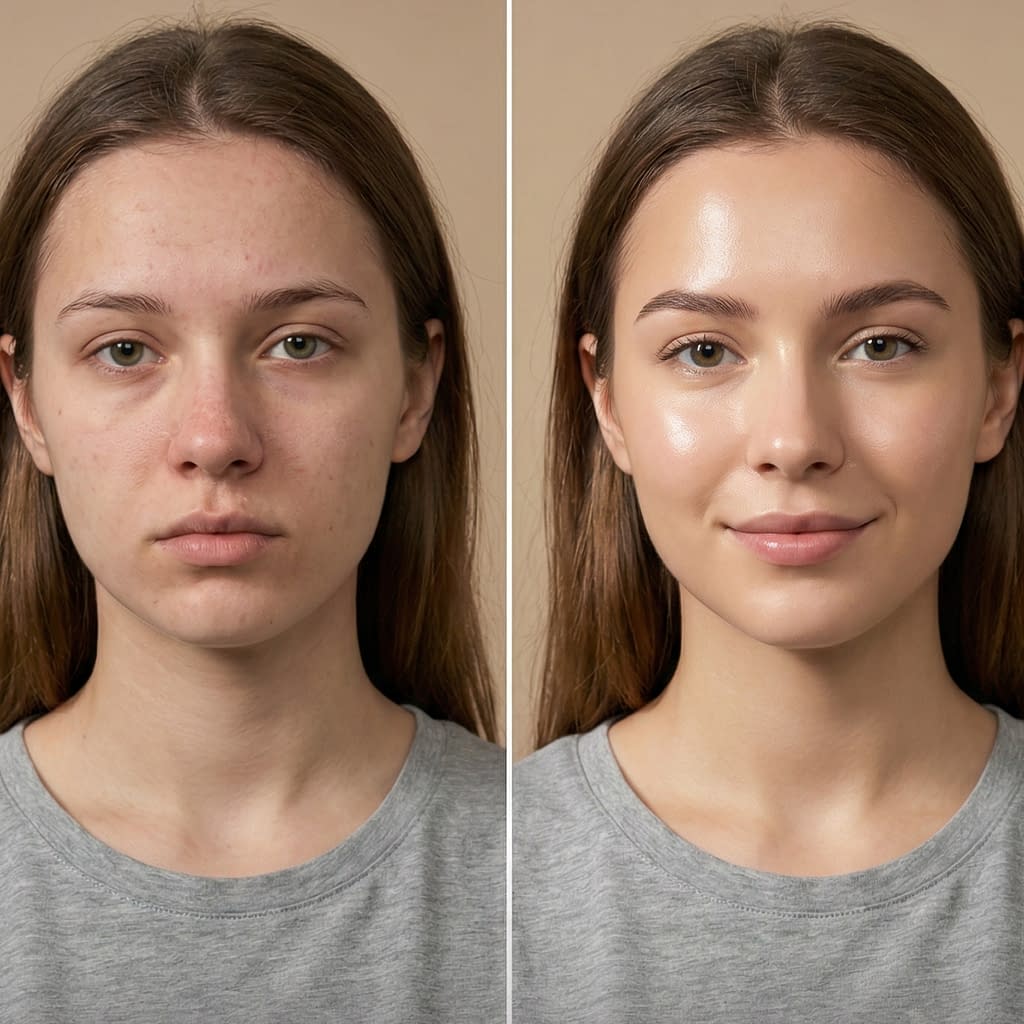
Progress is often subtle. Learn the signs so you don’t abandon a winning routine.
Progress signals to watch for
- Skin feels less reactive to weather or products.
- Fewer flushes, less stinging, and reduced dryness or tightness.
- Overall tone looks more even; fewer new spots or scaled areas.
- Makeup sits smoother and lasts longer.
- Breakouts reduce in frequency and heal faster.
Track with weekly photos in the same light and brief notes — the archive proves improvement when you feel impatient.
Common Mistakes That Delay Real Results
Avoid common traps that make progress slower or reverse it.
Top mistakes and fixes
- Switching products too frequently: pick and stick for 6–12 weeks.
- Layering many actives: rotate or alternate them.
- Ignoring sunscreen: sun wrecks progress fast — use SPF daily.
- Expecting every product to be a miracle: no single product does everything.
- Reacting emotionally to breakouts: sometimes purging or adjusting causes temporary flares — don’t panic; analyze.
If you’ve made a mistake, focus on calming and barrier repair — that’s your fastest route back to steady improvement.
Mindset Shifts for Long-Term Skin Health
How you think about skincare matters almost as much as what you apply.
Helpful mindset changes
- Treat skincare as maintenance, not a race.
- Embrace small wins (less irritation, better sleep, fewer flare-ups).
- Accept variability — hormones, seasons, and life events will cause temporary setbacks.
- Think months, not days; your routine should be sustainable and simple.
A calm mindset reduces harmful experimentation and helps you stick with what works.
How to Track Progress Without Obsessing
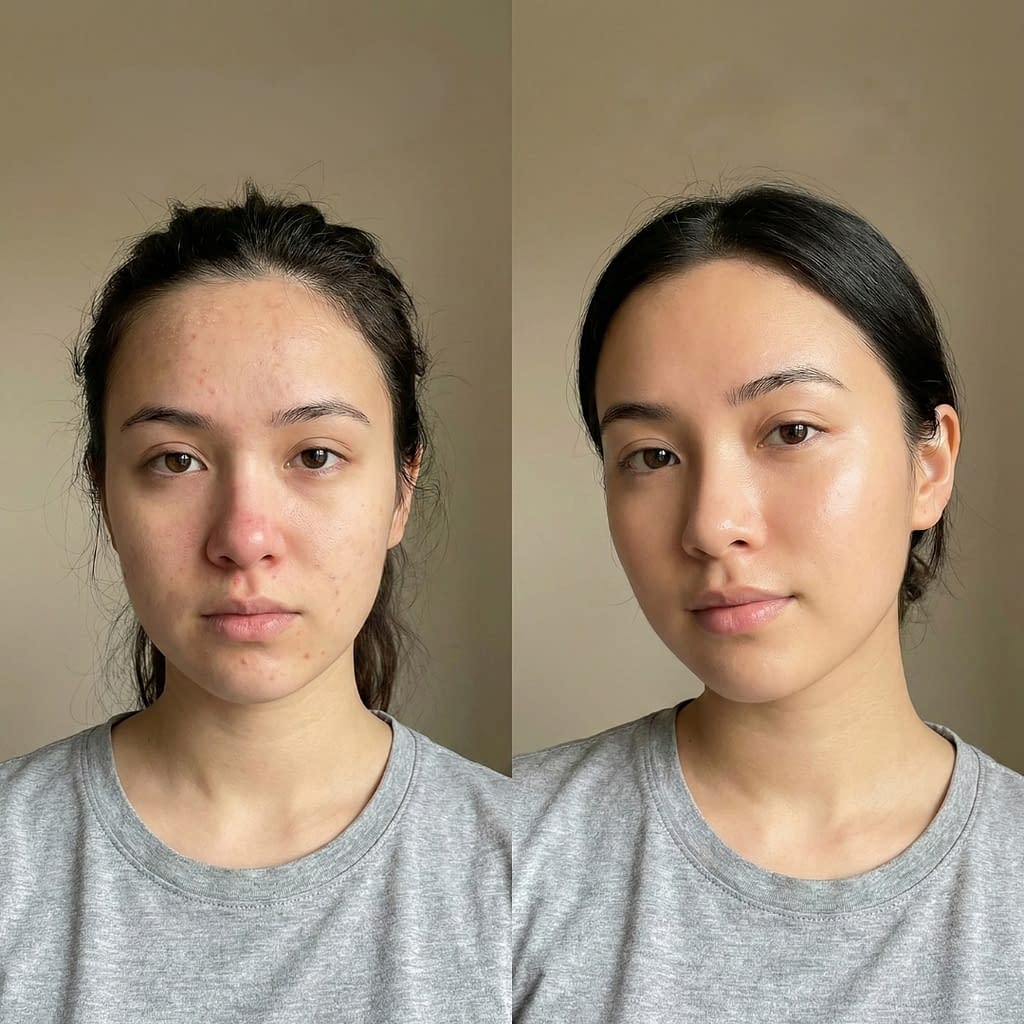
Tracking is useful; obsessing is not. Use simple, low-friction tools.
Easy tracking system (step-by-step)
- Take a weekly photo in consistent light and position (same wall or window).
- Keep a 1-line daily log for 6–12 weeks: note major events (added product, travel, bad sleep).
- Score your skin weekly on three simple metrics (comfort: 1–5, oiliness: 1–5, spots: count).
- Review every 4 weeks — if things improve, keep; if not, adjust one variable at a time.
- Avoid hourly mirror checks — they magnify minor day-to-day fluctuations.
This system gives objective data and prevents emotional overreactions.
Final Word
Your skin is not a problem to be chased; it’s a system to be supported. Slow, consistent, protective care — paired with sensible lifestyle habits and fewer impulsive changes — produces the healthiest, most resilient skin. Expect gradual progress, introduce actives logically, and use simple tracking to stay grounded. If you’re unsure about stubborn issues, consult a dermatologist for a guided plan. Stop chasing instant results. Start supporting your skin, and over weeks and months you’ll see the kind of change that lasts.


