

Want thighs that are stronger, more powerful, and visibly thicker — without risking injury or overtraining? Smart. Building muscle in the legs is one of the fastest ways to change your shape and increase strength, but the best results come from combining the right workouts, sensible progressive overload, proper nutrition, and recovery. Below is a detailed, safe, and practical guide you can use as a blog post: a clear intro followed by long, helpful sections with step-by-step guidance and beginner-friendly options. If you’re under 18, run any big changes by a coach, parent, or medical professional first.
Why Building Stronger Thighs Matters
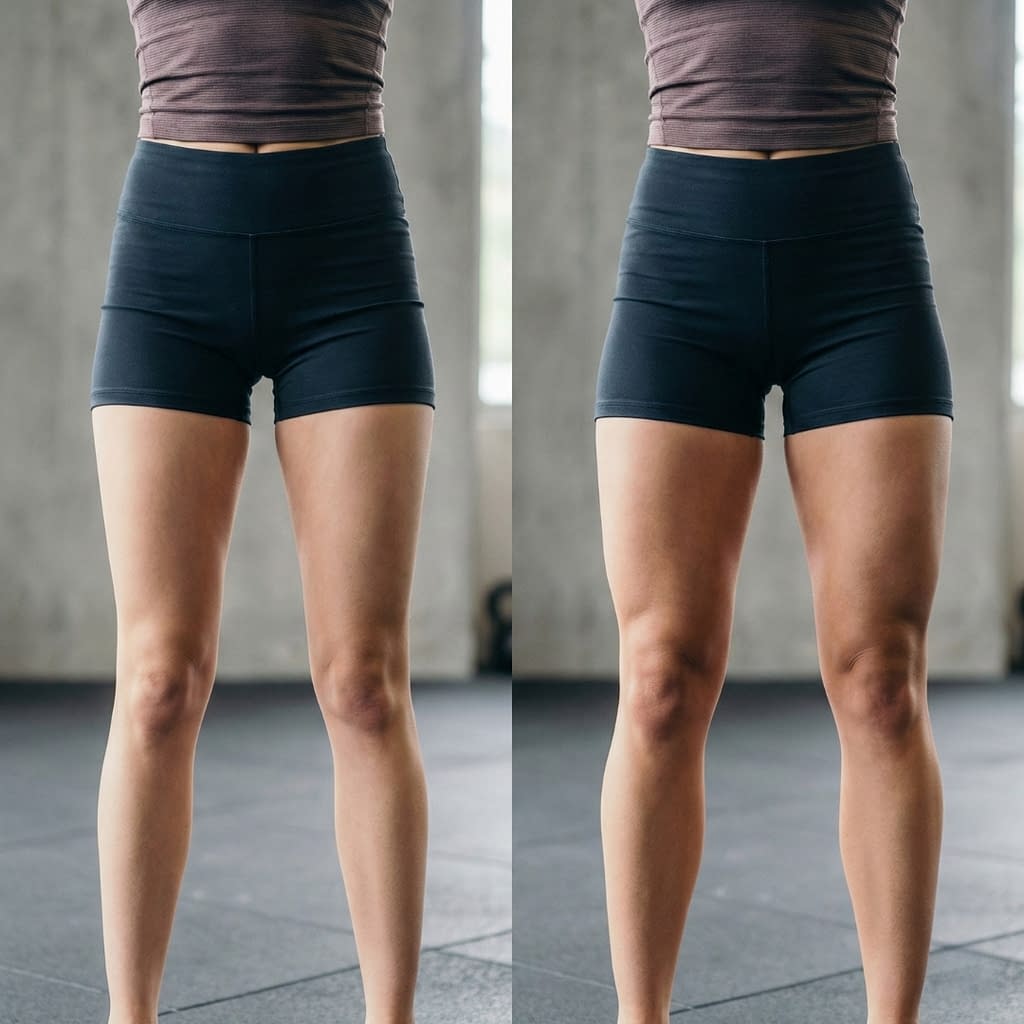
Thicker, stronger thighs help with everyday movement, sport performance and injury prevention. Strong quads and hamstrings stabilize your knees and hips, let you jump higher, sprint faster, carry heavier loads, and reduce the chance of strains. Beyond function, building muscle increases metabolic health and (if that’s your goal) visibly increases size and shape in the upper legs.
Practical takeaways:
- Strength supports performance and long-term joint health.
- Building thigh muscle improves posture, balance and overall strength.
- You’ll need consistent training, sensible nutrition, and time — muscle growth is gradual.
Understanding Thigh Muscles: Quads, Hamstrings, and Adductors
Knowing the major muscle groups helps you choose the right exercises.
Quick anatomy, simple terms:
- Quadriceps (quads) — the large group on the front of the thigh (rectus femoris, vastus lateralis/medialis/intermedius). Quads extend (straighten) the knee and help in squatting and jumping.
- Hamstrings — back of the thigh (biceps femoris, semitendinosus, semimembranosus). They bend the knee and extend the hip — essential for sprinting and deadlifts.
- Adductors — inner thigh muscles that bring the legs together and support stability and hip power.
A balanced program trains all three groups; neglecting any one makes growth slower and can create imbalances.
The Difference Between Strength Training and Just Cardio
Cardio builds endurance and burns calories, but it’s not the main driver of muscle thickness.
- Cardio (running, cycling) improves cardiovascular fitness and can create leaner legs but usually won’t add much size unless you add resistance (heavy hill sprints, high-intensity intervals).
- Strength training (resistance exercises with progressive overload) creates microscopic damage in muscle fibers that, with recovery and good nutrition, triggers growth (hypertrophy).
Goal: include both — cardio for fitness, strength sessions for muscle growth.
How Muscle Growth Actually Happens

Muscle growth = stimulus + recovery + fuel.
Step-by-step concept:
- Stimulus: lifting or loading the muscle with enough intensity (sets/reps/weight) triggers micro-tears.
- Recovery: rest and sleep let the body repair and build muscle stronger.
- Fuel: protein and calories supply raw material for new muscle tissue.
- Repeat: progressive overload (increasing stimulus over time) is required to keep growing.
You can’t shortcut the cycle — training without recovery or food limits results.
The Importance of Progressive Overload
Progressive overload means gradually making your workouts harder so muscles adapt.
How to apply it safely (step-by-step)
- Increase weight slowly (small increments). If you add too much too quick, you risk injury.
- Add reps: once you can finish target reps with good form, add 1–2 reps next session.
- Add sets: add an extra set when reps and weight are stable.
- Improve tempo: slow the eccentric (lowering) phase to increase time under tension.
- Decrease rest time slightly to increase intensity once technique is solid.
Rotate which method you use every 4–6 weeks so your body doesn’t plateau.
For teens or beginners: prioritize good form and incremental increases — supervision from a coach helps.
Best Compound Exercises for Thicker Thighs
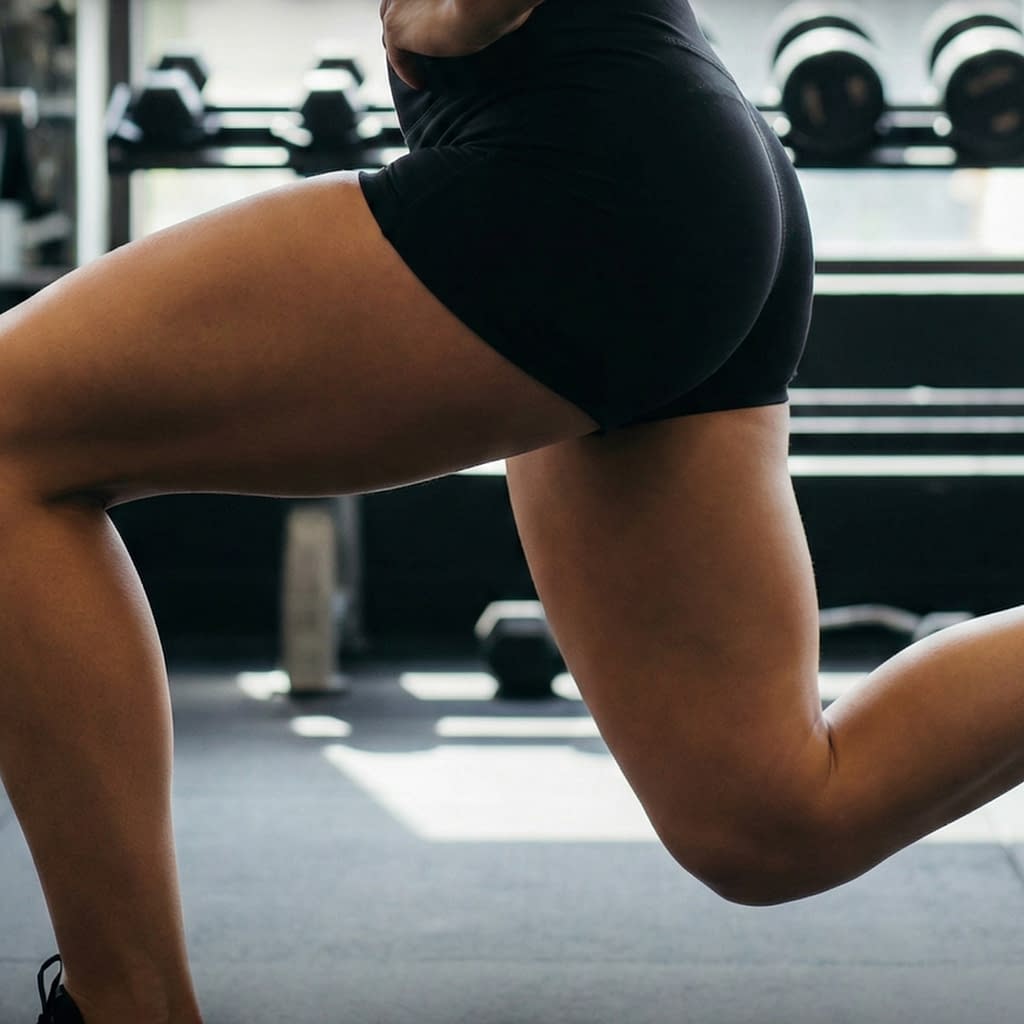
Compound lifts move multiple joints and recruit many muscle fibers — best for size and strength.
Step-by-step list with form basics
- Barbell Back Squat (or goblet squat for beginners)
- Step: feet shoulder-width, chest up, sit hips back and down until thighs roughly parallel, push through heels to stand.
- Progression: goblet → barbell back squat → tempo squats → paused squats.
- Front Squat (or goblet/front-loaded variation)
- Targets quads more and enforces upright torso.
- Romanian Deadlift (RDL)
- Step: hinge at the hips with slight knee bend, keep spine neutral, feel hamstrings lengthen, come back upright using glutes/hamstrings.
- Great for hamstring thickness.
- Bulgarian Split Squat
- One-leg emphasis; puts a lot of load on quads and adductors. Keep torso upright and descend until the front thigh is near parallel.
- Hip Thrust (barbell or single-leg glute bridge)
- Primarily glute focus but heavily loads hamstrings and upper thigh.
- Trap-bar deadlift or conventional deadlift
- For overall posterior chain and thigh thickness; use trap-bar for a more quad-friendly lift.
Form safety: practice with bodyweight or light loads, focus on full range of motion, and have a spotter or coach for heavy lifts.
Isolation Exercises to Target Specific Areas
Use isolation moves to address weak points or add volume.
Examples & how to use
- Leg extensions — quad isolation; good for finishing a workout and targeting vastus medialis (teardrop). Use moderate weight and controlled motion.
- Hamstring curl (machine or Swiss ball) — for hamstring thickness; use slow eccentrics.
- Seated/standing calf raises — calves support overall leg aesthetics.
- Sumo squats or cable adductor pulls — target inner thigh/adductors for thickness and balance.
Schedule: include 1–3 isolation exercises at the end of leg workouts for 2–4 sets of 8–15 reps.
How Often You Should Train Your Legs
Frequency matters for both growth and recovery.
Safe, practical schedules
- Beginner (0–6 months training): 2 full-leg sessions per week (e.g., Monday + Thursday). Focus on big compound lifts and 3–4 total exercises per session.
- Intermediate (6–24 months): 2–3 leg sessions per week — one heavy, one moderate/higher-volume.
- Advanced: can train legs 3+ times with periodized plans and careful recovery.
Key rule: allow at least 48–72 hours between heavy leg sessions for recovery. For teens: 2 sessions/week is generally plenty.
Proper Form to Prevent Injury and Maximize Results
Technique protects joints and makes your training effective.
Form checklist (general)
- Warm up first: 5–10 minutes light cardio + dynamic leg drills (leg swings, bodyweight squats).
- Neutral spine: keep a straight back on squats/deadlifts — no rounding.
- Knees tracking: knees should follow toes — don’t let them cave in. If they do, reduce weight and fix cues (band around knees, focus).
- Depth: squat to a depth you can control with proper form — parallel or slightly below is fine if mobility allows.
- Breathing: inhale before lowering, exhale on the effort/standing phase.
- Controlled tempo: avoid bouncing at rock-bottom positions. Use a controlled descent.
- Start light: master movement patterns with bodyweight or light load before adding heavy weights.
If you feel sharp pain, stop and reassess; consult a professional if it persists.
Nutrition Tips to Support Muscle Growth
You need calories and protein — muscle is built from fuel.
Practical, safe guidance
- Eat in a small calorie surplus if you want size: add healthy, balanced extra calories (whole grains, lean protein, nuts, dairy) rather than junk food. A modest surplus avoids excess fat gain.
- Protein focus: include protein at each meal (eggs, chicken, fish, legumes, dairy). Aim for regular protein intake throughout the day to support repair. If you’re under 18, talk with a parent/guardian or doctor before major diet changes.
- Carbohydrates for performance: carbs fuel tough workouts — include rice, potatoes, oats, fruit around training.
- Healthy fats: avocados, nuts, olive oil help hormones and recovery.
- Hydration: drink water during and after workouts; dehydration reduces performance and recovery.
If you’re unsure about calorie targets or supplements, consult a registered dietitian or pediatrician (especially important for teens).
The Role of Protein and Recovery in Building Size
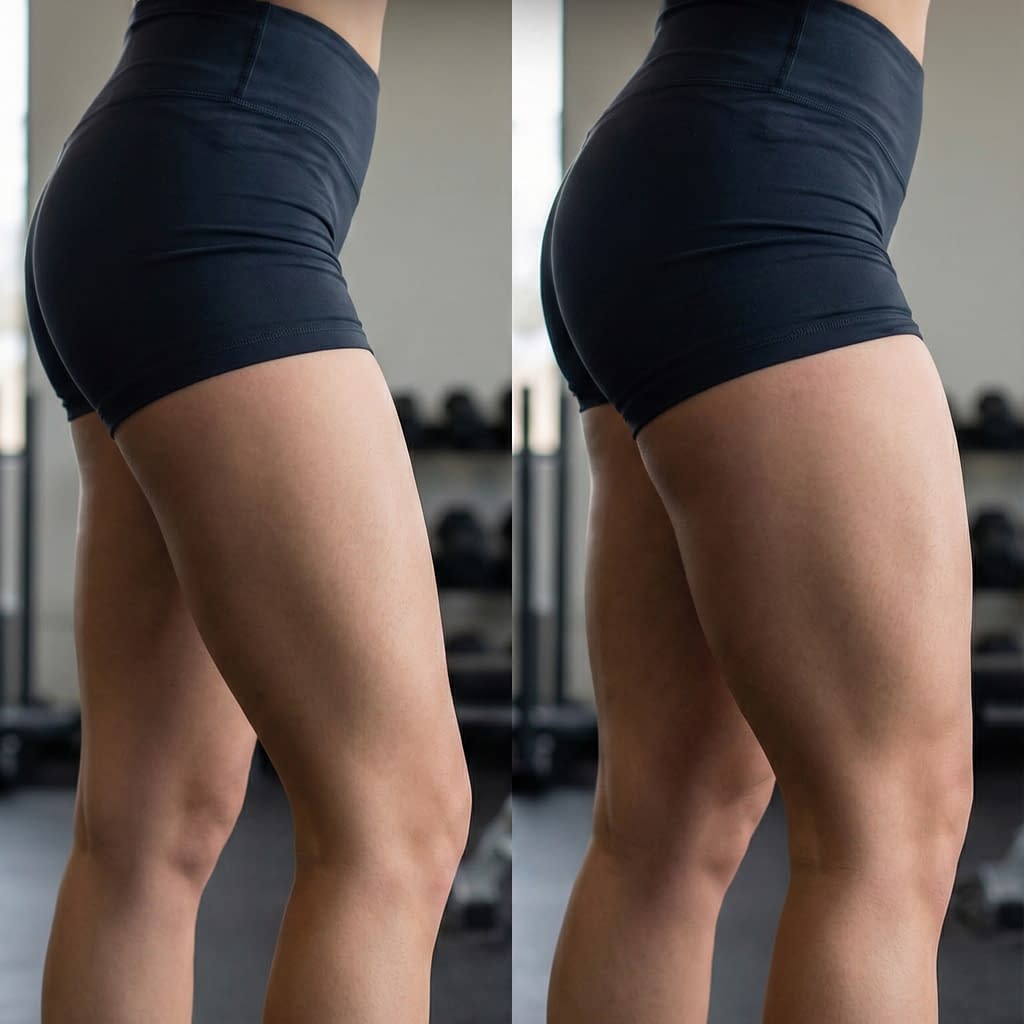
Protein supplies amino acids for repair; recovery lets growth happen.
Simple recovery rules
- Post-workout protein: aim to eat a protein-rich snack/meal within 1–2 hours of training to support repair. Foods like Greek yogurt, a turkey sandwich, or a smoothie are great.
- Sleep: prioritize 7–9 hours nightly (teens often need the higher end). Growth hormone and repair happen during deep sleep.
- Active recovery: light movement (walk, gentle bike) on rest days increases blood flow without heavy stimulus.
- Avoid constant heavy training: muscles grow during rest — overtraining stalls progress.
Supplements: whole foods come first. If considering protein powders or creatine, check age guidelines and consult a medical professional/guardian — creatine has research but should be used with supervision for minors.
Why Rest Days Are Essential for Stronger Legs
Rest prevents overuse injuries and allows adaptation.
How to schedule rest
- 2–3 leg workouts/week with rest/upper-body or light cardio days between is effective.
- Active rest days (yoga, mobility, walking) improve recovery without strain.
- Deload weeks every 4–8 weeks (lower volume/weight) help long-term progress.
Signs you need extra rest: constant soreness that impairs daily life, drop in performance, poor sleep, or mood changes.
Common Mistakes That Slow Down Leg Growth
Avoid these to make faster, safer progress.
Mistakes & fixes
- Using too light weights forever: you must increase intensity gradually (progressive overload).
- Poor form to lift heavier: sacrifice load for safe movement — bad form wastes gains.
- Skipping compound lifts: isolation-only programs build little overall mass.
- Neglecting nutrition and sleep: training without fuel/recovery limits growth.
- Training legs every day hard: legs need rest like any big muscle group.
- Comparing to others: genetics vary; focus on your progress and consistency.
Tracking Progress Without Obsessing Over Size
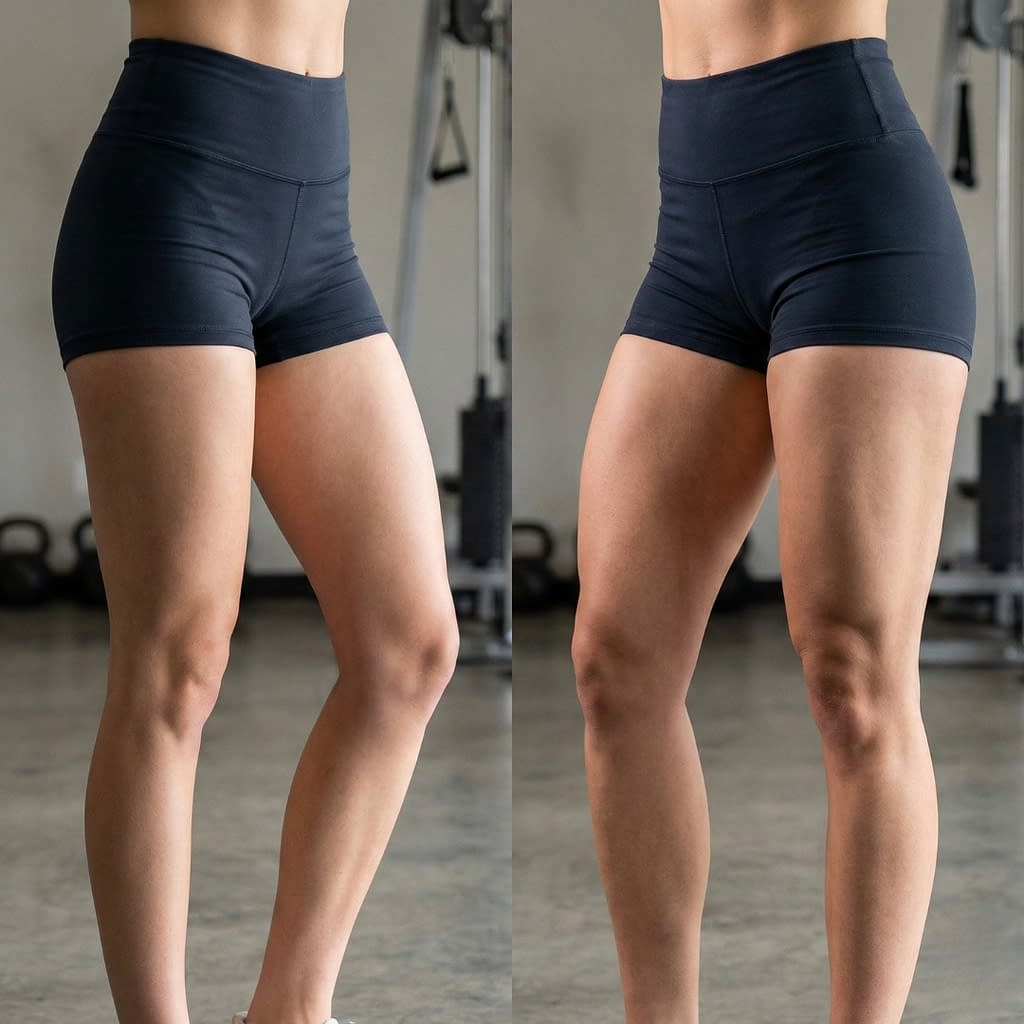
Measure what matters and keep perspective.
Non-obsessive tracking tips
- Performance markers: track weights, reps, and sets — if you’re lifting more over weeks, you’re progressing.
- Physical measures: take photos every 4 weeks and a thigh measurement if you want numbers.
- Strength tests: monthly tests like 1–3 rep max (with supervision) or rep max at a submax weight.
- How you feel: energy, sleep, and everyday movements are valid progress signs.
Don’t weigh every day; muscle changes slowly. Celebrate small wins.
Final Words
Getting thicker, stronger thighs is completely doable with a sensible plan: focus on compound lifts, add targeted isolation work, use progressive overload, fuel your body with protein and calories, sleep, and respect rest days. If you’re new to lifting or under 18, ask a qualified coach or guardian to supervise technique and major changes. Start with 2 solid leg days per week, prioritize form, and be patient — muscle gains take weeks and months, not days. Stick with it, and your thighs will get stronger, thicker, and more resilient — safely.


