

Great topic — period bloating is annoying but totally normal, and there are lots of gentle, evidence-friendly things you can try to feel less puffy fast and to reduce how bad it gets over future cycles. Below is a full blog post you can paste into your site: a short, friendly intro (no heading named “Introduction”), then bold headings and long, practical sections with step-by-step tips and safe cautions (especially for teens).
How to Reduce Period Bloating Quickly
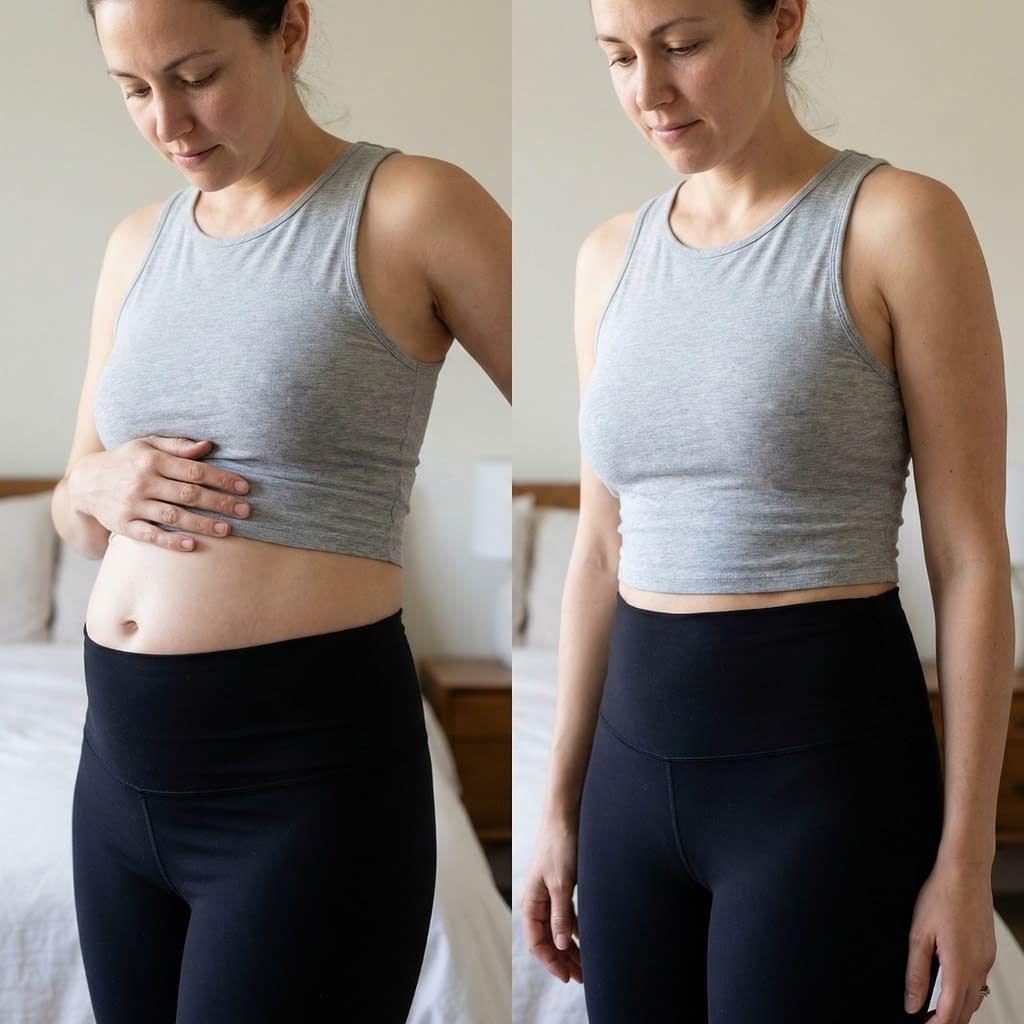
Period bloating — that heavy, puffy feeling around your lower belly and waist — happens to lots of people and usually improves on its own. Still, small changes to what you eat, how you move, and how you sleep can make a big difference in hours to days. Use the quick fixes when you need fast relief and the lifestyle tips to prevent severe bloating in future cycles. If your bloating is extreme, painful, or very sudden, see a clinician (see “When to see a doctor” below).
Why Period Bloating Happens
Bloating around your period is caused by a few normal biological processes:
- Hormone shifts (especially higher progesterone right before your period and falling levels around bleeding) change how your body holds onto water and salt.
- Prostaglandins (hormone-like chemicals released during the cycle) can affect the digestive tract and cause cramping and slower movement of stool.
- Food choices, reduced activity, and stress sometimes combine with those hormonal shifts to make gas and water retention worse.
Bottom line: your body is reacting to normal hormonal signals, but you can nudge things back with food, movement, and simple habits.
Hormonal Changes That Cause Water Retention
Step-by-step explanation & what to do
- In the luteal phase (after ovulation and before your period), progesterone rises; this can cause the body to retain fluid.
- Right before bleeding, estrogen and progesterone fall, which can also trigger temporary fluid shifts.
- Result: you feel puffier or heavier, especially around the abdomen, breasts, hands, or face.
Actionable tips
- Expect this pattern and plan for it (e.g., wear comfy clothes a few days before).
- Gentle moves below (hydration, potassium intake, light exercise) help your kidneys regulate fluid faster.
Common Foods That Worsen Bloating
Avoiding these around your period can reduce puffiness fast.
Most common culprits
- High-salt processed foods (chips, fast food): sodium increases water retention.
- Carbonated drinks (soda, sparkling water if you’re sensitive): add gas that can increase belly distension.
- Highly processed carbs & sugar: can cause insulin spikes and fluid retention for some people.
- High-FODMAP foods for those sensitive to them (beans, lentils, some cruciferous veg, certain fruits): they ferment in the gut and create gas.
- Alcohol (especially binge drinking): dehydrates then triggers rebound water retention and can upset gut motility.
Step-by-step swap
- For 48–72 hours before and during your worst bloat days, reduce salty, highly processed foods.
- Replace fizzy drinks with still water or herbal tea.
- Test whether beans/cauliflower/soy make you gassy — if they do, lower them during your period.
Foods and Drinks That Help Reduce Bloating Naturally
These are gentle and safe ways to ease puffiness.
Top helpful foods & tips
- Water — paradoxically, drinking steady water helps your body stop hoarding water. Aim for steady sips throughout the day.
- Potassium-rich foods — bananas, kiwi, spinach, sweet potato: potassium helps counterbalance sodium and supports fluid balance.
- Herbal teas — peppermint, ginger, chamomile: soothing and can help relieve gas and cramping.
- Fresh whole foods — veggies (cooked if raw causes gas), lean protein, and whole grains in moderation.
- Yogurt/kefir with live cultures — for some people, probiotics can support digestion and reduce gas buildup (pick unsweetened options).
Quick meal sample for a bloat day
- Breakfast: oatmeal with banana and a sprinkle of cinnamon + water.
- Lunch: grilled chicken or chickpea salad (if beans aren’t a trigger) with mixed greens and cooked veg.
- Snack: yogurt or kiwi.
- Dinner: baked salmon, sweet potato, steamed spinach.
- Sip ginger or peppermint tea after meals.
The Role of Hydration in Managing Bloating
Simple facts & a game plan
- Drinking enough water signals your body that it doesn’t need to store as much water.
- Dehydration → increased water retention in many people.
- Aim for regular hydration over the day (a bottle you sip from), rather than large drinks right before bed.
Hydration plan (step-by-step)
- Start the day with a glass of water.
- Drink a small glass every 1–2 hours — add herbal tea if you like flavor.
- If you exercise, replace lost fluid with water or a mild electrolyte drink (avoid sugary sports drinks).
- Reduce caffeine if it causes you to get jittery or disrupt sleep — poor sleep can worsen bloating.
Gentle Exercises to Ease Bloating and Discomfort
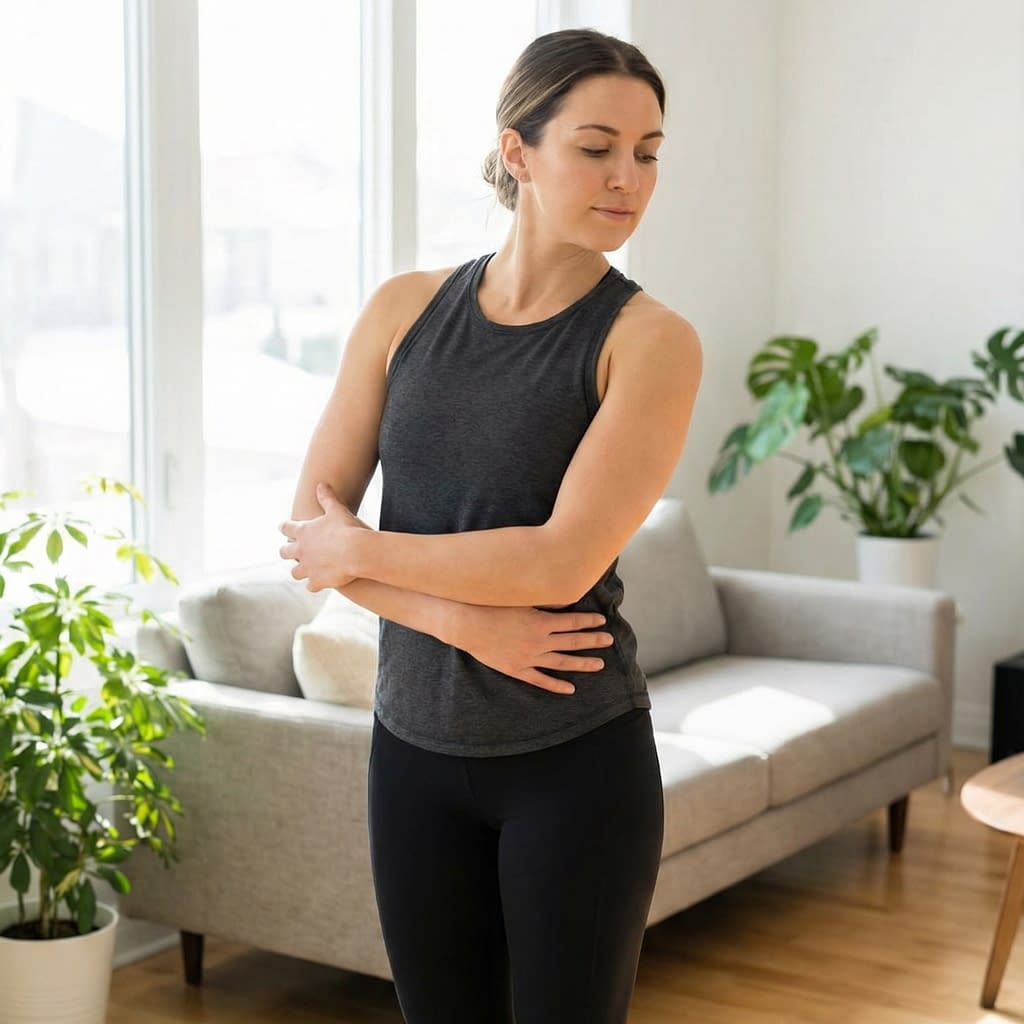
Move — but keep it gentle when you’re crampy.
Bloat-relieving moves (step-by-step)
- Short walk (10–30 minutes): walking stimulates digestion and helps move gas along. Aim for a relaxed pace.
- Pelvic tilt / cat-cow (yoga): on hands and knees, alternate arching and rounding the back to relieve abdominal tension (10–15 reps).
- Child’s pose + deep belly breaths: calming and helps release lower-abdominal tension (hold 5–8 deep breaths).
- Knees-to-chest: lie on your back, pull knees to chest gently then rock side to side — helpful for gas movement (6–10 reps).
- Supine twist: lie on back, knees bent, drop knees to one side then the other; helps move trapped gas.
Timing & tips
- Try a short routine after meals to help digestion.
- Avoid strenuous, high-impact exercise if you’re dizzy or very crampy — light movement is often better during peak symptoms.
How Proper Sleep Affects Period-Related Swelling
Sleep is underrated for bloat control.
Why it helps
- Good sleep helps hormone regulation (including cortisol), which affects fluid balance and gut function.
- Poor sleep increases stress hormones that can worsen water retention and make you feel puffy.
Sleep hygiene steps
- Aim for 7–9 hours most nights.
- Keep a consistent bedtime, especially in the week before your period.
- Avoid heavy meals, alcohol or high-caffeine drinks within 3–4 hours of bed.
- If cramps wake you, try a warm shower and a heating pad to help you relax back to sleep.
Natural Supplements and Herbs That Can Help
Be cautious and consult a parent/guardian or doctor before starting any supplement — especially for teens.
Options people commonly use
- Magnesium: may reduce water retention and cramping for some people. Typical low-dose options (eg, 200–400 mg) are used, but check with a clinician for safety/dosing.
- Vitamin B6: small studies show it can help PMS symptoms including bloating, but dosage and safety should be checked by a health professional.
- Ginger: often used as a tea or supplement for digestion and nausea; generally safe in food amounts.
- Dandelion leaf or cranberry (mild natural diuretics): used by some to reduce water retention — use short-term and consult a clinician first.
- Probiotics: may help with gut balance and reduce gas for some people over several weeks.
Safety note
- If you’re under 18, speak to a parent/guardian and your doctor before trying magnesium, B6, or herbal diuretics — they’ll advise safe dosing and check for interactions with any medications.
How to Manage Stress to Reduce Water Retention
Stress tightens muscles and changes hormones — which can worsen bloating.
Quick stress-management toolkit
- 5-minute breathing: inhale 4 seconds, hold 2, exhale 6 — repeat 6–10 times to calm the nervous system.
- Progressive muscle relaxation: tighten then relax each major muscle group, finishing with deep breathing.
- Short mindfulness break: 3–10 minutes of guided meditation or quiet reflection can reduce cortisol spikes.
- Move gently: a short walk or stretching can lower stress and help digestion.
Try adding one small tool daily in the week before your period to reduce the overall stress load.
Clothing Choices That Can Reduce Discomfort
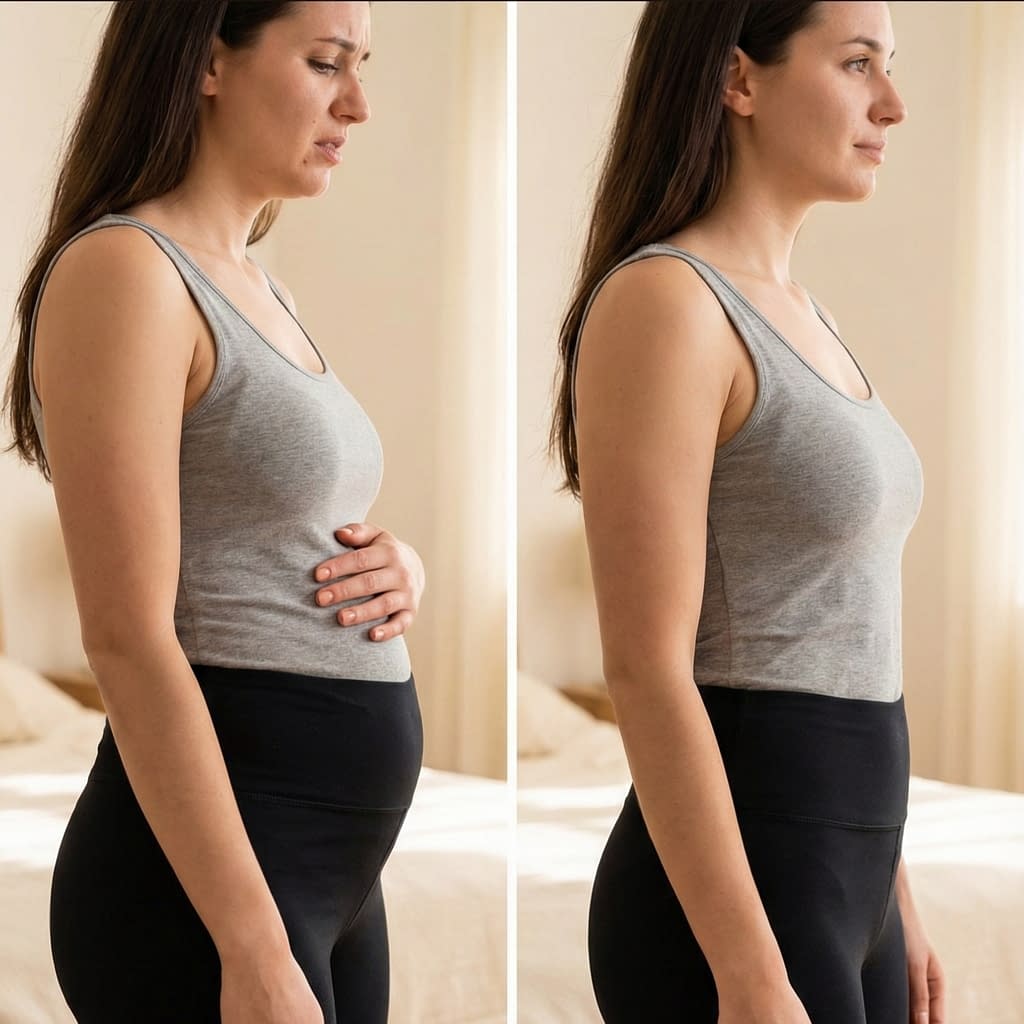
What you wear matters more than you think.
Comfort wardrobe tips
- High-waisted, supportive but not tight leggings or briefs that gently hold the abdomen can feel less puffy than tight low-rise jeans that dig in.
- Stretchy waistbands and breathable materials (cotton or performance blends) minimize pressure on the belly.
- Layering: loose top + supportive inner layer lets you adjust through the day if you feel puffy.
- Avoid very constrictive clothing during peak bloat days — it makes the swelling feel worse.
When Over-the-Counter Remedies Can Help
OTC options can be useful short term — but check with a parent/guardian before use if you’re a teen.
Possible OTC aids
- Anti-gas medicines containing simethicone (e.g., Gas-X) can relieve trapped gas quickly for many people. Follow package instructions.
- Mild laxatives for constipation-related bloating — use sparingly and only when needed. If constipation is frequent, talk to a doctor.
- NSAIDs (ibuprofen, naproxen) can relieve menstrual cramping and may indirectly reduce bloating driven by prostaglandins — check dosing and safety with a guardian or doctor.
- Avoid diuretics unless prescribed; they can unbalance electrolytes and aren’t a good first choice for routine period bloat.
If you have any chronic condition or take other meds, check with a clinician before starting OTC products.
Home Remedies to Soothe Your Abdomen Quickly
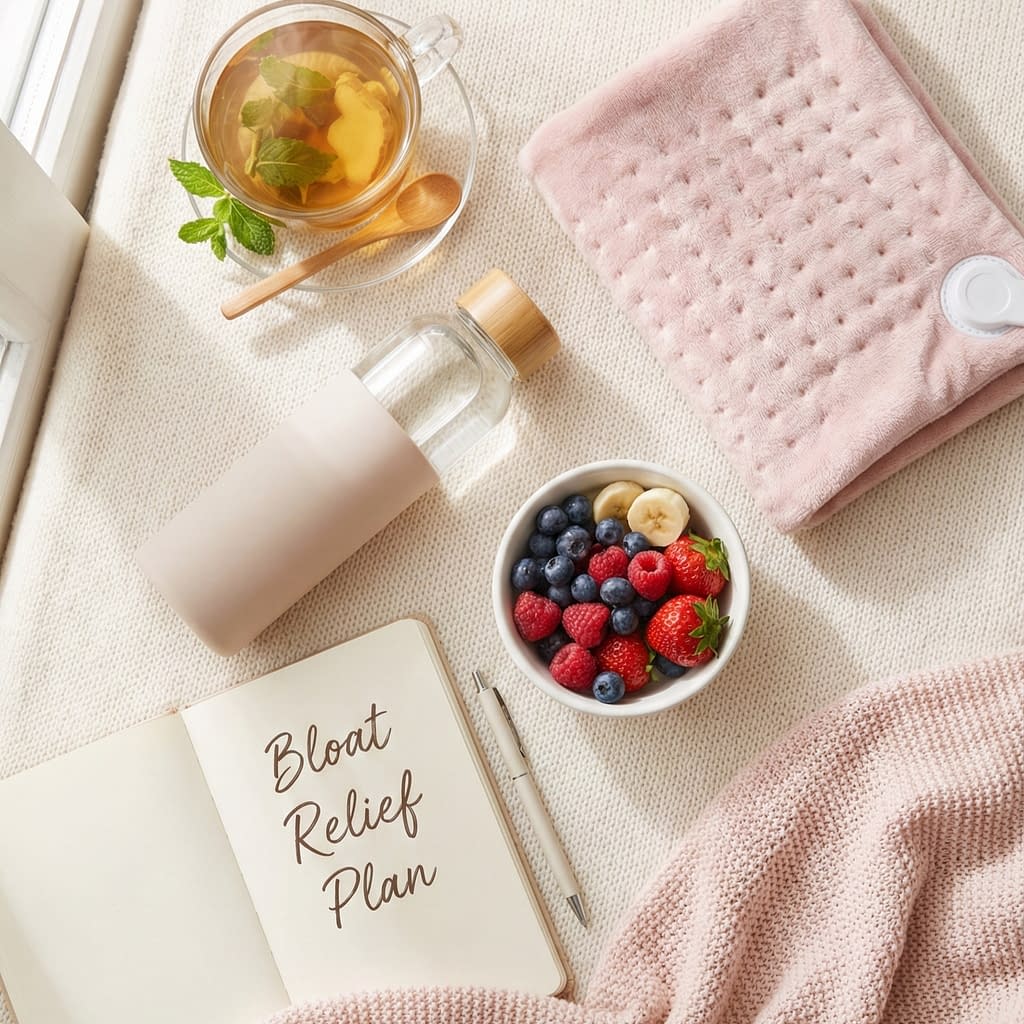
Fast, practical things to try at home.
Quick relief steps (do this sequence)
- Sip warm water or ginger tea slowly. Warm liquids relax the gut and can relieve cramping.
- Apply a heating pad to your lower abdomen for 10–20 minutes to relax muscles and ease discomfort.
- Do light movement — a short walk or gentle yoga stretch to stimulate digestion.
- Try abdominal self-massage: with gentle pressure, use clockwise circular motions for 1–2 minutes — follow the direction of the colon to move gas along.
- Use a small dose of simethicone if trapped gas is the main issue (follow packaging and guardian guidance).
These are safe, non-invasive steps you can do almost anywhere.
Common Mistakes That Make Bloating Worse
Avoid these traps.
What not to do
- Skimp on water — dehydration often makes retention worse.
- Eat big salty meals right before bed — your body stores more fluid while you sleep.
- Rely on harsh laxatives as a routine fix — they can damage gut function.
- Panic-diet (extreme restriction) — fasting or crash diets can mess with hormones and make bloating rebound worse.
- Ignore consistent symptoms — if your bloating is severe each month, it’s worth checking with a clinician.
Lifestyle Habits That Prevent Severe Bloating in Future Cycles
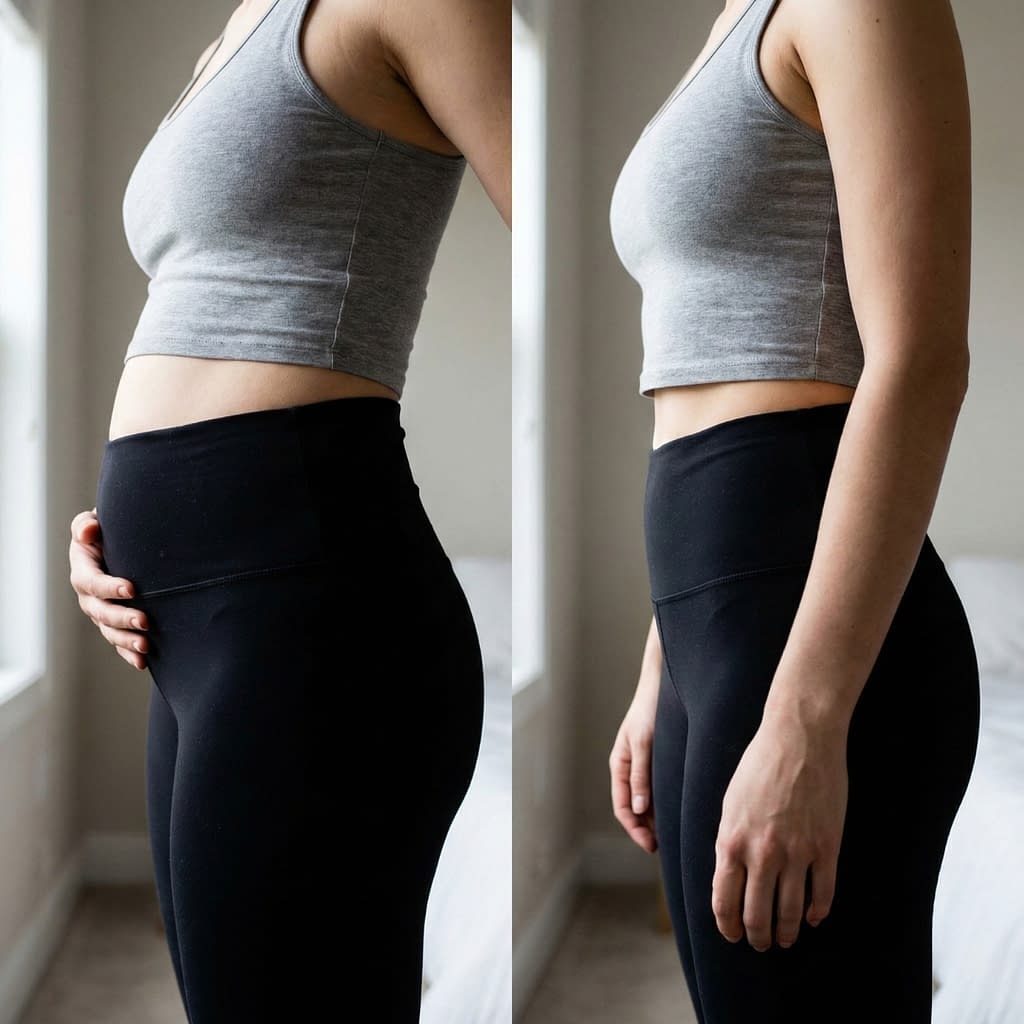
Small daily habits compound into big wins over months.
Long-term habits to build
- Regular exercise (3–5× per week) with a mix of cardio and strength training improves digestion and hormone balance.
- Eat balanced meals with steady protein, fiber, and vegetables — avoid extreme highs in salt or processed food.
- Limit smoking and heavy alcohol — both worsen fluid regulation.
- Prioritize sleep and stress control — key for hormonal balance.
- Track cycles & patterns in a notebook or app so you know when remedies help and when to seek advice.
Make one or two small changes each cycle and track the difference
Final Words
Period bloating is normal, annoying, and usually temporary. For quick relief: sip water, try ginger or peppermint tea, do gentle walking or yoga, apply a heating pad, and avoid salty or gas-forming foods for a few days. For longer-term improvement: prioritize sleep, manage stress, exercise regularly, eat whole foods with good potassium sources, and consider (with medical guidance) short-term magnesium or probiotic use. If you’re under 18, talk to a parent/guardian and your healthcare provider before starting supplements or OTC meds. See a doctor right away if bloating is sudden, accompanied by severe pain, fever, fainting, or other worrying symptoms.


