

Heat and humidity are makeup’s natural enemies — oils melt products, sweat dilutes pigments, and everything wants to migrate, separate, or disappear by lunchtime. But with the right prep, product choices, and application techniques, you can build a makeup routine that survives hot days (weddings, festivals, or just a brutal city summer) without looking cakey or feeling heavy.
Below you’ll find a deep, practical guide — why makeup fails in heat, what to do before you put anything on, the formula features that actually matter, exact step-by-step application tips, smart touch-ups, and a fast 3-minute routine you can use when you’re running late. Let’s keep your makeup in place — not in your T-shirt.
Why Makeup Fails in Extreme Heat — The Science Behind Melting and Separation
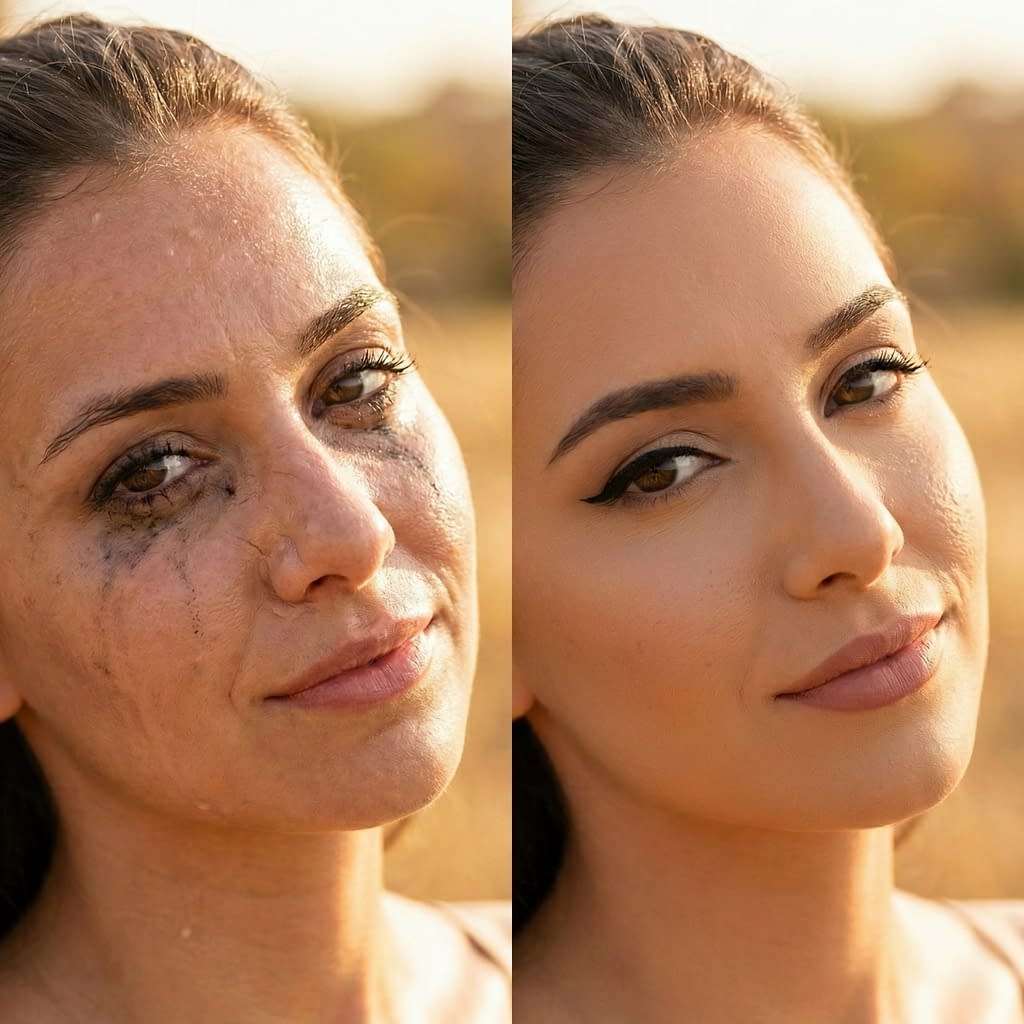
What actually happens:
- Oil + heat = movement. Skin oil (sebum) becomes more fluid in heat and acts like a solvent, breaking down foundations and creams so they slide.
- Sweat dilutes and displaces pigments. Water-based sweat can make product slip or create watermarks.
- Emulsions separate under stress. Many creams are oil-in-water (or water-in-oil) emulsions; thermal stress and friction break the emulsion and products “split.”
- Humidity reduces evaporation. Liquid products that rely on evaporation to set (some liquid mattes) may not set quickly in humid conditions.
- Friction and transfer. Clothing, collars, masks, or hands press products off the face.
Tactical takeaway: attack the problem from two angles — reduce oil & sweat at the skin surface and choose formulas/techniques that resist slipping and separation.
Prep Is Non-Negotiable: Cleanse, Prime, and Hydrate the Right Way
Good prep creates the most important “platform” for heat-resilient makeup.
Step-by-step heat-proof prep
- Cleanse with a gentle gel cleanser to remove overnight oil and sweat. Avoid over-stripping — that can trigger rebound oil.
- Tone lightly with a hydrating (not sticky) toner or a wipe that controls surface oil; pat dry.
- Moisturize sparingly — choose an oil-free, fast-absorbing moisturizer if your skin gets oily in heat. Apply a thin layer and let it absorb fully (1–2 minutes).
- Prime selectively: apply an oil-control or pore-filling primer where you need it (T-zone, nose, between brows), and a hydrating primer only where you need glow (cheekbones) — less is more. For very oily skin use a mattifying primer with silicone base (dimethicone) on trouble zones.
- Blot once (very light) if skin still feels slippery before you start base makeup.
Prep goal: a balanced surface that’s hydrated but not slick so products can adhere rather than slide.
Choose Heat-Proof Formulas: What to Look For on the Label
When shopping, target these features — they matter more than brand hype.
What to look for:
- Long-wear / transfer-resistant claims — check reviews for real-world transfer tests.
- Waterproof / sweatproof for liners and mascaras.
- Silicone or polymer-based finishers — polymers help films form on the skin that resist movement.
- Oil-control or oil-free for base products if you get shiny fast.
- Powder-based or powder-finish formulations tend to last better in heat than heavy cream foundations.
- Alcohol presence: some long-wear liquids use volatile alcohols to set fast — they can help with longevity but may be drying; patch test if sensitive.
- Stain formulas (cheek/lip stains) and waterproof tints for lips/cheeks deliver color that survives eating and sweat.
Read ingredient lists for silicones (dimethicone, cyclopentasiloxane), long-chain polymers, or film-forming acrylates — those are the tech behind hold.
Lightweight Bases That Hold Up: Tinted Moisturizers, Skin Tints, and Heat-Resistant Foundations
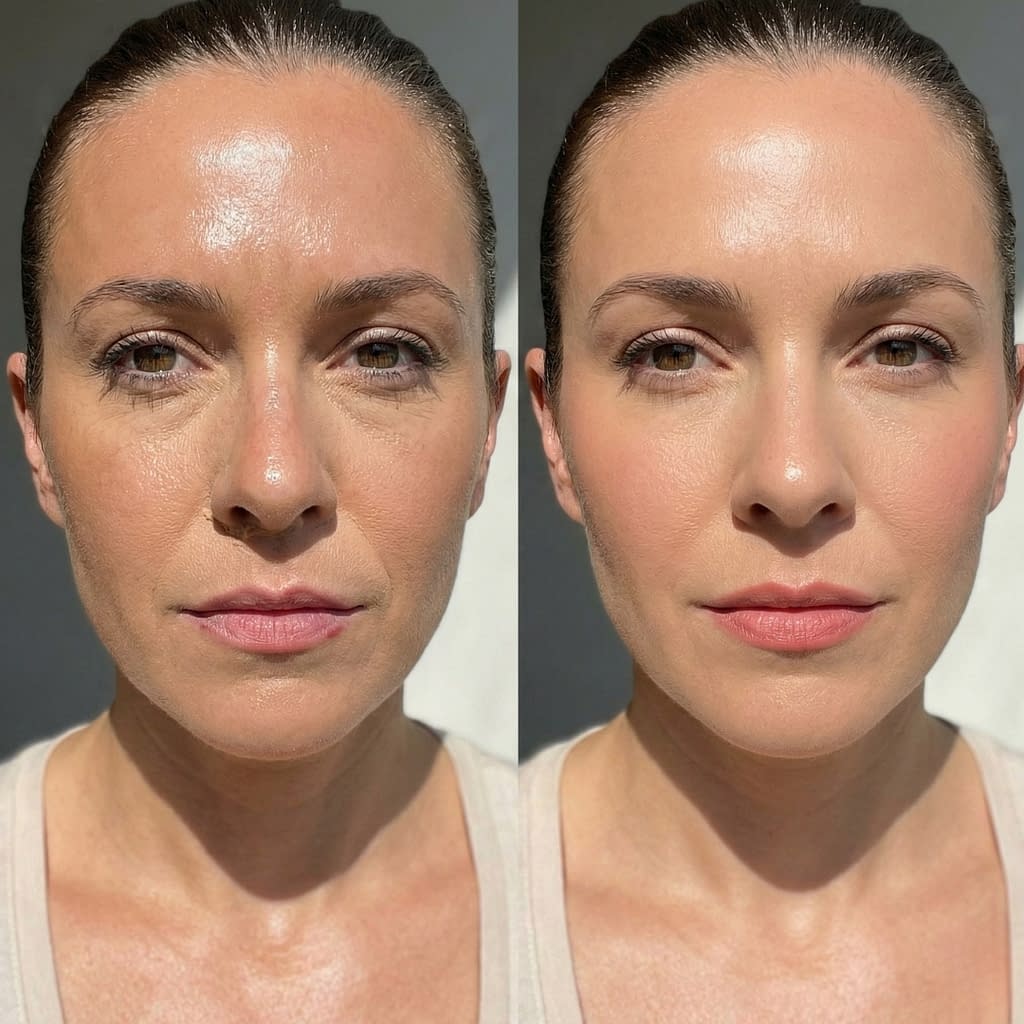
You don’t need a heavy mask to last in heat; thin strategic coverage wins.
How to pick & apply
- Skin tints / tinted moisturizers with added pigment are ideal for natural days — choose formulas labeled long-wear or oil-control.
- Lightweight liquid foundations that advertise transfer-resistance or matte, powder finishes work well if you set them.
- Avoid thick cream foundations; they trap heat and melt.
- Application technique: use a damp sponge to press product into skin rather than buffing — pressing creates adhesion and minimizes drag. Apply very thin layers and build only where needed.
- If you prefer coverage, use a thin water-resistant concealer on trouble spots instead of heavy overall foundation.
The strategy: cover selectively and build very thin layers; less product = less to melt.
The Art of Thin, Strategic Layering — Less Is More in High Temperatures
Layering correctly gives coverage without bulk that could slide.
Layering guide
- Start light: dot thin layers where needed (center of face, redness).
- Set each layer: after each thin layer, gently press a small amount of translucent powder to anchor before adding another layer. This prevents the base from accumulating oil between layers.
- Use multi-use cream sparingly: cream blush or bronzer can be set with powder immediately to avoid transfer.
- Finish with ultralight setting spray (see below) to lock everything together.
Remember: each new layer increases the chance of separation — keep them micro-thin and set as you go.
Powder Placement and When to Skip It for a Natural, Long-Lasting Finish
Powder is your best friend for oil control — but use it wisely.
Powder rules
- Dust translucent powder only where oil forms (T-zone, under eyes if creasing). Avoid powdering cheeks where you want glow.
- Use a small puff or damp sponge to press powder rather than sweeping with a big brush — pressing anchors product without moving underlying layers.
- For dry skin, skip broad matting powder; instead use blotting paper through the day and a light micro-powder only in center.
- For extremely humid days, a micro-layer of powder (pressed) plus a light set spray is the best combo.
Powder technique = targeted, pressed, and light
Eyes That Stay Put: Long-Wear Shadows, Waterproof Liners, and Setting Tricks

Eyes are movement-heavy and near the sweat glands — plan ahead.
Eye longevity steps
- Prime lids with an eye primer that controls oil (silicone or powder primers work). Let it set 30 seconds.
- Choose cream or liquid long-wear shadows that set down, or use powder shadows pressed over a matching cream base. Press — don’t swipe.
- Use waterproof liners and mascaras — they resist sweat and tears. Set pencil liners by smudging a matching shadow over them and pressing.
- Tightline carefully (waterproof pencil) to avoid waterline transfer.
- If you use false lashes, glue them well and avoid heavy mascara layering that runs in humidity.
Set the lids and you’ll avoid raccoon eyes by afternoon.
Brow and Lash Strategies for Humidity — Gels, Waterproof Mascaras, and Laminating Hacks
Brows and lashes keep the face framed — keep them crisp.
Brow & lash guide
- Brow gels (waterproof) or soap-lamination methods keep hairs in place. Use a light touch to avoid sticky residue.
- Waterproof mascara or layering with a water-resistant top coat prevents flaking. If mascara smudges, use a clean spoolie to comb rather than rubbing.
- If you need extreme hold, brow laminations (professional) can last weeks and minimize daily product use — but consider pre-event lamination for vacations or hot weeks.
- Comb brows and set with clear gel only after your base is completely set (blot & set spray before brows if needed).
Less fiddling = fewer melt moments.
Lipstays: Stains, Liners, and Sealing Methods That Resist Transfer
Lips touch everything; plan for transfer-proof color.
Lip longevity steps
- Exfoliate and hydrate the night before. On the day, blot excess balm so the base isn’t slippery.
- Line and fill the whole lip with pencil — it acts as a color base.
- Use a long-wear liquid lipstick or a stain for the first layer. Blot lightly.
- Optionally, powder set through a tissue (lightly) and reapply a micro layer of color or a light balm only in the center for comfort.
- Avoid heavy gloss if you need endurance — use a tiny dab of gloss in the center only after everything sets.
Stain + liner + blot is the classic long-wear formula for heat.
Setting Sprays and Misting Techniques That Actually Work in Heat
A good setting spray makes a huge difference — but technique matters.
Setting spray method
- Choose a long-wear, humidity-resistant setting spray (look for terms like “long lasting,” “matte hold,” or “humidity-proof”).
- Hold 8–10 inches away and mist 2–3 times in a cross pattern (vertical + horizontal). Don’t over-saturate.
- Let it dry naturally. Don’t fan heavily or wipe — that disrupts the film formation.
- For midday refresh, a light spritz can reactivate powders and reduce cakeyness — hold spray further away and mist once.
Setting spray creates a flexible film that reduces transfer and fusing of layers.
Smart Touch-Up Tools for On-the-Go Fixes Without Reapplying Heavy Layers

You’ll want a micro-kit for emergencies.
What to carry
- Blotting papers or mini oil-absorbing pads.
- Translucent pressed powder or a tiny sponge with a dab of powder.
- One neutral lip liner and a small tube of your chosen lip color (preferably a transfer-resistant one).
- Mini setting spray or a travel-size facial mist.
- Clean cotton swabs and tissues.
On-the-go repair routine
- Blot excess oil with blotting paper.
- Press a tiny amount of powder where makeup shifted.
- Quick touch-up with your tiny lip color or spot concealer if needed.
- Mist lightly to recalibrate the finished look.
Small tools beat full reapplications in heat.
Clothing, Accessories, and Hair — Environmental Tips to Protect Your Makeup
Your environment and wardrobe choices matter.
Environmental hacks
- Wear breathable fabrics (cotton, linen) near your face — avoid tight collars that sweep oil or product.
- Wide-brimmed hats and sunglasses reduce sun exposure, sweat, and rubbing of the face.
- Keep hair up or off the face to reduce forehead oil transfer and avoid hair products migrating to skin.
- Carry a small handheld fan or cooling towel to reduce sweat during events (they’re discreet and effective at cooling skin).
Think of clothing and accessories as part of your makeup toolkit.
Dos and Don’ts: Common Heat Makeup Mistakes to Avoid
Quick checklist
Do:
- Press products in, don’t drag.
- Set thin layers as you build them.
- Use blotting papers before powders.
- Pick water/sweat-resistant formulations for key areas.
Don’t:
- Slather on heavy creams thinking they’ll “stay.”
- Skip primer on oily zones.
- Apply gloss all over lips if you need transfer-proof color.
- Rely solely on one product claim — test in real conditions.
Small behavior changes make huge differences.
Quick 3-Minute Routine for Long-Lasting Makeup on Hot Days

When you’re late but the heat is not waiting.
3-minute heat-proof routine
- Prep (60 seconds): cleanse quickly with a wipe or splash, apply thin oil-free moisturizer and dot a mattifying primer on T-zone. Let set 20–30s.
- Base and set (90 seconds): use a tinted moisturizer or skin tint applied and pressed with a damp sponge in seconds; press a small amount of translucent powder on the T-zone with a puff.
- Finish (30 seconds): swipe waterproof liner, one coat of waterproof mascara, fill lips with liner + stain, and spritz lightly with setting spray.
You’ll be ready with a lightweight but resilient face in the time it takes to brew a coffee.
Final Words
Extreme heat doesn’t have to mean melted makeup. The secret is preparation: reduce surface oil, select heat-resistant formulas, build ultra-thin layers anchored with pressing and powder, and finish with the right setting spray. Carry a tiny emergency kit, keep hair off your face, and use accessories (hats, sunglasses) to protect your canvas. When you dress your face for heat, think like an engineer: control the environment, use materials that form strong films, and minimize friction. Do that and you’ll look fresh longer — even when the thermometer climbs.


