

When you are dealing with depression, even basic hygiene can feel heavy. Showering, brushing your teeth, changing clothes, washing your hair — each one can feel like a task that asks for more energy than you have. That does not mean you are lazy or failing. It means you are struggling, and you deserve a routine that works with your energy instead of fighting it.
This post is built for the hard days. The goal is not perfect hygiene. The goal is to help you feel a little more comfortable, a little fresher, and a little more in control without making everything feel impossible.
Why Hygiene Feels Hard on Difficult Days
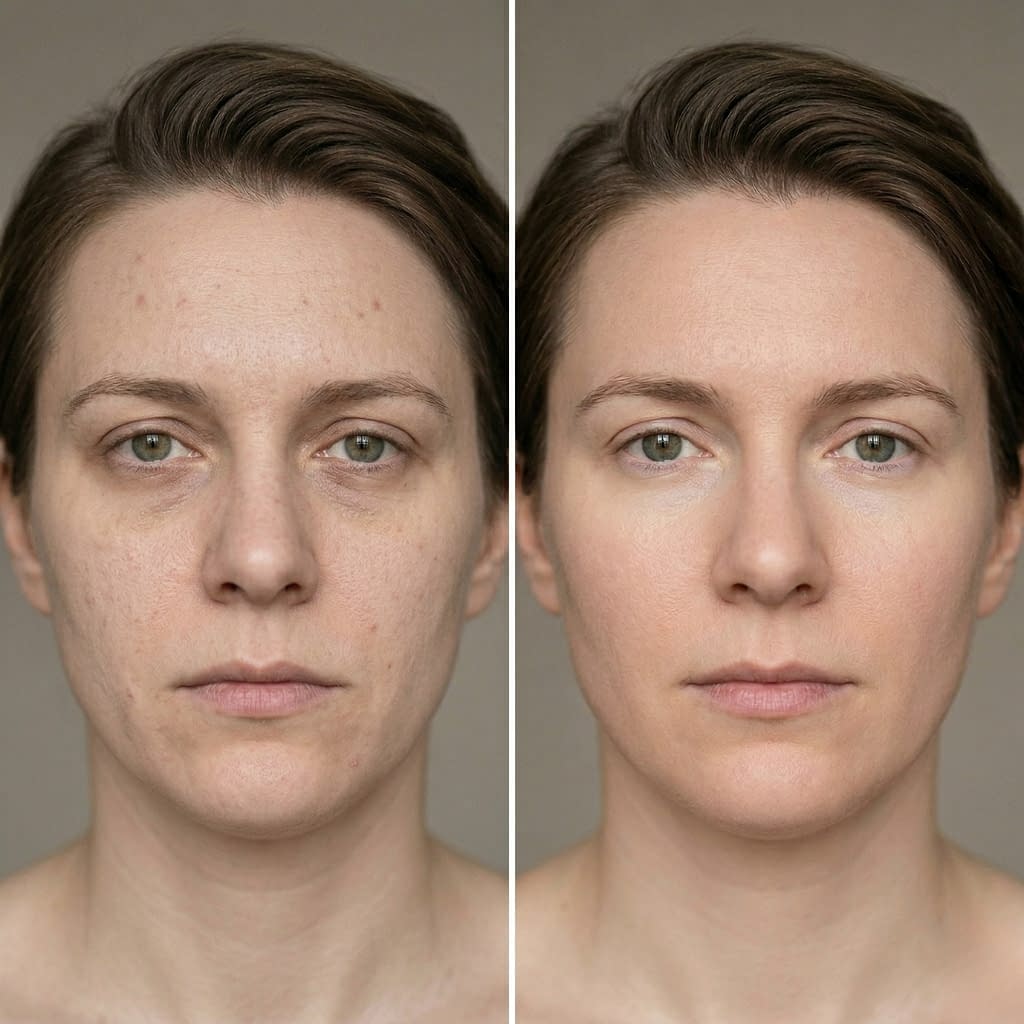
Depression can drain motivation, energy, focus, and even basic body awareness. Things that once felt automatic can start to feel complicated or overwhelming. You may know you “should” shower or brush your teeth, but knowing that does not always turn into action.
A few reasons hygiene feels harder:
- Low energy makes even small tasks feel big.
- Depression can make time feel blurry, so you lose track of when you last washed up.
- Shame or guilt can make hygiene feel emotionally loaded.
- Sensory discomfort can make water, brushing, or smells feel annoying or exhausting.
The important thing to remember is this: struggling with hygiene during depression is common, and it is something you can work around gently.
Lower the Pressure: Small Steps Matter More Than Perfect Routines
On tough mental health days, “all or nothing” thinking makes everything harder. If you think you need a full shower, full skincare routine, fresh clothes, clean hair, and perfect teeth care, you may end up doing nothing at all.
Try this mindset instead:
- One small step is a win.
- Partial care counts.
- Better is better, even if it is not complete.
If all you can manage today is washing your face or changing your shirt, that still matters. You are not behind. You are doing what you can with what you have.
Start With the Easiest Task First

When everything feels overwhelming, do the easiest hygiene task first. That small win can make the next step feel a little easier.
Good “starter tasks”:
- Wipe your face with a damp cloth.
- Brush your teeth for 30 seconds.
- Put on clean underwear.
- Use deodorant.
- Change your shirt.
Step by step:
- Ask yourself, “What is the smallest hygiene task I can do right now?”
- Do only that one thing.
- Stop and notice that you already accomplished something.
- Decide whether you have energy for one more small step.
The point is momentum, not perfection.
A 5-Minute Face and Body Reset for Low-Energy Days
This is for the days when a shower feels too big but you want to feel a little more refreshed.
Step by step:
- Wet a washcloth or use face wipes.
- Clean your face, underarms, neck, and any areas that feel sweaty or oily.
- Freshen your armpits with soap, a wipe, or deodorant.
- Change your shirt if you can.
- Splash water on your wrists or neck if that helps you feel more awake.
If you have energy for a little more, add moisturizer or sunscreen. If not, stop there. Five minutes is enough.
Quick Oral Hygiene When Brushing Feels Overwhelming
Oral care can feel huge when you are low on energy, but there are easier ways to keep your mouth feeling cleaner.
Try this:
- Brush for 30 seconds instead of aiming for a perfect two minutes.
- Use a smaller amount of toothpaste if the full amount feels like too much.
- Rinse with water if brushing feels impossible.
- Use mouthwash or a fluoride rinse as a backup on very hard days.
- Keep a toothbrush and toothpaste somewhere easy to reach.
Even short brushing is better than skipping it completely. If you miss a day, do not punish yourself. Just start again with the next small step.
Freshen Up Without a Full Shower
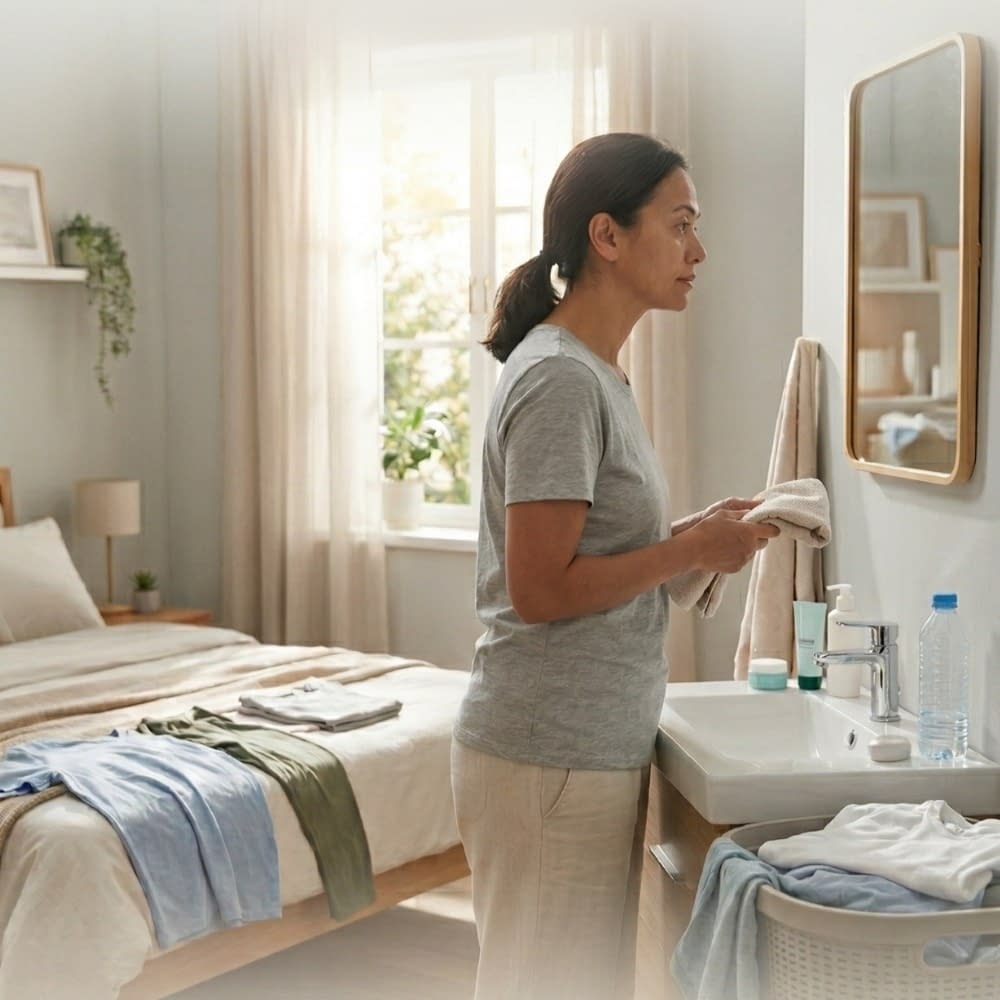
A full shower is not always realistic, and that is okay. You can still feel cleaner with a few shortcuts.
Options include:
- Washing your face at the sink.
- Cleaning your underarms, feet, and groin area with a cloth.
- Using body wipes.
- Switching to fresh clothes.
- Applying deodorant.
Step by step:
- Focus on the areas that matter most for comfort.
- Use warm water or wipes to clean the highest-sweat areas.
- Dry yourself well.
- Put on clean clothes if possible.
A partial wash can do a lot of the same emotional work as a full shower.
Hair Care Basics for Days When Washing Feels Too Hard
Hair care can be simplified a lot on difficult days.
Low-effort options:
- Dry shampoo at the roots.
- Brushing to remove tangles and distribute oils.
- Pulling hair back neatly.
- Using a hat, headband, or scarf if that feels better.
- Washing only your bangs or hairline in the sink if needed.
Step by step:
- Decide if your hair actually needs washing or just refreshing.
- If washing feels too hard, use dry shampoo or brush it out.
- Tie it back if that helps you feel more put together.
- Save full washing for a day when you have more energy.
Hair does not need to be perfect to be manageable.
Clean Clothes and Underwear: The Fastest Way to Feel Better
Changing clothes can make you feel fresher almost instantly, even if you did not shower.
Start with:
- Clean underwear.
- A clean shirt.
- Fresh socks if possible.
Step by step:
- Pick the easiest item to change first.
- Put on clean underwear or a fresh shirt.
- If you cannot do a full outfit change, just change the most important layer.
- Put worn clothes in a separate pile or basket so they are easy to sort later.
Clean clothes can change how your body feels right away.
Body Wipes, Dry Shampoo, and Other Helpful Shortcuts

Shortcuts are not “cheating.” They are tools.
Useful items:
- Body wipes
- Face wipes
- Dry shampoo
- Mouthwash
- Disposable toothbrushes
- Deodorant wipes
- No-rinse cleansers
Step by step:
- Keep these items somewhere easy to reach.
- Use them on days when a full routine feels too hard.
- Do not wait until everything is perfect to use them.
- Treat them as support, not as proof that you are doing hygiene “wrong.”
These tools help bridge the gap between nothing and a full routine.
Build a “Minimum Hygiene Routine” You Can Actually Keep
A minimum hygiene routine is your backup version for rough days. It is the version you can still do even when you are tired, sad, or unmotivated.
A simple minimum routine might include:
- Brush teeth once.
- Wash face or wipe it down.
- Use deodorant.
- Change underwear.
- Change shirt if needed.
Step by step:
- Pick 3 to 5 basic tasks.
- Make them small enough to do on hard days.
- Write them down.
- Keep them the same each day so you do not have to decide from scratch.
This routine should be easy enough that it still works on your worst days
How to Keep Your Space and Supplies Easy to Reach
If your supplies are hidden or inconvenient, you are less likely to use them.
Make things easier:
- Keep wipes, deodorant, toothpaste, and a toothbrush in visible places.
- Store clean clothes where you can grab them quickly.
- Put a water bottle and tissues nearby.
- Keep a small basket of hygiene basics beside your bed or desk.
Step by step:
- Choose one spot that is easy to reach.
- Put your most-used hygiene items there.
- Remove extra clutter.
- Refill the supplies when you notice they are running low.
Making hygiene easier to start is often half the battle.
Self-Care Habits That Support Hygiene Without Pressure
Sometimes hygiene gets easier when the rest of your day is a little gentler.
Helpful habits:
- Drink enough water.
- Eat regular meals if you can.
- Open a window or let light into your space.
- Take short walks or stretch.
- Put on music or a podcast while doing hygiene tasks.
These habits do not replace hygiene, but they can make it less exhausting. The more supported you feel, the easier it becomes to care for yourself.
What to Avoid on Tough Mental Health Days
Try to avoid turning hygiene into a punishment.
Avoid:
- Telling yourself you are gross or lazy.
- Setting huge goals you cannot realistically meet.
- Waiting for motivation to magically appear.
- Skipping every task because you cannot do all of them.
- Comparing your routine to someone else’s.
A hard day does not mean you failed. It means you need a smaller plan.
When to Ask for Help and Support
If hygiene is becoming very hard to manage, that can be a sign that you need more support, not more self-criticism.
Ask for help if:
- You are going many days without washing or changing clothes.
- You feel stuck, numb, or unable to start even tiny tasks.
- You are feeling worse emotionally and daily care keeps slipping.
- You need help making a routine that works.
You can talk to a parent, trusted adult, school counselor, doctor, therapist, or another safe person. If you ever feel unsafe or like you might hurt yourself, tell someone right away and get immediate help.
Final Words
Maintaining hygiene during depression is not about being flawless. It is about finding the smallest, kindest version of care that still helps you feel human. Some days that might be a full shower. Some days it might just be brushing your teeth, changing your shirt, and wiping your face. Both matter.
Keep your routine simple, keep your supplies easy to reach, and let “good enough” be enough. The more gentle you are with yourself, the easier it becomes to keep going.


