

Heavy lifting can do a lot of good for your body, but it also puts your skin through years of pressure, friction, stretching, and sweat. Over time, that can show up as stretch marks, rough calluses, dry patches, and scars that seem to stand out more than they used to. The good news is that you can improve the look and comfort of your skin with consistent care. You cannot erase every mark completely, but you can make skin feel softer, look healthier, and recover better.
This guide focuses on realistic, skin-friendly ways to care for lifter’s skin without overdoing it. The goal is not perfection. It is to help your skin stay strong, comfortable, and better protected through all your training.
How Heavy Lifting Changes Your Skin Over Time
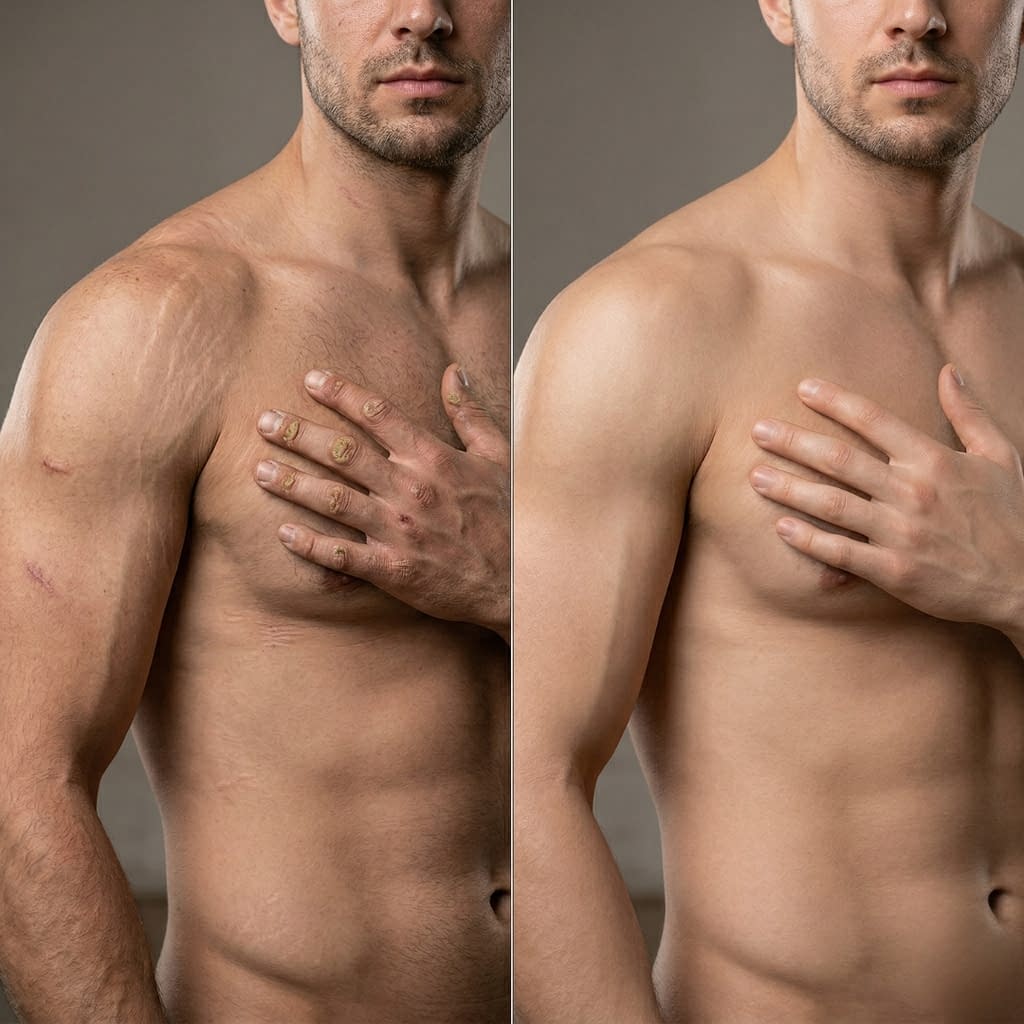
Heavy lifting changes more than your muscles. Repeated tension, gripping, sweating, and friction slowly affect the skin too. Areas that are under the most stress, like the shoulders, chest, hands, and forearms, tend to show it first.
Over time, skin can become:
- thicker in high-friction areas
- drier from repeated washing and sweat
- more textured from calluses or rough spots
- more marked by stretch marks from rapid muscle growth
- more noticeable in scars because the skin keeps stretching and moving
Step by step, what happens:
- You train hard and often.
- Skin gets stretched, compressed, and rubbed again and again.
- Sweat and equipment add more irritation.
- The skin adapts, but not always in a smooth way.
- Small marks build up over time.
The good part is that skin can also improve when you give it the right support.
Understanding the Most Common Skin Issues From Lifting
The most common skin concerns from lifting are usually stretch marks, calluses, rough texture, dryness, and scars that become more visible.
Here is what each one means:
- Stretch marks happen when the skin stretches faster than it can adapt.
- Calluses form as a protective response to repeated gripping and pressure.
- Dryness comes from sweat, frequent washing, and friction.
- Scars may stand out more when skin tightens or stretches around them.
Step by step, start by identifying your main issue:
- Look at where the problem shows up.
- Notice whether it feels rough, dry, raised, tight, or indented.
- Think about whether it gets worse after lifting, showers, or shaving.
- Focus your care on the specific problem area instead of treating everything the same way.
Knowing what you are dealing with makes treatment much more effective.
Why Stretch Marks Appear on the Shoulders, Arms, and Chest

Stretch marks often show up when muscles grow quickly or when the skin expands faster than its collagen support can keep up.
They are common on:
- shoulders
- upper arms
- chest
- back
- thighs
They may start red, purple, pink, or darker than the surrounding skin, and later become lighter or silvery.
Step by step, think of them like this:
- Skin stretches quickly.
- The deeper support layer gets stressed.
- Fine lines appear.
- Over time, the lines may fade but often do not disappear completely.
Stretch marks are extremely common and normal in people who train hard. They are not a sign that you did anything wrong.
What Causes Calluses on Hands and How to Manage Them
Calluses are the skin’s way of protecting itself from repeated friction and pressure. Lifters often get them on the palms, fingers, and knuckles.
They happen because of:
- bar friction
- dumbbell pressure
- repeated gripping
- dry skin that rubs more easily
How to manage them safely:
- Keep them clean.
- Moisturize them regularly.
- Gently reduce thick buildup when needed.
- Protect them during training if they crack or hurt.
Calluses are useful, but when they become too thick, cracked, or painful, they need care.
Why Scars Can Become More Noticeable After Years in the Gym
Scars can look more obvious when the skin around them changes. If your skin gets tan, stretches, dries out, or thickens, a scar may contrast more strongly.
This can happen because:
- the skin around the scar changes texture
- repeated movement makes the scar more noticeable
- friction can dry or irritate scar tissue
- tanning can make scars stand out more
Step by step, improve the look of scars by:
- Keeping the area moisturized.
- Protecting it from too much sun.
- Avoiding repeated friction over the area.
- Using gentle scar care products if the scar is still relatively new.
Older scars may not fully disappear, but they often become less noticeable with consistent care.
How Sweat, Friction, and Equipment Affect Skin Health
Sweat, friction, and gym equipment can be rough on skin. A barbell, lifting straps, benches, chalk, and tight clothing all create repeated contact that can irritate or dry the skin.
Here is how they work together:
- Sweat softens skin and mixes with dirt or bacteria.
- Friction rubs the same area over and over.
- Equipment adds pressure and heat.
Step by step, reduce the damage:
- Wipe sweat off during long sessions.
- Use clean gear.
- Avoid overly tight or rough clothing.
- Shower soon after training.
- Moisturize afterward to restore the barrier.
The less irritated your skin is, the better it can repair itself.
Daily Cleansing Habits That Help Damaged Skin Recover
Too much washing can dry skin out, but too little cleansing can leave sweat and grime sitting on it. The key is gentle consistency.
Simple cleansing routine:
- Use a mild cleanser after workouts.
- Wash with lukewarm water, not hot water.
- Clean the areas that sweat the most.
- Pat dry instead of rubbing.
- Follow with moisturizer while skin is still slightly damp.
If your skin is very dry, cleanse gently and avoid scrubbing. If your skin is very sweaty, make sure to clean regularly so sweat does not sit on the skin too long.
Moisturizing Tips for Rough, Dry, and Stretched Skin
Moisturizing is one of the easiest ways to make lifter’s skin look and feel better.
Good moisturizer habits:
- apply after showering
- use it on hands, shoulders, chest, and any dry stretch-marked skin
- choose a formula that feels comfortable, not greasy
- reapply to hands after washing if they feel tight
Step by step:
- Clean the skin.
- Pat it slightly dry.
- Apply moisturizer immediately.
- Focus extra on rough or stretched areas.
- Reapply as needed through the day.
Hydrated skin tends to look smoother and feel less irritated.
Gentle Exfoliation for Calluses and Uneven Texture
Exfoliation can help smooth rough skin, but it should be gentle. You are trying to reduce buildup, not damage the skin.
Safe exfoliation steps:
- Soften the area after a shower.
- Use a mild exfoliating tool or product.
- Apply light pressure only.
- Stop if the skin becomes sore or raw.
- Moisturize right after.
For calluses, overdoing exfoliation can cause cracks or tenderness. Gentle and occasional works best.
Ingredients That Support Skin Repair and Elasticity

Some ingredients can help skin stay more comfortable and look healthier.
Helpful ingredients include:
- Glycerin for hydration
- Ceramides for barrier support
- Hyaluronic acid for moisture
- Niacinamide for calming and support
- Urea for softening rough areas
- Lactic acid for very mild smoothing when used carefully
Step by step, choose products with:
- Hydrating ingredients for dry skin.
- Barrier-supporting ingredients for rough or irritated skin.
- Mild smoothing ingredients only if your skin tolerates them.
- Fragrance-free formulas if you are sensitive.
The skin barrier gets stronger when it is moisturized and protected regularly.
Hand Care for Lifters: Protecting Your Grip Without Losing Comfort
Hands are one of the first places lifters notice roughness. You want grip strength without cracked skin.
Step by step hand care:
- Wash hands after training.
- Dry them well.
- Moisturize after every wash.
- Trim or smooth thick calluses gently if they start catching or cracking.
- Protect against tearing by keeping the skin flexible, not dried out.
If calluses become painful, split, or bleed, stop and let the area heal properly.
Stretch Mark Care: What Helps and What to Expect
Stretch marks usually cannot be removed completely, but they often fade and become less noticeable over time.
What helps:
- regular moisturizing
- reducing irritation
- protecting from sun
- gentle support of skin elasticity
Step by step:
- Keep the area hydrated.
- Use gentle skincare consistently.
- Avoid harsh scrubbing.
- Protect the marks from UV exposure.
- Be patient, because fading takes time.
New stretch marks tend to respond better than older ones.
Scar Care: How to Improve Texture and Fade Marks Safely

Scar care is about improving the skin’s appearance, not forcing it to change too fast.
Helpful habits:
- Keep scars moisturized.
- Avoid picking or rubbing them.
- Protect them from sun.
- Use gentle products meant for scar care if needed.
- Give them time.
If a scar is new or raised, it may improve more with consistent care. If it is old or deep, it may need professional help.
Gym Hygiene Habits That Prevent Further Skin Damage
Your skin can only recover well if you stop adding more irritation.
Good hygiene habits:
- use a clean towel
- wash sweaty clothes after use
- clean equipment before and after
- shower soon after training
- change out of damp clothes quickly
Step by step:
- Finish your workout.
- Remove sweaty gear.
- Shower or clean up.
- Moisturize.
- Put on clean, dry clothes.
Small habits make a big difference over time.
When to See a Dermatologist for Persistent Skin Concerns
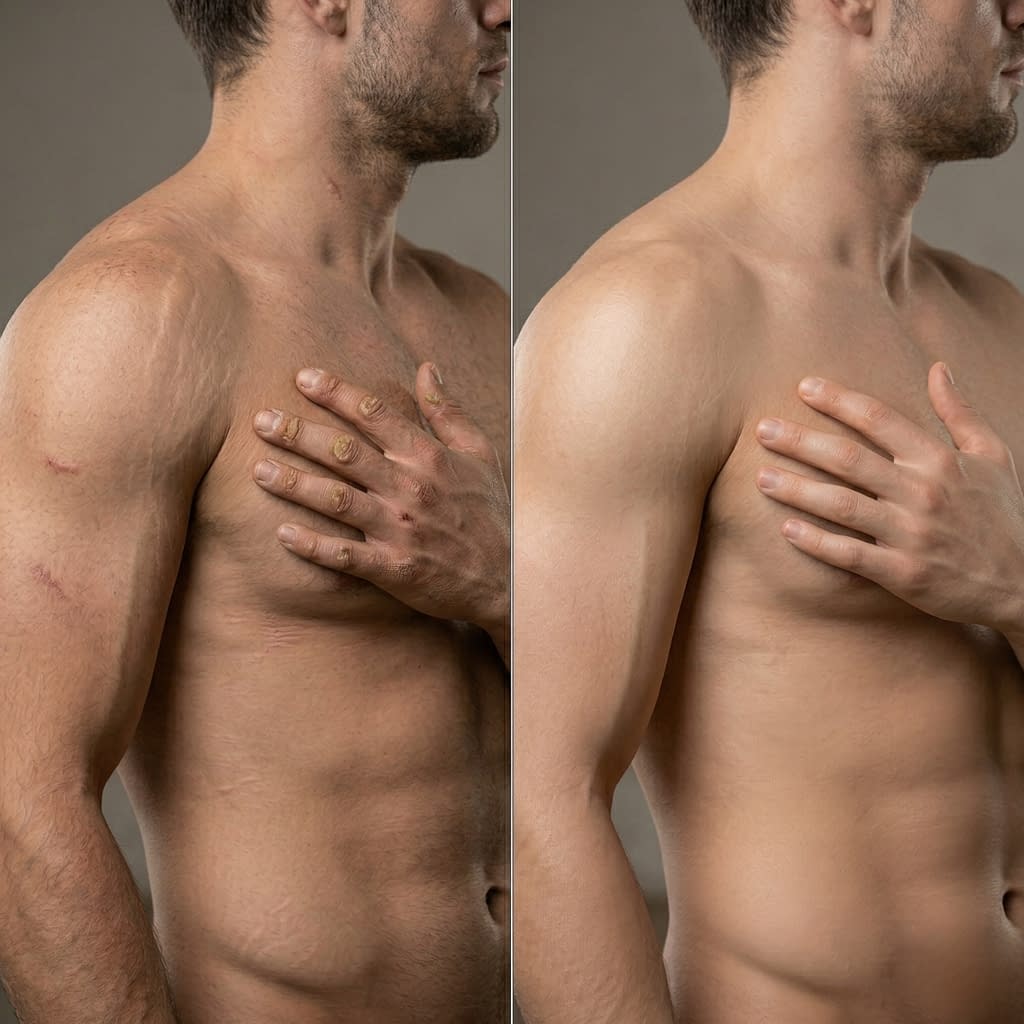
Sometimes the skin needs more than home care.
See a dermatologist if:
- stretch marks are very sudden or widespread
- calluses crack, bleed, or get painful
- scars are raised, itchy, or changing
- skin is not improving after months of gentle care
- you have signs of infection or irritation that keeps returning
A dermatologist can help you figure out whether a mark is normal, needs treatment, or may benefit from a prescription product or procedure.
Final Words
Years of lifting can leave visible marks on the skin, but most of them are manageable with the right routine. The goal is not to erase every line or rough patch. The goal is to keep your skin healthy, comfortable, and supported while you keep training.
A good lifting-skin routine is simple:
- cleanse gently
- moisturize regularly
- exfoliate carefully
- protect your hands
- reduce friction and sweat buildup
- give scars and stretch marks time
Strong training and good skin care can go together. You do not have to choose between them.


