

Smoking can leave skin looking dull, dry, uneven, and older than it should look. The good news is that skin can improve once you stop exposing it to smoke and start supporting it the right way. You will not erase every change overnight, but you can absolutely help your skin look brighter, smoother, and healthier with consistent care. The most helpful approach is simple: stop adding damage, repair the skin barrier, support collagen, protect from sun, and use ingredients that calm and renew the skin.
How Smoking Affects the Skin Over Time
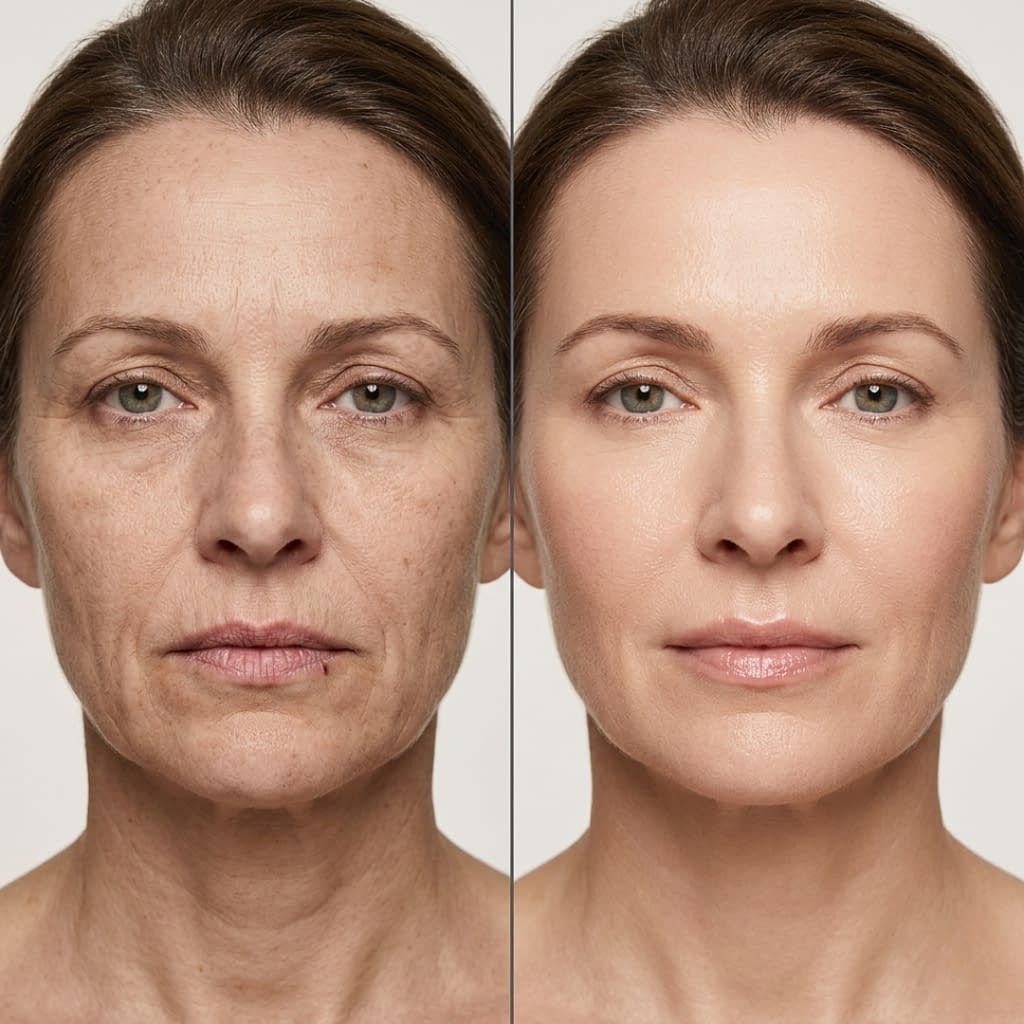
Smoking affects skin in several ways. It narrows tiny blood vessels, which reduces circulation and can leave skin looking tired and less vibrant. It also damages collagen and elastic fibers, which weakens firmness and contributes to sagging and wrinkles over time. On top of that, cigarette smoke increases oxidative stress, which adds extra wear and tear to skin cells.
For a skin-repair plan to work, the first job is to stop the ongoing exposure that keeps causing the damage. If you still smoke, every other step will work better once the skin is no longer fighting that constant stress.
Why Smokers Often Notice Dullness, Dryness, and Uneven Texture
Dullness and dryness happen because smoking interferes with circulation and increases oxidative stress, which makes skin look less alive and more tired. Uneven texture can also appear because smoke-related aging and moisture loss make the surface of the skin look rougher and less smooth. Over time, the skin may also look “leathery” or more blotchy.
Step by step, the fix starts with three basics: better hydration, gentler cleansing, and daily sun protection. These do not replace treatment, but they create the foundation that damaged skin needs to recover.
The Connection Between Smoking, Collagen Loss, and Premature Aging
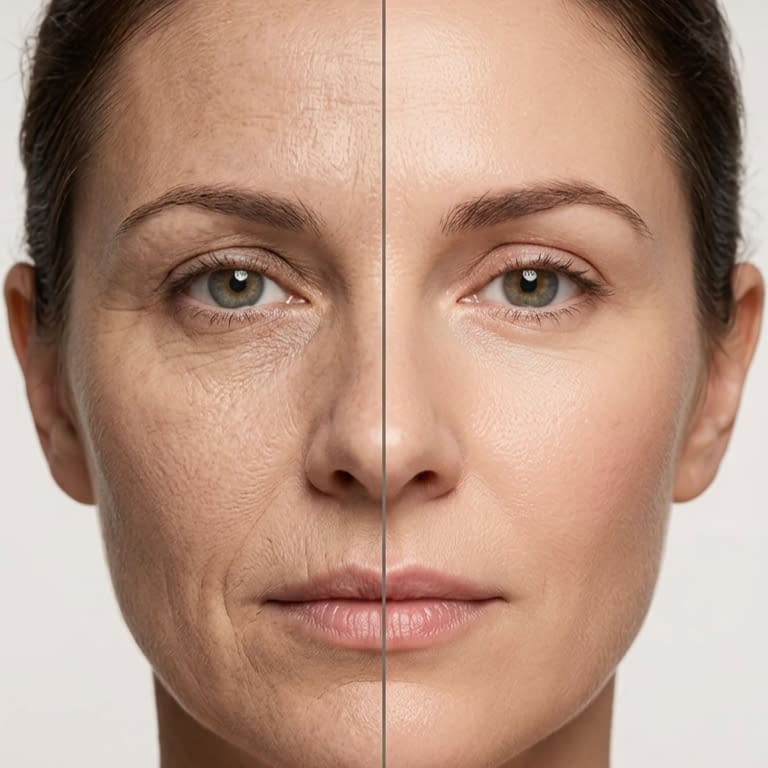
Collagen and elastic fibers keep skin firm and flexible. Smoking breaks them down, which is why smokers often see earlier wrinkles, sagging, and a more hollow look. This is one reason smoking is strongly linked with premature aging.
If you want your skin to rebuild, choose treatments that support collagen instead of stripping the skin. Retinoids can boost collagen and help improve fine lines and skin tone, while sun protection prevents more collagen loss.
How to Identify the Most Common Signs of Smoking-Related Skin Damage
Common signs include dullness, dryness, rough texture, uneven tone, fine lines, wrinkles, and a less firm look. Some people also notice more blotchiness or a leathery texture. These changes are often part of premature aging, especially when smoking and sun exposure have both been in the picture.
A simple self-check can help: look at your skin in natural light, note which areas look dry or uneven, and track changes with photos every few weeks. That makes it easier to see improvement from a routine instead of guessing.
Step One: Stop Further Damage by Supporting Healthy Habits
The most important step is to stop the habit that caused the damage in the first place. The skin cannot fully recover if the same exposure keeps happening. Dermatology guidance also emphasizes healthy habits like moisturizing, sun protection, and avoiding irritants to help skin look better over time.
A simple starting plan is to avoid smoke exposure, drink enough water, sleep consistently, and keep the skincare routine gentle. Those basics help the skin barrier and reduce extra stress on already tired skin.
Gentle Cleansing for Skin That Needs Recovery
Damaged skin usually does best with a mild, fragrance-free cleanser and warm, not hot, water. Harsh scrubbing can irritate already weakened skin and make it harder to tolerate helpful products. Dermatologists recommend gentle cleansing and removing grime before bed so the skin can recover overnight.
Step by step, use a short routine: cleanse once or twice a day, rinse with lukewarm water, pat dry instead of rubbing, and keep the cleanser mild. If your skin is very dry, a soft cloth and moisturizing cleanser can be better than a foaming wash.
Deep Hydration: Rebuilding Moisture in Dry, Tired Skin
Moisturizer helps trap water in the skin, which can make fine lines look softer and the complexion look brighter. Dermatologists often recommend ingredients like ceramides and hyaluronic acid for dry skin, and fragrance-free formulas are especially helpful when the skin is irritated or sensitive.
Step by step, apply moisturizer after cleansing while skin is still slightly damp. Use a cream or ointment rather than a light lotion if your skin feels very dry. If one product stings or burns, stop using it and switch to something simpler.
Ingredients That Help Restore and Protect Damaged Skin
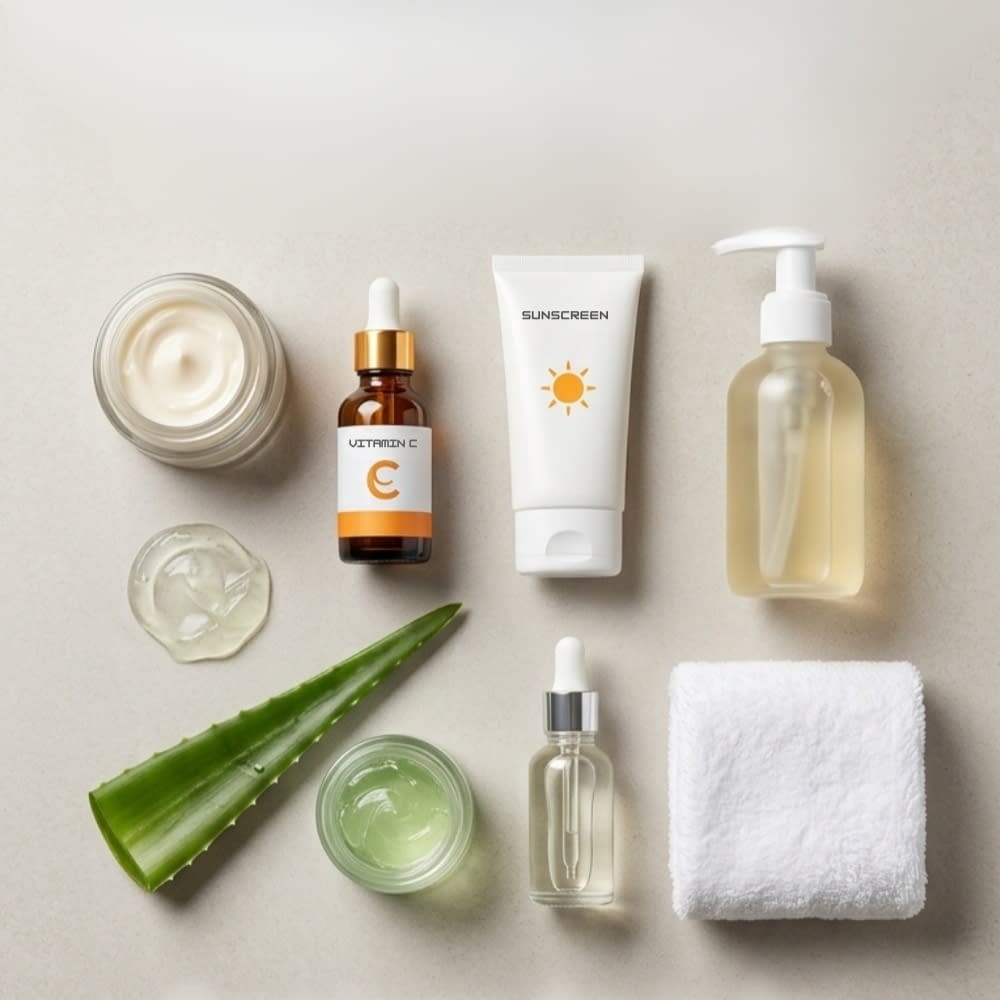
The most useful ingredients for repair are the ones that calm, hydrate, and support the barrier. Ceramides help restore the skin barrier, hyaluronic acid helps pull water into the skin, and niacinamide can support the barrier and help with uneven tone. Vitamin C also acts as an antioxidant and supports collagen formation.
A practical routine could look like this: use a gentle cleanser, then a serum with hyaluronic acid or niacinamide, and then a fragrance-free ceramide moisturizer. If your skin tolerates it, vitamin C in the morning can help support brightness and antioxidant defense.
How to Improve Skin Barrier Function After Smoking
The skin barrier gets weaker with dryness, irritation, and environmental stress. A barrier-friendly routine means less scrubbing, less fragrance, more moisture, and less product overload. This kind of routine gives damaged skin a chance to hold water and repair itself better.
Step by step, keep it simple: cleanse gently, apply a hydrating serum, seal it with moisturizer, and avoid anything that stings or burns. If a product causes irritation, it is not helping your barrier, even if it is marketed as “strong” or “active.”
Exfoliation Tips to Brighten Dull and Uneven Skin Safely
Exfoliation can help remove dead skin cells and make the surface look smoother, but too much can irritate damaged skin. Dermatologists advise gentle exfoliation at home and note that sensitive or dry skin may do better with a washcloth and a mild chemical exfoliator rather than harsh scrubs.
Step by step, start slowly: exfoliate only once or twice a week, choose a gentle chemical exfoliant if your skin tolerates it, and stop if the skin becomes red, stingy, or flaky. The goal is to brighten the skin, not strip it.
Antioxidants That Help Fight Oxidative Stress in the Skin
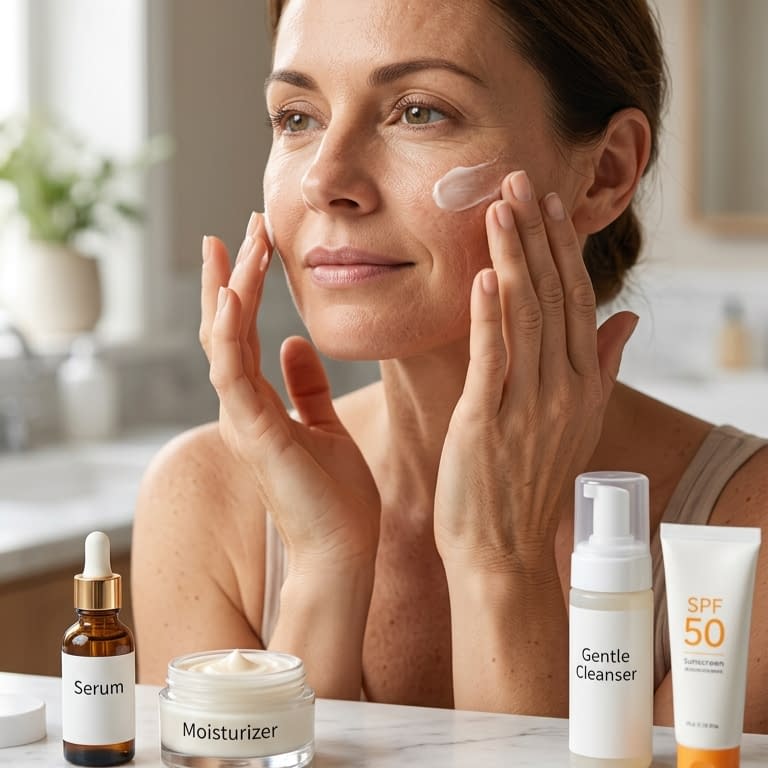
Smoking creates oxidative stress, and antioxidants help counter that damage. Vitamin C is a key antioxidant in the skin and supports collagen formation, while other antioxidants help protect against further environmental stress.
Step by step, add antioxidants in a practical way: use a vitamin C serum in the morning if your skin tolerates it, pair it with sunscreen, and keep the rest of the routine gentle. Antioxidants work best as part of a full routine, not as a stand-alone fix.
Nutrition and Hydration Habits That Support Skin Repair
A skin-friendly diet includes fruits, vegetables, healthy fats, and enough protein. AAD guidance notes that vitamin C supports collagen formation and that fruits and vegetables help support healthier-looking skin, while Cleveland Clinic also points out that balanced eating can help reduce premature skin changes.
Step by step, focus on steady habits: drink water consistently, eat vitamin C-rich foods like citrus and peppers, add healthy fats from fish or nuts, and avoid crash diets. Skin repair works better when your body is well-nourished and hydrated.
Sleep, Stress, and Circulation: The Overlooked Skin Recovery Trio
Sleep loss and stress can both interfere with the skin barrier and healing. Research and dermatology guidance show that stress can increase inflammation and slow wound healing, while poor sleep can impair skin barrier recovery and skin structure. Exercise can also help by supporting stress management and sleep regulation.
Step by step, try to keep a consistent sleep schedule, use a short calming routine before bed, and add gentle movement during the day. Better sleep and lower stress can make skincare work better, because the skin is not trying to repair itself while the body is running on empty.
Professional Treatments That Can Help Speed Skin Renewal
Some skin changes from smoking respond faster when a dermatologist adds in-office treatment. Microneedling can help improve wrinkles, fine lines, uneven texture, and scars, while laser resurfacing can also reduce wrinkles and dark spots, though it may involve downtime and more side effects. Retinoids are a cornerstone topical treatment for fine lines and texture, and PRP may help some people, though the evidence is mixed.
A good step-by-step approach is to start with home care, then see a dermatologist if improvement is slow or if you want faster results. A board-certified dermatologist can match the treatment to your skin type and concerns, which matters especially if your skin is dry, sensitive, or showing pigment changes.
When to See a Dermatologist for Long-Term Skin Concerns
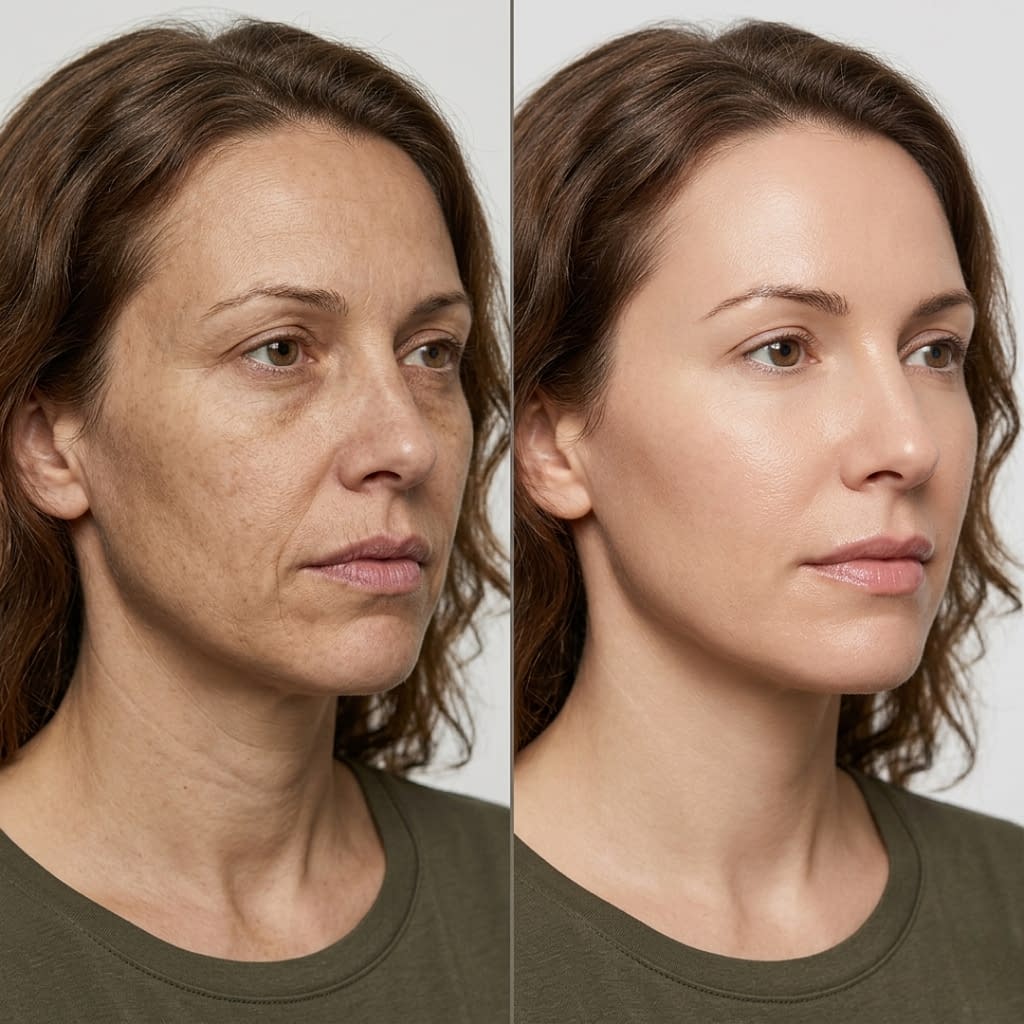
See a dermatologist if your skin stays very dry, rough, or uneven despite gentle care, or if you have deep wrinkles, pronounced blotchiness, or scars that do not improve. Dermatologists are the physicians with advanced training in skin conditions and can recommend treatments that go beyond what over-the-counter skincare can do.
It is also worth getting professional help if products keep stinging or your skin becomes increasingly sensitive. That can mean your barrier needs a more tailored plan rather than more products.
Final Words
Skin damage from smoking is real, but it is not the end of the story. The most effective recovery plan is straightforward: stop further smoke exposure, cleanse gently, rebuild moisture, protect the skin barrier, use antioxidants and collagen-supporting ingredients, protect from sun, and support your body with sleep, food, and hydration. Over time, many of the signs that make skin look tired and aged can improve.
If you want the fastest and safest path forward, keep the routine simple and consistent, and do not hesitate to see a dermatologist for long-term concerns or if you want professional treatments that can speed renewal.


