

Hair changes with age, and that is normal. Strands often become finer, density can slowly drop, and texture may shift as follicles produce less melanin and less sebum over time. For many people, the goal is not to fight aging, but to adjust the routine so hair stays healthy, easier to manage, and less prone to breakage.
Why Hair Changes as You Get Older
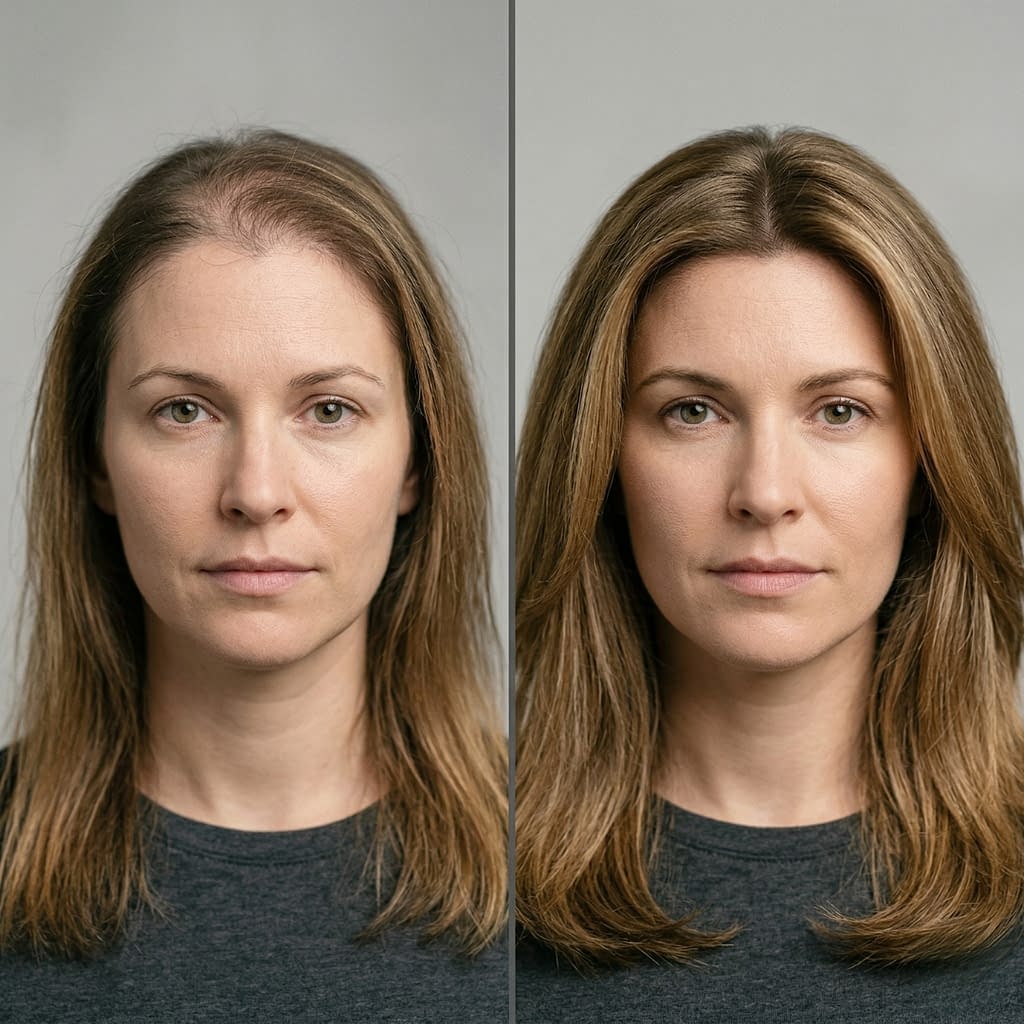
As hair ages, follicles may produce thinner strands, hair can lose pigment, and growth can slow down. Some people also notice that hair feels drier or coarser because aging follicles may make less sebum, which is the oil that helps keep hair soft and flexible. These changes can happen gradually, so the best approach is to adapt your routine before hair becomes hard to manage.
Understanding Hair Thinning vs. Hair Loss
Thinning usually means the hair is still growing, but the strands are finer or the density is lower. Hair loss means more visible shedding or areas where hair is not coming back as expected. Some thinning is part of aging, but sudden or patchy loss can signal an underlying issue that needs medical attention.
Common Causes of Age-Related Hair Thinning
Aging hair is influenced by genes, hormones, scalp inflammation, environmental exposure, styling habits, stress, smoking, and diet. Medical issues and medications can also contribute, which is why sudden changes should not be ignored.
How Hair Texture and Density Evolve Over Time
It is common for hair to become thinner, less dense, and sometimes lighter as you age. Many people notice that hair has less volume, that the scalp shows more, or that the hair feels different to style than it did years ago. That is partly because hair strands can shrink in diameter and the hair growth phase shortens over time.
Choosing the Right Shampoo for Thinning Hair

Thinning hair is fragile, so dermatologists recommend a gentle shampoo that does not strip moisture. The AAD advises applying shampoo to the scalp rather than rubbing it through the entire length, because the scalp needs cleansing while the ends need protection. If your scalp is oily, washing more often may make sense; if your hair is dry, textured, curly, or thick, wash only when needed and use a shampoo that suits your hair type.
Step by step: choose a shampoo that feels gentle, focus it on the scalp, and rinse well so residue does not build up. If your hair feels squeaky, rough, or overly dry after washing, that is a sign to switch to something milder.
Conditioning Without Weighing Hair Down
Conditioner helps moisturize and detangle, which reduces breakage and split ends. The AAD recommends using conditioner after every shampoo, but applying it differently depending on hair type: fine or straight hair usually does best with conditioner on the ends, while dry or curly hair may need it through the full length.
Step by step: after shampooing, squeeze out excess water, apply conditioner where hair needs softness most, let it sit briefly, and rinse thoroughly. If hair is fine, keep the amount light so it does not collapse the style.
Scalp Care: The Foundation of Healthier Hair Growth

Healthy hair starts with a healthy scalp. If the scalp is coated with product buildup or too dry, it can make hair look flatter or duller and can make thinning more noticeable. Dermatology guidance emphasizes washing the scalp based on how oily or dirty it gets, because good scalp cleansing helps remove buildup without over-drying the hair shaft.
Step by step: keep the scalp clean, avoid heavy residue, and pay attention to flakes, itch, or persistent shedding. If changing your hair care does not help, the cause may be medical rather than cosmetic, and a dermatologist can help identify it.
Gentle Styling Habits That Prevent Breakage
Thinning hair is easier to damage, so gentle handling matters. The AAD advises using a wide-tooth comb on wet hair, avoiding rough rubbing with towels, limiting heat, and using the lowest heat setting if you must blow-dry. Tight styling and repeated pulling can also contribute to traction alopecia over time.
Step by step: detangle carefully, dry with a microfiber towel or soft T-shirt instead of rubbing, and keep heat and tension as low as possible. Those small changes reduce breakage and help hair keep more of its fullness.
Hairstyles That Make Hair Look Fuller and Thicker
As hair changes with age, a haircut or styling change can make a big difference in how full it looks. Cleveland Clinic notes that shorter cuts, layers, and new styling techniques can help hide thinning and boost confidence, and the AAD warns that tightly pulled styles can cause traction alopecia.
Step by step: choose styles that reduce visible scalp, avoid tight buns or braids, and ask a stylist for shapes that create movement and lift rather than pulling hair flat. That approach is both cosmetic and protective.
Nutrition and Supplements That Support Hair Health
Hair is affected by nutrition, and too little protein or iron can contribute to hair loss. Cleveland Clinic and the AAD both note that healthy eating matters, and the AAD specifically warns that taking too much of certain supplements can worsen hair loss, so blood testing is smarter than guessing.
Step by step: eat regular meals with enough protein, include iron-rich and nutrient-dense foods, and ask a clinician before starting supplements. Vitamins and minerals can help if you are actually low, but more is not always better.
Reducing Heat and Chemical Damage Over Time
Heat and harsh chemical processes can weaken fragile hair further. The AAD recommends limiting curling irons, flat irons, hot combs, and blow-drying, using low heat when necessary, and avoiding repeated at-home coloring, perming, straightening, and relaxing on fragile hair.
Step by step: use heat only when needed, keep the setting low, and leave more recovery time between styling sessions. If you want chemical services, a salon that knows how to assess the scalp and choose a more suitable product is a safer option.
How Often You Should Wash and Style Thinning Hair

How often you wash depends on your scalp type, not just your age. The AAD says oily, straight hair may need daily washing, while dry, textured, curly, or thick hair may only need washing when needed, sometimes as little as every 2 to 3 weeks. Thinning hair still needs a clean scalp, but the routine should be gentle and based on oiliness and buildup.
Step by step: wash when your scalp feels oily or dirty, use conditioner every time, and keep styling to the minimum needed to look and feel comfortable. This balance helps the scalp stay clean without overworking fragile strands.
Common Mistakes That Make Hair Look Thinner
A few habits can make thinning look worse: tight hairstyles, too much heat, harsh brushing, rough towel drying, and products or treatments that strip moisture. The AAD also notes that pulling styles can cause traction alopecia and that tugging while brushing can lead to more hair loss.
Step by step: stop the most damaging habit first, then simplify the routine. Gentle shampoo, conditioner, careful detangling, and lower heat usually do more for the look and feel of thinning hair than piling on more products.
When to Consider Professional Treatments or Advice
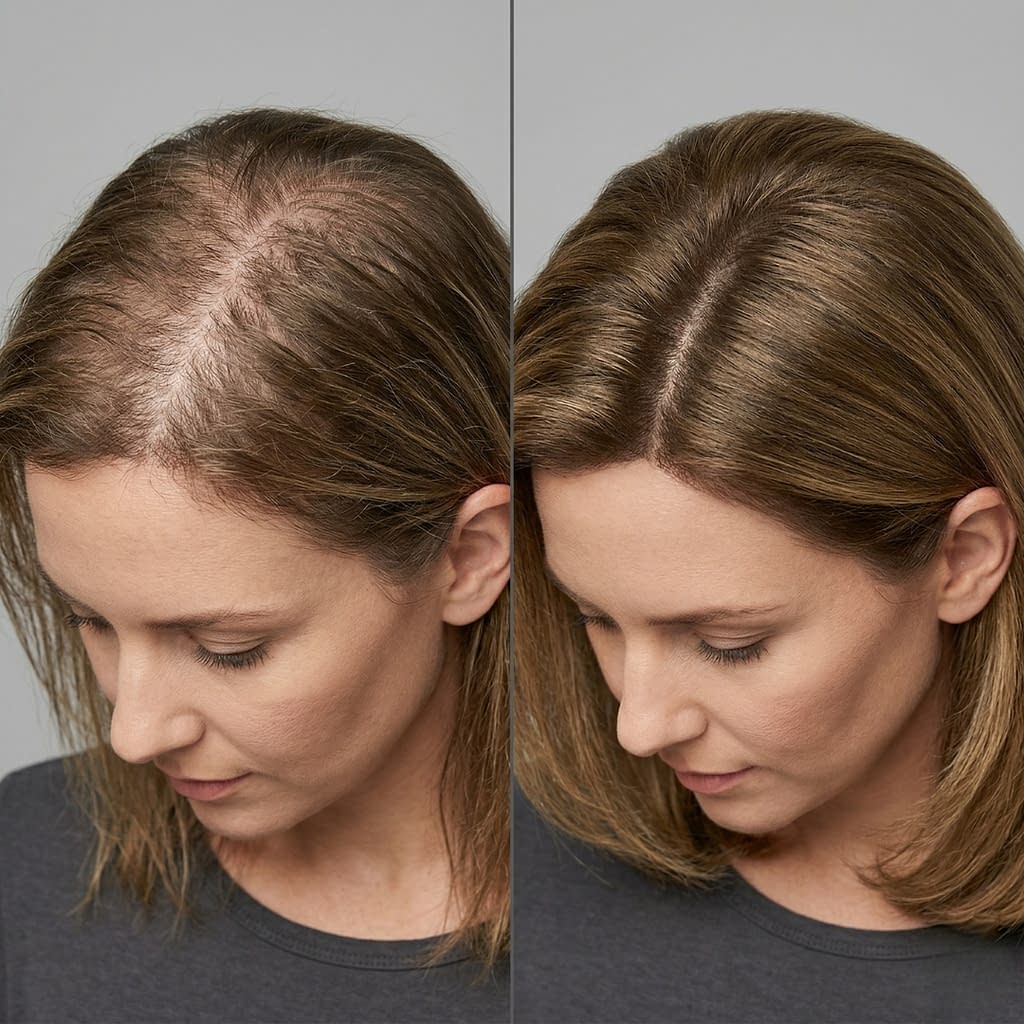
If hair care changes do not improve how your hair looks and feels, or if thinning is worrying you, a board-certified dermatologist is the best next step. The AAD says effective treatment starts with finding the cause, and Cleveland Clinic notes that providers may look at family history, blood tests, scalp exam, and sometimes biopsy to figure out what is happening.
For age-related pattern thinning, treatments may include topical minoxidil, and in men, finasteride is also a common medical option when appropriate. Minoxidil can help early hair loss, but it takes months to judge results and it works only while you keep using it. Because this is medication, it should be discussed with a clinician, especially for younger readers.
Final Words
Hair changes with age are normal, but that does not mean your routine has to stay the same forever. The most useful changes are usually simple: wash gently, condition every time, handle hair with less friction, reduce heat and chemical stress, eat enough protein and iron, and get medical advice when shedding is sudden or concerning. Over time, those changes can help thinning hair look healthier and be easier to manage.
If hair loss is sudden, patchy, or making you anxious, the safest next step is to get the cause checked rather than guessing. A dermatologist or primary care clinician can help you tell the difference between normal age-related thinning and something treatable.


