

Aloe vera has earned its place as one of the most loved natural skincare ingredients, and for good reason. It feels light, soothing, and refreshing on the skin, yet it offers so many benefits that make it perfect for a homemade face cream. Whether your skin feels dry, irritated, dull, or simply in need of a gentle daily moisturizer, aloe vera can help create a cream that feels nourishing without being heavy.
Making your own aloe vera face cream at home also gives you full control over the ingredients. You can keep the recipe simple, avoid unnecessary chemicals, and adjust the texture to suit your skin type. That means you can create a cream that is customized for your face instead of using a one-size-fits-all product from the store.
In this guide, you will learn exactly how to make aloe vera face cream at home, what ingredients to use, how to adjust the recipe for different skin types, how to store it properly, and how to use it safely for the best results. The process is beginner-friendly, practical, and easy to follow.
Why Aloe Vera Is Ideal for Homemade Face Cream
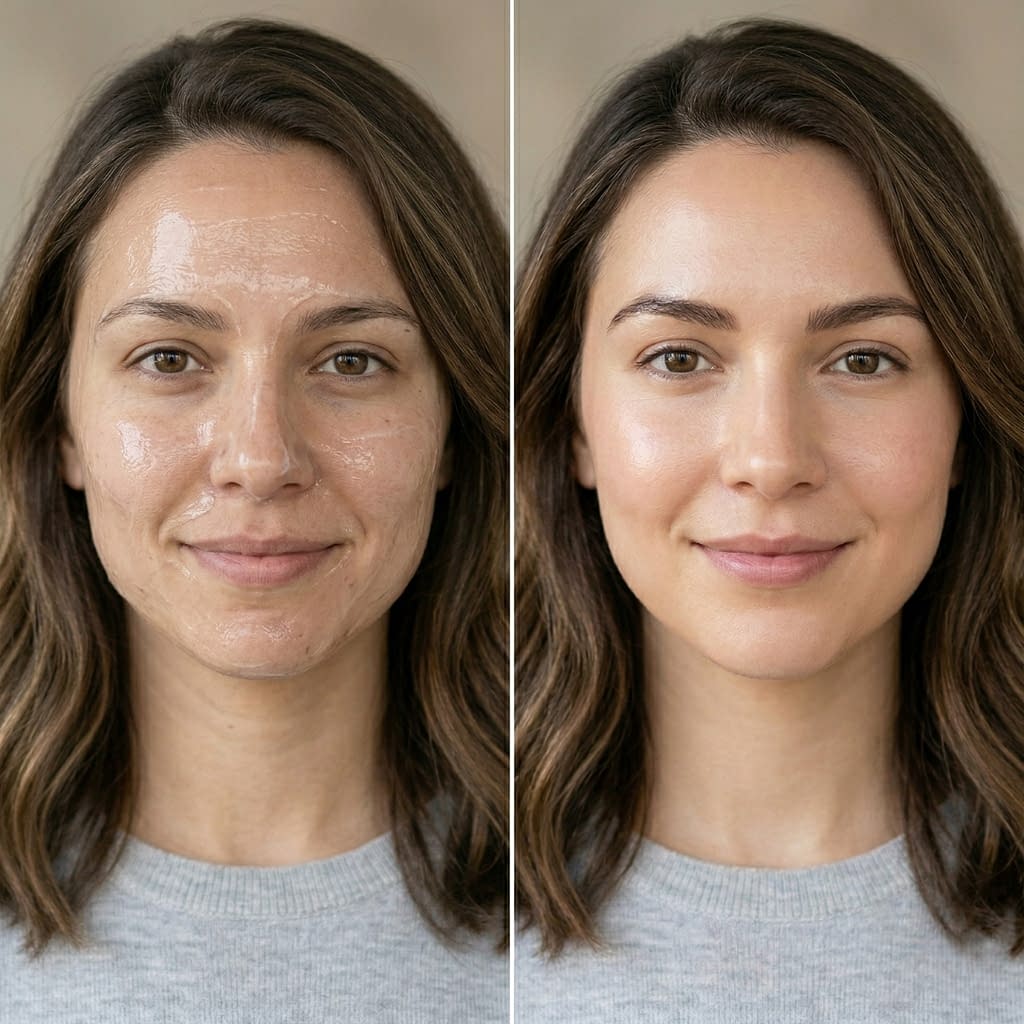
Aloe vera is one of the best ingredients for homemade skincare because it is lightweight, calming, and very versatile. It works beautifully in a face cream because it adds hydration without making the skin feel greasy or heavy.
Aloe vera gel has a naturally cooling effect, which is especially helpful for skin that feels irritated, dry, or exposed to sun and environmental stress. It blends well with oils and other nourishing ingredients, making it a great base for homemade creams.
Step-by-step: why aloe vera works so well
- It hydrates the skin without clogging or weighing it down.
- It helps soothe redness and sensitivity.
- It mixes well with natural oils and butter.
- It gives the cream a soft, fresh texture.
- It can be used by many skin types with the right recipe.
That combination of moisture, comfort, and flexibility is exactly why aloe vera is such a popular choice for DIY face cream.
Skin Benefits of Using Aloe Vera Face Cream Regularly
Using aloe vera face cream regularly may help your skin feel smoother, softer, and more balanced. Because it is gentle and hydrating, it can fit into both morning and evening skincare routines.
Potential skin benefits
- Helps calm the look and feel of irritated skin
- Supports hydration
- Leaves skin feeling soft and refreshed
- May improve the appearance of dull skin
- Can help skin feel more comfortable after cleansing
Step-by-step: what regular use can do
- Clean skin absorbs moisturizer more effectively.
- Aloe vera helps deliver a fresh layer of hydration.
- Oils in the cream help seal in moisture.
- Regular use can support smoother-looking skin over time.
Aloe vera face cream is especially useful when your skin needs moisture but does not tolerate heavy creams well.
Ingredients Required to Make Aloe Vera Face Cream at Home

A simple aloe vera face cream does not need many ingredients. In fact, the best recipes often use only a few carefully chosen items.
Basic ingredients
- Aloe vera gel
- A natural oil such as jojoba, almond, or rosehip oil
- A thickener or emulsifier if you want a cream-like texture
- Vitamin E oil, optional
- A few drops of essential oil, optional and skin-safe
Step-by-step: ingredient planning
- Choose aloe vera as your base.
- Select a lightweight oil or a richer oil depending on your skin type.
- Decide whether you want a simple gel-cream or a richer cream.
- Add optional ingredients only if they suit your skin.
- Keep the formula short and gentle.
The fewer unnecessary ingredients you use, the easier it is to control texture, safety, and skin compatibility.
Fresh Aloe Vera vs Store-Bought Gel Which Is Better
Both fresh aloe vera and store-bought aloe gel can work, but they are not exactly the same.
Fresh aloe vera
Fresh aloe comes directly from the plant. It feels natural and pure, and many people enjoy using it because it is simple and minimally processed. However, it can spoil faster and may need careful preparation.
Store-bought aloe gel
Store-bought gel is often more convenient and may last longer, especially if it contains stabilizers or preservatives. The quality varies, though, so it is important to choose a product with a high aloe content and minimal irritating additives.
Step-by-step: choosing between the two
- Use fresh aloe if you want a pure, homemade approach and can prepare it properly.
- Use store-bought gel if convenience and longer shelf life matter more.
- Check labels for alcohol, strong fragrance, or unnecessary fillers.
- Choose the option that best matches your skin and your comfort level.
For beginners, a simple high-quality store-bought aloe gel is often easier. For a more natural project, fresh aloe works beautifully if handled carefully.
Tools You Will Need Before You Start
Before making your cream, gather everything you need so the process is smooth and clean.
Helpful tools
- A small mixing bowl
- Spoon, whisk, or mini hand mixer
- Measuring spoons
- A clean container or jar with a lid
- Knife and spoon if using fresh aloe vera
- Funnel or spatula for transferring the cream
Step-by-step: prepare your workspace
- Wash and dry your hands.
- Clean all tools and containers thoroughly.
- Sterilize the jar if possible.
- Measure your ingredients before mixing.
- Keep your workspace dry and tidy.
Clean tools matter a lot in homemade skincare because they help reduce contamination and extend the life of the cream.
Step-by-Step Process to Make Aloe Vera Face Cream

Here is a simple beginner-friendly recipe that creates a soft, hydrating aloe vera cream.
Basic aloe vera face cream recipe
- 3 tablespoons aloe vera gel
- 1 tablespoon lightweight carrier oil
- 1 teaspoon vitamin E oil, optional
- 2 to 3 drops essential oil, optional
Step-by-step instructions
- Add the aloe vera gel to a clean mixing bowl.
- Slowly pour in the carrier oil.
- Add vitamin E oil if using it.
- Add essential oil only if your skin tolerates it.
- Whisk or blend until the mixture looks smooth and slightly creamy.
- Transfer it into a clean jar.
- Store it in a cool place or refrigerator if needed.
If you want a thicker cream
You can increase the oil slightly or add a natural emulsifier if you want a more lotion-like texture. Otherwise, the recipe may stay more like a lightweight cream-gel, which is still very useful for everyday skincare.
The key is to mix slowly and evenly so the texture feels soft and uniform.
How to Adjust the Recipe for Dry, Oily, or Sensitive Skin
Different skin types need slightly different versions of the same recipe.
For dry skin
Use richer oils such as avocado oil or sweet almond oil. You can also make the cream a little more nourishing by increasing the oil slightly.
For oily skin
Keep the formula light. Use a small amount of jojoba oil or grapeseed oil, which feel lighter on the skin. Avoid making the cream too heavy.
For sensitive skin
Use the simplest recipe possible. Aloe vera and a very mild oil may be enough. Avoid strong essential oils and keep the ingredient list short.
Step-by-step: adjust by skin type
- Identify whether your skin needs more hydration or more lightness.
- Choose the appropriate oil.
- Start with fewer extra ingredients.
- Patch test the final formula.
- Adjust the amount of oil next time if needed.
A good DIY cream should feel comfortable on your skin within minutes of applying it.
Best Natural Oils to Mix with Aloe Vera for Glowing Skin
The oil you choose affects how the cream feels and how nourishing it is.
Good natural oil options
- Jojoba oil: light and balanced
- Sweet almond oil: soft and moisturizing
- Rosehip oil: popular for glow and skin nourishment
- Argan oil: rich but elegant on skin
- Grapeseed oil: lightweight and fast-absorbing
- Avocado oil: richer and better for dry skin
Step-by-step: choose the right oil
- Think about whether your skin is dry, normal, or oily.
- Pick a lightweight oil for daytime use.
- Choose a richer oil if your skin feels dry or tight.
- Test one oil at a time if possible.
- Observe how your skin reacts before changing the formula.
The right oil can make aloe vera cream feel much more luxurious and effective.
Can You Add Vitamin E or Essential Oils Safely
Yes, but both should be used carefully.
Vitamin E
Vitamin E is often added to homemade skincare because it may help support the formula and add extra nourishment. A small amount is usually enough.
Essential oils
Essential oils can make the cream smell pleasant, but they can also irritate the skin if used too heavily. Some essential oils are not ideal for the face, especially if the skin is sensitive.
Step-by-step: safe use
- Keep vitamin E in a small amount.
- Use essential oils very sparingly.
- Avoid strong oils if your skin is reactive.
- Never apply undiluted essential oils directly to the face.
- Patch test before using the cream regularly.
For many people, the safest choice is to skip essential oils entirely and keep the formula simple.
Texture, Color, and Consistency What to Expect
Homemade aloe vera face cream usually does not look exactly like store-bought cream, and that is normal.
What the texture may be like
- Soft and gel-like
- Light and slippery
- Slightly creamy but not thick
- Smooth if blended well
What the color may be like
- Clear to pale green
- Slightly cloudy if oils are added
- More opaque if the recipe is richer
Step-by-step: manage expectations
- Expect a fresh, homemade appearance.
- Blend thoroughly for smoother texture.
- Do not worry if it is lighter than commercial creams.
- Adjust the oil amount if you want more richness.
- Keep the batch size small until you perfect the recipe.
A homemade cream should feel pleasant and functional, even if it is not perfectly polished in appearance.
How to Store Aloe Vera Face Cream Correctly
Because homemade face cream does not contain the same preservatives as commercial products, storage is important.
Best storage tips
- Keep it in a clean, airtight container
- Store in a cool, dry place
- Refrigerate if the recipe is very fresh or if your home is warm
- Use a clean spoon instead of fingers when possible
Step-by-step: storage routine
- Transfer the cream to a sterilized jar.
- Seal it tightly after each use.
- Keep it away from heat and sunlight.
- Check it regularly for changes in smell, color, or texture.
- Discard it if it looks or smells off.
Good storage helps protect both the product and your skin.
Shelf Life and Safety Tips for Homemade Face Cream
Homemade skincare usually has a shorter shelf life than commercial products. Aloe vera especially can spoil if not stored correctly.
Safety tips
- Make small batches
- Watch for mold, separation, or odor changes
- Use clean tools every time
- Patch test before full-face use
- Stop using the cream if irritation develops
Step-by-step: shelf life care
- Make a small amount first.
- Store it properly from day one.
- Check it before each use.
- Use it within a short period, especially if it contains fresh aloe.
- When in doubt, throw it out.
Safety matters more than saving a batch that no longer seems fresh.
How and When to Apply Aloe Vera Face Cream

Aloe vera face cream can be used in both morning and evening routines, depending on your skin type and the rest of your skincare steps.
How to apply it
- Cleanse your face gently.
- Pat skin dry, leaving it slightly damp if desired.
- Take a small amount of cream.
- Warm it lightly between your fingertips.
- Apply evenly to the face and neck.
- Let it absorb before adding other products.
When to use it
- In the morning under sunscreen
- At night as a soothing moisturizer
- After sun exposure if the skin feels dry or tight
- During dry weather when skin needs extra comfort
Use a small amount first. Homemade creams often go further than expected.
Common Mistakes to Avoid When Making Aloe Vera Cream
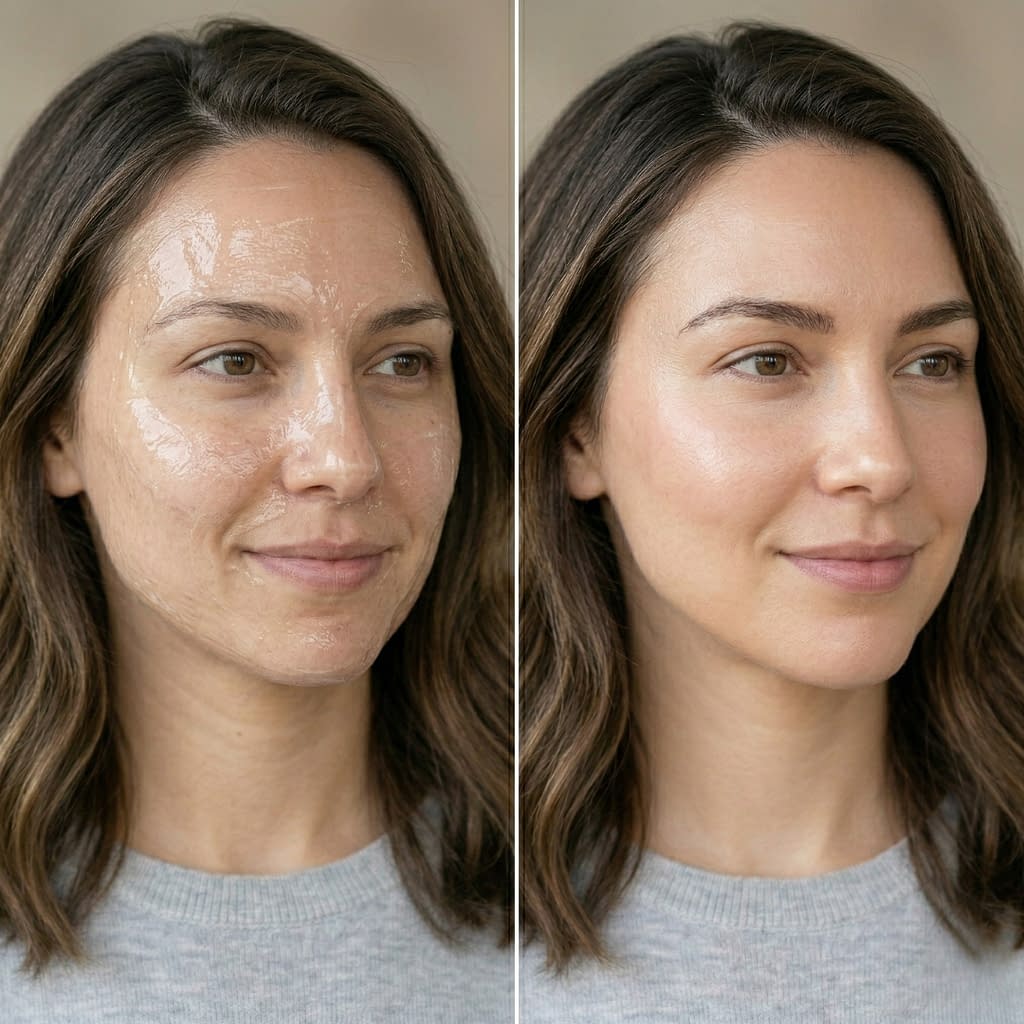
A simple recipe can still go wrong if certain mistakes are made.
Mistakes to avoid
- Using too many ingredients at once
- Adding too much essential oil
- Skipping sterilization
- Making a large batch too early
- Using spoiled aloe vera or old oil
- Not patch testing before use
Step-by-step: how to avoid problems
- Keep the formula short.
- Use fresh, clean ingredients.
- Mix in small amounts.
- Store it properly.
- Test it on a small area before full use.
The safest and most effective homemade skincare recipes are usually the simplest ones.
Final Words
Making aloe vera face cream at home is a wonderful way to create a gentle, customizable moisturizer that supports healthy-looking skin. Aloe vera gives the formula a soothing, lightweight base, while natural oils and optional additions let you adjust the cream for your own skin’s needs.
The best part is that the process does not have to be complicated. With a few clean tools, simple ingredients, and careful storage, you can make a face cream that feels fresh, nourishing, and personal. Whether your goal is hydration, comfort, glow, or a more natural skincare routine, aloe vera is a beautiful ingredient to build around.
Start with a small batch, keep the recipe simple, and pay attention to how your skin responds. With a little practice, you can create an aloe vera face cream that feels just right for you.


