

Skin texture is one of those things almost everyone notices on their own face, but few people talk about openly. You may look in the mirror and see tiny bumps, rough patches, visible pores, uneven areas, or skin that just does not look as smooth and radiant as you want it to. The good news is that textured skin is extremely common, and in many cases, it can be improved with the right routine, the right ingredients, and a little patience.
The key is to understand that skin texture is usually not caused by one single problem. It can happen because of dead skin buildup, dehydration, clogged pores, irritation, dryness, excess oil, over-exfoliation, or even a combination of all of these. That means the solution is not to scrub harder or use every product you can find. The best results usually come from gentle, consistent care that helps the skin barrier function better while encouraging healthy cell turnover.
In this guide, you will learn what skin texture really is, why it happens, how to smooth it safely, and how to build habits that support soft, glowing skin long term. Each section is designed to be practical, easy to follow, and helpful whether your skin is dry, oily, sensitive, or combination.
What Skin Texture Is and Why It Happens
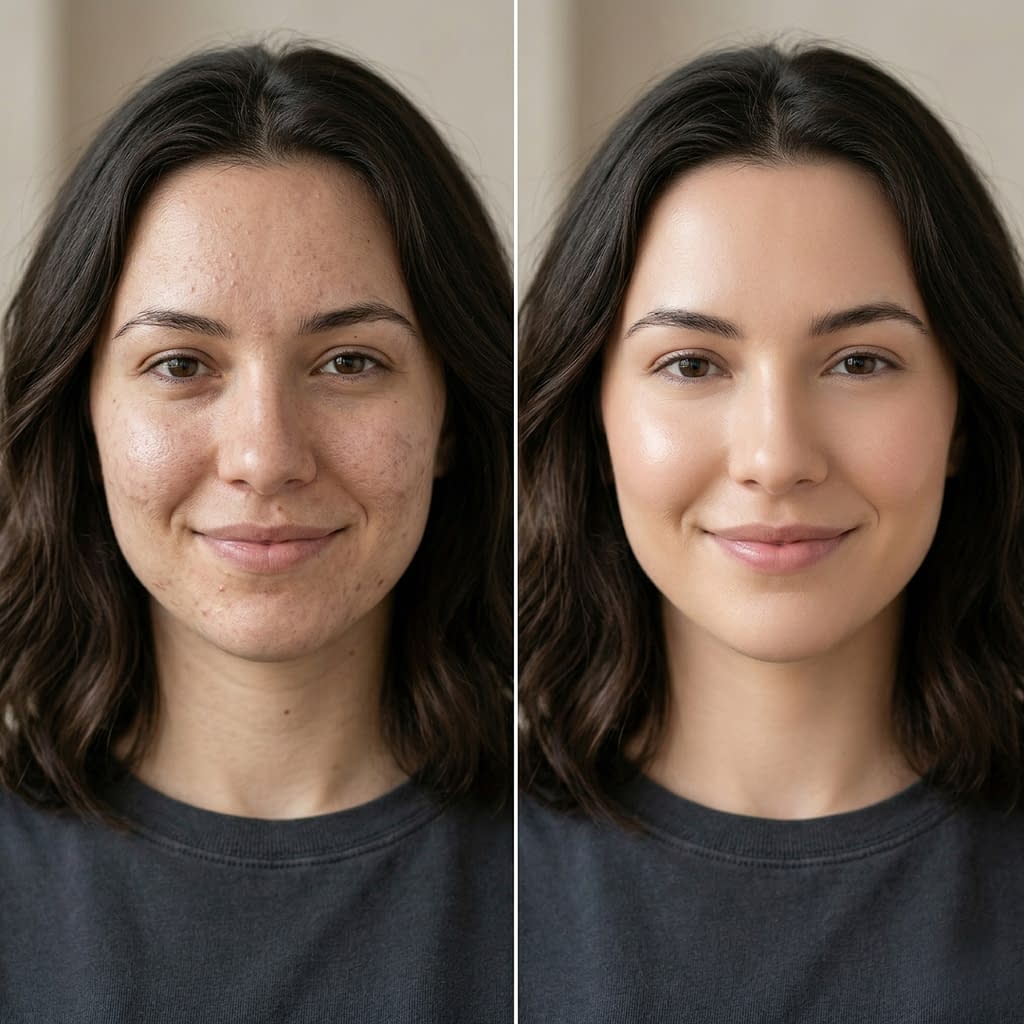
Skin texture refers to the surface feel and appearance of your skin. Smooth skin reflects light evenly, feels soft to the touch, and usually looks more refined. Textured skin, on the other hand, may feel rough, bumpy, uneven, or slightly raised in some areas.
Texture can appear on the face for many reasons. Sometimes it is caused by dry patches or leftover dead skin. Other times it comes from clogged pores, inflammation, acne marks, or a weakened skin barrier. In many cases, texture is not a sign of anything serious. It is simply your skin asking for better care.
Step by step: what skin texture usually means
- The skin’s surface becomes uneven.
- Dead skin, oil, or buildup may sit on top of the skin.
- Pores may become more visible.
- Hydration levels may drop.
- The skin starts to look less smooth and less luminous.
The important thing to remember is that skin texture is a condition, not a character flaw. It can often be improved by treating the underlying cause.
Common Causes of Uneven Skin Texture
Uneven skin texture can show up for many different reasons, and the cause is often a mix of factors.
Common causes include
- Dryness
- Dehydration
- Dead skin buildup
- Clogged pores
- Acne and acne scars
- Over-exfoliation
- Harsh skincare products
- Sun damage
- Lack of moisture barrier support
- Hormonal changes
Step by step: how texture develops
- Skin becomes stressed, dry, congested, or irritated.
- The surface layer does not shed evenly.
- Pores get blocked or more noticeable.
- The skin barrier becomes less balanced.
- Texture becomes more visible over time.
Sometimes skin texture is temporary and improves quickly with better care. In other cases, it needs a more consistent routine to change.
How Dead Skin Cells Contribute to Rough Texture
Your skin naturally sheds dead cells as part of its renewal cycle. When this process slows down, dead skin cells can pile up on the surface and make the skin feel rough or look dull.
This buildup can make makeup sit unevenly, highlight bumps, and reduce your skin’s natural glow. It can also trap oil and debris, which may worsen clogged pores.
Step by step: what dead skin does
- New skin cells form underneath the surface.
- Older cells rise upward and should naturally shed.
- If shedding slows down, cells stay on the surface.
- The surface becomes rough, dry, or uneven.
- Skin texture becomes more noticeable.
This is why gentle exfoliation is so important. It helps clear the path for fresh skin without damaging the barrier.
Signs Your Skin Texture Needs Attention
Textured skin is not always obvious at first glance. Sometimes it shows up in the way your skin feels before it changes how it looks.
Signs to look for
- Skin feels rough when you touch it
- Makeup clings to certain areas
- Foundation looks patchy or uneven
- Tiny bumps appear across the forehead or cheeks
- Pores look more obvious than usual
- Skin looks dull despite moisturizing
- Dry flakes keep showing up in the same places
Step by step: how to check your skin
- Wash your face with a gentle cleanser.
- Pat it dry and wait a few minutes.
- Feel the skin with clean fingertips.
- Look at your face in natural light.
- Notice whether the problem is roughness, bumps, dryness, or clogged pores.
Knowing the type of texture you have helps you choose the right fix.
Daily Skincare Habits That Improve Skin Texture

Texture improves most when daily care supports the skin barrier and encourages healthy turnover without causing irritation.
Core daily habits
- Use a gentle cleanser
- Moisturize every day
- Wear sunscreen consistently
- Avoid harsh scrubbing
- Remove makeup thoroughly
- Keep the routine simple and steady
Step by step: basic texture-friendly routine
- Cleanse gently in the morning and evening.
- Use hydrating products that suit your skin type.
- Apply moisturizer while skin is still slightly damp.
- Protect the skin with SPF during the day.
- Avoid overloading your skin with too many strong products at once.
A balanced routine is often more effective than an aggressive one.
How to Exfoliate Correctly for Smoother Skin
Exfoliation can be one of the most effective ways to improve skin texture, but it must be done correctly. Too much exfoliation can make texture worse by irritating the skin.
Step by step exfoliation guide
- Start with clean, dry skin.
- Choose one exfoliant, not several at the same time.
- Apply it according to directions.
- Use it only as often as your skin can tolerate.
- Follow with moisturizer and sunscreen.
Good exfoliation habits
- Begin slowly, especially if your skin is sensitive
- Focus on consistency rather than intensity
- Watch for redness, stinging, or tightness
- Reduce frequency if your skin feels irritated
Exfoliation should help the skin look smoother, not stripped or raw.
Chemical vs Physical Exfoliation Which Is Better
Both types can work, but they are not equally suitable for every skin type.
Chemical exfoliation
This uses acids or enzymes to loosen dead skin cells.
Examples include:
- AHAs
- BHAs
- PHAs
- Enzyme exfoliants
Chemical exfoliation is often better for texture because it tends to be more even and less abrasive.
Physical exfoliation
This uses particles, brushes, or textured tools to manually remove dead skin.
It can give quick results, but if the particles are rough or the pressure is too strong, it can irritate the skin.
Step by step: choosing the right type
- If your skin is sensitive or acne-prone, start with a gentle chemical exfoliant.
- If your skin is very resilient and needs surface smoothing, a soft physical exfoliant may work occasionally.
- Never use both aggressively in the same routine.
- Observe how your skin reacts over the next few days.
- Adjust frequency based on comfort and improvement.
For most people, gentle chemical exfoliation is the safer and more effective option.
Best Ingredients to Look for to Smooth Skin Texture

The right ingredients can make a huge difference in improving roughness, dryness, bumps, and dullness.
Helpful ingredients include
- Salicylic acid for clogged pores
- Lactic acid for gentle smoothing
- Glycolic acid for surface exfoliation
- PHAs for sensitive skin
- Niacinamide for refining texture and balancing oil
- Hyaluronic acid for hydration
- Ceramides for barrier support
- Retinoids for long-term texture improvement
- Urea for softening rough areas
Step by step: how to choose ingredients
- Identify your main concern.
- If clogged pores are the issue, look for salicylic acid.
- If your skin is dry and rough, try lactic acid or urea.
- If your skin is sensitive, start with PHAs or niacinamide.
- Add one active at a time so you can see what works.
Using the right ingredient for the right problem is the fastest way to see real improvement.
How Hydration and Moisturizing Affect Skin Texture
A lot of textured skin looks worse simply because it is dehydrated or under-moisturized. When skin is dry, every tiny bump and patch stands out more.
Hydration helps the skin appear plumper and smoother. Moisturizing helps seal that hydration in and support the skin barrier. Both are essential for soft, refined skin.
Step by step: how hydration helps
- Water content in the skin improves.
- The surface looks fuller and less rough.
- Fine dry lines become less visible.
- Product application becomes smoother.
- Texture appears softer overall.
Step by step: how to moisturize well
- Apply a hydrating serum or essence if needed.
- Seal it in with a moisturizer that fits your skin type.
- Use lighter textures for oily skin and richer ones for dry skin.
- Reapply or layer more moisture during dry weather.
- Do not skip moisturizer even if your skin is oily.
Hydration and moisture are two different things, but both matter if you want smoother skin.
How to Reduce Skin Texture Naturally at Home
Natural care will not replace good skincare ingredients, but it can support your skin and help it feel calmer and more comfortable.
Helpful at-home habits
- Use a gentle oatmeal mask
- Apply aloe vera for soothing hydration
- Try honey as a softening mask
- Use lukewarm water instead of hot water
- Avoid harsh scrubbing or picking
- Sleep enough and manage stress
Step by step: simple home care
- Clean your face gently.
- Apply a soothing natural mask once or twice a week.
- Rinse with lukewarm water.
- Moisturize immediately after.
- Follow a steady routine rather than changing products constantly.
Natural remedies work best as support, not as a quick fix for deeper texture issues.
Skincare Mistakes That Make Texture Look Worse
Sometimes skin texture gets worse not because you are doing too little, but because you are doing too much.
Common mistakes
- Over-exfoliating
- Using harsh cleansers
- Skipping moisturizer
- Picking at bumps or flakes
- Layering too many active ingredients
- Not wearing sunscreen
- Changing products too often
- Scrubbing skin aggressively
Step by step: how to stop making it worse
- Reduce your routine to the basics.
- Remove anything harsh or irritating.
- Add moisture and sunscreen consistently.
- Give your skin at least a few weeks to adjust.
- Reintroduce actives slowly if needed.
Sometimes the skin only needs less pressure and more consistency.
How Long It Takes to See Improvement in Skin Texture

Texture does not usually disappear overnight. The timeline depends on the cause and how consistent your routine is.
General timeline
- A few days: skin may feel less dry or tight
- One to two weeks: roughness may start to soften
- Several weeks: more visible smoothing and brightness
- A few months: deeper texture issues may improve more noticeably
Step by step: how to track progress
- Take a photo before starting.
- Use the same routine consistently.
- Check changes in texture and makeup application.
- Give each product enough time to work.
- Do not switch products too quickly unless your skin is irritated.
Better skin texture is usually the result of small, repeated wins.
When to Use Treatments or Professional Care
Some texture concerns need more than at-home skincare. If your skin is not improving, or if the texture is tied to acne scars, deeper congestion, or long-term concerns, professional care may help.
Consider professional help if
- The texture is severe or persistent
- You have a lot of clogged pores or acne
- Your skin is irritated by most products
- You suspect scarring or underlying skin conditions
- Nothing is improving after a consistent routine
Step by step: when to escalate care
- Start with a simple routine.
- Give it time to work.
- If the issue remains, consider stronger targeted treatments.
- Speak with a skincare professional or dermatologist if needed.
- Follow their guidance carefully instead of experimenting too much.
Professional treatments can include stronger exfoliating procedures, prescription skincare, or texture-focused treatments depending on the cause.
Tips to Maintain Smooth, Glowing Skin Long Term
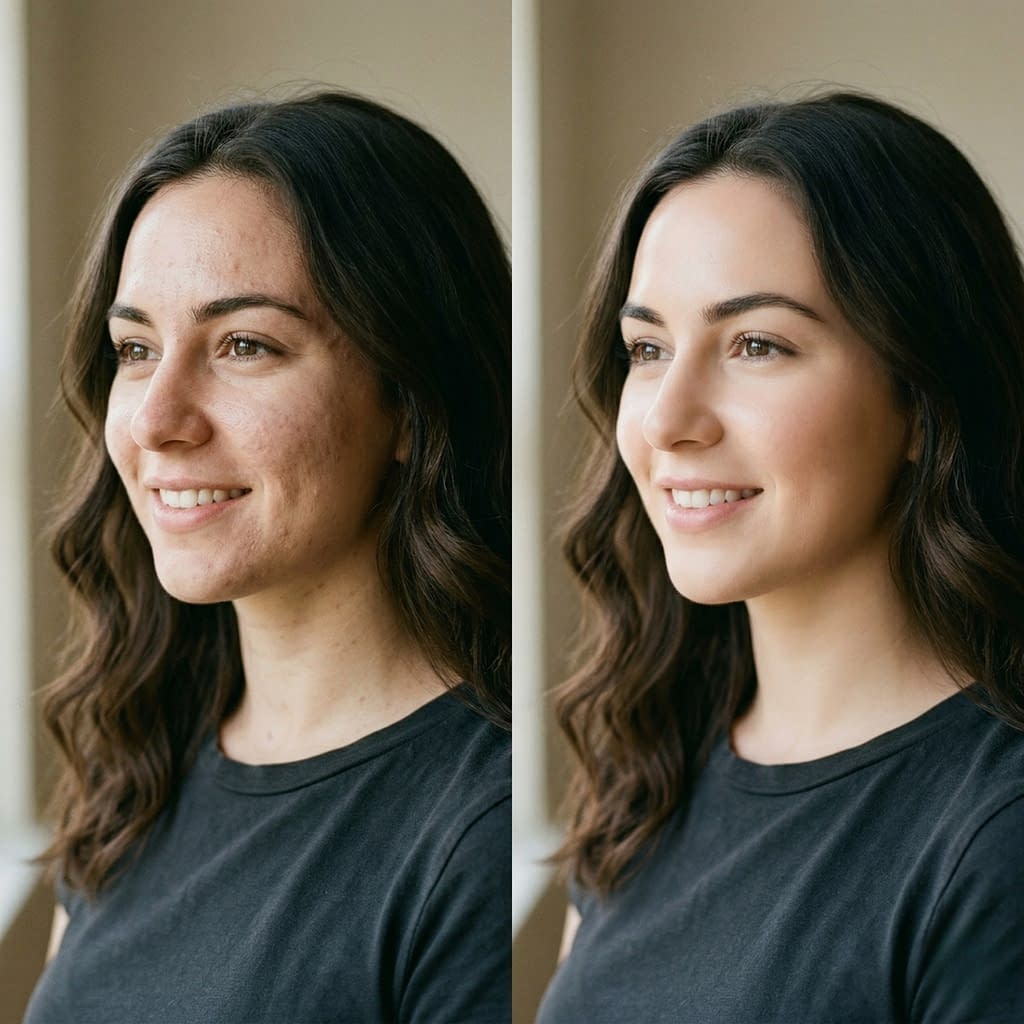
Once texture improves, the goal is to keep it from coming back. Long-term maintenance matters just as much as the initial fix.
Long-term maintenance tips
- Keep your routine simple and consistent
- Exfoliate only as needed
- Use sunscreen every day
- Stay hydrated
- Avoid overusing strong actives
- Support the skin barrier with moisturizer and ceramides
- Adjust your routine with the seasons
Step by step: building maintenance habits
- Stick to a steady cleanse-moisturize-protect routine.
- Use exfoliation as a helper, not a daily necessity.
- Watch for early signs of dryness or buildup.
- Adapt products when weather changes.
- Keep your skin barrier strong so texture does not return easily.
Smooth skin is easier to maintain than to constantly repair.
Final Words
Getting rid of skin texture is not about chasing perfection. It is about helping your skin function better so it can look and feel smoother, healthier, and more radiant. When you understand the cause of the texture, it becomes much easier to treat it in a way that actually works.
The most effective approach is usually simple: use gentle cleansing, consistent moisturizing, smart exfoliation, and ingredients that support both hydration and skin renewal. Avoid overdoing harsh treatments, and give your skin time to respond. With steady care, most texture issues can improve significantly.
The biggest lesson is this: textured skin does not need to be attacked, it needs to be supported. When you treat your skin with patience and the right routine, smoother and more glowing skin becomes much more achievable.


