

A red-carpet glow isn’t just highlighter and studio lighting — it’s healthy, hydrated skin that catches and reflects light in the best way. Celebrities look camera-ready because they combine inside-out care (sleep, nutrition, hydration), consistent skincare (exfoliation, serums, masks), targeted treatments (peels, glow facials), and smart makeup prep. This guide breaks down those celebrity skincare secrets into practical, at-home steps you can use—whether you’re prepping for a big event or want everyday luminous skin. Follow these habits consistently and you’ll build a plumper, clearer, more luminous canvas that looks spectacular in person and on camera.
What Is a Red Carpet Glow? What Makes Skin Look Luminous and Camera-Ready?
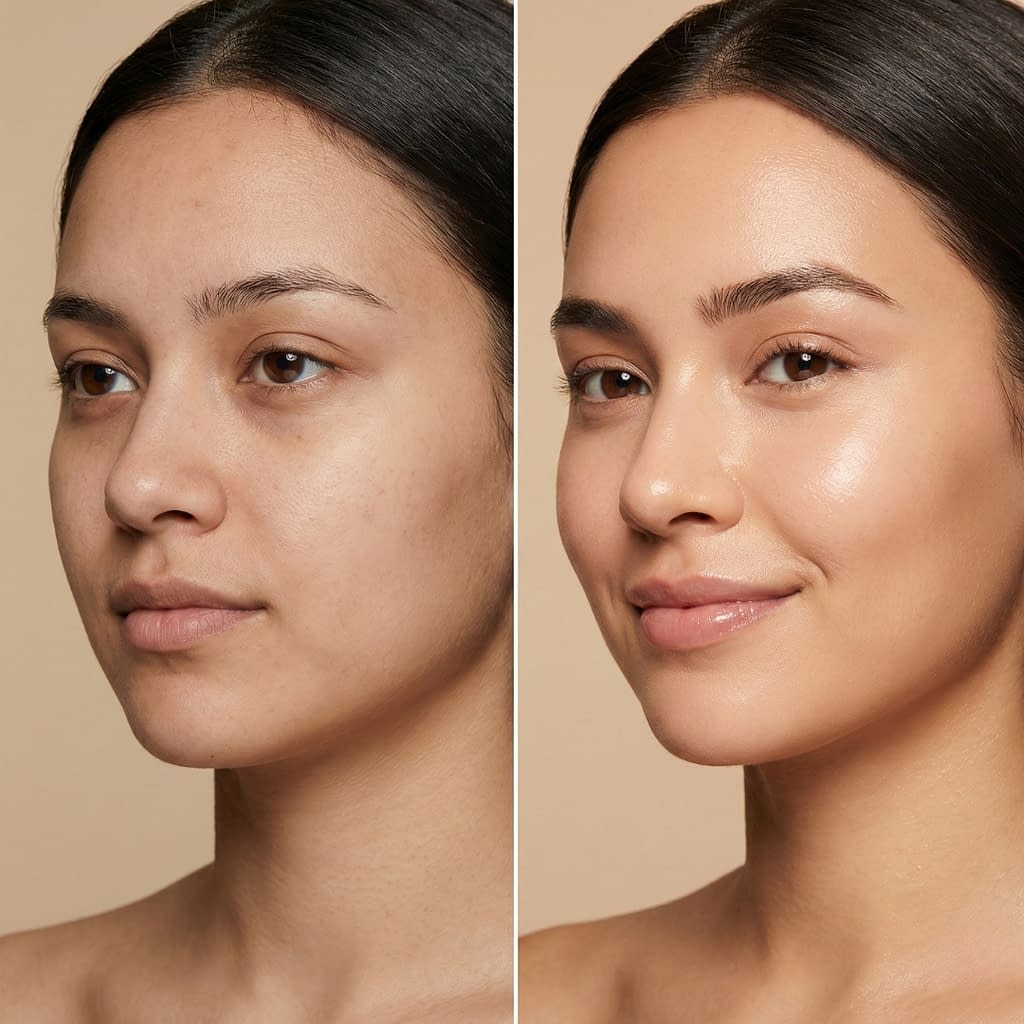
A red-carpet glow is skin that looks even, plump, hydrated, and subtly reflective—not shiny or greasy. Key visual traits:
- Smooth texture so light skims, not scatters (fewer flakey spots or enlarged pores).
- Even tone with minimal discoloration or redness.
- Plumpness and dewiness from good hydration and healthy lipids.
- Subtle reflectivity where highlights appear soft (think healthy sheen, not glossy oil).
Camera-ready skin is also about light control: diffused radiance rather than pinpoint shimmer. That means prepping skin so makeup sits flawlessly while using light-catching products strategically.
Start With Internal Care: Diet & Hydration for Glow
Your skin reflects what you eat and drink. Treat it like a performance vehicle.
Practical steps (daily):
- Hydrate constantly. Sip water all day; aim for ~2–3 L depending on activity and climate. Add electrolytes or an infused water routine (cucumber, mint, lemon) for variety.
- Prioritize protein. Collagen and keratin are proteins—eggs, fish, lean meat, legumes, and dairy support repair and plumpness.
- Load antioxidants. Berries, dark leafy greens, bright peppers and citrus protect against oxidation that dulls skin.
- Omega-3 fats. Fatty fish, chia, walnuts help barrier function and keep skin soft.
- Limit sugar & excessive alcohol. Both promote glycation and inflammation, which sabotage glow.
- Consider supplements after consulting a clinician: vitamin D, omega-3s, and (optionally) collagen peptides with vitamin C for synthesis — many celebs use collagen supplements for skin and hair support.
Timing tip: prioritize a nourishing breakfast and post-workout protein to support repair and circulation.
Lifestyle Habits That Improve Skin Naturally
Celebrities treat lifestyle as skincare.
Daily and weekly habits:
- Sleep: 7–9 hours. Growth hormone and repair peak during deep sleep. Use blackout curtains and a cool room (optimal skin repair).
- Stress management: brief daily breathwork, walks, or meditation reduce cortisol (which worsens inflammation).
- Move regularly: 20–40 minutes most days — cardio boosts circulation and gives a natural flush.
- Avoid smoking and reduce late-night alcohol — both dull color and damage collagen.
- Skincare hygiene: change pillowcases weekly, clean phone screens, and wash makeup brushes every 1–2 weeks.
Small habit: keep a bedside water carafe and a gentle lip balm to avoid morning dryness that ruins glow.
Step-by-Step Red Carpet Skincare Routine
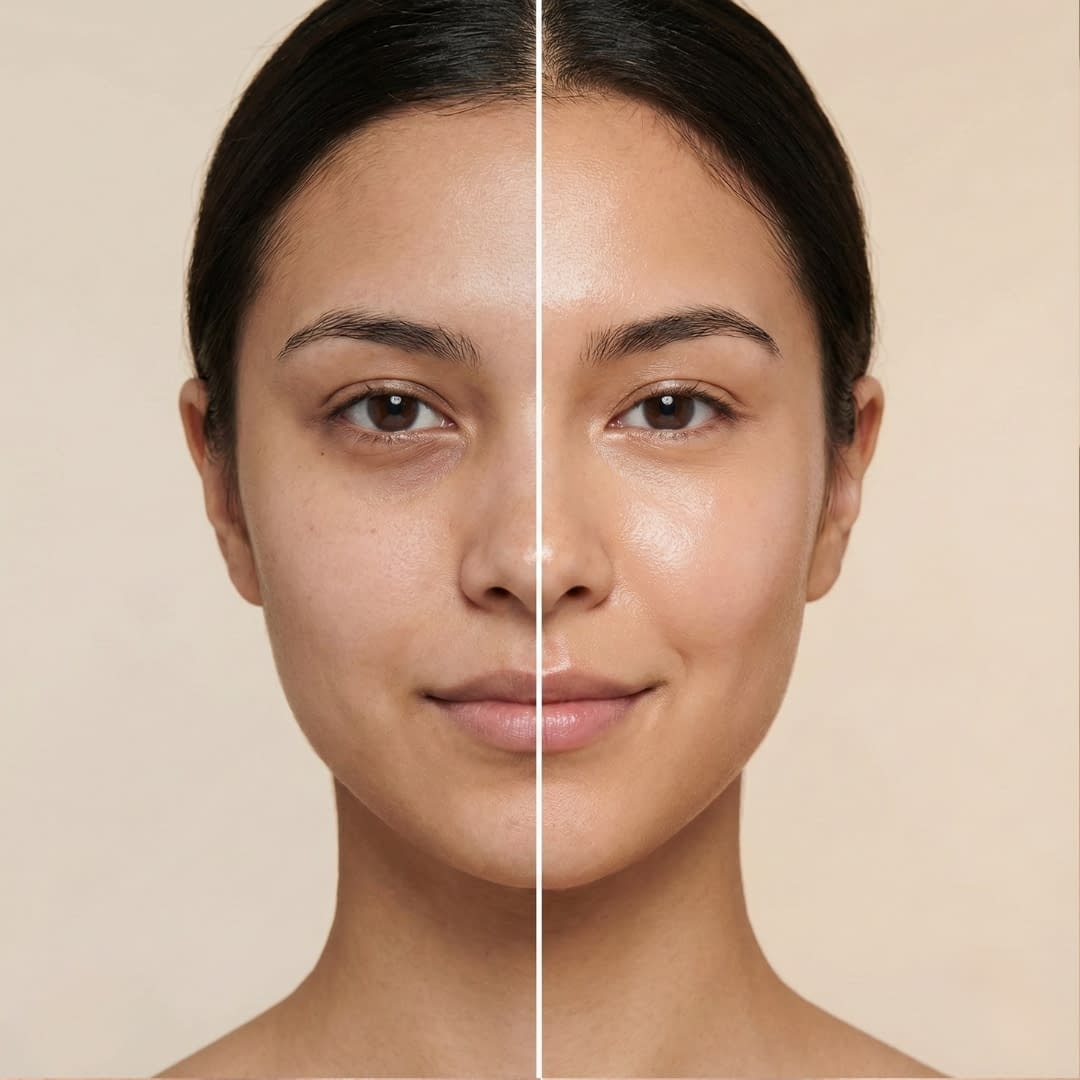
A two-week ramp-up routine you can use before an event; use once or repeat weekly for ongoing maintenance.
Daily AM routine:
- Gentle cleanse (sulfate-free).
- Antioxidant serum (vitamin C) — tap on.
- Lightweight hydrating serum (hyaluronic acid on damp skin).
- Moisturizer with ceramides / glycerin.
- Broad-spectrum SPF 30+ (non-greasy).
Daily PM routine:
- Double cleanse if wearing makeup/sunscreen (oil/balm → water cleanser).
- Targeted serum (retinol at night on alternate nights, or peptides if sensitive).
- Hydrating serum (HA) or a reparative peptide serum.
- Rich night moisturizer or sleeping mask (occlusive layer once or twice a week).
- Eye cream for brightening/hydration.
Weekly extras (2–7 days before event):
- 1 clay or detox mask to clear congestion.
- 1 gentle chemical exfoliant (AHA/BHA) — timing depends on tolerance and whether you’re using retinol.
- 1 hydrating sheet mask or sleeping mask night before the event.
Pro tip: start stronger actives (peels, retinoids) at least 4–6 weeks before a big event to avoid last-minute irritation. For last-minute glow, rely on hydration, gentle exfoliation, and a sheet mask.
Exfoliation for Smoother, Brighter Skin
Exfoliation polishes texture and helps light reflect evenly.
How to exfoliate safely:
- Choose your method:
- Chemical: lactic acid for hydration + glow; glycolic for stronger resurfacing; salicylic acid (BHA) for oily/congested skin.
- Physical: very gentle scrubs (sugar) or a konjac sponge — avoid harsh jagged scrubs.
- Frequency: AHA 1–3× per week (start low); BHA 2–3× for oily skin. Sensitive skin: PHA weekly.
- Application: apply to clean, dry skin (or follow product directions); neutralize or rinse if instructed.
- Aftercare: hydrate immediately and always use SPF the next morning (exfoliated skin is UV-sensitive).
Pre-event schedule: do your strongest exfoliation 7–10 days out (time to settle redness) and a gentle brightening treatment 24–48 hours before the event.
Serums and Ingredients That Boost Radiance
Topicals that celebs swear by—use them smartly.
Key ingredients & how to use:
- Vitamin C (ascorbic acid or stable derivatives): morning antioxidant protection and brightening. Apply on clean skin before moisturizer.
- Hyaluronic acid: hydrating humectant; apply to damp skin to plump.
- Niacinamide: reduces redness, improves texture and barrier; safe AM/PM.
- Peptides: promote repair and firmness—ideal at night or under moisturizer.
- Low-strength retinoids: boost turnover and improve tone—introduce slowly and avoid in the week before major events if irritation occurs.
- Azelaic acid: brightening and anti-inflammatory — great for rosacea or post-inflammatory pigmentation.
Layering tips: thin water-based serums → thicker serums → moisturizer → oil (if used). Wait 30–60 seconds between light layers for absorption.
Moisturizers That Create a Plump, Dewy Finish
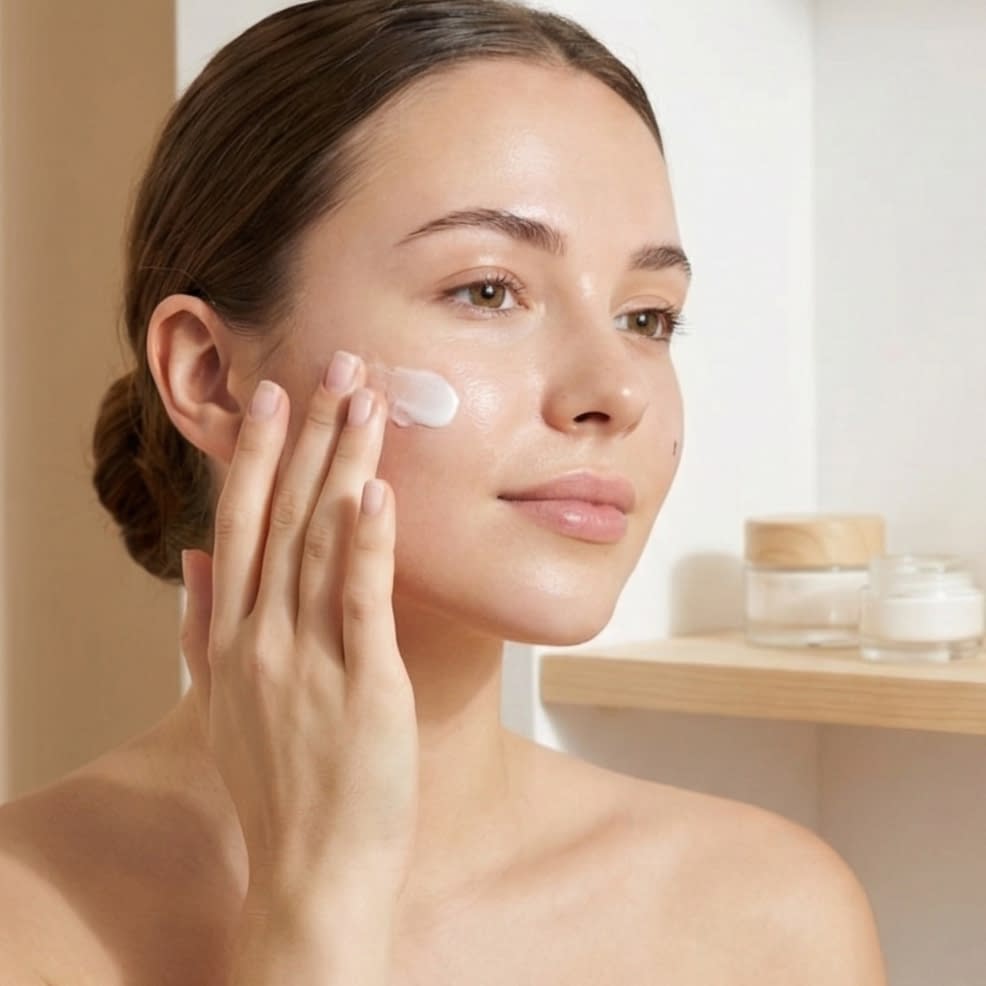
Moisturizer texture matters for glow.
Choose and apply:
- Day: lightweight cream or gel with glycerin, squalane, or light oils — prevents shine but keeps surface dewy.
- Night: richer creams with ceramides, peptides, and fatty acids for repair.
- Sleeping masks: occlusive layer once or twice weekly to boost overnight hydration.
- Face oils: add 1–2 drops to night cream for extra glow; press into cheekbones and high points (not T-zone if you’re oily).
Application method: apply moisturizer to damp skin and press (don’t rub) to minimize friction and maximize absorption.
Never Skip SPF – The Protection Behind Youthful Skin
SPF is the foundation of longevity and glow.
How to optimize SPF:
- Daily broad-spectrum SPF 30+ as the last step.
- Apply ~a nickel size to face and another for neck; don’t neglect ears and chest.
- Use chemical or mineral formulas you’ll actually wear—consistency matters more than type.
- Reapply every 2 hours when outdoors; use a makeup-friendly SPF or powder SPF for touchups.
Celeb tip: tinted physical SPFs can provide a light blurring effect and even skin tone under makeup.
At-Home Glow Treatments You Can Try
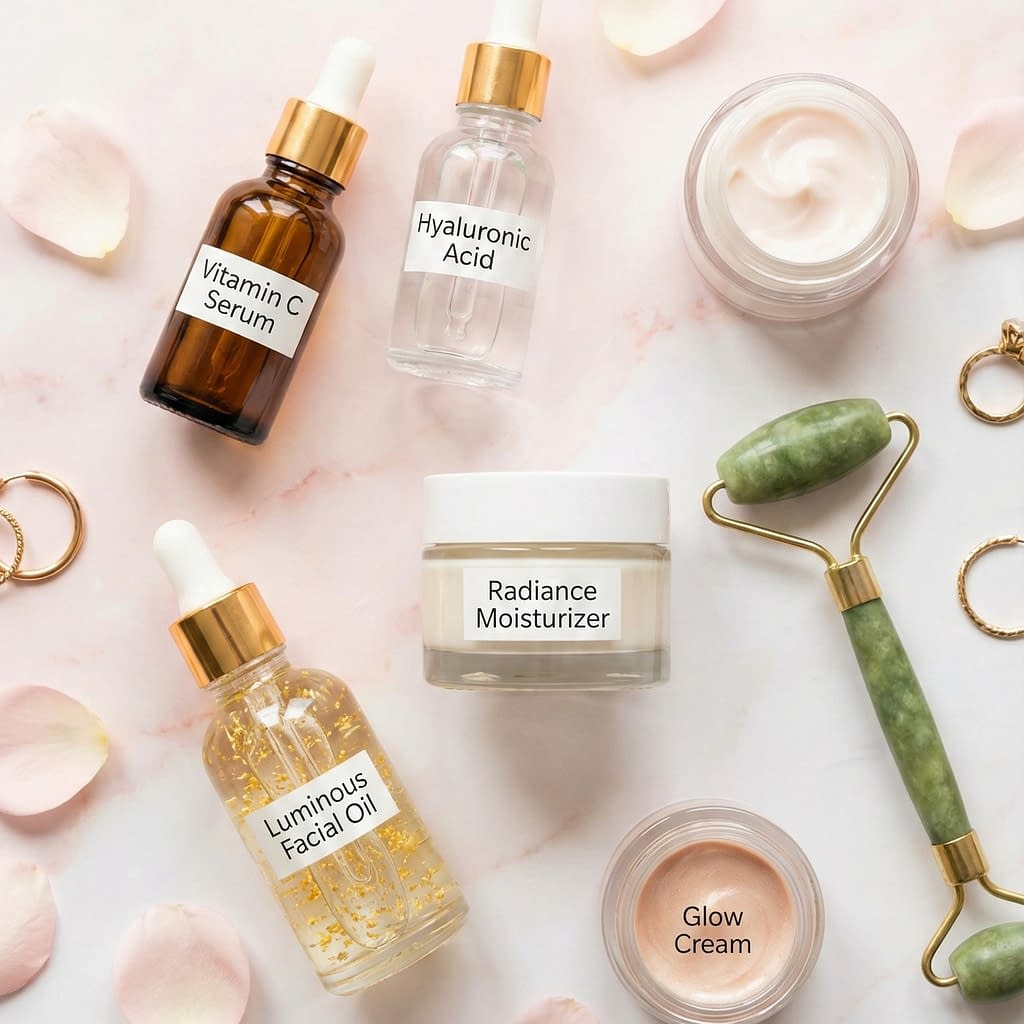
Celeb-inspired treatments you can do at home safely.
DIY at-home options:
- Vitamin C brightening mask (commercial or stable DIY kits).
- At-home LED mask for red/near-infrared light stimulation (follow device guidelines).
- Gentle at-home microderm or enzyme peel from reputable brands (follow instructions, allow recovery time).
- Dermaplaning (performed by pros or at home with training) removes peach fuzz so makeup lays flawlessly.
- Sheet masks: a hydrating, collagen or vitamin C sheet mask night before an event for instant plumpness.
Safety first: follow manufacturer guidance, avoid starting aggressive treatments right before an event, and patch test any new product.
DIY Face Masks for Brightness and Glow
Simple, safe masks you can make with kitchen staples.
Three gentle recipes:
- Honey + Yogurt Brightener
- 1 tbsp plain yogurt + 1 tsp raw honey. Apply 10–15 minutes. Yogurt provides mild lactic acid; honey hydrates and soothes.
- Turmeric + Aloe Soother
- 1 tsp turmeric + 2 tbsp aloe vera gel. Apply 10 minutes and rinse (short contact to avoid staining). Turmeric reduces inflammation and adds glow.
- Oatmeal + Banana Moisture Mask
- 1 tbsp ground oats + ½ mashed banana. Apply 10–15 minutes for hydration and gentle exfoliation.
Use masks 1–2× weekly; patch test if you have sensitive skin and avoid citrus acids right before sun exposure.
Facial Massage for Instant Circulation Boost
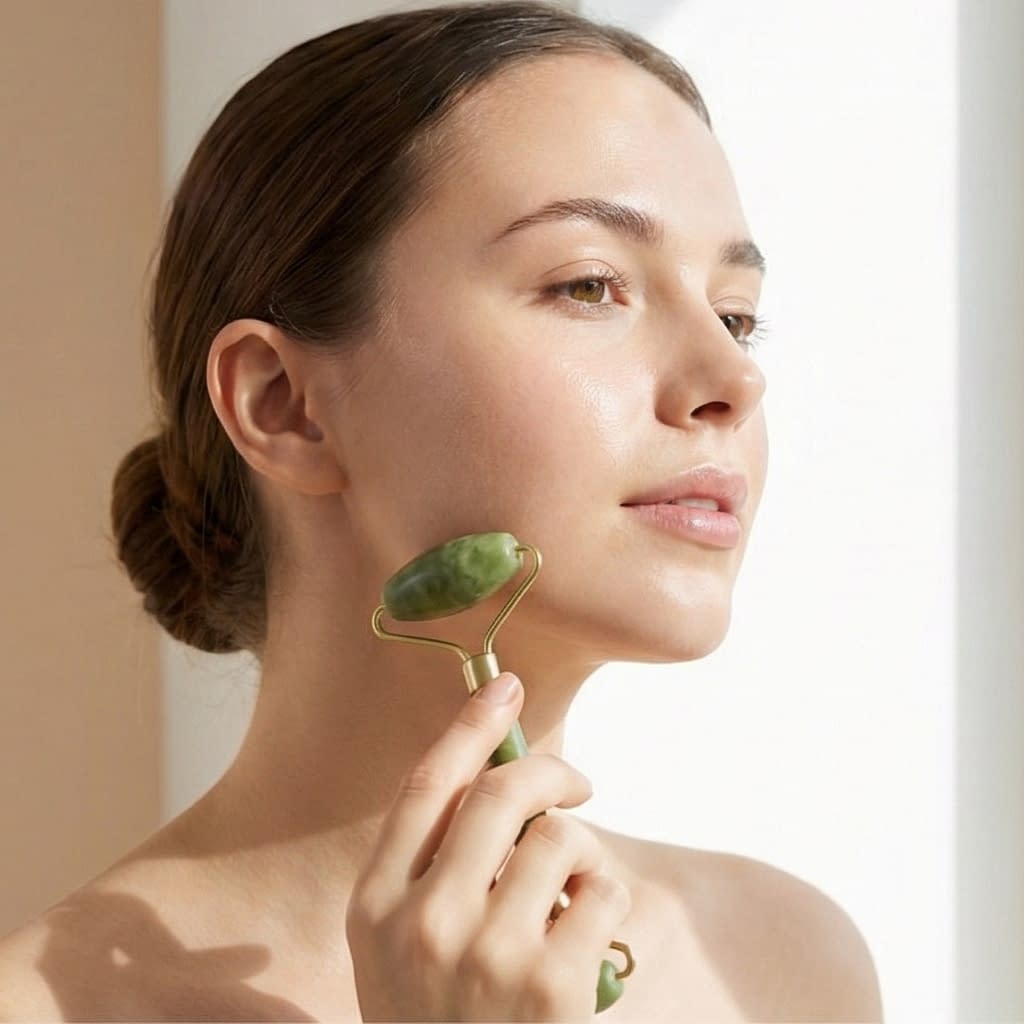
Massage wakes the face up and gives an immediate rosy glow.
5-minute massage routine (daily or pre-event):
- Apply a facial oil or slip-rich serum.
- Use gentle upward strokes from the neck to the forehead, sweeping toward hairline.
- Do circular motions on the cheeks and temples to stimulate flow.
- Tap lightly under eyes to reduce puffiness.
- Finish with lymphatic sweeps down to the collarbone.
Tools: gua sha or a roller can amplify results; glide gently and always downward toward lymph nodes. Massaging for a few minutes increases blood flow and instantly brightens the complexion.
Makeup Prep for a Flawless Glow Base
Makeup sits best on well-prepared skin.
Pre-makeup checklist:
- Double-check hydration: mist or light hyaluronic serum if skin feels dry.
- Primer: choose a blurring or luminous primer depending on skin type (mattifying for oily, luminous/smoothing for dry).
- Color correct or spot conceal first, then thin layers of foundation or tinted moisturizer.
- Use a damp sponge to press product into skin for a skin-like finish.
- Set strategically: translucent powder in T-zone only; leave cheeks dewy.
Pro tip: use a lightweight luminous foundation or tinted moisturizer for that red-carpet translucence rather than heavy full coverage.
Highlighting and Finishing Techniques for Radiance
The right highlighter and finish make all the difference.
How to highlight like a pro:
- Cream products first: use cream highlighter on cheek high points, bridge of nose, brow bone. Creams look natural on camera.
- Powder lightly: a soft, finely milled powder highlighter over the cream for longevity. Avoid chunky glitter.
- Strategic placement: cheekbones, inner corners, cupid’s bow, center of forehead (subtle), and collarbones for body glow.
- Finish spray: a hydrating setting spray gives a natural skin sheen and melts powders into skin for a photo-ready finish.
- Lighting test: check in natural light or a phone selfie to ensure highlights aren’t too sparkly for camera.
Less is more: aim for diffused sparkle and avoid pinpoint shine that photos amplify.
Don’t Forget Body Glow – Quick Body Care Tips
Red carpet skin is full-body.
Body routine:
- Exfoliate 1–2× weekly with gentle sugar scrub to remove dead skin and boost glow.
- Hydrate daily with a body lotion or oil (apply to damp skin after shower).
- Add a skin tint or body luminizer on decolletage, shoulders, and legs for evening events.
- Self-tanner: practice weeks ahead if you want an even, camera-friendly color; use gradual formulas to avoid orange patches.
Polished hands and nails also complete the red-carpet look.
10-Minute Quick Glow Routine for Last-Minute Events
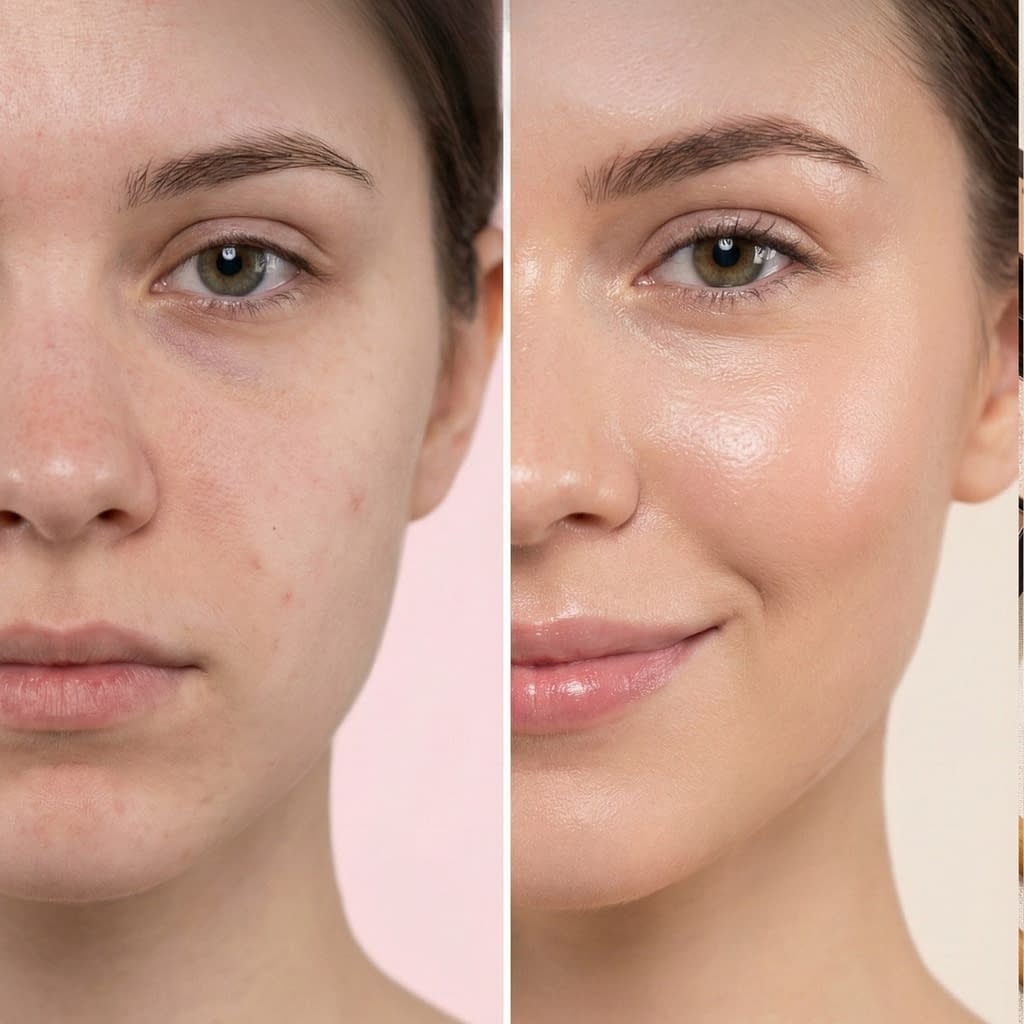
Fast, effective checklist when you’re short on time:
- Cleanse lightly and mist with hydrating spray.
- Apply a thin layer of vitamin C or glow serum.
- Press in a brightening concealer under eyes.
- Use tinted moisturizer or light foundation, pressed in with a sponge.
- Quick cream blush on apples of cheeks + cream highlighter on cheekbones.
- Curl lashes, one coat of lengthening mascara.
- Groom brows and set with gel.
- Mist with setting spray for unified finish.
This routine gives instant life and looks great in photos.
Final Words
A red-carpet glow is achievable with consistent habits that combine internal care and smart topical routines. Start with hydration, sleep, and nutrient-dense foods; build a daily AM/PM routine with antioxidants and hydrators; exfoliate and mask weekly; and use facial massage, primers and strategic highlighting to polish your look for events. Small, repeatable steps compound into luminous, camera-ready skin.


