

We spend most of our lives indoors — at home, at work, in cars. That cozy indoor comfort comes with unseen consequences for skin health. Indoor environments shape humidity, temperature, air quality, light exposure, and daily habits — all of which influence hydration, barrier strength, inflammation, pigmentation, and the speed of skin repair. The good news: many indoor-related skin problems are preventable or reversible with small, practical changes to your living space and routine. This post explains how indoor life affects skin and gives detailed, step-by-step fixes you can implement today.
Why Indoor Environments Matter for Your Skin
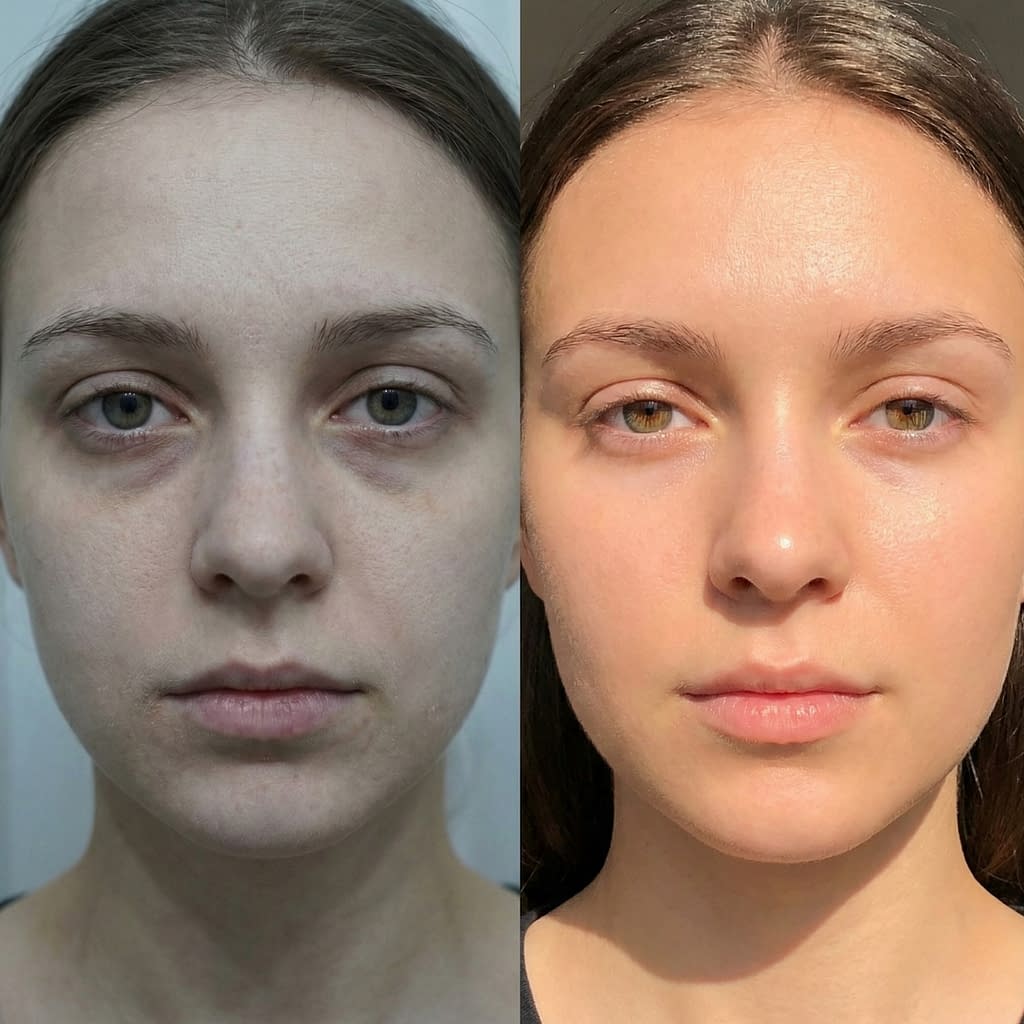
Indoor environments control the microclimate your skin experiences for hours every day. Unlike outdoors, where natural cycles change throughout the day, indoor conditions are often constant (dry heat in winter, cool dry AC in summer, blue light at night). That constancy can either support skin health or steadily chip away at barrier function and glow.
Three big reasons indoor life matters:
- Exposure time: we’re indoors most of the day, so small stressors add up.
- Compound effects: low humidity + heat + pollutant exposure = faster moisture loss and irritation.
- Hidden sources: lighting, household products, dust, and fabrics can cause chronic low-level inflammation that’s easy to miss.
Treat your indoor environment like another skincare product: tweak it deliberately and your skin will respond.
Dry Air and Low Humidity: The Silent Dehydrator
Low relative humidity (common in heated homes in winter and in air-conditioned spaces in summer) pulls moisture from the skin. Over days and weeks that leads to fine lines, flaking, tightness, and a weakened barrier.
Why it matters:
- Lower humidity increases transepidermal water loss (TEWL).
- Skin becomes rough, itchy, and more reactive.
- Dehydrated skin can produce compensatory oil, which may worsen acne-prone zones.
Step-by-step fixes
- Measure humidity: buy a cheap hygrometer and aim for 40–60% indoor relative humidity.
- Use a humidifier: place it in your bedroom or living room — especially by your bed at night. Clean regularly to prevent mold.
- Humidify naturally: place shallow trays of water near radiators or group houseplants that transpire moisture (e.g., peace lily, spider plant).
- Switch to gentler cleansers: during dry months, use syndet or cream cleansers and shorten hot showers.
- Boost topical hydration: apply hyaluronic acid or glycerin serums to damp skin, then immediately seal with a ceramide-rich moisturizer and an occlusive at night.
- Protect exposed skin at home: use lightweight layers and gloves if your hands get very dry from heating.
Result: within days you’ll notice less tightness and fewer dry flakes; within weeks barrier repair improves.
Indoor Heating and Air Conditioning: How Temperature Steals Moisture
Both heating and air conditioning control temperature but often at the expense of skin moisture. Heat increases TEWL; AC circulates dry air and pollutants.
How they affect skin:
- Hot radiators and long hot showers strip oils and damage barrier lipids.
- AC reduces humidity and concentrates particles that irritate sensitive skin.
- Repeated temperature swings (sauna to AC) can stress microcapillaries and aggravate rosacea or redness.
Step-by-step strategies
- Lower shower temperature: use warm, not hot water; limit showers to 5–10 minutes.
- Moderate indoor temps: keep heating at comfortable levels (ideally 18–21°C / 64–70°F) rather than overheated.
- Avoid direct heat on face: don’t sit directly in front of radiators; angle away from direct AC flow.
- Apply nourishing moisturizer after showering: locking in damp-skin moisture reduces evaporative loss from heat exposure.
- Consider a barrier cream for hands and areas exposed to frequent heating/AC.
Small changes here reduce daily barrier stress significantly.
Poor Ventilation and Indoor Pollution: Acne, Irritation, and Dullness
Indoor air can contain volatile organic compounds (VOCs), particulate matter (dust, pet dander), cooking byproducts, and off-gassing from furniture. Poor ventilation concentrates these irritants and contributes to clogged pores, inflammation, and dull complexion.
Why it matters:
- Pollutants adhere to skin surface and generate oxidative stress.
- Breakouts and sensitivity can worsen with high pollutant load.
- Home chemicals and aerosols may disrupt the skin microbiome.
Action plan — how to improve air quality
- Increase ventilation: open windows for 10–20 minutes daily (weather permitting) to exchange indoor and outdoor air.
- Use exhaust fans: run kitchen and bathroom fans when cooking or showering.
- Consider an air purifier: choose one with a HEPA filter for particulates and a carbon filter for VOCs; size to room square footage.
- Avoid indoor smoking and limit aerosol sprays: choose pump sprays and solid fragrance alternatives.
- Clean strategically: vacuum with HEPA filter, wash bedding weekly, and dust with a damp cloth to reduce re-suspension of particles.
- Pick low-VOC materials: when possible, choose low-VOC paints, furniture, and cleaning products.
Over weeks these changes reduce surface oxidative load and often improve skin brightness.
Blue Light and Screens: Effects on Pigmentation and Aging

The screens we stare at (phones, laptops, TVs) emit blue light. Emerging evidence suggests intensive blue light exposure can influence skin pigmentation and oxidative stress, particularly when combined with UV exposure and topical sensitizers.
What to watch for:
- Increased pigmentation or uneven tone in sensitive individuals.
- Disruption of circadian rhythm that impairs overnight skin repair.
Practical guidelines
- Limit screen time before bed: reduce blue-light exposure 1–2 hours before sleep to support circadian repair.
- Use blue-light filters: turn on “night shift” modes or install screen filters; consider warm color profiles in the evening.
- Apply antioxidant serums: morning vitamin C and evening niacinamide can help neutralize oxidative effects.
- Don’t rely on blue-light blockers alone: continue daily SPF — blue light doesn’t replace UV as the main cause of photoaging, but it’s additive.
- Consider monitor placement: raise screens slightly and keep distance to reduce close-field exposure.
These habits protect both skin repair timing and pigment stability.
Lack of Natural Sunlight: Vitamin D, Circadian Rhythm, and Skin Repair
Natural sunlight is a double-edged sword — needed for vitamin D synthesis and circadian cues but harmful in excess. Spending too much time indoors can disrupt vitamin D levels and circadian signaling that help skin regeneration.
Why it matters:
- Vitamin D supports immune function and wound healing.
- Sunlight exposure during the day reinforces circadian rhythms, supporting nighttime skin repair cycles.
Balanced approach
- Get brief daily daylight: step outside for 10–20 minutes mid-morning or late afternoon depending on skin tone and local UV intensity — unprotected short exposure helps vitamin D production but avoid sunburn.
- Use full-spectrum light indoors: place workstations near windows or use full-spectrum daylight lamps in darker months to mimic natural cues.
- Supplement safely when needed: have vitamin D levels checked and consider supplements if deficient (consult your healthcare provider).
- Protect afterwards: when you plan longer outdoor time, always use sunscreen.
Synchronizing sunlight exposure and protecting when necessary supports repair without increasing photoaging risk.
Household Chemicals and Fragrances That Irritate Skin
Many household products contain fragrances, solvents, and surfactants that can irritate skin—often subtly until sensitization develops.
Common culprits:
- Laundry detergents and fabric softeners with fragrance.
- Dish soaps and cleaning sprays.
- Some personal-care fragrances and scented candles.
How to reduce exposure
- Switch to fragrance-free or hypoallergenic detergents and cleaners.
- Use gloves when using household cleaners and rinse hands thoroughly afterwards.
- Limit scented candles and air fresheners — they release VOCs and particles.
- Air out garments after dry-cleaning before wearing.
- Patch test new products and introduce one at a time so you can identify sensitivities.
Cutting down chemical exposure helps reactive and sensitive skin calm down.
Mold, Dust Mites, and Allergens: Hidden Triggers for Sensitivity
Mold spores, dust mites, and pet dander are hidden indoor allergens that can exacerbate eczema, redness, and itching.
Prevention and control plan
- Control humidity (40–60%) — prevents mold and reduces dust mite populations.
- Wash bedding weekly in hot water (>60°C/140°F) or use allergen-proof covers for pillows and mattresses.
- Fix leaks and ventilation issues promptly to avoid mold growth behind walls.
- Use HEPA vacuums and wash soft toys regularly.
- Treat visible mold with appropriate cleaning (bleach or vinegar solutions as recommended) and get professional remediation for large infestations.
Reducing allergen load often leads to less chronic redness and itching.
Sedentary Indoor Lifestyles: Circulation, Lymphatic Drainage, and Glow

Sitting for long periods reduces circulation and lymph flow. That can dull the complexion and slow removal of metabolic waste that contributes to puffiness and sluggish-looking skin.
Simple movement-based remedies
- Micro-movement breaks: stand and stretch for 2–3 minutes every 30–60 minutes.
- Desk exercises: ankle pumps, shoulder rolls, and neck mobility to keep circulation flowing.
- Lymphatic face massage: gentle morning or evening techniques (light upward strokes, gentle tapping) to stimulate drainage.
- Walk and sweat: 20–30 minutes of brisk walking or light cardio a few times per week improves circulation and promotes glow.
- Hydrate pre- and post-exercise to support perfusion.
Regular movement combats indoor stagnation and supports a fresh, rosy complexion.
Indoor Temperature Swings and Reactive Skin Conditions
Rapid shifts from hot to cold (steamy shower to air-conditioned room) can trip reactive conditions like rosacea, flushing, and eczema.
How to reduce swings
- Lower extremes: avoid very hot showers and sudden exposure to high-intensity AC.
- Dress in layers so you can modulate temperature without exposing skin to abrupt change.
- Buffer temperature changes after a hot shower by waiting a few minutes before stepping into a cool room.
- Use gentle skincare to reduce baseline reactivity (niacinamide, ceramides) if you have rosacea or eczema.
Moderating temperature variability calms sensitive skin and reduces reactive flares.
Clothing, Bedding, and Fabric Choices That Impact Skin Health
Fabrics and laundry practices touch the skin constantly. Abrasive or irritating fibers, trapped sweat, or residue from detergents can cause breakouts and frictional irritation.
Smart textile choices
- Choose breathable fabrics — cotton, bamboo blends, linen for close-to-skin garments. Avoid rough wool directly on sensitive areas.
- Change sweaty clothes promptly and wash workout gear regularly to avoid bacteria and yeast growth.
- Use fragrance-free detergent and avoid fabric softeners if you’re sensitive.
- Rotate bedding frequently and use soft, natural pillowcases (cotton or silk) for reduced friction. Silk can help reduce nighttime rubbing and preserve moisture.
- Avoid tight clothing that causes friction and folliculitis in hot, humid indoor environments.
These small changes reduce mechanical irritation and microbial buildup that cause breakouts.
Indoor Grooming Habits: Overwashing, Overheating, and Product Buildup
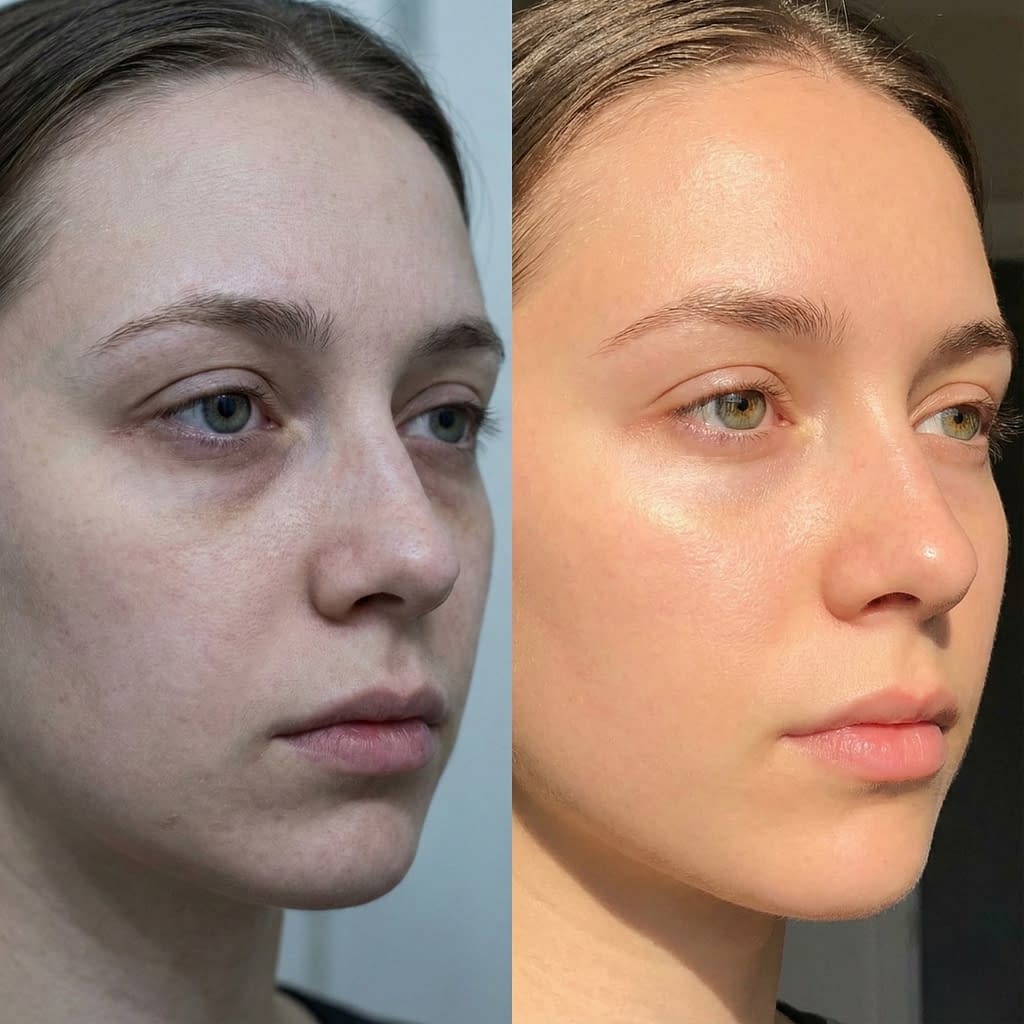
Indoor routines can contain hidden habits that do more harm than good: overwashing, too-hot styling tools, or piling on products that clog pores.
Fix your grooming habits
- Don’t overwash face or hair: twice daily for face is enough for most people; hairwashing frequency depends on hair type.
- Air-dry when possible or use heat protectant on lower heat settings with styling tools.
- Limit heavy styling products at the roots; apply products to mid-lengths and ends.
- Clarify weekly if you use many styling products to avoid scalp and pore buildup.
- Rotate products occasionally and simplify your routine to reduce ingredient overload.
A less-is-more grooming stance reduces the load of pore-clogging and irritating residues.
How to Make Your Home Skin-Friendly: Ventilation, Humidity, and Air Purifiers
Create a proactive home plan that treats your living space like the first step in skincare.
Home skin-health checklist
- Measure conditions: hygrometer for humidity, and consider an indoor air quality monitor if you have persistent issues.
- Invest in an air purifier with HEPA + carbon filters sized for your main living area.
- Use humidifiers in dry months, and dehumidifiers in damp climates. Clean both devices per manufacturer instructions.
- Keep windows slightly open for short ventilation bursts daily.
- Create a low-chemical zone: designate a room or area with fewer scented products, candles, and cleaning agents for breaks.
- Regular housekeeping: vacuum, wipe surfaces, and launder bedding frequently.
A systematic approach protects skin day-in, day-out.
Simple Skincare Adjustments for Indoor Living

Adapt your routine seasonally and to your indoor environment for the best results.
Practical routine tweaks
- Dry winter/low humidity: switch to cream cleansers, add occlusive at night, and use a humidifier.
- Hot, air-conditioned summer: lighter gel moisturizers, more frequent exfoliation for clogged pores, and targeted oil-control products if needed.
- Polluted city living: evening double-cleanse when exposed to traffic/pollution; add antioxidant serums in the morning.
- High-stress or low-sleep periods: emphasize barrier repair (ceramides, niacinamide), and reduce actives like retinoids for short periods.
Checklist to follow
- Cleanser suited to season and skin type.
- Humectant serum (HA) morning and night.
- Ceramide-rich moisturizer.
- Daily SPF regardless of indoor vs outdoor (windows).
- Antioxidant serum in the AM (vitamin C) if pollution exposure is high.
Match your skincare to your indoor lifestyle and you’ll protect skin function efficiently.
Final Words
Indoor life shapes your skin in ways many people miss. Air quality, humidity, temperature control, lighting, fabrics, and daily habits compound over time to affect hydration, barrier function, inflammation, pigmentation, and overall radiance. The great news is that most of the indoor effects are solvable with simple, practical steps: control humidity, improve ventilation, reduce pollutant and chemical exposure, adjust your skincare to match conditions, and keep moving. Think of your home as an extension of your skincare routine rather than a neutral backdrop — make a few strategic changes, and your skin will thank you.


