

Attractiveness isn’t only about bone structure or genetics — it’s how you show up, care for yourself, and present your best version to the world. Small, consistent changes in grooming, posture, style, hygiene, and mindset create outsized shifts in how others see you and how you feel about yourself. Below is a practical, step-by-step guide for becoming more attractive without altering your face — just by enhancing the things you can control.
What Truly Makes Someone Attractive Beyond Facial Features
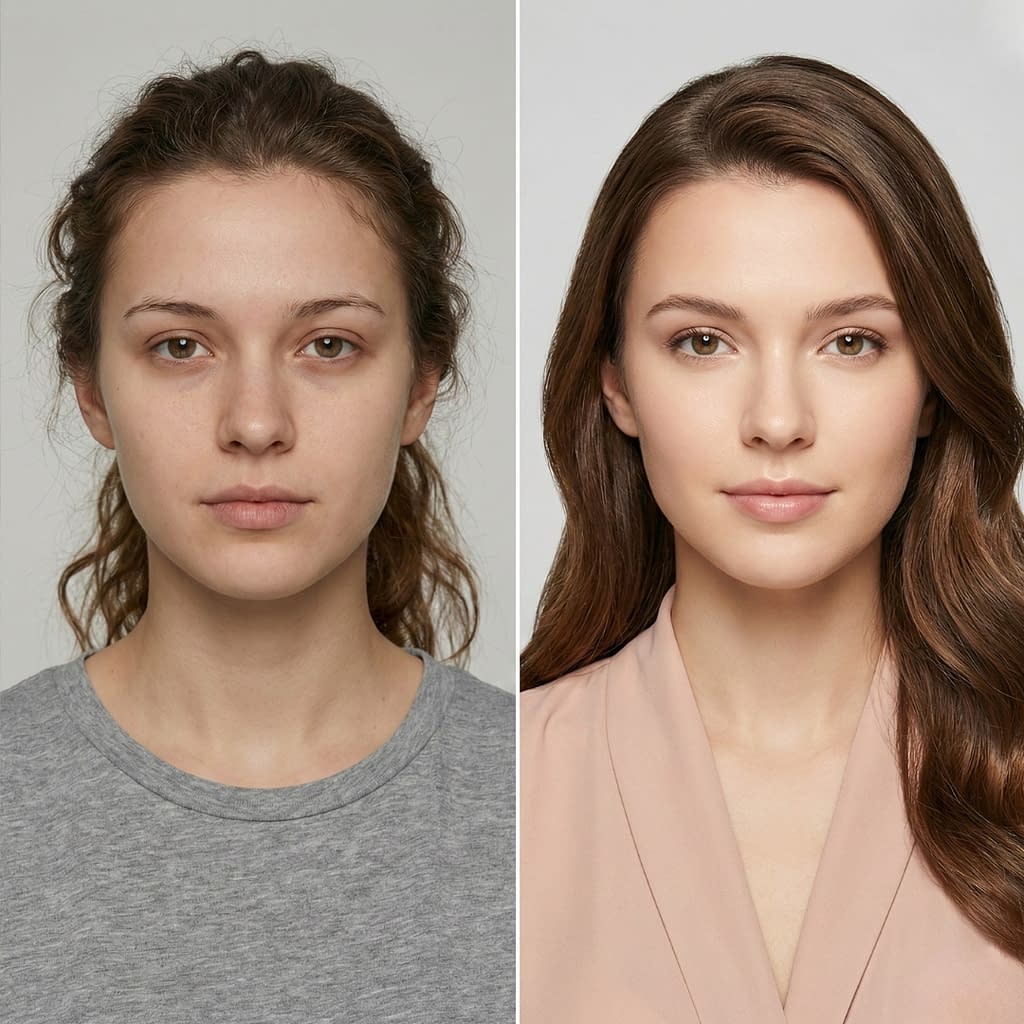
Attraction is complex and multi-layered. Beyond facial symmetry, people respond to cues that signal health, confidence, warmth, competence, and care.
Key non-facial cues that boost attractiveness:
- Grooming and cleanliness — suggests self-respect and respect for others.
- Posture and movement — signals physical confidence and energy.
- Voice and speech — the cadence, tone, and clarity of how you speak influence perceptions.
- Style and fit — clothes that fit and flatter communicate taste and effort.
- Social cues — eye contact, listening, and kindness make you magnetic.
- Energy and presence — people who are fully present feel more attractive because they make others feel seen.
Step-by-step: how to audit yourself
- Ask a trusted friend what your strengths are and one small area to improve.
- Observe others you find attractive — list non-facial traits they share.
- Pick one trait to work on for 30 days (grooming, posture, or listening skills) and track changes.
Small focused work compounds quickly — you’ll notice others responding differently within weeks.
The Power of Good Grooming and Personal Hygiene
Grooming is the simplest, most immediate attractiveness upgrade. It’s visible, actionable, and signals competence and self-care.
Daily grooming checklist (step-by-step)
- Shower & cleanse daily; adjust frequency to activity level. Use a gentle body wash and a face cleanser suited to your skin type.
- Deodorize — antiperspirant or deodorant daily. Reapply or carry travel size if long days.
- Hair upkeep — wash/condition as needed; use a comb or brush to keep hair tidy. Get regular haircuts every 4–8 weeks.
- Facial hair — maintain beard/ stubble with trimming and shaping, or shave cleanly if that suits you better. Invest in a decent razor or trimmer.
- Hands & nails — keep fingernails trimmed, clean, and filed. Moisturize hands if they’re dry.
- Feet — keep them clean; trim nails; use foot cream if dry.
- Body grooming — remove or tidy body hair in ways that make you feel confident (no universal rule).
- Sleep & laundry — wear clean clothes, launder regularly, and sleep enough so you don’t look tired.
Pro tip: create a five-minute morning grooming ritual so these habits become automatic rather than chores.
Skincare Habits That Instantly Improve Your Appearance
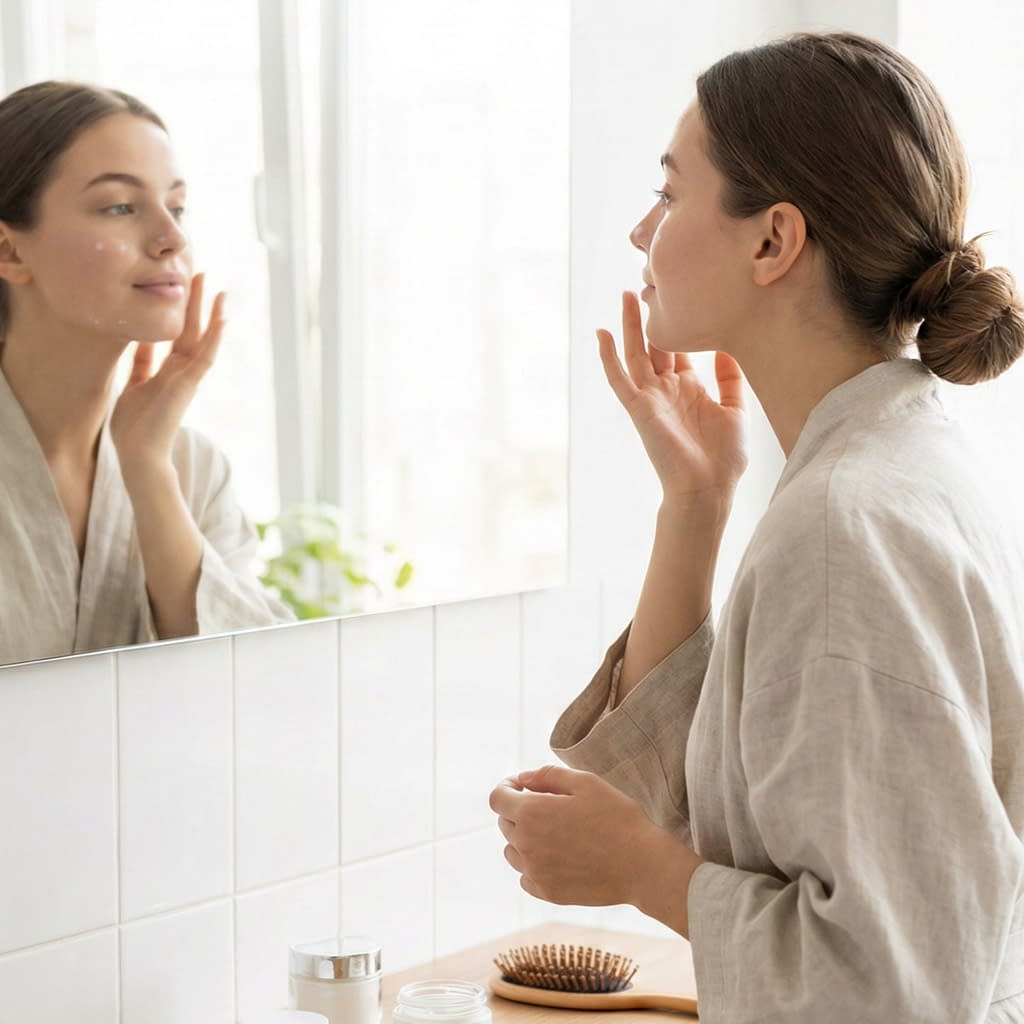
Healthy skin evens tone, reduces perceived age, and gives a “glow” that makes you appear more vital.
Beginner-friendly daily routine (step-by-step)
- Cleanse morning and evening with a gentle cleanser. Don’t overwash — it dries and irritates.
- Hydrate with a lightweight serum (hyaluronic acid) or a moisturizer suitable for your skin type. Apply to damp skin to lock in moisture.
- Protect with broad-spectrum SPF 30+ every morning — this prevents sun damage and uneven pigmentation.
- Treat targeted issues at night (e.g., retinoid for texture, niacinamide for redness, benzoyl peroxide for acne) — introduce one active slowly.
- Under-eye care: apply a hydrating eye cream or gel to reduce puffiness and fine lines.
- Weekly extras: exfoliate 1× per week (gentle acid or physical exfoliant if your skin tolerates it) and use a hydrating mask when needed.
Step-by-step troubleshooting
- If skin is oily: use gentle, water-based moisturizers and clay masks 1× weekly.
- If skin is dry: richer creams, facial oils at night, and avoid hot showers.
- If skin is sensitive: simplify to cleanser, moisturizer, and sunscreen and introduce new products one at a time.
Consistency over time builds noticeably better skin — your face will look fresher and more attractive without heavy makeup.
How Healthy Hair Can Transform Your Overall Look
Your hair frames your face and finishes your look. Healthy, well-styled hair gives an instant lift to your appearance.
Hair strategy (step-by-step)
- Find a good barber/stylist and ask for a style that suits your hair type and face shape. Bring photos.
- Create a simple haircare routine: shampoo 2–3× weekly (or as needed), condition lengths every wash, and use a weekly deep treatment if hair is dry.
- Use the right tools: a good brush, a heat protector if you use styling tools, and a towel or microfiber wrap for gentler drying.
- Learn quick styling: 3–5 minute styles (texturizing spray + fingers, side part + blow-dry) are worth mastering.
- Address scalp health: if you have dandruff/oily scalp, use appropriate medicated or clarifying shampoos as a base fix.
- Color & grooming: if you color, maintain the color with root-touch or glossing treatments; trim split ends regularly.
Small changes — a flattering haircut, a youthful color refresh, or a reliable product — change how others notice you.
Dressing for Your Body Type to Enhance Natural Appeal
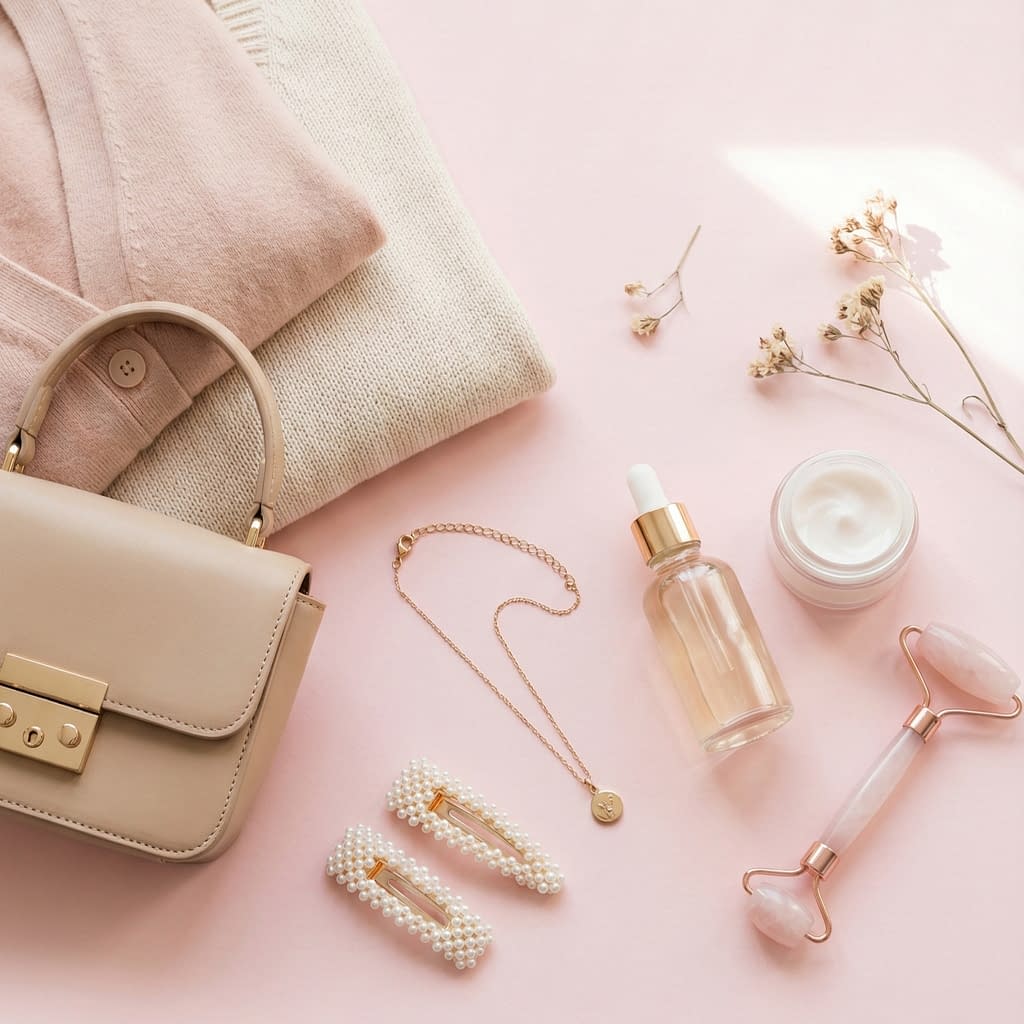
Clothes that fit and flatter are a major attractiveness multiplier. Fit matters more than brand.
Wardrobe upgrade plan (step-by-step)
- Audit your closet: remove ill-fitting, stained, or worn-out items. Keep basics that fit well.
- Know your proportions: measure shoulders, chest/bust, waist, and hips. Learn which silhouettes suit your shape (e.g., fitted jackets for triangular frames, high-waisted bottoms to elongate legs).
- Build a capsule: start with neutral, well-fitting staples — a fitted jacket, a great pair of jeans, a clean white shirt, a flattering dress or tailored trousers.
- Pay attention to fit: take items to a tailor — hemming and minor adjustments are inexpensive and transformative.
- Use color & pattern strategically: neutrals for core pieces, one color pop or patterned item per outfit to keep interest.
- Shoes & posture: invest in clean shoes and make sure your footwear complements your outfit. Heels or stand-in lifts (men’s dress shoes with a small heel) can improve posture and presence.
- Accessories: a nice watch, subtle jewelry, or a scarf elevates without trying too hard.
Key rule: clothes that fit your body and make you feel confident will always outshine trend-chasing.
The Role of Posture and Body Language in Attractiveness
How you carry yourself is a silent attractiveness signal. Open, upright posture makes you look taller, healthier, and more confident.
Posture practice (step-by-step)
- Daily checks: set a reminder 3× daily to check posture—shoulders back, chest open, chin parallel to the floor.
- Strengthen core & upper back: plank, rows, and thoracic extension exercises 3× weekly for real structural support.
- Walking practice: take long, purposeful strides (not hunched); allow a slight arm swing and look ahead, not at the ground.
- Sitting posture: sit back in your chair with feet flat on the floor and shoulders relaxed. Stand up slowly to avoid slouching.
- Practice presence: in social settings, open your stance slightly (avoid crossed arms), make eye contact, and smile. These nonverbal cues increase warmth and approachability.
Good posture and calm, intentional body language often make people perceive you as more attractive, younger, and powerful.
How Confidence Changes the Way Others See You
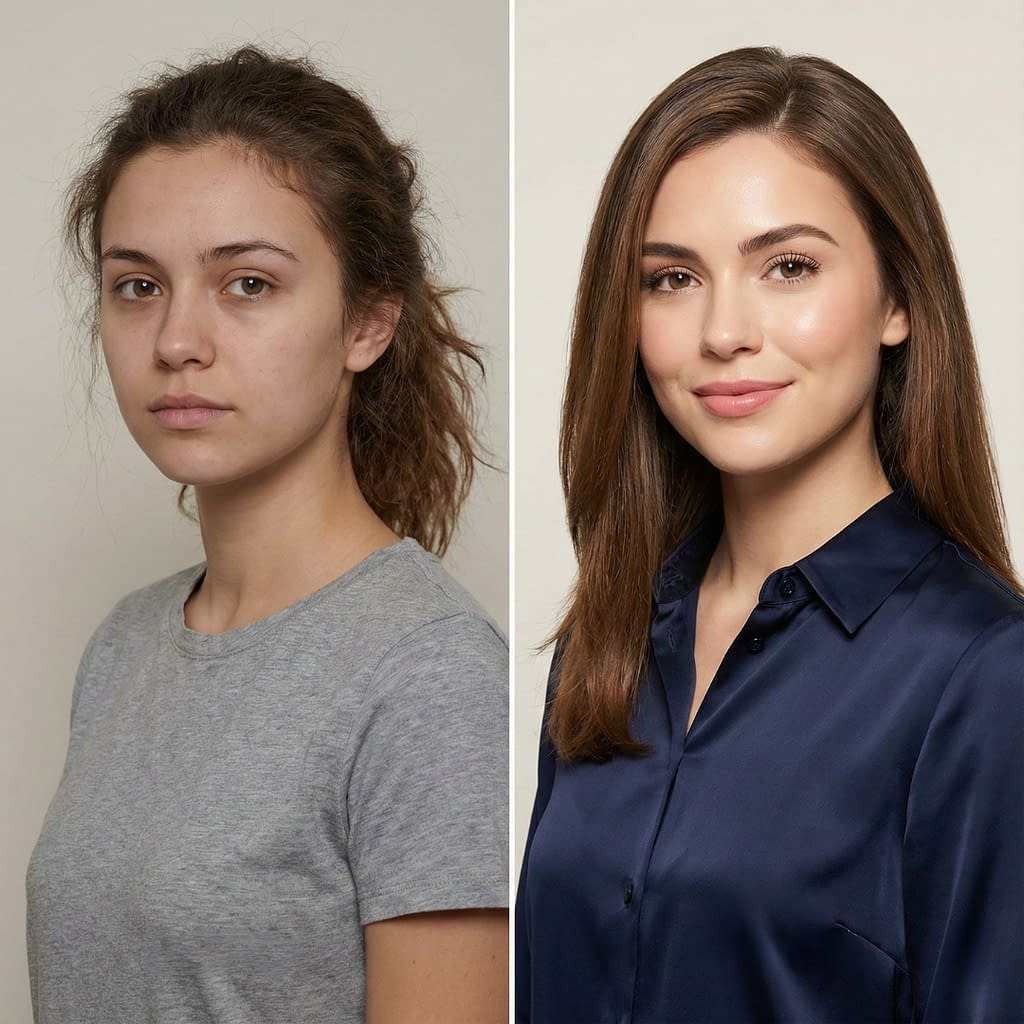
Confidence reshapes perception — people are attracted to those who display self-assurance, not arrogance.
Confidence-building steps (daily)
- Micro-habits: choose small, daily wins (exercise, finishing tasks) to build competence.
- Power poses (short-term): 2 minutes of open posture before an event can reduce stress and increase a confident feeling.
- Practice your smile and voice: speak clearly, at a moderate pace; practice smiling genuinely in the mirror to find your most natural look.
- Set boundaries: be clear about your needs — people respect those who respect themselves.
- Fake it until you feel it: act like you belong first; behavior often precedes internal feeling.
Confidence is attractive because it signals security and capability — both desirable traits in social and romantic contexts.
Small Makeup and Grooming Tweaks That Make a Big Difference
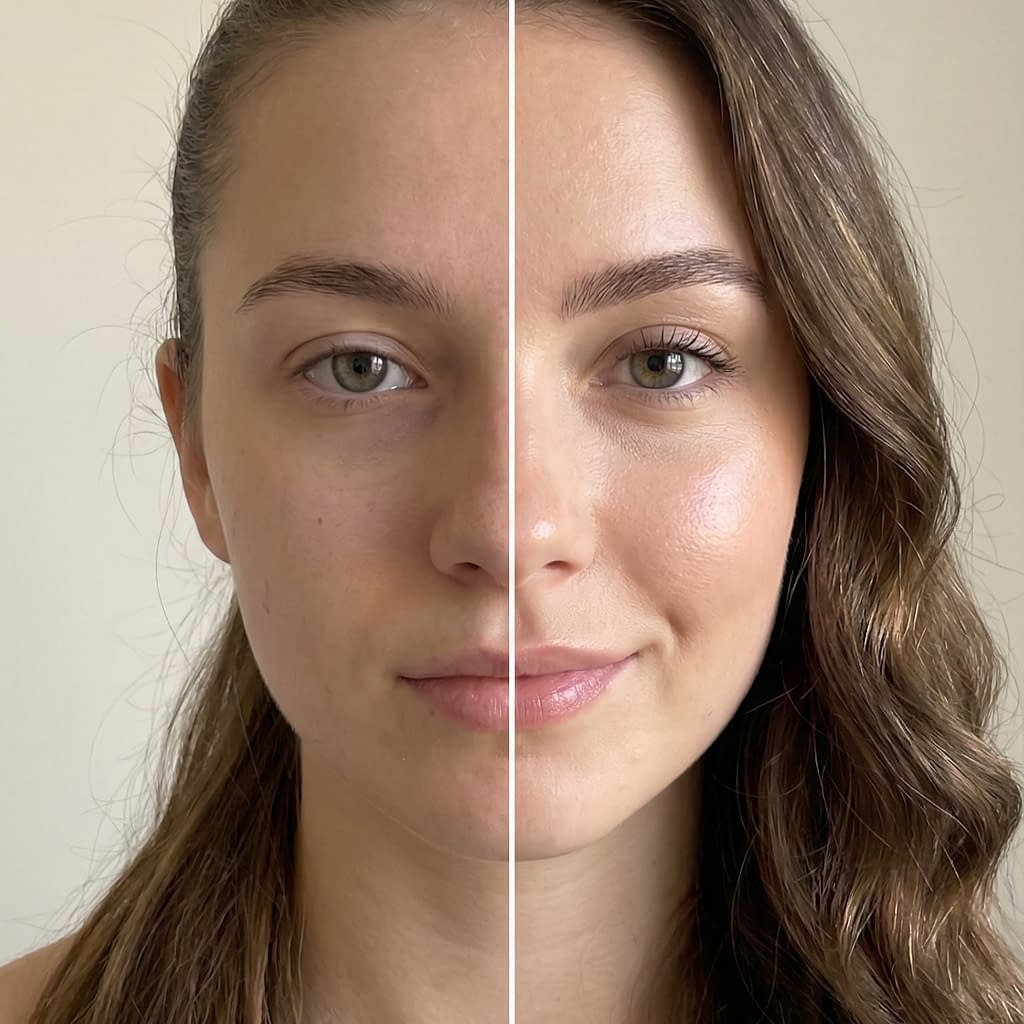
You don’t need to change your face to look more attractive — subtle makeup and grooming pull everything together.
Quick cosmetic tricks (step-by-step)
- Even skin tone: a tinted moisturizer or light BB cream evens skin and gives a healthy glow. Apply with fingers for a natural finish.
- Brow grooming: tidy and fill brows subtly — neat brows frame the face and lift features.
- Brighten eyes: curl lashes and apply one coat of lengthening mascara; highlight the inner corner lightly for an awake look.
- Conceal strategically: use concealer only on dark circles or blemishes, blended well.
- Lip care: exfoliate lips weekly and use a tinted balm daily to add color and moisture.
- Teeth: a bright smile is major — use whitening strips or see a dentist for cleanings if needed.
Even minimal makeup that enhances your natural features makes a big difference.
The Impact of Scent and Personal Fragrance
Scent is a powerful, immediate attractiveness cue. A pleasant, subtle fragrance can linger in memory.
How to choose and wear scent (step-by-step)
- Pick one signature scent: floral, woody, or fresh — choose something you genuinely enjoy.
- Apply moderately: spritz once or twice on pulse points (wrists, behind ears, chest). Light and subtle beats overpowering.
- Layering: use matching body wash or lotion with the same scent family to give a longer-lasting but subtle fragrance.
- Seasonal switches: lighter, citrusy scents for summer; warm, spicy or woody notes for colder months.
- Consider allergies: in shared spaces (work, close public settings), err on the side of less — some people are sensitive to strong perfumes.
A signature scent, used appropriately, becomes part of your personal brand and increases your attractiveness.
Lifestyle Habits That Reflect in Your Appearance
Lifestyle choices are visible: your energy, skin, posture, and body language all reflect daily habits.
Daily lifestyle checklist (step-by-step)
- Sleep: prioritize 7–9 hours per night. Good sleep improves skin, eyes, and mood.
- Move daily: 30 minutes of moderate exercise most days supports tone, circulation, and mood.
- Eat whole foods: balanced meals with protein, healthy fats, vegetables, and fruits support skin, hair, and overall vitality.
- Hydrate: sip water through the day to support skin plumpness and energy.
- Limit alcohol & smoking: both accelerate aging and reduce attractiveness.
- Stress management: use breathwork, walks, or hobbies to reduce visible tension (jaw clenching, frown lines).
- Social connection: maintain friendships and kindness — people who are well-connected appear more attractive and vibrant.
These habits compound: small daily improvements make you more attractive over months and years.
The Importance of Good Oral Care and a Pleasant Smile
A healthy smile is universally attractive — it signals health and approachability.
Oral care routine (step-by-step)
- Brush twice daily with fluoride toothpaste and a soft brush. Replace brush every 3 months.
- Floss daily to remove food and plaque between teeth.
- Mouthwash: use a non-alcoholic mouthwash for fresh breath and gum health.
- Regular dental check-ups: see a dentist every 6–12 months for cleanings and any restorative work.
- Teeth whitening (if desired): over-the-counter or professional options can brighten your smile — consult a dentist first.
- Hydrate & avoid staining drinks before social events (coffee, red wine) or rinse with water after them.
A bright, fresh smile immediately improves how attractive you appear in photos and in person.
How Consistency Builds Long-Term Attractiveness
Short-term fixes help, but consistent habits create lasting change.
30-day improvement plan (step-by-step)
Week 1: build a grooming and sleep routine; audit your wardrobe and pick 3 outfit upgrades.
Week 2: commit to daily skincare and 3× weekly movement; book a haircut.
Week 3: work on posture and body language (10 minutes daily posture exercises).
Week 4: refine scent and oral care; practice social skills (active listening, eye contact) in conversations.
At the end of 30 days, reassess and pick another 30-day focus. Small, sustained changes compound into a reliably attractive presence.
Common Habits That Reduce Your Natural Appeal
Avoid these attractiveness-reducing traps:
- Poor hygiene (unkempt hair, dirty clothes, bad breath).
- Bad posture (slumped shoulders, closed body language).
- Overuse of trends — clothes that don’t fit or match your style.
- Neglecting sleep & diet — visible in dull skin and tired eyes.
- Negative body language — constant frowning, failing to make eye contact, or interrupting others.
- Overstyling / heavy scents — too much product or overpowering perfume repels rather than attracts.
Catch these habits early and swap them for small corrective daily routines.
Final Words
Becoming more attractive without changing your face is about optimizing the signals you send: cleanliness, health, confidence, presence, and style. Start with the basics — grooming, skin care, hair, posture, and wardrobe — then layer in confidence, better sleep, and social skills. Nothing here requires surgery or radical transformation — just consistent, intentional habits that make you the best version of yourself. The best part: these changes not only make others see you as more attractive — they’ll make you feel better, too.


