

Sensitive body skin is more common than you think — it’s not “weak” skin, it’s skin that reacts more easily to friction, ingredients, weather, or stress. The good news: with a few thoughtful swaps and a calm, consistent routine you can dramatically reduce redness, itching, and irritation. Below is a practical, step-by-step guide that explains what’s happening, how to avoid flare-ups, and exactly what to do when sensitivity appears — from cleansing and moisturizers to clothes and lifestyle habits.
Understanding Sensitive Body Skin
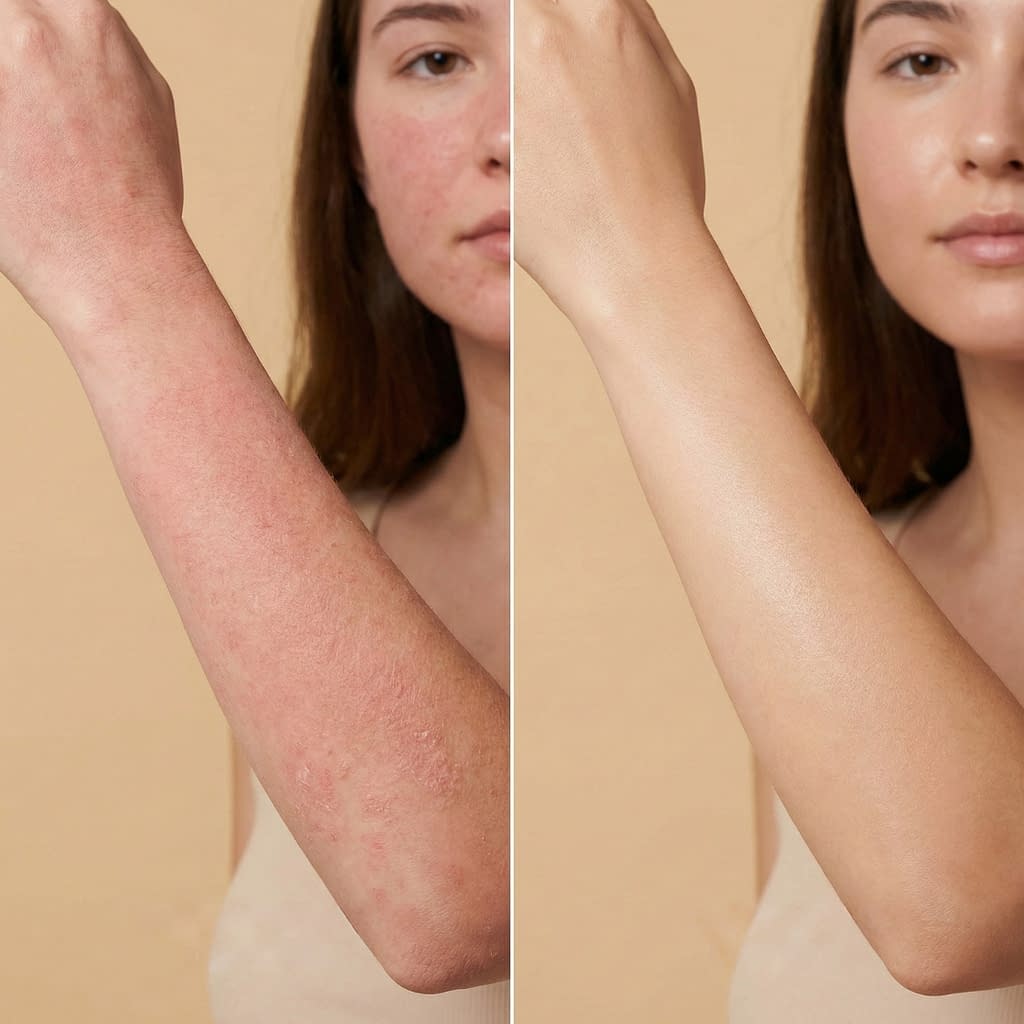
Sensitive body skin means your skin signals discomfort (itching, burning, tightness, redness) more often than average. That sensitivity can be temporary (after a new product or sun exposure) or chronic (conditions like atopic dermatitis or rosacea can extend to the body). Sensitive skin reacts because its protective barrier is thinner, more porous, or more inflamed — so irritants penetrate more easily and transgressions cause symptoms faster.
What to remember:
- Sensitivity is a symptom, not a diagnosis.
- It’s often caused by barrier weakness, inflammation, friction, or allergens.
- The aim is to reduce triggers and strengthen the barrier so the skin can tolerate normal products and conditions again.
Common Signs and Triggers of Body Skin Sensitivity
Recognizing patterns helps you avoid triggers.
Typical signs:
- Itching, burning, or stinging after applying products.
- Visible redness or blotchiness after showering, sun, or sweating.
- Dry, flaky patches that don’t respond to ordinary lotions.
- Hives or raised bumps appearing after exposure to a new clothing fabric or detergent.
Frequent triggers:
- Harsh cleansers, fragrances, and dyes.
- Very hot water, long showers, and aggressive scrubbing.
- Tight, scratchy clothing (wool, rough synthetics).
- Weather changes: cold, dry air or sun/heat.
- Friction from backpacks, waistbands, or repetitive rubbing.
- Some topical actives (strong acids, retinoids) and essential oils.
Step-by-step: keep a short trigger diary for 1–2 weeks — note food, clothing, products, and weather when a flare occurs. Patterns usually become obvious quickly.
How the Skin Barrier Affects Sensitivity
The skin barrier (stratum corneum) is a thin layer of cells + lipids that keeps water in and irritants out. When it’s damaged, TEWL (water loss) increases and irritants reach nerve endings — that’s why skin itches or stings.
Barrier repair focus (step-by-step)
- Stop the obvious offenders — fragrance, alcohol-heavy toners, and strong exfoliants.
- Use gentle, non-foaming cleansers and avoid hot water.
- Moisturize immediately after cleansing to trap water (apply within 1–3 minutes).
- Choose moisturizers with ceramides, cholesterol, fatty acids, and glycerin — those rebuild the barrier.
- Consider an occlusive layer at night (petrolatum or a balm) for very dry patches to accelerate repair.
If barrier repair reduces symptoms within 2–4 weeks, you’re on the right track. If not, see a clinician for targeted help.
Gentle Cleansing Habits for Sensitive Body Skin
Cleansing is essential, but how you cleanse matters.
Gentle cleansing routine (step-by-step)
- Choose the right cleanser: look for “syndet” (synthetic detergent) or products labeled mild/for sensitive skin, free from fragrance and harsh sulfates. Ingredients like glycerin, panthenol, and squalane are welcome.
- Use lukewarm water — hot water strips oils and increases inflammation.
- Keep showers short (5–10 minutes) to minimize drying.
- Use gentle hands or a soft cloth — avoid loofahs, stiff brushes, or harsh scrubs. If you like exfoliation, opt for a very gentle chemical exfoliant (PHA) and only once every 7–14 days, but skip it on active flare-ups.
- Pat dry — don’t rub. Leave skin slightly damp for moisturizer.
If you sweat heavily (exercise), rinse with cool water promptly — sweat can be an irritant on sensitive skin.
Choosing the Right Moisturizer to Soothe Irritation

A calm, well-formulated moisturizer is the fastest way to reduce sensitivity.
Moisturizer selection & use (step-by-step)
- Look for barrier-repair ingredients: ceramides, cholesterol, fatty acids, glycerin, hyaluronic acid (low-molecular), panthenol.
- Avoid common irritants: fragrances, essential oils, alcohol denat, strong preservatives (if you’ve shown sensitivity).
- Texture choice by need: ointments/balms (petrolatum, shea) are best for very dry patches or overnight repair; lotions for everyday; creams for moderate dryness.
- Apply immediately after showering: while skin is damp, press a generous but even layer into the skin.
- Reapply to problem areas throughout the day if they feel tight or itchy.
For extremely sensitive people, start with a short patch-test of the moisturizer behind the knee for 48 hours.
Ingredients That Calm and Repair Sensitive Skin

Smart ingredient choices reduce inflammation and rebuild resilience.
Soothing and reparative ingredients to look for:
- Ceramides — restore the skin’s lipid matrix.
- Niacinamide — reduces redness and strengthens barrier.
- Panthenol (pro-vitamin B5) — hydrates and calms.
- Colloidal oatmeal — anti-itch and soothing for inflamed skin.
- Centella asiatica (cica) — supports healing and soothes irritation.
- Squalane — lightweight emollient that mimics skin lipids.
- Glycerin / hyaluronic acid — humectants to attract water (use with barrier lipids).
- Allantoin & bisabolol — gentle anti-irritants.
Avoid: citrus extracts, high percentages of essential oils, menthol, camphor (all common irritants for sensitive skin).
Natural Remedies to Reduce Redness and Itching
Some gentle natural options can help but always patch test first.
Gentle natural options (how to use)
- Colloidal oatmeal baths: add 1/2–1 cup to a lukewarm bath for 10–15 minutes to calm widespread itch. Pat dry and moisturize.
- Aloe vera gel (pure): apply a thin layer to small irritated patches to cool and soothe.
- Cold compresses: 5–10 minutes reduce heat and itch immediately.
- Chamomile compress (cooled tea bag or infusion): has mild anti-inflammatory effects.
- Coconut oil: for some, a thin layer on small dry areas can be soothing — but avoid if you get clogged pores or acne in those areas.
Natural doesn’t always mean non-irritating — do a small patch test and stop if redness/worsening appears.
Bathing and Shower Tips to Prevent Flare-Ups
Small changes to your bathing routine can make a big difference.
Bath & shower checklist (step-by-step)
- Keep water lukewarm (not hot).
- Limit shower time to 5–10 minutes.
- Use a gentle, fragrance-free cleanser and apply with hands — avoid scrubbing.
- Rinse thoroughly to remove any soap residue.
- Pat dry gently and moisturize within 1–3 minutes.
- For itchy flare-ups: soak briefly in a colloidal oatmeal bath, then gently pat and moisturize.
Avoid frequent hot baths, Epsom salts with fragrances, or bubble baths with harsh foaming agents.
Clothing, Fabrics, and Laundry Choices That Matter
What you wear next to your skin is crucial.
Fabric & laundry tips (step-by-step)
- Prefer soft, breathable fabrics: cotton, modal, silk (for lining) or bamboo blends for direct contact. Avoid direct wool on sensitive areas.
- Label details: seams and tags can irritate — opt for tagless garments where possible.
- Choose loose fits to reduce friction and allow airflow.
- Laundry detergent: use fragrance-free, dye-free detergents designed for sensitive skin; add an extra rinse cycle if residue is a problem.
- Avoid fabric softener (it leaves residues that can irritate). Use dryer balls or white vinegar as an alternative if you want softness.
- Wash new clothes before wearing to remove finishing chemicals.
If a fabric causes immediate itching, remove it and wash it — many people calm after switching to cotton or silk lining.
How to Protect Sensitive Skin from Weather Changes

Weather swings challenge sensitive skin — plan ahead.
Weather protection steps
- Cold & dry weather: use richer moisturizers and apply an occlusive at night; use a humidifier indoors.
- Hot & humid weather: choose light, non-comedogenic lotions and rinse sweat quickly after exercise.
- Windy conditions: cover exposed skin with a scarf and layer a balm if you’ll be outside for long.
- Sun exposure: sensitive skin is more prone to sun damage — use a mineral sunscreen (zinc/titanium) that’s fragrance-free and reapply as needed.
- Travel: carry a travel-size moisturizer and a gentle cleanser so you don’t have to rely on unfamiliar hotel products.
Adapt product textures seasonally: heavier in winter, lighter in summer.
Lifestyle Habits That Support Calm, Healthy Skin
Your daily habits influence how your skin reacts.
Supportive habits (step-by-step)
- Sleep well: aim for regular sleep — skin repairs overnight.
- Hydrate: drink water and eat hydrating foods (cucumbers, melon).
- Eat a balanced diet rich in antioxidants, omega-3s, and vitamins that support barrier health (vitamin A, C, zinc).
- Manage stress: stress increases inflammation — try breathing, movement, or hobbies that relax you.
- Exercise gently and rinse sweat afterward to prevent irritation.
- Avoid smoking and minimize alcohol if you notice they worsen sensitivity.
Small lifestyle shifts often reduce flares and make topical care more effective.
Common Mistakes That Make Sensitivity Worse
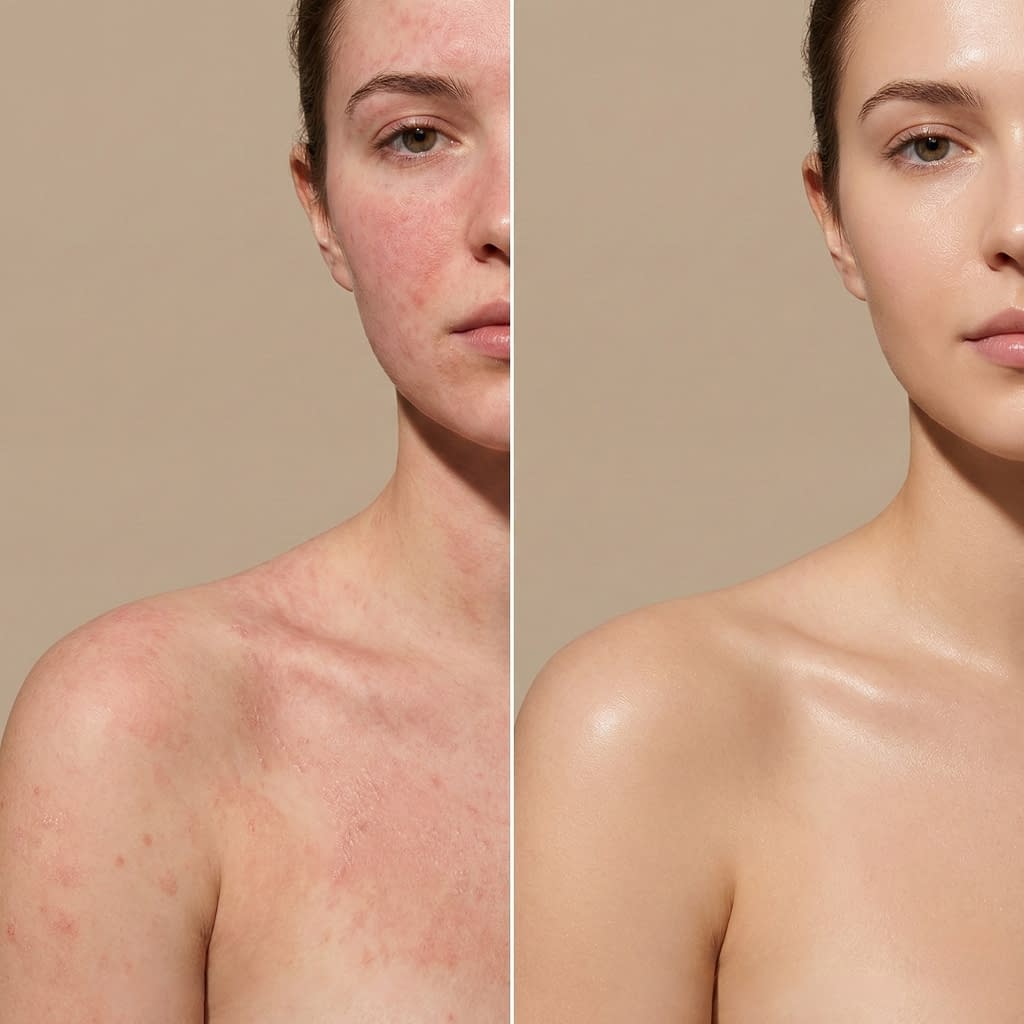
Avoid these frequent errors.
Mistakes to avoid
- Over-washing or using hot water.
- Stacking too many active products (strong acids + retinoids + exfoliants) when the barrier is already weak.
- Fragrance, essential oils, and dyes in skincare and laundry.
- Rough fabrics or tight clothing that cause friction.
- Using prescription-strength products without supervision (see dermatologist first).
- Ignoring persistent changes — if new widespread sensitivity appears, get it checked.
If you accidentally irritate the skin, stop all non-essential products for 48–72 hours and focus on gentle cleansing + barrier moisturization.
When to See a Dermatologist for Ongoing Sensitivity
See a professional if:
- Symptoms persist despite gentle at-home care for 2–4 weeks.
- You have severe itching, blistering, spreading rash, or signs of infection (pus, fever).
- You suspect a contact allergy (symptom appeared after a specific product or exposure).
- You have chronic conditions (eczema, psoriasis) needing prescription treatment.
- You want patch testing to identify specific allergens.
A dermatologist can provide targeted treatments (topical steroids, calcineurin inhibitors, prescription barrier creams) and testing to identify triggers.
Final Words
Calming sensitive body skin is a steady, simple process: remove obvious triggers, cleanse gently, rebuild the barrier with the right moisturizers and ingredients, protect from friction and weather, and tune your lifestyle to support skin repair. Most people see noticeable improvement in 2–6 weeks with consistent care. If symptoms are severe or don’t improve, a dermatologist can help with diagnosis and tailored treatment. Be patient and kind to your skin — a calmer routine usually equals calmer skin.


