


Makeup can help you feel confident while your skin heals — but done wrong it can worsen inflammation, cause more breakouts, or slow recovery. This guide gives a calm, practical plan for concealing active acne safely: the right mindset, how to prep skin, what ingredients and textures to choose, exact application and removal steps, and when to stop covering up and see a clinician. Follow these steps and you’ll be able to hide pimples without hurting the healing process.
Makeup vs. Skin Health: The Right Mindset
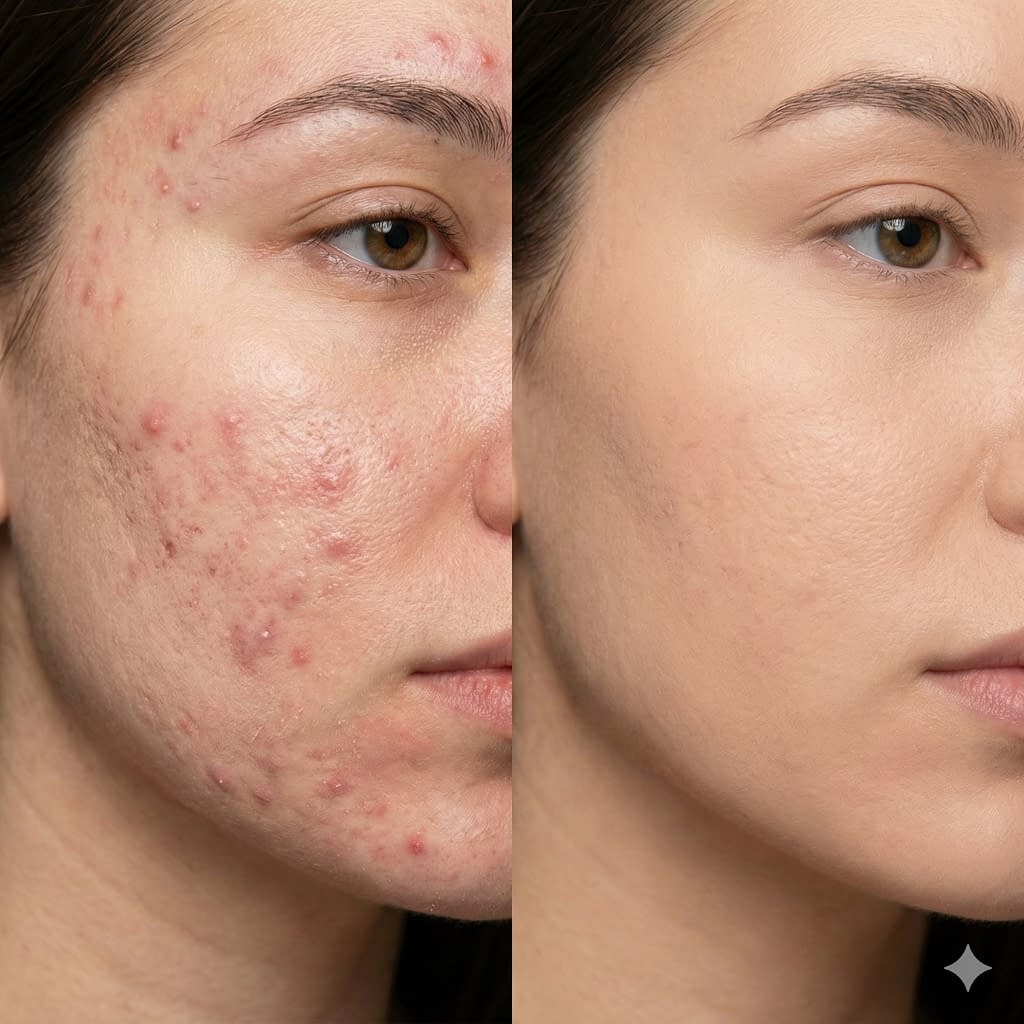
Before you start: remember that makeup is a temporary camouflage, not a treatment. Prioritize skin health first — gentle cleansing, barrier support, sun protection, and medical care when needed. Use makeup to boost confidence, not to mask problems that need attention. The best concealing routines are short, hygienic, and designed to let skin breathe when possible.
Quick mindset checklist:
- Treat makeup as optional on bad-skin days — it’s okay to skip it.
- Focus on products labeled non-comedogenic and fragrance-free.
- Keep routines simple and avoid layering many heavy products.
- If a product stings, burns, or causes new redness, stop using it immediately.
Know Your Acne: Which Spots to Cover and Which to Leave Alone
Not every lesion should be concealed the same way.
- Whiteheads & small comedones (closed or open): these are surface-level and can usually be covered safely with light products. Avoid squeezing.
- Inflamed papules & pustules (red, sore bumps): you can cover them gently, but avoid heavy occlusion for long periods — aim for breathable coverage and remove makeup promptly at day’s end.
- Nodules or cysts (deep, painful lumps): avoid heavy makeup on these; covering can trap heat and bacteria and make them worse. If you must cover, use minimal, breathable layers and consult a clinician for treatment.
- Broken or weeping lesions: do not apply makeup. Let open wounds heal and see a clinician if they’re persistent.
Rule: if a spot is actively oozing or extremely painful, skip makeup and focus on clean care.
Patch Test First: Prevent Reactions Before a Full Face
Always patch-test new products — especially if your skin is irritated.
How to patch test:
- Clean a small patch of inner forearm or behind the ear.
- Apply a tiny amount of the product and cover with a small plaster.
- Wait 24–48 hours and watch for redness, stinging, itching, or blistering.
- If no reaction, you can use it on the face but start slowly.
Patch tests won’t catch everything, but they reduce risk of adding a contact allergy to an already sensitive situation.
Sanitize Tools and Hands: Hygiene Rules Before You Touch Your Skin

Bacteria from fingers and dirty tools spread acne. Hygiene protects healing skin.
Sanitizing routine (step-by-step)
- Wash hands thoroughly with soap and water before any application.
- Clean brushes and sponges at least weekly with a gentle soap or a brush cleanser and allow them to air-dry. For active acne, consider cleaning sponges more often or using disposable cotton pads.
- Sanitize tools (tweezers, metal spatulas) with 70% isopropyl alcohol between uses.
- Avoid double-dipping: dispense product onto the back of your hand or a clean palette rather than dipping a dirty brush into the original container.
- Replace or clean pillowcases every few days to avoid re-depositing oils and bacteria on healing skin.
A few minutes of sanitation prevents a lot of trouble.
Prep the Skin: Gentle Cleansing and Lightweight Hydration
Good makeup starts with a calm, hydrated base.
Pre-makeup prep (step-by-step)
- Cleanse with a gentle, non-foaming or mild foaming cleanser suited to acne-prone skin (salicylic-acid options can be used if tolerated earlier in the day and won’t irritate). Pat dry.
- Apply a thin, non-comedogenic moisturizer to support the barrier — look for ingredients like glycerin, ceramides, squalane. Let it absorb for 1–2 minutes.
- If you use topical acne treatments (benzoyl peroxide, tretinoin, salicylic acid): apply them at night rather than right before makeup when possible. If you must use them in the morning, let them fully absorb and consider using a gentle moisturizer on top to reduce interaction with makeup.
- If skin is sensitive, use a silicone- or water-based primer that’s labeled non-comedogenic — apply a tiny amount only where needed.
The goal is a calm, evenly hydrated canvas — not a greased or sticky surface.
Choose Soothing, Non-Comedogenic Primers
Primer helps makeup sit on skin evenly; choose formulas that won’t clog pores.
Primer selection tips:
- Choose non-comedogenic, fragrance-free primers.
- Avoid heavy, oil-based or waxy primers on active acne.
- Silicone-based primers (dimethicone) can help smooth skin and create a breathable film — they’re generally safe and non-comedogenic for most people.
- If you have reactive skin, try a hydrating primer with niacinamide or panthenol for soothing benefits.
Application: use a pea-sized amount and press gently into the skin with clean fingers — avoid rubbing over active lesions.
Color Correction: Neutralize Redness Without Overdoing It

Color correcting helps reduce the amount of concealer you need, which lowers occlusion.
Basic rules:
- Green correctors neutralize red/pink inflammation. Use sparingly.
- Peach/Orange correctors are used for darker brown marks (post-inflammatory hyperpigmentation) — usually not for active inflammatory pimples.
- Apply corrector in a very thin dot directly on the red area using a clean tiny brush or a cotton swab.
- Blend only the edges gently so the corrector doesn’t spread over healthy skin — you want to neutralize color, not paint the whole face.
Less is more: a little neutralizer + a light concealer works better than heavy layers.
Pick the Right Concealer Formula: Cream, Liquid, or Stick
Choose a texture based on lesion type and skin sensitivity.
- Liquid concealers: great for light, buildable coverage and for inflamed or sensitive skin because they’re easy to blend and less occlusive.
- Cream concealers: provide more coverage for stubborn redness or pigmentation but can be heavier — choose non-comedogenic formulas and use thin layers.
- Stick concealers: high coverage and convenient for precise spot coverage, but some are thick — opt for a lightweight stick and use sparingly.
Tip: look for concealers labeled non-comedogenic, oil-free, and fragrance-free. Ingredients like zinc oxide can be soothing; avoid heavy emollients (petrolatum-heavy) right on active lesions.
Application Techniques for Active Breakouts (small dabs, spot brushes, stippling)
How you apply matters as much as what you apply.
Step-by-step application for minimal irritation
- Dispense product onto a clean palette or the back of your hand.
- Use a clean, small synthetic brush or disposable sponge for each spot to avoid spreading bacteria.
- Dab a tiny amount of corrector (if used) and press it in with a small stippling motion — don’t rub.
- Apply concealer in small dots, slightly larger than the lesion. Use a small synthetic brush or clean finger pad to pat the product in — pressing helps it adhere without dragging the skin.
- Feather the edges gently so there’s no harsh line — again, use patting motions.
- Build coverage gradually: let the first thin layer set (30–60 seconds) then add a second thin layer only if needed.
- Finish with a tiny amount of powder only if necessary to set; use a light tap with a small powder brush or a damp sponge to press, not sweep.
Avoid smoothing or dragging motions across the lesion — those spread bacteria and remove product.
Build Coverage Gradually — Layer, Don’t Cake
Heavy, cakey layers trap heat and microbiota; thin layers breathe better.
Layering strategy
- Start with a corrective thin base (color corrector if needed).
- Add the thinnest concealer layer that gives adequate coverage.
- Spot-blend only the edges.
- Use setting powder sparingly and only where makeup shifts or shines.
If your makeup looks cakey, remove with a damp microfiber cloth and restart the spot coverage with smaller amounts.
Set Gently: Powders and Sprays That Lock In Without Drying
Setting helps keep concealer from moving — but do it gently.
Setting steps
- Use a lightweight translucent powder — avoid heavy, mattifying powders that dry out and accentuate texture.
- Press powder onto the spot with a clean damp sponge or small brush in a patting motion.
- Alternatively, use a setting spray (fragrance-free) held 8–10 inches from the face — mist lightly once and let dry naturally.
- Avoid excessive powdering over active acne; it can look cakey and can dry irritated skin.
A single, gentle set is usually better than multiple heavy layers.
Daytime Touch-Ups That Don’t Irritate or Spread Bacteria

How to refresh safely while out and about.
Touch-up routine
- Wash hands or use hand sanitizer before touching the face.
- Use blotting papers to remove excess oil; don’t rub the area.
- Carry a small palette and a clean disposable sponge or cotton swab for spot reapplication — use single-use applicators if possible.
- Avoid fingertip reapplication unless hands are newly washed.
- Replace any multi-use brush if it becomes visibly dirty — carrying small disposable tools is hygienic and lightweight.
If a spot gets inflamed or starts to ooze, remove makeup and give the lesion time to breathe.
How to Remove Makeup Safely at Night to Protect Healing Skin
Removing makeup properly is essential for healing.
Night removal steps
- Sanitize hands.
- Use a gentle oil-based or micellar makeup remover to dissolve concealer without aggressive rubbing. Apply to a cotton pad and press gently for a few seconds, then wipe; repeat until most makeup is gone.
- Double cleanse: follow with your gentle cleanser to remove residue and bacteria.
- Spot-treat acne with your usual prescribed or OTC spot product (benzoyl peroxide, salicylic acid, azelaic acid) as advised — avoid layering too many actives at once.
- Moisturize with a non-comedogenic, barrier-repair moisturizer.
- If you use topical prescriptions, follow the specific instructions (some should be applied before moisturizer; others at night).
Never sleep with makeup on — it increases inflammation, infection risk, and pigment.
Ingredients and Products to Avoid When You Have Active Acne
Some ingredients look glamorous but can make acne worse.
Avoid or use with caution:
- Heavy oils and butters (cocoa butter, coconut oil high in comedogenicity for some people) directly on pimples.
- Thick, waxy foundations or oil-rich creams that trap heat and bacteria.
- Alcohol-heavy toners or astringents that over-dry and then cause rebound oil production.
- Fragrances and essential oils that can irritate and sensitize skin.
- Shared, unclean applicators — always sanitize or use disposable tools.
When in doubt, choose products labeled non-comedogenic, fragrance-free, and for sensitive skin.
When Concealing Is Counterproductive: Signs You Need Medical Care
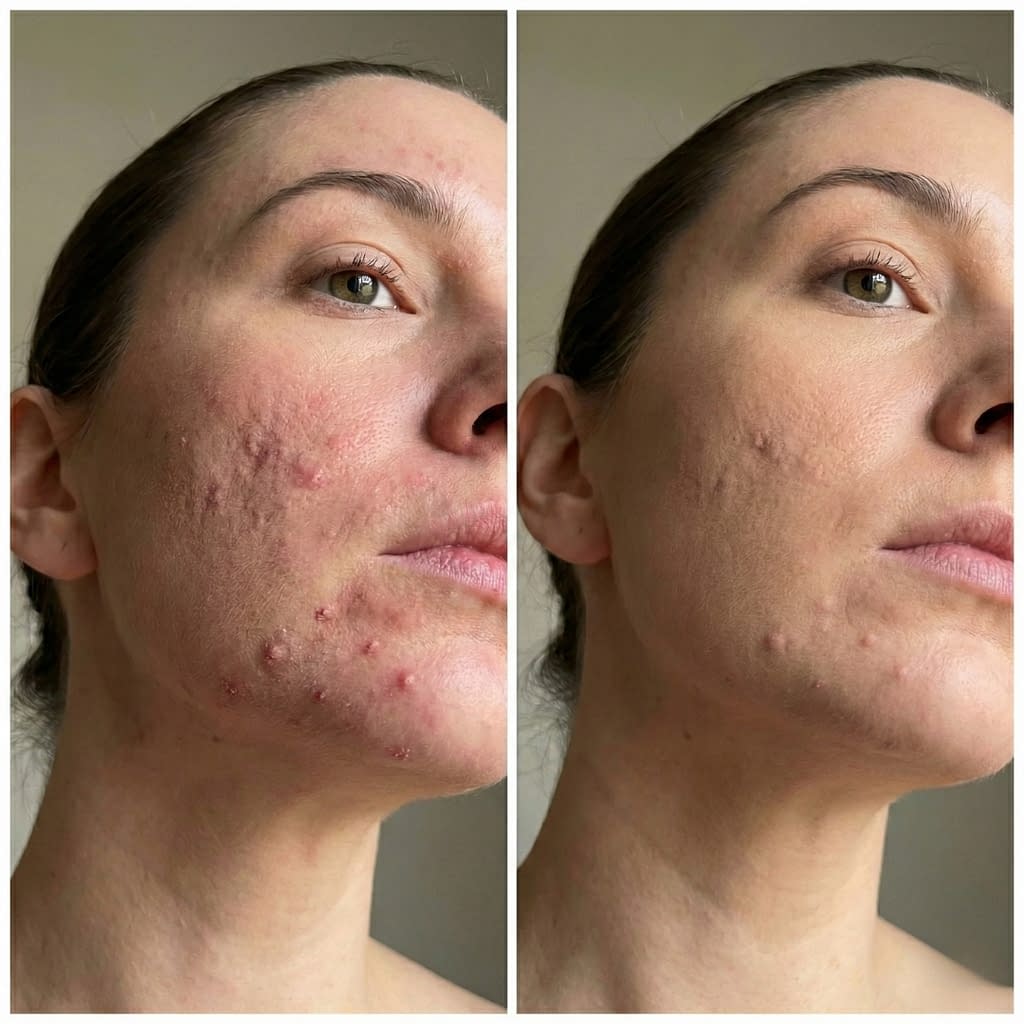
Some warning signs mean concealment is making things worse and it’s time to see a clinician.
Seek professional care if you have:
- Increasingly painful nodules or cysts that don’t improve with conservative care.
- Rapid spreading redness, warmth, or streaks (possible infection).
- Persistent oozing or raw skin under makeup.
- Acne that leaves significant scarring despite months of over-the-counter care.
- If you’re under 18 and thinking about prescription treatments (oral antibiotics, hormonal therapy, or isotretinoin), talk with a parent/guardian and a dermatologist.
A medical evaluation can reduce time to clearer skin and prevent scarring — sometimes the best camouflage is proper treatment.
Final Words
Concealing active acne safely is all about hygiene, restraint, and the correct product choices. Prep skin with gentle cleansing and light hydration; patch-test new products; sanitize tools and use single-use applicators where possible; apply color correctors and concealers by patting and building thin layers; set very gently; and remove makeup thoroughly each night. If a lesion is broken, extremely painful, or infected, skip makeup and see a clinician. When used thoughtfully, makeup can boost confidence without sabotaging healing


