

An oily scalp can feel like a daily battle: hair looks greasy within hours, roots go flat, and you reach for dry shampoo or another wash more often than you’d like. The good news: scalp oil (sebum) is normal and useful — it protects and moisturizes — but when it’s overactive, a few targeted habit changes, product swaps, and gentle treatments can restore balance so your hair looks fresher, fuller, and cleaner for longer. This guide explains what causes excess oil, how to treat it smartly, and step-by-step routines and remedies you can use right away.
What Causes an Oily Scalp?
Several factors ramp up sebum production or make oil more noticeable:
- Genetics & hormones: Sebaceous gland activity is strongly influenced by heredity and hormones (androgens increase sebum).
- Overwashing or wrong products: Paradoxically, stripping the scalp of oil with harsh surfactants can trigger rebound oil production. Heavy, occlusive products also sit on the scalp and look greasy.
- Product buildup: Silicone serums, heavy conditioners, styling waxes and dry shampoo residue accumulate and look oily.
- Heat, humidity, sweat: Warm climates and workouts increase oiliness and make sebum spread faster along hair shafts.
- Touching your hair: Frequent contact transfers fingers’ oils to roots and stimulates sebaceous glands.
- Diet & lifestyle: High-glycemic foods and stress can influence oil production via hormonal pathways.
- Medications & health conditions: Certain meds or disorders can change sebum levels; consult a healthcare provider if changes are sudden or severe.
Understanding which of these apply to you helps prioritize the right fixes.
Signs You Have an Oily Scalp
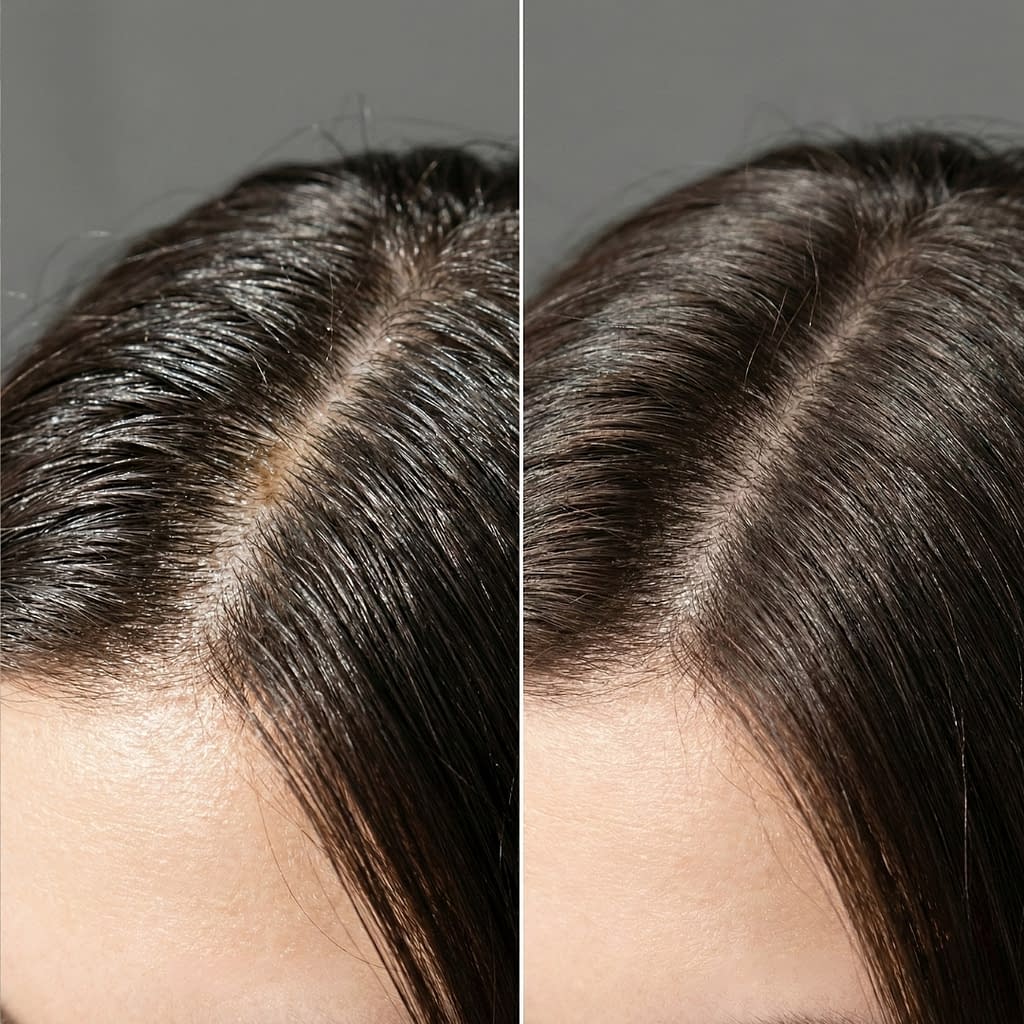
You probably have an oily scalp if you notice one or more of the following:
- Hair looks flat and shiny at the roots within a day (or even hours) after washing.
- Scalp feels greasy to the touch or leaves oil on your fingers when you run them through your hair.
- You need to wash your hair daily (or more) to feel clean.
- You notice frequent scalp itching or follicle discomfort from buildup.
- Your hair styles collapse quickly or heavy products sit on the scalp and don’t absorb.
If you see flakes too, determine whether they are oily dandruff (seborrheic dermatitis) — often yellowish and greasy — or dry flakes, which require different care.
Why Controlling Scalp Oil Matters for Hair Health
Balancing scalp oil isn’t just cosmetic. A healthy scalp environment supports stronger hair growth and fewer issues:
- Prevents buildup that can clog follicles and lead to irritation.
- Improves hair volume and styling (cleaner roots = more lift).
- Reduces scalp odor from oil + sweat bacteria.
- Helps dandruff control when combined with appropriate treatments.
- Avoids overuse of drying cleansers that damage barrier and provoke rebound oil.
The goal is regulation, not elimination — aim for a balanced scalp that’s clean but not stripped.
How Often Should You Wash Oily Hair?
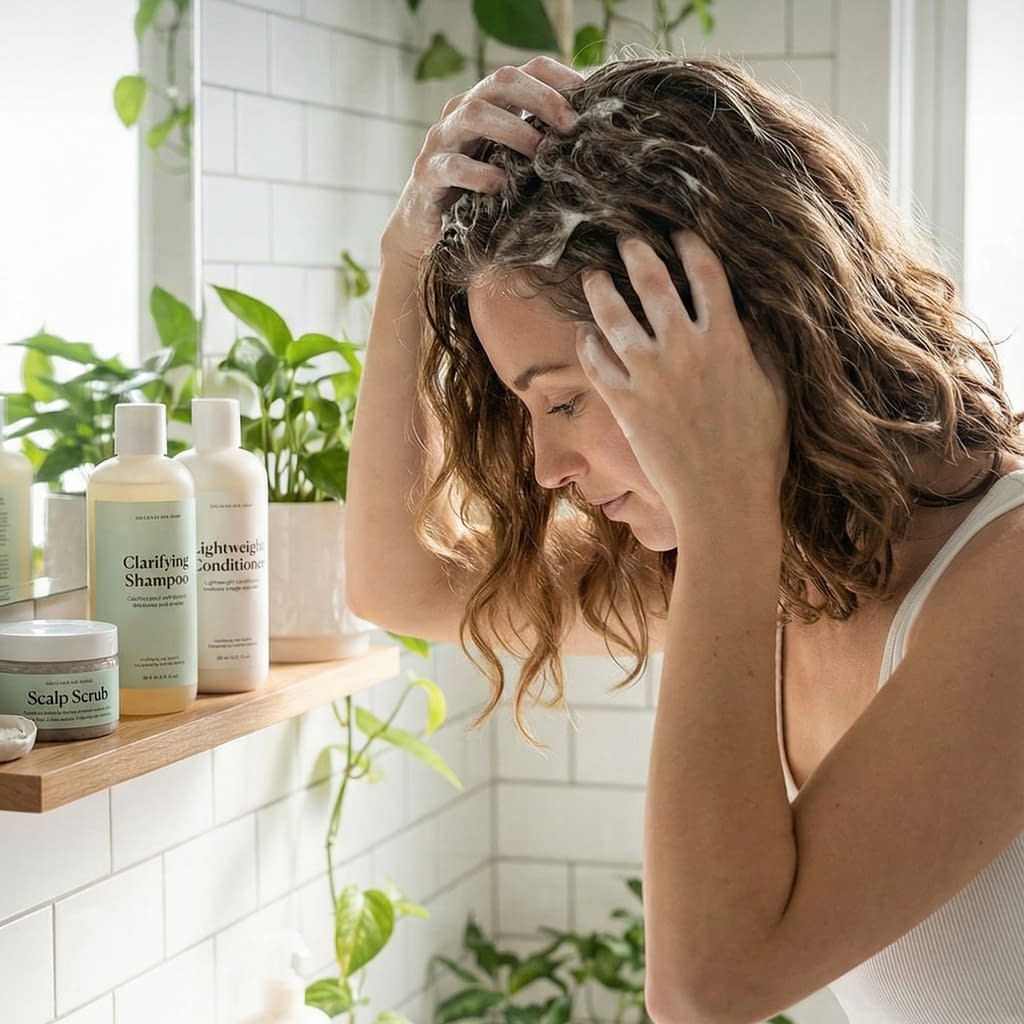
There’s no one-size-fits-all, but practical guidelines help you find sweet spot:
- Very oily scalps / daily sweaters: washing every day (or every other day) with a gentle clarifying shampoo can be helpful.
- Moderately oily: try every 2 days and extend to every 3 if your scalp tolerates it.
- If you’re trying to reduce frequency: gradually space washes (e.g., from daily to every other day over 2–3 weeks) so your sebaceous glands adjust; abrupt changes can feel worse.
Timing tips:
- Adjust frequency to activity: wash after very sweaty workouts.
- Use dry shampoo as a short-term fix to extend days between washes, not as a daily crutch.
- Avoid extremely hot-water washes that stimulate sebum production.
Experiment for 2–3 weeks to find the rhythm that keeps hair looking fresh without over-cleansing.
Choose the Right Shampoo for an Oily Scalp
Shampoo choice matters more than frequency. Look for formulas and usage methods that remove oil and buildup without over-stripping.
What to look for:
- Clarifying or balancing shampoos with gentle surfactants (sodium cocoyl isethionate, coco-glucoside) and a clear label (balancing/clarifying).
- Ingredients that help oil control: salicylic acid (exfoliates sebum), zinc pyrithione (if seborrheic dermatitis present), tea tree (antimicrobial), and small amounts of charcoal/kaolin for oil absorption.
- Avoid very heavy cream formulas, silicones (if they build up), and overly drying SLS products if you’ll wash daily.
How to shampoo effectively (step-by-step):
- Wet hair thoroughly with lukewarm water.
- Apply a small amount of shampoo to the scalp only (not mid-lengths), and gently massage with fingertips for 60–90 seconds to emulsify oils and dissolve buildup.
- Rinse thoroughly until water runs clear.
- If needed, repeat once (second pass is lighter) — the first pass dissolves oil; the second pass cleans.
- Apply conditioner only to mid-lengths and ends (see next section).
Rotate a clarifying shampoo once a week if you use heavy styling products; otherwise use your balancing shampoo as your daily cleanser. Don’t overuse clarifiers — once weekly is usually enough.
Avoid Conditioner on the Scalp — Apply It Correctly
Conditioner is essential for hair ends, but applied to the scalp it contributes to oiliness.
Correct application:
- After rinsing shampoo, squeeze excess water from hair.
- Apply a small amount of conditioner starting mid-shaft, concentrating on the ends.
- Leave for 1–3 minutes (or as product instructs) and rinse thoroughly with cool or lukewarm water.
- If you have fine hair, choose a lightweight or volumizing conditioner to avoid weighing down ends.
If your roots get limp even after applying conditioner correctly, use a rinse-out or switch to a light detangling spray for mid-lengths instead.
Scalp Exfoliation to Remove Oil and Buildup
Just like facial skin, periodic scalp exfoliation can prevent clogged follicles and reduce excess oil and flakes.
Options & frequency:
- Chemical exfoliation: salicylic-acid scalp treatments (leave-on serums or wash-off) 1× weekly help dissolve sebum and scale. Ideal for oily, buildup-prone scalps.
- Physical exfoliation: gentle scalp scrubs or a soft-bristle scalp brush used during shampoo 1× weekly to loosen dead skin and product residue.
- Brush & vacuum: use a soft dry brush before shampoo to remove surface debris (do this gently).
How to use a scalp scrub safely:
- Wet hair, apply shampoo and lather.
- Add a small scoop of scrub and massage for 60–90 seconds over the scalp (don’t scrub hard).
- Rinse thoroughly and continue with conditioner on ends only.
Cautions:
- Don’t over-exfoliate (1× weekly is usually sufficient).
- Avoid physical scrubs if you have an actively inflamed scalp or open sores.
- Pair chemical exfoliation with sunscreen on exposed areas — exfoliated skin can be more UV-sensitive.
Natural Remedies to Control Excess Scalp Oil
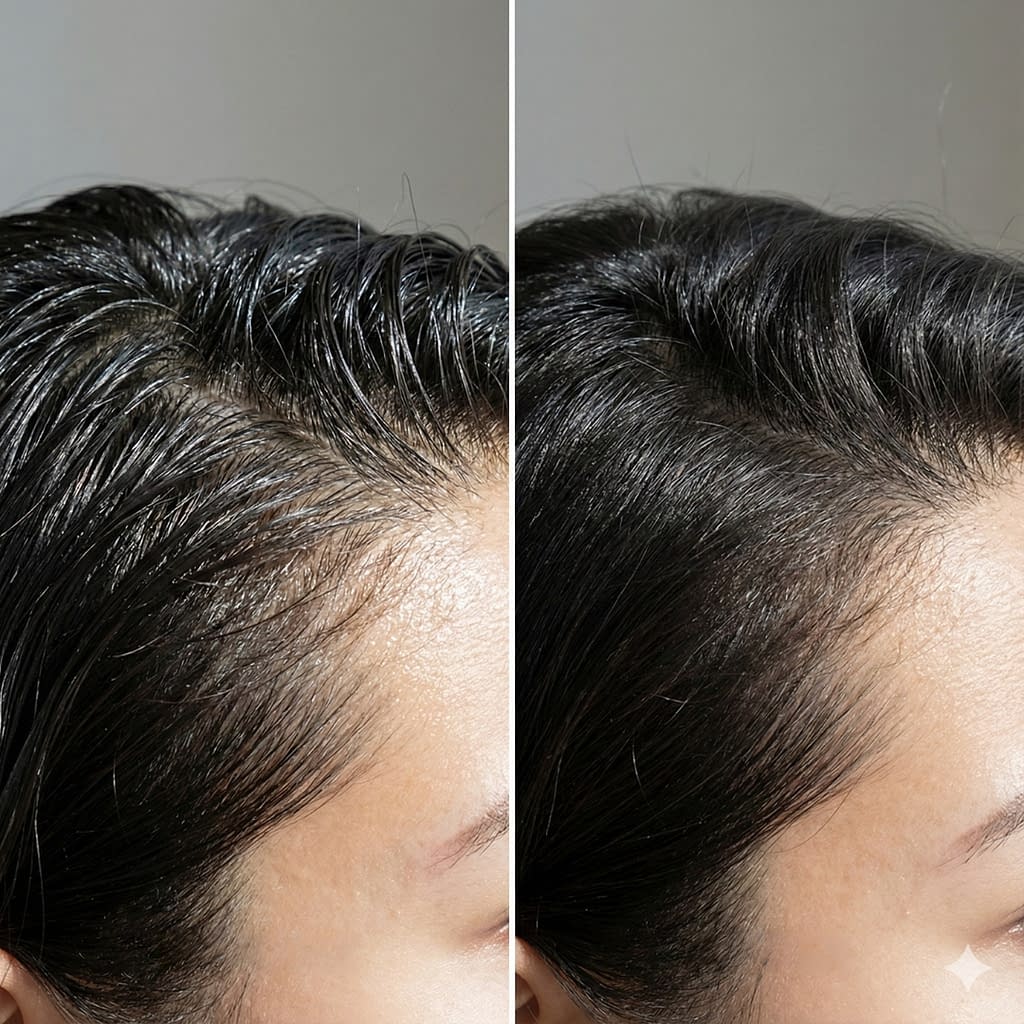
Several gentle, home-friendly remedies can support oil control — use them as complements, not replacements for medical care when needed.
Effective at-home options:
- Apple cider vinegar (ACV) rinse: dilute 1–2 tbsp ACV in 1 cup water, pour over scalp after shampoo, let sit 1–2 minutes, then rinse. ACV helps balance pH and can reduce residue. Use every 1–2 weeks.
- Green tea rinse: brew strong green tea, cool, and use as a final rinse — antioxidants and mild astringent properties can soothe and slightly reduce oiliness.
- Aloe vera gel: a small amount massaged into the scalp can calm inflammation and reduce shine; rinse after 20–30 minutes or dilute slightly.
- Tea tree oil: add 2–3 drops to your shampoo occasionally for antimicrobial benefits (patch test first). Don’t use neat.
- Bentonite clay mask: mix clay with water to form paste, apply to scalp sparingly to absorb oil, leave 5–10 minutes, then shampoo out. Don’t overdo — clay can be drying.
How to use safely:
- Do a patch test for sensitivity before applying new ingredients widely.
- Use gentle concentrations and don’t leave highly acidic or astringent solutions on long-term.
Styling Habits That Make Your Scalp Greasier
Your styling routine can either help or hurt oil control.
Avoid or modify these habits:
- Heavy waxes/creams at the root: apply styling products to mid-lengths and ends only.
- Overuse of dry shampoo: occasional use refreshes roots, but daily heavy use causes buildup that looks and smells worse over time. Use dry shampoo sparingly and brush out residue.
- Wearing hats/headbands all day: trapping heat and sweat increases oil secretion — give your scalp breathing breaks.
- Brushing excessively: brushing moves oil from the root down the strand — brush to style, not obsessively.
- Sleeping on dirty pillows: oils transfer back to the hair — change pillowcases regularly (2× weekly if oily).
Styling tips to help:
- Use lightweight mousse or sea spray at mid-lengths instead of heavy creams.
- Use clip-in sections for volume at roots without product weight.
- Dry shampoo: spray lightly at several root points and wait 2–3 minutes before massaging to absorb oil and distribute.
Diet and Lifestyle Tips for a Balanced Scalp
What you eat and how you live influences sebum production and scalp health.
Nutrition & habits to try:
- Reduce high-glycemic carbs and excessive saturated fats; some people notice reduced oiliness with more balanced blood sugar.
- Eat anti-inflammatory foods: omega-3 rich fish, nuts, leafy greens and berries support skin and scalp health.
- Stay hydrated to support overall skin function.
- Limit alcohol & smoking — both can dysregulate hormones and skin health.
- Manage stress (meditation, exercise, sleep) — stress hormones increase sebum production.
- Consider supplements only after consulting a clinician — zinc and omega-3s have some supportive roles for skin health.
Lifestyle changes often take weeks to impact sebum production, but they support long-term regulation.
Heat Styling and Its Effect on Scalp Oil
Heat tools don’t directly create oil, but they accelerate sweat, increase scalp temperature, and can make oil appear more obvious.
How to minimize heat-related oiliness:
- Air-dry partially and finish with a cool blow-dry to reduce time under heat.
- Use the dryer on a lower setting and keep it moving rather than concentrating heat at roots.
- Avoid hot tools directly on roots. Heat on the mid-lengths and ends for styling.
- Protect scalp from heat if you use hot combs or irons near roots — use a thermal shield spray lightly on lengths only.
Reducing overall heat exposure often reduces the frequency you feel the need to wash.
When to See a Dermatologist
See a clinician if you experience:
- Sudden, severe change in oil production.
- Persistent itching, redness, pain, or hair shedding.
- Oily scalp plus heavy yellowish flakes (possible seborrheic dermatitis) or scaled plaques.
- Lack of improvement after diligent at-home care — prescription-strength topical agents (ketoconazole, ciclopirox, or medicated shampoos), oral meds, or tests may be needed.
A dermatologist can diagnose underlying conditions, prescribe targeted treatments, and help create a medical + maintenance plan.
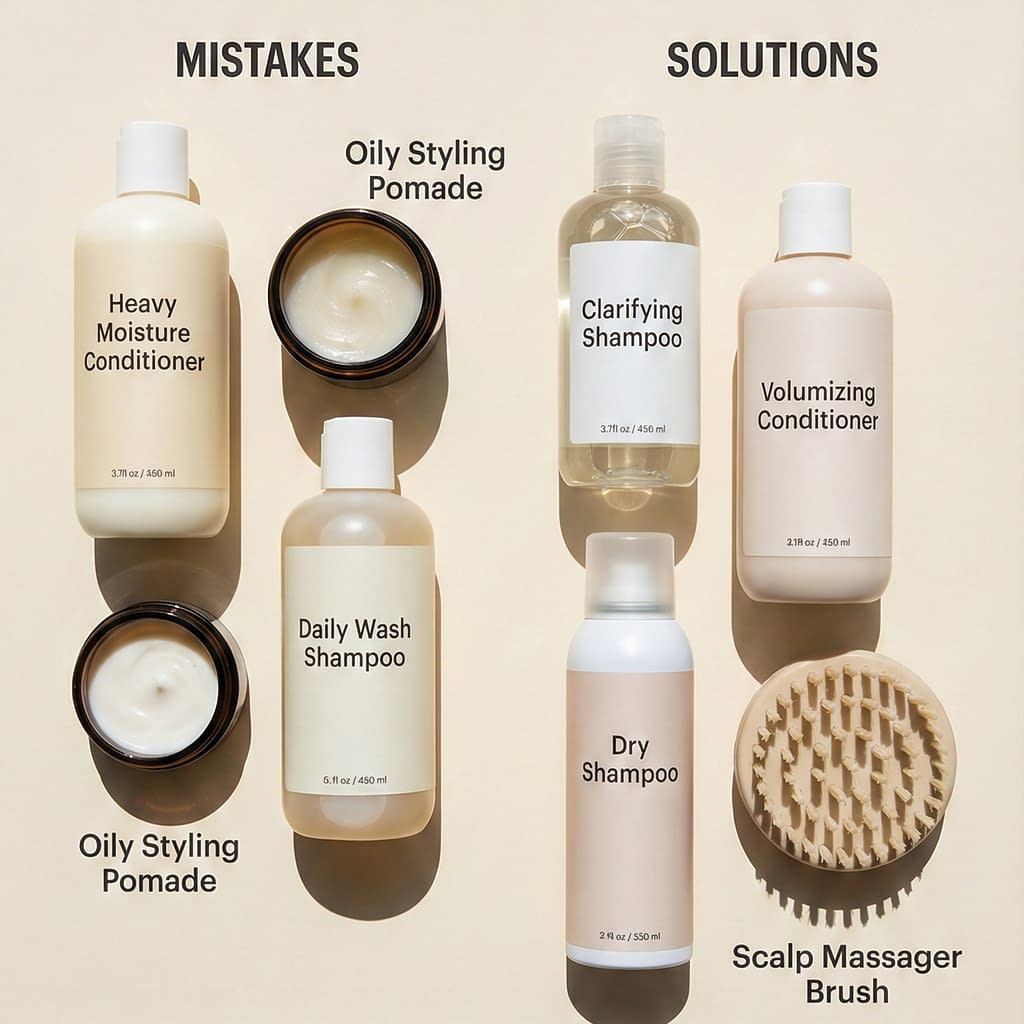
Common Mistakes That Worsen an Oily Scalp
Avoid these common missteps:
- Over-washing with harsh shampoos — strips oils and causes rebound sebum.
- Leaving conditioner on roots — conditioning the scalp weighs hair and adds to the greasy look.
- Excessive use of dry shampoo without thorough cleansing later — leads to buildup.
- Switching too many products too quickly — give a new routine 4–6 weeks to evaluate.
- Using the wrong brush — stiff brushes spread oil more quickly down the hair shaft.
- Ignoring pillows & towels — they re-deposit oils and should be cleaned regularly.
Correcting these habits often yields big improvements fast.
Final Words
An oily scalp is common and manageable. Start with a gentle, consistent washing routine using the right clarifying or balancing shampoos, keep conditioner off the scalp, exfoliate weekly, and use light styling products applied away from roots. Complement topical care with scalp massage, a few targeted natural rinses, and lifestyle improvements (diet, stress, sleep) to regulate sebum production more sustainably. If your scalp shows severe symptoms or won’t respond to good home care, a dermatologist can diagnose and prescribe stronger, effective options.


