


Exfoliation is often described as the secret to glowing, smooth, healthy-looking skin. And it can be — when done correctly. But for many people, exfoliating turns into a frustrating cycle of redness, stinging, peeling, and breakouts. Instead of radiant skin, they’re left with irritation and confusion.
The truth is, exfoliation isn’t about scrubbing harder or using the strongest acid you can find. It’s about balance. Your skin naturally sheds dead cells on its own, and exfoliation simply helps that process along. When you understand how it works — and how to do it gently — you can reveal brighter skin without damaging your skin barrier.
In this guide, you’ll learn exactly how to exfoliate without irritating your skin. We’ll break down what exfoliation really does, how to choose the right method for your skin type, how often to do it, and how to avoid common mistakes. Step by step, you’ll learn how to get smoother skin safely and confidently.
Why Exfoliation Goes Wrong for So Many People
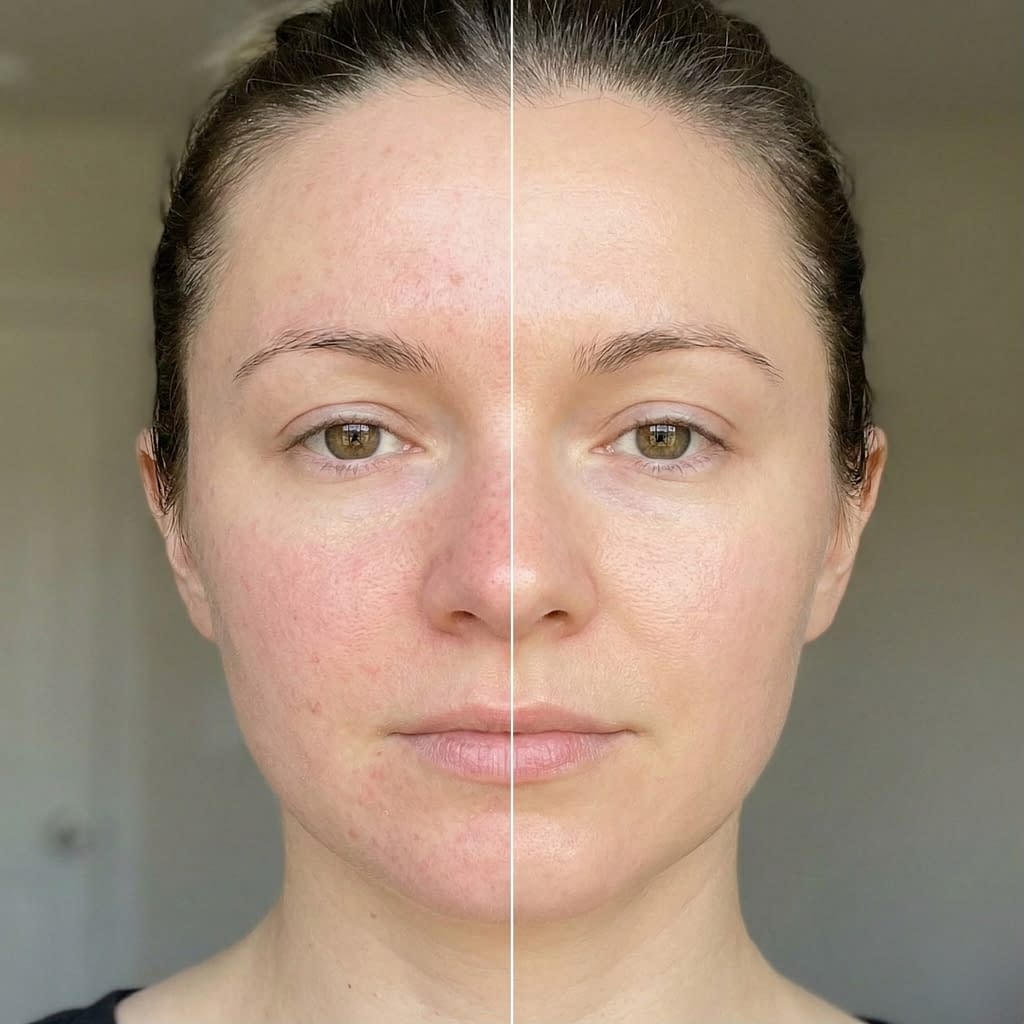
Exfoliation usually goes wrong because of overuse, wrong product choice, or poor technique.
Many people believe:
- More scrubbing = better results
- Stronger acids = faster glow
- Daily exfoliation = clearer skin
In reality, too much exfoliation strips the skin barrier, leading to:
- Redness
- Burning or stinging
- Dryness and flaking
- Increased breakouts
- Sensitivity to products
The skin barrier is your protective shield. When it’s damaged, even gentle products can suddenly sting.
How to avoid this:
- Start slow — once or twice per week.
- Choose products formulated for your skin type.
- Never exfoliate irritated or sunburned skin.
- Pay attention to how your skin feels the next day.
Exfoliation should leave your skin smooth — not tight or painful.
Understanding What Exfoliation Actually Does to Your Skin
Your skin constantly renews itself. Old skin cells rise to the surface and shed naturally. But sometimes, this process slows down due to:
- Age
- Hormonal changes
- Weather
- Stress
- Dehydration
When dead cells build up, skin can look dull, rough, or clogged.
Exfoliation works by:
- Removing surface dead skin cells
- Unclogging pores
- Improving skin texture
- Helping skincare products absorb better
However, exfoliation does not:
- Thin healthy skin permanently
- Cure acne overnight
- Replace sunscreen
Think of it as assisting your skin’s natural renewal — not forcing it.
Physical vs. Chemical Exfoliation: Which Is Gentler?

There are two main types of exfoliation.
1. Physical (Manual) Exfoliation
- Scrubs with particles
- Brushes or exfoliating tools
- Washcloths
Pros:
- Instant smoothness
- Easy to control pressure
Cons:
- Can cause micro-tears if too harsh
- Easy to overdo
2. Chemical Exfoliation
- AHAs (glycolic, lactic acid)
- BHAs (salicylic acid)
- PHAs (gentler acids)
Pros:
- More even exfoliation
- No scrubbing required
- Often gentler when properly formulated
Cons:
- Can irritate if too strong
Which is gentler?
For sensitive skin, mild chemical exfoliants (like lactic acid or PHAs) are often gentler than rough scrubs.
If you choose physical exfoliation:
- Avoid large, jagged particles.
- Use light pressure.
- Limit to once weekly.
How to Know If Your Skin Barrier Is Compromised
Before exfoliating, check your skin barrier.
Signs of a damaged barrier:
- Stinging when applying simple products
- Redness that doesn’t fade quickly
- Dry patches that won’t improve
- Tight feeling after washing
- Increased breakouts
If you notice these signs:
Step 1: Stop exfoliating completely.
Step 2: Focus on moisturizing and barrier repair.
Step 3: Use gentle cleansers only.
Step 4: Reintroduce exfoliation after 2–3 weeks if skin feels calm.
Never exfoliate compromised skin — it will worsen irritation.
Choosing the Right Exfoliant for Your Skin Type
Here’s a simple guide:
Dry or Sensitive Skin
- Lactic acid
- PHAs
- Cream-based exfoliants
- Use once weekly
Oily or Acne-Prone Skin
- Salicylic acid (BHA)
- Gel formulas
- 1–2 times weekly
Combination Skin
- Mild AHA or BHA
- Spot treat oily areas
Normal Skin
- Low-strength AHA
- Once or twice weekly
Always patch test new products for 24 hours before full application.
How Often You Should Really Exfoliate
More is not better.
General guidelines:
- Sensitive skin: once per week
- Most skin types: 1–2 times per week
- Very oily skin: up to 3 times (if tolerated)
Signs you’re exfoliating the right amount:
- Skin feels smooth
- No lingering redness
- Products absorb well
If you see irritation, reduce frequency immediately.
Step-by-Step Guide to Gentle Exfoliation
Step 1: Cleanse your skin
Use a gentle cleanser and lukewarm water.
Step 2: Pat dry
Don’t rub with a towel.
Step 3: Apply exfoliant evenly
- Use a thin layer.
- Avoid eye area.
- Follow product instructions.
Step 4: Wait (if required)
Some acids need time before layering products.
Step 5: Rinse (if needed)
Some exfoliants are leave-on; others wash off.
Step 6: Moisturize immediately
Lock in hydration.
Step 7: Apply sunscreen next morning
Exfoliation increases sun sensitivity.
Ingredients That Exfoliate Without Causing Irritation

Gentler options include:
- Lactic acid
- PHAs (polyhydroxy acids)
- Mandelic acid
- Enzyme exfoliants (papaya, pumpkin)
Look for formulas that also contain:
- Hyaluronic acid
- Glycerin
- Ceramides
These help reduce dryness while exfoliating.
How to Prep Your Skin Before Exfoliating
Preparation reduces irritation.
Before exfoliating:
- Avoid retinoids for 24 hours.
- Skip other exfoliants.
- Make sure skin isn’t sunburned.
- Ensure skin is fully dry (especially for acids).
Dry skin can sometimes be more sensitive — ensure it’s hydrated but not freshly layered with heavy products.
What to Apply Immediately After Exfoliation

After exfoliating, your skin is more receptive.
Apply:
- A calming serum (like hyaluronic acid)
- A fragrance-free moisturizer
- Barrier-supporting creams
Avoid:
- Retinoids
- Vitamin C (if sensitive)
- Additional acids
Keep your routine simple that night.
Signs You’re Over-Exfoliating (And What to Do)
Warning signs:
- Persistent redness
- Burning sensation
- Shiny but tight skin
- Increased oil production
- Sudden breakouts
What to do:
- Stop exfoliating immediately.
- Use gentle cleanser only.
- Apply barrier-repair moisturizer.
- Avoid active ingredients for 2–3 weeks.
Your skin needs time to recover.
Common Mistakes That Lead to Redness and Sensitivity
- Using multiple exfoliants together
- Scrubbing too hard
- Exfoliating daily
- Ignoring sunscreen
- Not moisturizing after
Keep things simple. Gentle consistency beats aggressive treatments.
Seasonal Adjustments for Safer Exfoliation
Skin changes with seasons.
Winter:
- Reduce frequency.
- Increase moisturizer.
Summer:
- Use sunscreen daily.
- Be cautious with strong acids.
- Avoid exfoliating right after sun exposure.
Adjust based on how your skin feels.
When to Avoid Exfoliation Completely
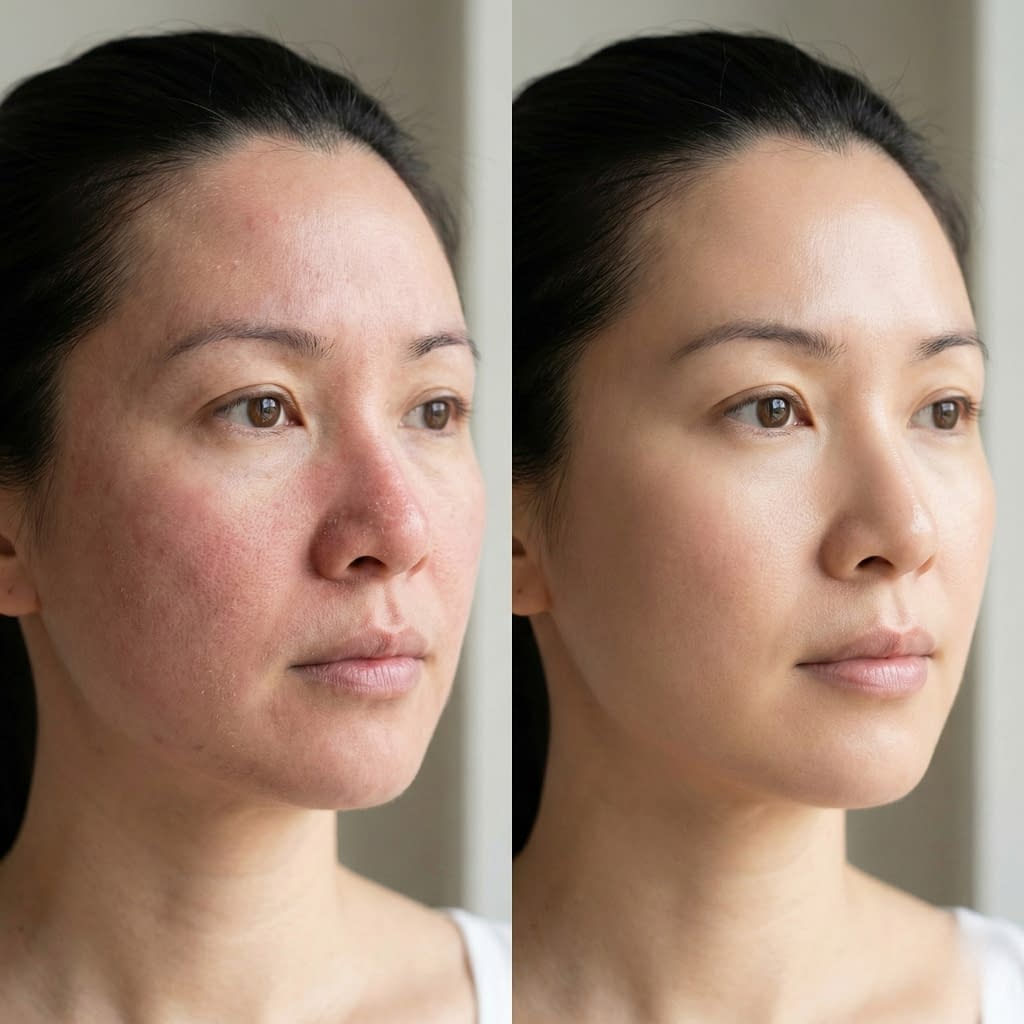
Do not exfoliate if you have:
- Sunburn
- Open wounds
- Active skin infections
- Severe irritation
- Recently had cosmetic procedures
Wait until skin is fully healed.
Final Words
Exfoliation isn’t about force — it’s about finesse. When done gently and thoughtfully, it can transform your skin’s texture and glow. But when overdone, it weakens the very barrier that keeps your skin healthy.
Start slow. Listen to your skin. Choose the right product for your needs. And remember: smooth skin comes from consistency, not intensity.


