

Exfoliating your body the right way makes skin smoother, brighter, and less bumpy — but done wrong it can cause irritation, redness, or dryness. This guide walks you through why exfoliation matters, the difference between physical and chemical methods, exactly how often to treat each body part, and step-by-step routines for arms, legs, back, chest, feet and sensitive areas. You’ll also get DIY scrub recipes that actually work, product tips, common mistakes to avoid, and how to lock in the results afterward. Ready? Let’s get into it.
Why Proper Body Exfoliation Matters
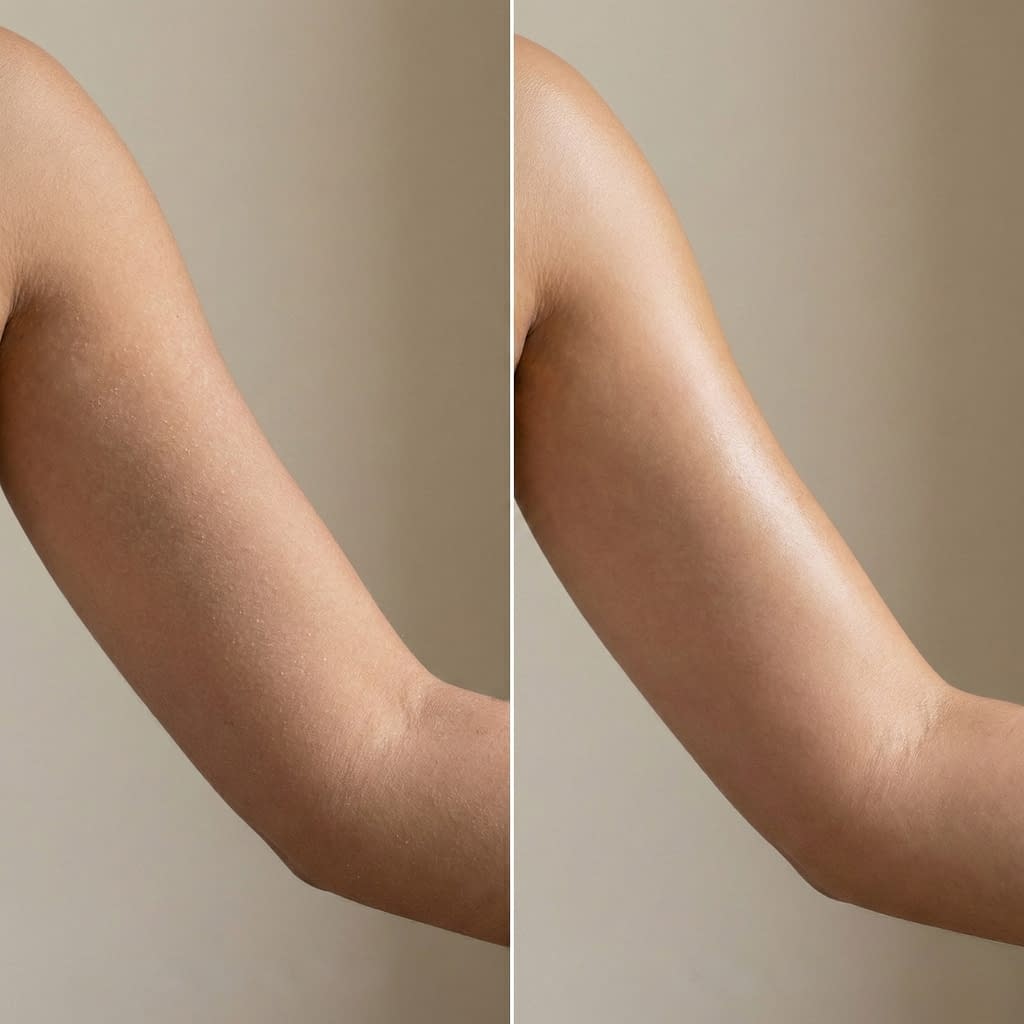
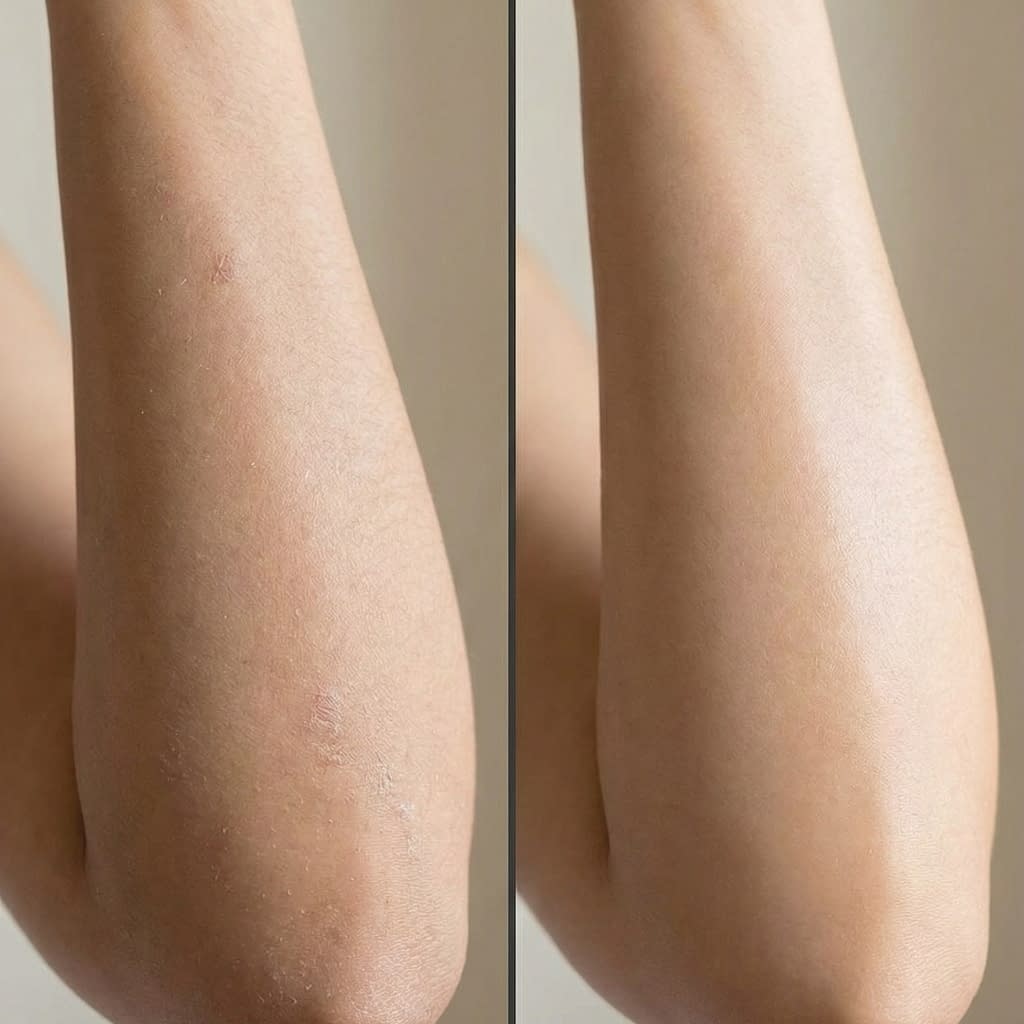
Exfoliation removes dead surface skin cells that build up and make skin look dull, rough, or bumpy (hello, strawly knees and keratosis pilaris!). When you remove that layer safely you help:
- Improve skin texture and smoothness.
- Unclog pores and prevent body breakouts.
- Make moisturizers and active treatments absorb better.
- Even skin tone and reduce rough patches (elbows, heels, knees).
The trick is to remove dead cells without stripping the skin’s natural protective barrier — which is why technique, frequency, and product choice matter more than how hard you rub.
Understanding How Exfoliation Benefits Your Skin
There are two main benefits: physical smoothing (immediate) and biological renewal (ongoing). Physical exfoliation removes the grime and dry flakes right away. Chemical exfoliation—using mild acids or enzymes—encourages the skin to shed old cells more gently and promotes faster cell turnover over weeks. Together, they keep the surface clear and the skin healthier long-term. Think of physical exfoliation as the “cleaning” step and chemical exfoliation as the “reset” for skin behavior.
Physical vs. Chemical Exfoliation: What’s Best for Your Body
Physical exfoliation (scrubs, loofahs, brushes)
- Works fast, feels satisfying, and is great for rough patches.
- Use gentle textures (sugar > salt for most of the body; fine pumice for heels).
- Avoid hard, grainy scrubs on sensitive or inflamed skin.
Chemical exfoliation (AHAs, BHAs, enzymes)
- AHAs (lactic, glycolic) loosen the bonds between dead cells — great for dryness and brightening.
- BHAs (salicylic acid) are oil-soluble and penetrate pores — great for body acne on chest/back.
- Enzymes (papaya, pineapple) are gentler and good for sensitive skin.
- Body formulations are usually lower concentration than face peels but can be very effective with less irritation.
Best approach: combine both smartly. Use a gentle physical scrub for rough areas once a week and a mild chemical exfoliant 1–2× weekly (or alternate) for overall skin renewal. Always patch-test new chemical products.
How Often You Should Exfoliate Different Body Areas
Different skin areas tolerate exfoliation differently:
- Face (if treating with body products): follow facial rules (gentle, 1–3× weekly depending on product).
- Chest and back (body acne prone): chemical BHA 1–2× per week; gentle physical only 1× weekly if needed.
- Arms and shoulders: 1× weekly physical or 1–2× weekly chemical depending on sensitivity.
- Legs: 1× weekly physical; 1–2× weekly chemical during treatment phases (e.g., for ingrown hairs).
- Hands: gentle exfoliation 1× weekly.
- Elbows/knees: 1–2× weekly gentle physical (sugar scrub or soft pumice) plus nightly moisturizer.
- Feet/heels: 1–2× weekly pumice or foot file for calluses; don’t overdo it—let skin repair between sessions.
- Sensitive areas (groin, bikini line): avoid harsh physical scrubs; use enzyme or very mild AHA topically 1× weekly max and patch-test first.
If skin becomes red, tight, or sore, reduce frequency. When in doubt, gentler and less often wins.
Preparing Your Skin Before Exfoliation
Preparation improves results and lowers irritation risk:
- Shower with warm (not hot) water for a few minutes to soften dead skin and open pores.
- Clean the area with a mild cleanser to remove oils and sweat that reduce scrub effectiveness.
- For physical scrubs, make sure the skin is damp — dry scrubbing is harsher.
- If using chemical exfoliants, follow the product instructions — some are meant for dry skin application (leave on) while others are rinse-off.
- Do a patch test 24–48 hours before trying new acids or enzyme products on larger areas.
Step-by-Step Guide to Exfoliating Arms and Shoulders
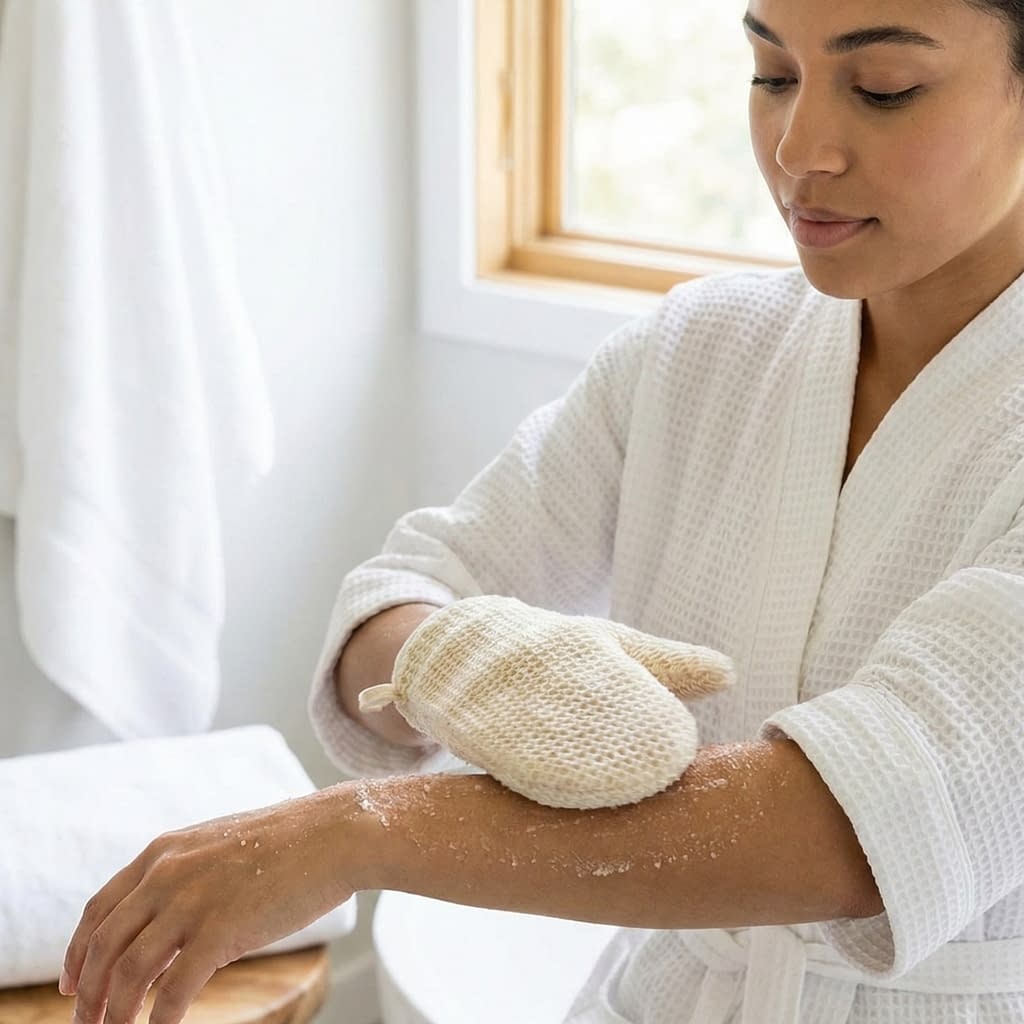
- Warm shower for 2–3 minutes.
- Use a gentle, circular motion sugar scrub or a soft body brush on damp skin for 30–60 seconds per area — don’t press hard.
- Rinse thoroughly with lukewarm water.
- Pat dry and apply a lightweight moisturizer while skin is slightly damp.
- Optional: if using a chemical body lotion/serum (AHA 5–10% lactic/glycolic), apply after drying, starting 1× weekly and increase only if tolerated.
- Protect skin from sun if the area will be exposed (chemical exfoliation can increase sun sensitivity).
How to Safely Exfoliate Legs and Feet
Legs:
- Soak or warm shower to soften skin.
- Use a sugar or gentle salt scrub on thighs and calves; use longer, gentle strokes upward toward the heart to encourage circulation. Limit time to 1–2 minutes per leg.
- Rinse and towel-dry.
- Moisturize with a richer lotion or body oil; lock it in by applying while skin is damp.
Feet & heels (rough areas):
- Soak feet 5–10 minutes in warm water (optionally with a little Epsom salt).
- Use a pumice stone or foot file gently on callused areas—don’t over-file or remove too much at once.
- For stubborn dryness, use a sugar scrub on the soles, then rinse.
- Finish with a thick occlusive cream (petrolatum or shea butter) and cover with cotton socks overnight for deep repair if needed (do this only 1–2× weekly).
Exfoliating Back and Chest Without Irritation
Backs can be tricky—acne-prone and hard to reach.
Tools & method:
- Use a long-handled soft body brush, a loofah on a handle, or a microfiber back strap.
- In the shower, apply a gentle chemical BHA lotion (salicylic acid 0.5–2%) or a rinse-off AHA-based product if you’re treating breakouts. Follow product directions for contact time.
- If using a physical scrub, keep it light and focus on rough patches only once weekly.
- After rinsing, apply a non-comedogenic moisturizer. If you’re prone to body acne, look for lightweight gels with niacinamide or hyaluronic acid rather than heavy creams.
Exfoliating Sensitive Areas Properly
Sensitive zones (bikini line, underarms, facefolds) need extra care.
Safe steps:
- Avoid physical scrubs with large grains. Instead, use enzyme cleansers or a very mild lactic acid product (low %).
- For shaving prep: use a gentle exfoliation 12–24 hours before shaving to reduce ingrown hairs (not immediately before).
- Aftercare: soothe with aloe vera or a fragrance-free, barrier-repair moisturizer. Skip fragrances and strong essential oils in these zones.
How to Moisturize and Protect Skin After Exfoliation
Moisture is everything after exfoliation. Apply a moisturizer within 2 minutes of drying to trap water in the skin. For daytime: use a lightweight lotion; for nighttime or very dry areas, use a richer cream or oil (shea, jojoba, squalane). If you used chemical exfoliants, wear SPF on exposed areas for several days — acids can increase sun sensitivity.
Also consider a barrier-repair product (look for ceramides, glycerin, panthenol) if skin tends to get red or tight.
Natural Ingredients and DIY Body Scrubs That Work
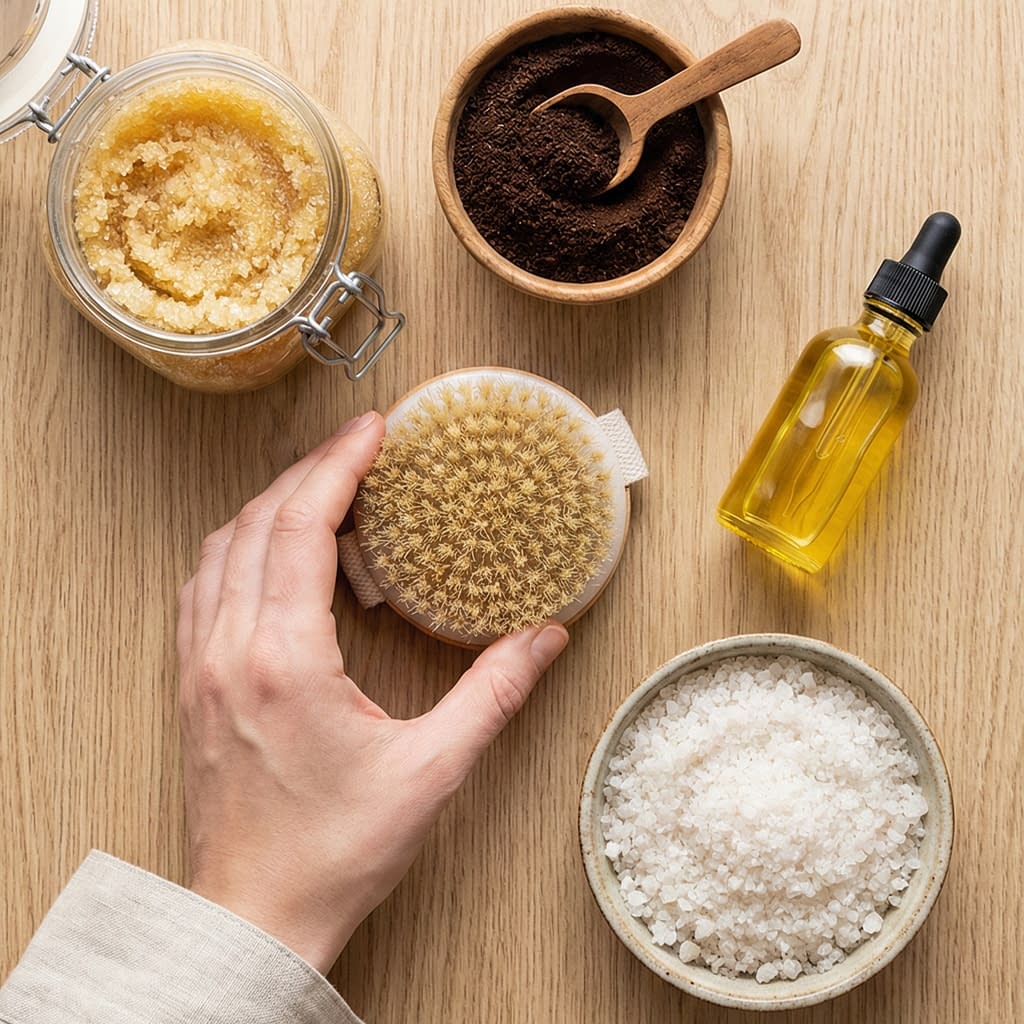
DIY scrubs can be effective and gentle if you use the right ingredients and proportions. Always patch-test and don’t use citrus/acidic fresh fruit on sun-exposed areas without caution.
Gentle sugar scrub (all-over)
- 1 cup fine sugar + 1/3 cup light oil (jojoba, sweet almond, or fractionated coconut) + 1 tsp vitamin E (optional). Mix and use once weekly. Sugar dissolves faster than salt and is gentler.
Oatmeal soothing scrub (sensitive skin)
- 1/2 cup finely ground oats + 2–3 tbsp plain yogurt or honey. Oats calm inflammation and are great for sensitive patches.
Pumice foot paste (heels)
- 1/2 cup sugar + 1/4 cup olive oil + 2 tbsp ground pumice (very small amount) — use only on soles and rinse well.
Enzyme pre-cleanse (brightening)
- Papaya or pineapple enzyme masks are available commercially; follow product time instructions and avoid applying to irritated skin.
DIY caution: don’t mix baking soda + oil on sensitive skin frequently — baking soda can be alkaline and abrasive. Avoid abrasive homemade scrubs on the face or groin. Patch-test all DIYs.
Common Mistakes That Can Damage Your Skin While Exfoliating
- Scrubbing too hard or using coarse grains on delicate skin.
- Over-exfoliating (doing full-body physical exfoliation multiple times per week).
- Using harsh acids at high concentrations without guidance.
- Exfoliating inflamed, broken, or sunburnt skin.
- Skipping moisturizer and sun protection after exfoliation.
If your skin shows redness, burning, blistering or prolonged irritation, stop and give the skin time to heal. Use a barrier repair cream and contact a dermatologist if severe.
How Exfoliation Fits Into Your Overall Skincare Routine
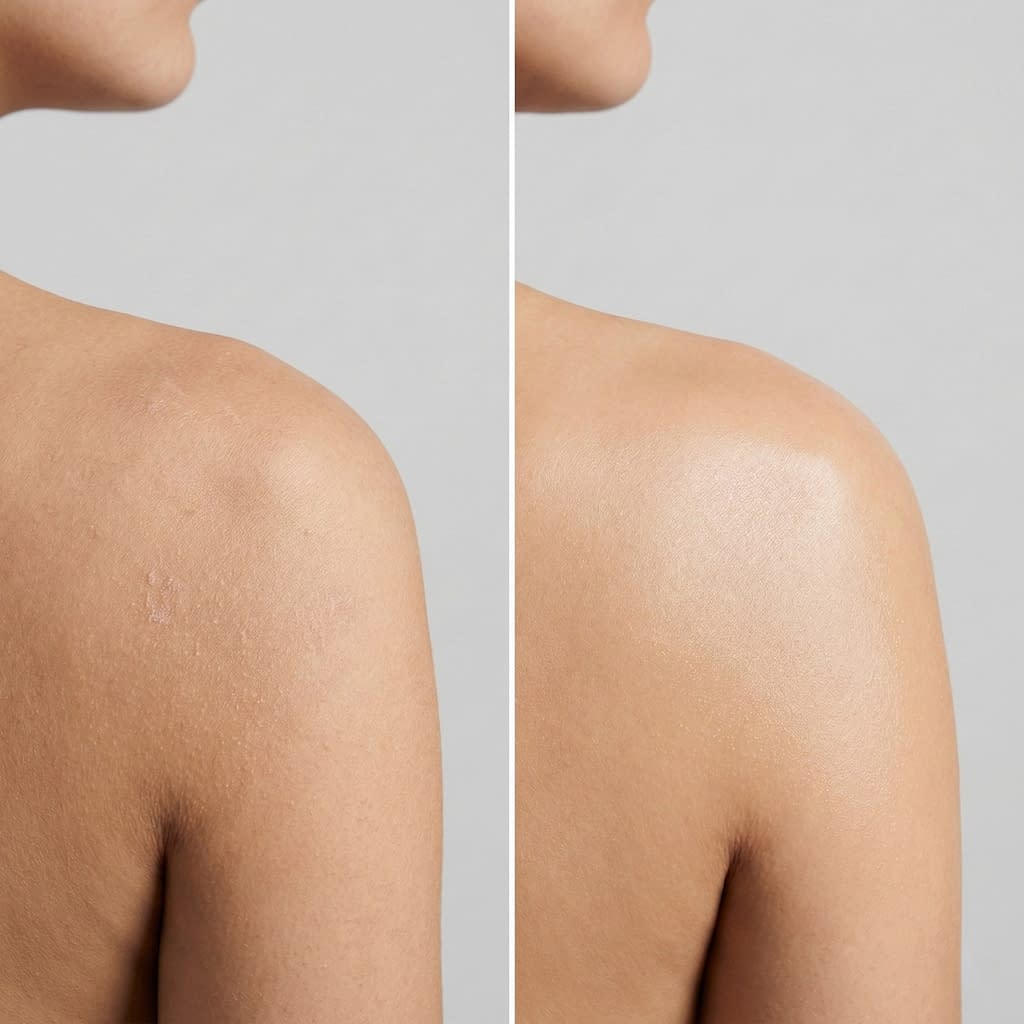
A simple weekly plan you can follow:
- Day 1: gentle body scrub on rough areas (elbows, knees, heels).
- Day 2 or 3: apply a mild chemical exfoliant product (AHA/BHA body lotion) if needed for texture or acne-prone skin.
- Daily: cleanse gently, moisturize (lock in while damp).
- Night: on the day you exfoliate physically, skip retinoids or strong actives on the same areas to reduce irritation. If you use body retinoids, alternate nights with chemical exfoliants carefully.
Final Words
Exfoliating your whole body properly is about balance: remove dead cells gently, support skin with hydration, and protect with SPF and soothing ingredients. Pick one physical scrub and one gentle chemical treatment that suit your skin, don’t overdo it, and give each area the frequency it tolerates. If you have chronic skin conditions (eczema, psoriasis, severe acne) check with a dermatologist before trying new exfoliation routines.


