

Chest acne can be annoying, uncomfortable, and frustrating when you are trying to stay consistent with workouts. You show up for your health, but your skin ends up dealing with the fallout from sweat, friction, tight clothing, and bacteria. The good news is that chest acne caused by gym gear is often manageable with a few simple changes to your routine.
This guide walks you through why it happens, how to tell it apart from other skin issues, what to wear, how to clean your skin properly, which ingredients can help, and what habits make a real difference over time. The goal is not to stop working out. It is to help your skin keep up with your training.
Why Gym Gear Can Trigger Chest Acne
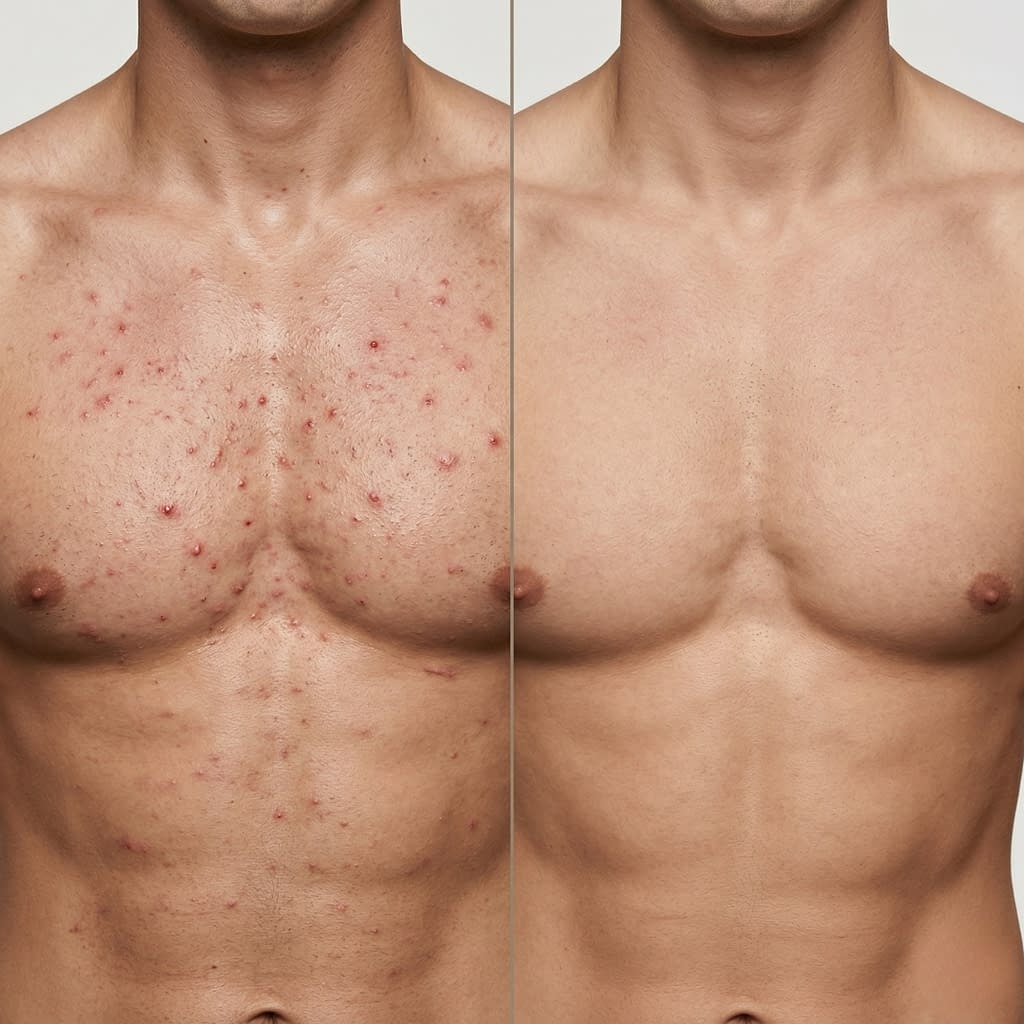
Gym gear can irritate the skin because it traps heat, sweat, and oil close to the body. When fabric presses repeatedly against the chest during exercise, pores can get clogged and inflamed more easily.
This is especially common if you wear:
- Tight tops or compression gear
- Sports bras that rub the same area repeatedly
- Synthetic fabrics that do not breathe well
- Clothing that stays sweaty after your workout
Step by step, this is what happens:
- You work out and sweat.
- Sweat mixes with oil and dead skin cells.
- Tight gear traps all of that against the skin.
- Pores get blocked.
- Breakouts form in areas where the clothing rubs most.
The solution is to reduce friction, keep skin clean, and choose clothing that lets sweat dry faster.
Friction, Sweat, and Bacteria: The Main Causes of Breakouts
These three factors work together and make chest acne more likely.
Friction irritates the skin barrier.
Sweat creates a damp environment that helps debris stick to the skin.
Bacteria can multiply more easily when skin stays warm and moist.
How to reduce all three:
- Wear breathable, moisture-wicking clothes.
- Change out of sweaty clothing quickly.
- Clean your skin soon after exercise.
- Avoid rubbing your chest with rough towels or scrubby fabrics.
- Keep gym gear clean so bacteria does not keep coming back to your skin.
When these three triggers are managed well, chest acne usually calms down much faster.
How to Tell Chest Acne Apart From Razor Bumps or Rash
Not every bump on the chest is acne. Knowing the difference helps you treat it the right way.
Chest acne usually looks like:
- Whiteheads or blackheads
- Red pimples
- Small inflamed bumps
- Sometimes deeper, tender spots
Razor bumps usually look like:
- Tiny bumps after shaving
- Itchy or irritated skin
- Spots where hair grows back inward
Rash usually looks like:
- Red patches
- Itching or burning
- Skin irritation without classic pimples
Step by step, check for clues:
- Think about what happened before the bumps started.
- If you shaved recently, it may be razor bumps.
- If the skin is red and itchy in a wide area, it may be a rash.
- If the bumps are clogged pores or pimples, it is likely acne.
- If you are not sure, keep the routine gentle and see how the skin responds.
If the area becomes painful, swollen, or spreads quickly, it is worth getting professional advice.
Workout Clothes That Help Reduce Skin Irritation
The right clothing can prevent a lot of breakouts before they even start.
Look for clothes that are:
- Moisture-wicking
- Breathable
- Soft against the skin
- Not too tight
- Free from rough seams in high-friction areas
Step by step, choose better workout clothes:
- Pick fabrics designed to move sweat away from the body.
- Choose a fit that stays in place without pressing tightly into the chest.
- Avoid thick seams that rub the same spot over and over.
- Wash workout clothes after every use.
- Keep an extra shirt in your bag so you can change immediately after training.
If your current gear leaves your chest feeling hot, sticky, or rubbed raw, it may be time to switch it out.
How Tight Gear and Poor Fabric Choices Make Acne Worse

Tight clothing is one of the biggest reasons chest acne gets worse after workouts.
Why it matters:
- It traps sweat
- It prevents airflow
- It creates repeated friction
- It keeps bacteria close to the skin
Some fabrics are also more likely to worsen breakouts because they hold moisture instead of letting it evaporate.
Step by step, reduce the damage:
- Replace very tight tops with a slightly looser fit.
- Avoid overly thick synthetic fabrics if they make you sweat more.
- Use breathable layers for long workouts.
- Do not keep sweaty clothes on after exercise.
- Pay attention to where the fabric rubs most, and change that item first.
A small clothing change can make a big difference over time.
Showering the Right Way After Exercise
How soon you shower after a workout matters.
Sweat itself is not the problem. The problem is letting it sit on your skin for too long.
A good post-workout shower routine:
- Shower as soon as you reasonably can after exercise.
- Use lukewarm water, not very hot water.
- Wash the chest gently with a mild cleanser.
- Avoid rough scrubbing.
- Pat the skin dry instead of rubbing it hard.
If you cannot shower right away, at least rinse or wipe the area with clean water and change into dry clothes quickly.
Gentle Cleansing Tips for Acne-Prone Chest Skin
The chest should be cleaned well, but not aggressively.
A harsh cleanser can strip the skin and make it more irritated. A gentle cleanser removes sweat and oil without making the skin worse.
Step by step cleansing routine:
- Use a mild, non-comedogenic body wash.
- Focus on the chest after workouts.
- Massage gently for a few seconds.
- Rinse completely.
- Pat the skin dry with a clean towel.
If your skin is sensitive, start with a gentle cleanser first and only add stronger acne products if needed.
Ingredients That Help Clear and Calm Chest Acne
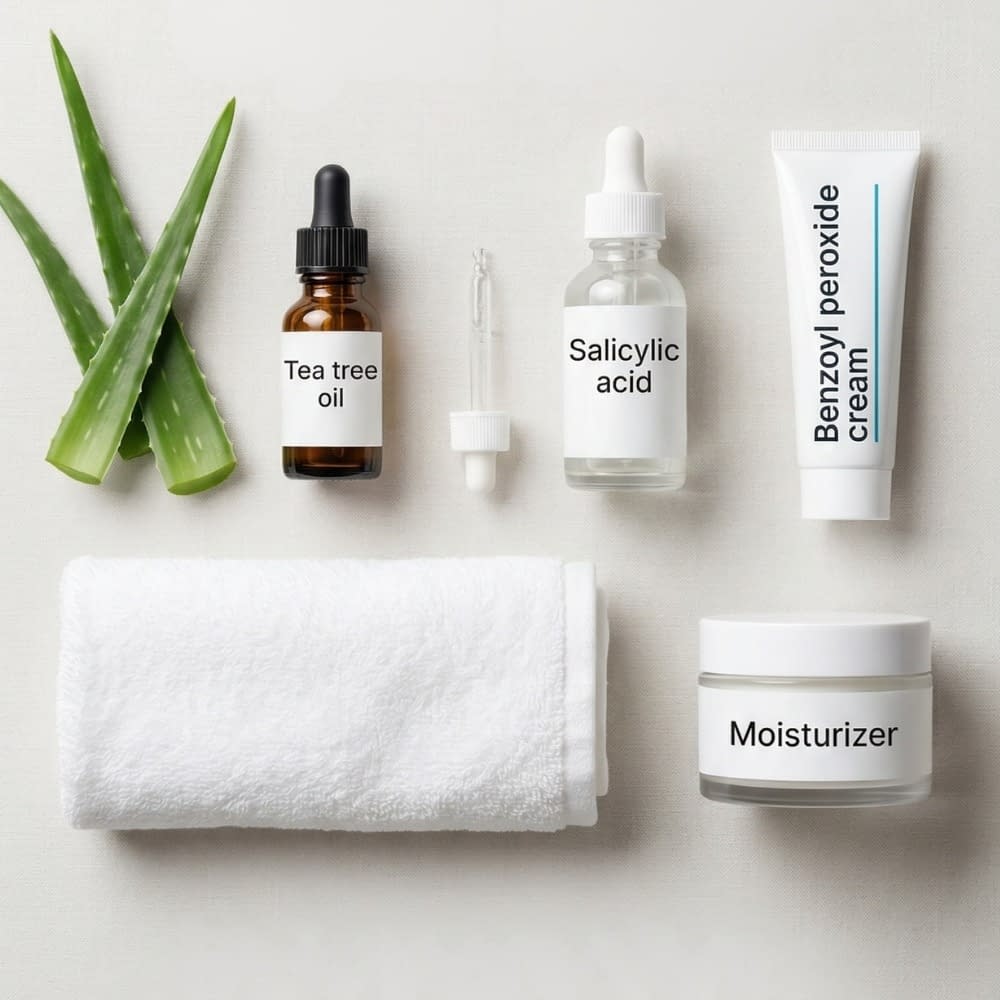
Some ingredients can help reduce breakouts and calm irritation.
Common helpful ingredients include:
- Salicylic acid to help clear clogged pores
- Benzoyl peroxide to help reduce acne-causing bacteria
- Niacinamide to help calm redness and support the skin barrier
- Aloe vera or soothing body lotions to reduce irritation
How to use them safely:
- Start with one new product at a time.
- Use it consistently, not randomly.
- Follow the directions on the label.
- Stop using it if your skin becomes very dry or irritated.
- Add a gentle moisturizer if your skin feels stripped.
A little consistency matters more than using too many products at once.
How to Prevent Sweat From Clogging Pores During Workouts
Sweat itself is normal, but letting it sit on the skin for long periods can worsen acne.
Step by step prevention tips:
- Wear sweat-friendly clothing.
- Keep a clean towel nearby during workouts.
- Wipe sweat gently instead of rubbing it across your chest.
- Avoid touching your chest with dirty hands.
- Change out of sweaty clothes right after training.
If you know you sweat heavily, planning ahead makes the biggest difference.
Cleaning Sports Bras, Shirts, and Gym Accessories Properly
Dirty clothing and accessories can keep transferring bacteria and sweat back to your skin.
Cleaning steps:
- Wash workout clothes after every use.
- Let them dry fully before wearing them again.
- Use a gentle detergent if your skin is sensitive.
- Clean gym accessories like straps, bands, or pads regularly.
- Replace clothing that stays smelly or scratchy even after washing.
If your sports bra or shirt still feels rough, tight, or damp after wear, that item may be part of the problem.
Skincare Habits to Follow Before and After the Gym

A simple routine can help prevent chest acne long term.
Before the gym:
- Start with clean skin if possible.
- Avoid thick lotions or oily body products right before workouts.
- Put on clean, breathable workout clothes.
After the gym:
- Shower or rinse as soon as you can.
- Use a gentle cleanser.
- Apply a light, non-comedogenic moisturizer if your skin feels dry.
- Change into clean clothes.
These habits are small, but they add up fast.
What to Avoid When You Already Have Chest Breakouts
If your chest is already breaking out, some habits can make it worse.
Avoid:
- Picking or squeezing pimples
- Scrubbing the area hard
- Wearing tight, sweaty clothing for too long
- Heavy oils or thick body creams on breakout-prone skin
- Skipping showers after exercise
Step by step, give the skin a break:
- Keep the area clean.
- Keep it dry when possible.
- Avoid friction.
- Use only gentle products.
- Be patient while the skin calms down.
Trying to force quick results usually makes chest acne last longer.
When Chest Acne May Need Professional Treatment
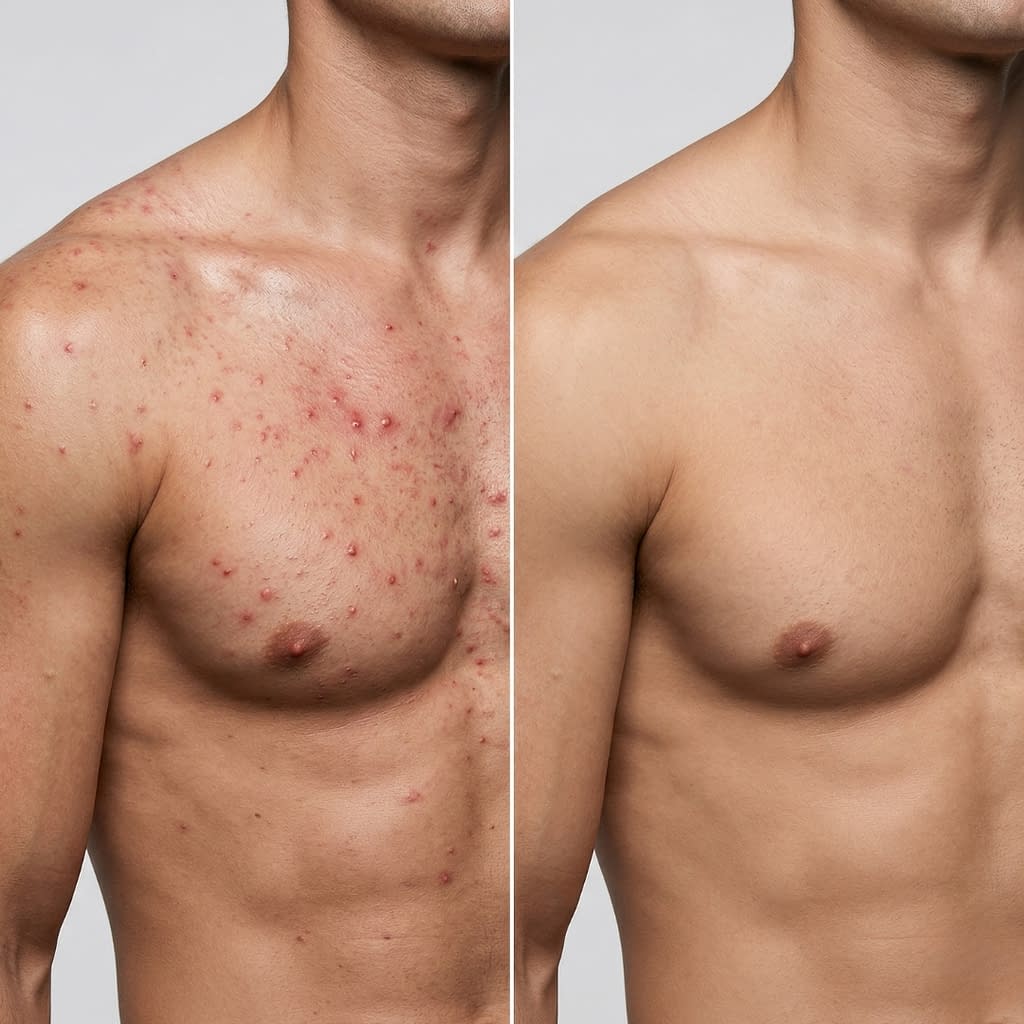
Sometimes home care is not enough.
It may be time to see a dermatologist if:
- Acne is painful or deep
- Breakouts keep returning even after changing your habits
- You notice scarring
- The acne spreads or becomes severe
- Over-the-counter products are not helping
A professional can help you figure out whether the problem is really acne, irritation, or something else.
Final Words
Chest acne caused by gym gear is frustrating, but it is often very treatable. The most effective approach is to reduce friction, manage sweat, wear better fabrics, shower soon after workouts, and keep your skin care routine simple and consistent.
You do not need a complicated routine. You need the right habits repeated over time.
If you keep your clothing clean, your skin gently cleansed, and your workouts skin-friendly, your chest can stay clearer while you stay active.


