


A bald or buzzed head can look sharp, clean, and low-maintenance, but in summer it also has one major vulnerability: it is fully exposed to the sun. Without hair to act as a barrier, the scalp can burn quickly, sometimes faster than people expect. A little time outdoors can turn into a hot, tight, painful scalp that stings when you touch it, wash it, or even lie down on a pillow.
Scalp sunburn is not just uncomfortable. It can make the skin feel dry, irritated, and overly sensitive for days. If it happens often, it can also leave the scalp more vulnerable to long-term damage. The good news is that there are clear steps you can take to cool the skin, reduce discomfort, help it heal, and prevent it from happening again.
In this guide, you will learn why bald and buzzed heads burn so easily, how to recognize scalp sunburn, what to do right away, and how to protect your head during the rest of the summer. Each section breaks the process into simple, practical steps so you can care for your scalp without making the burn worse.
Why Bald and Buzzed Heads Burn So Easily in Summer
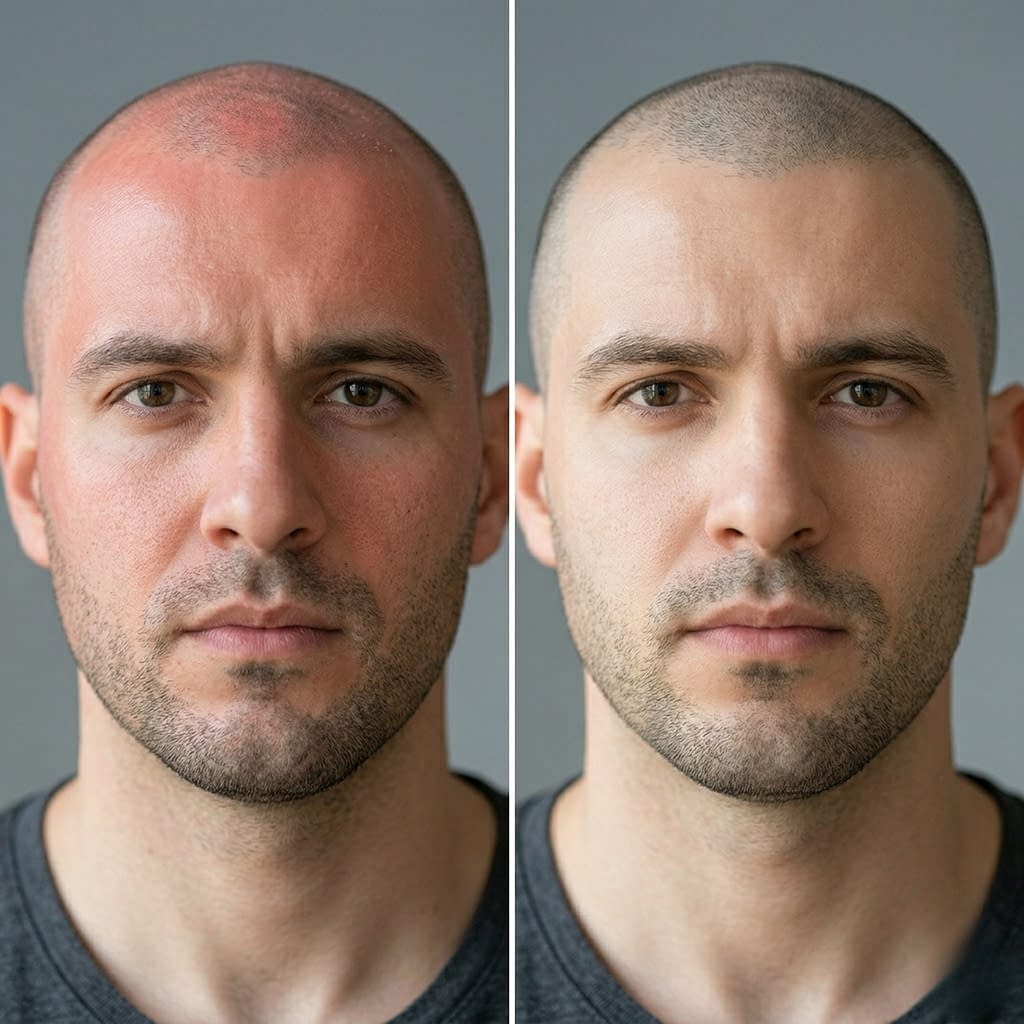
Bald and buzzed heads burn more easily because there is little or no hair to block ultraviolet rays. Hair naturally provides some shade and protection for the scalp, but when it is shaved down or clipped very short, the skin on the head is exposed directly to sunlight.
The scalp also tends to be more sensitive than people realize, especially on the top of the head where the sun hits hardest. Since many people do not regularly apply sunscreen there, the skin can become damaged quickly during outdoor activities, even on cloudy days or during short exposures.
Step by step: why the scalp burns faster
- Hair is removed or cut very short.
- The scalp loses its natural barrier from the sun.
- UV rays hit the skin directly.
- The scalp heats up and becomes inflamed.
- Burning can happen in less time than on covered skin.
That is why bald and buzzed heads need the same level of sun care as the face or shoulders, if not more.
What Scalp Sunburn Feels and Looks Like
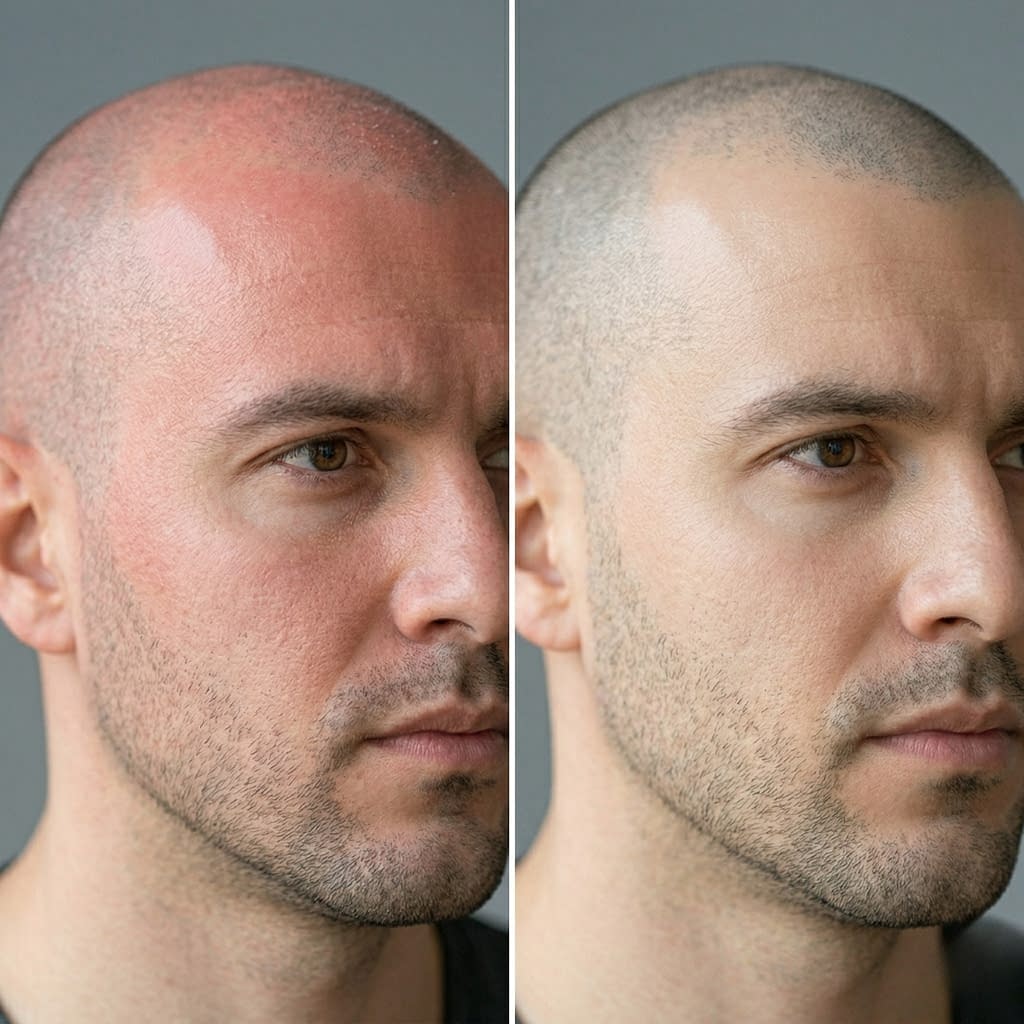
Scalp sunburn often starts with a hot, tight, or tender feeling on the top of the head. The skin may feel sore when touched, and even brushing your hand over the scalp can be uncomfortable. In some cases, the burn looks red or pink, but if you have a deeper skin tone, redness may be less obvious and the main clue may be pain, warmth, or irritation.
As the burn develops, the skin may become dry, flaky, or itchy. If it is more severe, the scalp can sting when you wash it, sweat, or wear a hat. Later, peeling may begin as the skin heals.
Step by step: what scalp sunburn may feel like
- The scalp feels unusually hot or sensitive.
- Touching the area may sting or hurt.
- Redness or darker irritation may appear.
- Dryness and tightness develop.
- Peeling or flaking may begin as the skin heals.
If your scalp suddenly feels painful after being in the sun, sunburn is a strong possibility.
Common Signs Your Scalp Is Sunburned
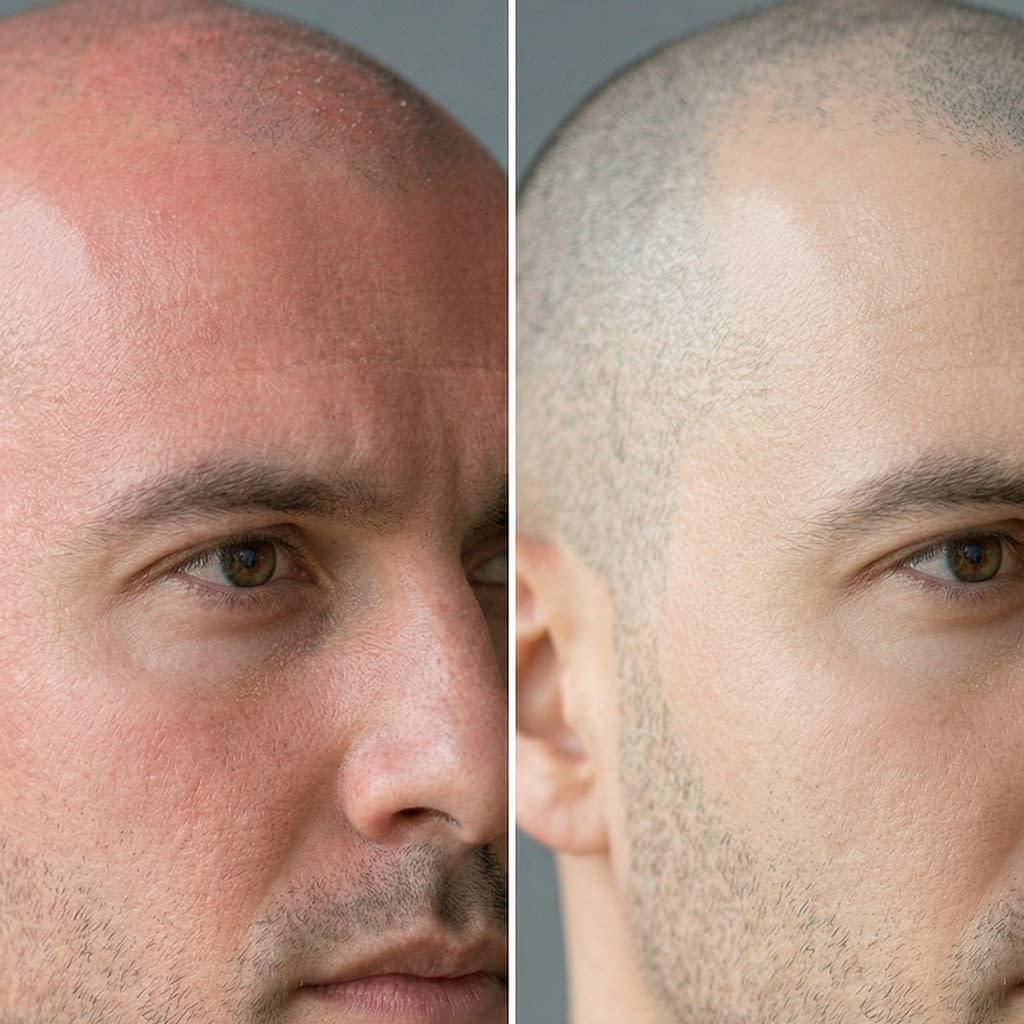
Sometimes scalp sunburn is obvious, but other times it is easy to overlook until it becomes more uncomfortable. Paying attention to early signs can help you treat it sooner.
Common signs include
- Warm or hot feeling on the top of the head
- Tenderness when touching the scalp
- Redness, pinkness, or darker irritated skin
- Itching or burning sensation
- Tight, dry, or flaky scalp
- Sensitivity when washing or combing
- Peeling a few days later
Step by step: how to check
- Feel the scalp gently with clean hands.
- Look in the mirror for redness or patches of irritation.
- Notice whether it hurts to wear a hat or rest your head.
- Pay attention to burning or stinging after sweating.
- Check again later in the day if symptoms are unclear.
The earlier you catch the burn, the easier it is to soothe.
What to Do Right After Your Scalp Gets Burned
The first few hours after scalp sunburn matter a lot. Your goal is to stop further sun exposure, reduce heat, and avoid anything that makes the skin more irritated.
Step by step: immediate care
- Get out of the sun and into shade or indoors right away.
- Gently cool the scalp with lukewarm or cool water.
- Avoid scratching, rubbing, or picking at the skin.
- Do not shave the scalp again while it is irritated.
- Start applying soothing, fragrance-free moisture if the skin can tolerate it.
Important reminders
- Do not use very cold ice directly on the skin
- Do not scrub the scalp
- Avoid strong products that sting or contain alcohol
- Keep the area clean and calm
The faster you cool and protect the scalp, the less uncomfortable the burn usually becomes.
How to Cool and Soothe an Irritated Scalp
Cooling the scalp helps reduce heat and inflammation, but it needs to be done gently. The skin is already injured, so harsh treatments can make it worse.
Safe cooling methods
- Rinse with cool water
- Use a clean, damp cloth on the scalp
- Stay in a cool indoor environment
- Let air circulate around the scalp without friction
Step by step: soothing routine
- Wet a soft cloth with cool water.
- Place it gently over the burned area for a few minutes.
- Remove it and let the scalp rest.
- Repeat as needed throughout the day.
- Keep the scalp free from heat and friction.
Helpful tips
- Avoid ice packs directly on the scalp
- Avoid hot showers or steam
- Do not cover the scalp with tight hats while it is hot and irritated
The goal is to lower temperature and calm the skin, not shock it.
Best Ways to Moisturize Sunburned Skin on the Head
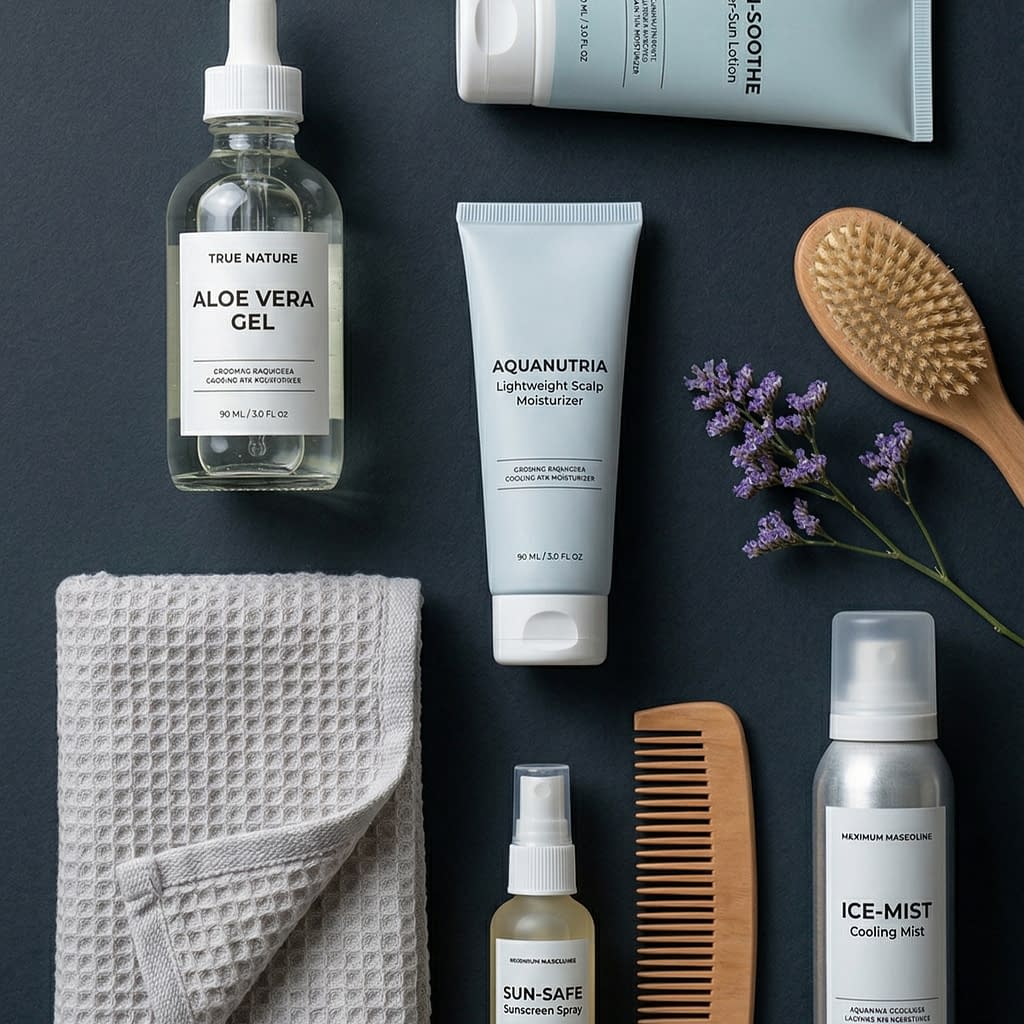
Sunburned skin loses moisture quickly, so a gentle moisturizer is important. The right product can help the scalp feel less tight and support recovery. Look for simple, soothing formulas that do not sting.
Good moisturizing options
- Fragrance-free aloe-based gels
- Lightweight soothing lotions
- Products with panthenol, glycerin, or ceramides
- Simple after-sun products designed for sensitive skin
Step by step: moisturizing the scalp
- Let the scalp cool first.
- Apply a small amount of gentle moisturizer.
- Spread it lightly over the burned area.
- Avoid heavy rubbing.
- Reapply only if the skin still feels dry or tight.
Helpful tips
- Do not use thick, greasy products that trap heat
- Avoid perfumed lotions or harsh active ingredients
- Keep layers light so the scalp can breathe
Moisture helps the scalp feel more comfortable while it heals.
What to Avoid While Your Scalp Is Healing
A sunburned scalp is vulnerable and can be irritated by common grooming habits. Avoiding the wrong things is just as important as applying soothing care.
Avoid these mistakes
- Shaving the scalp too soon
- Scratching peeling skin
- Using harsh shampoos or exfoliants
- Applying alcohol-heavy aftershaves or tonics
- Wearing tight hats that rub the scalp
- Using heat styling tools near the scalp
- Spending more time in direct sunlight
Step by step: protect healing skin
- Pause any harsh grooming.
- Switch to very gentle cleansing.
- Avoid friction from hats, helmets, or towels.
- Keep the scalp clean but not overwashed.
- Let peeling skin fall away naturally.
The less you disturb the burn, the faster it usually settles down.
How to Protect a Bald or Buzzed Head from More Sun Damage
Once the scalp is sunburned, it needs extra protection. Even after the pain eases, the skin can still be sensitive. Protecting it from more UV damage helps it heal and prevents the burn from getting worse.
Step by step: scalp protection
- Stay out of direct sun whenever possible.
- Wear a hat with enough coverage if you need to be outdoors.
- Use sunscreen on the scalp once it can be applied comfortably.
- Reapply sunscreen as directed if you stay outside.
- Avoid long exposure during peak sun hours.
Helpful tips
- Wide-brimmed hats or caps with good coverage work best
- Choose a hat that does not trap too much heat
- Make sun protection part of your normal grooming routine
A protected scalp heals more comfortably than one that keeps getting exposed.
Sun Protection Tips for Daily Summer Grooming
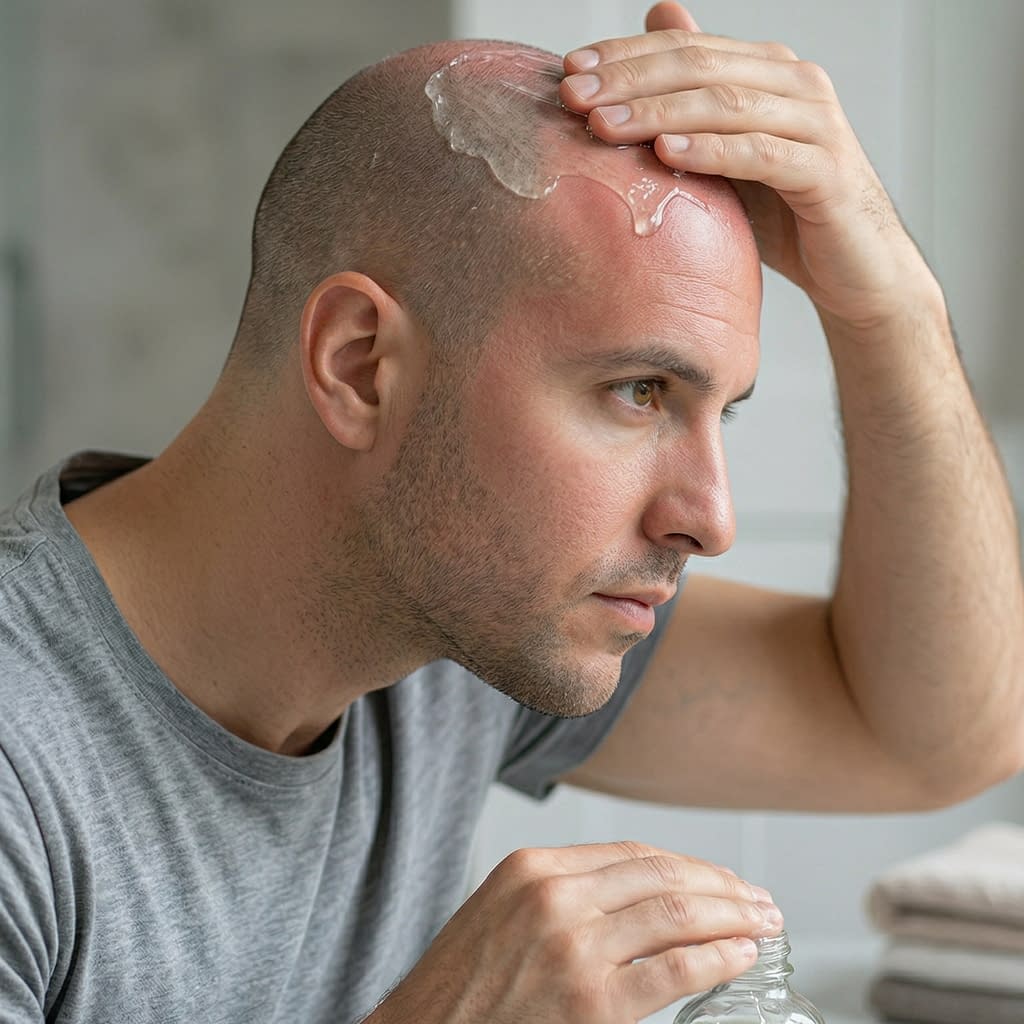
If you have a bald or buzzed head, sun protection needs to be part of everyday routine, not just beach days. The scalp is exposed every time you go out, even for short errands.
Step by step: daily sun care
- Apply broad-spectrum sunscreen to the scalp each morning.
- Make sure the top and back of the head are covered.
- Reapply if you are outside for long periods.
- Pair sunscreen with a hat for stronger protection.
- Check the scalp regularly for dryness or irritation.
Helpful tips
- Keep sunscreen near your grooming area so it becomes a habit
- Use lightweight formulas that do not feel greasy
- Do not forget the back of the scalp and around the ears
Daily care prevents a lot of pain later.
How to Prevent Scalp Sunburn at the Beach, Pool, or Outdoors
Outdoor activities are the biggest sunburn risks because the scalp gets prolonged sun exposure. Water, sand, and reflective surfaces can make UV exposure even stronger.
Step by step: outdoor prevention
- Apply scalp sunscreen before going outside.
- Wear a hat or cap when possible.
- Reapply sunscreen after swimming or heavy sweating.
- Seek shade during peak sun hours.
- Dry the scalp gently after water exposure.
Extra tips
- Water and sand reflect sunlight, so protection matters even more
- A buzzed head still needs protection, even if the hair is short
- If you are outdoors for hours, check the scalp for heat or redness during the day
Prevention is much easier than recovering from another burn.
When Scalp Sunburn Needs Extra Care
Most mild scalp sunburn improves with gentle cooling and protection, but some burns need additional care. If the burn is severe, blistered, or causing strong pain, it may require medical attention.
Watch for these signs
- Blisters on the scalp
- Severe swelling
- Strong headache or dizziness
- Fever or chills
- Nausea or dehydration
- Pain that keeps getting worse
Step by step: when to get help
- Stop all sun exposure immediately.
- Cool the scalp gently.
- Drink water to stay hydrated.
- Avoid irritating products.
- Seek medical advice if symptoms are severe or not improving.
If the scalp looks infected or the pain is intense, do not wait too long to get it checked.
Final Words
Scalp sunburn can be surprisingly painful, especially on bald or buzzed heads that have no hair to offer protection. Summer sun, heat, and outdoor activities make the scalp especially vulnerable, but with the right care, the skin can recover more comfortably and be protected from future damage.
The most important steps are to get out of the sun quickly, cool the scalp gently, moisturize with soothing products, and avoid anything that irritates the skin while it heals. Once the burn settles, make daily sunscreen and outdoor protection part of your routine so the problem does not keep coming back.
A bald or buzzed head can absolutely stay comfortable and healthy in summer. It just needs the same thoughtful care you would give any other sun-exposed part of your skin.


