

Dead skin on your face is completely normal, but when it builds up, it can leave your skin looking dull, rough, flaky, or uneven. It can also make makeup sit badly, clog pores more easily, and hide the natural glow your skin already has underneath.
The good news is that you do not need harsh scrubs or aggressive treatments to deal with it. In fact, the gentler your approach, the better your skin usually responds. The key is to remove built-up dead skin in a way that supports your skin barrier instead of irritating it.
In this guide, you will learn what dead skin actually is, why it appears, how to remove it safely, and how to keep your skin smooth and bright without overdoing exfoliation. Each section breaks the process down step by step so it is easy to follow, even if you are just starting out.
What Dead Skin Is and Why It Appears on Your Face
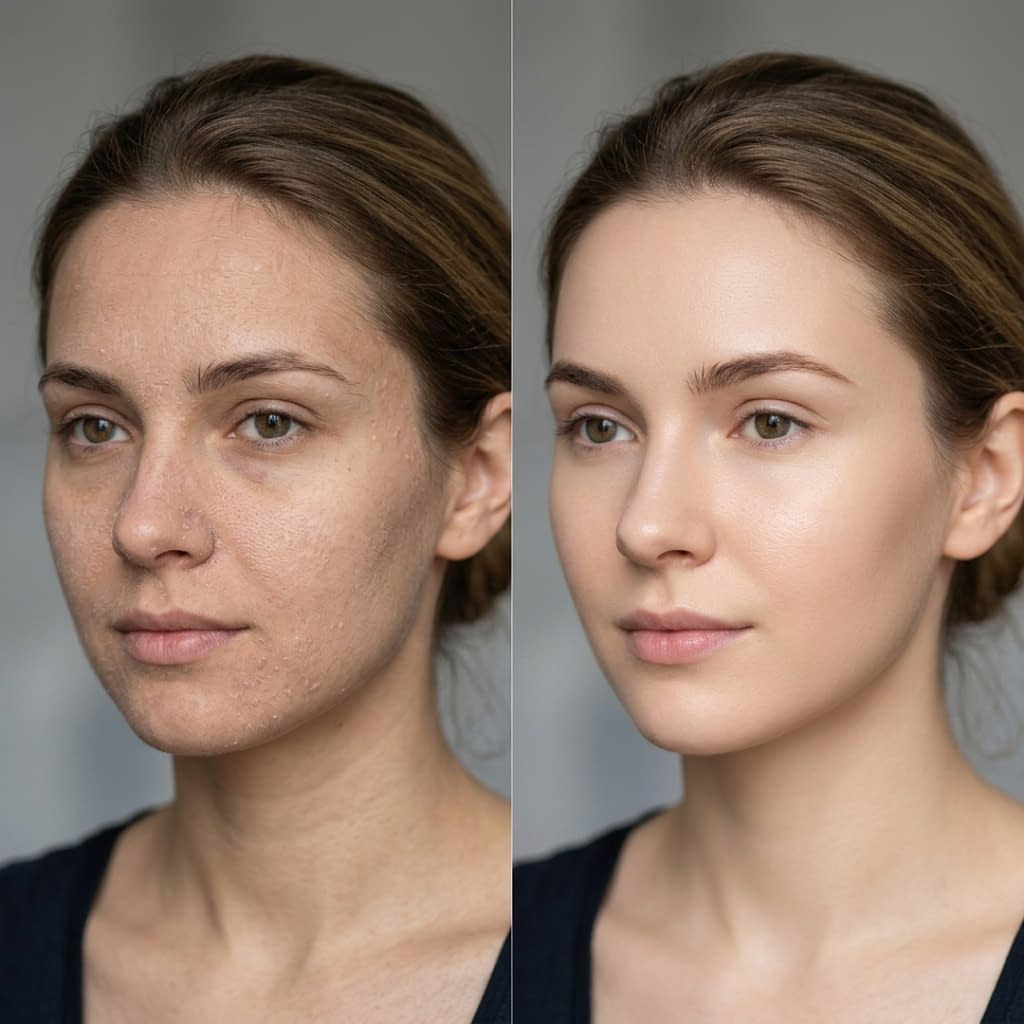
Your skin is constantly renewing itself. New skin cells form in the deeper layers, then move upward to the surface. Once they reach the top, the old cells die and eventually shed off naturally. That outer layer is made mostly of dead skin cells, and that is a normal, healthy part of your skin’s cycle.
Dead skin becomes a problem when it does not shed evenly. Instead of coming off naturally, it can sit on the surface and build up. When that happens, skin may start to look dry, patchy, or dull.
Step by step: what is happening on your skin
- New skin cells are created below the surface.
- They rise upward over time.
- Old cells reach the top and die.
- These dead cells should shed naturally.
- If shedding slows down, the dead skin stays on the face and builds up.
This buildup can happen to anyone, but it is more noticeable when skin is dry, dehydrated, irritated, or not being exfoliated in the right way.
How Dead Skin Affects Your Skin Texture and Glow
When dead skin collects on the surface, it changes the way your skin looks and feels. Instead of being smooth and fresh, it can start to feel rough or uneven. It may also keep light from reflecting evenly off the skin, which makes your face look less radiant.
Common ways dead skin affects your face
- Skin looks dull or tired
- Texture feels rough, bumpy, or flaky
- Makeup clings to dry patches
- Skincare products do not absorb as well
- Pores may look more noticeable
Step by step: why the glow disappears
- Dead skin builds up on the surface.
- Light does not reflect evenly.
- Skin looks less luminous.
- Products sit on top instead of sinking in.
- Texture becomes more visible, especially under makeup or sunlight.
A little dead skin is normal. Too much buildup is what makes skin lose that fresh, healthy look.
Signs Your Face Is Holding Onto Dead Skin

Dead skin buildup is not always obvious at first. Sometimes the signs are subtle. Other times, your skin makes it very clear that it needs gentle exfoliation.
Signs to watch for
- Flaking around the nose, mouth, or chin
- Skin that feels rough when you touch it
- Foundation or concealer looking patchy
- Products pilling on top of the skin
- Dull appearance even after moisturizing
- Small dry patches that keep returning
Step by step: how to check for buildup
- Wash your face gently.
- Pat it dry.
- Look at your skin in natural light.
- Run clean fingertips over your cheeks and forehead.
- Notice whether the surface feels smooth or rough.
If your skin looks dry but still feels bumpy, dead skin buildup may be part of the issue.
What Causes Excess Dead Skin Buildup
Dead skin is natural, but too much of it often means something is slowing down the skin’s normal shedding process.
Common causes
- Dry skin or dehydration
- Cold weather or low humidity
- Harsh cleansers
- Overwashing the face
- Skipping exfoliation completely
- Using too many strong active ingredients
- Irritation from acne products or treatment creams
- Sun exposure without proper care
Step by step: how buildup starts
- Skin becomes dry or stressed.
- The surface layer loses moisture.
- Dead cells stick more tightly to the skin.
- Shedding slows down.
- The skin looks flaky, dull, or textured.
Sometimes the issue is not that your skin is dirty. It is simply that the top layer needs help shedding in a gentle way.
The Importance of Gentle Exfoliation
Exfoliation helps remove dead skin so newer, fresher skin can show through. But gentle exfoliation matters more than aggressive scrubbing. Harsh methods can damage your skin barrier, cause redness, and make dryness worse.
Why gentle exfoliation works better
- Removes buildup without scraping the skin
- Helps smooth rough texture
- Can improve product absorption
- Makes skin look brighter over time
- Reduces the chance of irritation
Step by step: the right mindset
- Start with the mildest method possible.
- Exfoliate only as often as your skin needs.
- Watch how your skin responds.
- Adjust before irritation starts.
- Pair exfoliation with moisturizing care.
A good exfoliation routine should leave your skin looking healthier, not angry.
Physical vs Chemical Exfoliation Explained
There are two main ways to remove dead skin: physical exfoliation and chemical exfoliation. Both can work, but they are not the same.
Physical exfoliation
This uses friction to remove dead skin. Examples include soft face scrubs, cleansing brushes, washcloths, or exfoliating pads.
Chemical exfoliation
This uses ingredients that dissolve the bonds holding dead skin cells together. Examples include:
- AHAs like glycolic acid and lactic acid
- BHAs like salicylic acid
- PHAs for very gentle exfoliation
Step by step: how each works
Physical exfoliation
- You apply a scrub or use a textured tool.
- The dead skin is lifted away by movement.
- The surface feels smoother right away.
Chemical exfoliation
- You apply an acid-based product.
- The ingredient loosens dead skin cells.
- The skin sheds more evenly over time.
Chemical exfoliation is often better for sensitive, acne-prone, or uneven skin. Physical exfoliation can work well too, but only when it is very gentle.
Choosing the Right Exfoliation Method for Your Skin Type

The best method depends on your skin’s needs, not on what works for someone else.
For dry or sensitive skin
Choose very gentle chemical exfoliants like lactic acid or PHAs. Avoid rough scrubs and strong acids at first.
For oily or acne-prone skin
A mild salicylic acid product may help clear buildup inside pores while also smoothing the skin’s surface.
For normal or combination skin
You may be able to use either a mild chemical exfoliant or a soft physical exfoliant, depending on how your skin reacts.
Step by step: how to choose
- Identify your skin type.
- Think about how easily your skin gets irritated.
- Decide whether your issue is flaking, clogged pores, dullness, or rough texture.
- Start with one gentle method.
- Test it before adding anything stronger.
The safest choice is usually the simplest one.
How Often You Should Remove Dead Skin From Your Face
More exfoliation does not mean better results. In fact, over-exfoliating can make your skin worse.
General guidance
- Sensitive skin: once a week or less
- Dry skin: one to two times a week
- Oily or thicker skin: up to two to three times a week if tolerated
- If you are using strong chemical exfoliants, you may need less
Step by step: find your ideal frequency
- Start with one exfoliation session per week.
- Watch for dryness, redness, or stinging.
- If skin feels comfortable, slowly increase if needed.
- If irritation appears, reduce frequency immediately.
- Always let your skin recover between sessions.
Your skin should feel smoother, not stripped.
Gentle At-Home Ways to Remove Dead Skin
You do not need fancy treatments to care for dead skin at home. A gentle routine can do a lot.
Simple at-home methods
- Use a soft washcloth with lukewarm water
- Try a mild enzyme cleanser
- Use a gentle chemical exfoliant a few times per week
- Apply a hydrating mask that softens flaky skin
- Massage cleanser lightly to loosen surface buildup
Step by step: at-home exfoliation routine
- Wash your face with a gentle cleanser.
- Leave the skin slightly damp.
- Apply your chosen exfoliant or soft cloth.
- Use light pressure only.
- Rinse thoroughly.
- Follow with moisturizer.
The goal is to lift dead skin, not scrub it away.
Natural Ingredients That Help Remove Dead Skin Safely
Some natural ingredients can soften and loosen dead skin without being too harsh.
Helpful natural ingredients
- Oatmeal: calming and gentle
- Honey: hydrating and soothing
- Yogurt: contains mild exfoliating lactic acid
- Aloe vera: calming for irritated skin
- Papaya: contains natural enzymes that may help with mild exfoliation
Step by step: how to use natural ingredients safely
- Choose one ingredient or one simple mix.
- Apply to clean skin.
- Leave it on for a short time.
- Rinse gently.
- Moisturize afterward.
Natural does not automatically mean safe for everyone, so patch testing is still important.
Store-Bought Products That Actually Work

Well-formulated products often work more effectively than DIY methods, especially when dead skin buildup is stubborn.
Product types to look for
- Gentle AHA toners or serums
- Salicylic acid cleansers
- PHA exfoliants for sensitive skin
- Enzyme-based masks
- Moisturizing exfoliating creams
Step by step: how to choose a product
- Pick one exfoliating ingredient, not several at once.
- Avoid products with too much fragrance or harsh scrubbing particles.
- Start with a low strength.
- Use it only as directed.
- Add moisturizer afterward to support the barrier.
A product works best when it matches your skin type and is used consistently.
How to Exfoliate Without Irritating or Damaging Skin
This is the most important part. Exfoliation should help your skin, not harm it.
Key rules for safe exfoliation
- Use light pressure
- Do not exfoliate broken, sunburned, or inflamed skin
- Avoid combining too many active ingredients at once
- Do not scrub until your skin feels “squeaky clean”
- Always moisturize afterward
Step by step: the safest exfoliation process
- Cleanse gently.
- Apply your exfoliant as directed.
- Keep the process short and simple.
- Rinse or leave on only as instructed.
- Pat skin dry.
- Apply a calming moisturizer.
- Wear sunscreen during the day.
If your skin stings, burns, or stays red, the method is too strong.
Common Exfoliation Mistakes to Avoid
Many people make the same mistakes when trying to remove dead skin.
Mistakes that can make skin worse
- Scrubbing too hard
- Exfoliating every day
- Using multiple exfoliating products together
- Ignoring moisturizer
- Picking at flakes with fingers
- Using harsh tools on sensitive skin
- Forgetting sunscreen after exfoliation
Step by step: how to avoid damage
- Choose one exfoliation method.
- Use it less often than you think you need.
- Give your skin time to recover.
- Keep your routine gentle.
- Protect your skin from the sun.
When in doubt, do less.
What to Do After Removing Dead Skin
What you do after exfoliating matters just as much as the exfoliation itself. Freshly exfoliated skin is more open to hydration, but also more vulnerable to irritation.
Best aftercare steps
- Apply a gentle moisturizer
- Use hydrating ingredients like glycerin or hyaluronic acid
- Avoid strong actives immediately after
- Wear sunscreen during the day
- Keep your routine calm and simple
Step by step: post-exfoliation care
- Rinse or finish exfoliating as directed.
- Pat skin dry gently.
- Apply a soothing moisturizer.
- Add a barrier-supporting cream if needed.
- Protect skin with SPF the next morning.
Think of aftercare as part of the treatment, not an optional extra.
How Long It Takes to See Smoother, Brighter Skin
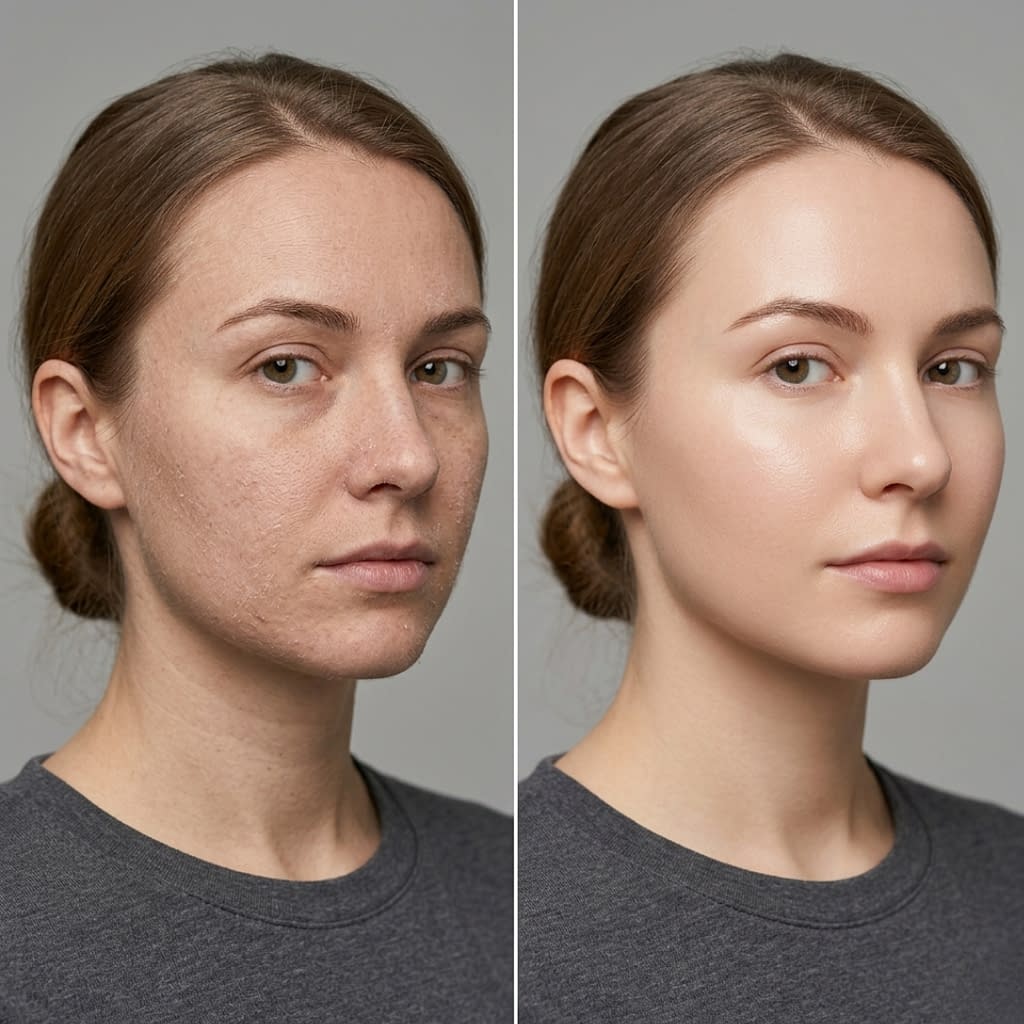
Results depend on how much buildup you have and what method you use. Some people notice a smoother feel immediately after gentle exfoliation, while brighter, more even-looking skin may take a little longer.
Typical timeline
- Immediate: skin may feel softer after one session
- A few days: dryness and roughness may start to improve
- One to two weeks: more noticeable smoothness and glow
- Several weeks: better texture with consistent care
Step by step: how to track progress
- Take note of how your skin feels before starting.
- Use the same gentle routine consistently.
- Watch for changes in texture and brightness.
- Do not overdo it just to speed up results.
- Adjust your routine based on comfort and improvement.
Patience matters. Skin usually responds best to steady, consistent care.
Final Words
Getting rid of dead skin on your face does not have to be harsh, complicated, or painful. The best results usually come from gentle exfoliation, the right products, and a routine that respects your skin barrier.
Instead of scrubbing harder or exfoliating more often, focus on what your skin actually needs: mild removal, deep hydration, and enough time to recover. Once you find the right balance, your skin can look smoother, brighter, and healthier without feeling irritated or stripped.
The simplest routine is often the one that works best. Be gentle, stay consistent, and let your skin glow naturally.


