


Heat bumps on the back can show up at the worst possible time. One day your skin feels fine, and the next it feels prickly, itchy, irritated, or covered in tiny raised bumps that seem to get worse with sweat and heat. Summer weather, tight clothing, long hours outdoors, and even simple things like sitting in a hot car or sleeping on warm sheets can all make the problem feel more noticeable.
The good news is that heat bumps are usually manageable with calm, gentle care. The goal is not to scrub them away or attack the skin with strong products. In fact, the fastest way to make them worse is often to irritate the skin more. What your back usually needs is cooling, cleansing, friction reduction, and a routine that helps the skin breathe again.
In this guide, you will learn what heat bumps are, why they appear more often in summer, how to tell whether your rash is heat-related, and what you can do to soothe the skin quickly and gently. Each section is broken down into simple, practical steps so you can feel more comfortable as soon as possible.
What Heat Bumps on the Back Are
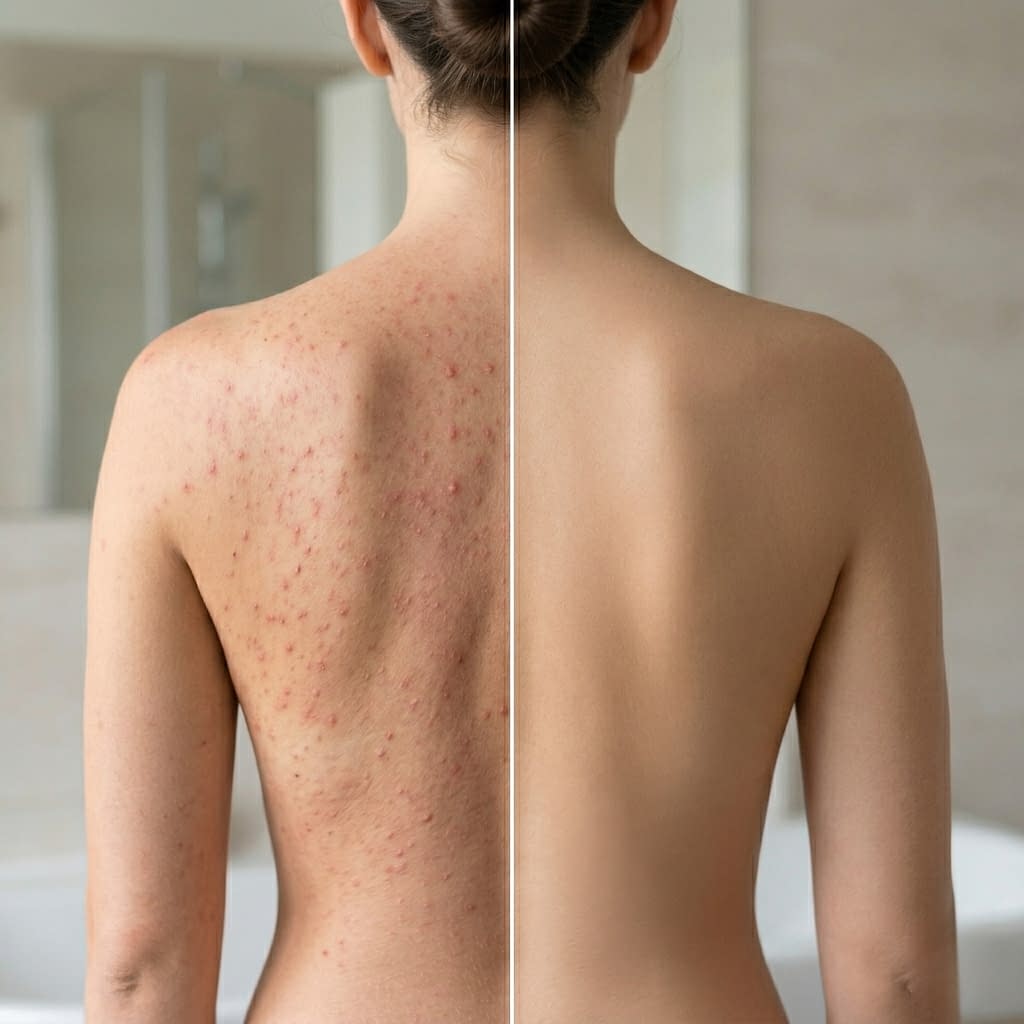
Heat bumps are small raised spots that can appear when the skin gets hot, sweaty, and irritated. They often happen when sweat becomes trapped near the skin surface or when the skin is exposed to too much heat and friction. On the back, this can show up as tiny bumps, redness, prickly discomfort, or a rash-like texture.
These bumps are often mild, but they can feel very annoying because the back is an area that rubs against shirts, chairs, backpacks, and bedding. Since you cannot easily see or reach the area, it can also be harder to tell what is going on until the discomfort becomes noticeable.
Step by step: what is happening to the skin
- The body heats up.
- Sweat increases to help cool the skin.
- Sweat gets trapped or the skin stays too warm for too long.
- The skin becomes irritated and bumpy.
- Redness, itchiness, or prickly discomfort appears on the back.
Heat bumps are usually a sign that the skin needs to cool down and recover, not that it needs harsh treatment.
Why Heat Bumps Show Up More in Summer
Summer creates the perfect conditions for heat bumps to appear. Higher temperatures, humidity, sweat, and more time spent outdoors all make the skin work harder to stay cool. When sweat cannot evaporate properly, it can collect on the skin and make the back feel irritated.
Summer clothing can also play a role. Sleeveless shirts, athletic gear, swimwear, backpacks, or even car seat friction can increase irritation on the back. If the skin is already hot and sweaty, those extra layers of pressure and rubbing can make bumps more likely.
Step by step: why summer causes more bumps
- Air temperature rises.
- Sweat production increases.
- Humidity slows down evaporation.
- Friction from clothes and movement adds irritation.
- Heat bumps become more visible and uncomfortable.
The combination of heat and trapped moisture is what usually causes the problem to flare up.
Common Causes of Back Heat Bumps
There is not always one single cause. Heat bumps on the back usually come from a combination of factors that trap heat or irritate the skin.
Common causes include
- Sweating heavily in hot weather
- Wearing tight or non-breathable clothing
- Not showering after sweating
- Friction from backpacks, straps, or seats
- Oily skin products that clog pores
- Sleeping in a hot environment
- Staying in damp or sweaty clothes too long
Step by step: how bumps begin
- The back gets sweaty.
- Sweat and heat stay trapped against the skin.
- Pores or sweat ducts become irritated.
- The skin reacts by forming bumps or redness.
- More heat or friction makes the issue worse.
Once you identify the main trigger, it becomes easier to reduce flare-ups.
Signs Your Back Rash Is Heat Related

Heat bumps can look a little different from person to person, but there are common clues that point toward heat as the cause.
Signs to watch for
- Small raised bumps across the back
- Prickly, stinging, or itchy feeling
- Redness or blotchy patches
- Skin that feels warmer than usual
- Bumps that get worse after sweating
- Improvement when the skin cools down
Step by step: how to check
- Notice whether the rash started after heat, exercise, or sweating.
- Look for small bumps rather than deep swelling.
- Pay attention to whether the area feels prickly or itchy.
- See if it improves in a cooler environment.
- Watch whether it gets worse after friction or more sweating.
If the rash is painful, spreading quickly, blistering, or accompanied by fever or severe discomfort, it may need medical attention rather than simple home care.
How to Cool the Skin and Reduce Irritation
Cooling the skin is one of the fastest ways to feel better. The goal is to bring the body temperature down gently and calm the irritated area without shocking the skin.
Step by step: cooling routine
- Move to a cooler place or out of direct sun.
- Change out of sweaty clothes immediately.
- Use a cool shower or rinse the back with lukewarm water.
- Pat the skin dry with a soft towel.
- Let the skin air out for a little while if possible.
Helpful tips
- Do not use very cold ice directly on the skin
- Avoid hot showers, steam, or heavy sweating
- Choose loose, breathable clothing after cooling the area
A cooler, drier environment gives the skin a better chance to settle down.
The Best Ways to Cleanse Your Back Gently
Cleansing helps remove sweat, dirt, and product buildup, but the wrong cleanser can make irritation worse. Your back needs a gentle approach that cleans without stripping the skin.
Step by step: gentle cleansing
- Use a mild, fragrance-free body cleanser.
- Wash with lukewarm water, not hot water.
- Use your hands or a very soft cloth instead of scrubbing hard.
- Rinse thoroughly so no residue remains.
- Pat dry instead of rubbing.
Helpful tips
- Avoid rough loofahs or harsh body scrubs while the skin is irritated
- Shower after heavy sweating when possible
- Do not over-wash, which can dry and irritate the skin further
The aim is clean skin, not squeaky or stripped skin.
Ingredients That Help Calm Heat Bumps Fast
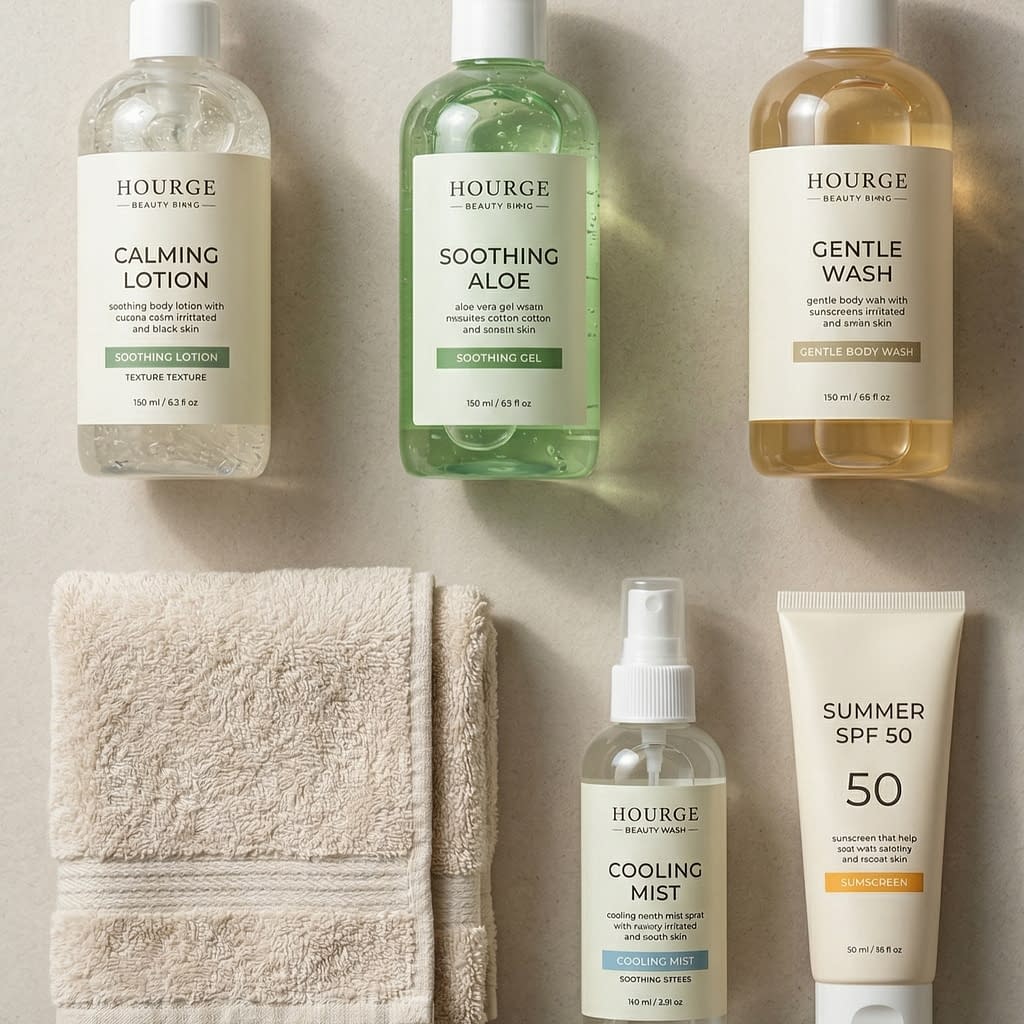
The best ingredients for heat bumps are usually soothing, lightweight, and non-irritating. You want products that calm the skin and support recovery without clogging pores or causing more heat to build up.
Helpful ingredients
- Aloe vera for cooling and soothing
- Colloidal oatmeal for calming irritation
- Panthenol for skin comfort
- Glycerin for light hydration
- Ceramides for barrier support
- Niacinamide in gentle formulas for skin balance
- Lightweight fragrance-free lotions or gels
Step by step: how to use them
- Cool and cleanse the skin first.
- Apply a soothing product to clean, dry skin.
- Use a thin layer so the skin can breathe.
- Reapply if the skin feels dry or tight.
- Stop using anything that stings or makes the bumps worse.
Simple, gentle ingredients usually work better than heavy or strongly fragranced products.
How to Prevent Friction and Sweat Buildup
Heat bumps often get worse when sweat stays on the skin or when clothing keeps rubbing the same area. Reducing friction can make a major difference.
Step by step: reduce friction
- Wear loose, breathable clothing.
- Change out of sweaty shirts as soon as possible.
- Avoid long periods with backpacks or tight straps on irritated skin.
- Choose soft fabrics that let air flow.
- Sleep on breathable sheets if nighttime heat is a problem.
Helpful tips
- Cotton and moisture-wicking fabrics usually work better than thick synthetics
- If you work out, shower and change soon afterward
- Keep the back as dry as possible during recovery
Less friction means less irritation and fewer new bumps.
What to Avoid When Treating Back Heat Bumps
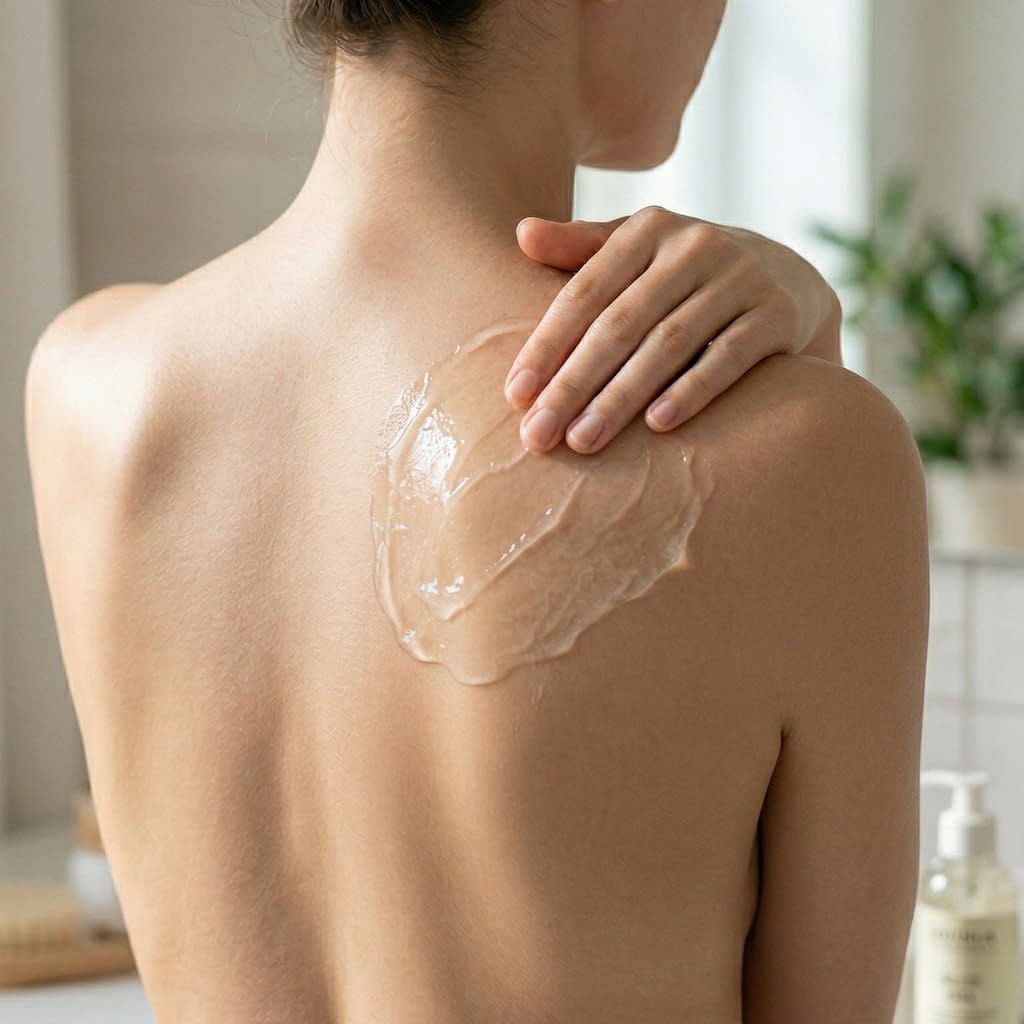
Some common habits can make heat bumps last longer or feel worse. The skin on the back needs space to calm down.
Avoid these mistakes
- Scrubbing the bumps hard
- Using harsh exfoliating products too soon
- Applying thick, greasy lotions
- Picking or scratching the bumps
- Staying in sweaty clothes
- Using very hot water
- Applying heavily fragranced products
Step by step: protect the skin
- Stop any rough scrubbing.
- Use only mild products.
- Keep the area cool and dry.
- Avoid touching or scratching.
- Give the skin time to recover before introducing stronger products.
When the skin is irritated, less is usually more.
How to Soothe Itchy or Inflamed Skin
Itchiness is one of the most uncomfortable parts of heat bumps. The temptation is to scratch, but that often makes the problem worse. Gentle soothing is the better path.
Step by step: itch relief
- Cool the area with lukewarm or cool water.
- Apply a calming product such as aloe or oatmeal-based lotion.
- Wear loose clothing that does not rub the back.
- Keep nails short and avoid scratching.
- Use a soft, clean towel to pat the area if it gets sweaty.
Helpful tips
- Do not scratch even if the itch is strong
- Try cooling the area before applying anything else
- Keep the routine simple and soothing
If the skin becomes increasingly red, painful, or swollen, it may need a medical evaluation.
Daily Habits That Help Stop Heat Bumps from Coming Back
Once the skin starts to improve, a few daily habits can help keep the bumps from returning. The goal is to reduce heat, sweat buildup, and friction before they become a problem again.
Step by step: daily prevention routine
- Shower after sweating or exercising.
- Change out of damp clothes quickly.
- Use breathable fabrics during hot weather.
- Keep the back clean and lightly moisturized.
- Avoid heavy products that trap heat.
Helpful habits
- Air out the back when possible
- Keep bedding and clothing clean
- Use gentle skincare instead of harsh treatments
- Pay attention to early signs of irritation before it flares up
Consistency matters more than quick fixes. The skin usually stays calmer when it is not repeatedly overheated or rubbed.
When to Seek Extra Help for Persistent Bumps
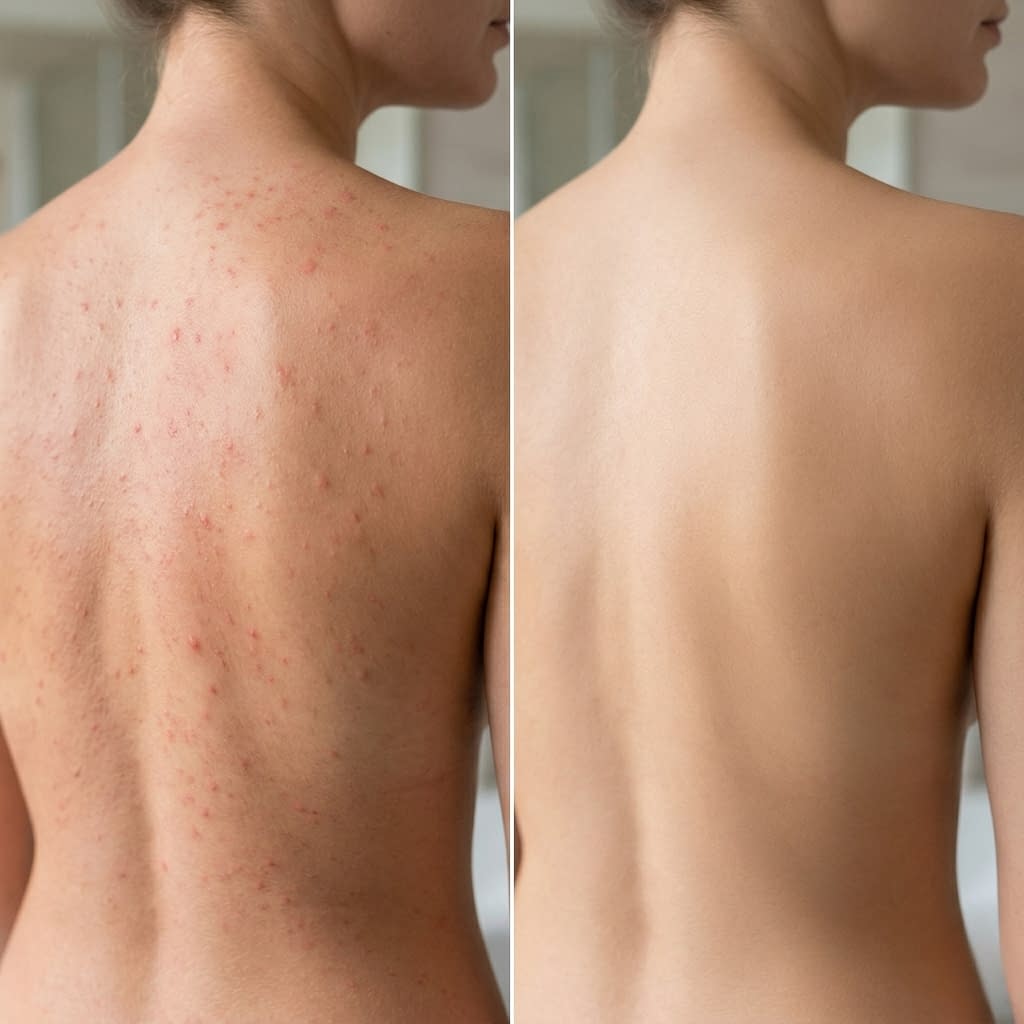
Most heat bumps improve with gentle care, but sometimes the rash does not go away quickly or may be caused by something else. That is when extra help is a good idea.
Seek help if you notice
- Bumps that keep getting worse
- Severe pain or swelling
- Blisters or open skin
- Fever or feeling unwell
- Signs of infection such as pus, spreading redness, or warmth
- A rash that does not improve after cooling and gentle care
Step by step: what to do
- Stop using harsh products on the area.
- Keep the skin clean and cool.
- Avoid scratching or rubbing.
- Monitor whether symptoms are improving.
- Speak with a healthcare professional if the rash persists or becomes severe.
It is always better to get persistent or worsening skin problems checked rather than guessing.
Final Words
Heat bumps on the back can be uncomfortable, but they are usually manageable when you focus on cooling, gentle cleansing, moisture control, and reducing friction. The skin often needs a break from heat and sweat more than it needs aggressive treatment. When you keep the area clean, dry, and soothed, it can calm down much faster.
The best approach is simple: cool the skin, cleanse gently, use calming ingredients, avoid rough scrubbing, and make a few daily changes that prevent heat and sweat from building up again. With patience and the right care, most heat bumps improve without needing anything harsh.
If your back skin is irritated, be kind to it. Gentle steps often bring the fastest relief.


