

Sunspots on the cheeks can be frustrating because they often seem to appear slowly, then suddenly become much more noticeable in bright summer light. One day your skin looks fairly even, and the next you may notice small brown patches, uneven tone, or darker areas that seem to stand out more than before. While sunspots are very common, especially after repeated sun exposure, that does not mean you have to simply accept them as permanent.
The good news is that sunspots can often be improved with the right skincare routine, daily sun protection, and a little patience. The most important thing to understand is that sunspots do not usually fade overnight. They respond best to consistent care that helps protect the skin from more UV damage while gradually brightening the look of existing discoloration.
In this guide, you will learn what sunspots are, why they often appear on the cheeks, how summer makes them worse, and what you can do to help fade them while preventing new ones from forming. You will also learn which ingredients, habits, and treatments can support brighter, more even-looking skin without over-irritating it.
What Sunspots on Cheeks Are and Why They Appear
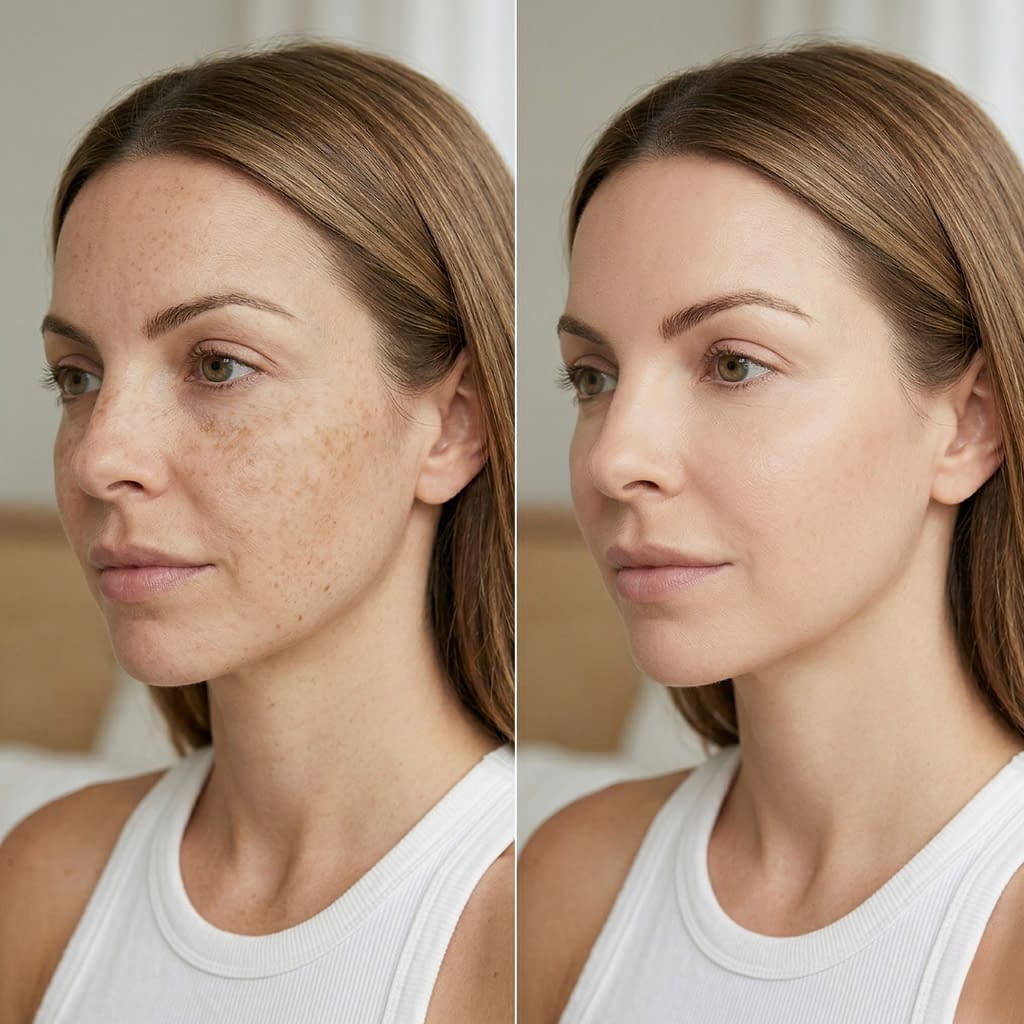
Sunspots are flat areas of darker skin that develop after repeated exposure to ultraviolet light. They are also sometimes called age spots, liver spots, or solar lentigines. On the cheeks, they often show up because this area gets a lot of sun exposure over time, even on normal everyday days when you are not intentionally tanning.
When the skin is exposed to UV light, it produces more melanin as a defense mechanism. Melanin is the pigment that gives skin its color. If this process happens repeatedly or unevenly, small areas of the skin can become darker than the surrounding skin. Over time, those darker patches may remain visible even when you are no longer in the sun.
Step by step: how sunspots form
- UV rays hit the skin.
- The skin produces more melanin to protect itself.
- Repeated exposure causes pigment to build up in certain spots.
- The skin does not shed the excess pigment evenly.
- Dark patches stay visible on the cheeks.
Sunspots are not usually dangerous, but they can make the skin tone look uneven and older or more tired than you want it to look.
Why Summer Sun Makes Sunspots Darker and More Noticeable
Summer sun tends to make sunspots more obvious because UV exposure increases. When the sun is stronger and you spend more time outdoors, the pigment in existing spots can deepen and become more visible. Even if the spots were already there, summer often makes them stand out more sharply against the surrounding skin.
Heat can also play a role. In hot weather, people may sweat more and apply less makeup or protection, which leaves skin even more vulnerable. The result is that old sunspots look darker, and new ones can start to form faster if the skin is not protected properly.
Step by step: why summer worsens sunspots
- UV intensity increases during sunny months.
- Skin produces more pigment in response.
- Existing spots absorb more UV and darken.
- New spots develop more easily.
- The contrast between spot and surrounding skin becomes stronger.
This is why summer is the time to be extra serious about prevention.
Common Causes of Sunspots on the Cheeks
Sunspots usually do not appear from one single incident. They are the result of repeated exposure and ongoing skin stress over time.
Common causes include
- Too much sun exposure without sunscreen
- Skipping sunscreen on cloudy days
- Not reapplying sunscreen throughout the day
- Tanning beds or artificial UV exposure
- Inconsistent skin protection over the years
- Sun damage after inflammation or irritation
- Hormonal changes that affect pigmentation
- Genetics and skin type
Step by step: how they build up
- Skin gets exposed to UV repeatedly.
- Pigment-producing cells become more active.
- Melanin collects unevenly in the cheeks.
- Dark spots become visible.
- Further sun exposure deepens the color.
Even small amounts of daily exposure matter because sun damage adds up over time.
Early Signs That Sunspots Are Getting Worse
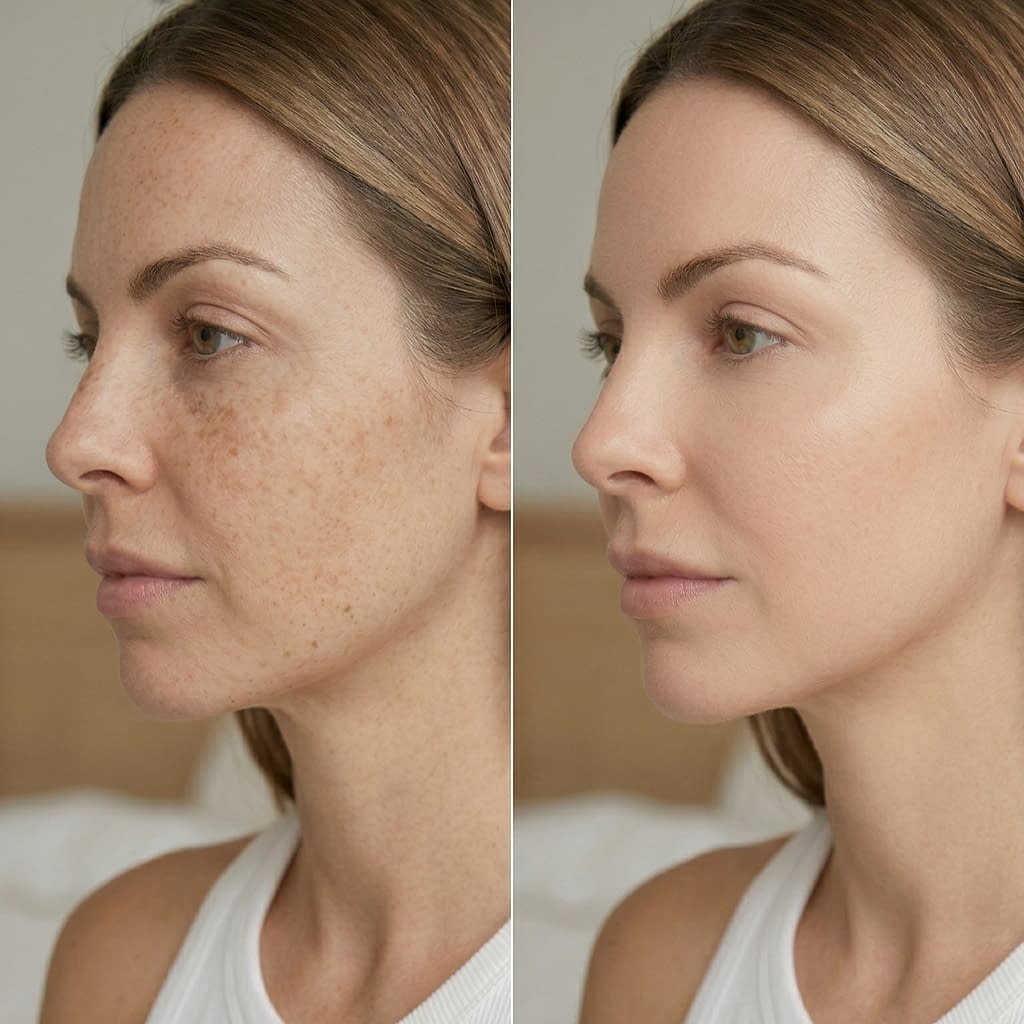
Recognizing changes early can help you respond before the spots become more stubborn. Sunspots often do not disappear on their own, but early action can keep them from darkening further.
Warning signs to watch for
- Spots look darker after time in the sun
- New small spots begin appearing on the cheeks
- Existing spots look larger or more defined
- Skin tone becomes less even overall
- Spots remain visible even when skin is moisturized
- More contrast appears between the spots and surrounding skin
Step by step: how to monitor changes
- Check your cheeks in natural daylight.
- Compare current skin tone with old photos if needed.
- Notice whether spots darken after outdoor exposure.
- Watch for new patches appearing in the same areas.
- Pay attention to whether the spots become more noticeable in summer.
If the spots are changing quickly or looking unusual, it is always wise to have them checked by a dermatologist.
How to Protect Your Skin from UV Damage Every Day
Daily UV protection is the single most important step in preventing sunspots from getting worse. Even if you are already treating dark spots, new UV exposure can undo your progress.
Step by step: daily UV protection routine
- Apply sunscreen every morning, even if the weather is cloudy.
- Use enough product to cover the face evenly.
- Make sure the cheeks, nose, and upper face are fully protected.
- Reapply sunscreen during the day, especially if you are outdoors.
- Add physical protection such as sunglasses, hats, or shade when possible.
Extra protection habits
- Sit in the shade when you can
- Avoid direct peak sunlight for long periods
- Use products with broad-spectrum protection
- Include sunscreen in your routine even on quick errands
Consistency matters more than intensity here. A little protection every day goes a long way.
Best Skincare Ingredients to Fade Sunspots Faster
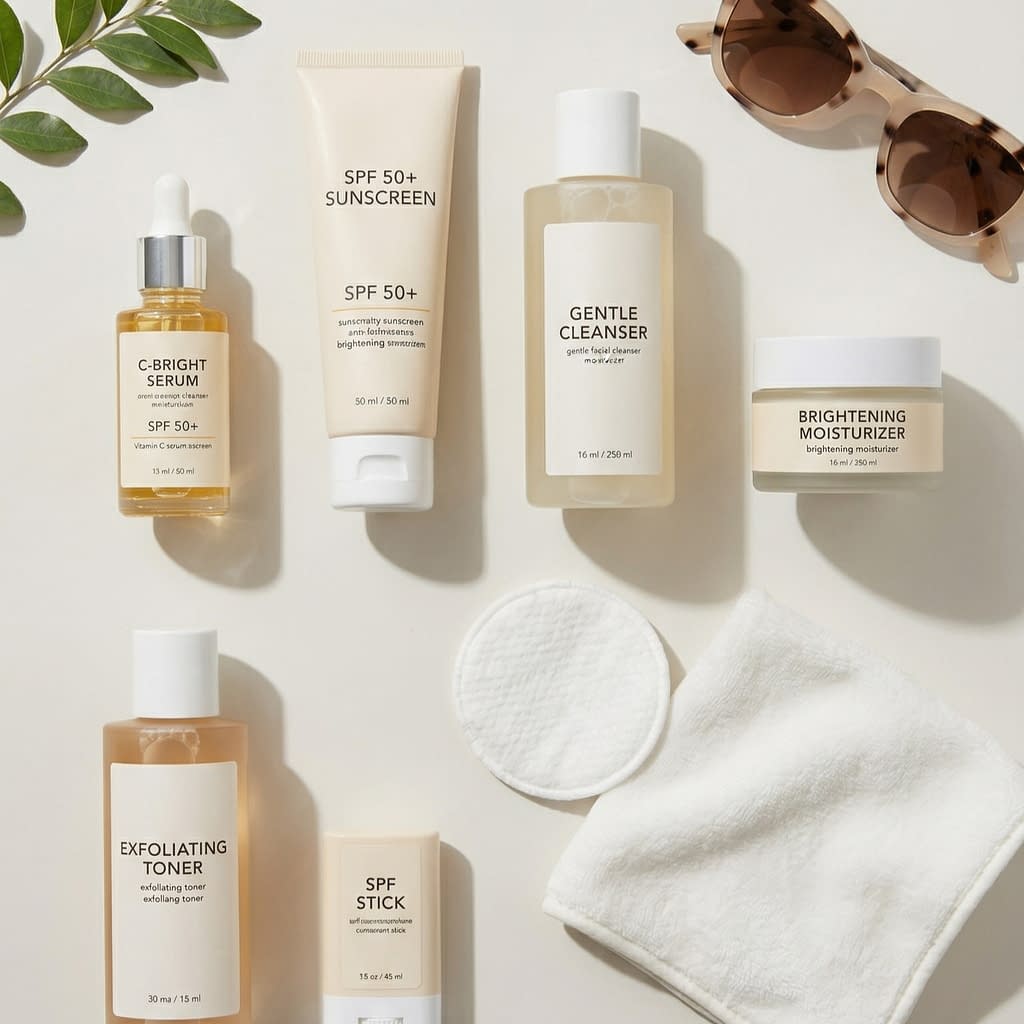
Certain ingredients are known for helping fade dark spots and improve the look of uneven skin tone. The key is to use them steadily and not overload the skin with too many strong actives at once.
Helpful ingredients for sunspots
- Vitamin C for brightening and antioxidant support
- Niacinamide for supporting even tone
- Retinoids for encouraging skin renewal
- Alpha hydroxy acids such as glycolic or lactic acid
- Azelaic acid for discoloration and uneven tone
- Licorice root extract for calming and brightening
- Tranexamic acid for pigmentation concerns
- Kojic acid for dark spot care
- Hyaluronic acid for hydration and barrier support
Step by step: how to use brightening ingredients
- Choose one or two ingredients that match your skin tolerance.
- Introduce them slowly, not all at once.
- Use brightening products consistently.
- Pair actives with moisturizer to reduce irritation.
- Always wear sunscreen during the day.
The most effective fading routine is one your skin can tolerate long term.
How to Build a Routine That Helps Even Out Skin Tone
A good routine should do two things at once: help fade existing sunspots and prevent new ones. That means combining treatment, hydration, and protection.
Step by step: a simple routine structure
Morning
- Gentle cleanser
- Brightening serum or treatment
- Moisturizer
- Sunscreen
Evening
- Gentle cleanser
- Exfoliating or pigment-targeting treatment if appropriate
- Moisturizer
- Optional barrier-supporting product if skin feels dry
Things to keep in mind
- Keep the routine simple enough to follow daily
- Avoid mixing too many strong ingredients in one routine
- Let your skin adjust before adding more actives
- Focus on consistency over speed
A balanced routine is more likely to bring real improvement than a harsh one.
The Role of Sunscreen in Preventing New Sunspots
Sunscreen is not just for preventing burns. It is also one of the most important tools for preventing pigmentation from becoming darker or spreading.
Why sunscreen matters so much
- It blocks UV rays that trigger melanin production
- It helps stop existing spots from deepening
- It prevents new spots from forming
- It supports every other dark spot treatment you use
Step by step: sunscreen use for sunspot prevention
- Choose a broad-spectrum sunscreen with adequate SPF.
- Apply it every morning to clean skin.
- Cover the cheeks thoroughly.
- Reapply every couple of hours if outdoors.
- Use it even on days when you stay mostly inside, because incidental sun exposure still matters.
Without sunscreen, brightening products cannot do their job as effectively.
Why Gentle Exfoliation Can Help Improve Dark Spots
Exfoliation helps remove dead skin cells from the surface so the skin can look smoother and brighter. For sunspots, gentle exfoliation may also help fade the appearance of discoloration over time by encouraging the skin to renew itself more evenly.
Best exfoliation options
- Lactic acid for mild exfoliation
- Glycolic acid for stronger surface renewal
- Mandelic acid for a gentler option
- Enzyme exfoliants for sensitive skin
Step by step: exfoliate safely
- Start with one gentle exfoliating product.
- Use it only as often as your skin tolerates.
- Apply to clean, dry skin if the product requires it.
- Follow with moisturizer.
- Wear sunscreen every day after exfoliating.
Too much exfoliation can irritate the skin and make pigmentation look worse, so gentle and steady is the goal.
How Hydration Supports Brighter, Healthier Skin
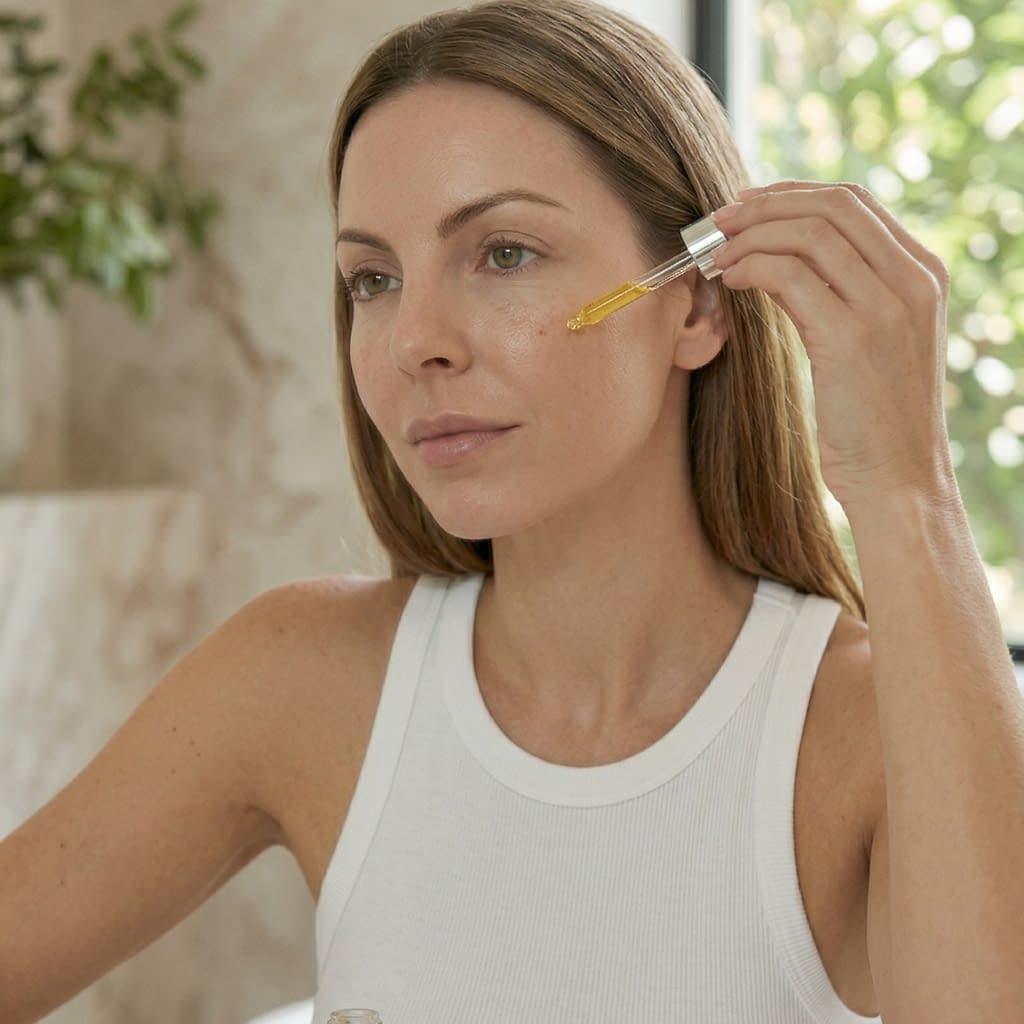
Well-hydrated skin often looks more radiant and balanced. When the skin is dry or irritated, dark spots tend to look harsher and more obvious.
Hydration does not erase sunspots by itself, but it supports the skin barrier and helps the skin tolerate brightening ingredients better. It also makes the overall complexion look fresher and smoother.
Step by step: hydration support routine
- Use a gentle cleanser that does not strip the skin.
- Apply hydrating serums or essences if needed.
- Follow with a moisturizer that suits your skin type.
- Seal in moisture consistently, especially at night.
- Increase hydration during hot or dry weather.
Hydrated skin tends to handle treatment better and look healthier while sunspots fade.
Natural Ways to Care for Sunspots at Home
Natural care can support your skin, but it should be gentle and realistic. It is best used alongside sunscreen and targeted skincare rather than as a replacement.
Helpful at-home care ideas
- Aloe vera for soothing comfort
- Green tea compresses for antioxidant support
- Honey masks for softness and hydration
- Oatmeal masks for calming the skin
- Staying hydrated and eating a balanced diet
Step by step: simple home care
- Cleanse the skin gently.
- Apply a soothing natural mask or aloe treatment.
- Leave it on for a short time if appropriate.
- Rinse without scrubbing.
- Moisturize afterward.
- Follow with sunscreen during the day.
Avoid harsh DIY remedies like lemon juice, baking soda, or abrasive scrubs, since they can irritate the skin and worsen pigmentation.
Skincare Mistakes That Can Make Sunspots Look Worse
Sometimes sunspots become more visible because of habits that irritate the skin or expose it to more UV damage.
Common mistakes
- Skipping sunscreen
- Not reapplying sunscreen
- Using harsh scrubs
- Overusing strong actives
- Picking at irritated skin
- Ignoring moisturizer
- Trying too many products at once
- Assuming cloudy days do not require sun protection
Step by step: how to avoid worsening spots
- Keep the routine gentle.
- Use sunscreen consistently.
- Stop any product that causes irritation.
- Do not over-exfoliate.
- Focus on soothing and protecting the skin barrier.
The less irritated your skin is, the better it can respond to brightening care.
How to Prevent New Sunspots During Summer
Prevention is always easier than treatment. Summer is the time to be extra cautious because UV exposure is stronger and more frequent.
Step by step prevention plan
- Apply sunscreen every morning.
- Reapply it during the day if you are outdoors.
- Wear a hat and sunglasses for extra coverage.
- Stay in the shade during peak sun hours.
- Use brightening skincare consistently but gently.
- Avoid intentional tanning.
Helpful habits
- Keep sunscreen in your bag
- Apply SPF to the cheeks even on quick outings
- Make UV protection part of your daily routine, not just beach days
- Treat post-sun skin gently so it does not become more pigmented
Prevention is not complicated, but it does require consistency.
When to Consider Professional Treatments for Sunspots
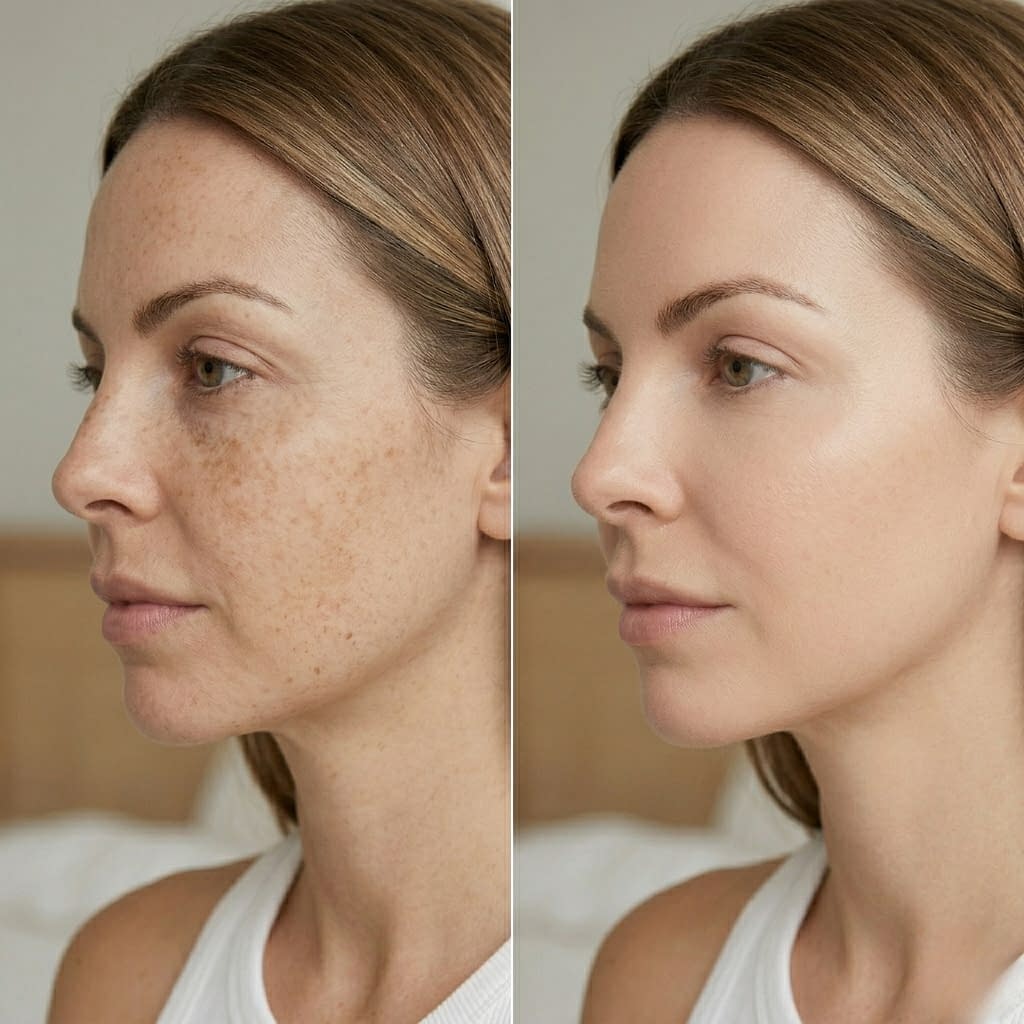
Some sunspots respond slowly to home care, especially if they are older or deeper in color. In those cases, professional treatments may help.
Options a dermatologist may discuss
- Prescription brightening products
- Chemical peels
- Laser treatments
- Intense pulsed light procedures
- Other targeted pigmentation treatments
Step by step: when to seek professional help
- Give your at-home routine enough time to work.
- If spots remain stubborn, consult a dermatologist.
- Ask whether the spots are definitely sunspots and not something else.
- Review treatment options based on your skin tone and type.
- Follow aftercare carefully, especially sun protection.
Professional treatment can be very effective, but it should be matched to your skin and monitored properly.
Final Words
Sunspots on the cheeks are common, especially after years of sun exposure, but that does not mean you have to live with them getting darker every summer. The best way to improve them is with a combination of daily sun protection, gentle brightening ingredients, and skin-friendly habits that support long-term change.
The most important thing to remember is that fading sunspots takes consistency. Sunscreen protects your progress, brightening ingredients help even out tone, exfoliation encourages renewal, and hydration keeps the skin looking healthy while everything works. If you stay patient and avoid harsh shortcuts, your skin can gradually look smoother, brighter, and more even.
Summer does not have to mean more dark spots. With the right routine, you can protect your cheeks, prevent new sunspots, and help existing ones fade in a way that is safe, gentle, and realistic.


