

Thinking about your hairline can feel personal — and frustrating — but there are many safe, natural steps you can take to protect, strengthen, and sometimes improve how your hairline looks over time. This guide explains what a natural approach can realistically do, why some hairlines thin, and gives detailed, step-by-step routines (daily and weekly) you can follow: scalp care, massage, oils, nutrition, styling choices, and things to avoid. Be patient — natural improvements take time, but steady habits add up.
Can You Really Improve Your Hairline Naturally?
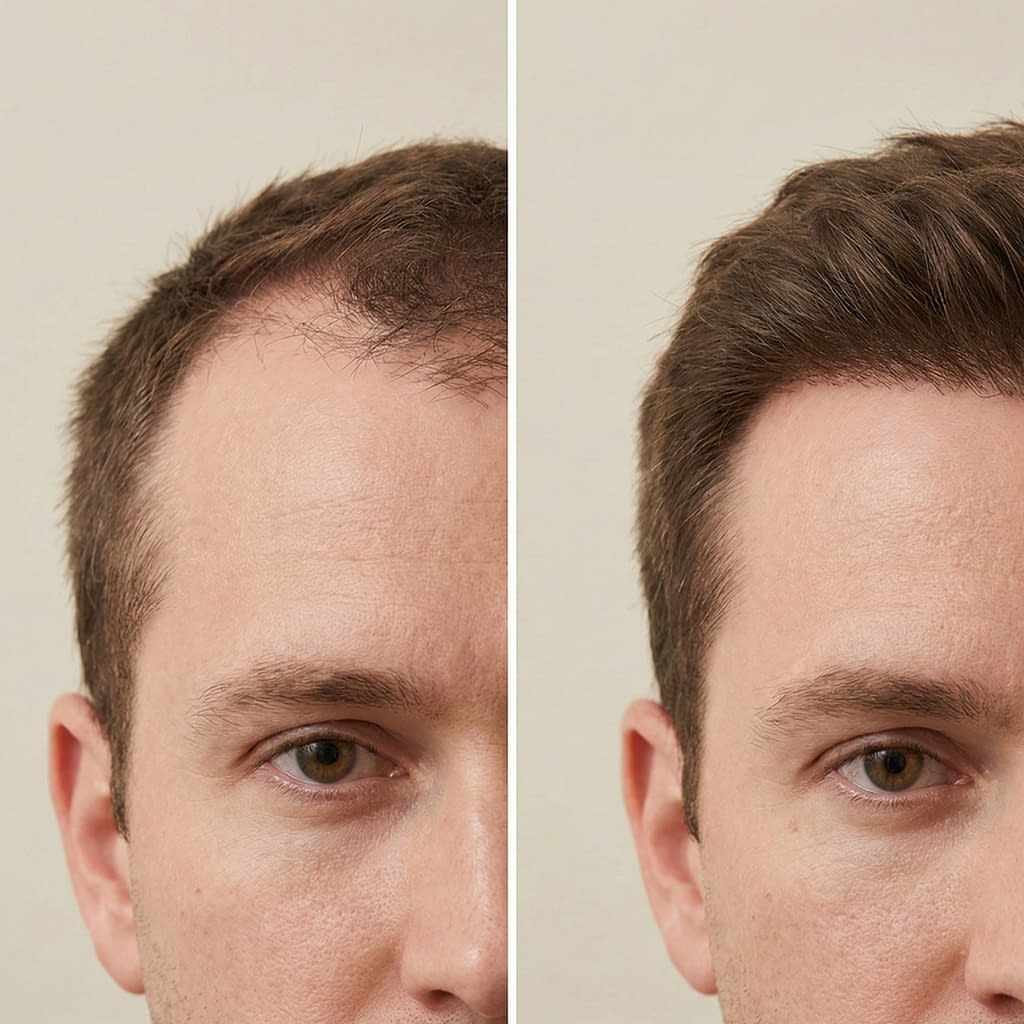
Short answer: sometimes — and often to a meaningful degree. If your hairline is receding because of traction (tight hairstyles), poor scalp care, nutritional gaps, or lifestyle stress, natural changes can slow, stop, and in some cases partially reverse thinning. If your hairline loss is driven mainly by genetic male/female-pattern baldness, natural methods may improve density and slow progression but usually won’t fully restore a mature, receded hairline — medical treatments or procedures may be needed for significant regrowth. The key is to start early, be consistent, and pair smart homecare with professional advice when needed.
Understanding Hairline Recession and Thinning
A healthy hairline stays stable; recession happens when the cycle of hair growth (anagen), transition (catagen), and rest (telogen) is disrupted so more hairs enter resting/shedding phases, or the follicles miniaturize and produce thinner hairs. Hairline recession often appears as a gradual retreat from the forehead or widening of the part. Look for these signs: more hairs in the brush, slowly widening parting, or thin, shorter “vellus” hairs replacing thicker terminal hairs near the temple.
Common Causes of Hairline Damage and Hair Loss
- Traction: tight ponytails, braids, hairpieces or constant pulling.
- Chemical and heat damage: frequent bleaching, perms, high-heat styling.
- Poor scalp health: buildup, inflammation, dandruff or clogged follicles.
- Nutritional deficiencies: low protein, iron, vitamin D, zinc, B12 or biotin deficits.
- Hormonal causes: androgens, thyroid issues, or changes after pregnancy.
- Stress and poor sleep: raise cortisol and can trigger telogen effluvium (shedding).
- Genetics: androgenetic alopecia causes gradual miniaturization in susceptible people.
Pinpointing the cause helps you choose the right natural actions (e.g., stop tight styles if traction is the issue).
The Role of Genetics vs Lifestyle in Hairline Health
Genetics set your baseline risk; lifestyle decides how quickly or slowly that risk plays out. In many people genetics explain pattern loss, but lifestyle factors (nutrition, styling, scalp care, stress) can accelerate or slow progression. Treat natural approaches as high-ROI prevention plus supportive care — they won’t always replace clinical options, but they make hair healthier overall and can improve response to treatments if you later choose them.
Daily Habits That Support a Healthier Hairline
Daily routine (step-by-step)
- Gentle cleansing: wash scalp every 2–3 days (or daily if you sweat a lot) with a mild, sulfate-free shampoo to remove oil/buildup without stripping. Massage gently—don’t scrub hard.
- Avoid harsh tension: skip tight hairstyles; use soft hair ties and alternate parts.
- Avoid heat: limit blow-drying/straightening. If you must, use the lowest effective heat and a protective spray.
- Night care: sleep on a silk/satin pillowcase or use a silk scarf to reduce friction that stresses hairs at the hairline.
- Stress checks: 3–5 minutes of daily breathing or brief mindfulness reduces cortisol spikes that can trigger shedding.
- Hydration: drink water throughout the day; dehydrated skin/scalp is less healthy for follicles.
These tiny habits protect follicles continuously — the compound effect matters.
Scalp Care Basics for Stronger Hair Growth
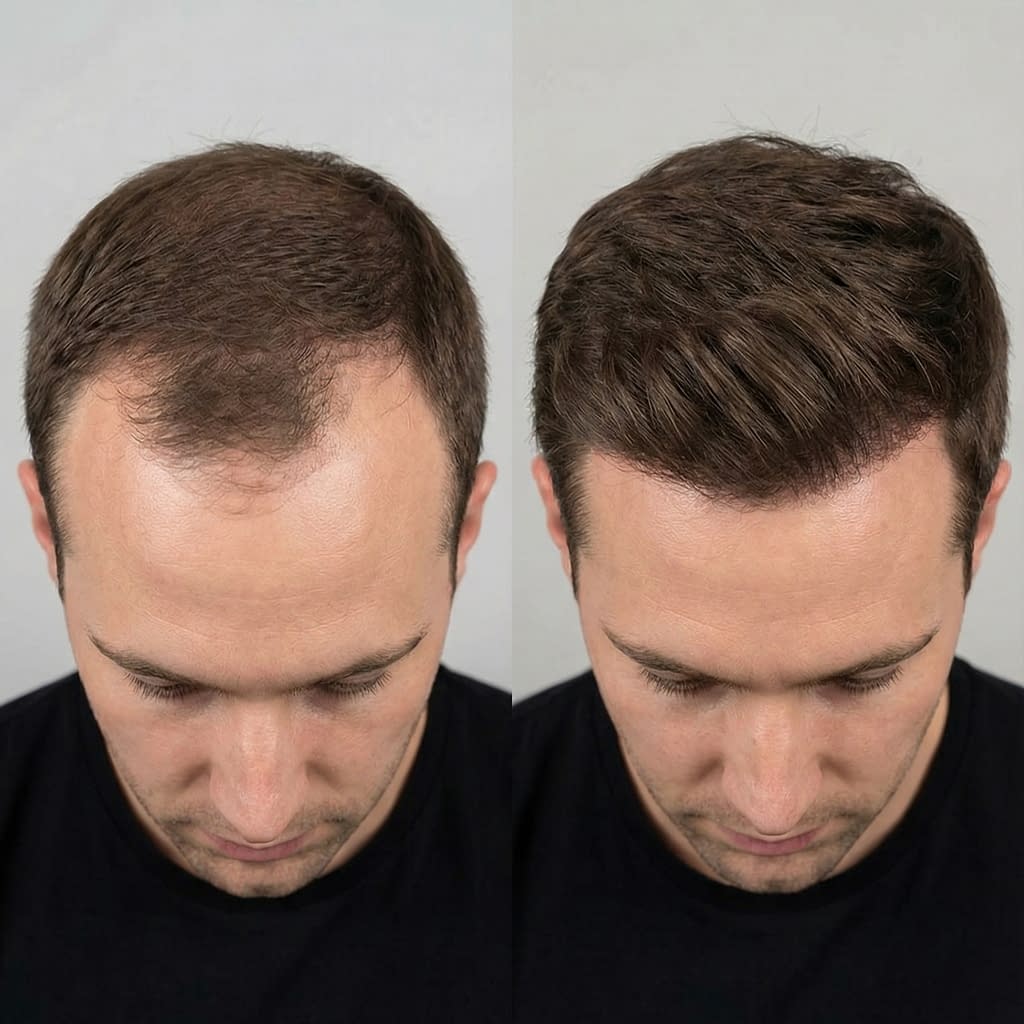
Healthy hair grows from a healthy scalp. Steps to follow:
Scalp-clean routine (1–3× weekly depending on oiliness)
- Pre-wash: brush gently to loosen flakes and distribute sebum.
- Shampoo: apply a small amount of gentle cleanser, massage into scalp with fingertips (1–2 minutes) to stimulate blood flow and lift debris. Rinse thoroughly.
- Conditioner: apply only to mid-lengths and ends (avoid heavy conditioners on the hairline/scalp unless you have a dry scalp — in that case use a very light leave-in or scalp moisturizer).
- Targeted weekly care: use a mild scalp exfoliant (enzymatic or very gentle physical scrub) once a week if you have buildup — follow product instructions and don’t over-exfoliate.
Scalp health checklist: avoid scratching with nails, don’t use overly greasy products at the hairline, and treat dandruff or dermatitis promptly with appropriate medicated shampoos (zinc pyrithione, ketoconazole) if needed.
Natural Oils That Help Improve Hairline Thickness

Certain oils nourish scalp and hair and create a friendlier environment for growth. Always patch-test first.
How to use oils (step-by-step)
- Choose an oil: rosemary oil (diluted), jojoba oil, coconut oil (light use), castor oil (ricinoleic acid may support thickness), and argan oil are popular. Rosemary essential oil has some supportive evidence for hair growth when diluted.
- Dilution: essential oils (like rosemary) must be diluted in a carrier (2–3 drops essential per tablespoon carrier oil).
- Application: warm ~1 tsp oil in hands, part hair, and gently massage onto the hairline/scalp area for 2–5 minutes. Focus on scalp, not the hair shaft.
- Leave-on: leave oil for 1–2 hours or overnight (cover with a shower cap), then wash out with gentle shampoo. Start once weekly and build to 2–3× weekly if tolerated.
- Safety: if irritation occurs, stop immediately. Avoid undiluted essential oils on skin.
Oils aren’t miracle cures, but they condition the scalp, reduce brittleness, and improve the local environment for follicles.
Massage Techniques to Stimulate Hairline Growth
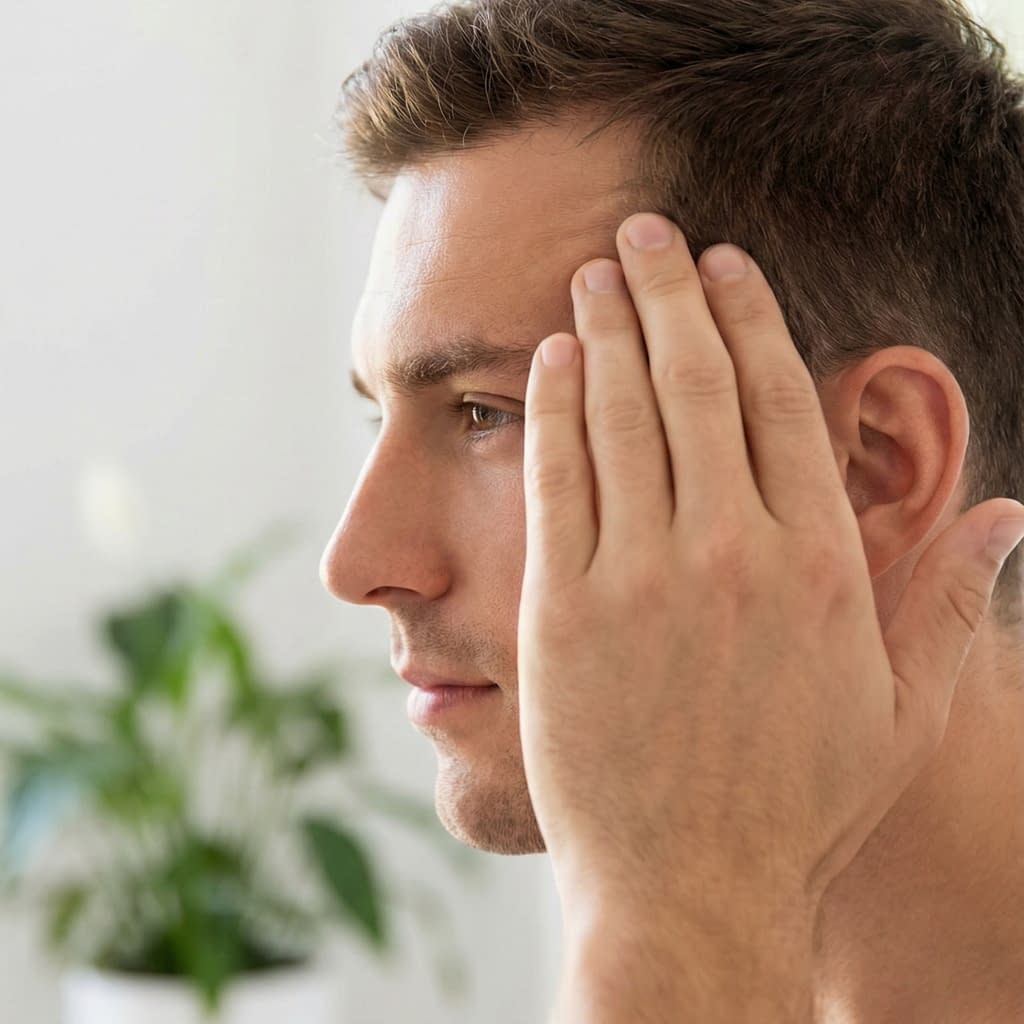
Scalp massage increases local blood flow and can improve follicle function over time.
Daily massage routine (5 minutes)
- Sit upright. Apply a small amount of light oil or even plain fingertips.
- Use the pads of your fingers (not nails). Start at the hairline and work in circular motions along the temples and frontal scalp. Use gentle but firm pressure — not painful.
- After 2–3 minutes of circular motions, use upward sweeping motions across the hairline to encourage circulation.
- Finish with gentle tapping (percussion) for 30 seconds to stimulate nerves.
- Do this daily or at least 3–4× per week for best effect. You can do a longer, 10-minute massage weekly with oil left overnight.
Evidence shows regular massage improves thickness over months — consistency is key.
Nutrition and Vitamins That Support Hairline Recovery
Food fuels hair growth. Focus on whole foods and correct any deficiencies.
Nutritional checklist (actions)
- Protein: hair is keratin — ensure ~0.8–1.2 g/kg body weight daily depending on activity. Include eggs, fish, lean meats, legumes, dairy.
- Iron: low iron causes shedding. If men or women with heavy periods suspect low iron, get a blood test. Dietary sources: red meat, lentils, spinach (with vitamin C to aid absorption).
- Zinc: supports repair (seafood, nuts, seeds).
- Vitamin D: low D is linked to hair loss; get tested and supplement if low under medical advice.
- B vitamins: biotin is often marketed, but true biotin deficiency is rare. B12 and folate matter for some people; get tests if concerned.
- Omega-3s: fatty fish, flaxseed; anti-inflammatory benefits support scalp health.
- Hydration and balanced diet: avoid crash diets that trigger telogen effluvium.
Supplement caution: consider tests (iron, ferritin, vitamin D, thyroid) before megadosing supplements. Talk to a GP before starting supplements, especially if you’re on medication or under 18.
Hairstyles and Styling Habits That Protect the Hairline
How you style is as important as what you use.
Protective styling rules
- Avoid tight ponytails, braids, man-buns, and harsh hair ties that pull at the temples — instead use loose, low buns and soft spiral ties.
- Avoid heavy hair extensions or glue-on pieces that tug at the hairline.
- When heat styling, use a low setting, and use a heat protectant.
- Alternate your part: don’t always part hair in the exact same place — micro-trauma over the same follicle can weaken it.
- For men: avoid constant comb-over tension at the temples; let hair sit naturally or keep short rather than pulling hairs forward constantly.
Simple habit: when you tie your hair, hold the tie lightly and don’t twist too tightly — loosen tension every few hours.
Mistakes That Worsen Hairline Recession
Stop these common errors now:
- Tight hairstyles and constant traction.
- Daily harsh brushing or towel-rubbing the hairline.
- Over-bleaching and repeated chemical processing at the front.
- Using heavy, pore-clogging products at the hairline.
- Ignoring scalp irritation or dandruff that inflames follicles.
- Skipping medical checks when shedding is sudden or severe.
If you catch these habits early and change them, you protect follicles before irreversible miniaturization sets in.
How Long Natural Hairline Improvement Takes
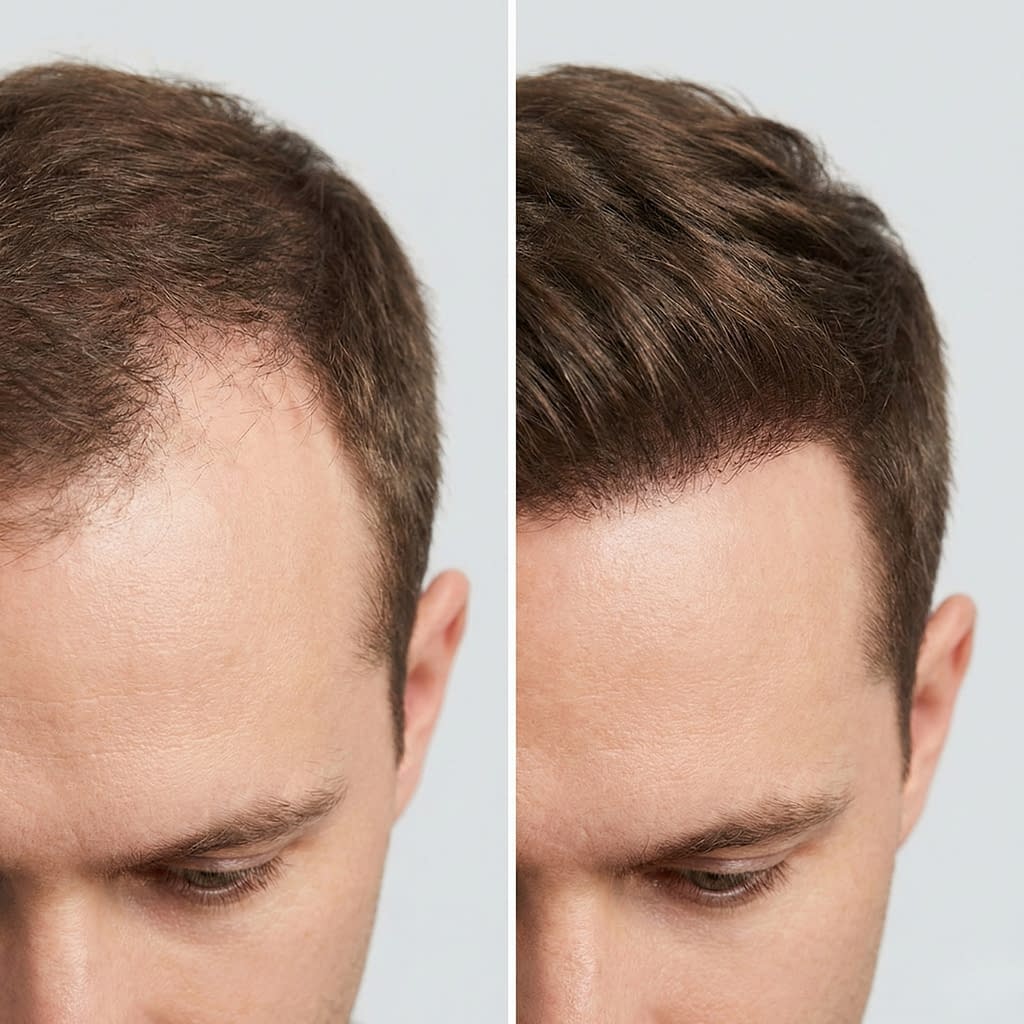
Be realistic: hair-growth cycles are slow. Natural improvements typically require consistent care for 3–6 months to notice thicker hairs, with more visible density often appearing at 6–12 months. If you’re treating telogen effluvium (stress/shock shedding), regrowth often begins around 3 months and improves over 6–12 months. Take monthly photos from the same angle under similar light to track subtle changes — tiny gains add up.
When to Seek Professional Help
See a dermatologist or trichologist if:
- You have rapid or patchy hair loss, scabbing, redness, or pain at the hairline.
- You suspect a medical cause (thyroid issues, iron deficiency, autoimmune signs).
- You want to discuss proven medical options (topical minoxidil, low-level laser therapy, PRP, or hair transplant) that can be combined with natural care.
- Your hairline loss is advanced and you want a clear treatment plan.
A professional can run blood tests, scalp biopsy if needed, and design a combined plan (medical + natural) for best results.
Final Words
Improving your hairline naturally is about prevention, protection, and creating a scalp environment where follicles can do their job. Start with gentle scalp care, protect against traction and heat, add short daily massages and nourishing oils, and support growth from the inside with a nutrient-rich diet and good sleep. Be patient — changes take months. If your hairline continues to recede despite consistent natural care, consult a specialist early so you don’t lose time. Little habits compound into real results: pick a few actions from this guide, commit for three months, and you’ll likely see meaningful improvements.


