

Getting smooth after hair removal is only half the job — what you do next determines whether your skin heals silky and calm or becomes red, bumpy, and irritated. Post-hair-removal care soothes inflammation, prevents ingrown hairs, protects the barrier, and helps results last longer. Below you’ll find clear, step-by-step aftercare and prevention strategies for every common removal method (threading, sugaring, waxing, tweezing, trimming) so your skin stays soft and healthy.
Why Post-Hair Removal Care Matters
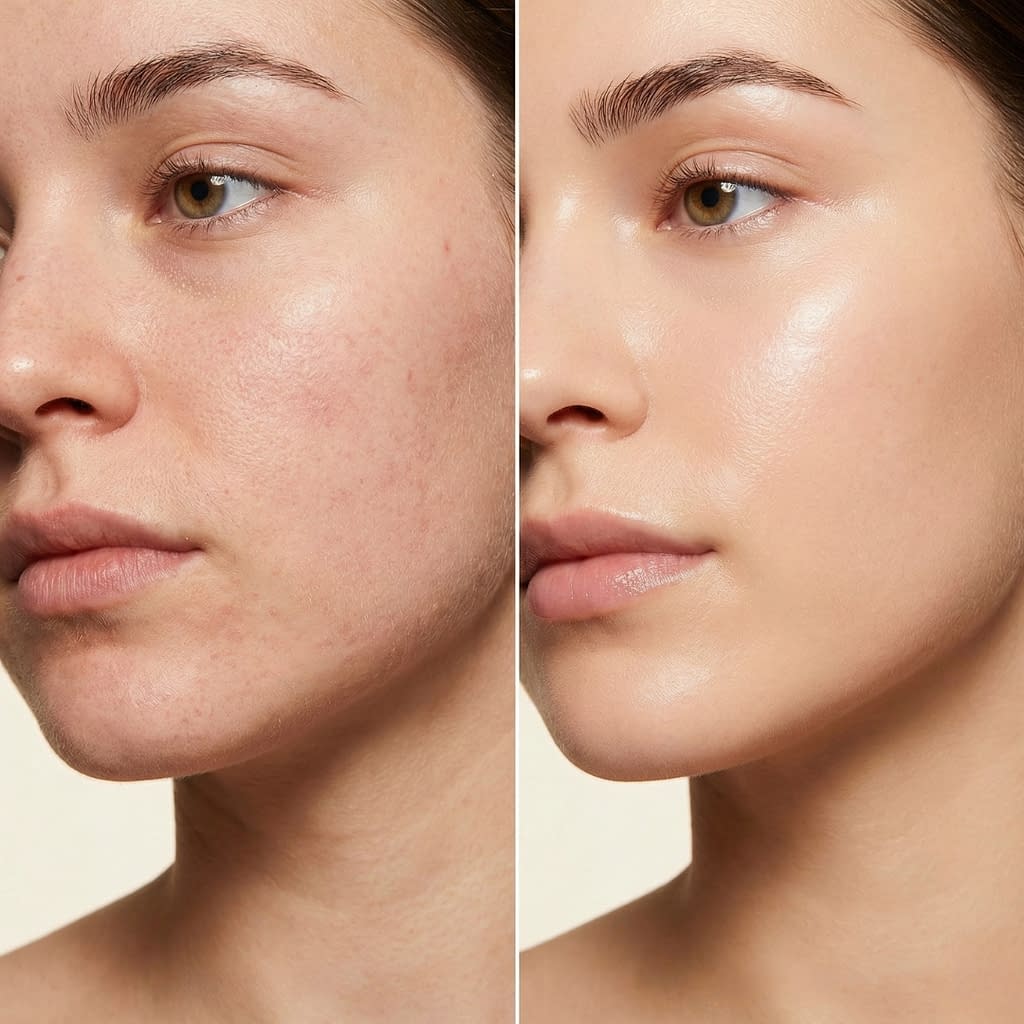
When you remove hair you disturb the surface of skin and the hair follicle. That trauma raises local inflammation and opens the door to bacteria, transepidermal water loss (TEWL), and ingrown hairs. Proper aftercare:
- Reduces redness, swelling, and pain.
- Prevents infection and post-inflammatory hyperpigmentation (dark spots).
- Lowers the risk of ingrown hairs and bumps.
- Helps the skin barrier repair faster so moisturizers and treatments work better.
Think of aftercare as damage control plus repair: calm first, protect next, and rebuild over the following days.
Immediate Aftercare: Soothing Your Skin Right Away
The first minutes and hours are the most important for reducing inflammation and preventing complications.
Step-by-step immediate aftercare
- Clean hands, clean skin. Wash your hands, then gently cleanse the area with a mild, fragrance-free cleanser and lukewarm water. Pat dry — don’t rub.
- Cool compress. Apply a cool (not ice-cold) compress or a chilled clean cloth for 5–10 minutes to reduce redness and heat. Repeat as needed for the first hour.
- Apply a calming product. Use a thin layer of pure aloe vera gel, a centella/“cica” gel, or a fragrance-free soothing serum (look for panthenol, allantoin, or niacinamide).
- Skip makeup and heavy products. Avoid foundation, heavy balms, or tinted products on the treated area for at least 12–24 hours (longer if redness persists).
- Leave open to air or wear a loose, clean barrier (e.g., a soft cotton square) if you must cover — breathable is best.
Immediate goal: quiet the inflammation and avoid introducing irritants or bacteria.
Avoid Irritants: What to Skip After Hair Removal
Certain things make inflammation and pigment worse — avoid them for the first 24–72 hours (or longer if your skin is reactive).
What to avoid
- Hot showers, saunas, steam rooms — heat increases redness and opens pores.
- Excessive sweating and heavy workouts — sweat traps bacteria and irritates. Wait 24–48 hours before intense exercise.
- Sun exposure — treated skin is more prone to sunburn and PIH; use SPF and avoid direct sun.
- Chemical peels, retinoids, or strong acids (AHA/BHA) right away — they sensitize the skin. Resume these only after 48–72 hours and when skin feels normal.
- Fragranced skincare or alcohol-based toners — they sting and dry out the skin.
- Picking, rubbing, or scratching — this increases scarring and infection risk.
If you must exercise or go out, plan gentle activities and wear clean, breathable clothing.
Gentle Cleansing to Prevent Bumps and Redness
Cleansing should remove debris without stripping the skin.
How to cleanse safely (step-by-step)
- Use a mild, pH-balanced cleanser (syndet/cream cleanser) that won’t foam aggressively.
- Lukewarm water only. Rinse gently for 20–30 seconds.
- Pat dry with a clean towel — avoid rubbing or rough fabrics.
- Keep frequency normal — cleanse once or twice daily depending on your routine; don’t overwash the treated area.
- After cleansing, reapply a soothing serum or moisturizer within 1–2 minutes to trap moisture.
Cleaning removes potential contaminants that cause bumps while supporting a calm healing environment.
Moisturizing for Soft, Hydrated Skin

Hydration and barrier repair are the foundation of smooth skin after hair removal.
Layering method for best results
- Apply to slightly damp skin. Dampen skin with a light mist or pat after cleansing to help products penetrate.
- Humectant layer (optional): a thin glycerin or hyaluronic acid serum draws in moisture.
- Emollient layer: use a gentle, fragrance-free moisturizer with ceramides, fatty acids, or shea butter to restore lipids.
- Occlusive (night): if the area is very dry or raw, seal with a thin layer of petrolatum or dimethicone at night to lock everything in and protect from friction.
- Frequency: moisturize twice daily and reapply as needed if areas feel dry or tight.
Choose non-comedogenic formulas for facial use and avoid heavy oils on acne-prone skin.
Natural Remedies to Calm Irritation
Several natural options soothe inflammation — use them gently and patch-test first.
Safe, calming remedies
- Aloe vera gel: pure, cooling, and anti-inflammatory; apply a thin layer.
- Green tea compress: steep and chill a tea bag, then place it over the skin for 5–10 minutes to calm redness.
- Oatmeal (colloidal) compress or bath: excellent for itchy or inflamed skin — use a damp cloth with colloidal oatmeal paste.
- Honey (medical-grade or raw, if tolerated): has mild antimicrobial properties — a thin layer for 10–15 minutes can soothe (rinse off well).
- Chamomile compress: cool, steeped tea bag applied briefly can reduce irritation.
Caution: avoid fresh citrus, undiluted essential oils, or baking-soda scrubs on freshly treated skin — these are common irritants.
Preventing Ingrown Hairs After Hair Removal
Ingrowns are often the most annoying aftermath; prevention beats treatment.
Prevention steps
- Gentle exfoliation schedule: start gentle exfoliation 48–72 hours after the procedure (see safe exfoliation section below) — chemical exfoliants like 1–2% salicylic acid or low % lactic/PHA are great options.
- Keep skin hydrated and soft — supple skin lets hairs break the surface more easily.
- Remove hair properly: if you’re doing at-home removals, pull or sugar in the direction of growth to reduce breakage and curling under the skin.
- Avoid tight clothing or headgear that rubs the treated area during the healing window.
- If an ingrown appears: apply warm compresses, gentle exfoliation, and topical salicylic or azelaic acid. If an ingrown is inflamed or infected, see a clinician rather than pick.
Regular gentle maintenance exfoliation and moisturization are the most effective long-term ingrown-prevention techniques.
Using Cooling Compresses for Redness and Swelling

Cooling is fast and effective at reducing immediate redness and discomfort.
How to use compresses safely
- Chill a clean cloth or use a cooled gel pack wrapped in a thin fabric — never apply ice directly to skin.
- Apply for 5–10 minutes and remove for a minute; repeat 2–3 cycles.
- Use within the first 1–4 hours post-removal for best effect; you can repeat compresses over the next day if swelling returns.
- Follow with a soothing serum (aloe, centella) after compressing to hydrate and calm.
Compresses reduce vasodilation (blood flow) that causes redness and ease discomfort.
How to Exfoliate Safely After Hair Removal
Exfoliation prevents ingrowns and smooths texture but timing and method matter.
Safe exfoliation plan
- Wait 48–72 hours after root removal (sugaring/threading/waxing) before doing any exfoliation; for tweezing, you can be gentler and test earlier if skin is calm.
- Start with chemical exfoliation (preferred): gentle leave-on products — PHAs (gluconolactone), low % lactic acid (3–5%), or low % salicylic acid (0.5–2%) used 1× every 2–3 days to begin.
- Physical exfoliation (if desired): use a soft konjac sponge or a very gentle physical scrub once weekly — use light pressure and stop if you see redness.
- Technique: apply chemical exfoliant only to the targeted area, not aggressively over large facial zones; follow with moisturizer and sunscreen next morning.
- Frequency: maintain 1–3× weekly depending on tolerance — adjust based on how your skin responds.
Stop exfoliation immediately if you experience persistent stinging, spreading redness, or rawness; focus on barrier repair until healed.
Sun Protection: Why Your Skin Is More Sensitive
Hair removal makes skin temporarily more susceptible to sun damage and pigmentation.
Sun-safe steps
- Apply broad-spectrum SPF 30+ to the treated area daily (and reapply per usual rules if you’re outside). Zinc oxide mineral sunscreens are gentle options.
- Avoid direct sun exposure for 48–72 hours when initial redness and open follicles are present.
- Use physical barriers — wide-brim hats, scarves, or collars for extended outdoor time.
- Avoid photosensitizing agents (e.g., lemon or high-concentration AHA on the same day) unless you will strictly protect with sunscreen afterward.
Sun protection reduces the risk of PIH (dark spots) which often follow inflammation from hair removal.
Choosing the Right Products for Post-Hair Removal Care

Product choice matters: pick calm, simple, and supportive ingredients.
What to look for
- Fragrance-free and alcohol-free products to avoid stinging.
- Soothing ingredients: aloe, panthenol (B5), centella asiatica, oat (colloidal), allantoin.
- Barrier builders: ceramides, fatty acids, cholesterol.
- Anti-inflammatory/anti-bump actives: niacinamide, azelaic acid (for recurring bumps), low-concentration salicylic acid (for ingrown hair prevention).
- Gentle sun protection: mineral (zinc/titanium) if you have sensitive skin.
What to avoid immediately
- Retinoids, strong AHAs/BHAs, peroxide, rough physical scrubs, and fragranced serums in the first 48–72 hours.
If you have acne-prone skin but also remove hair, choose non-comedogenic and lightweight hydrators.
Lifestyle Habits That Keep Skin Smooth and Healthy
Daily habits support faster healing and fewer problems over time.
Beneficial habits
- Hydrate: drink water and use topical humectants.
- Balanced diet: omega-3s, antioxidants, and protein support skin repair.
- Manage stress and sleep well to reduce inflammatory flares.
- Keep pillowcases and towels clean to avoid reintroducing bacteria to the treated area.
- Avoid smoking and excessive alcohol — both slow healing and increase inflammation.
Small consistent habits make a big difference in how the skin responds over months.
Common Mistakes That Make Skin Rough or Bumpy
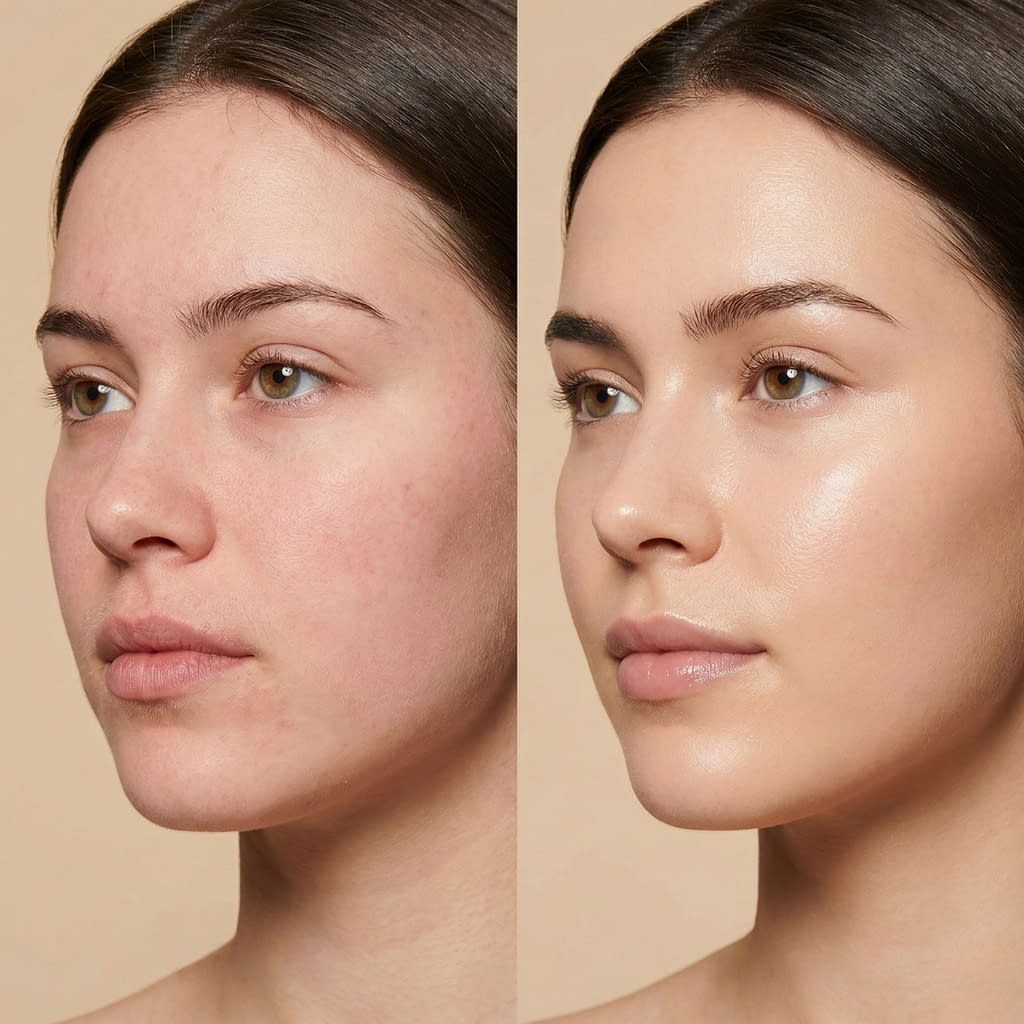
Avoid these pitfalls that undo careful aftercare.
Mistakes to avoid
- Picking scabs or bumps (this causes scars and more pigmentation).
- Exfoliating too soon or too aggressively.
- Applying heavy makeup immediately after removal, which traps bacteria and irritants.
- Not using sunscreen — inviting PIH.
- Using strong actives topically without a tolerance test soon after hair removal.
- Re-removing hair too quickly when stubble appears — wait until skin is fully calm.
If you make one rule: don’t aggravate freshly treated skin — be gentle and patient.
Final Words
Keeping skin smooth after facial hair removal is a blend of immediate soothing, smart product choices, gentle maintenance (timed exfoliation and consistent moisturization), sun protection, and sensible lifestyle habits. Start with cool compresses and a calming gel, avoid irritants for the first 48–72 hours, introduce gentle exfoliation only after the skin has calmed, and prioritize barrier repair with fragrance-free, ceramide-rich moisturizers. If you see persistent redness, infected bumps, or unusual hyperpigmentation, consult a dermatologist for tailored care. With consistent, calm aftercare you’ll extend the smooth-results window, reduce bumps and ingrowns, and keep your skin soft and healthy.


