

Oily hair can be frustrating because it often feels like you have to choose between two bad options: wash it constantly and risk making it worse, or leave it alone and feel greasy all day. The good news is that oily hair does not need to be washed every day to look clean and fresh. In many cases, overwashing is actually part of the problem. The scalp may respond to frequent cleansing by producing even more oil, which creates a cycle that is hard to break.
Managing oily hair is not about stripping the scalp dry. It is about finding the right balance between cleansing, caring for the scalp, and avoiding habits that make oiliness worse. With the right shampoo, a better washing schedule, and a few simple styling and lifestyle changes, you can keep your hair looking fresher for longer without overdoing it.
In this guide, you will learn why hair gets oily, what causes excess scalp oil, how overwashing backfires, and what practical steps you can take to keep your hair cleaner for longer. Each section includes simple, step-by-step advice so you can build a routine that actually works in real life.
Why Hair Gets Oily So Quickly
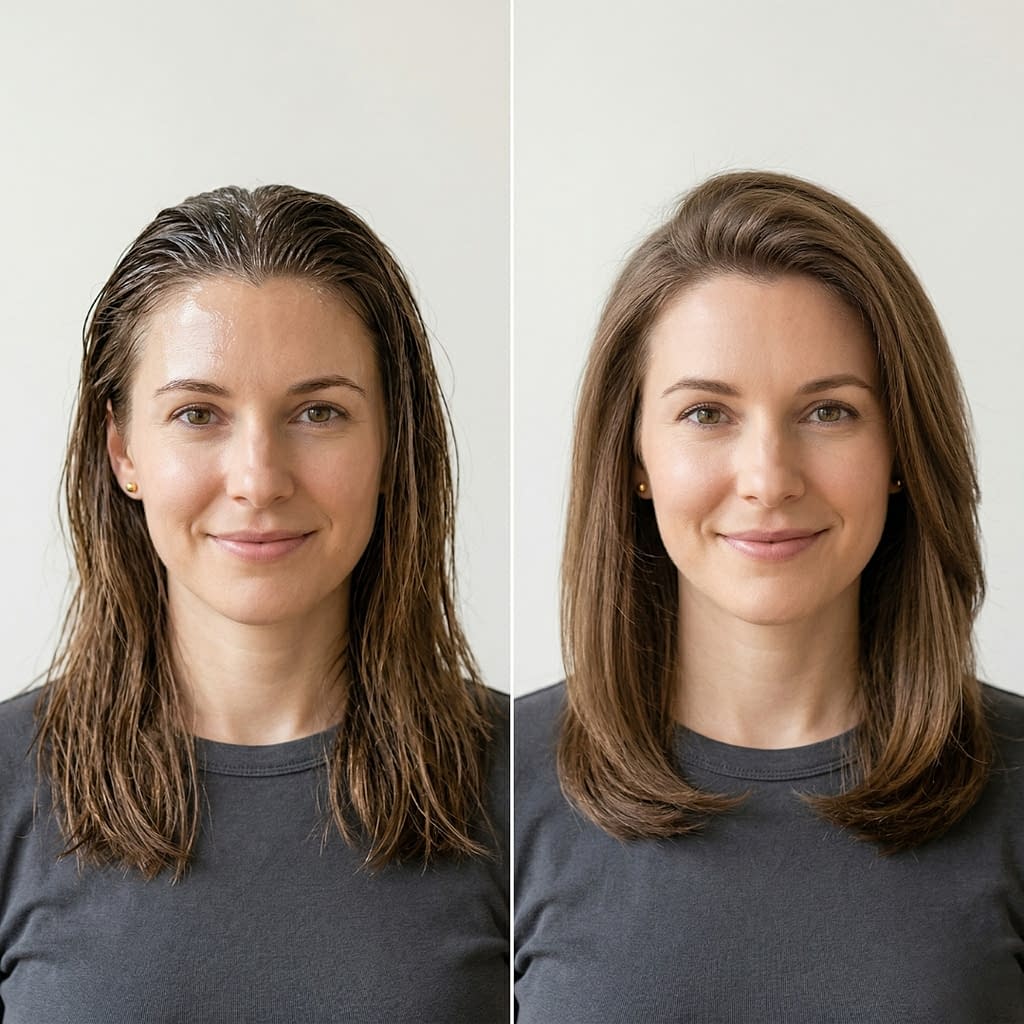
Hair gets oily because the scalp naturally produces sebum, which is the skin’s own oil. Sebum is not bad. In fact, it helps protect the scalp and keep hair from becoming too dry. The problem happens when the scalp produces more oil than your hair needs, or when oil spreads quickly down the hair shaft and makes it look greasy.
Some people naturally have more active oil glands, so their hair gets oily faster even when they take good care of it. Hair texture can also affect how quickly oil is noticeable. Fine hair, for example, tends to show oil faster because the strands are lighter and oil travels through them more easily.
Step by step: how oil shows up on hair
- The scalp produces sebum naturally.
- Oil collects at the roots.
- Oil spreads as you touch, brush, or style your hair.
- The hair becomes shinier near the scalp.
- If oil builds up too much, the hair looks flat, heavy, or greasy.
Understanding that oil is normal helps you manage it without panic or overwashing.
Common Causes of Excess Oil on the Scalp
There are many reasons your scalp might produce more oil than you want. Some are temporary, while others are related to your hair type or routine.
Common causes include
- Overwashing
- Using harsh shampoos
- Touching your hair too often
- Hormonal changes
- Hot weather and humidity
- Heavy styling products
- Not rinsing shampoo and conditioner well enough
- Fine hair that shows oil quickly
- Stress and lifestyle factors
Step by step: how excess oil develops
- The scalp reacts to cleansing, heat, or hormones.
- Oil glands become more active.
- Styling products or dirt mix with natural oil.
- The roots start to look greasy faster.
- The cycle repeats if the routine is too harsh.
Once you know the cause, it becomes easier to adjust your routine instead of just washing more often.
How Overwashing Makes Oily Hair Worse
It sounds strange, but washing oily hair too often can make the scalp even oilier over time. When you strip away too much natural oil, the scalp may try to compensate by producing more.
This is especially true if you use very strong shampoos every day or scrub aggressively. The scalp can become irritated, dry, and out of balance, which often leads to more oil production.
Step by step: the overwashing cycle
- You wash your hair frequently.
- The scalp loses too much natural oil.
- The scalp feels stripped or dry.
- Oil glands respond by producing more sebum.
- Hair gets greasy again faster, so you wash even more.
This creates a loop that is hard to break. A gentler, more balanced routine is usually better for long-term control.
Signs Your Scalp Is Producing Too Much Oil

It is normal for hair to get oily eventually, but certain signs suggest your scalp is producing too much oil too quickly.
Common signs
- Roots look greasy within a day or two
- Hair feels heavy and flat at the scalp
- Hair loses volume quickly
- Scalp feels sticky or dirty even after washing
- Hair separates into oily sections
- Dry shampoo only works for a short time
Step by step: how to check
- Wash your hair with a gentle shampoo.
- Wait one or two days without applying extra products.
- Notice how quickly the roots look shiny.
- Feel whether the scalp seems heavy or coated.
- Track whether the oiliness is consistent or linked to certain habits.
If the oil buildup happens very quickly every time, your routine may need adjusting.
How Often You Should Really Wash Oily Hair
There is no universal answer, because hair type, scalp activity, and lifestyle all matter. Some people do best washing every other day, while others can go longer. The key is to wash often enough to stay comfortable, but not so often that you train the scalp to overproduce oil.
General washing guidance
- Very oily hair may need washing every day or every other day
- Many people with oily hair do well with every 2 to 3 days
- If your scalp gets irritated easily, washing less often with the right shampoo may help
Step by step: find your ideal schedule
- Start with the washing frequency you use now.
- Try extending one wash day by a few hours or one extra day.
- Watch how your scalp reacts.
- Adjust gradually, not all at once.
- Stick with the schedule that leaves your hair feeling clean without over-stripping it.
The goal is not the fewest washes possible. The goal is the healthiest routine for your scalp.
Choosing the Right Shampoo for Oily Hair

The right shampoo can make a huge difference. You want something that cleans oil effectively without making the scalp feel tight or stripped.
What to look for
- Gentle clarifying formulas
- Lightweight cleansing ingredients
- Balancing or oil-control shampoos
- Sulfate-free if your scalp is sensitive
- A formula made for oily roots and normal ends
Step by step: how to choose the right shampoo
- Decide whether your scalp is oily, sensitive, or both.
- Choose a shampoo that cleans without leaving a harsh feeling.
- Avoid formulas that are extremely heavy or rich.
- Use clarifying shampoo only occasionally if buildup is a problem.
- Watch how your hair feels after washing for several days.
If your hair feels squeaky, dry, or rough after shampooing, the formula may be too strong.
The Right Way to Condition Without Greasiness
Conditioner is important, even for oily hair. The mistake is putting it in the wrong places or using too much.
Step by step: correct conditioning
- Shampoo the scalp as usual.
- Apply conditioner only from mid-length to ends.
- Avoid the roots unless your hair is very dry.
- Use a small amount and work it through evenly.
- Rinse thoroughly so no residue is left behind.
Helpful tips
- Choose a lightweight conditioner
- Avoid heavy masks on the roots
- Focus on moisturizing the lengths, not the scalp
- If your ends are dry, condition more there and less elsewhere
Conditioner should smooth the hair, not make the roots greasy.
Scalp Care Habits That Balance Oil Production

A healthy scalp often produces oil more evenly. Simple habits can help calm overactive oil glands.
Step by step: healthy scalp routine
- Wash with lukewarm water instead of very hot water.
- Massage the scalp gently, not aggressively.
- Rinse shampoo and conditioner thoroughly.
- Avoid piling on heavy products near the roots.
- Keep your brush, pillowcase, and styling tools clean.
Additional scalp care habits
- Avoid scratching the scalp
- Do not use too many scalp treatments at once
- Allow the scalp time to adjust between routine changes
Good scalp care helps reduce buildup and keeps oil from becoming excessive too quickly.
How to Use Dry Shampoo Correctly
Dry shampoo can be very helpful, but only when used the right way. It is not a replacement for washing forever. It is a tool to extend freshness between wash days.
Step by step: using dry shampoo
- Apply it before your hair looks extremely greasy if possible.
- Spray or sprinkle it at the roots.
- Focus on the crown, hairline, and oily areas.
- Wait a few minutes for it to absorb oil.
- Massage or brush it through gently.
Important tips
- Use a small amount first and add more only if needed
- Do not overload the scalp
- Remove buildup with regular washing
- Choose a formula that does not leave a heavy white cast if possible
Dry shampoo works best as part of a routine, not as a way to avoid washing forever.
Styling Tips That Help Hair Look Fresh Longer
The way you style your hair can make oil more or less visible. Some styles expose the roots, while others hide them better and help hair stay looking cleaner.
Step by step: freshness-friendly styling
- Choose styles that do not flatten the roots too much.
- Try loose waves, braids, buns, or half-up styles.
- Avoid overusing heavy serums or oils near the scalp.
- Use lightweight styling products only on the ends.
- Change your part occasionally so oil does not collect in one area.
Helpful styling habits
- Use root-lifting products sparingly
- Avoid constantly brushing oily hair
- Keep hands off your hair throughout the day
A few smart styling choices can help your hair look fresher even between washes.
Diet and Lifestyle Changes That Affect Hair Oil
What happens inside the body can affect the scalp too. Diet, stress, sleep, and daily habits all influence how oily your hair becomes.
Helpful lifestyle adjustments
- Drink enough water
- Eat balanced meals with protein, healthy fats, and nutrients
- Manage stress as much as possible
- Sleep well
- Avoid constantly touching your hair
Step by step: support your scalp from within
- Stay hydrated throughout the day.
- Eat regular meals rather than skipping them.
- Notice whether certain foods seem to affect your skin or scalp.
- Reduce stress when possible.
- Give your body time to respond to healthy habits.
Lifestyle changes may not fix oily hair overnight, but they can support better balance over time.
Common Mistakes That Trigger Greasy Hair
Sometimes hair feels oilier because of habits that seem helpful but actually make the problem worse.
Common mistakes
- Washing too often
- Using very harsh shampoo
- Applying conditioner to the roots
- Touching hair constantly
- Using too many styling products
- Not rinsing properly
- Sleeping on unclean pillowcases
- Overusing dry shampoo
Step by step: how to avoid them
- Simplify your routine.
- Stop applying heavy products near the scalp.
- Use gentler cleansing.
- Keep your hands out of your hair.
- Wash and refresh your tools and bedding regularly.
Small habits can make a big difference in how oily your hair looks.
How to Train Your Hair to Stay Oil-Free Longer
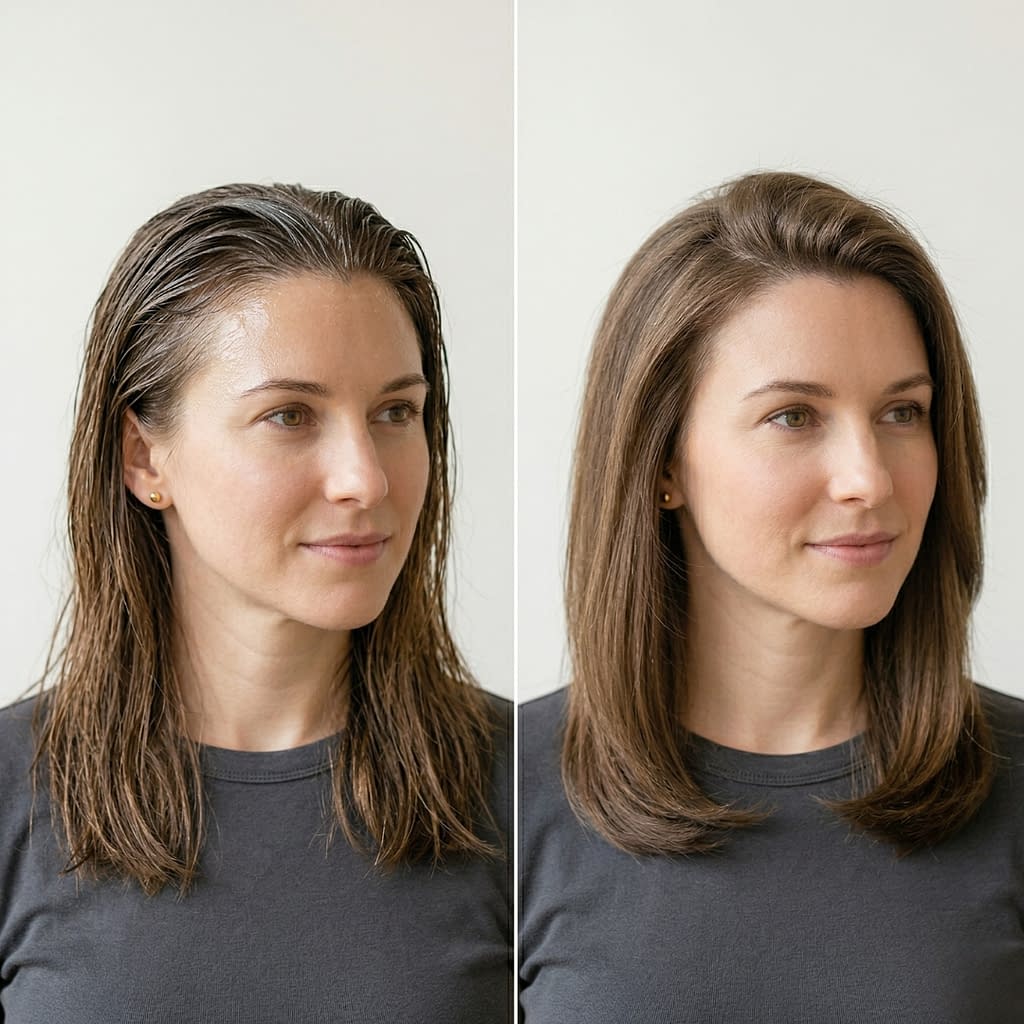
You cannot completely stop your scalp from producing oil, but you can help it become less reactive over time by adjusting your routine.
Step by step: training your hair
- Gradually extend the time between washes.
- Use a shampoo that cleans without stripping.
- Limit heavy products and scalp contact.
- Use dry shampoo only when needed.
- Stick to the routine for several weeks before judging results.
What to expect
- The scalp may take time to adjust
- Oiliness may not disappear, but it can become more manageable
- Consistency matters more than perfection
Hair training is really about balance, not forcing the scalp to behave overnight.
Final Words
Managing oily hair without overwashing is absolutely possible. In fact, it is usually the smarter and more effective approach. When you wash too often or use harsh products, the scalp can react by making even more oil. But when you use the right shampoo, condition only where needed, care for your scalp gently, and stretch your wash routine in a realistic way, your hair can stay fresher for longer.
The biggest shift is understanding that oily hair does not need punishment. It needs balance. A routine that supports the scalp instead of stripping it will usually work better over time. Add in smart styling, dry shampoo done correctly, and a few healthy lifestyle habits, and you can make oily hair much easier to manage.
Fresh-looking hair is not about washing more. It is about washing better.


