

A gentle, well-planned skin detox isn’t about quick fixes or harsh purging — it’s a practical reset that clears pores, calms inflammation, supports cellular repair, and lets your natural glow show through. Think of it as a short, science-friendly reboot: clean the surface, support your body from the inside, remove irritating inputs, and add targeted treatments that help the skin renew itself. Below is a step-by-step guide that walks you through everything you need — cleansing routines, exfoliation timing, steaming, clay masks, nutrition and hydration, lifestyle shifts, and safe DIY options — so you can safely detox your skin and keep it clear and radiant.
Why Skin Detox Matters
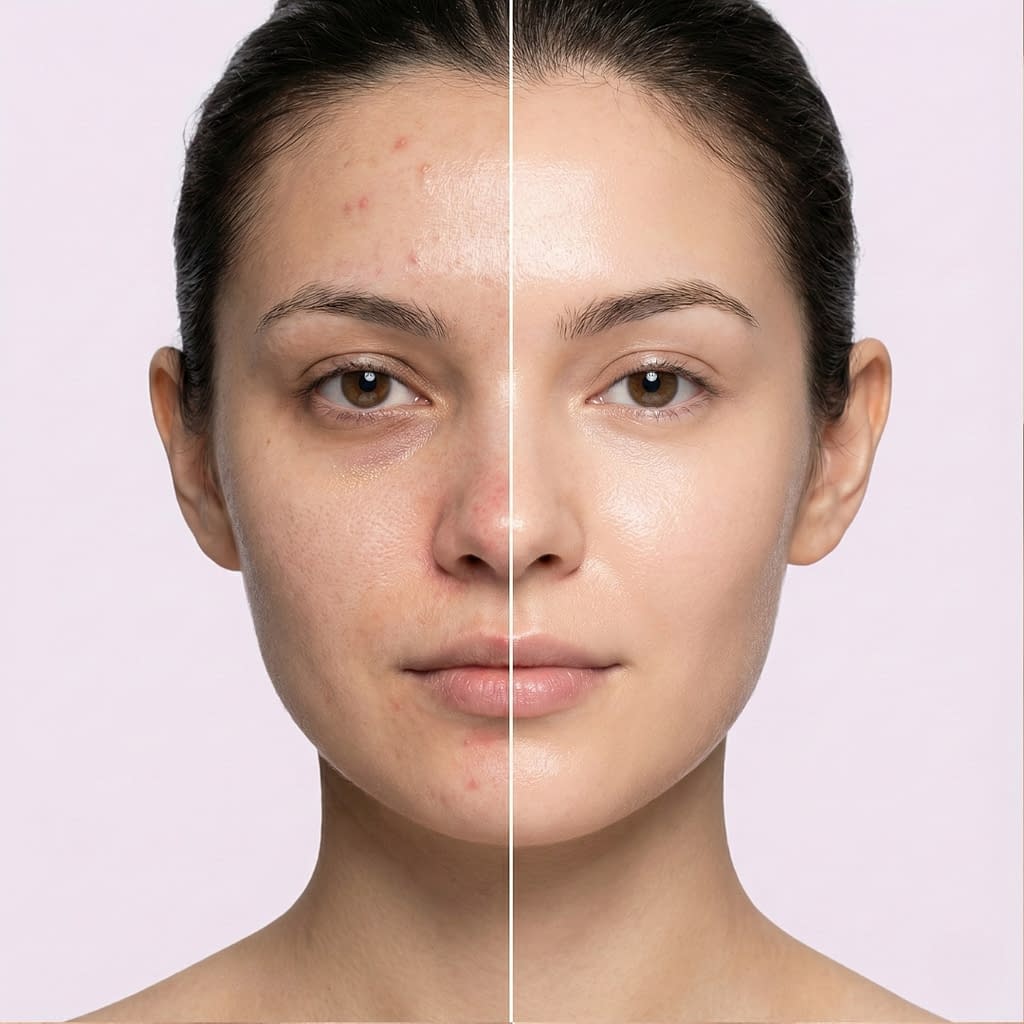
A skin detox gives your complexion a chance to recover from daily assaults (pollution, makeup, sweat, product buildup, and environmental stress). Benefits include:
- unclogged pores and fewer breakouts,
- improved texture and brightness,
- reduced irritation and inflammation, and
- better product absorption so your serums and moisturizers work more effectively.
A proper detox doesn’t mean stripping your skin; it means removing what’s blocking renewal while supporting the barrier and the skin’s natural clearance systems.
Start With a Deep Cleanse
Deep cleansing removes surface dirt, excess oil, pollutants, and sunscreen build-up — the first step to a successful detox.
Step-by-step deep-cleansing routine:
- Double cleanse if you wear makeup or sunscreen
- Step 1 (oil/balm): Massage a small amount of cleansing oil or balm onto dry skin for 30–60 seconds to dissolve makeup, sunscreen, and sebum.
- Step 2 (water-based): Follow with a gentle, sulfate-free gel or cream cleanser to remove residues.
- If you don’t wear makeup: Use a mild water-based cleanser in the evening and a splash or gentle cleanse in the morning.
- Technique: Use lukewarm water and circular motions with your fingertips. Avoid harsh scrubbing. Rinse thoroughly and pat dry.
- Frequency: Deep cleanse nightly during the detox week; maintain twice daily cleansing afterwards (AM and PM).
Product notes: choose fragrance-free, non-comedogenic formulas. If your skin is sensitive, skip oils and double-cleanse with a gentle cream cleanser instead.
Exfoliate to Remove Dead Skin and Toxins
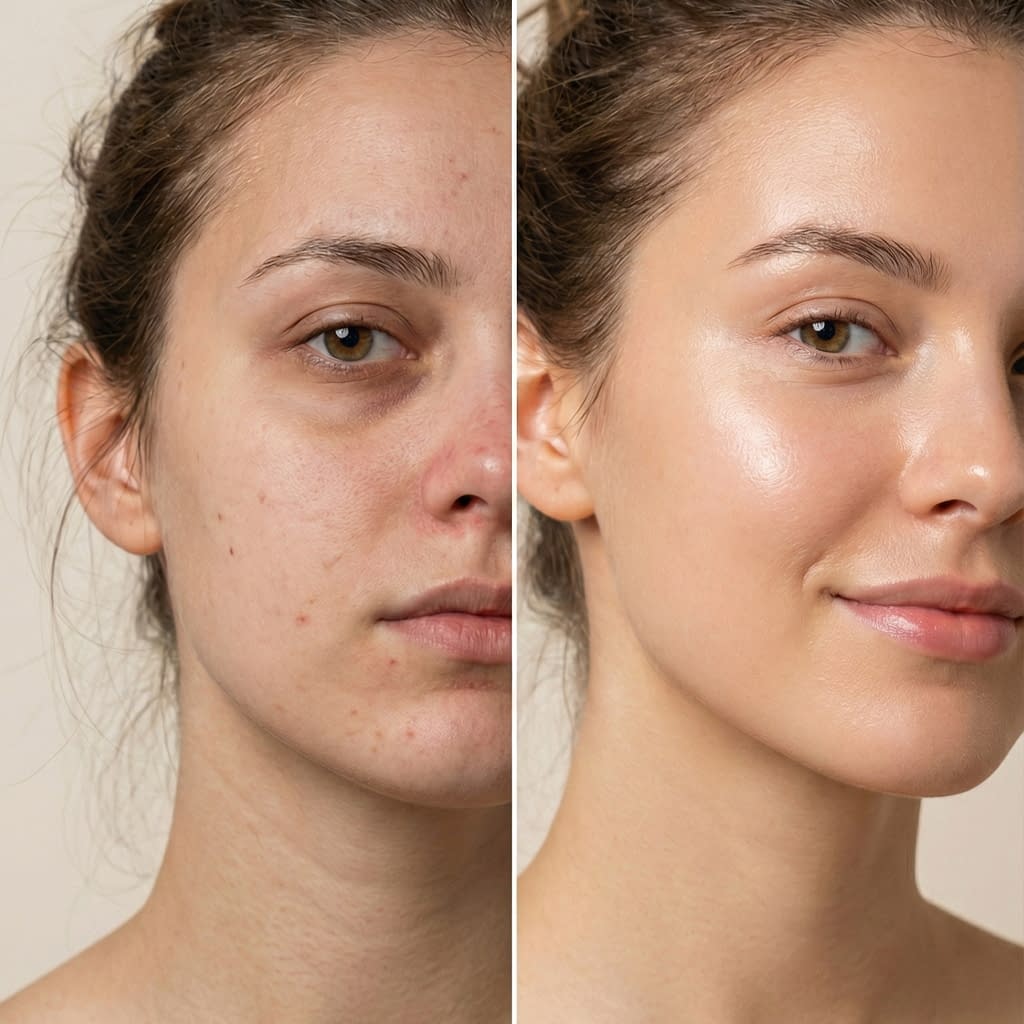
Exfoliation clears dead skin that blocks pores and dulls the complexion, helping skincare penetrate and accelerating renewal.
How to exfoliate safely and effectively:
- Choose the right kind
- Chemical exfoliants (recommended): AHAs like lactic or glycolic acid for surface smoothing and brightness; BHA (salicylic acid) for oily, congested skin and blackheads. PHAs (gluconolactone) are gentler for sensitive skin.
- Physical exfoliation: use a very gentle scrub (fine sugar or jojoba beads) or a soft washcloth. Avoid harsh, abrasive scrubs that cause microtears.
- Frequency & method
- Normal/combination skin: chemical exfoliant 1–3× per week (start with once).
- Oily/acne-prone: 2–3× per week with salicylic acid leave-on products or a BHA cleanser.
- Dry/sensitive: once weekly with a mild lactic acid or PHA; avoid rough physical scrubs.
- Application tips
- Always follow product instructions for contact time. If using a leave-on acid, don’t rinse unless directed.
- Avoid combining strong acids with retinol the same night until you know your tolerance.
- After exfoliation, apply a hydrating serum and a barrier-repair moisturizer. Use SPF the following morning (exfoliated skin is more UV-sensitive).
Drink Plenty of Water
Hydration supports circulation, lymphatic flow, and the skin’s ability to flush waste products and maintain plumpness.
Practical hydration guidelines:
- Aim for steady fluid intake across the day — a common starting target is about 1.5–3 liters (roughly 6–12 cups) depending on climate, activity level and body size.
- Include hydrating foods: cucumbers, watermelon, oranges, soups and broths.
- Reduce excess caffeine and alcohol during the detox week because they can dehydrate.
- Tip: carry a water bottle and sip regularly rather than waiting until you feel thirsty.
Hydration alone won’t “detox” the skin, but it creates the optimal internal environment for clearance and cellular repair.
Add Antioxidants Into Your Routine

Antioxidants neutralize free radicals from pollution and UV exposure so the skin can repair instead of reacting.
How to use antioxidants effectively:
- Topical vitamin C every morning (10–20% L-ascorbic acid or stable derivatives) to brighten and protect. Apply after cleansing and before moisturizer.
- Green tea — use a cooled green tea rinse or a product containing green tea extract to calm and protect. Drinking green tea several times a week also provides systemic antioxidants.
- Niacinamide (2–5%) is a versatile anti-redness, barrier-supporting ingredient that complements vitamin C and helps regulate sebum.
- Dietary antioxidants: berries, dark leafy greens, nuts, and seeds support the body’s antioxidant defenses from within.
Start one new antioxidant product at a time and patch test to reduce irritation risk.
Detox With Clay Masks
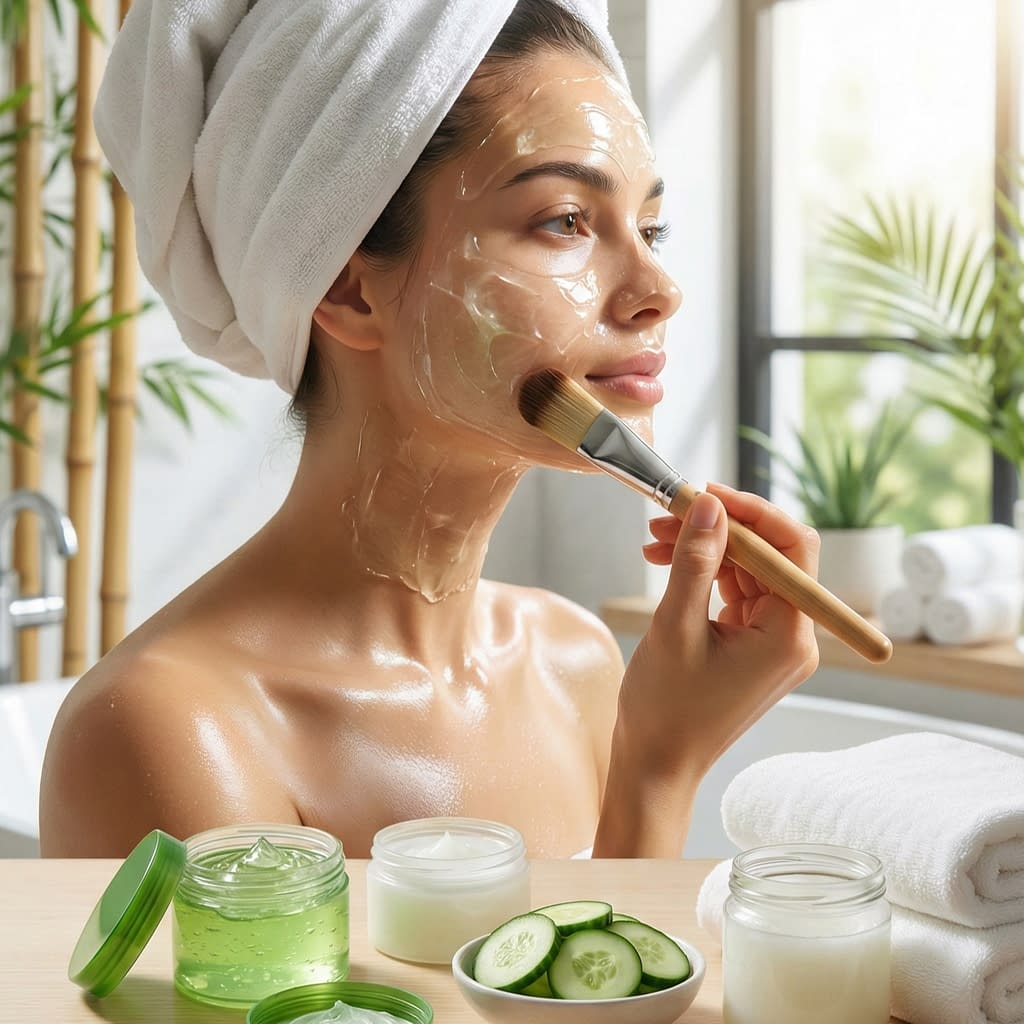
Clay masks absorb excess oil, pull out impurities from pores, and reduce congestion without over-drying when used correctly.
How to use clay masks the right way:
- Choose your clay
- Bentonite or kaolin for general detox and oil control.
- Activated charcoal blends for heavy pollution or congested pores.
- Apply on clean skin: spread a thin, even layer over T-zone or full face if you’re oily.
- Timing: leave on until slightly dry but not rock hard (about 8–12 minutes). Clay that dries completely can overdry skin and trigger rebound oiliness.
- Rinse gently with lukewarm water and follow with a hydrating serum and moisturizer.
- Frequency: 1–2× per week for oily/combination skin; once weekly or every 10–14 days for dry or sensitive skin.
DIY clay mask basics: mix clay with water, green tea, or a splash of apple cider vinegar (diluted) for added brightening. Always patch-test a new mix.
Facial Steaming for Deep Pore Cleansing
Steaming softens sebum and opens pores to improve extraction and absorption — do it safely and in moderation.
How to steam at home (step-by-step):
- Cleanse first to remove surface oil.
- Prepare hot water in a bowl (not boiling), add a few drops of chamomile or eucalyptus if desired.
- Hold your face about 20–30 cm above the bowl and drape a towel over your head to trap steam. Steam for 5–8 minutes — stop if you feel uncomfortable.
- After steaming, use a clean cotton pad or wet-conditioner-slipped cloth to gently wipe away loosened debris, or follow with a targeted extraction performed carefully (or have a professional do extractions).
- Finish with clay mask or hydrating serum and moisturizer.
- Frequency: once weekly is sufficient for most people — more often can aggravate sensitivity.
Caution: avoid steaming if you have rosacea prone to flushing or very inflamed acne without professional guidance.
Eat Skin-Loving, Detoxifying Foods
What you eat supports detox pathways (liver, gut) and supplies the building blocks for cell repair and collagen.
Foods to favor:
- Leafy greens and cruciferous vegetables (broccoli, kale) for detoxifying antioxidants.
- Citrus and berries for vitamin C to support collagen.
- Nuts, seeds, and fatty fish for omega-3s that reduce inflammation.
- Fermented foods or a probiotic to support gut health, which influences skin via the gut-skin axis.
- Whole grains and legumes for sustained energy and stable blood sugar — avoid spikes that can worsen acne.
Daily plan hint: fill half your plate with vegetables, add a lean protein, include a healthy fat, and snack on fruit or nuts.
Sweat It Out — Exercise Helps Skin Detox
Exercise increases circulation, opens pores through perspiration, and accelerates lymphatic drainage — all of which help clear metabolic byproducts and brighten the skin.
How to use exercise for skin benefit:
- Aim for 30 minutes most days: brisk walking, running, cycling, or a quick HIIT session.
- Post-workout hygiene: shower and cleanse as soon as possible after sweating to remove salt, oil and bacteria. Use a gentle body and face cleanser.
- Sauna or steam room: occasional use can boost circulation and sweating (skip if you have certain health conditions).
- Include strength training which supports hormonal balance and overall metabolic health.
Exercise also reduces stress — another major factor in skin flareups.
Get Enough Sleep for Overnight Skin Repair
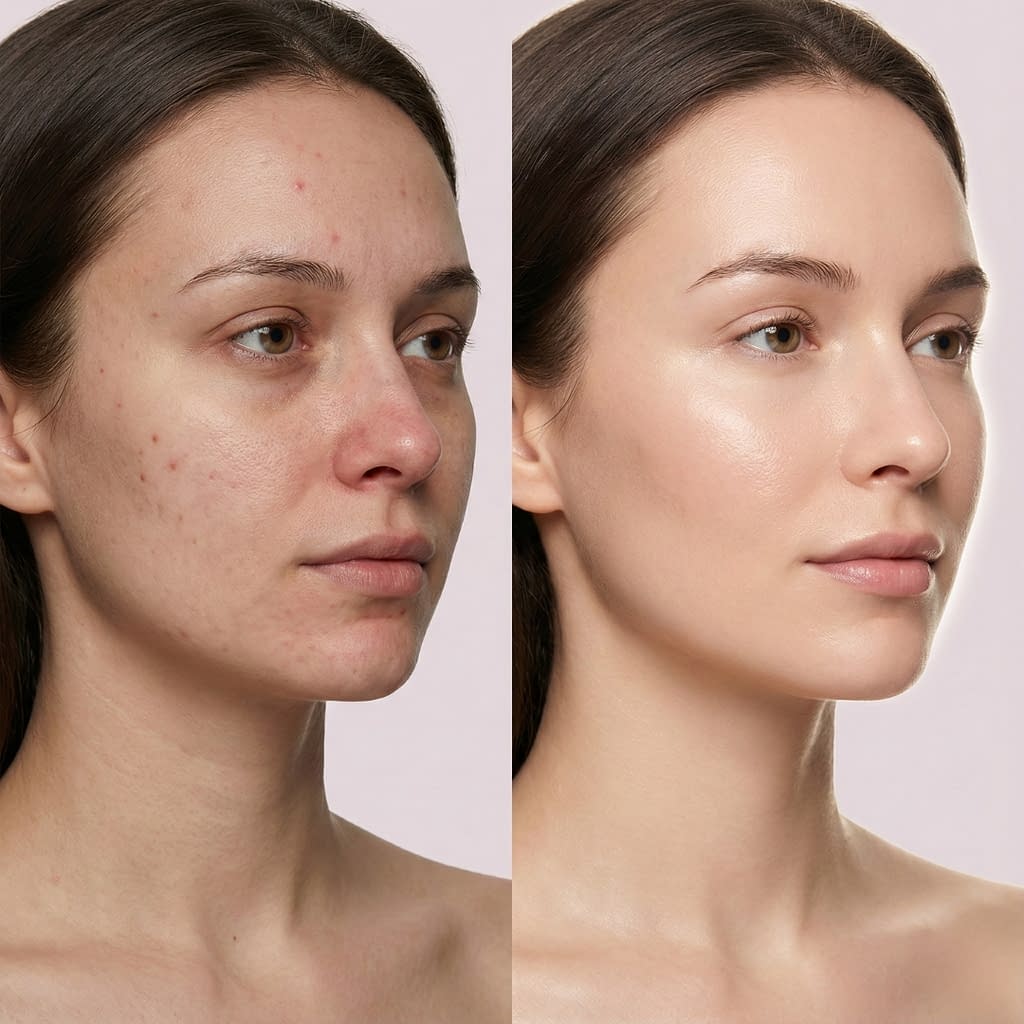
Sleep is when growth hormone and repair processes peak; inadequate sleep accelerates inflammation, dullness and delayed healing.
Sleep hygiene tips for skin:
- Aim for 7–9 hours of quality sleep nightly.
- Keep a regular sleep schedule (same bedtime and wake time).
- Avoid screens an hour before bed and limit late-evening alcohol.
- Use a silk pillowcase to reduce friction and creasing.
- Consider a light overnight moisturizer or sleeping mask to support barrier repair while you snooze.
Consistent sleep improves skin tone, reduces under-eye darkness, and helps cellular turnover.
Avoid Toxins in Skincare & Lifestyle
Simplifying and removing irritating inputs reduces the load on your skin and body.
What to cut back on:
- Harsh sulfates, denatured alcohols, strong synthetic fragrances and unnecessary exfoliating “scrubs” that cause microtears.
- Smoking, which increases oxidative stress and breaks down collagen.
- Excess sugar and processed foods that promote glycation and inflammation.
- Overuse of pore-clogging heavy oils or thick creams if you’re acne-prone.
How to shop smarter: look for products labeled non-comedogenic, fragrance-free, and with short ingredient lists. If you have sensitive skin, patch test new products for 24–48 hours before full use.
Final Words
A natural skin detox is a gentle, sustainable approach — not a drastic purge. Cleanse thoroughly, exfoliate thoughtfully, hydrate inside and out, add antioxidant protection, and support circulation with steaming, masks and exercise. Pair these habits with a nourishing diet, consistent sleep, and the removal of irritants to give your skin the best chance to clear, repair, and glow.
Start with a simple 2-week reset: deep cleanse nightly, hydrate morning and night, use a clay mask and steam once each per week, increase water intake, add one antioxidant serum in the morning, and sleep earlier. Track changes with photos every two weeks; you’ll likely see improved clarity and texture within the first month. If you have persistent issues such as cystic acne, severe rosacea, or unexplained rashes, consult a dermatologist — a detox is supportive, but medical conditions need medical care.


