

Winter can be cozy — until your ears start to ache. Cold wind, dry indoor heating, rapid temperature swings and more frequent colds and allergies all make ear discomfort more likely. Most winter ear pain is preventable with a few simple habits: keep ears covered, protect nasal health, avoid inserting things into the ear, use gentle home care for congestion, and watch for warning signs that need a doctor. Below is a full, reader-friendly guide you can paste into your blog — bold headings, clear step-by-step actions, and practical tips you can use today.
Why Ear Pain Is More Common in Winter
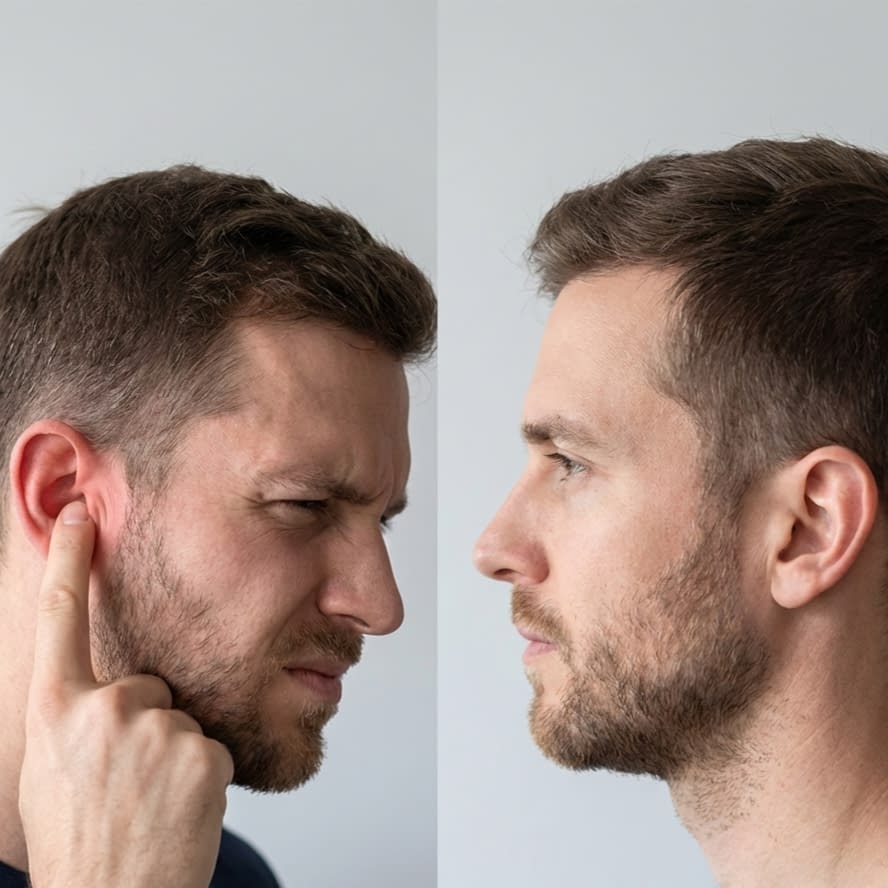
Cold weather brings more upper-respiratory infections, more time in heated (dry) rooms, and more rapid transitions between cold outdoors and warm indoors. Those factors together increase nasal congestion, stiffen the tiny muscles around the ear, and make the Eustachian tube (the little pressure-equalizing tube) less likely to open properly. The result: muffled hearing, popping, fullness, and sometimes aching. Knowing this helps you target prevention where it matters most — warmth, humidity, and nasal health.
How Cold Temperatures Affect the Inner and Outer Ear
Cold air makes the tiny blood vessels in the outer ear constrict, which can feel like tightness or numbness. Direct wind can irritate the skin of the ear and cause muscle tension. Inside, the Eustachian tube links the middle ear to the nose; when nasal tissues swell from a cold or allergen, that tube can block, causing pressure and pain behind the eardrum. Protecting the outer ear and preventing nasal congestion are both key to reducing winter ear pain.
The Link Between Dry Air and Ear Discomfort
Indoor heating drops humidity — dry air can harden earwax, dry out the delicate skin in the canal, and make the nose and throat dry and irritated. Dry nasal passages mean poorer Eustachian tube function and more middle-ear pressure problems. Using a humidifier in bedrooms or main living areas, and avoiding over-drying soaps and sprays, reduces irritation and helps ears feel comfortable.
Common Winter Causes of Ear Pain
- Viral colds and sinus infections that cause middle-ear pressure.
- Eustachian tube dysfunction from nasal congestion or allergies.
- Direct wind and cold exposure to outer ears.
- Hardened earwax and dry ear canal skin.
- Referred pain from dental problems, TMJ (jaw) issues, or sore throat.
Addressing the most likely cause for each person (e.g., allergy control for someone allergic, extra warmth for someone exposed to wind) is the fastest route to relief.
How Sinus Pressure Can Trigger Ear Pain

Sinuses and the middle ear connect via the Eustachian tube. When sinuses are full or inflamed, the tube can’t equalize pressure properly. That trapped pressure feels like fullness, popping, or aching. Reducing sinus swelling by saline irrigation, steam, or treating allergies reduces ear pressure quickly. If you experience ear fullness with congestion, start with gentle nasal care before assuming antibiotics are needed.
Signs Your Ear Pain Is Weather-Related
Weather-related ear discomfort often:
- Comes with a stuffy nose or cold symptoms,
- Worsens when you move from cold to warm areas or step into wind,
- Feels like pressure, popping, or muffled hearing rather than sudden sharp pain.
If pain is severe, sudden, accompanied by fever, pus-colored discharge, or marked hearing loss, get medical help — those are red flags.
Simple Daily Habits to Prevent Ear Pain

- Cover ears outdoors with earmuffs, a beanie, or a hood when it’s windy or very cold.
- Use a humidifier at home to keep indoor humidity near 40–50%. Clean it regularly to avoid mold.
- Dry ears gently after showers or sweating: tilt your head and blot the outer ear with a soft towel.
- Use saline nasal spray once or twice daily during cold season to keep nasal passages clear.
- Avoid inserting cotton buds or sharp objects into the ear canal — they often make problems worse.
Step-by-step morning/evening micro-routine you can adopt:
- Morning: quick saline spray if you wake congested.
- Before going out: put on hat/ear protection.
- After returning: remove headwear slowly, dry any moisture, and run a saline rinse if congested.
- Night: run humidifier on low and avoid sleeping in very hot, dry rooms.
How to Protect Your Ears From Cold Wind
- Prefer full-coverage hats or earmuffs over headbands that leave ears exposed.
- If you’ll be in strong wind, use a scarf around the lower face that also reduces direct airflow to the ear area.
- Dry hair before going into cold wind — wet hair draws heat away quickly and chills the ears.
- For active winter sports, use windproof ear covers or thin, breathable headgear under helmets to reduce chill.
The Importance of Keeping Ears Dry in Winter
Moisture trapped in the ear increases irritation risk even in winter. After showering or sweating, tilt your head, gently tug the earlobe to straighten the canal, and blot the outer ear — do not probe inside. For stubborn trapped water, lie on your side with the affected ear down for a few minutes or hold a warm (not hot) hair dryer at arm’s length, moving continuously for a short time to evaporate residual moisture.
Can Ear Cleaning Make Winter Pain Worse?
Yes — aggressive cleaning (cotton buds, bobby pins, ear candles) tends to push wax deeper, make wax harder, or create micro-injuries that lead to pain and infection. In winter, when wax often hardens, resist digging. If you suspect blockage, soften wax with 1–2 drops of olive oil or mineral oil at night for a few days, and if symptoms persist, see a clinician for safe removal rather than self-prodding.
Home Care Tips to Reduce Winter Ear Discomfort
- Saline nasal sprays and gentle nasal irrigation (neti pot or bulb syringe) help open the Eustachian tube by reducing nasal swelling — use sterile or boiled-then-cooled water for rinses.
- Steam inhalation (hot shower or bowl with towel over your head) for 5–10 minutes loosens mucus — be careful not to use water that’s too hot.
- Warm compress: apply a warm (not hot) cloth over the outer ear for 10–15 minutes to reduce outer-ear pain and comfort the area.
- Over-the-counter pain relief (paracetamol/acetaminophen or ibuprofen) can be used per label for short-term relief if safe for you; check doses for children.
- Manage allergies proactively with antihistamines or nasal steroid sprays if recommended by your clinician — less nasal swelling usually means fewer ear problems.
Foods and Hydration That Support Ear Health

- Stay hydrated — dry mucous makes congestion worse.
- Eat anti-inflammatory foods regularly: fatty fish (omega-3s), colorful vegetables and berries.
- Watch personal triggers — for some people, dairy thickens mucus; notice if small dietary changes affect your congestion.
- Avoid excessive alcohol and caffeine around times you need nasal comfort, as they can dehydrate some people.
Winter Lifestyle Mistakes That Aggravate Ear Pain
- Sleeping in overheated, very dry bedrooms without a humidifier.
- Leaving wet hair in the cold or wearing wet hats outside.
- Probing ears with cotton swabs.
- Ignoring ongoing nasal congestion or allergies until ear pressure worsens.
Avoiding these simple pitfalls prevents many seasonal ear problems.
How to Prevent Ear Infections During Cold Months
- Practice good hand hygiene to reduce viral spread.
- Treat early colds and manage allergies so nasal congestion doesn’t persist.
- Use saline and humidification to maintain mucosal health.
- If you or a child get recurrent ear infections, discuss preventive strategies and possible ENT referral with your clinician.
When Ear Pain Needs Medical Attention

Seek prompt medical care if you experience:
- Severe, sudden ear pain with fever.
- Ear discharge that is pus-like or bloody.
- Significant or sudden hearing loss, ringing (tinnitus), dizziness, or balance problems.
- Pain after a head injury or if the ear appears red and swollen.
Persistent pain that doesn’t improve with simple home care for several days also warrants a GP visit.
Final Thoughts
Most winter ear pain is preventable with small, consistent habits: cover your ears, keep indoor air mildly humid, gentle nasal care, avoid sticking things in the ear, and dry ears carefully after water exposure. Treat colds and allergies early to stop congestion from turning into middle-ear pressure. If you ever have severe pain, fever, discharge, or sudden hearing loss, seek medical help promptly. Try two easy changes this week — a humidifier at night and a pair of foldable earmuffs — and see how much difference they make.


