

Finishing a brutal workout feels amazing — until your body reminds you of what you did the next day. Muscle soreness after intense exercise is normal, but it doesn’t have to derail your life. This post explains why soreness happens, how delayed-onset muscle soreness (DOMS) works, and — most importantly — gives clear, science-friendly, step-by-step strategies you can use immediately to feel better faster and recover smarter.
Why Muscle Soreness Happens After Intense Exercise

When you push muscles harder, faster, or in new ways, tiny microscopic damage occurs inside muscle fibers and the connective tissue around them. That microdamage isn’t “bad” — it’s the stimulus that helps muscles adapt and grow stronger — but the inflammation, fluid shifts, and local chemical signals that follow cause pain and stiffness.
Practical takeaway: soreness is a signal your body needs repair time and support (sleep, nutrients, gentle movement), not punishment. Treat it like a temporary state you can manage.
Understanding Delayed Onset Muscle Soreness (DOMS)
DOMS is the dull, stiff ache that typically peaks 24–72 hours after a new or especially intense session. It’s strongest after eccentric work (lengthening under load — think slow lowering during squats or the downhill part of running).
How to recognize DOMS
- Gradual onset (not immediate sharp pain)
- Tenderness to touch, stiffness, and reduced range of motion
- Mild swelling or temporary strength loss that recovers over days
DOMS is not the same as an acute injury (sharp, localized pain during an exercise or severe swelling). If you suspect a tear, severe strain, or joint damage, stop and seek evaluation.
Common Causes of Post-Workout Body Pain
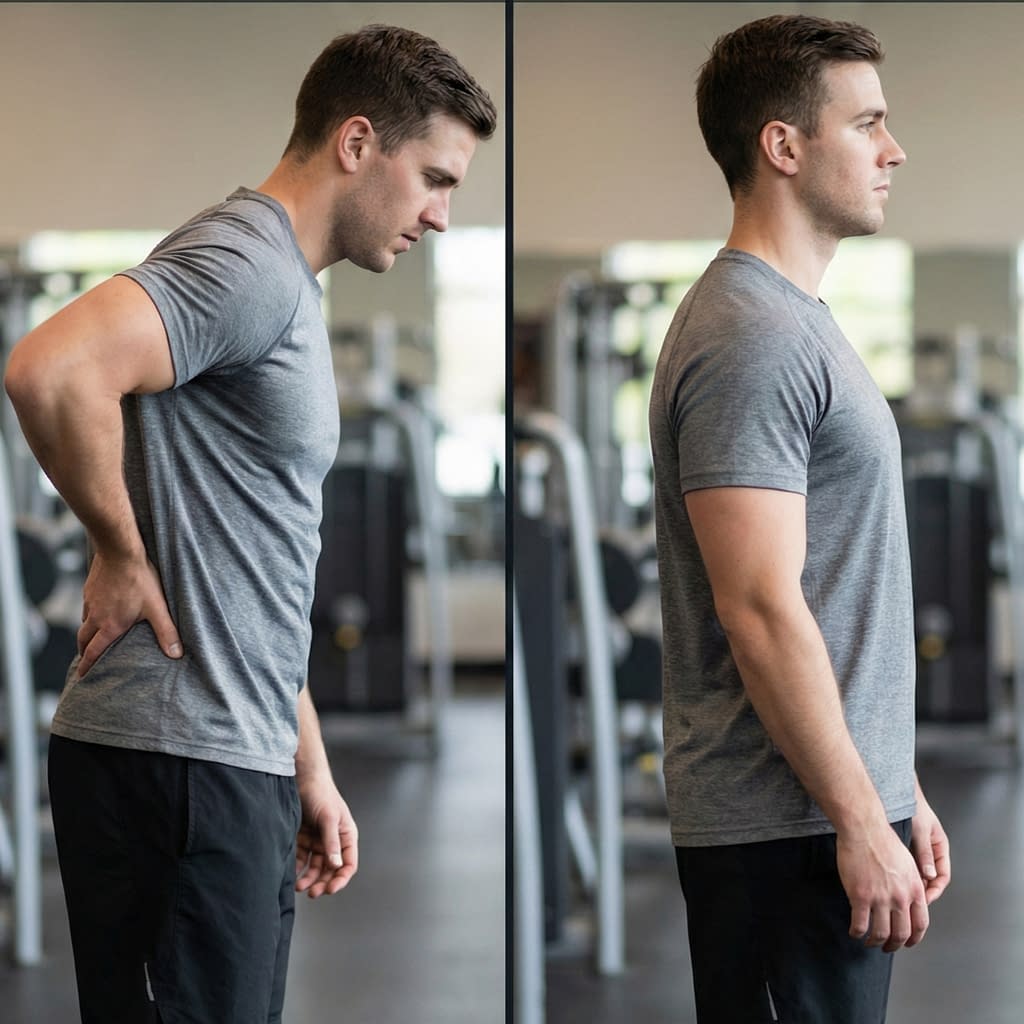
Know the usual suspects so you can prevent them next time:
- Doing new movements or much higher volume than usual
- Too many eccentric reps (lowering slowly) without adaptation
- Skipping proper warm-up or jumping too quickly between intensity levels
- Poor movement mechanics (form) that put uneven stress on tissues
- Dehydration, low carb or protein intake, poor sleep — these blunt recovery
Fixing these root causes reduces both how sore you get and how long it lasts.
The Role of Warm-Up and Cool-Down in Preventing Soreness
A small investment before and after training pays back big in less soreness and better performance.
Warm-up (10–15 minutes) — step-by-step
- General light cardio 3–5 minutes (bike, jog, jump rope) to raise core temp.
- Dynamic mobility for the joints you’ll use (leg swings, arm circles, hip openers) 4–6 minutes.
- Movement prep: 2–4 light sets of the main lifts or patterns at 40–60% working effort (build the nervous system, practice technique).
Cool-down (5–10 minutes) — step-by-step
- Light cardio 2–3 minutes to gradually lower heart rate.
- Gentle static stretches for major muscle groups you trained — hold 20–30 seconds each.
- Deep breathing for 1–2 minutes to shift into parasympathetic recovery.
Warm-up primes tissues and reduces excessive microtrauma; cool-down helps clear metabolic by-products and starts the relaxation process.
Immediate Post-Workout Recovery Steps That Matter Most
The first hour after training is a crucial window for recovery.
Post-workout priority list (step-by-step)
- Refuel: eat a balanced snack or meal within 60 minutes — aim for ~20–40 g protein + some carbs to refill glycogen and kickstart protein synthesis (e.g., yogurt + banana, chicken sandwich, a smoothie).
- Rehydrate: replace sweat losses with water and electrolytes if you trained long or hard. A simple rule—drink until urine is pale.
- Cool and compress if needed: if you’re hot or inflamed, a brief cool shower or cold pack (10–15 min) on the most tender areas can help pain control. Don’t ice continuously; use intermittently.
- Move gently: a 10–20 minute walk or light bike within a few hours eases fluid pooling and reduces stiffness.
- Plan sleep: good sleep that night is one of the biggest recovery boosters — prioritize it.
These basic steps massively speed early recovery and reduce soreness severity.
Stretching Techniques That Ease Muscle Tightness
Stretching won’t erase DOMS instantly, but used correctly it helps mobility and comfort.
Post-exercise stretching (step-by-step)
- Active release-style stretch: move the limb through the range while applying gentle tension — e.g., for calves: dynamic ankle pumps then hold a light stretch.
- Static holds for major groups: hamstrings, quads, calves, chest, lats — hold 20–30 seconds, repeat 2× each. Breathe slowly.
- PNF-style (advanced) — optional: contract-relax technique (contract muscle 5 sec, relax and stretch further 10–15 sec) can increase range but do gently after some warm-up.
If a stretch causes sharp pain, ease off or skip — pain is a sign of overload or injury.
The Importance of Hydration for Muscle Recovery

Water is the medium of recovery: nutrient transport, waste removal, and joint lubrication all depend on it.
Hydration strategy (step-by-step)
- Pre-hydrate: drink ~500 mL (about 17 oz) 2 hours before heavy sessions.
- During training: sip water regularly; more if you sweat heavily or it’s long.
- Post-workout: replace lost fluids—weight changes can guide you: for each 0.5 kg (1 lb) lost, drink ~500–700 mL water plus some electrolytes.
- Daily habit: keep water visible and sip every 20–30 minutes.
Dehydration intensifies soreness and slows repair; small, consistent sips beat big gulps.
Nutrition Tips to Repair Muscles Faster
What you eat matters as much as what you train.
Recovery nutrition (step-by-step)
- Protein: aim for ~20–40 g high-quality protein at a post-workout meal or snack to stimulate muscle protein synthesis. Sources: whey, Greek yogurt, eggs, lean meat, tofu.
- Carbohydrates: replenish glycogen with 0.5–1 g/kg bodyweight of carbs post workout if sessions are intense or frequent (rice, oats, fruit).
- Omega-3s: anti-inflammatory fats (fatty fish, flax) can help modulate inflammation — include them regularly.
- Antioxidant-rich foods: berries, greens, and colorful vegetables help with oxidative stress; don’t overdo mega-doses of antioxidants right after training though (moderation is best).
- Daily protein distribution: spread protein across meals (20–40 g per sitting) to support repair.
If you’re a teen, aim to eat balanced meals around exercise and talk to a coach/guardian about needs.
Natural Remedies That Help Reduce Muscle Inflammation
Some low-risk, natural options can ease soreness and inflammation:
- Cherry juice (tart cherries): studies show tart cherry juice may reduce DOMS and speed recovery when taken around intense exercise. Typical use: 1 serving (200–300 mL) of tart cherry concentrate or tart cherry juice daily around the event.
- Ginger: fresh ginger or ginger tea has mild anti-inflammatory effects and can reduce muscle pain for some people.
- Curcumin (turmeric): has anti-inflammatory properties; choose a formulation with black pepper (piperine) for better absorption. Use as part of foods or standardized supplements per label.
- Epsom salt baths: magnesium sulfate soaks (10–20 minutes) can be soothing and help relaxation — evidence for direct muscle repair is limited but they often feel good.
- Compression garments: light compression post-exercise can reduce soreness and perception of fatigue in some people.
Avoid high-dose supplements without guidance; they can interact with meds or be unnecessary. For teens, prefer food-based approaches and consult guardians.
How Sleep Quality Affects Muscle Healing
Sleep is when repair hormones (growth hormone) peak and tissues rebuild.
Sleep tips for faster recovery
- Aim for 7–9 hours nightly (teens may need more).
- Keep a consistent sleep schedule — same bed/wake times.
- Cool, dark, and quiet environment improves deep sleep.
- Avoid heavy meals, caffeine, and screens 60–90 minutes before bed.
If you can’t sleep enough after heavy training, reduce next session intensity — chronic poor sleep + hard training = slower recovery and higher injury risk.
Active Recovery: When Rest Is Not Complete Rest
Active recovery moves circulation and speeds removal of metabolites without adding damage.
Easy active recovery sessions
- 20–40 minutes easy bike, walk, or light swim the day after heavy work.
- Mobility flow: gentle yoga or mobility drills focusing on the sore areas.
- Low-load circuits: bodyweight movement with no fatigue, short duration.
Goal: increase blood flow and mobility without straining the damaged muscle. Active recovery reduces perceived soreness more than complete inactivity for many people.
Mistakes That Make Workout Soreness Worse
Avoid these common pitfalls:
- Ignoring progressive overload and jumping volume drastically.
- Skipping warm-ups and treating warm-up as optional.
- Doing heavy workouts when you’re sleep deprived or dehydrated.
- Relying on very intense stretching or heavy foam rolling immediately on a very sore muscle — go gentle instead.
- Using NSAIDs frequently as a shortcut (they blunt inflammation but can interfere with adaptation if overused; use judiciously and consult a clinician).
Smart training is gradual and attentive to overall life stressors.
When Muscle Pain Signals Overtraining or Injury
Soreness is normal, but watch for warning signs:
- Sharp, focal pain during exercise or sudden severe pain — possible tear or acute injury.
- Swelling, severe weakness, bruising, or inability to use the limb — see a clinician promptly.
- Prolonged soreness beyond 7–10 days without improvement or increasingly heavy fatigue, mood changes, insomnia — possible overtraining; consider reducing load and checking with a sports medicine professional.
If in doubt, get evaluated — it’s better to pause and assess than to risk a bigger setback.
Final Words
Muscle soreness after intense workouts is a normal part of progress, but it doesn’t have to be a week-long drag. Use smart preparation (warm-up, progress gradually), prioritize immediate recovery (nutrition, hydration, light movement), and adopt gentle recovery tools (sleep, compression, tart cherries, baths) to shorten the soreness window and get back to training sooner. Track how your body responds, be consistent with small routines, and scale intensity with your life stress and sleep. If pain is sharp, prolonged, or disabling — pause and seek professional guidance.


