

Hair fall is stressful — especially when you don’t know why it’s happening. Good news: many causes are fixable or manageable with simple, natural habits and a little patience. This guide explains why men lose hair, how to identify the root cause, and gives clear, step-by-step natural strategies you can use at home (washing, oils, masks, diet, scalp massage, stress control and herbal remedies). Follow these consistently and you should see stronger, healthier-looking hair over time.
Quick reality check and timeline
Hair naturally sheds every day (about 50–100 hairs for most people). What we worry about is excessive shedding (noticeable thinning, large clumps on the pillow, receding hairline) or sudden changes. Natural approaches won’t instantly regrow a full head overnight — they reduce avoidable loss, improve scalp health, and encourage stronger regrowth. Expect to give any program at least 8–12 weeks before judging results; hair growth is slow, but steady care compounds into real difference.
Why Hair Fall Happens in Men
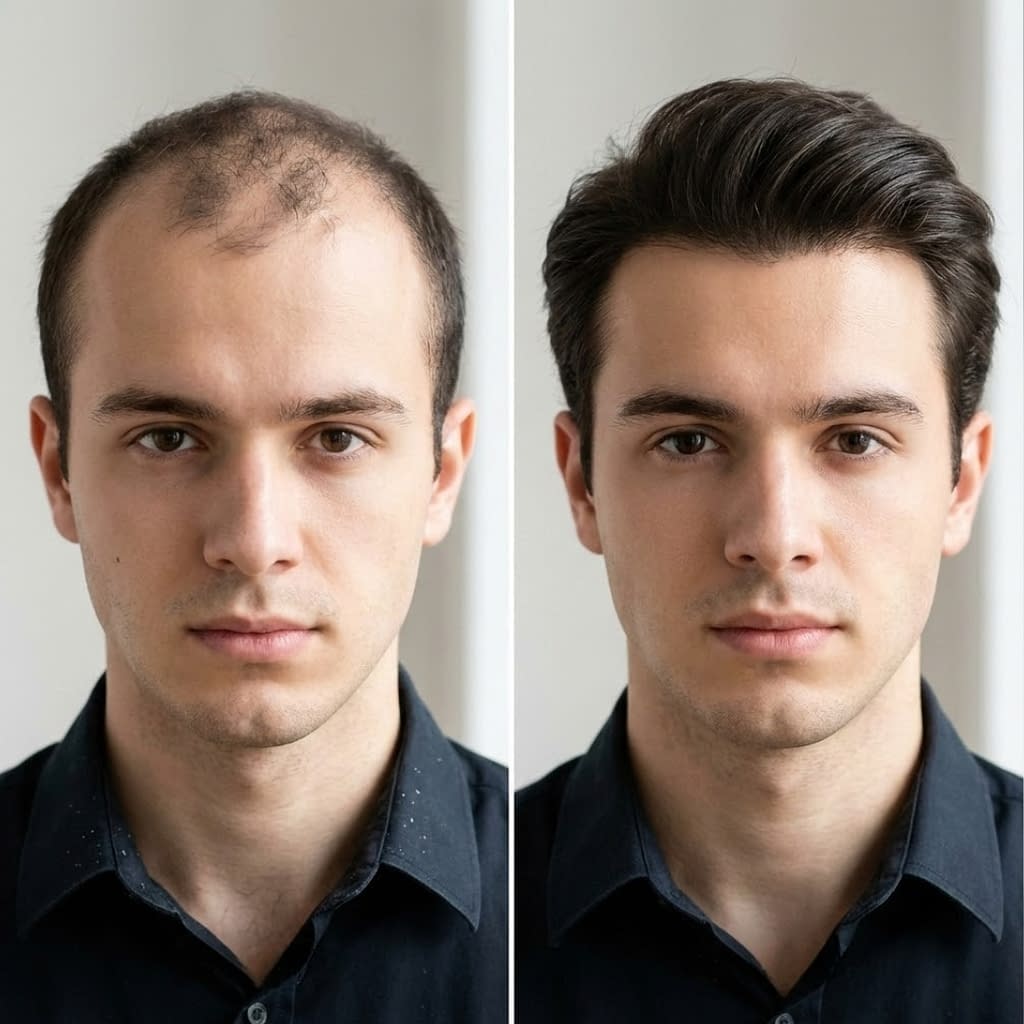
Understanding the cause helps you pick the right fixes.
- Genetics (androgenetic alopecia): the most common cause — sensitive hair follicles respond to DHT and gradually thin. Natural measures can slow progression but genetics plays a big role.
- Stress or telogen effluvium: physical or emotional shock (illness, surgery, high stress) can push many hairs into shedding simultaneously; this is often temporary.
- Poor diet & nutrient gaps: insufficient protein, iron, zinc, vitamin D, or B-vitamins weakens hair.
- Scalp issues: dandruff, seborrheic dermatitis, fungal infection or clogged follicles can increase shedding.
- Harsh grooming & products: strong chemical treatments, daily high-heat styling, or aggressive brushing cause breakage.
- Medical causes: thyroid disease, autoimmune conditions, or medications can trigger hair loss.
Takeaway: run a quick checklist (family history, recent stress/illness, scalp condition, diet, products) to narrow down likely causes before starting remedies.
Understand the Root Cause of Hair Fall (how to self-assess)
Use this short self-assessment to identify likely drivers.
- Pattern & speed
- Receding hairline or thinning crown over years → likely androgenetic.
- Sudden diffuse shedding (lots of hair falling over weeks) → likely telogen effluvium (stress, illness, meds).
- Scalp symptoms
- Itch, flaking, greasy scale → scalp condition (dandruff/dermatitis/fungal).
- Redness, pain, sores → see a doctor.
- Lifestyle clues
- Poor diet, crash dieting, heavy alcohol, or smoking? Nutritional factor likely.
- Very frequent heat/styling/chemical treatments? Mechanical damage likely.
- Family history
- If male relatives lost hair similarly, genetics likely contributes.
If you suspect medical causes (fast loss, patches, pain, or systemic symptoms), book a dermatologist / trichologist exam and tests (thyroid, iron, ferritin, vitamin D, hormone panels) before relying only on home remedies.
Gentle Hair Washing Habits for Healthy Roots
Clean scalp = healthy follicles. But balance is essential — over-washing strips oils; under-washing allows build-up.
Recommended routine
- Pick a mild, sulfate-free shampoo designed for daily or frequent use (if your scalp is oily) or a gentle cleanser for dry scalps. Avoid heavy detergent shampoos and products with harsh alcohols.
- Washing frequency
- Oily scalps: 3–4 times/week or even daily if needed.
- Normal/combination: 2–3 times/week.
- Dry/scalp issues: 1–2 times/week with gentle products; use co-washing (conditioning only) between washes if needed.
- Technique
- Wet hair with lukewarm water (hot water dries scalp).
- Use a small amount of shampoo; focus on the scalp and roots, not the hair ends. Massage gently with fingertips (2–3 minutes) — no aggressive scrubbing or nails.
- Rinse thoroughly and finish with a cool rinse to close cuticles.
- Conditioner: apply to mid-lengths and ends only; avoid heavy conditioners on the scalp if you’re prone to oiliness or clogged follicles.
- Avoid daily hot showers, excessive styling products, and strong anti-dandruff medicated shampoos unless you have flaking/dermatitis and are following a doctor’s guidance.
Quick tip: if you use styling products daily, a clarifying shampoo once every 1–2 weeks helps remove buildup.
Use Nourishing Oils to Strengthen Hair
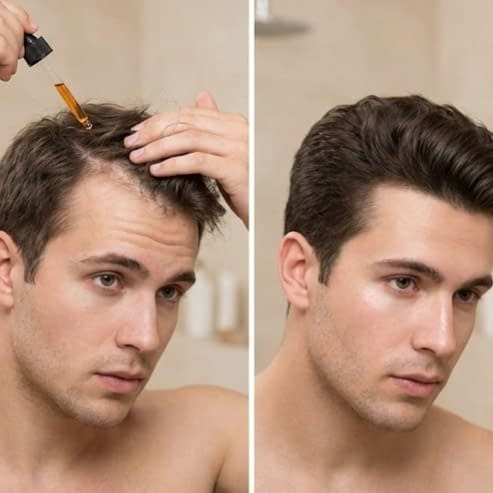
Topical oils can improve moisture, reduce breakage and may condition the scalp.
Best oils & why
- Coconut oil: penetrates hair shaft, reduces protein loss and breakage. Good for pre-wash treatments.
- Castor oil: thick and nutrient-dense (ricinoleic acid); traditionally used to add thickness — mix with lighter oils because it’s viscous.
- Almond oil / jojoba oil / argan oil: light, rich in vitamin E and fatty acids — great for scalp massage and ends.
- Rosemary essential oil (diluted): some studies suggest rosemary oil supports circulation and hair health; always dilute in a carrier oil.
Application method (1–2× per week)
- Mix (if using castor): 1 part castor : 2–3 parts coconut or almond oil for easier application. Or use straight coconut/jojoba for ease.
- Warm the oil slightly by rubbing between palms (do not overheat).
- Section hair and apply oil to scalp with fingertips: 5–10 drops per section until scalp is lightly coated. Massage (see scalp massage section) for 5–10 minutes.
- Distribute to lengths as needed to condition ends.
- Leave for 1–2 hours or overnight (use a towel or shower cap to avoid staining).
- Shampoo out thoroughly (you may need two passes if oil was heavy) and condition ends.
- Frequency: 1× or 2× weekly for most men.
Safety: patch test if you have sensitive skin. Avoid leaving essential oils undiluted on skin.
Natural Hair Masks for Strength and Growth
Masks add proteins, vitamins and help repair brittle hair.
Proven DIY masks (recipes + how to use)
A. Egg + Yogurt Strengthening Mask (protein + moisture)
- 1 whole egg (for short hair) or 2 eggs (for longer hair)
- 2 tablespoons plain yogurt
- 1 tablespoon olive oil (optional)
How to use
- Whisk ingredients until smooth.
- Apply to damp hair and scalp; massage gently.
- Leave 20–30 minutes (don’t overheat — eggs can cook).
- Rinse with cool water and shampoo gently.
- Use once weekly.
B. Aloe Vera + Coconut Oil Repair Mask (soothing + conditioning)
- 2 tbsp aloe vera gel + 1 tbsp coconut oil
How to use
- Mix and apply to scalp and lengths.
- Leave 30–60 minutes and shampoo.
- Good for irritated or sun-exposed scalps.
C. Fenugreek (methi) Strength Mask
- 2 tbsp fenugreek seeds soaked overnight, ground with water into a paste
How to use
- Apply paste to scalp for 30–45 minutes.
- Rinse and shampoo. Fenugreek has proteins and nicotinic acid that may condition and reduce shedding.
Notes: always rinse well. If eggs smell or you react, stop. Patch-test for allergy to fenugreek if you have legume allergy.
Improve Your Diet for Stronger Hair
Healthy hair starts from the inside. Hair needs protein and micronutrients to grow.
Key nutrients & foods
- Protein: eggs, lean meats, fish, dairy, legumes — hair is mostly keratin (protein). Aim for adequate daily protein (~0.8–1 g/kg bodyweight as baseline; athletes higher).
- Iron: spinach, red meat, lentils — iron deficiency is a common reversible cause of hair loss. Ask your doctor for ferritin testing.
- Zinc: oysters, beef, pumpkin seeds — zinc supports hair repair.
- Omega-3 fatty acids: salmon, mackerel, walnuts, chia — reduce inflammation and support scalp health.
- B-vitamins (especially biotin & B12): eggs, nuts, whole grains; deficiency can affect hair.
- Vitamin D: sunlight exposure and foods (fatty fish, fortified dairy) — low D is linked to hair loss; check levels with your doctor.
- Vitamin C: citrus, strawberries, peppers — supports iron absorption and collagen (scalp connective tissue).
Practical daily plan
- Include a good protein source at each meal.
- Eat 2–3 servings of fatty fish or plant omega sources weekly.
- Snack on nuts/seeds and fruit.
- If your diet is limited, consider a basic multivitamin or targeted supplement after consulting your doctor (iron, vitamin D, or specific hair supplements if deficient).
Avoid crash diets and extreme calorie restriction — they often trigger telogen effluvium.
Scalp Massage Techniques for Better Blood Flow
Massaging the scalp increases circulation, relaxes muscles around follicles, and helps oils/serums penetrate.
Daily 5-minute scalp massage (step-by-step)
- Apply a few drops of oil or leave-in serum to make fingers glide easily (optional).
- Use your fingertips (not nails), place them near the hairline.
- Circular motions: press and move in small circles, slowly across the entire scalp. Spend ~1 minute on each major zone: front hairline, crown, sides, and nape.
- Tapping & lifting: lightly tap with fingertips and gently lift the scalp up and release — this provides a different stimulation.
- Finish with rubbing the base of the skull and smoothing motions down the hair to distribute oils.
- Total time: 5–10 minutes daily or at least 3× per week. For oil treatments, massage for 5–10 minutes before leaving oil on.
Tip: do this during relaxing times (watching TV, before bed) to combine stress reduction with stimulation.
Avoid Harsh Hair Products and Heat Styling
Damage from chemicals and heat accelerates breakage and makes hair seem thinner.
What to avoid
- Strong chemical relaxers, frequent bleaching, harsh perms. These weaken the hair shaft.
- Daily high-heat styling (straighteners, blow dryer on high) — use low heat and protectants.
- Heavy waxes & greasy pomades that clog follicles and create buildup.
Safer alternatives
- Use mild styling products (light creams, water-based gels).
- When blow-drying, use low heat + the cool shot to finish; hold dryer 15–20 cm away and don’t concentrate on one spot.
- Limit chemical procedures — space them months apart and use deep conditioning afterwards.
- Clarify once every 1–2 weeks if you use heavy products to prevent buildup.
Reduce Stress — Your Hair Feels It Too
Chronic stress increases cortisol and can push hair into shedding phases.
Practical stress-reduction plan
- Daily movement: 20–30 minutes of brisk walking, gym session, or sport to lower stress hormones.
- Breathing practice: 5–10 minutes of deep diaphragmatic breathing or box breathing each morning or evening.
- Sleep: prioritize 7–9 hours per night; poor sleep links to inflammation.
- Mindfulness / hobbies: 10–15 minutes of meditation, reading, or a hobby daily reduces chronic stress.
- Social support: talk with friends/family; stress is easier when shared.
If stress is severe or persistent, consider therapy or counseling — mental health care improves many physical outcomes.
Try Herbal Remedies Known for Hair Growth
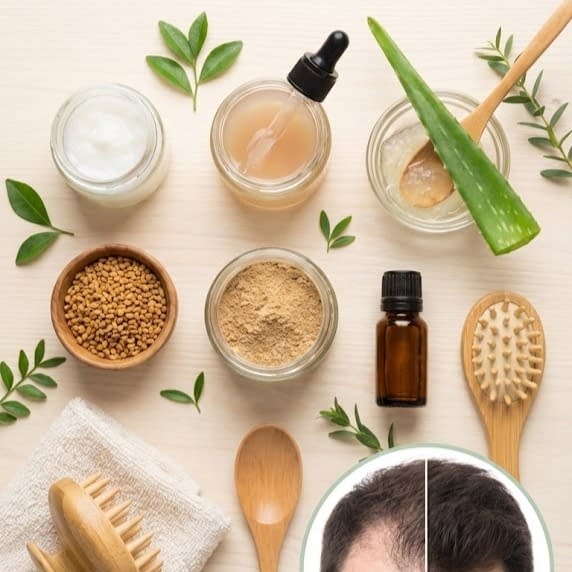
Some herbs have centuries of use. Use them carefully; patch test and expect variable results.
Common options & how to prepare
A. Onion juice (sulfur content may boost circulation)
- Blend 1–2 medium onions, strain to get juice.
- Apply to scalp with cotton, leave 15–30 minutes, then shampoo.
- Use 1–2× per week. Smell can be strong; rinse thoroughly.
B. Amla (Indian gooseberry)
- Use powdered amla mixed with water or oil into a paste; apply to scalp 30–45 minutes then wash. Rich in vitamin C and antioxidants.
C. Fenugreek rinse
- Soak 2 tbsp fenugreek seeds overnight, grind to a paste, apply 30 minutes, rinse. Or boil soaked seeds and use water as a rinse once cooled.
D. Neem water
- Boil neem leaves, cool and rinse hair with this water (antifungal and soothing). Good for dandruff-prone scalps.
E. Rosemary oil
- Dilute 3 drops rosemary essential oil in 1 tablespoon carrier oil; massage into scalp 2–3× weekly. (Patch test; don’t use undiluted essential oil.)
Note: evidence varies; some people notice benefits, others less so. These are low-risk if diluted and rinsed properly, but stop if irritation occurs.
When to Seek Professional Help
Home remedies help many men, but see a professional if:
- Sudden or rapid hair loss (days to weeks) or large clumps of hair falling out.
- Patchy hair loss (alopecia areata) — needs medical evaluation.
- Signs of infection, painful scalp, or scabbing.
- If you’ve lost significant density or have a strong family pattern and want to discuss medical options (minoxidil, finasteride, PRP, or hair transplant).
- If you suspect medical causes (thyroid disorder, severe iron deficiency, autoimmune conditions) — request blood tests (TSH, ferritin, CBC, vitamin D, sex hormones) through a doctor.
A dermatologist or trichologist can diagnose the cause and recommend evidence-based medical or combined approaches (natural + medical) suited to your situation.
Final Words
Here’s a compact, natural starter plan you can adopt today:
Daily
- Gentle shampooing schedule suited to your scalp (2–4×/week typical).
- 5-minute scalp massage (with or without oil).
- Balanced diet with protein, omega-3s, iron-rich foods, fruits and vegetables.
- Sleep 7–9 hours, manage stress with 10 minutes of breathing/exercise.
Weekly
- 1 oil treatment (coconut or coconut/castor mix) left 1–2 hours or overnight.
- 1 nourishing mask (egg+yogurt or fenugreek) or herbal rinse.
- Clarifying shampoo once every 1–2 weeks if product buildup is present.
Check-in after 12 weeks: if shedding is improved and hair feels stronger, continue the routine. If not, consult a dermatologist for tests and tailored treatment.


