

Dark circles under the eyes are one of the most common skin complaints — and also one of the most frustrating. They have many causes (some you can change, some you can’t), and quick fixes are rarely long-lasting. This guide explains why dark circles happen, then gives practical, gentle, and science-friendly steps you can use at home: sleep and stress management, hydration, targeted topical remedies, massage techniques, diet tips, sun protection, and a simple daily routine that ties everything together.
Read on for detailed, step-by-step instructions and realistic timelines so you know what to expect and how to make steady progress.
Why Dark Circles Happen and How to Treat Them Naturally
Dark circles are a visible change in the under-eye area caused by one or more of these factors:
- Thin skin / genetics — under-eye skin is very thin; blood vessels and shadows show through more easily. Some people are just predisposed to darker undereye tone.
- Hyperpigmentation — excess melanin (post-inflammatory pigmentation or sun-induced pigmentation) can make the area look brownish.
- Blood pooling & vascularity — poor circulation, allergies or fluid retention can make blood vessels more visible (a blue-purple tint).
- Volume loss / hollows — loss of fat or collagen in the orbital area casts a shadow that reads as a dark circle.
- Lifestyle factors — lack of sleep, dehydration, poor diet, alcohol and smoking can worsen darkness.
- Allergies & inflammation — rubbing, chronic allergic conjunctivitis, or eyelid inflammation (blepharitis) can lead to pigmentation and puffiness.
- Sun exposure — increases melanin and worsens pigmentation.
Why natural treatments?
They focus on improving circulation, hydration, skin barrier and pigmentation safely — with fewer side effects than harsh bleaching agents or unprescribed chemical peels. Natural approaches take longer but build healthier skin and are good first steps before seeing a professional.
Reality check: If dark circles are driven primarily by genetics or bone/volume loss, natural methods will improve appearance but may not completely remove the circles. See a dermatologist if dark circles are sudden, asymmetric, painful, or if home care doesn’t help after a few months.
Get Enough Sleep and Manage Stress
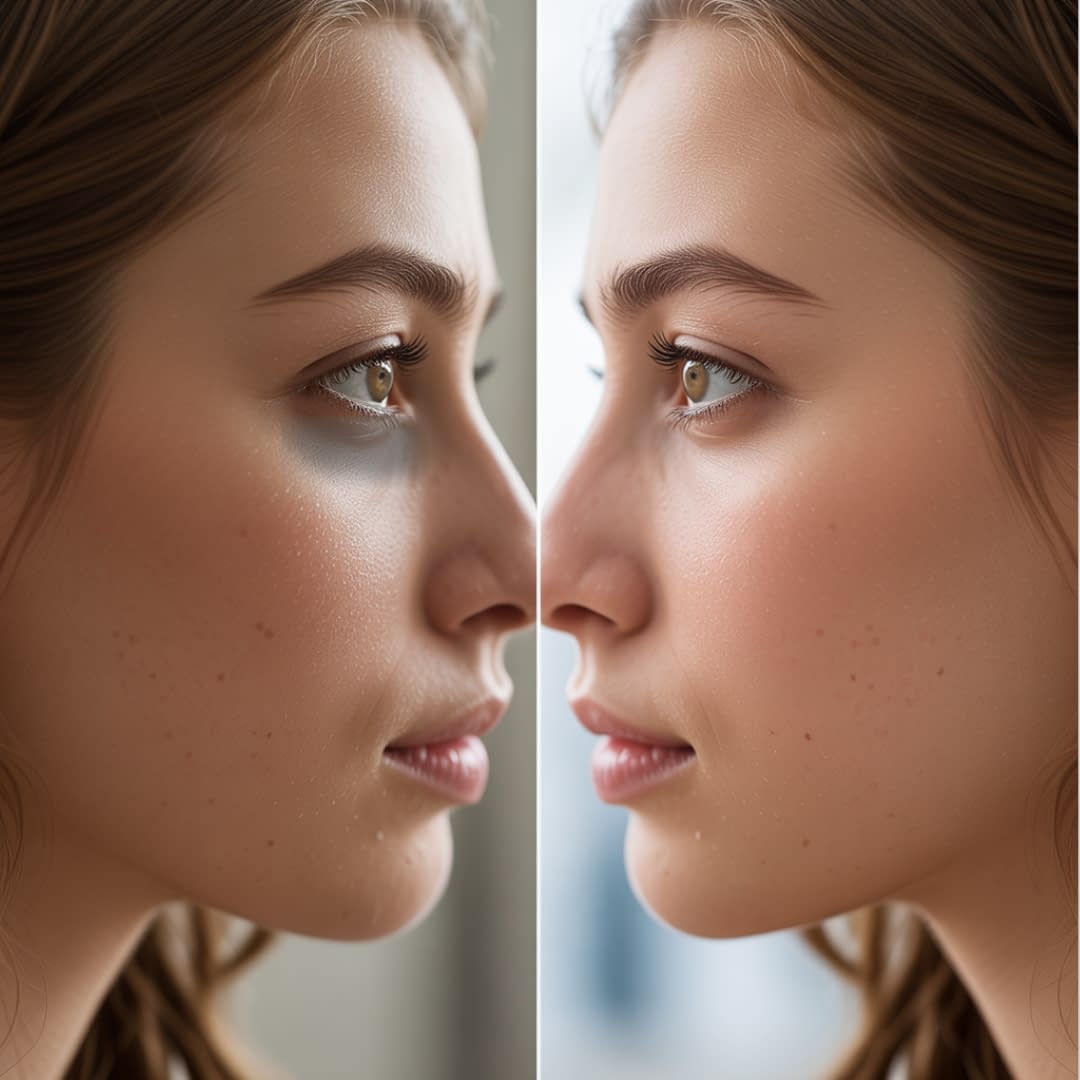
Sleep quality and stress are foundational. Without them, even the best topical routine will struggle.
Why it helps
- Sleep enables cellular repair and reduces visible tiredness and puffiness.
- Chronic stress raises cortisol and inflammation, which can worsen circulation and pigmentation.
Step-by-step sleep & stress plan
- Target sleep duration: 7–9 hours nightly for most adults. Adjust based on how you feel.
- Regular schedule: go to bed and wake up at the same times daily (including weekends). This stabilizes circadian rhythms.
- Wind-down routine (30–60 minutes before bed):
- Dim lights and turn off bright screens (or use blue-light filters).
- Read, stretch lightly, or practice 10 minutes of breathing/meditation.
- Avoid heavy meals, caffeine, and alcohol in the late evening.
- Bedroom environment: keep the room cool (~16–20°C / 60–68°F), dark, and quiet. Consider blackout curtains and a white-noise machine if needed.
- Micro-stress management: practice short breathing breaks during the day (box breathing 4-4-4-4), or 5–10 minutes of mindful walking. Reducing day-to-day stress reduces cortisol spikes that affect skin.
Tip: If you struggle with insomnia or chronic stress, consider cognitive behavioral therapy for insomnia (CBT-I) or professional counseling.
Stay Hydrated for Brighter Eyes
Hydration affects skin turgor and brightness. Dehydrated skin sits dull and shows lines/shadows more easily.
How much and how to hydrate
- Daily water target: a sensible range is ~1.5–3 L/day (about 6–12 cups), depending on climate, activity, and body size. Use thirst and urine color (pale straw) as quick guides.
- Sip regularly: keep a water bottle within reach and sip rather than chug.
- Hydrating foods: eat high-water fruits/vegetables (cucumber, watermelon, oranges, soups).
- Limit dehydrators: alcohol and excessive caffeine dehydrate — compensate with extra water or reduce intake.
- Topical hydration: use hyaluronic acid or glycerin-containing eye serums that attract and hold moisture in the under-eye skin.
Tip: Carry a small hydrating mist (thermal water or hydrating toner) for a mid-day pick-me-up.
Use Cold Compresses to Reduce Puffiness
Cold constricts blood vessels and reduces swelling, making eyes look fresher and less shadowed.
Cold compress methods (safe & effective)
- Chilled spoons: place two metal spoons in the fridge for 10–15 minutes. Hold the rounded side gently over each eye for 1–2 minutes.
- Cucumber slices: cool in the fridge and apply for 10–15 minutes. They provide a mild cooling and soothing effect.
- Cold gel eye packs: use a soft refrigerated gel mask for 5–10 minutes.
- Cold tea bags (green or black): steep, chill in fridge, squeeze out excess, and place over eyes for 10–15 minutes (caffeine constricts vessels and tannins can reduce puffiness).
Step-by-step
- Lie down and remove contact lenses if you wear them.
- Place your chosen cold compress over the eyes for 5–15 minutes.
- Gently pat any remaining moisture; apply a hydrating eye serum or moisturizer afterwards.
- Use daily in the morning if you wake with puffiness, or as needed.
Warning: don’t apply ice directly on skin; always use a barrier or keep compress cool rather than frozen.
Apply Natural Eye Masks and Remedies

Several gentle natural remedies help soothe, lighten, and refresh the under-eye area. Always patch test first.
Popular DIY remedies & how to use them
- Green tea bags (caffeinated): steep 2 bags, chill (or freeze briefly), squeeze excess, lie down and place bags over eyes for 10–15 minutes. Caffeine constricts vessels; antioxidants reduce inflammation.
- Cucumber slices: cool and place for 10–15 minutes. Cucumber is hydrating and soothing but the effect is temporary.
- Potato slices or juice: raw potato contains mild natural bleaching enzymes and vitamin C. Slice thin or grate, wrap in gauze, and apply 10–15 minutes. Caution: potato can irritate sensitive skin. Patch test.
- Aloe vera gel: pure aloe soothes and hydrates. Apply a thin layer under the eye and rinse after 10 minutes or leave a tiny amount overnight if tolerated.
- Rose water compress: soak cotton pads and chill, place on eyes for 10 minutes — calming and mildly astringent.
- Honey & milk (mild brightening): mix a tiny amount of raw honey with a drop of milk, apply carefully (avoid contact with eyes), leave 10 minutes, rinse. Honey is humectant and soothing.
Safety & frequency
- Use any compress 2–4× per week or as needed.
- Stop any remedy if you experience stinging, intense redness, or swelling.
- Do not place anything directly into the eye; keep a little distance from the lash line.
Note: Natural remedies are soothing and can reduce puffiness and mild pigmentation, but they usually provide temporary cosmetic improvement rather than permanent lightening.
Incorporate Eye Creams with Natural Ingredients

Well-chosen eye creams help hydrate, protect, and address specific causes of dark circles (pigmentation, vascularity, hollows).
Useful ingredients & why they help
- Caffeine: constricts blood vessels, reduces puffiness and darkness from vascular causes.
- Vitamin C: antioxidant and brightening — helps with pigmentation and collagen support. Use stabilized formulations.
- Hyaluronic acid / glycerin: hydrating humectants that plump and smooth fine lines.
- Niacinamide (vitamin B3): strengthens barrier, reduces pigmentation, and improves texture.
- Vitamin E: antioxidant, often used with vitamin C for stability and skin health.
- Peptides: support collagen and structural support in the skin.
- Retinol (low concentration, night): increases cell turnover and collagen — use cautiously and start low; avoid if extremely sensitive or pregnant. Use sunscreen during the day.
How to apply eye cream (step-by-step)
- After cleansing and toning, take a small amount (pea-size for both eyes).
- Use your ring finger (gentlest pressure). Dot product at inner under-eye, mid, and outer under-eye.
- Gently pat (don’t rub) from inner to outer, ending at the temple to encourage lymphatic flow.
- Allow product to absorb before applying makeup or sunscreen.
- Use morning and/or evening based on product instructions.
Tip: If you use a vitamin C serum, apply it before eye cream in the morning; in the evening, use retinol products per instructions and avoid strong acids the same night.
Protect Your Skin From Sun Damage
Sun exposure increases melanin and worsens under-eye pigmentation. Protection is essential.
Sun protection steps
- Sunscreen every morning: use a broad-spectrum SPF 30+ and apply to the entire face and under-eye area (use a mineral sunscreen if you have sensitive eyes). Reapply every 2 hours if outdoors.
- Wear sunglasses: large, wraparound sunglasses block UVA/UVB and reduce squinting (which can accentuate shadowing).
- Hats and shade: wide-brim hats and seeking shade in peak sun hours protect delicate under-eye skin.
- Avoid tanning beds: they accelerate pigmentation and skin aging.
Note: When using topical brighteners (AHA, retinol), the under-eye skin becomes more sun-sensitive — be extra diligent with SPF.
Maintain a Healthy Diet for Radiant Eyes
Nutrition supports skin health from within — deficiencies or poor diet increase darkness and texture changes.
Nutrients that help
- Iron: deficiency can cause pale skin, making veins more visible. Include red meat, spinach, lentils, or fortified cereals. Check levels with a blood test if you’re suspicious.
- Vitamin C: supports collagen and iron absorption — citrus fruits, bell peppers, strawberries.
- Vitamin K: associated with blood clotting and sometimes used topically for bruising/vascular circles (leafy greens are dietary source).
- Omega-3s: reduce inflammation and support skin barrier — fatty fish, chia, flaxseed.
- Protein & zinc: help tissue repair — eggs, meat, legumes, nuts.
- Antioxidants: berries, green tea, colorful veggies protect against oxidative damage.
Practical eating plan
- Prioritize a colorful plate: vegetables, fruits, lean protein, whole grains, healthy fats.
- Snack on nuts/seeds for vitamin E and zinc.
- If you suspect deficiency (pale skin, fatigue, hair loss), get blood tests before supplementing.
- Moderate alcohol and minimize excessive salt (salt increases fluid retention and puffiness).
Massage the Under-Eye Area to Improve Circulation
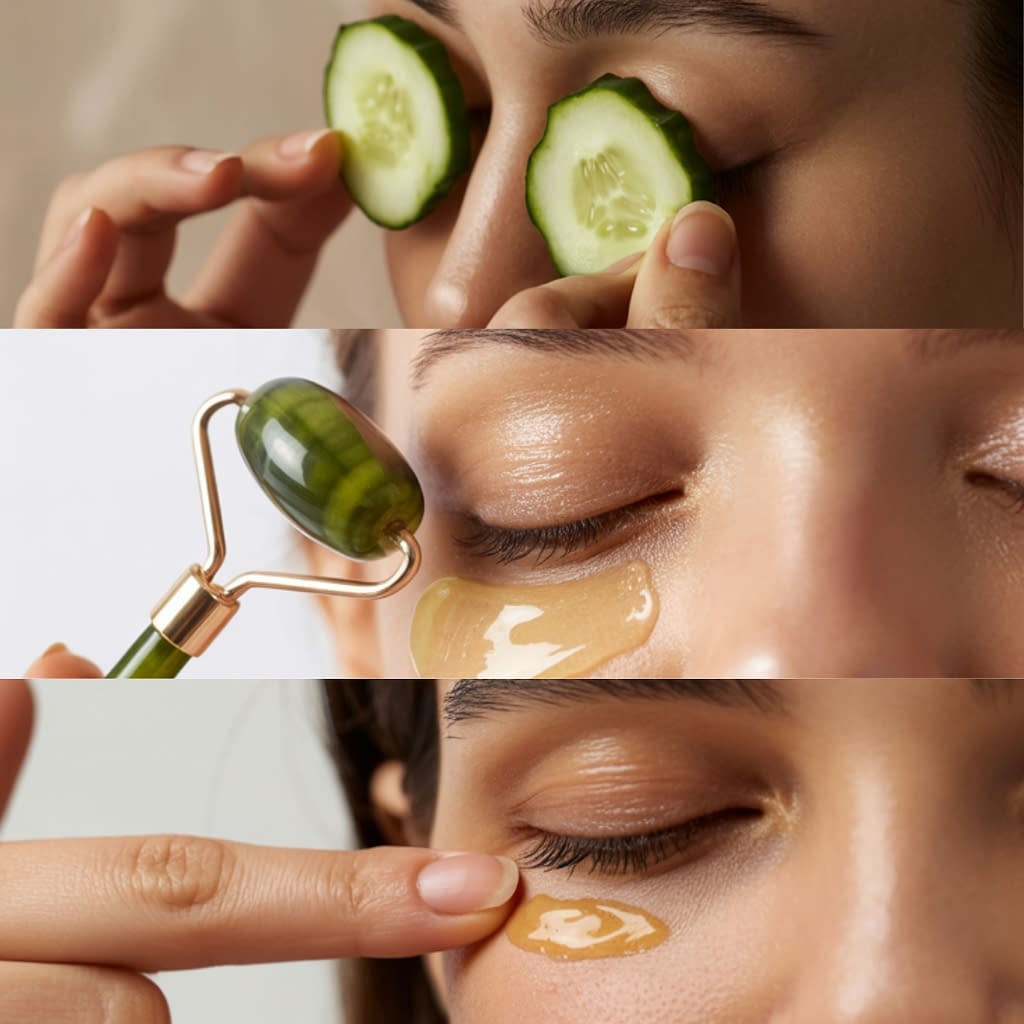
Gentle massage stimulates lymphatic drainage and circulation, which can reduce puffiness and help color look less pronounced.
Lymphatic drainage technique (step-by-step)
- Wash hands and apply a small amount of eye serum or oil to reduce friction. Use ring fingers.
- Inner-to-outer sweep: starting at the inner corner of the eye, very gently sweep outward along the under-eye with light pressure, following the orbital bone — 6–8 times.
- Tapping: gently tap with the pads of your ring fingers across the under-eye for 15–20 seconds to stimulate circulation.
- Temple drain: finish by sweeping from the outer corner of the eye toward the temple and down along the jawline to encourage lymphatic flow.
- Duration & frequency: 1–3 minutes daily (morning is great to reduce overnight puffiness).
Gua sha for under-eye area (gentle)
- Use a rounded edge of a gua sha tool, very light pressure, and sweep outward along bone for 1–2 minutes. Avoid strong pulling.
Caution: under-eye skin is thin — keep pressure extremely light. Stop if you feel pain, bruising, or increased redness.
Avoid Habits That Worsen Dark Circles
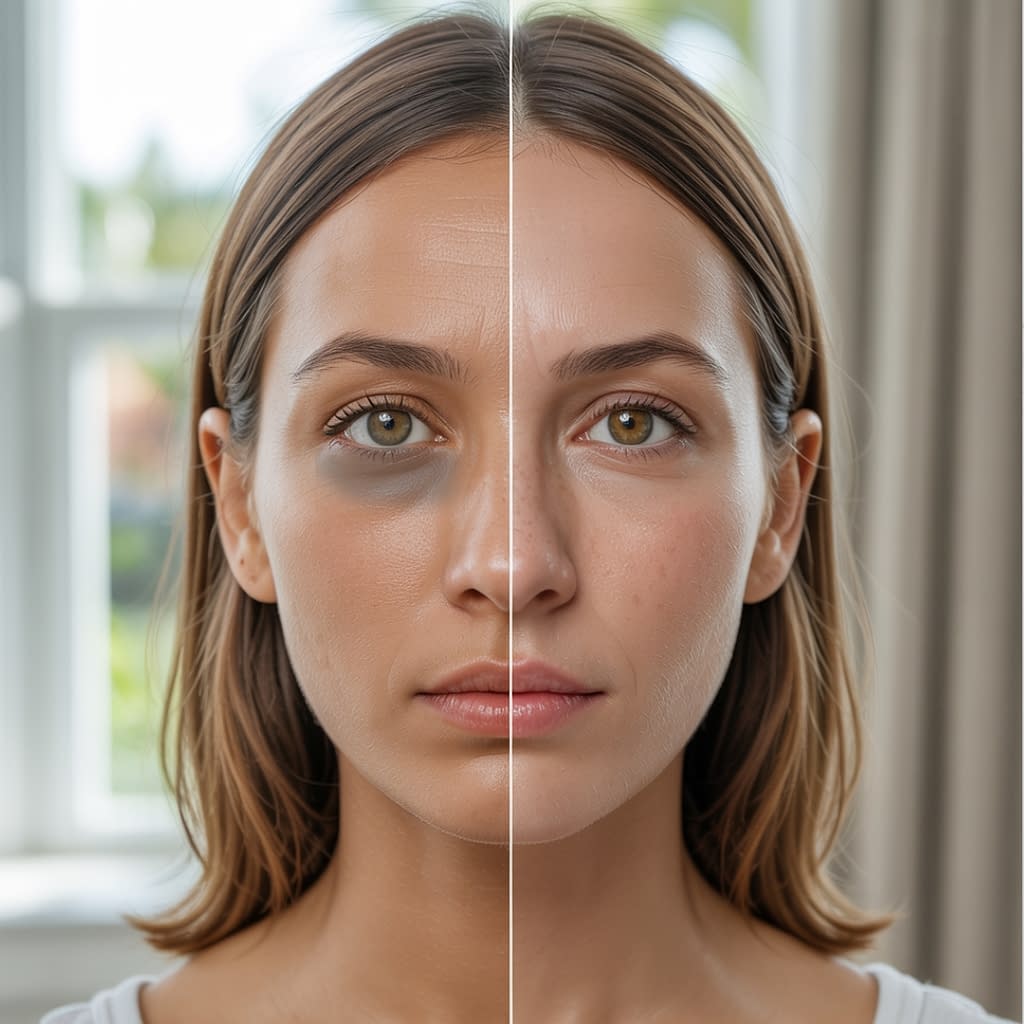
Small, repeated habits can make under-eyes darker over time.
Habits to reduce or stop
- Rubbing your eyes — causes inflammation and post-inflammatory pigmentation.
- Excessive screen time without breaks — causes eye strain and darkening; follow the 20-20-20 rule (every 20 minutes, look 20 feet away for 20 seconds).
- Smoking — decreases circulation and accelerates skin aging.
- Excess alcohol & salty foods — increase puffiness and dehydration.
- Sleeping face down — increases fluid retention under the eyes; elevate head slightly with an extra pillow if you wake puffy.
- Using harsh products around eyes — avoid alcohol-based or fragranced products that irritate.
- Ignoring allergies — treat seasonal allergies or consult a doctor; histamine and rubbing worsen circles.
Step-by-Step Daily Routine to Reduce Dark Circles Naturally
A simple routine you can follow daily to combine all the above tactics.
Morning routine
- Cold compress if needed (5–10 minutes) to reduce puffiness.
- Cleanse gently with a mild cleanser.
- Apply an antioxidant serum (vitamin C) to the face and allow to absorb.
- Dot on a caffeine/hyaluronic eye serum and lightly pat from inner to outer corner.
- Moisturize face and under-eye area.
- Apply broad-spectrum SPF 30+ (and sunglasses outdoors).
- Hydrate — drink a glass of water after waking.
Evening routine
- Remove makeup gently (oil cleanser or micellar water for eyes).
- Cleanse with a gentle face wash.
- Apply a nourishing eye cream (niacinamide, peptides or low-strength retinol if tolerated; retinol use should be gradual and limited to PM).
- Perform short under-eye lymphatic massage (1–2 minutes).
- Apply a thin layer of a hydrating balm or sleeping mask as needed.
- Sleep aiming for consistent hours.
Weekly extras
- 1–2× per week: gentle chemical exfoliation for the whole face (not directly on the lash line) if you tolerate it — helps texture and pigmentation over time.
- 2–4× per week: calming compress or green tea mask for inflammation and antioxidant support.
Timeline: Many people see reduced puffiness and better skin tone in days to weeks; meaningful reduction in pigmentation and texture often takes 6–12 weeks of consistent care. Genetic or structural causes may require professional treatments.
Final Words
Dark circles are multifactorial — genetics, skin thickness, pigmentation, vascularity, sleep, hydration, allergies and diet all play roles. Natural strategies won’t erase every type of dark circle, but they can significantly improve the look of tired eyes by reducing puffiness, improving circulation, boosting hydration, protecting skin from sun damage, and supporting healthy pigmentation over time.


