

How you remove facial hair at home matters — not just for how smooth your skin looks but for how healthy it stays afterwards. Natural methods can be gentler, cheaper, and kinder to sensitive skin than many store-bought, harsh chemical or high-heat options. This guide walks through why natural removal can be safer, how facial hair grows, and detailed, step-by-step instructions for proven natural methods (sugaring, turmeric, egg white, sugar-lemon scrubs, and home threading). It also covers aftercare, preventing ingrown hairs, frequency, lifestyle tips that may reduce growth over time, and common mistakes to avoid — so you can get results without irritation.
Why Natural Hair Removal Is Safer for Your Skin
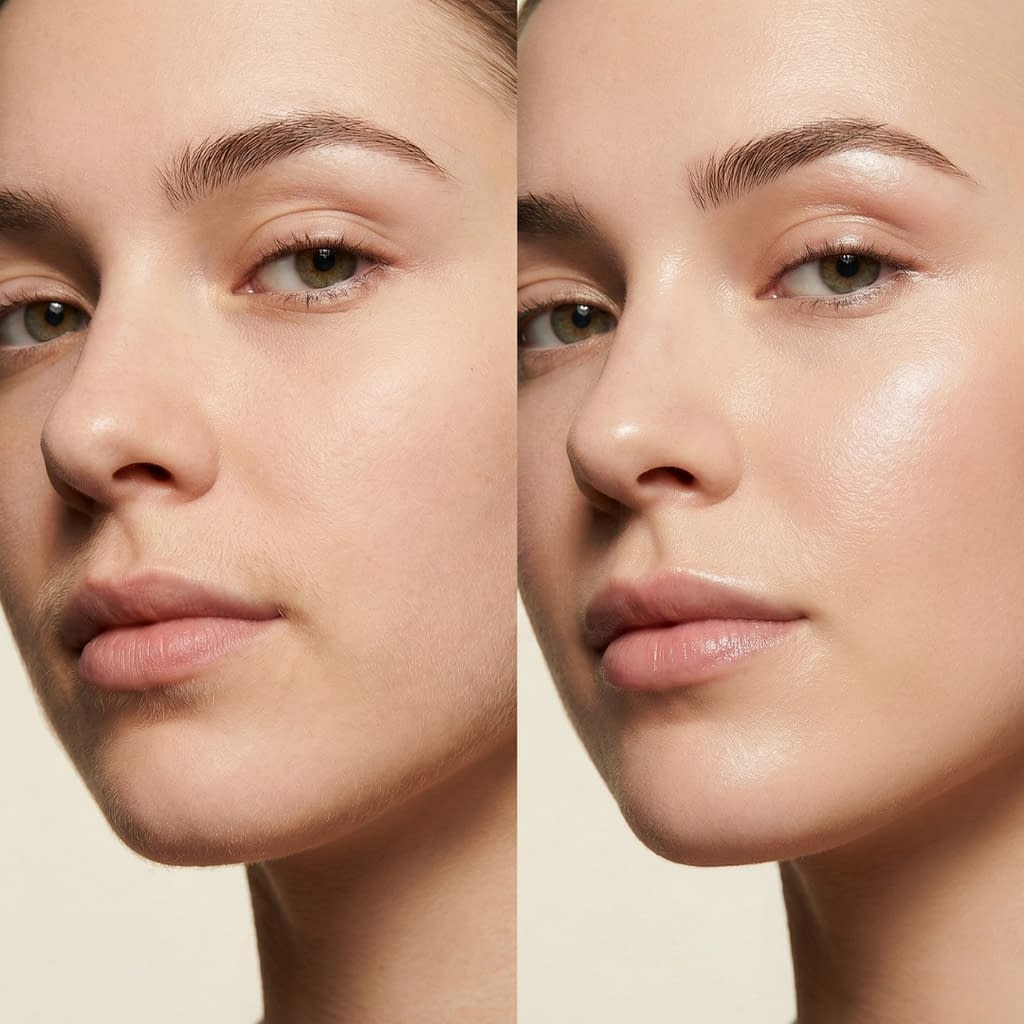
Natural hair removal methods usually rely on simple ingredients and low heat or manual techniques rather than strong chemicals, hot waxes, or electric razors that nick or over-strip skin. Benefits include:
- Lower chance of chemical irritation or allergic reaction (fewer synthetic fragrances, solvents).
- Many natural techniques remove hair from the root (sugaring, threading) and give longer regrowth-free intervals compared with shaving.
- Ingredients like honey, turmeric, and aloe can soothe and have mild anti-inflammatory properties when used correctly.
- You control the process, temperature, and ingredients so you can adapt for sensitive areas.
Caveat: “natural” ≠ always safe for everyone. Test each method on a small area first (patch test 24–48 hours). If you have active acne, eczema, rosacea, very sensitive skin, or are on blood-thinning medication, check with a dermatologist before trying root removal methods.
Understanding Facial Hair: Growth Patterns and Causes
Knowing the hair growth cycle helps set expectations.
- Hair types: vellus (fine, peach fuzz) vs terminal (thicker, pigmented). Natural methods affect these differently — root removal works better on terminal hair but may not permanently remove vellus hair.
- Growth cycle: each hair goes through anagen (growth), catagen (transition), and telogen (rest). Removing hair at the root delays regrowth until the next anagen phase starts.
- Common causes of excess facial hair: genetics, hormonal changes (pregnancy, PCOS, menopause), certain medications, or stress. Natural removal reduces visibility but won’t stop hormonally driven growth — for that, consult a clinician.
- Placement: upper lip, chin, jawline, cheeks, and sideburns each have different hair coarseness and sensitivity — tailor your method (threading for precise shaping, sugaring for larger areas, turmeric for gradual lightening).
Realistic expectation: natural methods reduce and slow regrowth and soften the appearance over time; some methods (e.g. sugaring, threading) give several weeks of smoothness; others (turmeric, scrubs) mainly reduce visibility and slow regrowth.
Preparing Your Skin Before Hair Removal
Prep reduces pain, redness, and the chance of ingrown hairs.
Step-by-step prep
- Clean the area. Wash the face with a gentle cleanser and lukewarm water to remove oils, makeup, and dirt. Pat dry with a clean towel.
- Exfoliate gently 24–48 hours before root removal (not immediately before); a soft enzyme mask or mild chemical exfoliant helps free hairs and prevents ingrown hairs. Don’t over-exfoliate.
- Steam (optional for root removal): a 5–8 minute warm steam (or warm compress) softens the skin and opens follicles — reduces pain when pulling hair from the root.
- Sanitize tools and hands. Threading thread, spatulas, or tweezers should be clean; wash your hands thoroughly. For reusable tools, disinfect with isopropyl alcohol and allow to dry.
- Test a small patch. For any new paste or mask, patch test a tiny area on the jawline or behind the ear and wait 24 hours to check for irritation or staining (turmeric can stain).
- Towel protection: keep tissues and cool compress ready for aftercare.
Good prep = less trauma, easier hair removal, and calmer skin afterward.
Natural Sugaring: Gentle Hair Removal at Home

Sugaring removes hair from the root using a warm, natural paste (sugar, lemon, water). It’s generally gentler than hot wax because the paste adheres to hair rather than skin and can be rinsed with water.
DIY sugaring paste (basic recipe)
- 2 cups granulated sugar
- 1/4 cup fresh lemon juice
- 1/4 cup water
Method (step-by-step)
- Make the paste: combine sugar, lemon juice, and water in a saucepan. Heat over medium, stirring constantly until mixture turns golden and reaches a thick honey-like consistency (~8–12 minutes). When it reaches a deep amber, remove from heat.
- Cool cautiously: pour into a heatproof container and allow to cool to warm (not hot). Test temperature on your wrist.
- Prepare skin: clean and, if desired, powder lightly with cornstarch to absorb excess oil.
- Apply: using a spatula or your hand, spread a thin layer of paste against the direction of hair growth.
- Remove: quickly flick or pull the paste off in the direction of hair growth (this reduces breakage and ingrown hairs). Pull parallel to the skin rather than upward to minimize trauma.
- Rinse: wash residual sugar with water — the paste is water-soluble.
- Soothe: press a cool compress, then apply a calming aloe or rosewater toner and a light unscented moisturizer.
Tips & cautions
- Work in small sections. If the paste is sticky and hard to pull, it may be too cool or too soft — reheat gently.
- Avoid sugaring over acne, open wounds, severe rosacea, or inflamed skin.
- Expect less pain with repeated sugaring as hair weakens and becomes finer.
Sugaring typically keeps skin smooth for 2–6 weeks depending on hair growth.
DIY Turmeric Paste for Slower Hair Regrowth
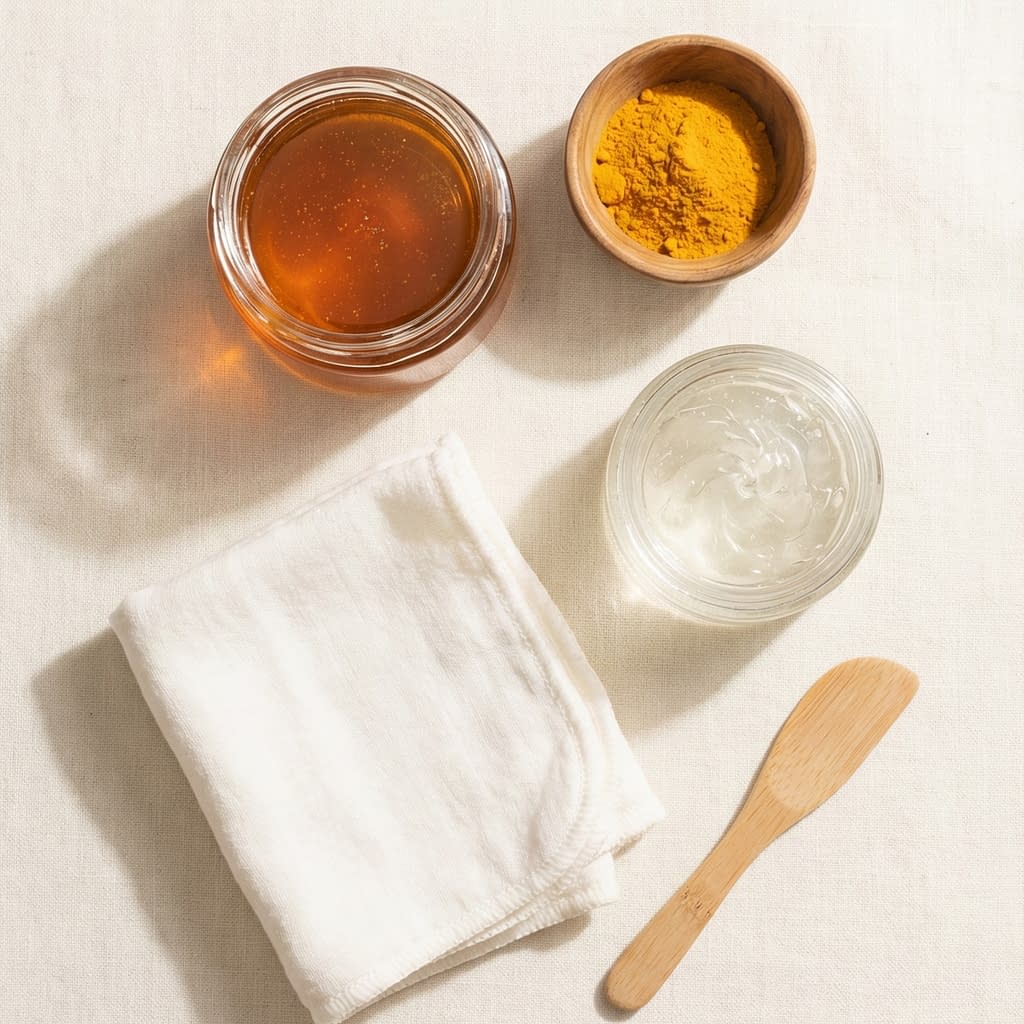
Turmeric is traditionally used to reduce pigmentation and is believed to help slow hair regrowth and make hair finer over time. Results are gradual and more subtle than sugaring/threading.
Turmeric paste recipe (simple)
- 1–2 tsp turmeric powder
- 1 tbsp gram (chickpea) flour or rice flour (absorbs moisture)
- Enough milk, water, or yogurt to make a paste — add 1 tsp honey for moisture
Method (step-by-step)
- Mix ingredients into a smooth paste.
- Cleanse skin and pat dry.
- Apply the paste to areas with fine hair (upper lip, cheeks) evenly — avoid eyes.
- Let dry for 15–30 minutes (do not leave on excessively if you have sensitive skin).
- Rub off gently or wipe with a damp cloth; you can rinse with lukewarm water. The paste will slightly exfoliate and lift some fine hairs; repeated use can reduce the visual density of hair.
- Moisturize afterward with aloe or a gentle oil.
Notes & cautions
- Turmeric can stain skin temporarily (yellow tint) and can stain fabrics — wear old clothing and use minimal quantity first. The tint usually fades after a day or two and can be removed with a gentle cleanser or oil massage.
- Patch test is essential if you have sensitive or reactive skin.
Turmeric is best as a complementary treatment used 2–3× weekly for several months to see softer, lighter regrowth.
Egg White Mask Method for Light Hair Removal
An egg-white mask forms a thin film that can lift very fine vellus hair and dead skin cells, giving a temporary smoother look. It’s not a root removal method and results are short-lived, but it’s safe and inexpensive.
Egg white mask (step-by-step)
- Separate 1 egg white into a small bowl and whisk to loosen. Add 1 tsp cornflour or sugar for grip if desired.
- Apply thin layer to the area with fine hair or peach fuzz (avoid damaged skin).
- Let dry fully (10–15 minutes).
- Peel off gently or rub away with a wet cloth — you’ll lift fine hairs and dead skin particles.
- Rinse and moisturize.
Tips & cautions
- Works best on very fine, light facial hair.
- Do not use if you have egg allergy.
- Sanitation: use fresh eggs and clean hands/utensils; do not apply to broken skin.
This method is a quick cosmetics trick for occasional use rather than a lasting solution.
Homemade Sugar-Lemon Scrubs to Remove Fine Hair
A gentle sugar-lemon scrub can exfoliate and help remove very fine hairs over time, while lemon mildly lightens hair and skin. Use cautiously — lemon can be photosensitizing.
DIY sugar-lemon scrub (step-by-step)
- Mix 1 tbsp fine sugar + 1 tsp fresh lemon juice + 1 tsp olive oil or honey to make a paste.
- Clean skin, then apply the scrub with gentle circular motions for 30–60 seconds — don’t over-scrub.
- Rinse thoroughly and pat dry.
- Soothe with aloe or a thin layer of moisturizer.
- Sun caution: avoid sun exposure of treated area for several hours after use and always use SPF afterward; lemon can increase sun sensitivity and risk of pigmentation.
This method combines light physical exfoliation with mild natural lightening; use 1× weekly.
How to Use Threading Techniques at Home Safely
Threading gives precise hair removal and clean shaping (great for brows and upper lip). It takes practice but is inexpensive once you learn.
Threading basics (step-by-step)
- Tools: 100% cotton thread (non-stretch), scissors, mirror, good lighting.
- Prep: clean and lightly powder the area. Keep warmed compress ready for aftercare.
- Hand technique (fundamentals):
- Tie thread into a loop about 12–18 inches long.
- Make a twist in the middle by coiling the loop several times (4–6 twists).
- Hold the loop between both hands — open one hand to widen the loop and close the other to narrow it; the twisted center acts like tiny pincers that grip hair.
- Practice on small sections: glide the twisted center over the skin in the direction of hair removal; the twist captures hair and pulls it out from the root when you close the loop quickly. Keep the motion brisk and precise.
- Move slowly until you’re comfortable with the rhythm; start with small sections (a few hairs) not whole brows.
- Aftercare: press a cool compress and apply aloe or centella to soothe; avoid heavy makeup for several hours.
Safety & tips
- Threading is painless for some and a bit sharp for others — practice on less sensitive areas first.
- Keep thread taut and short to control pulls; flip hands and maintain consistent twist tension.
- If unsured, practice under a tutorial video from a trusted beauty educator before doing brows.
If threading causes unusual bleeding, pain, or persistent redness, stop and consult a pro.
Moisturizing and Soothing Skin After Hair Removal
Aftercare determines whether you’ll get irritation, dark marks, or smooth healing.
Immediate aftercare (step-by-step)
- Cool the area with a cold compress or cooled chamomile/green tea bag for 5–10 minutes to reduce inflammation.
- Apply a gentle antiseptic (saline or witch-hazel if tolerated) to cleanse; avoid alcohol-based toners.
- Soothe with aloe vera gel or a fragrance-free calming serum containing centella, panthenol, or niacinamide.
- Seal with a light moisturizer — choose non-comedogenic formulas for the face (e.g., ceramide and glycerin based).
- Avoid makeup and sun exposure for at least 12–24 hours; always use SPF on treated areas thereafter.
- No touching or picking — let the skin heal naturally.
For irritated or red spots, use a thin layer of petroleum jelly at night to protect and prevent crusting.
Tips to Prevent Ingrown Hair and Irritation
Ingrown hairs are painful and can scar; prevention is key.
Prevention checklist
- Exfoliate gently 1–2× weekly to free trapped hairs (chemical exfoliant like salicylic acid or PHA is great for preventing ingrowns).
- Avoid tight clothing and friction on treated areas.
- Remove hair in the direction of growth when using sugaring or at-home threading techniques; this reduces breakage and curling under the skin.
- Keep tools and hands clean to avoid infection.
- Use warm compresses and gentle exfoliation to free ingrown hairs; do not dig or pick — if a hair is visible, sterilized tweezers can gently lift it out after softening with heat and cleansing.
- Apply topical antiseptic if a bump becomes red/infected and seek medical advice when needed.
If ingrowns become recurrent or infected, seek professional help — a dermatologist can advise treatments like topical retinoids or med-strength exfoliants.
How Often You Should Perform Natural Hair Removal
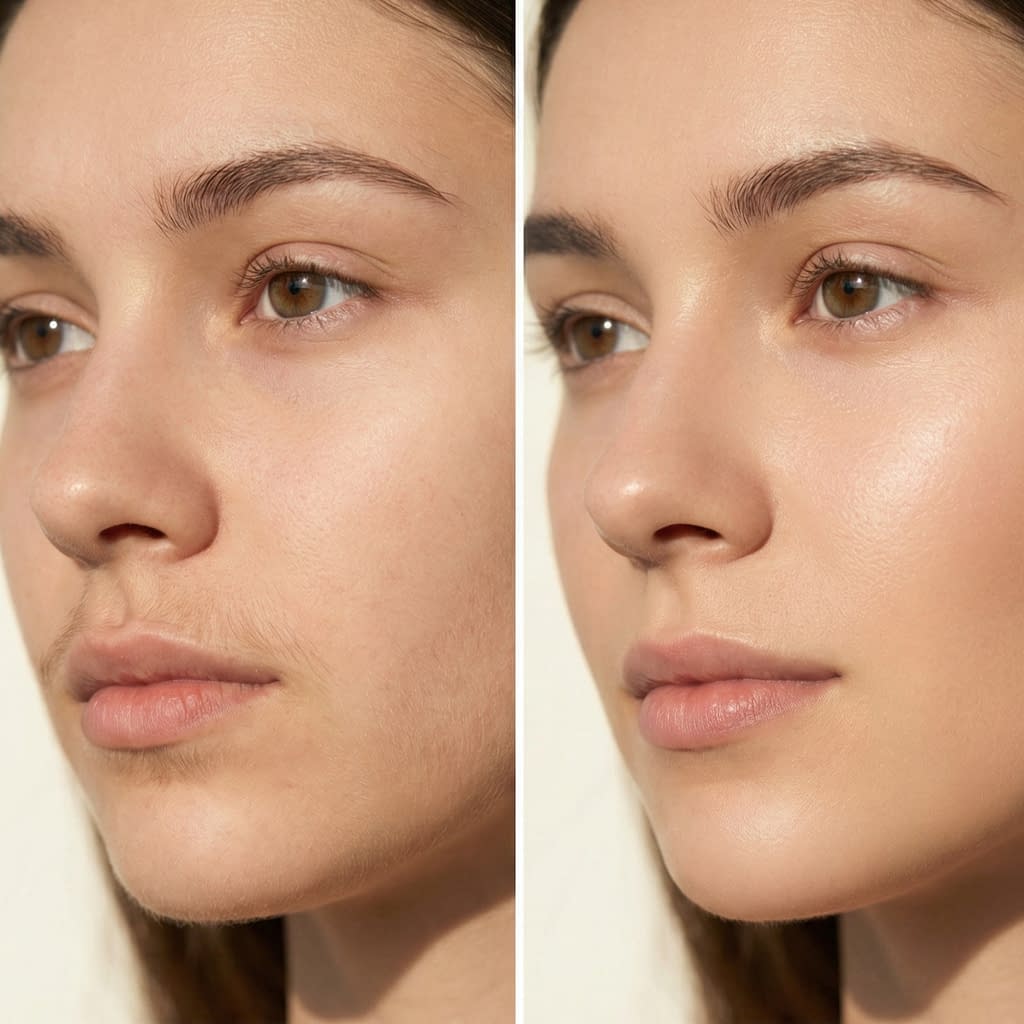
Frequency depends on method and hair type.
General guidelines
- Sugaring/threading: every 3–6 weeks (until regrowth slows and hair becomes finer).
- Turmeric paste: 2–3× weekly for gradual results; long-term use over months for visible softening.
- Egg white masks: as desired for a quick superficial lift — weekly use is common.
- Sugar-lemon scrub: 1× weekly to avoid irritation and photosensitivity.
- Threading practice: start monthly until you learn technique then every 3–5 weeks depending on growth.
Listen to your skin — if you see redness lasting more than 24–48 hours, reduce frequency and focus on barrier repair.
Lifestyle Tips That Can Reduce Facial Hair Growth Naturally
Some lifestyle and dietary changes may reduce hormonally influenced hair growth over time — results vary and can be slow.
Helpful lifestyle steps
- Balance blood sugar: frequent high-sugar diets can affect hormones; aim for stable carbohydrates and protein.
- Maintain a healthy weight and exercise regularly, which supports hormonal balance.
- Manage stress: chronic stress raises cortisol which can disrupt hormones. Try sleep, meditation, or gentle exercise.
- Check medications: some drugs increase facial hair — discuss alternatives with your doctor if appropriate.
- Consider supplements only with medical guidance — some people find benefit from addressing underlying hormonal imbalances (PCOS care, etc.).
- See a clinician for blood tests if you notice sudden or excessive hair growth — it can be a sign of endocrine imbalance.
If excess hair is hormonally driven, long-term solutions often require medical evaluation and targeted treatment.
Common Mistakes to Avoid When Removing Hair at Home
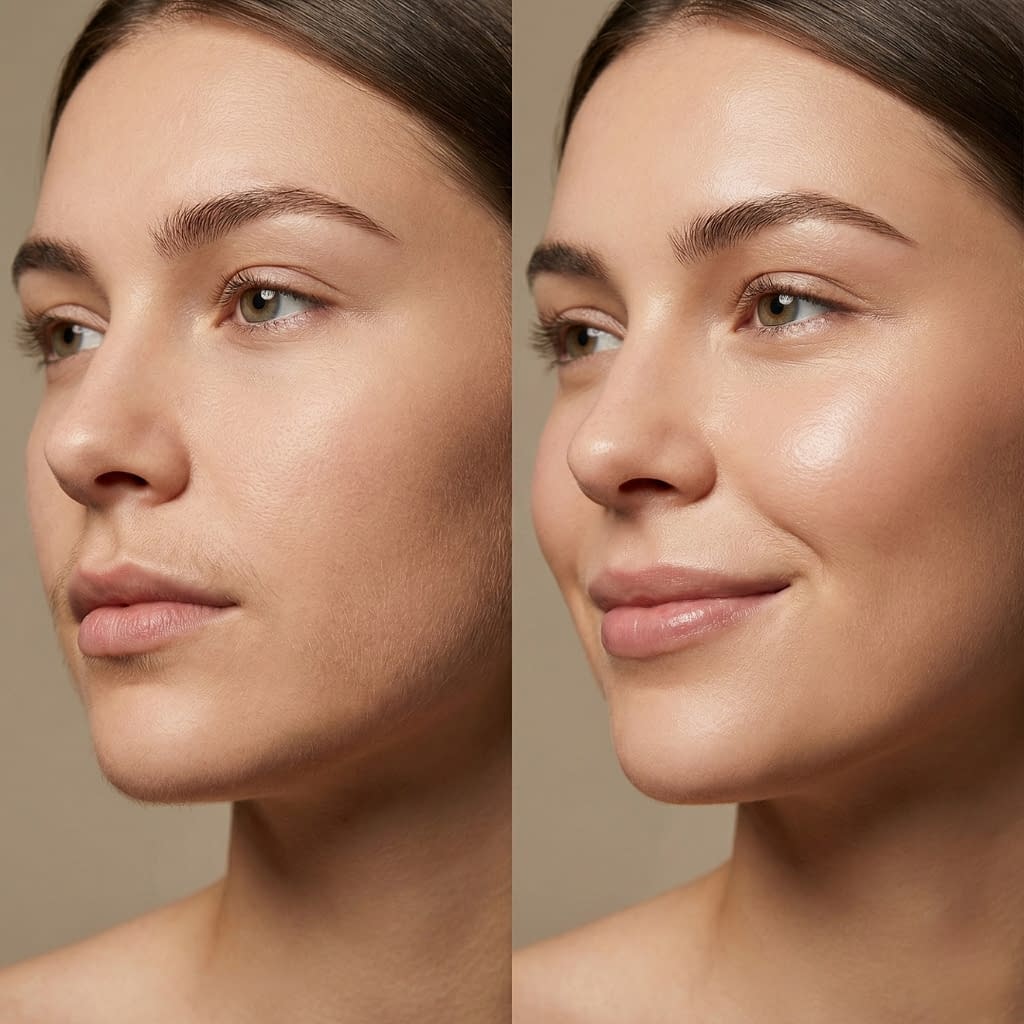
Avoid these to protect skin and get the best results.
Mistakes to avoid
- Skipping a patch test for new ingredients.
- Using hot sugaring paste without testing temperature — always test on wrist first.
- Over-exfoliating immediately before or after root removal — increases irritation.
- Applying lemon or citrus and going into the sun — risk of pigmentation.
- Using dirty tools — risk of infection.
- Pulling too slowly or in the wrong direction (sugaring should remove in the direction of growth; waxing typically removes against growth) — wrong technique increases breakage and ingrown hairs.
- Comparing yourself to “overnight” claims — natural methods are gradual; consistency is needed.
Correct technique + hygiene + patience = safer, better outcomes.
Final Words
Removing facial hair naturally at home is entirely possible and can be gentle, effective, and budget-friendly when done correctly. Sugaring and threading give the best long-lasting smoothness when you learn proper technique; turmeric and egg white methods help reduce visibility and slow regrowth over time; gentle scrubs and smart aftercare keep skin calm and free of ingrown hairs. Always start with a patch test, prepare and sanitize carefully, and prioritize soothing, sun-safe aftercare. If you see unusual hair growth, persistent irritation, or recurrent infections, see a healthcare professional — some hair issues are a sign of a hormonal or medical condition that benefits from diagnosis and targeted treatment.


