

Healthy, touchable skin doesn’t come from aggressive scrubbing — it comes from respecting the skin barrier and using targeted, science-backed methods that remove dead cells gently, repair lipids, and support natural renewal. This guide explains why harsh scrubs often make texture worse, how to choose safer exfoliation approaches, which ingredients actually smooth skin over time, and the routines and lifestyle tweaks that deliver lasting softness without irritation. Every section includes clear, step-by-step actions readers can follow today.
Why Harsh Scrubs Do More Harm Than Good
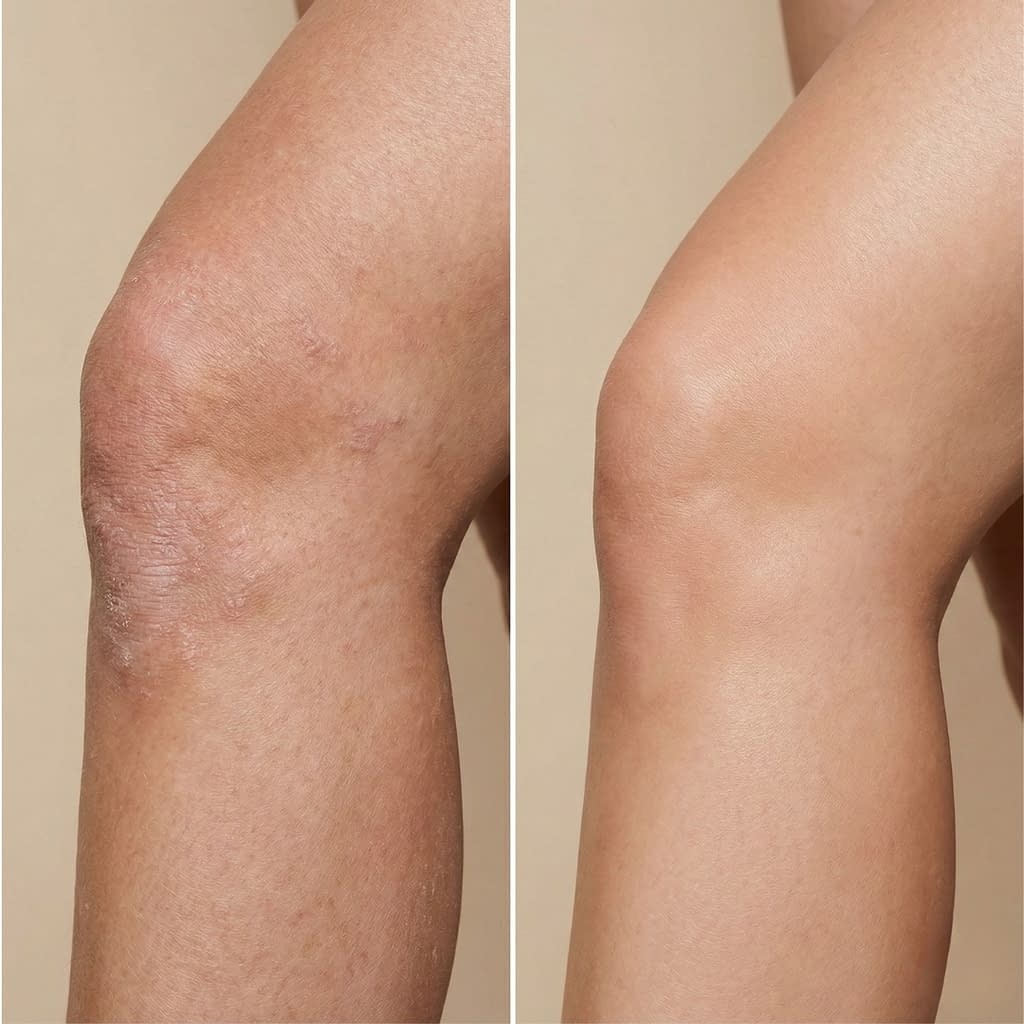
Harsh physical scrubs (think salt/sugar scrubs with large, jagged particles or rough brushes used aggressively) can feel satisfying in the moment, but they work by abrading the skin — and that abrasion often injures the stratum corneum (outer barrier). When the barrier is damaged you get:
- Increased transepidermal water loss (TEWL) → dryness and tightness.
- Micro-tears and inflammation → redness, stinging, and post-inflammatory hyperpigmentation (PIH).
- A compensatory thickening of the outer layer (stratum corneum) that paradoxically makes skin feel rougher.
- Heightened sensitivity to actives (vitamin C, acids, retinoids) and sunlight.
Step-by-step alternative mindset:
- Stop thinking “more friction = smoother.” Replace that assumption with “controlled, gentle renewal.”
- Prioritize reducing inflammation first — calm skin absorbs beneficial ingredients better.
- Switch to gentler physical tools (soft konjac sponge) or chemical methods (mild AHA, BHA, or PHA) that dissolve cohesion between dead cells rather than ripping them off.
Understanding Skin Texture and the Real Causes of Roughness
Rough texture is a symptom, not a disease. Common root causes include:
- Retention of dead skin cells (decreased natural shedding).
- Compromised barrier (loss of lipids like ceramides and fatty acids).
- Dryness from environment, low humidity, hot showers.
- Chronic inflammation (eczema, rosacea, acne history).
- Sun damage that thickens and unevenly pigments the skin.
- Keratinization disorders (e.g., keratosis pilaris) that create bumpy texture.
How to assess your texture (quick test)
- In natural light, look closely at problem zones and photograph them.
- Gently press and rub: does skin feel papery, scaly, bumpy (small bumps), or like sandpaper?
- Note any redness, bleeding, or prolonged stinging — these mean the barrier is sensitive and you should be extra gentle.
Once you identify the main driver, you can choose methods (hydration, gentle exfoliation, barrier repair, or medical treatment) that actually address it.
The Difference Between Physical and Chemical Exfoliation
Both approaches remove dead cells, but by different mechanisms — one is mechanical, the other biochemical.
Physical exfoliation
- Tools: scrubs, brushes, exfoliating gloves, microdermabrasion.
- How it works: friction physically dislodges corneocytes.
- Risk: microtears, inflammation, uneven removal if used aggressively.
Chemical exfoliation
- Agents: AHAs (lactic, glycolic), BHAs (salicylic), PHAs (gluconolactone), enzymes (papain, bromelain).
- How it works: acids loosen the bonds between dead cells or enzymes digest them, enabling gentle removal.
- Benefit: more uniform removal, lower risk of mechanical trauma when used at appropriate concentrations.
Step-by-step choice guide
- If skin is sensitive, discolored, or PIH-prone: prioritize PHAs (gentle) or low % lactic acid.
- For oily, congested, or acne-prone skin: salicylic acid (BHA) penetrates follicles and helps texture.
- For rough, dry, photo-aged skin: lactic acid hydrates and encourages gentle resurfacing.
- Use physical exfoliation only with very gentle tools and light pressure, and not more than 1× weekly for sensitive skin.
Gentle Exfoliation Methods That Won’t Damage the Skin Barrier
Here are safe, effective ways to resurface skin without aggressive scrubbing.
Weekly gentle plan (step-by-step)
- Start with a patch test on the inner forearm 48 hours before use for any new acid or enzyme.
- Choose your method:
- Mild chemical option: 5–10% lactic acid leave-on lotion or 8–12% PHA product used 1–3× weekly.
- BHA for congestion: 1–2% salicylic acid leave-on serum 1–2× weekly (build slowly).
- Enzyme mask: papaya or pumpkin enzyme mask for 5–10 minutes once weekly.
- Gentle physical: konjac sponge or a soft microfibre cloth used with light pressure in the shower 1× week.
- How to apply chemical exfoliant: clean skin, apply product thinly to the target area, follow product instructions (leave-on vs rinse-off), then follow with a hydrating moisturizer and sunscreen the next morning.
- Frequency: begin with once a week and increase slowly to 2–3× weekly if tolerated.
- Avoid layering strong actives on the same day (no high % AHA + retinoid on same night until tolerance is established).
Signs you’re doing it right: smoother feel within 7–14 days, no persistent redness or stinging, improved product absorption.
Ingredients That Smooth Skin Safely Over Time

These actives support gentle renewal, barrier repair, and long-term texture improvement.
Key ingredients and how they work
- Lactic acid (AHA): gentle exfoliant and humectant; ideal for dry/aging skin. Use low concentrations (5–10%) for body/face.
- Salicylic acid (BHA): oil-soluble; reaches into pores to reduce bumpy, clogged texture. Best for oily, acne-prone skin.
- PHAs (gluconolactone, lactobionic acid): hydrating, large-molecule acids that exfoliate gently with low irritation risk — great for sensitive skin.
- Niacinamide: reduces inflammation, regulates sebum, and helps fade discoloration — use daily.
- Ceramides, cholesterol, fatty acids: rebuild barrier lipids — present in barrier creams and moisturizers.
- Panthenol (pro-vitamin B5) & hyaluronic acid: humectants that improve surface smoothness and hydration.
- Retinoids (low-dose): accelerate cellular turnover and collagen remodeling; introduce slowly and pair with sun protection.
- Azelaic acid: anti-inflammatory and brightening; useful for acne-related texture and PIH.
How to combine (gentle stacking)
- AM: cleanser → antioxidant (vitamin C optional) → niacinamide moisturizer → SPF.
- PM (start slow): cleanser → lactic acid 1–3×/week OR salicylic acid for congested skin → moisturizer with ceramides.
- Retinoid nights alternate with acid nights initially; do not combine strong acids and retinoids on the same night unless advised by a clinician.
How to Repair the Skin Barrier for Lasting Smoothness
A restored barrier prevents roughness from returning. Repair means replacing lipids, reducing inflammation, and minimizing irritants.
Barrier repair routine (step-by-step)
- Simplify the routine: reduce the number of products to essentials (cleanser, moisturizer, targeted serum as needed).
- Moisturize often: apply moisturizer to slightly damp skin after cleansing or exfoliating to trap water.
- Choose barrier-supporting moisturizers: look for ceramides, cholesterol, fatty acids, glycerin, and minimal fragrance.
- Add occlusion at night: for very dry patches, apply a thin layer of petrolatum or a balm over moisturizer to seal moisture overnight.
- Remove irritants: avoid fragrances, high-alcohol toners, and harsh surfactants while repairing.
- Use anti-inflammatory support: topical niacinamide or centella (cica) can calm and accelerate repair.
Expect measurable improvement in barrier function in 2–6 weeks with consistent care.
Proper Cleansing Habits That Support Soft Skin
Cleansing sets the stage — do it right and your other products will perform better.
Gentle cleansing steps
- Choose a mild, pH-balanced cleanser (syndet) — cream or gel depending on skin type. Avoid bar soaps with high alkalinity.
- Use lukewarm water — hot water strips natural oils.
- Limit cleansing frequency to twice daily (AM and PM) unless skin is soiled/sweaty. For dry skin, a gentle rinse in the AM and cleanse in the PM may be better.
- Pat dry, don’t rub. Press a clean towel against skin to leave slight dampness for moisturizer application.
- Avoid foaming/stripping formulas that leave a squeaky clean feel — that’s overstripped skin.
- If you use cleansing devices, choose low-speed devices and keep use infrequent (1–2× weekly) and on low intensity.
Cleanse to remove grime and sunscreen, not to strip the protective oils that keep texture soft.
Moisturizing Techniques That Lock in Hydration

Moisture is the immediate fix for roughness and the foundation for long-term texture change.
Layering technique (step-by-step)
- Apply to damp skin — hydrating ingredients lock in more water when skin is slightly wet.
- Humectant first: a light serum with glycerin or low-molecular-weight hyaluronic acid draws water into the epidermis.
- Emollient next: cream containing ceramides and fatty acids fills gaps between corneocytes, smoothing texture.
- Occlusive last (optional at night): a thin layer of petrolatum, dimethicone, or a balm seals everything in for intensive overnight repair.
- Frequency: moisturize morning and night; reapply to dry patches during the day as needed.
Targeted tips:
- For bumpy spots (KP), use urea 5–10% or lactic acid-containing lotions (5–12%) as medicated moisturizers — they provide both hydration and keratolytic action.
- For very dry, flaky skin, occlusion overnight speeds repair dramatically.
Natural Remedies That Improve Texture Without Irritation
Natural options can be supportive when used sensibly and patch-tested.
Safe natural approaches
- Oat (colloidal oatmeal) baths or masks: soothe inflamed, rough skin and reduce itch. Use as a short soak or wash.
- Aloe vera gel: hydrating and calming; apply on irritated zones.
- Honey (medical-grade): humectant and antimicrobial; short-contact masks (10–15 min) can soothe.
- Papaya/pineapple enzymes: mild enzymatic exfoliation; keep contact time brief and avoid sun exposure afterwards.
- Rosehip oil: rich in essential fatty acids and gentle — apply a few drops at night over moisturizer for added slip and nourishment.
Cautions:
- Patch test natural extracts before face use.
- Avoid raw lemon juice, undiluted essential oils, or abrasive household scrubs — they often irritate and worsen texture.
How Often You Should Exfoliate for Best Results

Less is more. Over-exfoliation is common and counterproductive.
Frequency guide
- Sensitive/reactive skin: once per week with a PHA or a very low % lactic acid; avoid physical scrubs.
- Normal/combination skin: 1–3× per week with lactic acid or salicylic acid depending on needs.
- Oily, resilient skin with congestion: 2–3× per week; consider alternating BHA and AHA nights.
- When using retinoids: reduce acid frequency (e.g., retinoid 2–3× weekly and acid 1× weekly) until tolerance builds.
Practical steps:
- Start low frequency and increase only if no irritation after 2–4 weeks.
- If redness, stinging, or prolonged sensitivity appears, pause exfoliation and focus on barrier repair for 2–4 weeks before trying again.
Lifestyle Habits That Affect Skin Smoothness
Daily habits either support or sabotage texture — optimize them.
Key lifestyle changes
- Hydration: sip water throughout the day; while topical hydration is primary, systemic hydration supports cell function.
- Balanced diet: include omega-3s, antioxidants, and sufficient protein to support barrier lipids and repair.
- Manage stress: chronic stress increases inflammation; sleep, movement, and breathing practices help.
- Sun protection: UV thickens and roughens skin; SPF daily prevents texture changes and PIH.
- Avoid smoking and excessive alcohol — both impair circulation and barrier function.
- Maintain a consistent sleep schedule to support overnight repair cycles.
Small daily wins compound into visible texture improvements over weeks.
Mistakes to Avoid When Treating Rough Skin
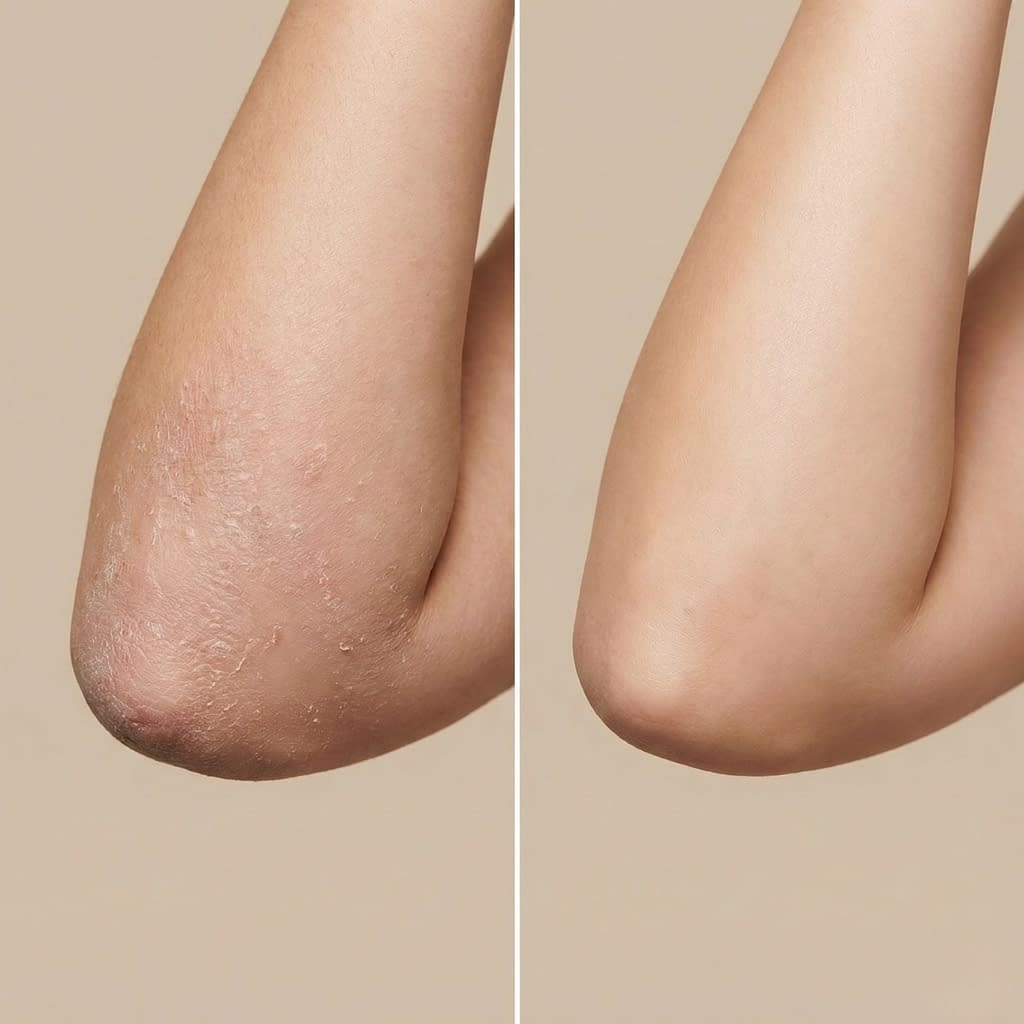
Common errors that slow or reverse progress
- Over-exfoliating (daily scrubs or acids at high concentration).
- Mixing too many strong actives without building tolerance (high % acids + retinoids + physical scrubs).
- Neglecting SPF — sun undoes resurfacing and increases unevenness.
- Using fragranced or drying products during repair phase.
- Skipping patch tests for new actives, especially on sensitive skin.
- Expecting overnight fixes — meaningful texture change takes weeks to months.
If you’re seeing no improvement after a consistent 8–12 week routine, consider a professional evaluation.
When to See a Dermatologist for Persistent Texture Issues
Seek expert care when over-the-counter approaches don’t help or if texture is severe.
Red flags to consult a professional
- Persistent roughness despite 8–12 weeks of gentle regimen.
- Recurrent or new spots with bleeding, scaling, or severe redness.
- Suspected keratinization disorders (e.g., severe KP, ichthyosis) or scaly plaques that don’t respond.
- Significant post-inflammatory hyperpigmentation or scarring you want treated faster.
- You want stronger treatments (prescription retinoids, professional peels, microdermabrasion, or laser) and need a tailored plan for your skin type.
A dermatologist can diagnose underlying causes, prescribe appropriate medical treatments, and recommend in-office resurfacing safely — especially important for darker skin tones at risk for PIH.
Final Words
Restoring smooth skin without harsh scrubs is entirely possible — and safer. The winning formula: gentle, consistent exfoliation (chemical or mild enzymatic), robust barrier repair with ceramides and humectants, protection from UV, and lifestyle support. Start slowly, patch-test new actives, hydrate diligently, and stop any practice that causes persistent stinging or redness. Over weeks to months you’ll see softening, more even tone, and improved product absorption. If you’re unsure or the texture is severe, a dermatologist can tailor stronger but safe interventions.


