

Quitting alcohol is one of the kindest things you can do for your body — and your skin often shows the benefits faster than you might expect. Alcohol can dehydrate skin, weaken the skin barrier, increase inflammation and redness, disrupt sleep, and accelerate collagen loss over time. When you stop drinking, all of those negative effects start to reverse, but you can speed the recovery with targeted habits: rehydration, barrier repair, anti-inflammatory skincare, good nutrition, sleep and stress management, exercise, sun protection, and (when needed) professional help.
Below is a long, practical, step-by-step guide you can paste into a blog post. It explains what to expect, exactly what to do right away and over the coming weeks/months, and which mistakes to avoid. If you’re under 18 or still adjusting to big health changes, check in with a parent/guardian and a healthcare professional before starting supplements or prescription treatments.
What Quitting Alcohol Does for Your Skin
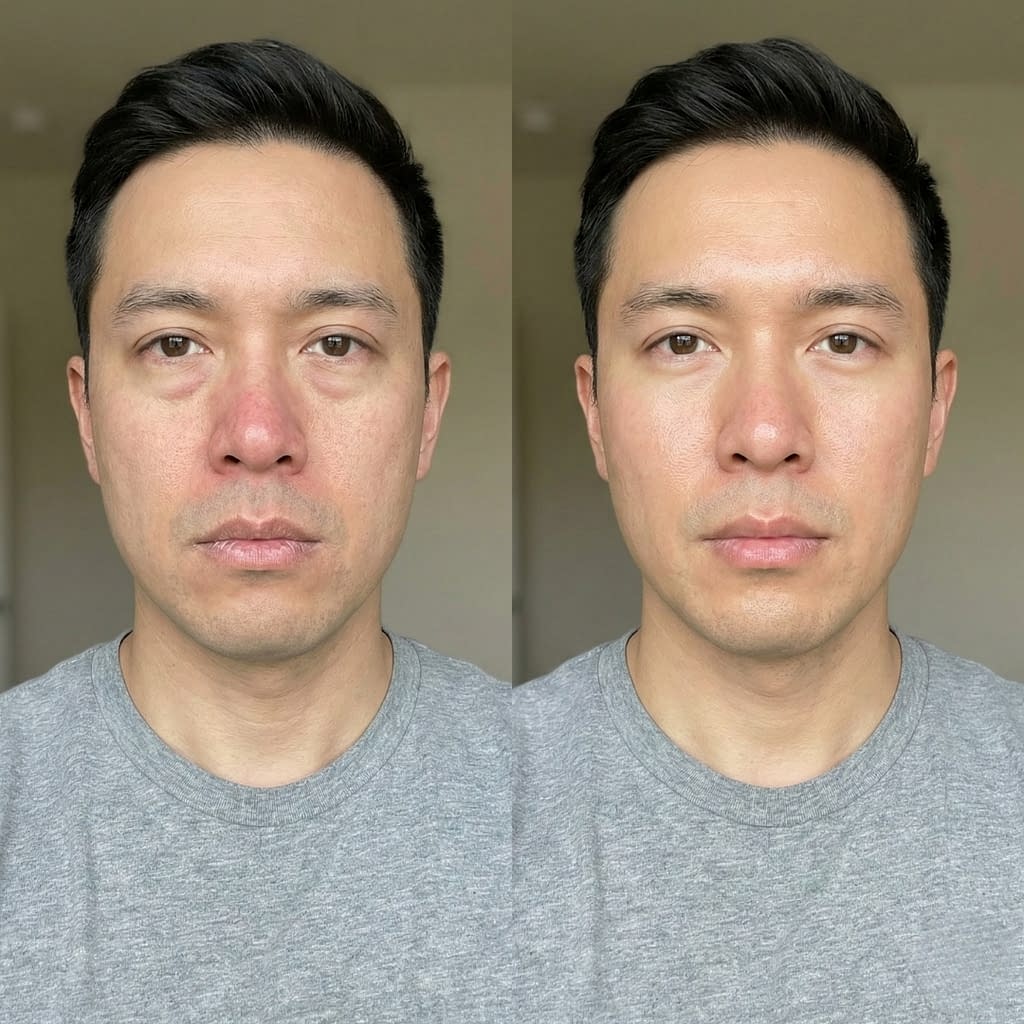
Alcohol affects skin in a few clear ways: it dehydrates you, dilates blood vessels (contributing to flushing and redness), raises inflammation, disrupts sleep (which impairs repair), and — over time — can reduce collagen and elasticity. When you stop drinking:
- Your hydration status improves, so skin looks plumper and less crepey.
- Inflammation and redness tend to reduce (days–weeks).
- Sleep quality often improves, which speeds nightly repair.
- Over months, collagen production and elasticity recover, reducing fine lines and improving firmness.
- Existing pigmentation and broken capillaries may still need targeted care, but overall tone and glow improve.
Quitting starts the healing cascade — your job is to support it so the skin can rebuild faster and more durably.
Immediate Changes You May Notice (Days to Weeks)
What you can expect right away and in the coming weeks:
- Within 24–72 hours: less puffiness from fluid shifts; you may feel more energetic.
- First week: improved hydration if you drink more water; reduced midday redness for some people.
- 2–6 weeks: puffiness and dullness continue to improve; skin texture looks fresher as sleep and nutrition stabilize.
- 1–3 months: clearer complexion, improved elasticity and tone begin to appear as collagen remodeling and sustained hydration kick in.
- 3–12 months: substantial improvements in fine lines, elasticity, and long-term pigment issues continue if lifestyle and sun protection are consistent.
Be patient with timelines — the body repairs on its own schedule, but you can accelerate progress.
Rehydrate: How to Reverse Alcohol-Related Dehydration
Hydration is the fastest high-impact change you can make for appearance and for how your skin feels.
Step-by-step rehydration plan
- Daily water baseline: aim for steady sipping throughout the day. A common starting goal is ~1.5–2 liters (about 50–70 fl oz) for many people — adjust by activity, climate, and body size. If you’re under 18, check with a parent/guardian about goals appropriate for you.
- Morning rehydration: start the day with a glass of water to reverse overnight water loss.
- Electrolyte balance when needed: if you previously drank heavily and feel unwell during the initial quit period, mild electrolyte drinks (low-sugar) can be helpful — discuss with a clinician for safety.
- Cut back on diuretics: limit excess caffeinated drinks that can promote fluid loss; if you enjoy coffee/tea, balance with water.
- Topical hydration: use humectant-rich skincare (hyaluronic acid, glycerin) to attract water into the skin; apply to damp skin and seal with a moisturizer.
Hydration is both systemic (drink) and local (skin care) — both matter.
Repair the Skin Barrier: Gentle Cleansing and Smart Moisturizing

A healthy barrier locks in moisture, calms sensitivity, and promotes even tone.
Barrier-repair routine (step-by-step)
- Gentle cleanse twice daily with a mild, pH-balanced cleanser — avoid harsh sulfates that strip oils.
- Pat, don’t rub dry. Immediately follow with a hydrating serum (hyaluronic acid) while skin is damp.
- Use a barrier cream or moisturizer with ceramides, cholesterol, glycerin, and fatty acids to rebuild lipids — apply morning and night.
- If skin is inflamed, avoid strong actives (high-strength acids, retinoids) until the barrier calms — introduce actives slowly.
- Protect with SPF every morning (broad-spectrum SPF 30+). Alcohol-damaged skin can be more reactive to sun.
- Nighttime reinforcement: consider a richer occlusive (e.g., a light petrolatum or squalane layer) on extremely dry areas to lock in repair overnight.
Repeat this daily — a restored barrier is the foundation of visible improvement.
Calm Inflammation and Redness with Soothing Ingredients
Reducing inflammation helps redness and sensitivity fade faster.
Soothing ingredient toolkit
- Niacinamide (2–5%) — reduces redness and strengthens barrier.
- Centella asiatica (madecassoside) and aloe vera — anti-inflammatory and calming.
- Green tea extract — antioxidant and anti-inflammatory.
- Colloidal oatmeal — excellent for itchy, irritated skin.
- Topical azelaic acid (10–20%) — gentle brightening and anti-inflammatory for redness and post-inflammatory hyperpigmentation; often well tolerated.
- Avoid excessive fragrance, alcohol-heavy toners, and abrasive physical scrubs until inflammation settles.
Application guide
- Introduce a single soothing ingredient at a time.
- Patch test if your skin is reactive.
- Use soothing serums or creams morning and night as needed.
Calm skin heals faster and is less prone to new inflammation.
Rebuild Collagen and Elasticity Naturally
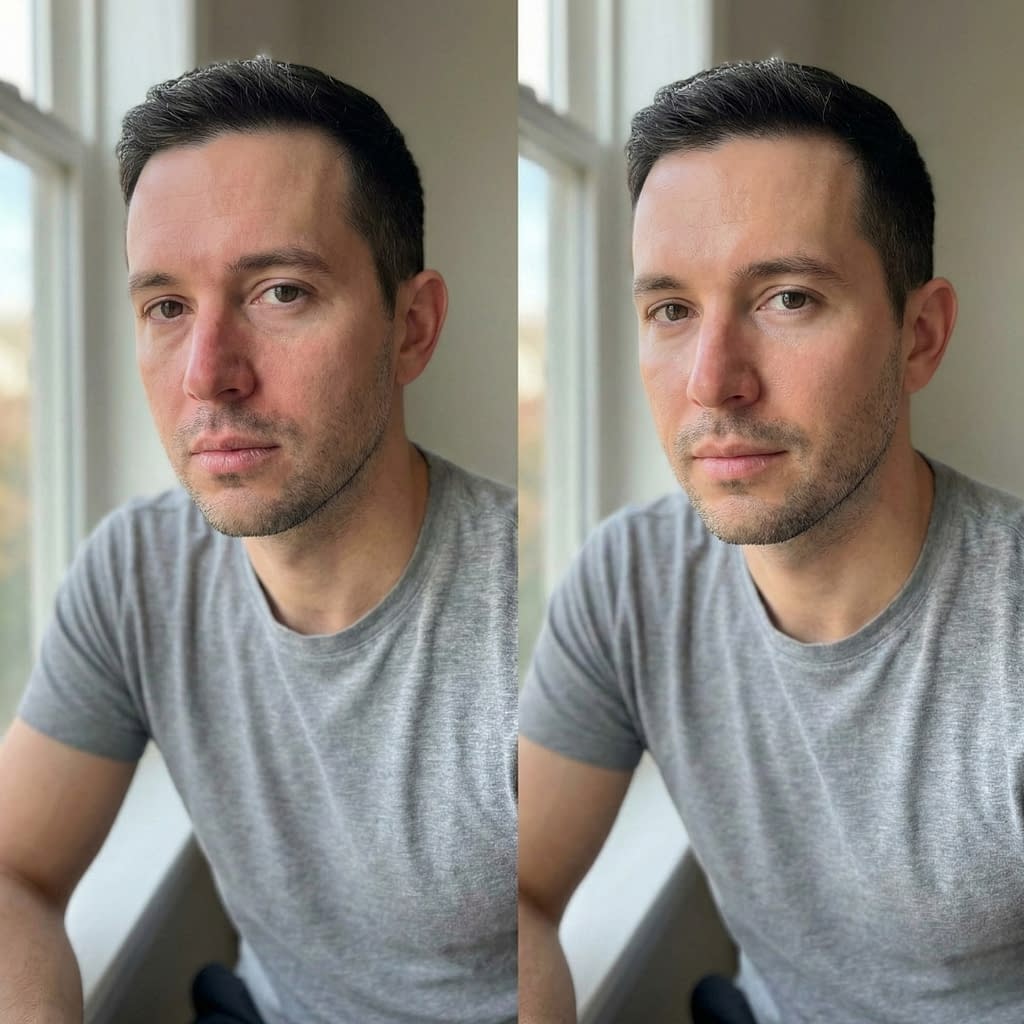
Collagen takes time, but you can support its synthesis through nutrients, lifestyle, and safe topical ingredients.
Strategies to rebuild collagen
- Protein intake: collagen is a protein-based structure — ensure adequate dietary protein (lean meats, poultry, fish, legumes, eggs, dairy or fortified plant alternatives). If you’re a teen, discuss protein goals with a parent/guardian or clinician.
- Vitamin C — essential for collagen synthesis; eat vitamin-C rich foods (citrus, berries, bell peppers) and consider topical vitamin C serums (stable formulations) to support collagen and even tone.
- Zinc and copper — trace minerals involved in repair; get them through whole foods (nuts, seeds, shellfish). Don’t self-dose high amounts; see a clinician if considering supplements.
- Topical retinoids (or retinol/adapalene OTC) — stimulate collagen remodeling and increase cell turnover. Because retinoids can be strong, introduce slowly, and if you’re under 18 or pregnant/trying to conceive, check with a parent/guardian and a clinician first.
- Professional collagen-stimulating procedures (discussed later) — microneedling, PRP, certain lasers can accelerate structural improvement under dermatologic supervision.
Natural rebuilding is cumulative — steady nutrition + sleep + targeted topicals pays off over months.
Nutrition That Speeds Skin Recovery (Vitamins, Minerals, Fats)
A skin-supporting diet strengthens repair from the inside.
Nutrition steps (what to include)
- Antioxidant-rich foods: berries, leafy greens, nuts, and colorful vegetables protect against oxidative stress.
- Omega-3 fatty acids: from fatty fish (salmon, mackerel), flaxseed, or walnuts — help reduce inflammation and support barrier lipids.
- Protein: lean proteins supply amino acids for collagen and repair.
- Vitamin C & E: support skin healing and antioxidant protection.
- Zinc & selenium: help wound healing and immune function.
- Limit refined sugar and ultra-processed foods that can increase systemic inflammation and glycation (which damages collagen).
If considering supplements (collagen peptides, vitamin C, zinc), talk with a parent/guardian and healthcare provider first — especially important for younger readers or those on medications.
Support Your Liver and Detox Pathways for Better Skin
Your liver helps process alcohol and other toxins; supporting overall metabolic health helps skin too.
Liver-supportive lifestyle tips
- Hydration and balanced nutrition (see above) reduce liver workload and support detoxification.
- Limit added toxins — stop or cut back on smoking and recreational substances; avoid unnecessary over-the-counter drugs and check medication interactions.
- Regular exercise improves circulation and metabolic processing.
- Adequate sleep supports liver rhythm and function.
- Avoid extreme “detox” diets or high-dose supplements that promise quick fixes — these can do more harm than good. If you have a history of heavy drinking, check with your clinician for liver testing and specialized support.
If you have concerns about liver health, ask a doctor for bloodwork and personalized guidance.
Sleep, Stress Management, and Circadian Rhythm for Skin Repair
Sleep is when repair happens — and quitting alcohol typically improves sleep architecture if you stabilize habits.
Sleep & stress steps
- Aim for consistent sleep timing (7–9 hours for most adults; teens may need more). Good sleep improves skin cell turnover and reduces inflammation.
- Practice a wind-down routine: reduce screens 30–60 minutes before bed, dim lights, do a short relaxing ritual (reading, breathing exercises).
- Stress reduction: short daily practices (5–10 minutes of breathing, mindfulness, or walking) reduce cortisol and inflammatory signaling that can slow skin repair.
- If you’re struggling with anxiety or sleep disturbances after quitting alcohol, seek medical and psychological support — recovery support can help you maintain progress and protect your skin.
Better sleep = faster repair and better-looking skin.
Move More: Exercise, Circulation, and Lymphatic Drainage
Movement supports circulation, lymphatic flow, and overall metabolism — all good for skin.
Exercise plan (practical)
- Aim for regular moderate exercise (20–40 minutes most days) — brisk walking, cycling, swimming or classes you enjoy.
- Include a mix of cardio, strength, and mobility — strength training supports muscle tone and skin support; mobility helps lymphatic flow.
- Post-exercise care: shower soon after sweating and use gentle cleansing to avoid pore-clogging; rehydrate and replenish electrolytes if needed.
- Gentle facial massage or dry brushing (light) may promote local circulation — be gentle if skin is reactive.
Exercise is a powerful ally in skin recovery and mood stabilization.
Protect Against Sun Damage and Prevent Pigmentation

Sun exposure worsens pigmentation and slows fading of alcohol-related discoloration.
Sun protection routine (step-by-step)
- Use broad-spectrum SPF 30+ daily, even on cloudy days. Reapply every 2 hours outdoors.
- Wear protective clothing and hats when exposed for long periods.
- Use antioxidants topically (vitamin C) in the AM to complement sunscreen and reduce pigment formation.
- If melasma or hyperpigmentation persists, see a dermatologist for targeted treatments — many topical and in-office options exist but must be used carefully and with sun protection.
Sunscreen is the single most powerful tool to prevent long-term pigmentation problems.
When Professional Treatments Help — Dermatology Options
For deeper structural or pigmentation issues, professionals can speed results.
Common treatments (what to expect)
- Chemical peels (superficial–medium) — can reduce pigmentation and improve texture; must be chosen carefully for deeper tones to avoid post-inflammatory hyperpigmentation.
- Microneedling — stimulates collagen; often combined with topical serums or PRP (platelet-rich plasma). Generally requires several sessions.
- Fractional lasers or non-ablative resurfacing — improves texture and collagen but needs skilled dermatologic assessment for darker skin types to reduce pigment risk.
- Intense pulsed light (IPL) — sometimes used for vascular/redness concerns but is less suitable for darker skin unless device and provider experience are appropriate.
- Topical prescriptions — higher-strength retinoids, azelaic acid, or prescription brighteners may be useful under medical supervision.
Important: darker skin types can be more prone to post-procedure pigmentation; choose an experienced provider and always follow pre/post sun-protection guidance. If you’re under 18, parental consent and clinician guidance are required.
Realistic Timeline: What to Expect and When
A realistic map helps set expectations and keeps you motivated.
- Days–1 month: immediate hydration and reduced puffiness; improved tone; you’ll notice brighter skin as water balance and sleep normalize.
- 1–3 months: clearer skin, reduced redness, better elasticity as collagen turnover begins to show.
- 3–6 months: more noticeable improvement in fine lines, firmness, and overall texture.
- 6–12+ months: sustained lifestyle changes and targeted care can lead to substantial restoration; professional treatments can accelerate or deepen results.
Everyone’s timeline varies with age, prior alcohol exposure, genetics, and how comprehensively you support recovery.
Common Mistakes That Slow Down Skin Recovery

Avoid these pitfalls.
Things that slow progress
- Relying on “detox” cleanses or extreme diets instead of balanced nutrition.
- Over-exfoliating or over-treating the skin (too many acids/retinoids at once) — this damages the barrier.
- Skipping sunscreen — UV undoes pigment and collagen gains.
- Returning to heavy drinking — reverses benefits.
- Ignoring sleep and stress — these undermine repair even with good skincare.
- Self-dosing high amounts of supplements without medical advice — more is not always better and can be unsafe.
Steady, evidence-based habits beat quick fixes every time.
Final Words
Quitting alcohol is powerful for your skin — but the glow you want needs steady support. Start with hydration, protect and repair the skin barrier, calm inflammation, support collagen with nutrition and safe topicals, protect against sun damage, sleep well, move regularly, and ask a clinician for help with advanced options if needed. Track progress with photos every few weeks and be patient — skin rebuilds itself over weeks and months


