

Shaving when you have acne is tricky: the blade can nick a pimple, spread bacteria, or irritate already-sensitive skin. But you don’t have to choose between a tidy shave and clearer skin. With the right prep, tools, technique, and aftercare you can shave comfortably while protecting active breakouts and preventing new irritation. Below is a friendly, practical, step-by-step guide you can paste into your blog — fully detailed for each heading so readers know exactly what to do.
The Challenge of Shaving With Acne-Prone Skin
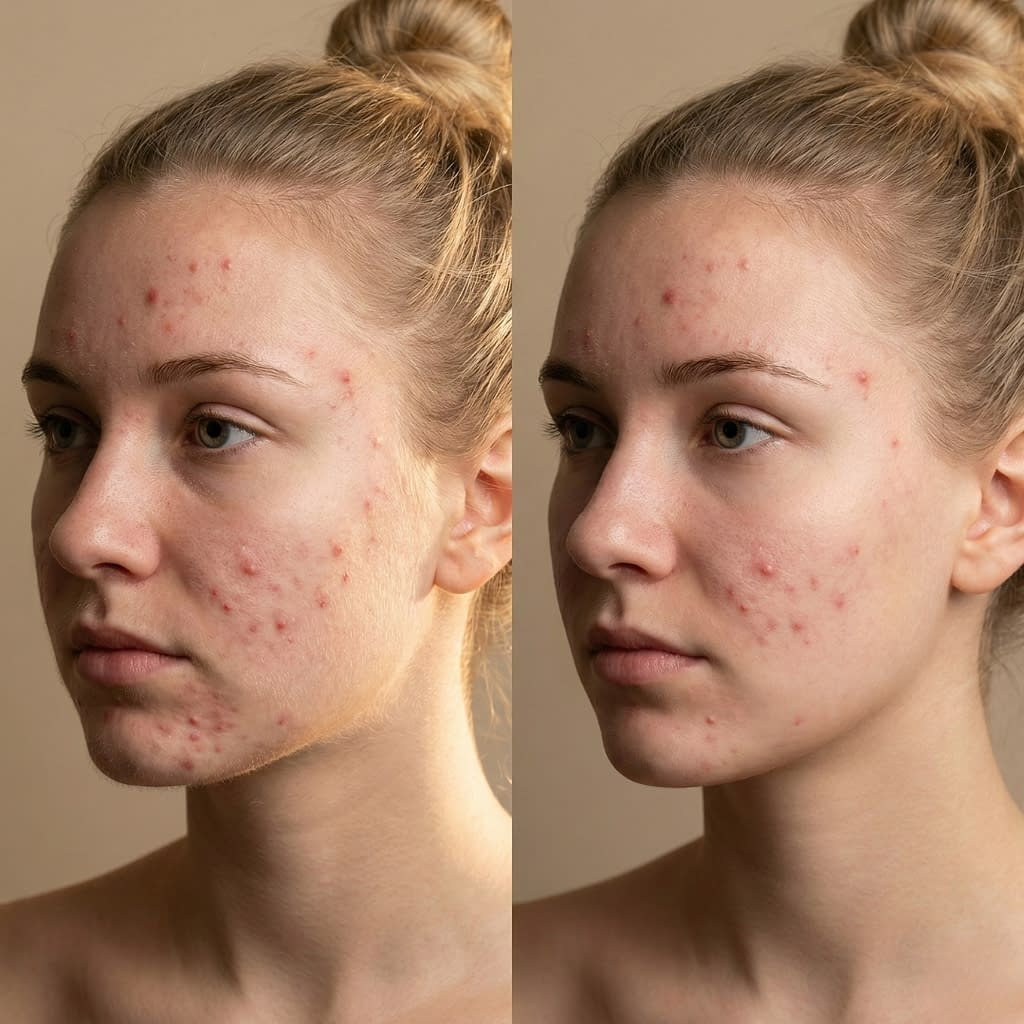
Acne means inflamed or clogged hair follicles — and shaving removes hair very close to the skin and rubs the surface. That friction can:
- Break open inflamed pimples and spread bacteria,
- Cause razor burn and increase redness,
- Lead to ingrown hairs in areas of thick hair and clogged follicles,
- Make skin more sensitive to post-shave products (alcohol, strong actives).
The goal when shaving with acne is to reduce mechanical stress, keep the area clean, and avoid pushing active bacteria around. Think gentle, neat, and strategic rather than close-for-closest.
Why Shaving Can Irritate Active Breakouts
Shaving irritates acne in three main ways:
- Mechanical trauma: blades scrape and press on the surface. If a pimple is bumped, it can burst and spread inflammatory material.
- Bacterial transfer: a dirty blade or hands can move acne-causing bacteria (Cutibacterium acnes) from one area to another.
- Chemical sting: many aftershaves contain alcohol or fragrances that sting open or near-broken skin.
Understanding those mechanisms helps pick safer tools and habits.
Should You Shave Over Pimples? What Dermatologists Suggest
General professional advice:
- Avoid shaving directly over active, inflamed pustules or cysts whenever possible. If a pimple is large, painful, or pus-filled, gently trim around it rather than shaving over it.
- Mini-trim rather than a close skin-level shave if many active lesions are present. Keeping a short, groomed stubble can be less irritating than daily wet shaving.
- If you must get extremely close (special event), take extra care: clean the area, use a single fresh blade, shave with the grain, and apply soothing aftercare.
- If acne is severe or cystic, talk with a dermatologist before regular shaving — they may recommend medical treatments or temporary changes to your grooming routine.
Choosing the Right Razor for Acne-Prone Skin
Your razor choice matters a lot.
- Electric trimmers / rotary shavers: best for acne-prone skin because they usually don’t cut as close to the skin and therefore cause less irritation and fewer nicks. Use a foil shaver or a dedicated beard trimmer setting for a close-but-safe finish.
- Single-blade safety razors: many people with sensitive skin prefer a single, sharp blade over multiple disposable blades — fewer passes, less tugging. But these require skill.
- Multi-blade cartridge razors: give a very close shave but can drag hair and often require multiple passes; more likely to irritate inflamed acne if used aggressively. If you use them, replace blades often and use very light pressure.
General rule: choose the tool you can use most gently and confidently.
Electric vs. Manual Razors: Which Is Safer?
- Electric (recommended for acne): faster, less close, easier to control around lumps, lower risk of cuts and bleeding; ideal for frequent shaving and for teens.
- Manual (wet shaving): can give the cleanest finish but higher risk of hurting pimples. If used, pair with careful prep, single-blade or sharp cartridge, and conservative technique (one pass with the grain).
If skin flares with wet shaving, switch to electric or reduce wet-shave frequency.
How to Prepare Acne-Prone Skin Before Shaving
Preparation reduces friction and infection risk.
Step-by-step pre-shave prep (5–10 minutes)
- Cleanse: wash the face with a gentle, non-stripping cleanser to remove oil, dead skin and bacteria. Rinse with lukewarm water.
- Warm compress (optional): a warm (not hot) damp cloth for 1–2 minutes softens hair and opens pores — helpful if hair is coarse. Don’t overheat; very inflamed spots prefer to be left alone.
- Trim long hairs: if you have longer facial hair, use a clean trimmer first to reduce tugging and blade clogging.
- Use a shaving oil or glycerin-rich shaving cream: these create glide and help protect the skin barrier. Avoid heavily fragranced soaps or products with denaturants that sting tender spots.
- Sanitize tools: use a clean razor or freshly charged electric shaver and wash or wipe blades and heads before use.
The Best Shaving Creams and Gels for Sensitive Skin
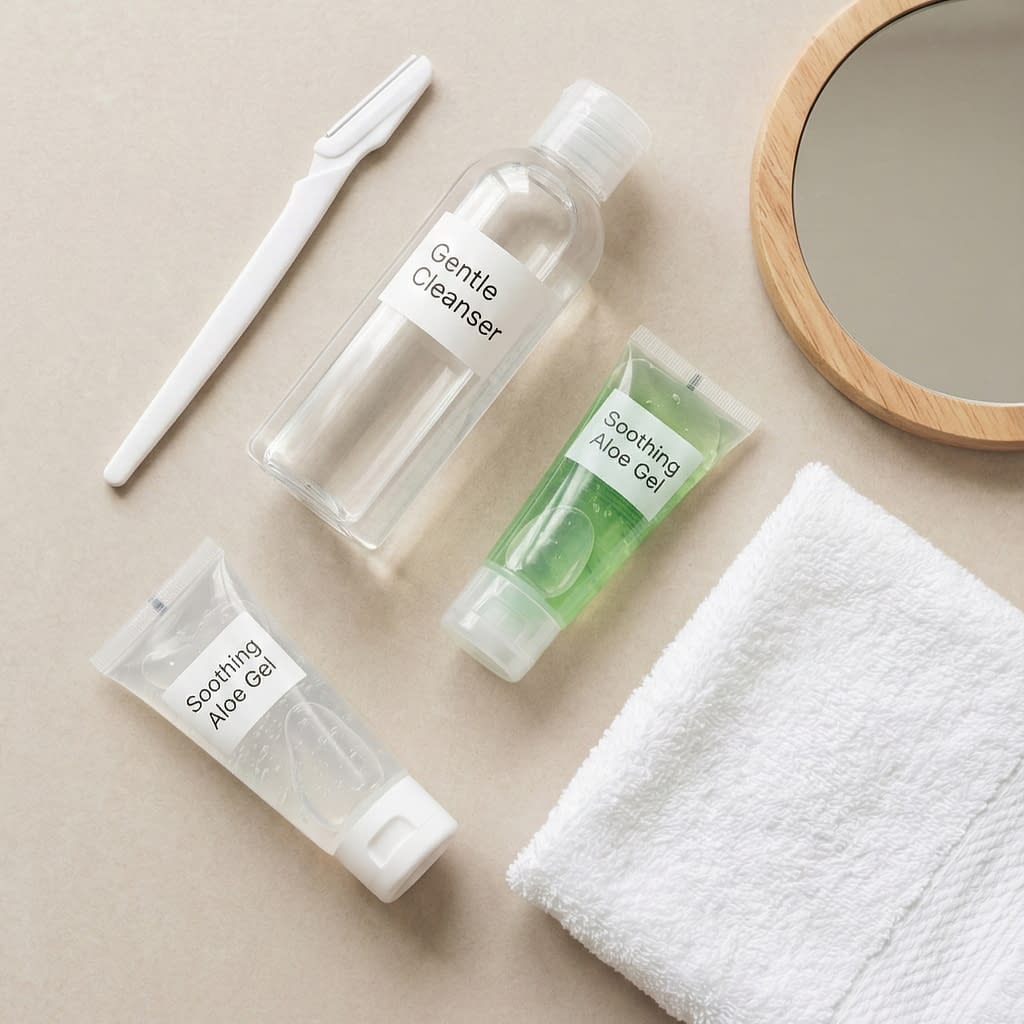
Look for products that are:
- Fragrance-free and alcohol-free,
- Rich in lubricants (glycerin, dimethicone) to maximize glide,
- Contain soothing ingredients like aloe vera, panthenol (pro-vitamin B5), or allantoin.
Avoid menthol, strong essential oils, or high alcohol aftershaves right after shaving. For electric shaving, use moisturizing pre-shave balms designed for dry shavers if needed.
Proper Shaving Technique to Avoid Cuts and Infection
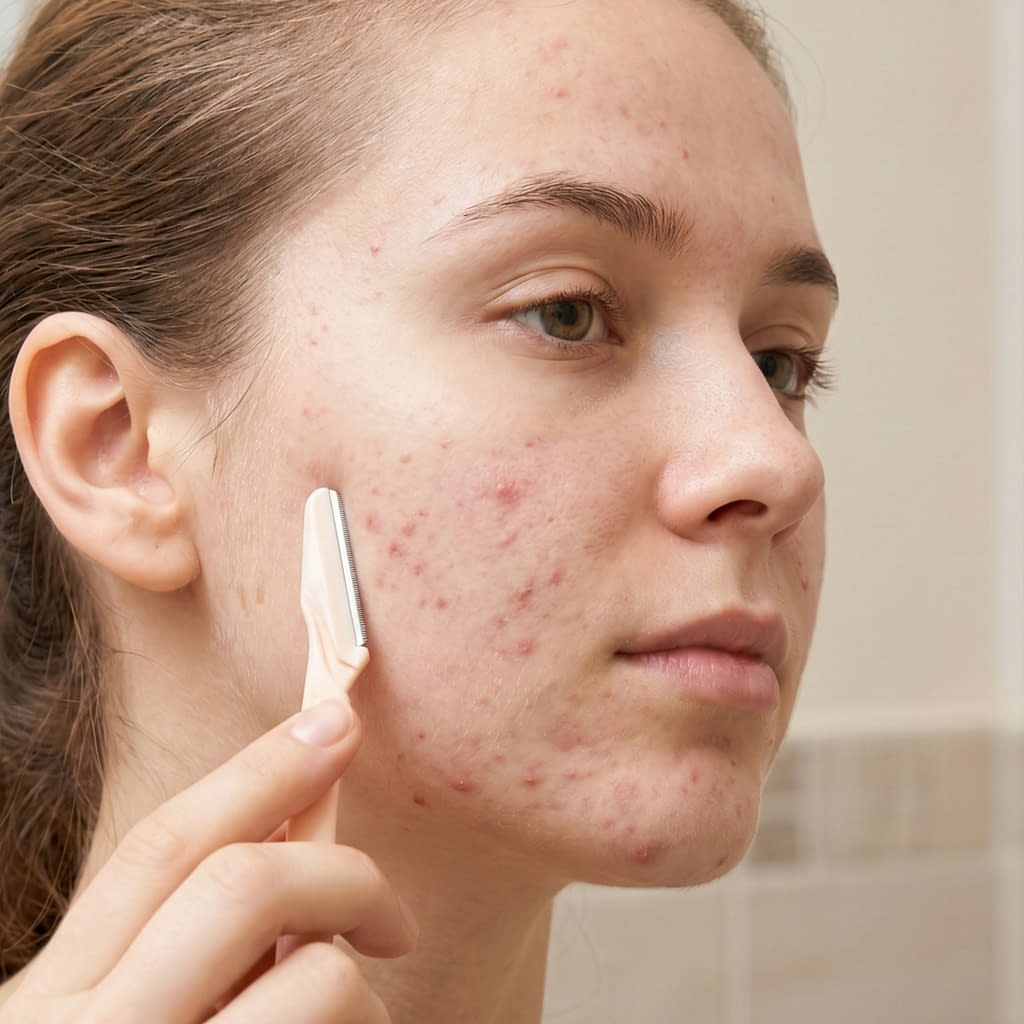
Technique is the area where most problems happen — do these steps slowly and deliberately.
Step-by-step safe shaving technique
- Choose direction: shave with the grain (the direction the hair grows) on the first pass. Only consider a light across-the-grain second pass on non-inflamed areas if you need closer results. Never aggressively shave against the grain over active pimples.
- Keep blade angle shallow: a light touch and small, short strokes reduce drag and nicks.
- Don’t go over the same spot repeatedly: minimal passes reduce irritation. Rinse the blade often to avoid clogging.
- Shave around large lesions: if a pimple is obvious, shave the surrounding area and carefully work around the bump with short strokes—don’t press into it.
- Hold the skin taut: gently stretch the skin with your free hand for a smoother surface and less pulling.
- Razor hygiene: if you use a cartridge razor, rinse and tap to clear hair and cream. Replace cartridges often (a dull blade tugs). For safety razors, change blades frequently. For electric shavers, clean the head after each use and replace foil/heads per manufacturer guidelines.
Areas to Be Extra Careful Around Active Breakouts
- Jawline and lower cheeks (common acne zones): these often host inflamed papules — go slow.
- Under the chin and neck creases: skin is thinner and bends, increasing nick risk.
- Around cysts and nodules: do not shave over these; they’re deep and painful — skip shaving in that tiny area.
If you accidentally nick a lesion, stop, clean, and treat the cut as below.
How to Rinse and Clean Your Razor Properly
Clean tools = fewer infections.
Razor cleaning steps
- Cartridge/double-edge razors: rinse under hot running water after every stroke block to clear cream/hair; at the end, run toothbrush + mild soap over the cartridge and rinse. Allow to air-dry on a clean surface (not sitting in pooled water). Replace blades regularly.
- Electric shavers: remove head and brush out hairs; rinse if the model is washable; apply a drop of oil to the foil/barber head if manufacturer recommends. Charge and store dry.
- Sanitize occasionally: you can dip razor heads in isopropyl alcohol briefly (then air dry) to reduce bacteria — do this weekly or when you’ve had a skin infection.
Never store a razor in a damp sink area; moisture fosters bacterial growth.
Post-Shave Care to Calm Inflammation
Aftercare prevents burning and infection and supports healing.
Post-shave routine (step-by-step)
- Rinse with cool water: closes pores and soothes skin after shaving.
- Pat dry gently with a clean towel — don’t rub.
- Apply a gentle, fragrance-free moisturizer with barrier-repair ingredients (ceramides, glycerin, panthenol). This soothes and helps the skin heal.
- Spot treat cautiously: avoid applying strong benzoyl peroxide or high-strength salicylic acid immediately after shaving — they can sting and cause extra irritation on fresh micro-abrasions. If you use spot treatments, apply them at least a few hours later when the skin has calmed, or better, at night.
- Skip alcohol-based aftershaves (they sting and dry out skin). Use a calming, non-comedogenic lotion or an aloe vera gel instead.
- If you have a small cut: apply gentle pressure with sterile gauze until it stops bleeding, clean with saline, and use an antiseptic ointment (double-check for acne-safe ingredients) or a tiny amount of petroleum jelly to protect the area. Seek medical care if bleeding is heavy or doesn’t stop.
Ingredients to Avoid After Shaving With Acne
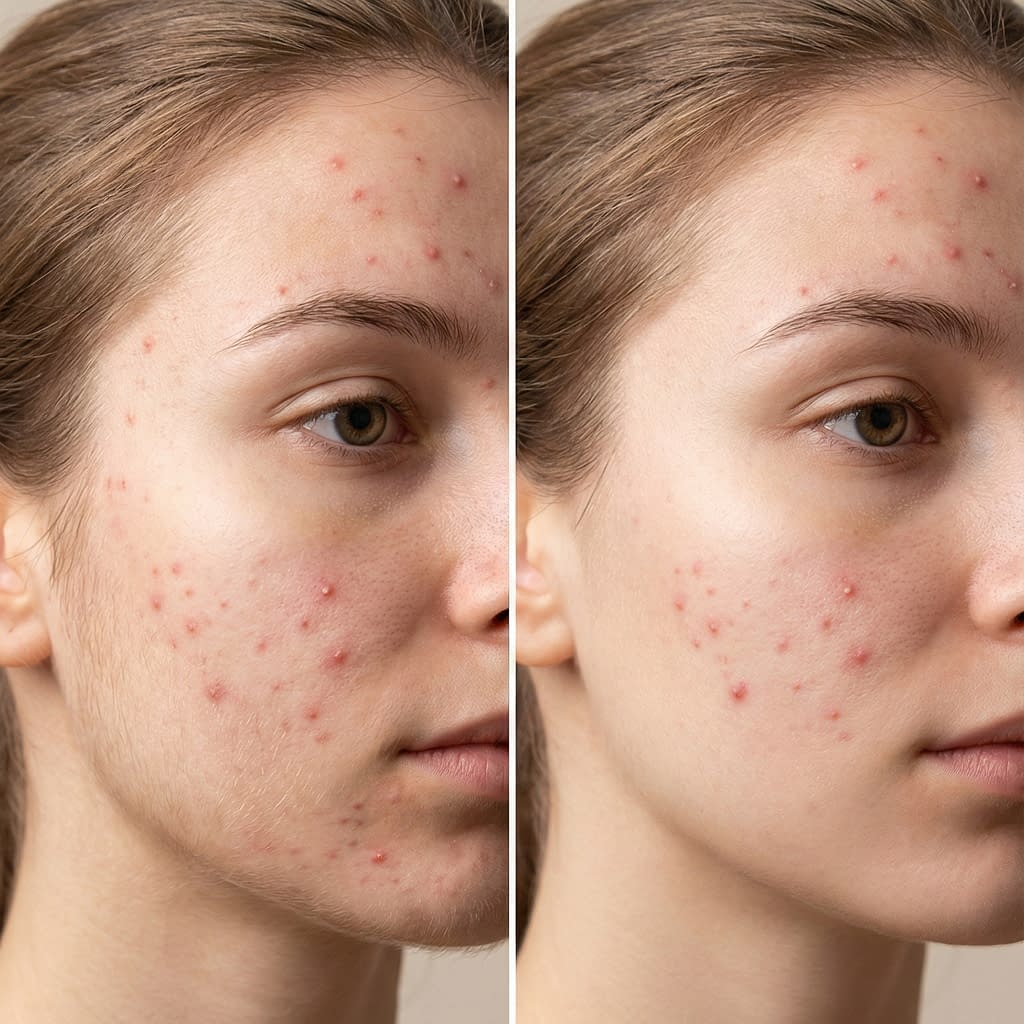
Immediately after shaving, avoid:
- High-percentage benzoyl peroxide (can sting open skin),
- High-strength retinoids or chemical peels (will increase irritation),
- Alcohol-based aftershaves and strong fragrances,
- Harsh toners with witch hazel or witch hazel + alcohol if your skin stings.
Safer immediate options: a gentle moisturizer, aloe vera gel, or a fragrance-free, non-comedogenic soothing serum.
How Often You Should Shave if You Have Acne
Frequency depends on acne severity and irritation level:
- Mild, non-inflamed acne: you can usually shave every 1–3 days with careful technique.
- Active inflammatory acne (papules/pustules): consider trimming instead of a close shave and reduce wet shaving frequency to allow skin recovery (every 3–7 days or as tolerated).
- Severe cystic acne: talk with your dermatologist — they may recommend avoiding daily shaving until treatment reduces inflammation.
Listen to your skin: redness, stinging, or worsening breakouts after shaving are signs to reduce frequency or change method.
Signs You Should Pause Shaving and Let Skin Heal
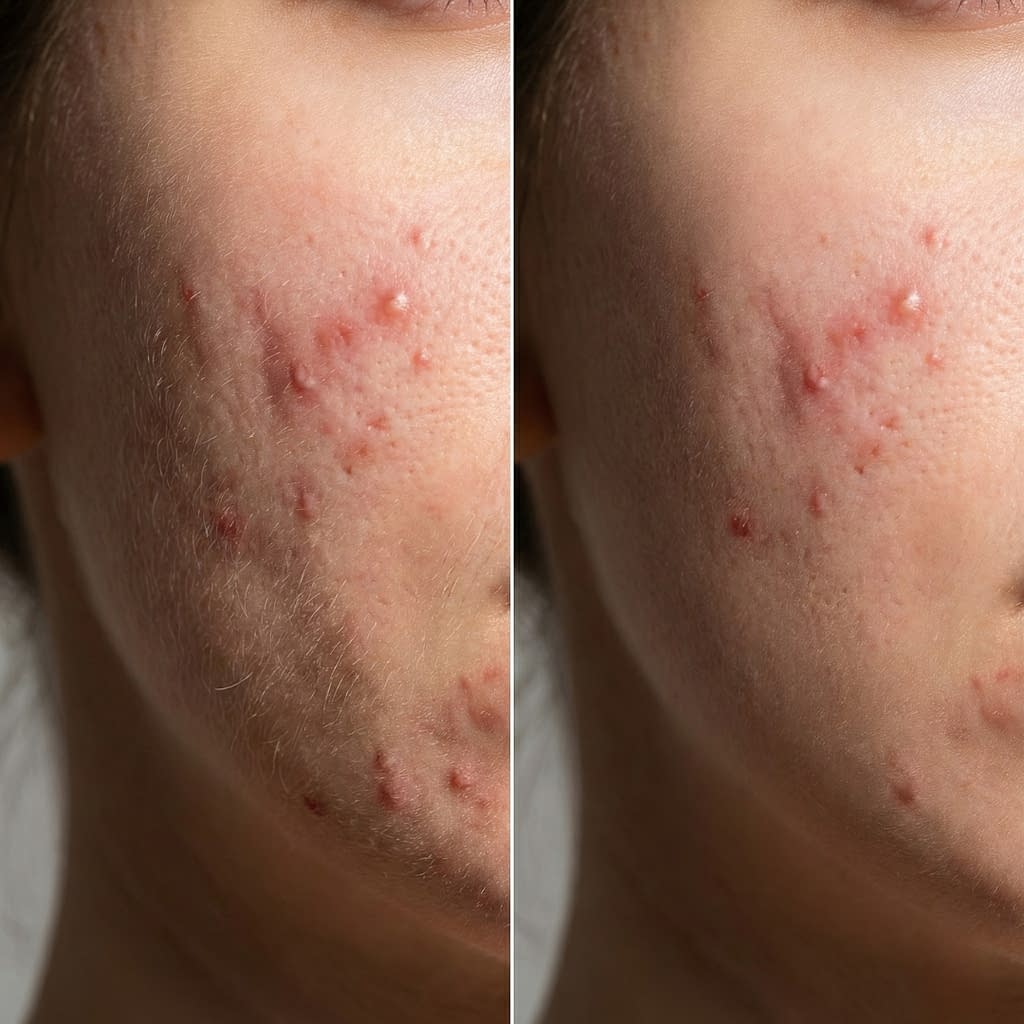
Stop shaving and see a clinician if you notice:
- Widespread red, painful inflammation that worsens after shaving,
- Repeated infections or pustular spread after shaving,
- Extensive bleeding, open wounds, or cracking skin,
- Signs of cellulitis (increasing warmth, spreading redness, fever) — seek immediate medical care.
When in doubt, skip the shave, let skin rest, and use a clean trim if needed.
Final Words
Shaving with acne is absolutely doable — but it takes patience and an adjustment in priorities. Prioritize gentle prep (cleanse + soften), choose the least irritating tool you can (electric trimmer or single-blade if you can use it gently), shave with the grain, avoid shaving directly over large inflamed lesions, and focus on soothing aftercare rather than aggressive spot-treating right away. If acne is severe, cystic, or not improving, see a dermatologist for treatment options that can make shaving safer and your skin healthier long term.


