

Big, visible pores are one of the most common skin frustrations — they’re not a flaw, they’re just skin doing what it does: producing oil and reacting to sun, age, and genetics. The good news is you can make pores look much smaller with gentle, consistent habits: cleansing correctly, controlling oil, protecting your skin from sun damage, and using a few targeted, low-risk ingredients and treatments. Below is a practical, long-form guide with step-by-step routines and realistic timelines so your readers know exactly what to do and why it works.
Why Large Pores Are So Common
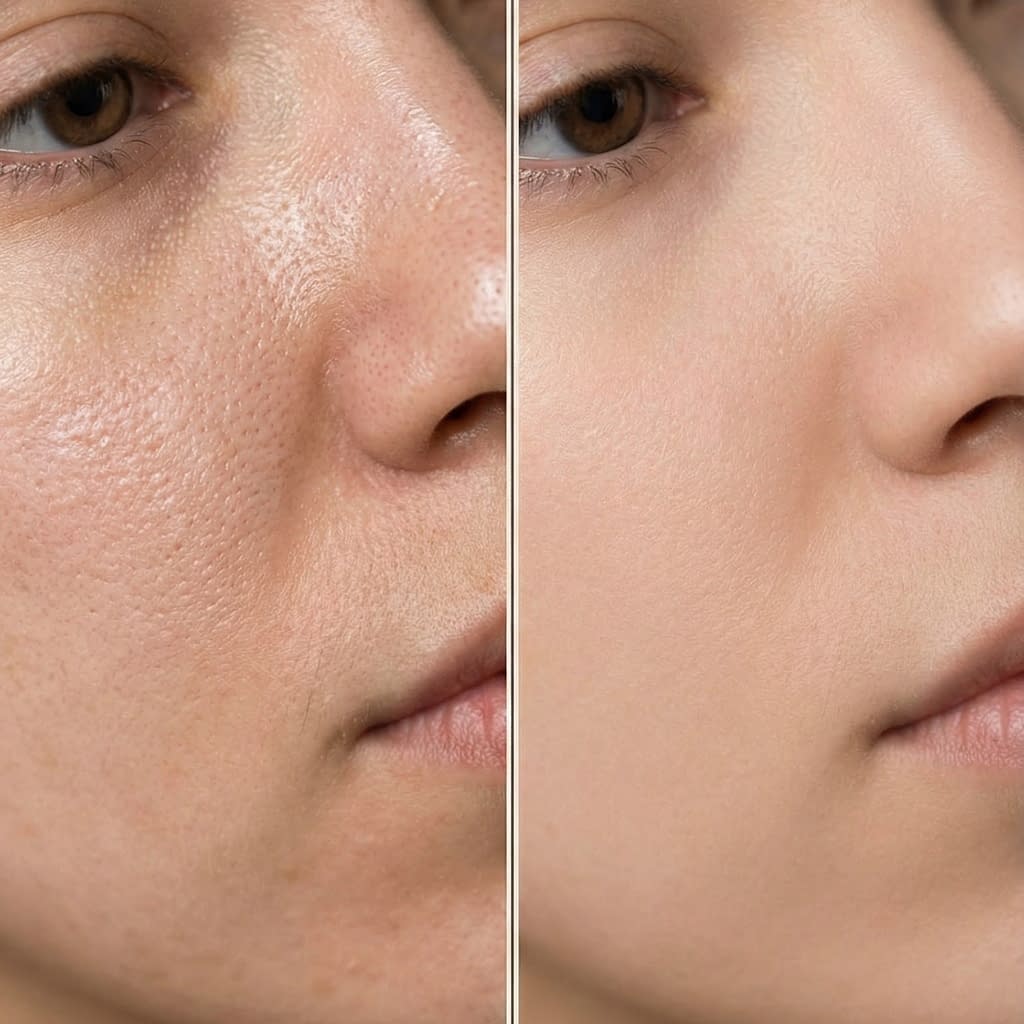
Pores are the openings of hair follicles and are everywhere on the skin. They become more noticeable when:
- the gland inside the pore (sebaceous gland) produces more oil,
- dead skin and debris collect and stretch the pore opening,
- skin loses elasticity with age so the pore can’t “snap back,” or
- sun damage makes skin less firm and more porous.
Genetics set the baseline (some people naturally have larger pores), but lifestyle and skincare habits strongly influence how visible they look.
What Causes Pores to Look Enlarged
Pores look bigger for a few main reasons:
- Excess oil (sebum): oil fills the pore and makes its mouth more obvious.
- Clogging: dead skin and dirt can stretch the pore.
- Loss of elasticity: collagen and elastin keep the pore opening tight; when they decline, pores appear larger.
- Sun damage: UV light breaks down supportive fibers in the skin over time.
- Aging and gravity: slower turnover and sagging skin increase pore visibility.
- Mechanical stress: picking, squeezing, or aggressive scrubbing stretches pores and causes inflammation that makes them more visible.
Understanding these causes helps target solutions: reduce oil & clogging, protect and restore elasticity, and stop damaging habits.
The Truth About Pore Size: What You Can and Can’t Change
Can’t-change: the actual number of pores and their absolute baseline size is largely genetic. You can’t permanently make a pore disappear at home.
Can-change: the appearance of pores — you can make them look much smaller by: controlling oil, keeping pores clear, improving skin elasticity (sun protection, collagen-friendly habits), and minimizing inflammation. Professional treatments (lasers, microneedling, chemical peels) can give stronger, longer-lasting shrinkage, but a natural, patient routine will deliver significant cosmetic improvement for most people.
How Excess Oil Makes Pores Appear Larger
When sebum fills the follicle, the top of the pore becomes domed and obvious. Excess oil also attracts dead skin and bacteria, leading to comedones (blackheads) that widen the opening. Controlling oil production and keeping the surface clean will visually reduce pore size.
Step-by-step to manage oil:
- Cleanse twice daily with a gentle but effective cleanser (see cleansing section).
- Use a lightweight, non-comedogenic moisturizer so the skin isn’t overcompensating by making more oil.
- Spot-manage shine with blotting papers (don’t over-powder) and short-term absorbent products (clay masks) 1–2× weekly.
- Consider gentle oil-regulating ingredients like niacinamide (helps normalize sebum production) and zinc (controls oil & soothes). Use in product form at appropriate concentrations.
Cleansing Mistakes That Stretch Pores Over Time
Harsh cleansing (strong surfactants, hot water, over-washing, aggressive scrubbing) strips oils and disrupts the barrier. Skin responds by producing more oil and inflammation, which makes pores more visible.
Gentle cleansing routine (step-by-step)
- Morning: splash with water or use a very gentle gel/cream cleanser if skin is oily — rinse with lukewarm water.
- Evening: double-cleanse only if you wear sunscreen/makeup: first a gentle oil or micellar cleanser, then a mild second cleanse to remove residue.
- Avoid hot showers and scrubby washcloths on your face. Use your fingertips in light circles for 30–60 seconds, then rinse.
- Pat dry — never rub. Apply the rest of your routine while skin is slightly damp.
Gentle Exfoliation That Helps Minimize Pores
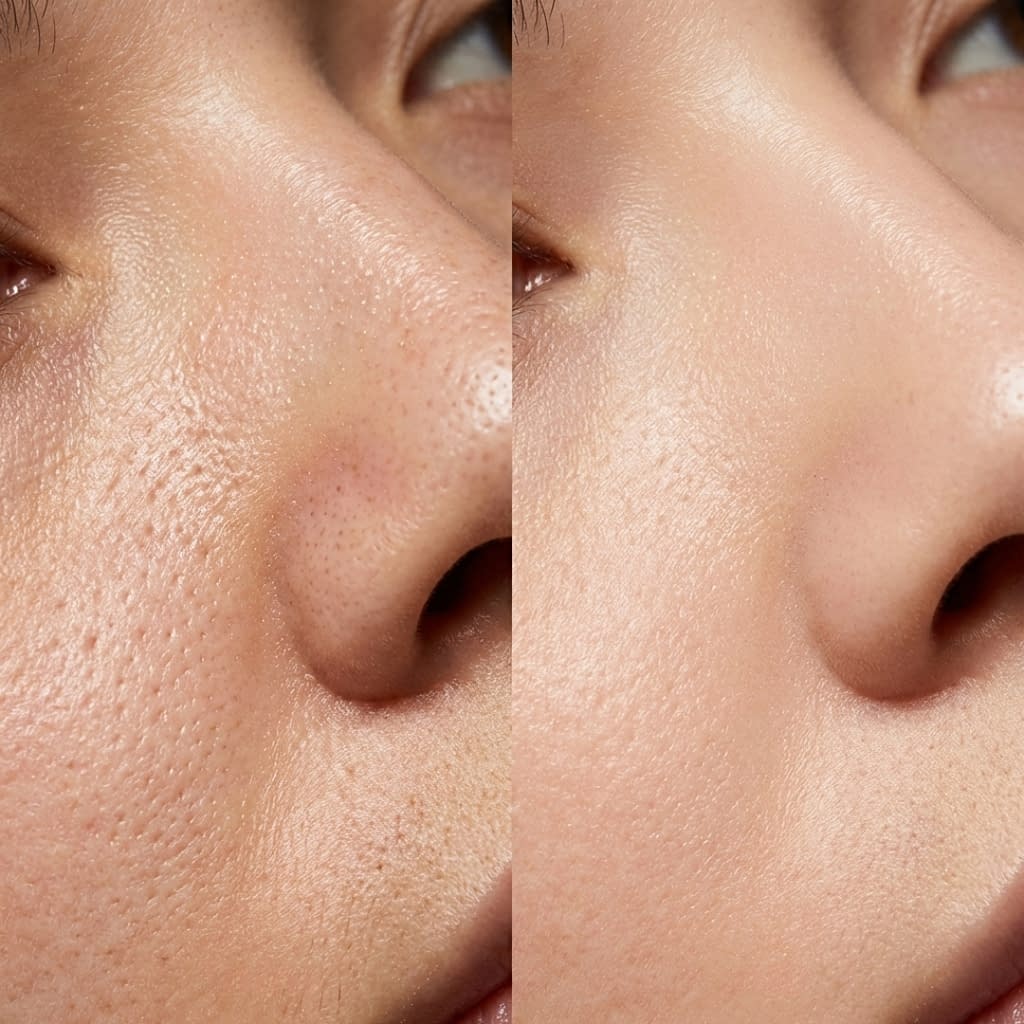
Exfoliation removes dead skin that can clog pore openings and give them a stretched look. The key is gentle, consistent chemical exfoliation (AHA/BHA) rather than aggressive physical scrubs.
How to exfoliate safely (step-by-step)
- Choose the right exfoliant:
- BHA (salicylic acid) 0.5–2% — oil-soluble, penetrates into pores, great for blackheads and oil control.
- AHA (lactic or glycolic acid) 5–10% — surface renewal and improved texture (lactic is gentler).
- Start slow: apply a BHA product 2–3× per week at night and build up to nightly if tolerated. Or alternate AHA nights with BHA nights.
- Patch-test new acids for 48 hours before applying to the whole face.
- Never combine strong acids and retinoids without guidance — start one active at a time.
- Follow with hydration (humectant + emollient) and always use sunscreen during the day.
If you prefer “natural” acids, products formulated with fruit AHAs still follow the same rules: concentration and frequency matter.
Ingredients That Help Tighten the Look of Pores Naturally
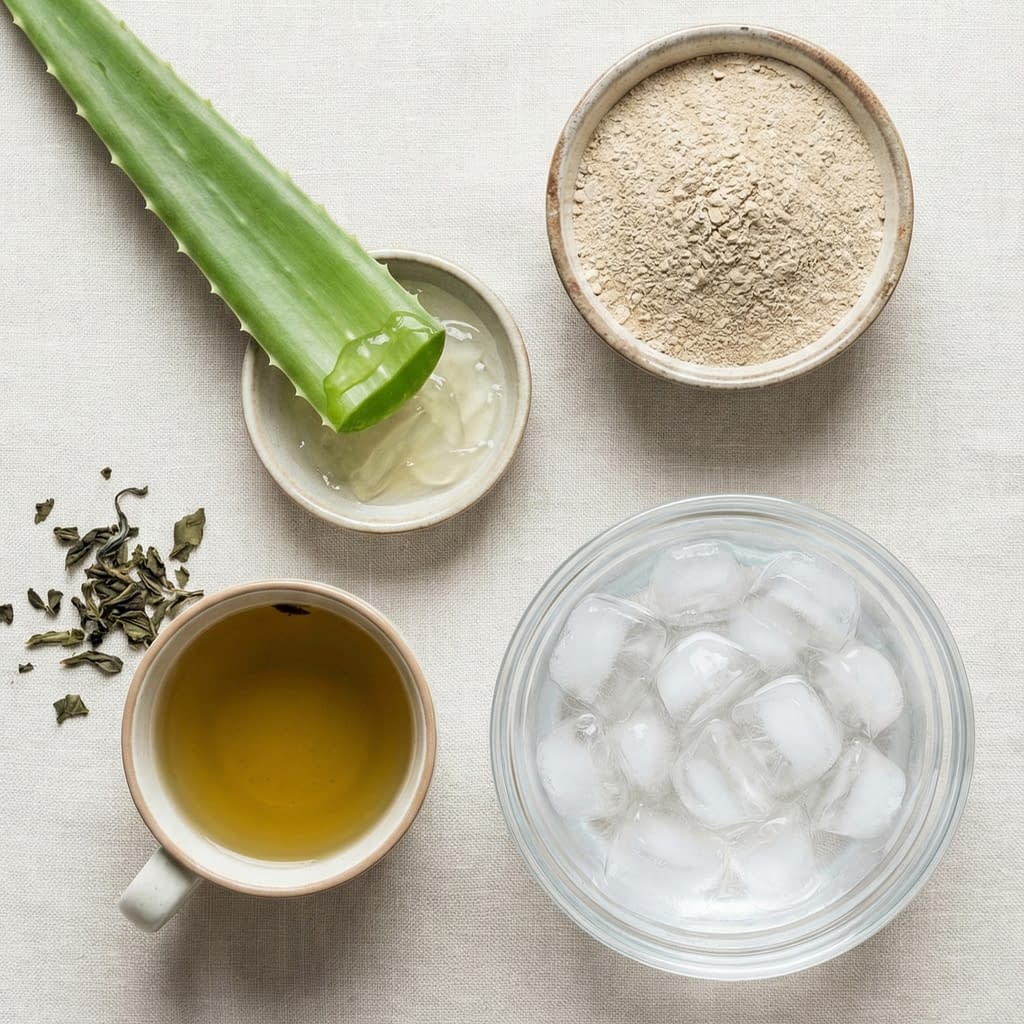
These ingredients are evidence-friendly and skin-safe when used properly:
- Niacinamide (Vitamin B3): reduces oil, strengthens the barrier, improves texture and pore appearance. Use 2–5% formulations daily.
- Salicylic acid (BHA): penetrates and clears pore contents; reduces blackheads and the appearance of pores.
- Lactic acid (gentle AHA): improves skin turnover, smooths surface texture and is less irritating than glycolic for sensitive skin.
- Green tea extract & polyphenols: antioxidant, anti-inflammatory, can help sebum regulation.
- Zinc (topical or as part of moisturizers): oil regulation and calming.
- Retinoids (retinol, retinaldehyde): increase cell turnover, help normalize follicles and improve collagen over time — start low and be patient; these are powerful and not “instant natural” but very effective.
- Clay (kaolin, bentonite): absorb excess oil temporarily and give a tightened look (use sparingly).
- Vitamin C (stabilized forms): supports collagen and brightens skin, helping texture look finer.
Use one or two targeted actives rather than a long list. Always patch-test and introduce slowly.
Why Hydration Is Essential for Smaller-Looking Pores
When skin is dewy and plump, pores appear tighter because the surrounding skin fills out. Dehydrated skin creases and makes texture and pores more noticeable.
Hydration routine (step-by-step)
- Humectant first: apply a product with glycerin or hyaluronic acid to damp skin to draw in moisture.
- Emollient next: use a lightweight moisturizer to smooth and repair lipids.
- Occasional occlusion: on very dry nights, a thin occlusive (petrolatum or thick balm) locks in hydration.
- Internal hydration: drink water and eat water-rich foods; hydration helps, but the topical routine is the main visual fix.
The Role of Sun Damage in Enlarged Pores
UV exposure breaks down collagen and elastin, which support the pore opening. Over time sun damage makes pores looser and more visible.
Sun-safe steps (daily)
- Apply broad-spectrum SPF 30+ every morning (physical sunscreens with zinc/titanium are gentle).
- Reapply every 2 hours when outdoors.
- Wear hats and seek shade during peak sun.
- Use antioxidants (vitamin C) in the morning routine to help counter oxidative damage.
Protecting from sun is one of the most effective long-term strategies to keep pores looking small.
How to Use Clay Masks and Natural Treatments Correctly
Clay masks temporarily absorb oil and visually tighten pores — great as a weekly tool but not a daily fix.
Clay mask guide (step-by-step)
- Frequency: 1× weekly for oily zones (T-zone).
- Apply a thin layer to clean, dry skin. Avoid leaving clay fully dry for too long (it can over-dry). Rinse after 10–12 minutes if you feel tightness.
- Follow with hydration — humectant + moisturizer — to prevent rebound oil production.
- Combine with occasional green tea or witch hazel toning for calming, but avoid over-astringing if skin is dry/sensitive.
Natural doesn’t always mean risk-free; avoid abrasive homemade scrubs that can inflame and enlarge pores.
Daily Habits That Prevent Pores From Getting Bigger
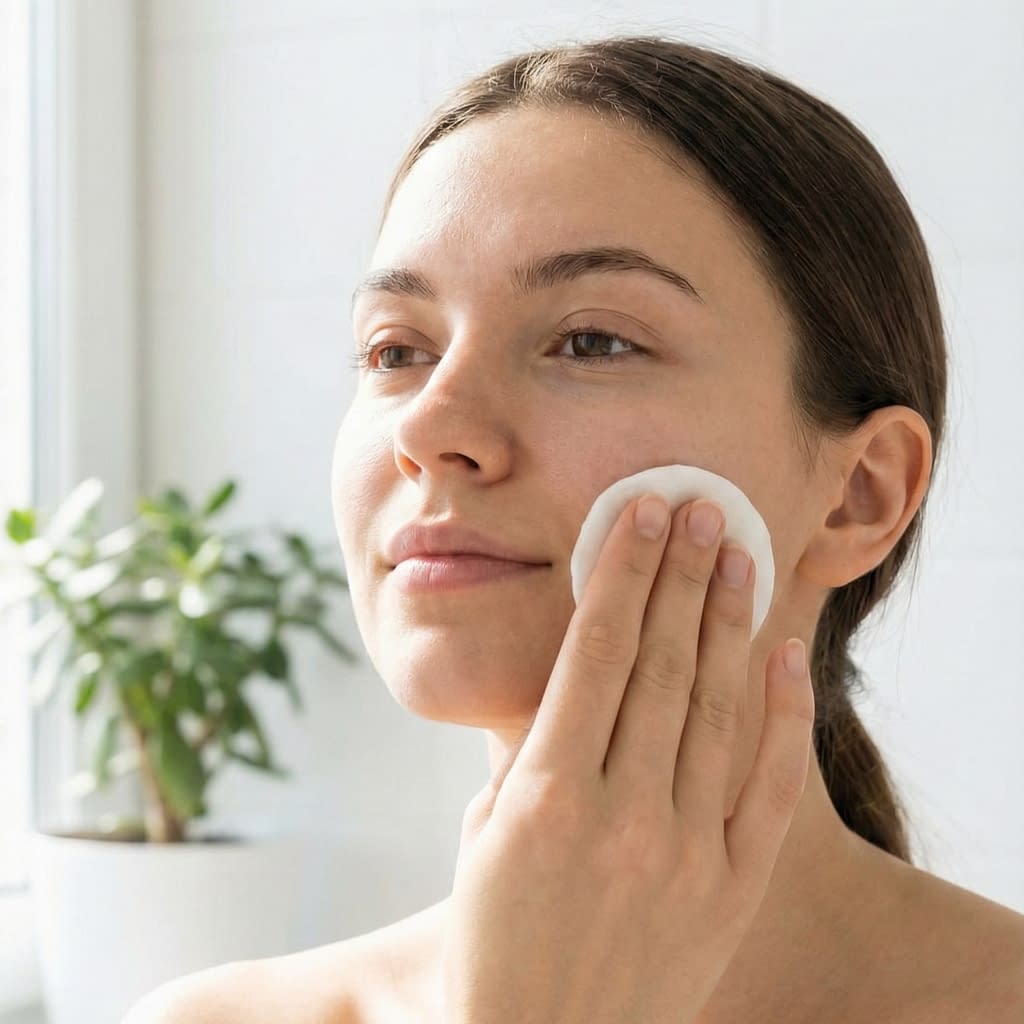
- Don’t pick or squeeze: extraction causes inflammation and can permanently stretch pores.
- Keep hands off the face: oils and dirt transfer increase clogging.
- Clean makeup tools (brushes, sponges) weekly.
- Change pillowcases regularly to reduce transfer of oil and bacteria.
- Use non-comedogenic cosmetics and avoid heavy, pore-clogging creams on oily zones.
- Control stress and get sleep — chronic inflammation affects skin quality.
Small daily choices build better-looking skin over weeks and months.
Skincare Products and Practices to Avoid
- Harsh physical scrubs or gritty DIY pastes that abrade and inflame.
- Over-washing/stripping cleansers (SLS-heavy) that trigger excess oil production.
- Layering many active ingredients at once (strong acids + retinoids + benzoyl peroxide) without adaptation.
- Ignoring sunscreen — sun damage undoes many improvements.
- Heavy oils or butters on oily-prone zones — choose lightweight, non-comedogenic options instead.
If irritation occurs, simplify to a gentle cleanser, niacinamide, lightweight moisturizer, and sunscreen while skin calms.
How Long It Takes to See Real Improvement
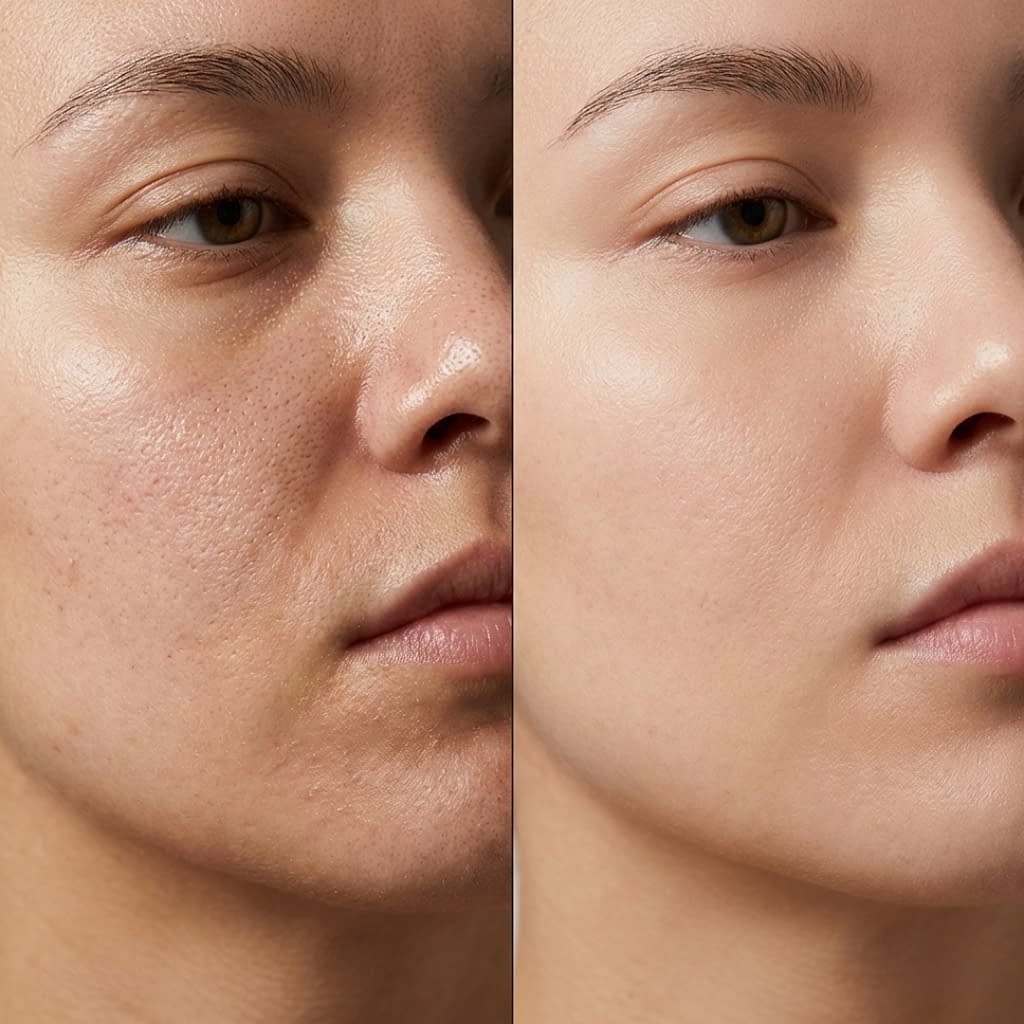
Expect realistic timelines:
- Immediate (same day–week): blotting, clay masks, and makeup/smoothing primers will reduce visible pore size temporarily.
- Short term (2–6 weeks): consistent use of BHA and niacinamide often shows reduced blackheads and less shine, making poreslook smaller.
- Medium term (3–6 months): retinoids, vitamin C, sunscreen, and collagen-supporting habits improve texture and firmness, leading to noticeable pore tightening over time.
- Long term (6–12+ months): with strict sun protection, steady topical actives and lifestyle changes, skin texture and pore appearance can continue to improve. For dramatic structural changes, clinical procedures may be needed.
Be patient and track progress with photos every 4 weeks under the same lighting.
Final Words
You can’t erase pores, but you can dramatically reduce how visible they are. The most reliable natural approach combines: gentle but effective cleansing, oil control with BHA and niacinamide, weekly clay masks, consistent hydration, sun protection, and healthy lifestyle habits. Start simple: pick one oil-regulating active (like salicylic acid) and one barrier-supporting ingredient (like niacinamide or ceramide moisturizer), introduce them slowly, protect from the sun, and be patient — visible improvements follow steady care.


