

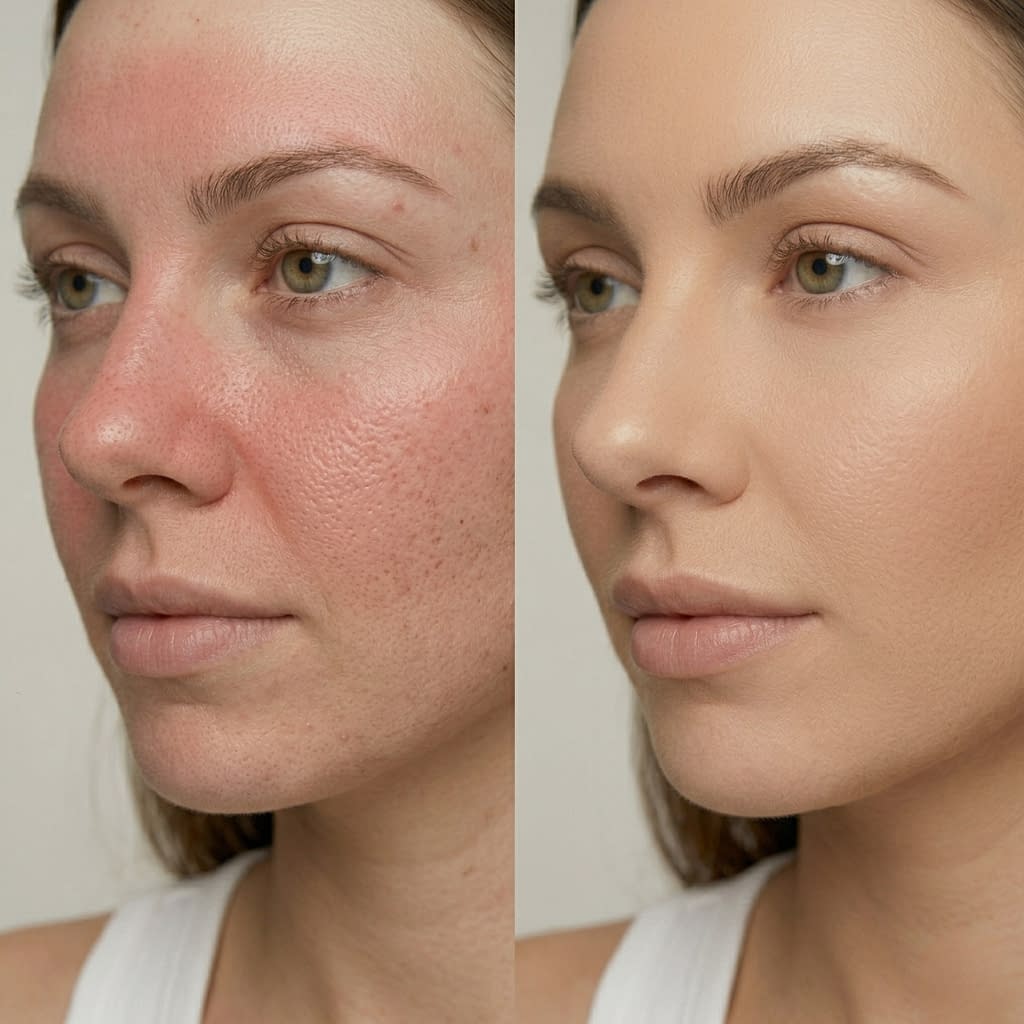
A sunburned face is more than just temporary redness. It is a sign that your skin has been overwhelmed by UV exposure and is actively inflamed, irritated, and injured. In peak summer, this discomfort can feel even worse. Heat, humidity, and ongoing sun exposure make it harder for the skin to cool down and repair itself, which is why facial sunburn often feels tight, hot, itchy, and painful for days.
The face is especially vulnerable because it is constantly exposed and the skin there is thinner and more sensitive than on many other parts of the body. If a sunburn is not treated gently and correctly, it can lead to prolonged redness, peeling, uneven tone, sensitivity, and even long-term damage.
The good news is that with the right care, your skin can calm down, recover faster, and heal more comfortably. This guide walks you through exactly what happens when your face gets sunburned, what to do immediately, which ingredients truly help, what to avoid, and how to protect your skin while it heals. Each section includes clear, step-by-step guidance so you can care for your skin safely and effectively during full summer heat.
What Happens to Your Skin When Your Face Gets Sunburned
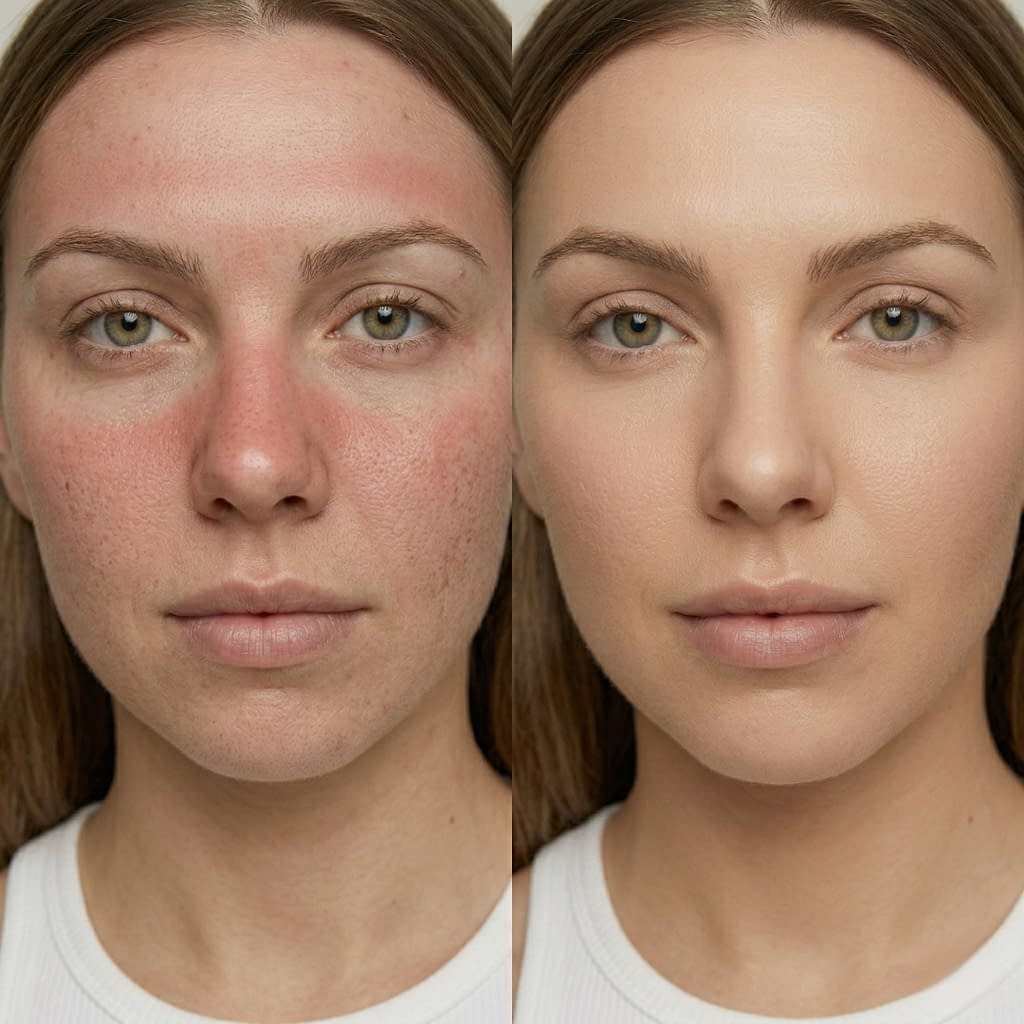
Sunburn occurs when your skin is exposed to more ultraviolet radiation than it can handle. UV rays damage skin cells and trigger an inflammatory response. This is your body’s way of trying to repair the injury.
On the face, this damage shows up quickly because the skin barrier is more delicate and exposed daily.
What is happening beneath the surface
- Skin cells are damaged by UV radiation
- Blood vessels expand, causing redness and warmth
- Inflammation increases sensitivity and pain
- The skin barrier weakens, allowing moisture to escape
- Healing processes begin, often leading to peeling later
Step by step: how sunburn develops
- UV rays penetrate the skin
- Skin cells become damaged
- The immune system responds with inflammation
- Redness, heat, and tenderness appear
- Skin may later peel as damaged cells shed
Understanding this helps explain why gentle care is essential. Your skin is injured, not just dry or flushed.
Why Sunburn Feels Worse in the Peak of Summer
Sunburn often feels more intense in full summer because the environment continues to stress the skin even after the burn occurs. High temperatures, humidity, and strong sunlight prevent the skin from calming down properly.
Why discomfort increases
- Heat keeps skin warm and inflamed
- Sweat can sting and irritate damaged skin
- Ongoing sun exposure slows healing
- Dehydration worsens tightness and dryness
- Air conditioning can dry the skin further
Step by step: how summer worsens sunburn
- The skin is already inflamed from UV damage
- Heat prevents it from cooling naturally
- Sweat and friction increase irritation
- Moisture loss continues
- Healing becomes slower and more uncomfortable
This is why immediate and ongoing care matters so much during summer.
Early Signs Your Face Is Starting to Burn
Catching a sunburn early can reduce how severe it becomes. Your skin usually gives warning signs before a full burn develops.
Early signs to watch for
- Warmth or heat on the face
- Mild redness or pinkness
- Tight or slightly stinging sensation
- Increased sensitivity to touch
- Itching or discomfort when washing
Step by step: what to do at first signs
- Get out of the sun immediately
- Move into shade or indoors
- Cool the skin gently
- Avoid further sun exposure that day
- Start soothing care as soon as possible
Acting early can significantly reduce redness, pain, and peeling later.
What to Do Immediately After Getting a Sunburned Face
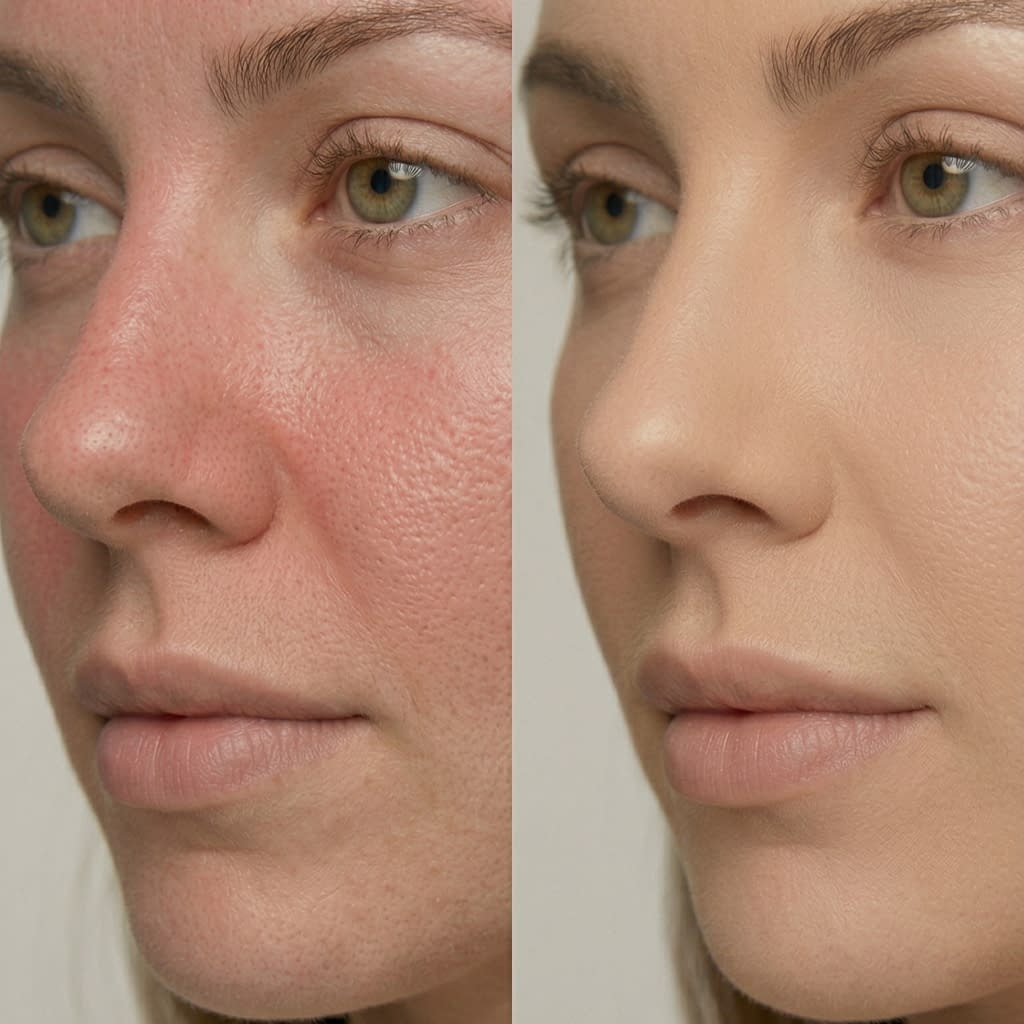
The first few hours after sunburn are critical. What you do during this time can either help your skin calm down or make the damage worse.
Step by step: immediate care
- Get out of direct sunlight right away
- Gently cleanse your face with cool or lukewarm water
- Do not scrub or exfoliate
- Pat the skin dry with a soft towel
- Apply a soothing, fragrance-free product
- Keep your face cool and uncovered
Important reminders
- Do not use ice directly on the skin
- Avoid hot showers or steamy rooms
- Keep products minimal and gentle
The goal is to stop the heat and inflammation from escalating.
How to Cool and Calm Hot, Irritated Skin
Cooling the skin helps reduce inflammation and discomfort, but it must be done gently.
Safe cooling methods
- Cool compresses with clean cloths
- Splashing the face with cool water
- Using soothing gels or creams
- Staying in a cool indoor environment
Step by step: calming routine
- Soak a clean cloth in cool water
- Gently place it on the face for a few minutes
- Remove and let skin breathe
- Apply a soothing product while skin is slightly damp
- Repeat a few times a day as needed
Avoid extreme cold. Gentle cooling is far more effective and safer.
Best Ingredients to Soothe a Sunburned Face
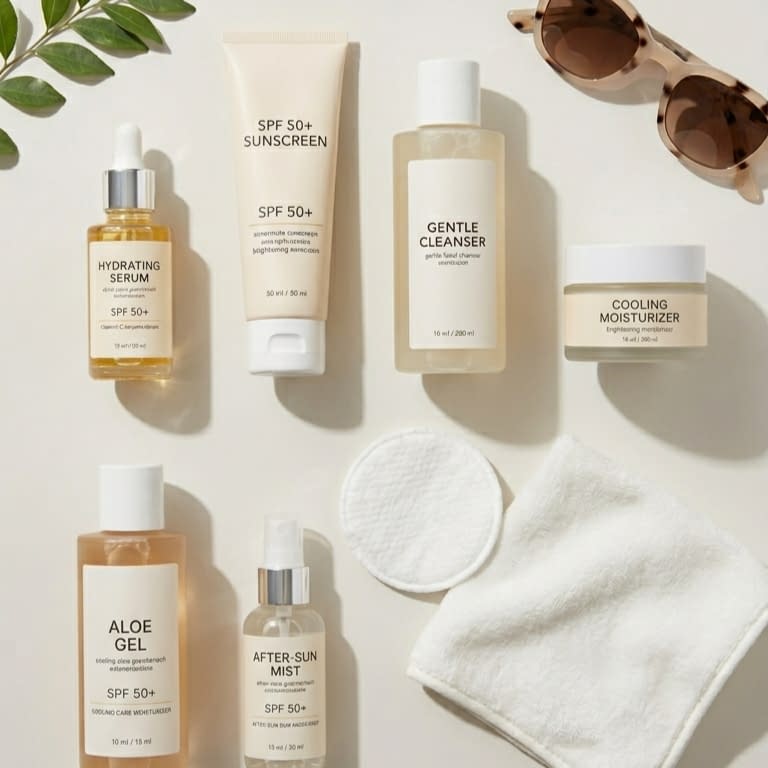
Certain ingredients help calm inflammation, support healing, and reduce discomfort.
Ingredients that help
- Aloe vera for cooling and soothing
- Panthenol for skin repair
- Glycerin to attract moisture
- Hyaluronic acid for hydration
- Centella asiatica for calming redness
- Ceramides to support the skin barrier
- Colloidal oatmeal to reduce irritation
Step by step: how to use them
- Choose products with simple ingredient lists
- Apply gently without rubbing
- Use clean hands
- Reapply when skin feels tight or dry
- Stop using anything that stings
Avoid products with alcohol, fragrance, or strong actives.
Skincare Products That Help Repair Sun Damage
Repair-focused products help the skin recover while preventing further moisture loss.
Helpful product types
- Gentle cleansers
- Soothing gels or lotions
- Barrier-repair moisturizers
- Thermal or calming face mists
Step by step: simple repair routine
- Cleanse once or twice daily with a mild cleanser
- Apply a calming serum or gel
- Follow with a gentle moisturizer
- Avoid unnecessary layers
- Keep the routine consistent and simple
Less is more when your skin is sunburned.
What to Avoid When Treating a Sunburned Face
Some common skincare habits can significantly worsen sunburn.
Avoid these mistakes
- Exfoliating or scrubbing
- Using retinoids or acids
- Applying fragrance or essential oils
- Using harsh acne treatments
- Picking at peeling skin
- Applying thick, heavy occlusive products too early
Step by step: protect damaged skin
- Stop all active treatments
- Use only soothing and hydrating products
- Let peeling skin shed naturally
- Avoid friction and heat
- Focus on comfort, not appearance
Your skin needs time, not pressure.
How to Reduce Redness, Tightness, and Peeling
Redness, tightness, and peeling are normal stages of healing, but they can be eased.
Step by step: easing symptoms
- Keep skin consistently hydrated
- Apply soothing products multiple times a day
- Use gentle compresses for redness
- Avoid makeup until irritation subsides
- Do not peel or pull loose skin
Peeling is part of recovery. Forcing it can cause scarring or discoloration.
Hydration Tips That Help Your Skin Heal Faster
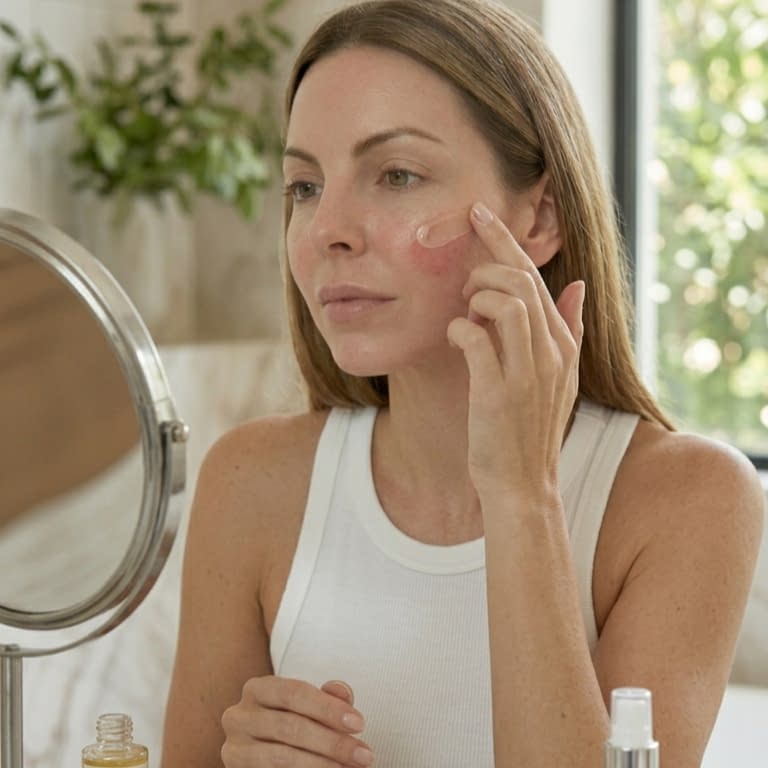
Hydration supports healing from the inside and outside.
Internal hydration
- Drink water consistently throughout the day
- Avoid excessive caffeine and alcohol
- Eat water-rich foods when possible
External hydration
- Apply moisturizer regularly
- Reapply soothing products as needed
- Avoid environments that dry the skin excessively
Step by step: hydration support
- Drink water steadily, not all at once
- Apply moisturizer on slightly damp skin
- Reapply when skin feels tight
- Protect skin from drying wind or air conditioning
- Rest and allow your body to heal
How to Protect Your Face While It Recovers
Sunburned skin is extremely sensitive and must be protected carefully.
Step by step: protection during healing
- Stay out of direct sun as much as possible
- Wear a wide-brimmed hat outdoors
- Use a gentle, mineral sunscreen once skin can tolerate it
- Avoid long outdoor exposure
- Reapply protection as needed
Do not rush sunscreen application if the skin is still stinging. Physical barriers like shade and hats are best at first.
How to Prevent Future Sunburns in Summer
Prevention is the most important part of sunburn care.
Step by step: summer prevention routine
- Apply sunscreen daily, even on cloudy days
- Reapply sunscreen every two hours outdoors
- Wear hats and protective clothing
- Seek shade during peak sun hours
- Avoid tanning intentionally
- Be extra careful near water or reflective surfaces
Consistent protection is the best way to protect your skin long-term.
Final Words
A sunburned face is your skin asking for care, patience, and protection. In full summer, the combination of heat and UV exposure makes recovery more challenging, but with the right approach, your skin can heal comfortably and effectively.
The most important steps are immediate cooling, gentle cleansing, soothing hydration, and strict sun avoidance while your skin recovers. Avoid harsh products, resist the urge to exfoliate or peel, and give your skin the time it needs to rebuild its barrier.
Once healed, commit to daily sun protection to prevent future burns and long-term damage. Healthy summer skin is not about avoiding the sun completely, but about respecting it and caring for your skin wisely.


