


That stubborn cluster of pimples along the chin and jawline? Very often it’s hormonal. Hormonal chin acne behaves differently from the occasional whitehead: it can be deeper, recurring, and frustrating. The good news: you can do a lot to calm it using gentle skin-care habits, lifestyle changes, and targeted, low-risk ingredients — and you’ll know when it’s time to ask for medical help. Below you’ll find why chin breakouts happen, how to spot hormone-related signs, and long, practical steps to treat and prevent flare-ups without wrecking your skin barrier.
Why Chin Breakouts Are Often Hormonal
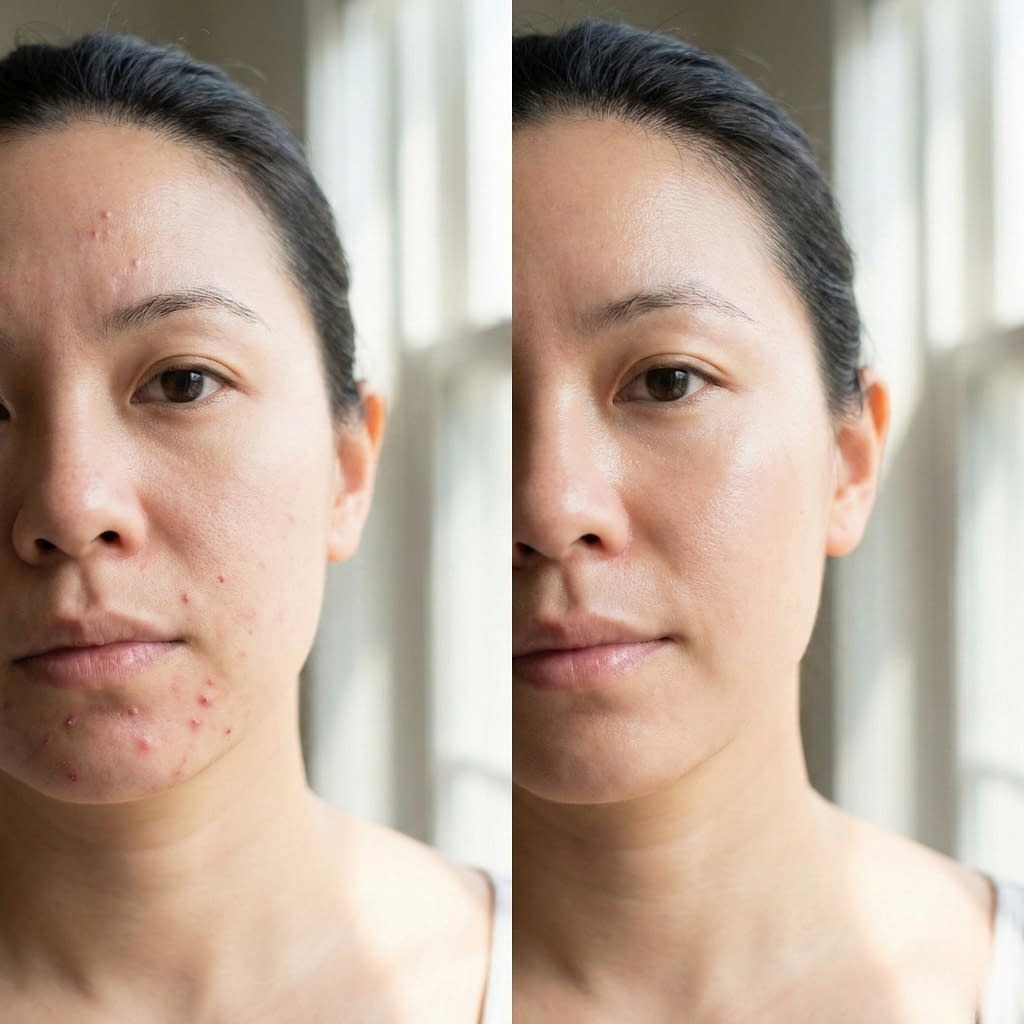
Chin and jawline acne commonly flares with hormone fluctuations. Androgen hormones (including age-related shifts, monthly cycle changes, and some medications) increase sebum (oil) production and can change how skin sheds dead cells — both of which can cause clogged pores and inflamed pimples in the lower-face zone. Because hormonal shifts are repeating, these breakouts can be cyclical and stubborn if you only treat them like surface spots.
Quick takeaway: if your chin pimples come back in a pattern or during certain phases of your cycle, hormones are likely involved — and treating the skin gently and consistently is the smart first step.
Understanding Hormonal Acne and Why It Targets the Chin
Short version of the biology (no heavy jargon):
- Certain hormones (androgens such as DHT) make oil glands bigger and more active.
- The chin/jaw area has lots of sebaceous (oil) glands that respond strongly to those signals.
- Clogged hair follicles + extra oil = an inviting environment for inflammation and acne-causing bacteria.
- Because hormones change slowly, chin acne often appears as deeper bumps (nodules) or recurring pimples rather than one-off whiteheads.
Practical point: surface drying or harsh spot-treatment alone often won’t stop hormonal flare-ups — you need a steady, barrier-friendly approach.
Signs Your Breakouts Are Hormone-Related
Look for these clues:
- Breakouts that cluster around the chin, jawline, and lower face.
- A predictable timing — for many people, pimples spike in the week before their period.
- Deeper, painful lumps rather than only small blackheads or whiteheads.
- New pimples that don’t respond well to usual spot products but do improve with consistent, gentle routines and time.
If several of these match your experience, treat your skin gently, follow the routine below, and consider tracking timing for a few cycles to share with a clinician if needed.
The Role of Your Menstrual Cycle in Chin Acne
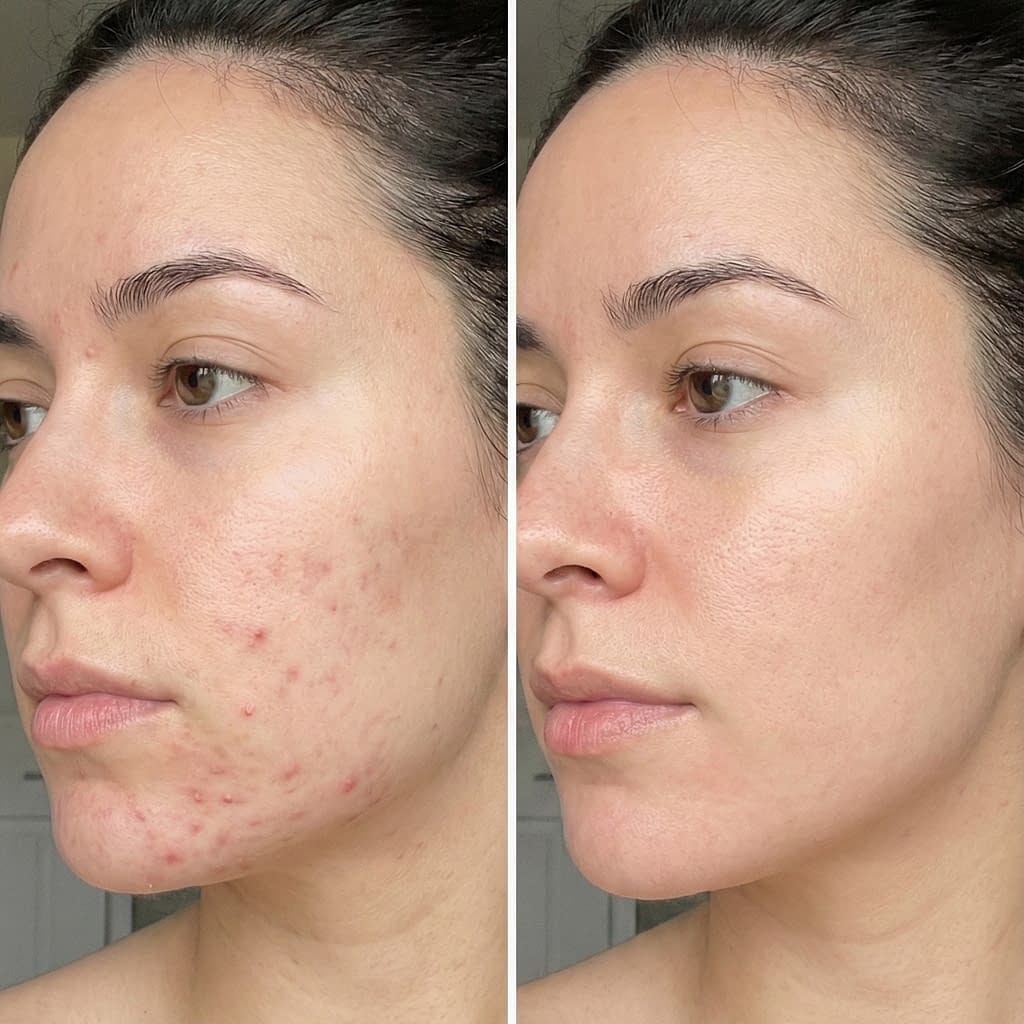
How the cycle can affect skin (simple steps):
- In the luteal phase (after ovulation), progesterone rises and can increase oil production.
- Just before your period, both progesterone and estrogen fall — this hormone rollercoaster can trigger inflammatory pimples.
- Actionable habit: keep a short log (date + breakout severity). If breakouts reliably happen about the same week before your period, that strongly suggests a hormonal component and helps your clinician choose the best next steps.
For teens: share your log with a parent/guardian and (if needed) your pediatrician — it’s really useful evidence for next-step care.
Stress and Cortisol: The Hidden Acne Trigger
Stress doesn’t cause acne by itself, but it can worsen hormonal breakouts through cortisol and behavior changes (poor sleep, junk food). Practical stress control helps:
Stress-reduction steps (daily mini-plan)
- Short breathing break: inhale 4s, exhale 6s — 2–3 minutes when stress spikes.
- Movement: 20–30 minutes of gentle exercise most days reduces stress hormones and supports sleep.
- Sleep hygiene: aim for regular sleep; poor sleep increases cortisol and flares.
- Small routine: a calming pre-bed habit (reading, warm shower) helps keep stress and cortisol lower.
Reducing stress won’t cure hormonal acne alone, but it lowers one of the things that makes it worse.
Diet Habits That May Worsen Hormonal Breakouts
Food won’t create acne by itself, but some dietary habits can make hormonal breakouts worse for some people.
Friendly diet guidance
- Limit high-glycemic foods (very sugary snacks, some refined carbs) if you notice they correlate with breakouts — these can spike insulin and potentially affect hormones.
- Dairy: some people notice worse chin breakouts with higher dairy intake; the evidence is mixed, but you can test by reducing milk/cheese for 4–6 weeks and watching changes.
- Focus on whole foods: lean protein, vegetables, whole grains, and healthy fats support balanced hormones and skin repair.
- Omega-3s: fatty fish or a clinician-approved supplement may help reduce inflammation for some people.
Step-by-step diet test (2–6 weeks)
- Pick one change (e.g., cut out evening sugary snacks or reduce milk).
- Track skin for 4–6 weeks (skin cycles are slow).
- Reintroduce to see if symptoms return — this helps spot triggers without unnecessary restriction.
If you’re a teen, talk to a parent/guardian before making big diet changes or starting supplements.
Natural Ingredients That Help Calm Hormonal Acne
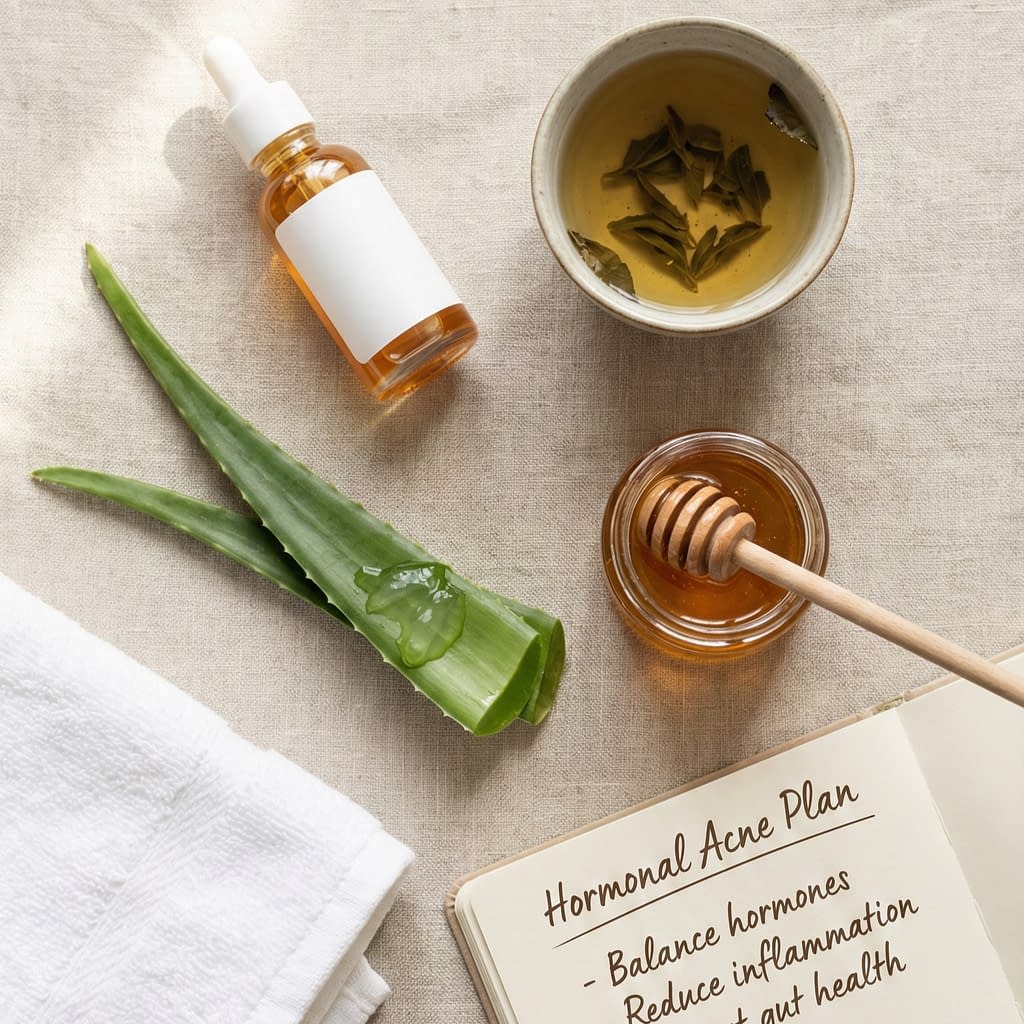
These topical ingredients are gentle, evidence-supported, and suitable for many teens when used as directed (patch-test first). For stronger actives or prescriptions, see a clinician.
Topical options & how to use
- Niacinamide (2–5%) — soothes inflammation, helps regulate oil, and strengthens the skin barrier. Use morning or night in serum or moisturizer.
- Salicylic acid (BHA, 0.5–2%) — oil-soluble, penetrates pores and helps unclog them; use as a leave-on serum or cleanser 2–4×/week to start. Avoid combining with lots of other acids at once.
- Benzoyl peroxide (2.5–5%) — effective for inflamed acne; start with low concentration and apply as a spot or thin layer at night; it can bleach fabric and may be a bit drying. Teen users: use only under parent/guardian supervision if needed.
- Azelaic acid (10–20%) — anti-inflammatory, good for hormonal acne and post-inflammatory redness; available OTC in some areas and by prescription in others.
- Gentle retinoids (adapalene 0.1%) — OTC in many countries; improves cell turnover and prevents clogged pores but can initially irritate — start slow and use nightly as tolerated. For teens, check with a parent/guardian before use.
- Sulfur or clay masks — occasional use can help reduce oil and calm pimples; use 1–2× weekly.
Important: introduce one new product at a time and wait 2–4 weeks to judge effect; too many actives together irritate the skin and worsen acne.
Building a Simple, Barrier-Friendly Skincare Routine
A routine that prevents over-drying while targeting acne:
Morning (simple)
- Gentle cleanser (non-stripping gel or micellar milk). Rinse with lukewarm water.
- Niacinamide serum (if using) or a lightweight hydrating serum (hyaluronic acid).
- Light, non-comedogenic moisturizer (look for ceramides or squalane).
- Sunscreen (broad-spectrum SPF 30+) every morning — especially if you use acids or retinoids.
Evening (simple)
- Cleanse with the same gentle cleanser.
- Treatment: alternate salicylic acid or benzoyl peroxide spot or thinly across the breakout zone (not both same night), OR use adapalene nightly if advised and tolerated.
- Moisturize — a barrier-supporting cream (ceramides, glycerin) to prevent over-drying.
- If skin is sensitive, reduce actives to 2–3 nights per week and increase as tolerated.
Step-by-step for sensitive skin
- Week 1–2: cleanser + moisturizer nightly.
- Week 3: add niacinamide every morning.
- Week 4: introduce salicylic acid 2×/week at night.
- Week 6+: if tolerated, increase frequency slowly.
This slow approach prevents irritation and barrier breakdown — key for hormonal acne control.
How to Reduce Inflammation Without Over-Drying the Skin
Inflammation calms fastest when the barrier is intact.
Anti-inflammatory approach
- Avoid harsh scrubs or daily physical exfoliation — they damage the barrier.
- Use gentle anti-inflammatory ingredients: niacinamide, azelaic acid, and green-tea extract-based products.
- Avoid heavy alcohol toners or peeling everything at once. Less is more.
- If a lesion is painful, try a cold compress for short sessions and a thin application of benzoyl peroxide or a calming topical ointment as a spot treatment. For deep cysts, avoid squeezing — see a clinician.
Protect and repair the barrier first; that will reduce redness and improve treatment penetration.
The Importance of Gut Health and Hydration
Gut and skin communicate (microbiome). While not a miracle cure, supporting gut health helps some people.
Gut & hydration steps
- Stay hydrated — sip water across the day. Dehydration can make skin oilier and inflamed.
- Include probiotic foods (yogurt, kefir, fermented veggies) or discuss a low-risk probiotic with a clinician if you suspect digestive imbalance.
- Fiber supports regular bowel movements and a healthy microbiome — aim for vegetables, fruits, whole grains, and legumes (if tolerated).
- For teens: avoid unnecessary probiotics or supplements without a parent/guardian and clinician check.
Lifestyle Changes That Support Hormonal Balance
Small, realistic changes support hormones over time.
Lifestyle plan
- Regular sleep schedule: 7–9 hours for teens and adults as tolerated.
- Balanced exercise: 3–5× weekly of a mix of cardio + strength. Avoid extreme calorie deficits.
- Stress control: breathing, hobbies, social time — chronic stress worsens hormones.
- Limit excessive dairy/sugary foods if you notice a personal link (test for 4–6 weeks).
- Avoid heavy smoking and limit alcohol — both can worsen inflammation.
These habits won’t fix everything overnight but improve response to topical treatments and overall skin health.
Common Mistakes That Make Chin Acne Worse
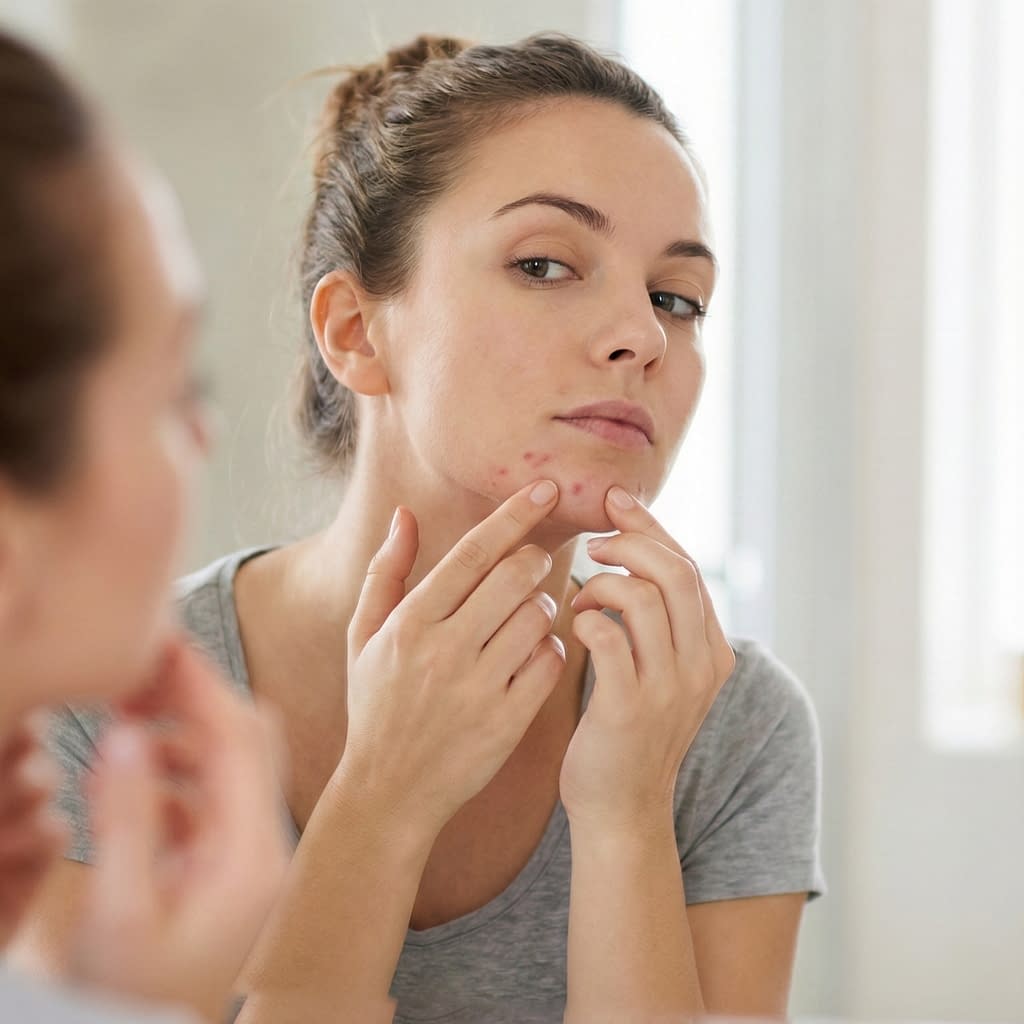
Watch out for these traps:
- Over-washing and drying the skin — causes rebound oil production.
- Layering too many strong actives at once — leads to irritation and more breakouts.
- Picking or popping — increases inflammation, infection risk, and scarring.
- Using pore-clogging moisturizers or heavy oils on the lower face.
- Skipping sunscreen while using acids/retinoids — causes sensitivity and pigment changes.
Fixing these behavioral mistakes often improves acne quickly.
How Long Natural Methods Take to Show Results
Be realistic: skin cell cycles and hormonal patterns take time.
Timeline guide
- Immediate (days): less irritation if you stop harsh scrubs and start a gentle routine. Painful lesions may feel better with a cold compress and a calming barrier cream.
- Short term (4–8 weeks): visible improvement from consistent use of salicylic acid, niacinamide, or benzoyl peroxide.
- Medium term (8–12+ weeks): meaningful reduction in recurrence and improved skin texture with regular barrier care and lifestyle changes.
- If no change after 3 months of consistent, gentle care or if acne worsens, it’s time to see a clinician for next-step options.
Patience + consistency = best results.
When to Consider Professional Medical Advice
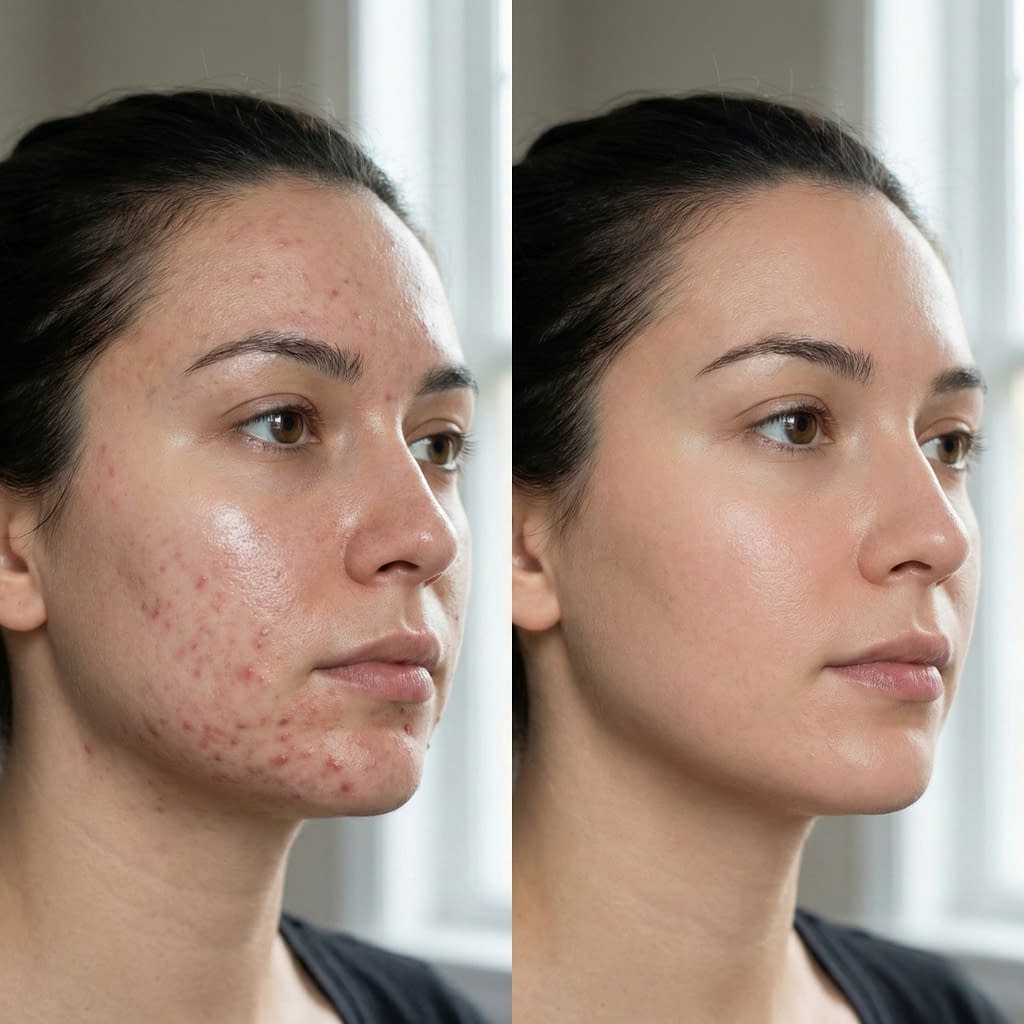
Seek professional help if any of the following apply:
- Acne is severe (deep, painful nodules or cysts) or rapidly worsening.
- You notice scarring, dark marks that won’t fade, or new, widespread inflamed lesions.
- Over-the-counter regimens and lifestyle changes gave no benefit after 3 months.
- You’re considering hormonal treatments (birth control pills, spironolactone) — these require medical supervision.
- You’re a teen considering prescription retinoids or antibiotics — talk to your parent/guardian and a clinician first.
A dermatologist or pediatrician can discuss safe prescription options (topical retinoids, oral treatments, hormonal therapy) and create a plan that’s appropriate for your age and health.
Final Words
Hormonal chin breakouts are common and frustrating — but they’re manageable. Start with a slow, barrier-protecting skincare routine (gentle cleanser, niacinamide, targeted BHA or benzoyl peroxide, and consistent moisturizer + sunscreen), reduce stress, eat balanced meals, and be patient — most improvements come in 6–12 weeks. Keep a simple log of timing and triggers to share with a clinician if you need more help. If you’re under 18, talk to a parent/guardian before starting strong actives or supplements, and don’t hesitate to ask a doctor if breakouts are painful, scarring, or not improving.


