

Chafing — that hot, red, painful rubbing between the inner thighs — is one of the most annoying little injuries: it can turn your favorite workout, summer walk, or day-out outfit into a miseryfest. The good news: chafing is almost always preventable and treatable at home with the right clothes, simple skin prep, and a few easy products. Below is a practical, step-by-step guide covering why chafing happens, how to spot it early, what to do before/during/after exercise, which fabrics and fits help, natural fixes that actually work, and when you should see a doctor.
Why Inner Thigh Chafing Happens
Chafing is friction + moisture + repeated movement. When your skin repeatedly rubs against skin or fabric, microscopic abrasion damages the outer layer of skin. Sweat or heat makes the friction worse and softens the skin, so what started as a faint rub turns into raw, red irritation — sometimes with tiny blisters or broken skin. A few common contributors:
- Tight/thick seams and rough fabrics rubbing the same spot.
- Long walks, running, cycling, or any repetitive leg motion.
- Hot weather and heavy sweating.
- Clothing that traps moisture instead of wicking it away.
- Friction in skin folds when the thighs touch.
Knowing this formula (friction + moisture + motion) makes it easy to break the chain.
What Causes Chafing During Workouts and Hot Weather
- Moisture: sweat or wet clothing increases skin friction.
- Poor fabric choice: cotton soaks up sweat and stays wet; it doesn’t wick.
- Wrong fit: clothing that moves independently over skin creates rubbing; too-tight seams concentrate pressure.
- Long activity: endurance workouts or long days outside mean more repetitions of rubbing.
- Skin-to-skin contact: people whose thighs naturally touch are more likely to chafe.
- Hair & hair removal: coarse hair or freshly shaved/ waxed skin can increase irritation if not prepped.
Early Signs of Chafing You Shouldn’t Ignore
Catch chafing early and you can stop it from getting worse. Look (and feel) for:
- Mild redness or pinkness in the inner-thigh line.
- A raw, warm sensation when you walk or rub the area.
- A tender or stingy feeling during or after activity.
- Small bumps, raised rash, or the start of friction blisters.
If you notice any of these during activity, take a break: cool off, dry the area, and apply a protective layer before continuing.
Choosing the Right Fabrics to Prevent Friction
Fabric choice is huge. Aim for breathable, moisture-wicking, smooth textiles:
Best fabric types
- Synthetic wicking fabrics: polyester blends, nylon, polyester-Spandex — they pull sweat away from skin and dry quickly.
- Merino wool (lightweight): surprisingly good for breathability and odor control for non-excessive sweat; not ideal if you sweat very heavily in the inner thigh.
- Silky synthetics (smooth finishes): reduce friction surface and glide better than rough knits.
Fabrics to avoid
- 100% cotton for exercise/sweaty days (it traps moisture).
- Rough, textured materials or clothing with heavy seams in the inner thigh.
Why Properly Fitted Clothing Makes a Big Difference
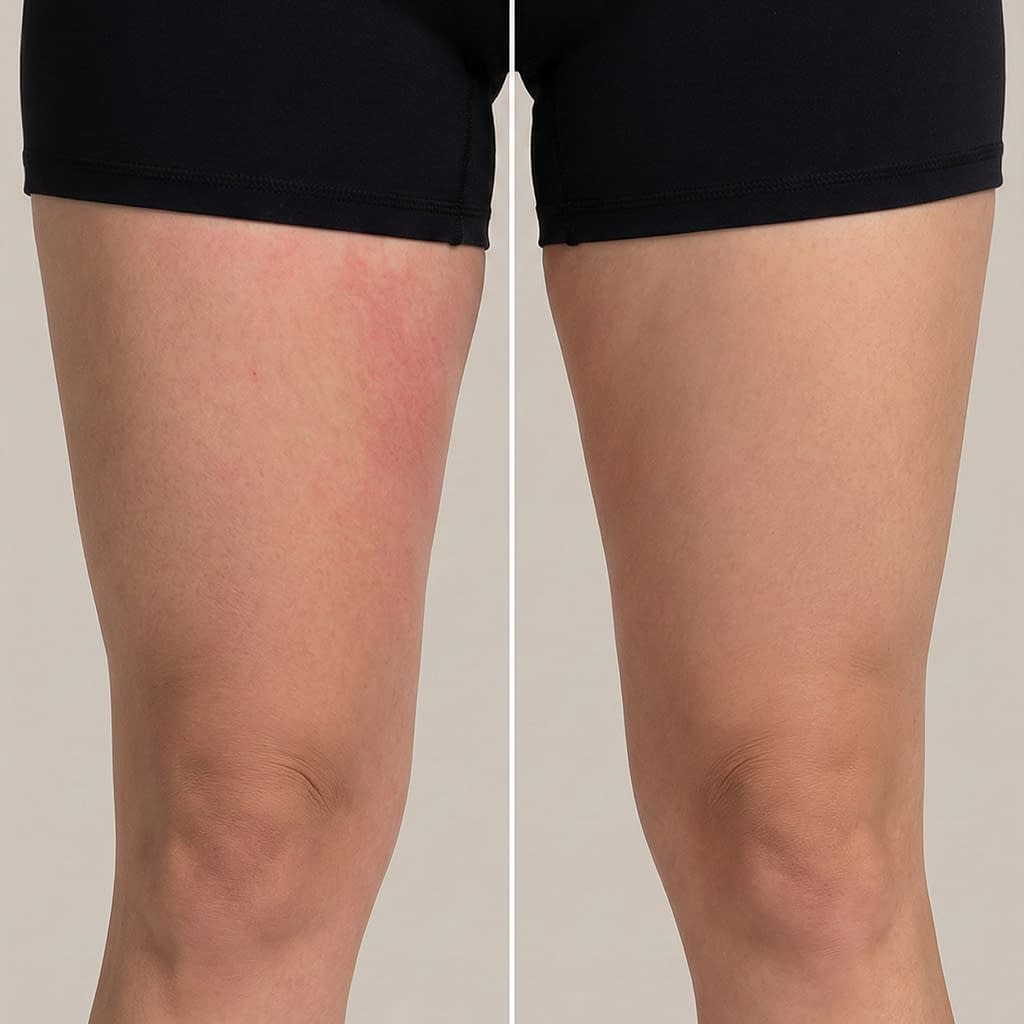
Fit prevents fabric from folding, bunching, and moving against skin.
Fitting tips
- Snug but not tight: choose compression shorts or bike shorts that sit mid-thigh — they create one smooth layer so skin doesn’t rub against skin.
- High-rise or mid-rise waist often reduces the ride-up that creates bunching.
- Seam placement: look for flatlock seams or seamless designs in the inner thigh area; seams that run down the middle of the thigh are often the culprit.
- Length: mid-thigh length (about 4–7 inches inseam) usually covers the contact area without restricting movement.
- Try before long use: move, squat and walk in the garment in the store or at home to check for rubbing.
A properly fitted pair of compression shorts under shorts or dresses is one of the simplest, most reliable chafe-preventers.
Anti-Chafing Products That Actually Work
These are the keeper products people rely on again and again.
Top effective options
- Silicone-based anti-chafe balms/sticks (Body Glide–type): form a long-lasting slippery barrier on skin and don’t wash off immediately with sweat. Apply thinly where your thighs meet.
- Petroleum jelly (Vaseline): cheap and effective short-term barrier; reapply as needed and beware of staining clothes.
- Anti-chafe powders (talc-free, cornstarch blends): absorb moisture; good for lower-intensity days but will need reapplication for heavy sweats.
- Anti-chafe shorts / compression liners: physical barrier that removes skin-to-skin contact and provides constant protection without reapplication.
- Zinc oxide ointment or barrier creams (like diaper rash cream): helpful if skin is already baby-soft or starting to chafe — creates a protective coating during healing.
How to use them (step-by-step)
- For workouts: apply a thin swipe of silicone balm over the area where your thighs touch. Let it dry for ~15–30 seconds before dressing.
- For long days: wear anti-chafe shorts and sprinkle powder in high-sweat areas if needed.
- For healing: use a zinc-oxide or petrolatum ointment after cleaning the area as described below.
Natural Remedies to Reduce Friction and Irritation
If you prefer natural options, these help — patch-test first.
Safe natural ideas
- Coconut oil or lightweight oils (jojoba, squalane): provide slip but may wash off sooner than silicone; good for low-intensity days.
- Cornstarch: absorbs moisture — mix with arrowroot powder for comfort. Don’t inhale powders.
- Aloe vera gel: cooling and soothing after minor chafing, helps reduce sting.
- Cold compress (cool water cloth): reduces heat and inflammation immediately after chafing.
Note: oils can sometimes increase friction when mixed with sweat in heavy workouts — silicone balms are more reliable for long exercise.
How to Prep Your Skin Before Exercising
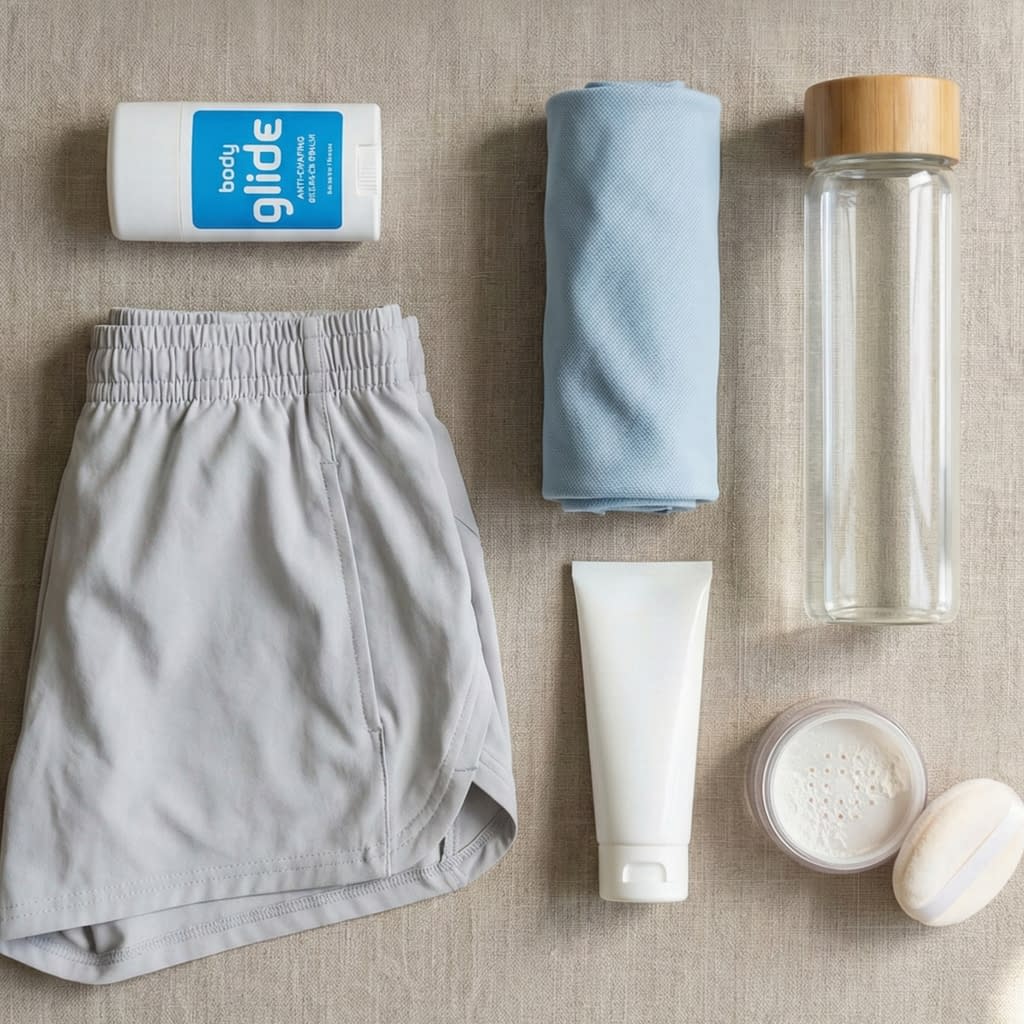
A short pre-workout routine prevents problems later.
Pre-exercise checklist (step-by-step)
- Shower or wash the thigh area if you’ve been sweating earlier (clean skin reduces irritation). Dry thoroughly — damp skin increases friction.
- Apply anti-chafe balm in a thin layer on the inner thigh crease and any spot that rubbed last time. Let it set for 30 seconds.
- Wear a snug liner/short (compression short or anti-chafe band) under your clothing. Make sure seams don’t sit over the problem area.
- Powder lightly if you expect light sweat or want extra absorption (avoid over-picking the powder — a dusting is enough).
- If you shave the area, do it at least 24 hours before activity to avoid shaving-related microtrauma.
This short routine (1–2 minutes) removes almost all risk for a normal workout.
Sweat Control Tips to Minimize Moisture Buildup
Moisture management reduces one leg of the friction formula.
Practical tips
- Wear moisture-wicking fabrics and remove sweaty layers immediately after exercise.
- Change quickly into dry clothes after workouts — damp fabrics keep skin softened and vulnerable.
- Use odor-control/antimicrobial underwear if you sweat heavily (these help reduce bacterial buildup but don’t replace barrier protection).
- Hydrate & cool down so your body stops excessive sweating faster.
- Use a sweat-blocking product: some people lightly apply antiperspirant to the upper inner thigh to reduce localized sweating — test patch first to check for irritation.
Post-Workout Care to Soothe Irritated Skin
If your skin feels warm, act fast.
First-aid steps (step-by-step)
- Stop activity and get to a cooler place.
- Rinse the area with cool water and gentle soap to remove salt and bacteria. Pat dry — don’t rub.
- Cool compress: hold a cool, clean cloth to the area for 5–10 minutes to reduce heat and pain.
- Apply a barrier ointment: a thin layer of petroleum jelly or zinc oxide cream will protect and allow healing. For early irritation, a small amount of aloe vera can calm.
- Avoid tight clothes while the skin heals — wear loose, breathable fabrics.
- Do not pick or rub: this delays healing and increases infection risk.
- Consider a mild steroid cream (1% hydrocortisone) for brief use if itching and redness are intense — use only for a few days and follow age/label guidance or ask a pharmacist/guardian if you’re a teen.
If the area becomes blistered, weepy, intensely painful, or shows signs of infection (pus, spreading red streaks, fever), see a doctor.
What to Avoid When Your Skin Is Already Chafed
Don’t make it worse — these common mistakes delay healing.
Things to avoid
- Scrubbing, exfoliating, or vigorous towel-drying the area.
- Using perfumed lotions or alcohol-containing products on chafed skin.
- Tight, non-breathable underwear or clothing that continues rubbing the area.
- Popping blisters or cutting off loose skin.
- Applying home remedies that sting (undiluted essential oils, rubbing alcohol).
Stick to gentle, protective care until the skin returns to normal.
Long-Term Prevention Strategies for Recurring Chafing
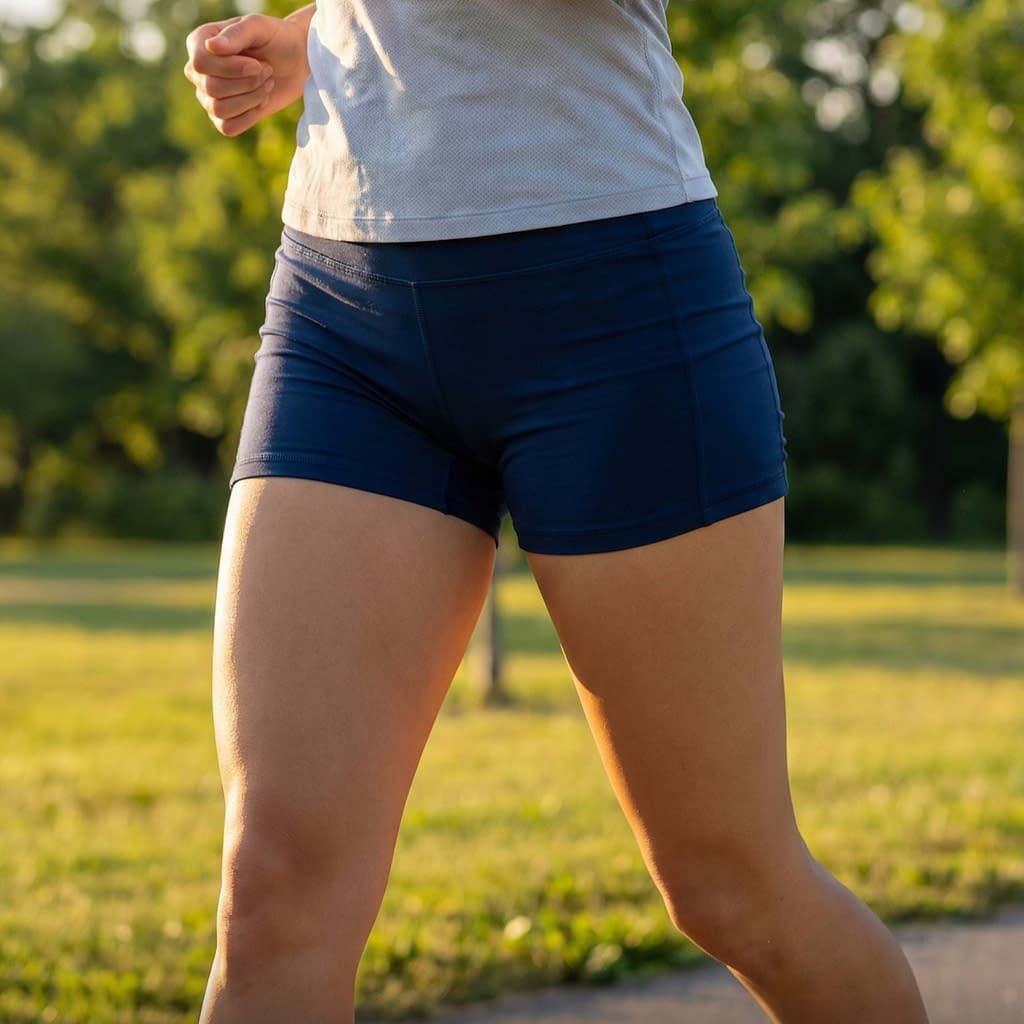
If chafing keeps coming back, build these habits into your routine.
Long-term plan
- Invest in a couple pairs of good compression/anti-chafe shorts and rotate them.
- Plan outfits for hot days: light, smooth fabrics; avoid long cotton skirts or pants that bunch.
- Keep powders or an anti-chafe stick in your gym bag for reapplication on long workouts or during travel.
- Address persistent moisture: consider changing detergents (fragrance-free), washing workout clothes right away, and wearing fresh liners daily.
- Grooming choices: if shaving causes recurrent irritation, trim instead or wait longer after hair removal before long workouts.
- Weight & gait checks: if chafing is a new problem related to body-shape change or altered walking/running form, a sports-physio or trainer can suggest gait adjustments or different gear. (Note: this is about function, not judgments about body shape.)
When to See a Doctor for Severe Skin Irritation
Most chafing heals with home care, but see a clinician if you have any of these:
- The area is very painful, swollen, or hot to the touch.
- There is pus, yellow crusting, or foul smell (signs of infection).
- Redness is spreading rapidly or you develop a fever.
- Recurrent chafing doesn’t respond to preventive steps and is limiting your activities — a professional can prescribe medicated creams, check for fungal/yeast infections, or suggest other solutions.
- If you have a chronic skin condition (eczema, psoriasis), get specific medical advice for safe prevention and treatment.
If you’re a teen: tell a parent/guardian and see a doctor if intense symptoms appear.
Final Words
Stopping inner thigh chafing is totally doable. Break the friction + moisture + motion cycle with breathable fabrics, snug but comfortable liners/compression shorts, and a reliable anti-chafe barrier (silicone balms are the most consistent fix). Prep your skin before workouts, change out of wet clothes fast, and treat any irritation quickly with cooling, cleaning, and a barrier ointment. For recurring or severe problems, don’t wait — a doctor can check for infection or suggest prescription options.


