

Winter, over-enthusiastic exfoliation, a new active, or a bout of sunburn — skin peels for a lot of reasons, and it usually feels itchy, tight, or embarrassing. The good news: peeling is almost always fixable at home if you act gently and consistently. Below is a complete, practical guide you can paste into your blog: one short intro (no heading called “Introduction”), then bold headings with long, helpful sections and step-by-step action plans. Follow the rescue plan first, then the repair plan, and you’ll calm the flakes without making things worse.
Why Skin Peeling Happens in the First Place
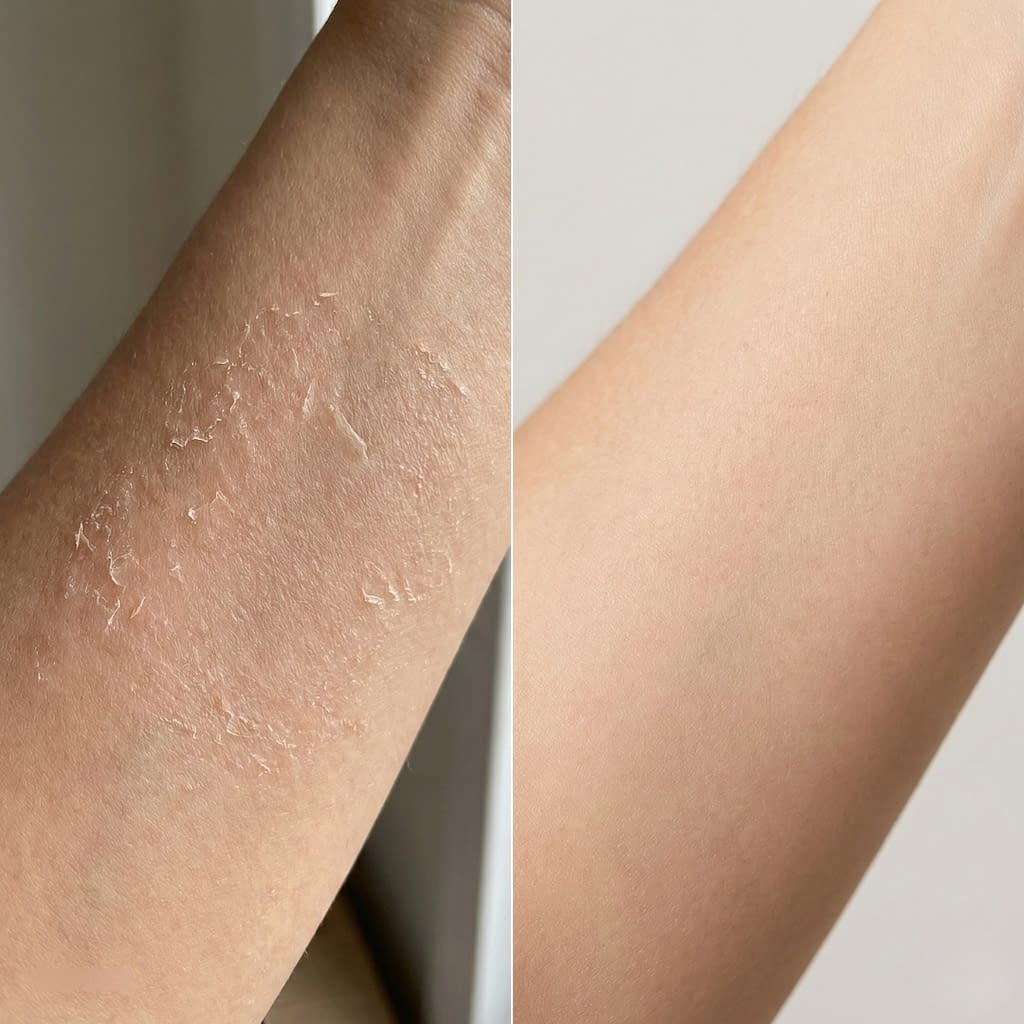
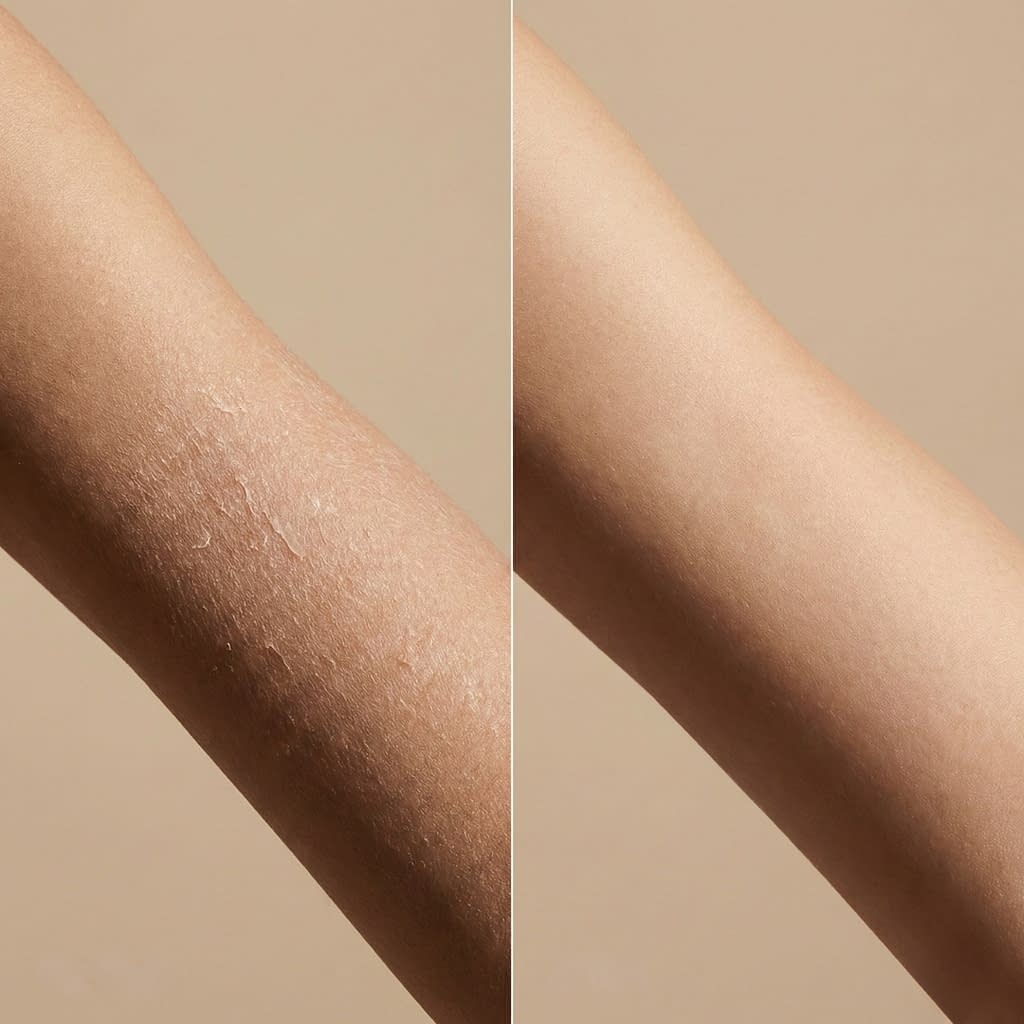
Peeling is your skin shedding the top layer of damaged or loosened cells. That damage can come from sunburn, a strong chemical (acids/retinoids), physical trauma (rubbing, harsh scrubs), cold/dry weather that strips oils, or medical issues like eczema or contact dermatitis. When the outermost layer (the stratum corneum) loses cohesion or the barrier becomes weakened, the skin can’t hold moisture and the dead cells slough off in flakes. Peeling is the visible signal the barrier needs repair and protection.
Common Causes of Skin Peeling You Might Be Overlooking
- Over-exfoliation: too frequent scrubs, acids, peels, or retinoids.
- Sunburn: even a mild burn can lead to peeling days later.
- Harsh cleansers or very hot showers that strip lipids.
- Contact irritants (new detergent, fragrance, essential oils, or hair products touching the face).
- Weather changes: cold, low humidity air dries skin quickly.
- Allergic/contact dermatitis to a product ingredient.
- Prescription or OTC products (benzoyl peroxide, stronger topical acne meds).
If you started any new product recently, stop it for a few days to see if peeling improves.
The Difference Between Dry Skin and a Damaged Skin Barrier
Dry skin and a damaged barrier both feel tight, but they’re different:
- Dry skin simply lacks water in the outer layer — it can usually be fixed with moisturizers and humidity.
- Damaged skin barrier (also called “compromised barrier” or irritant dermatitis) has impaired lipids and proteins, causing redness, stinging, sensitivity, and sometimes peeling. A damaged barrier needs gentle repair: stop irritants, use barrier-repair ingredients (ceramides, fatty acids), and occlusion (a protective seal at night). If your skin stings or burns when you apply products, think barrier damage not just dryness.
How Over-Exfoliation Leads to Peeling and Sensitivity
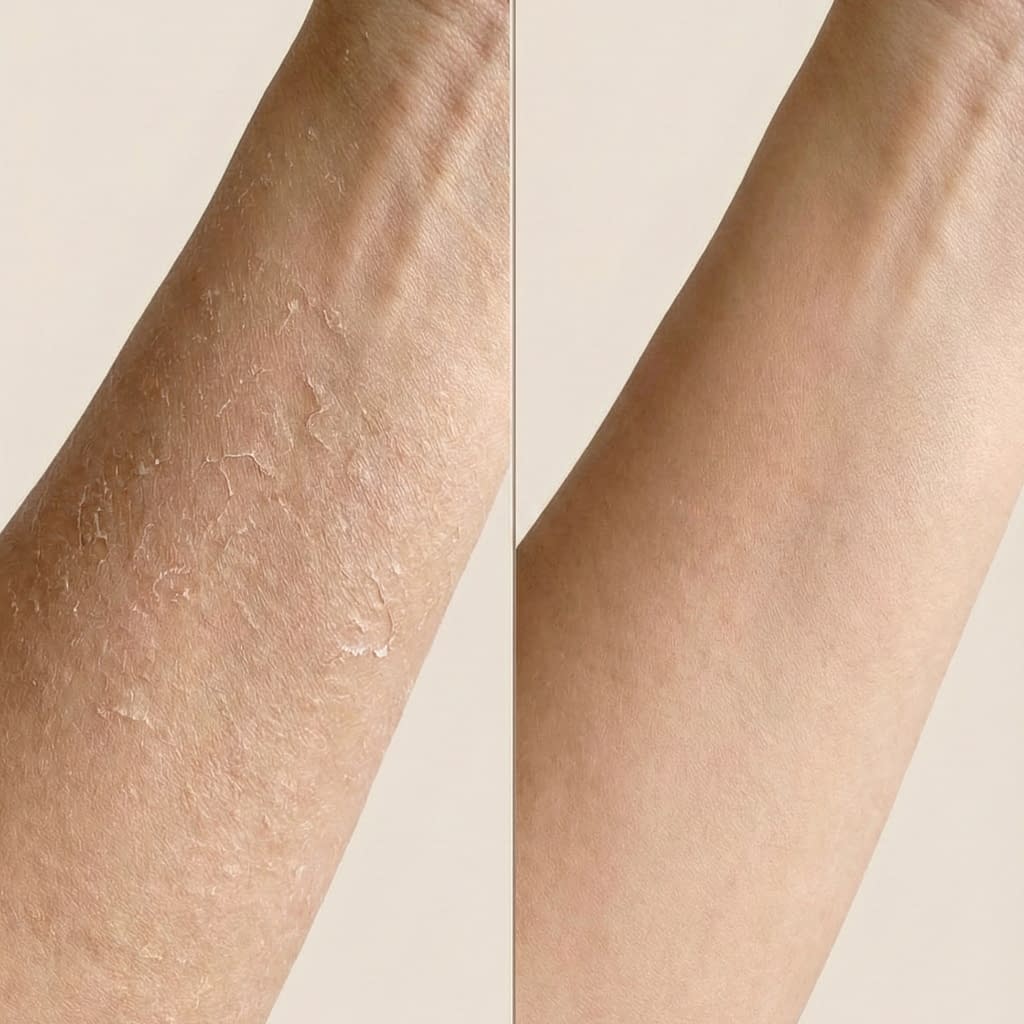
Chemical or physical exfoliation removes dead cells to reveal smoother skin — but if you remove too much too fast, you remove protective lipids and proteins. That leaves fresh, fragile cells exposed, which can dry out and peel, plus feel tight, red, or sting. Over-exfoliated skin also reacts to otherwise mild ingredients (fragrance, alcohol) and can become more prone to breakouts and pigment changes. If you exfoliate and your skin peels, your first step is to stop all active exfoliants and focus on repair.
Cleansing Mistakes That Make Skin Peel Worse
- Using foaming, sulfate-heavy cleansers daily (they strip oils).
- Washing with very hot water for long periods.
- Rubbing skin aggressively with a washcloth or scrub during a cleanse.
- Double-cleansing with harsh oils/cleansers when your skin is compromised.
What to do instead: switch to a gentle, low-foaming, pH-balanced cleanser (cream or micellar type), use lukewarm water, pat dry, and move quickly to a moisturizer.
The Importance of Gentle Hydration for Peeling Skin
Hydration reduces flakes and speeds repair, but the method matters. Use a layering approach: a lightweight humectant first (glycerin or hyaluronic acid) to attract water, followed by emollients (squalane, jojoba, lightweight oils) to fill gaps between skin cells, then an occlusive at night (petrolatum or a lanolin-free ointment) to lock moisture in. Apply moisturizer to slightly damp skin to trap water. Reapply as needed during the day if skin feels tight.
Ingredients That Help Repair Peeling Skin Naturally
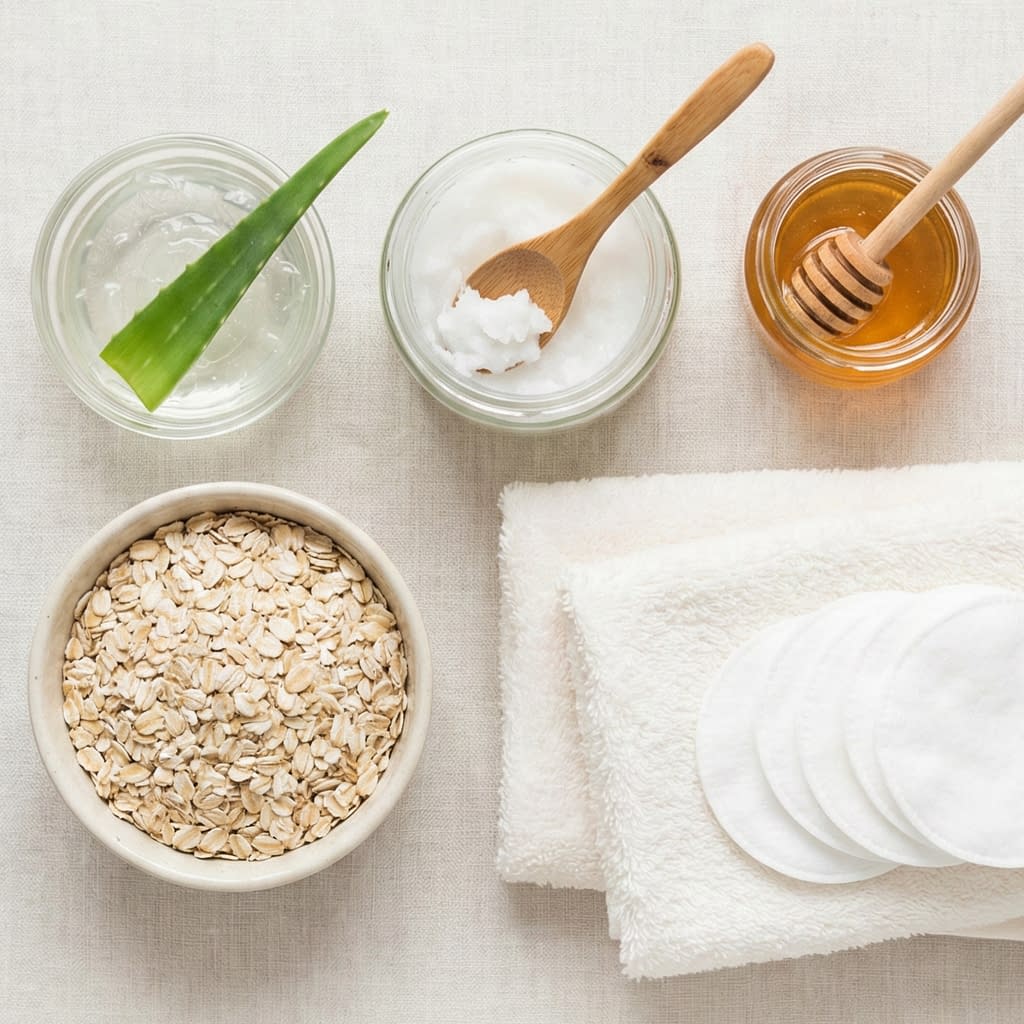
(Use patch tests; stop if irritation occurs.)
- Ceramides + cholesterol + fatty acids: the trio your skin uses to rebuild its barrier. Many barrier creams contain all three.
- Glycerin & hyaluronic acid: humectants that draw water into the skin. Use moderate concentrations so they don’t pull too much moisture in dry environments.
- Panthenol (pro-vitamin B5): soothing and helps repair.
- Aloe vera (pure, alcohol-free): cooling, soothing for sunburn/peeling (use patch test).
- Colloidal oatmeal: calming for itchy, flaky skin.
- Squalane: lightweight emollient that mimics skin oil and is rarely irritating.
- Sunflower seed oil (non-comedogenic) or sunflower lecithin: supplies linoleic acid helpful for barrier repair.
- Petrolatum (Vaseline) or occlusive ointments: extremely effective to lock moisture — safe and cheap.
Avoid essential oils, alcohol-based toners, high-strength acids or retinoids while your skin peels.
What to Avoid When Your Skin Is Actively Peeling
- No physical scrubs, loofahs, dermaplaning, or brushes.
- Stop acids (AHAs, BHAs), retinoids, vitamin C serums, and peels entirely until healed.
- Avoid fragranced products, alcohol toners, and high-concentration actives.
- Don’t use abrasive microfiber cloths or exfoliating masks.
- Avoid prolonged hot showers and saunas.
The goal is to remove any further irritation and let the barrier rebuild.
How to Moisturize Correctly to Stop Flaking
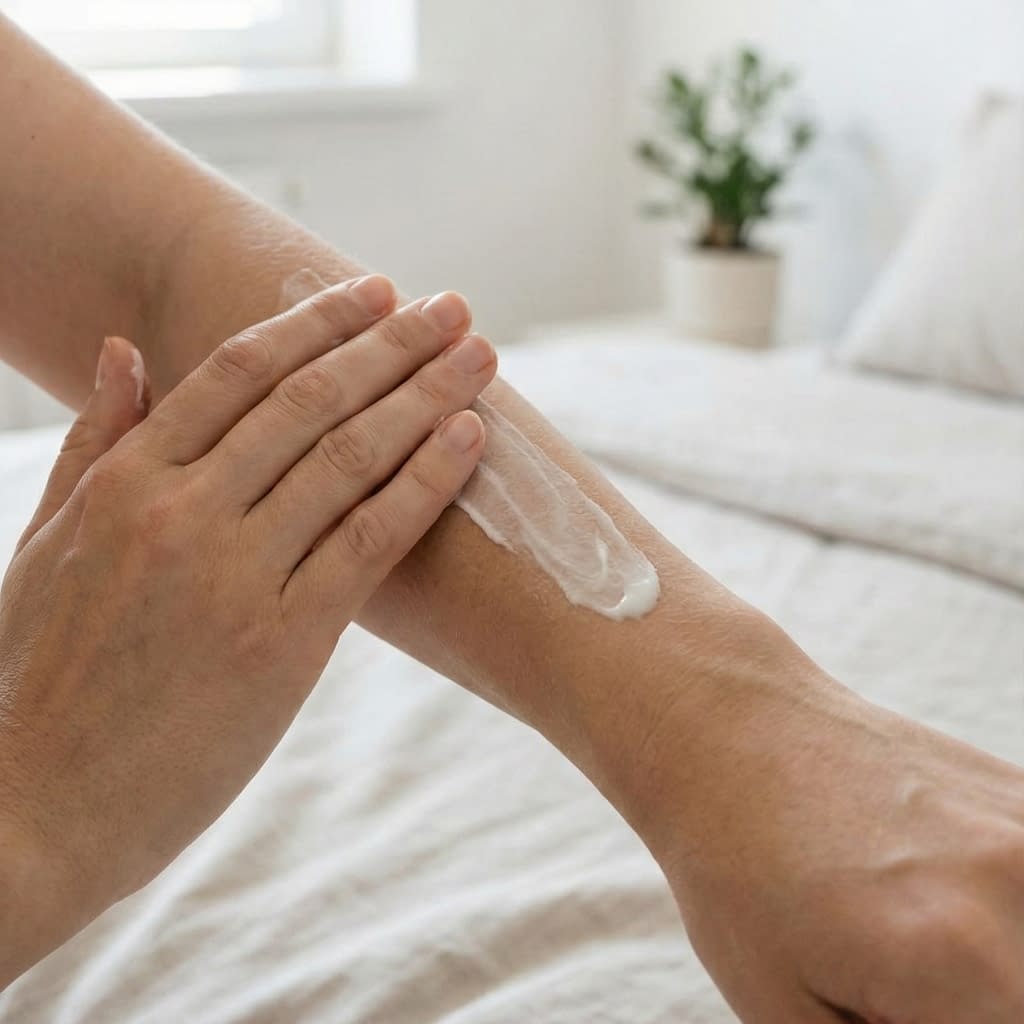
Step-by-step rescue routine (first 24–72 hours)
- Clean gently: rinse with lukewarm water or a mild non-foaming cleanser; pat dry.
- Humectant layer: apply a thin layer of glycerin or a light hyaluronic serum while skin is slightly damp (not dripping).
- Emollient layer: follow with a cream containing ceramides, fatty acids, and squalane.
- Occlusive overnight: apply a thin layer of petrolatum or an ointment to the flakiest spots before bed to seal moisture in.
- Protect from sun: next day, use a mineral sunscreen (zinc/titanium) if you will be outside — healing skin is more sun-sensitive.
Repeat the moisturizer routine morning and night; reapply lightweight emollient during the day if needed. For very flaky patches, a small overnight occlusion (ointment + cotton patch) for a few nights speeds softening.
Nighttime Skincare Habits That Speed Up Skin Recovery
- Use the occlusive step nightly for 3–7 nights on the worst spots.
- Keep the routine short: cleanser → humectant → ceramide moisturizer → small amount of occlusive.
- Sleep on a clean, soft pillowcase (silk/satin can reduce friction but cotton is fine).
- Use a humidifier if indoor air is dry; aim for 40–50% humidity.
- Avoid retinoids, acids, and exfoliants for at least 1–2 weeks after major peeling; longer if sensitivity persists.
How Weather and Climate Affect Skin Peeling
- Cold, dry air strips oils and water—use richer moisturizers and a humidifier.
- Hot, humid climates can cause sweat and irritation that may worsen inflammation—wear breathable fabrics and use gentle cleansing.
- Sunny conditions: sunburn causes peeling; always use sunscreen and physical shade if skin is repairing.
Adjust your routine seasonally: thicker creams and occlusives in winter; lighter hydrators and faster rinses in summer.
When Skin Peeling Is a Sign You Should Pause Your Routine
Pause or simplify your routine if you have: stinging/burning when applying products, widespread bright red inflamed areas, swelling, oozing, or if over-the-counter care doesn’t improve things in 5–7 days. Also pause products if you started a new active within the past week and peeling began—discontinuing that product is the first fix. See a dermatologist immediately if you have fever, pus, severe pain, or signs of infection.
Simple Lifestyle Changes That Prevent Skin Peeling Long-Term
- Don’t over-exfoliate: follow product instructions—start low frequency and increase only if tolerated.
- Use sunscreen every day to prevent sunburn-related peeling and pigment changes.
- Avoid hot showers; use lukewarm water and limit time to 5–10 minutes.
- Keep indoor humidity moderate with a humidifier in winter.
- Eat a balanced diet (essential fatty acids, antioxidants, vitamin C) and hydrate.
- Patch-test new products on inner forearm 48 hours before full use.
- Rotate gentle actives rather than layering many at once (for example, alternate retinol nights with moisturizing nights, don’t use retinol + AHA nightly).
- Manage stress and sleep — chronic stress worsens skin healing.
Final Words
Peeling skin is your skin calling for gentleness. The fastest path to recovery is simple: stop all strong actives, cleanse gently, hydrate with a humectant + ceramide-rich cream, seal with an occlusive at night, protect from sun, and prevent re-injury by avoiding scrubs and hot water. Most mild to moderate peeling improves a lot within 3–14 days with consistent care; deeper damage or signs of infection call for a dermatologist.


