

Healthy skin isn’t just about glow — it’s about a working, resilient barrier that keeps moisture in, irritants out, and your skin comfortable through stress, weather, and products. Strengthening your skin barrier is one of the most impactful things you can do for long-term skin health: fewer flare-ups, less sensitivity, more even tone, and better results from the serums and treatments you love. Below is a practical, step-by-step guide to understanding, repairing, and protecting your skin barrier naturally — with product-agnostic ingredient advice, daily routines, and troubleshooting tips you can use right away.
Why a Healthy Skin Barrier Matters
Your “skin barrier” — mainly the outermost layer called the stratum corneum — is a living shield made of skin cells and lipids (ceramides, cholesterol, fatty acids). When it’s functioning, it:
- Locks moisture in so skin is plump and supple.
- Keeps irritants, allergens, and microbes out.
- Reduces redness, sensitivity, and flaking.
- Helps topical products work better because they aren’t leaking through damaged skin.
A strong barrier = skin that heals faster, tolerates actives (like retinoids and acids) better, and looks healthy. Think of barrier care as the foundation; everything else stacks on top.
Signs Your Skin Barrier Is Damaged
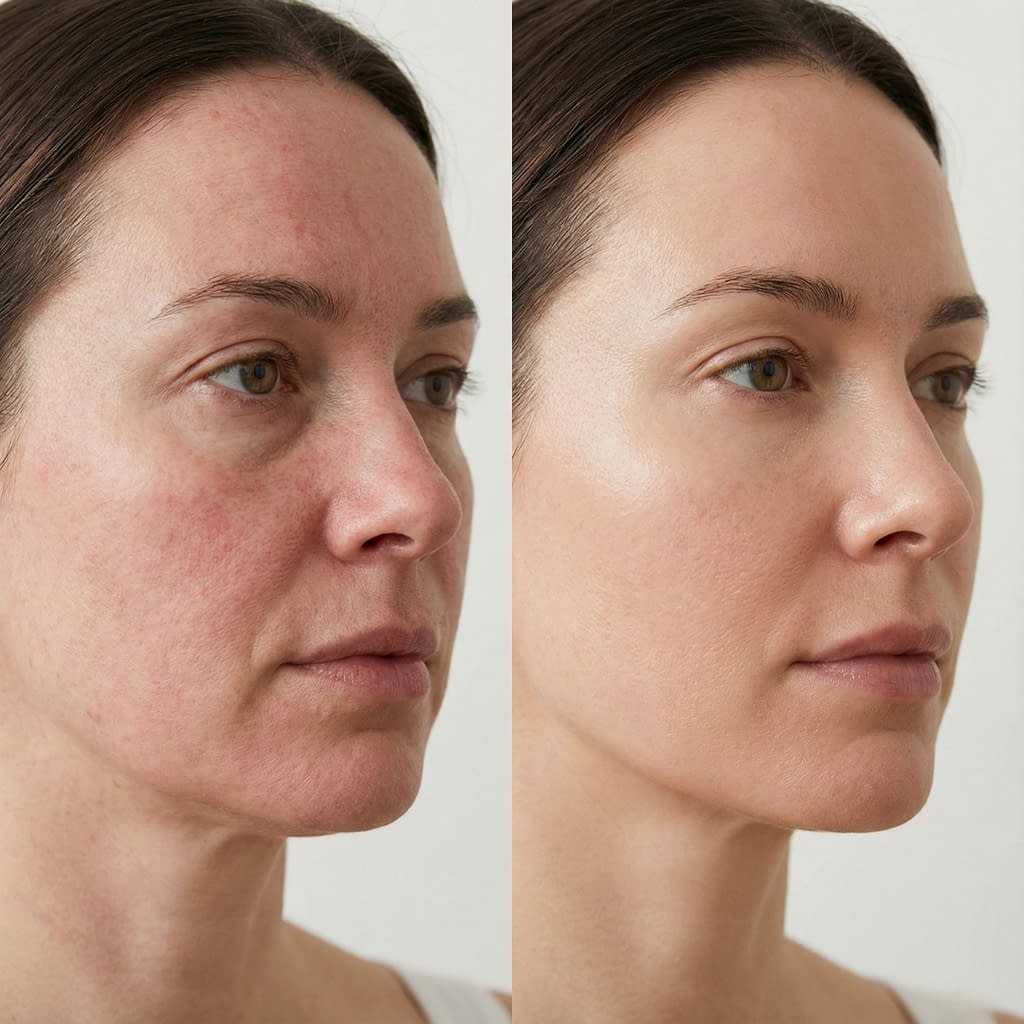
You’ll notice a pattern — the skin feels “off.” Common signals:
- Persistent tightness, especially after washing.
- Dryness, flakes or rough texture.
- Redness and stinging when you apply products.
- Increased breakouts or sensitivity to previously tolerated products.
- Rapid water loss (skin that feels dehydrated even when you drink water).
- In severe cases: cracks, rashes, or eczema-like patches.
If several of these show up together, your barrier likely needs repair, not more active treatment.
Common Causes of a Weakened Skin Barrier
Understanding causes helps you stop doing the thing that’s slowing repair. Typical culprits:
- Over-cleansing or using high-pH soaps.
- Excessive exfoliation (daily scrubs or too-strong chemical peels).
- Hot showers and prolonged steam.
- Using too many active ingredients at once (strong acids + retinoids + drying spot treatments).
- Environmental stressors: cold wind, low humidity, sun damage.
- Allergic or irritant ingredients (fragrance, essential oils, some preservatives).
- Underlying conditions (eczema, rosacea) or medications that thin skin.
Gentle Cleansing Habits to Protect Your Skin
Switching to barrier-friendly cleansing is fast and effective. Follow these steps:
- Choose a mild, pH-balanced cleanser. Look for “syndet” bars, cream cleansers, or gentle gels labeled for sensitive skin. Avoid harsh sulfates (SLS) if your skin is dry or reactive.
- Use lukewarm water. Hot water strips oils and increases redness.
- Limit cleansing frequency. Morning: rinse or gentle cleanse if needed. Evening: cleanse to remove sunscreen/makeup — but one gentle pass is enough.
- Be gentle. Use fingertips, not rough cloths or brushes, and massage for ~20–30 seconds.
- Pat, don’t rub, dry. Use a soft towel and press moisture into the skin.
- Skip heavy double-cleansing daily unless you wore heavy makeup or sunscreen — even then, use a gentle oil or balm first, then a mild cleanser.
Small change: if you typically scrub or double-clean every night, try swapping to a single, gentle wash and you’ll likely see reduced tightness within days.
Moisturizers That Support Barrier Repair
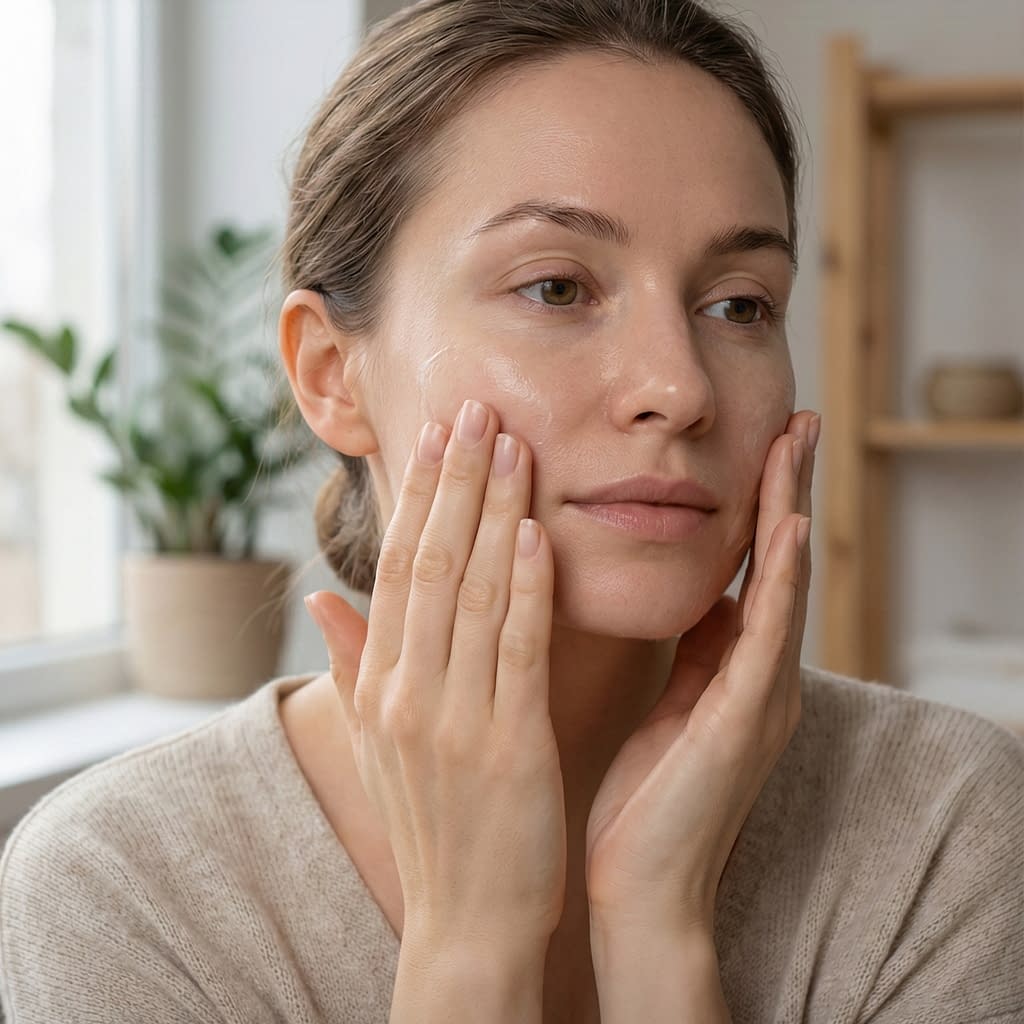
Moisturizing isn’t optional — it’s the main tool for rebuilding barrier lipids. Use this framework when choosing and layering products:
- Humectant first (water attractors): products with glycerin, hyaluronic acid — these pull water into the skin (apply to slightly damp skin).
- Emollients next (skin-softening): ceramides, fatty acids, squalane, jojoba — these smooth and fill gaps between skin cells.
- Occlusives last (seal the water): petrolatum, dimethicone, plant butters — these stop moisture loss overnight.
Step-by-step moisturizing routine:
- After cleansing and while skin is slightly damp, apply a hyaluronic or glycerin serum (1–2 drops).
- Layer a moisturizer with ceramides + cholesterol (many “barrier repair” creams contain a 3:1:1 ratio of ceramides:cholesterol:fatty acids).
- At night, if skin is very dry, finish with a thin layer of occlusive (a pea-size amount of petrolatum or a rich balm) to lock in moisture.
- For oily/acne-prone skin, choose lightweight, non-comedogenic gel creams with ceramides and squalane.
Consistent twice-daily moisturizing is the single most powerful habit for barrier recovery.
Key Ingredients That Strengthen the Skin Barrier
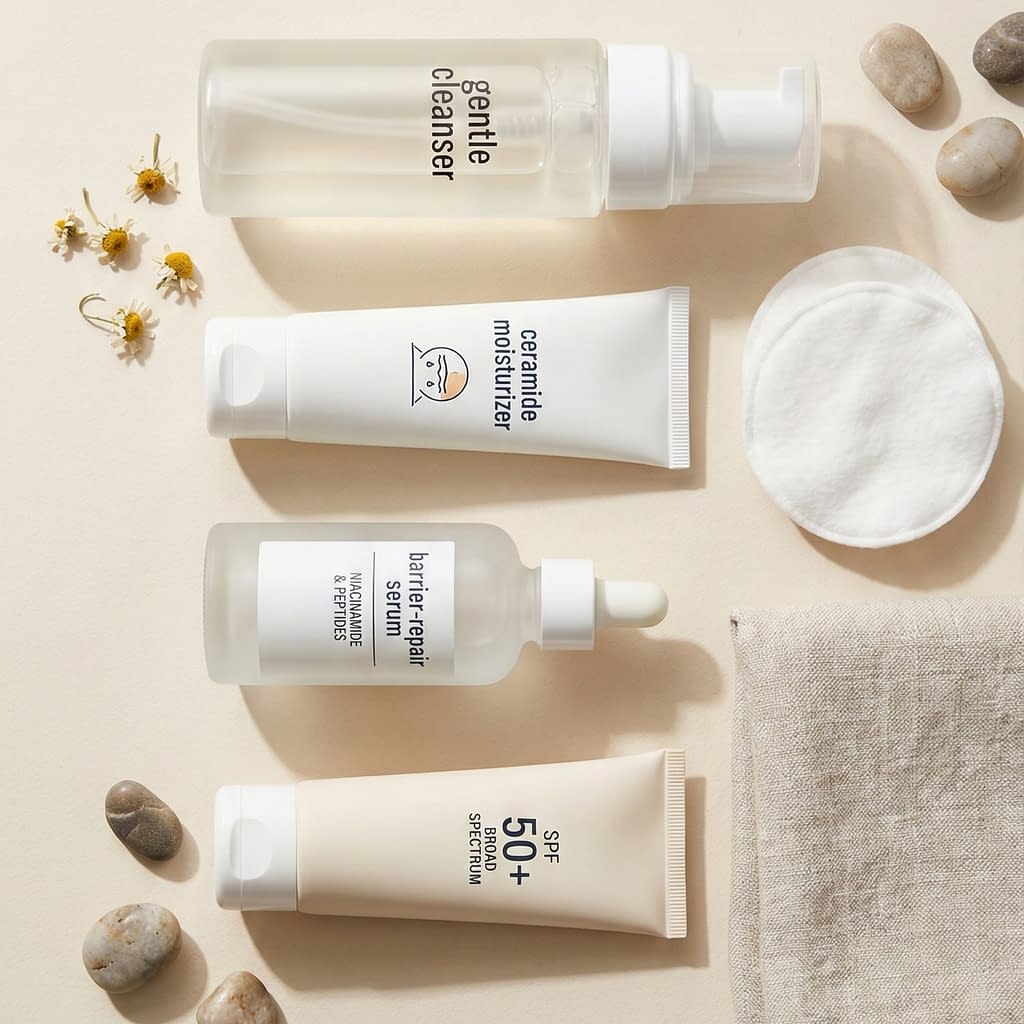
When you shop, look for these evidence-friendly, barrier-supporting ingredients:
- Ceramides: rebuild structural lipids (essential).
- Cholesterol & fatty acids: partner with ceramides to reconstruct the lipid matrix.
- Glycerin & hyaluronic acid: humectants that attract and hold water.
- Niacinamide (vitamin B3): strengthens barrier, reduces sensitivity and inflammation.
- Panthenol (pro-vitamin B5): soothes and supports repair.
- Squalane: a lightweight emollient that mimics natural skin oils.
- Occlusives (petrolatum, dimethicone): prevent trans-epidermal water loss (use sparingly if acne-prone).
- Antioxidants (vitamin E, green tea): protect against oxidative stress which can impair barrier repair.
Avoid (or use cautiously): high concentrations of alcohols, fragrances, and unnecessary essential oils if barrier is compromised.
How to Exfoliate Without Causing Damage
Exfoliation helps texture and product penetration — but done wrong it damages the barrier. Safe approach:
- Choose gentle chemical exfoliants over rough physical scrubs: low-strength lactic acid (5–10%) or PHAs (gluconolactone) are gentler than glycolic acid. Salicylic acid (BHA) is helpful for oily/acne-prone skin but can be drying if overused.
- Start slow: once weekly for sensitive/damaged skin, 1–2× weekly for tolerant skin.
- Short contact and neutralize if needed: follow product instructions; don’t leave high-strength acids on longer than recommended.
- Avoid mixing active exfoliants with retinoids on the same night until you know your tolerance — alternate nights.
- After exfoliation, follow immediately with hydration + occlusion (HA + ceramide moisturizer) to support repair.
- Physical scrubs: if you prefer them, pick very fine-grain scrubs and use gentle pressure no more than once weekly — but avoid if you have inflammation, rosacea, or eczema.
If exfoliation causes stinging, redness lasting >24 hours, or flaking, stop and give the barrier time to recover.
Sun Protection for a Stronger Skin Barrier
UV light breaks down collagen and lipids and can prolong barrier repair. Daily SPF is essential.
Action plan:
- Use a broad-spectrum sunscreen (SPF 30 or higher) every morning — mineral (zinc/titanium) options are often gentler for sensitive skin.
- Apply correctly: ~1/4 tsp for the face (two finger lengths), more if you include neck and chest. Reapply every 2 hours when outdoors.
- Combine with physical protection: hats, sunglasses, and UPF clothing reduce load on the barrier.
- After sun exposure: cleanse gently, apply reparative moisturizer with ceramides, and consider an antioxidant serum (vitamin C or green-tea) in the morning to protect from free radicals.
Even when you’re working indoors, windows transmit UV — daily SPF keeps repair moving forward.
Diet and Hydration Tips for Barrier Health
What you eat and drink supports cellular repair and lipid production.
Practical nutrition tips:
- Protein: amino acids from fish, eggs, legumes and lean meats fuel collagen and repair.
- Healthy fats: omega-3s (salmon, chia, walnuts) support anti-inflammatory pathways and lipid synthesis.
- Vitamin C & zinc: aid collagen formation and wound healing (citrus, bell peppers, oysters, pumpkin seeds).
- Antioxidants: colorful fruits and vegetables reduce oxidative damage.
- Hydration: sip water steadily during the day — cell hydration supports barrier function.
- Limit excess sugar & processed foods: glycation and inflammation can harm skin repair.
Supplements (like fish oil or a multivitamin) can help some people — discuss with your clinician before starting anything new.
Lifestyle Habits That Help Skin Barrier Repair
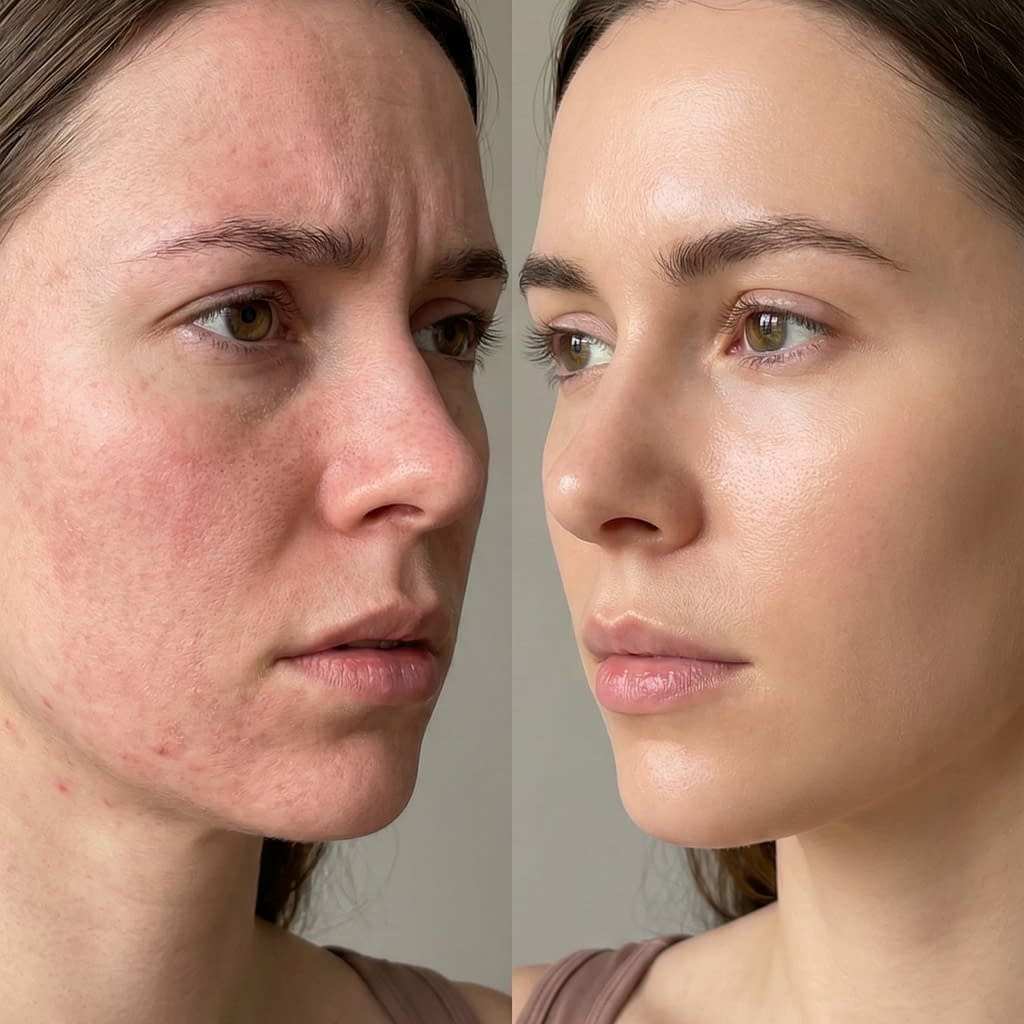
Daily habits either support or sabotage recovery. Try these:
- Sleep: 7–9 hours nightly for repair cycles to work effectively.
- Manage stress: chronic stress raises cortisol and impairs barrier function — breathwork, walks, and short meditations help.
- Avoid smoking: smoking reduces blood flow and collagen synthesis.
- Control indoor humidity: dry winter air strips moisture — use a humidifier to maintain ~40–60% relative humidity.
- Gentle laundry & detergents: choose fragrance-free detergents and rinse clothing thoroughly to avoid irritants contacting skin.
- Limit hot baths/showers: 5–10 minute lukewarm showers are ideal.
Small habit shifts here often speed healing more than an extra fancy serum.
Avoiding Skincare Mistakes That Weaken the Barrier
Common, avoidable errors to stop right now:
- Overwashing — especially with harsh cleansers or hot water.
- Layering too many active ingredients without building tolerance.
- Skipping moisturizer after exfoliation or acid use.
- Using alcohol-heavy toners daily on already dry or reactive skin.
- Chasing immediate results with high-strength peels and harsh at-home devices before the barrier is sound.
If in doubt, simplify: fewer products, gentle ingredients, consistent moisturizing, daily SPF.
When to Seek Professional Advice
See a dermatologist or qualified skincare professional if:
- Your skin shows persistent cracked, bleeding, or infected areas.
- You have chronic eczema, rosacea, or symptoms that don’t improve with barrier care.
- You’re planning to start prescription actives (tretinoin, oral isotretinoin) and need guidance on prepping your barrier.
- You have sudden, widespread sensitivity after changing multiple products — patch testing or medical tests may be helpful.
Professionals can recommend in-office treatments, prescription barrier repair creams, or allergy testing if needed.
Routine Tips for Long-Term Barrier Maintenance
Create a simple, repeatable daily routine and stick to it:
AM
- Cleanse gently (or rinse if skin is dry).
- Antioxidant serum (optional).
- Lightweight humectant (hyaluronic acid) if needed.
- Moisturizer with ceramides/niacinamide.
- Broad-spectrum SPF 30+.
PM
- Cleanse gently.
- Active treatment on alternate nights only (retinoid or mild acid) if your skin tolerates it.
- Hydrating serum.
- Barrier repair moisturizer (ceramides + cholesterol).
- Occlusive balm applied sparingly if particularly dry.
Weekly: 1 gentle exfoliation session (chemical or very gentle physical), a hydrating mask as needed, and frequent checks of how skin feels. Keep routines minimal when traveling or stressed.
Final Words
A resilient skin barrier is the foundation of healthy, comfortable skin. The fastest gains come from simplifying your routine, choosing gentle cleansers, consistently moisturizing with ceramides and humectants, protecting with daily SPF, and avoiding over-exfoliation and ingredient overload. Pair these surface steps with supportive lifestyle changes — sleep, nutrition, stress management, and humidified air — and your skin will repay you with less sensitivity, fewer flares, and a smoother, more radiant look. If problems persist, seek professional help early so you can get back to a gentle, effective routine.


