


If you’ve ever applied sunscreen, blended in your foundation… and suddenly watched everything roll up into tiny flakes, you know how frustrating pilling can be. It feels like you’re doing everything right — protecting your skin, wearing makeup carefully — and yet the products just won’t cooperate.
Here’s the good news: sunscreen and makeup can work beautifully together. The key isn’t using more products — it’s using the right ones, in the right order, with the right technique.
In this guide, you’ll learn exactly why pilling happens, how to prevent it, and how to build a simple, no-fuss routine that keeps your skin protected and your makeup smooth all day long.
Let’s fix it step by step.
Why Sunscreen Under Makeup Often Pills
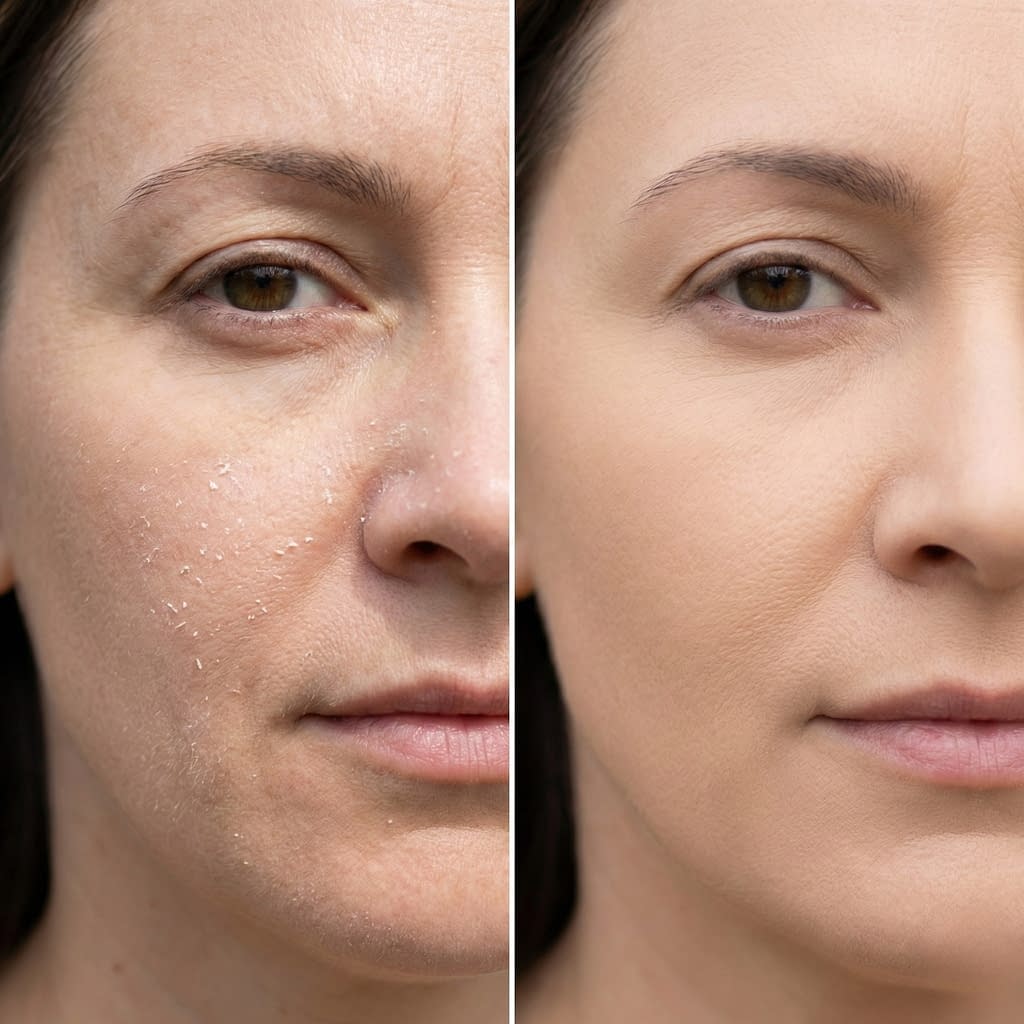
Pilling happens when products don’t absorb properly or when incompatible formulas rub against each other. Instead of blending, they clump together and roll off the skin.
Common reasons include:
- Applying too many layers
- Not letting skincare absorb fully
- Mixing silicone-heavy and water-heavy formulas incorrectly
- Rubbing instead of pressing products in
- Using too much product at once
When sunscreen forms a film (which it’s designed to do for protection), aggressive blending can disrupt that film and cause rolling. The solution? Gentle layering and patience.
Choose the Right Sunscreen: Chemical vs. Mineral and Texture Matters
Not all sunscreens behave the same under makeup.
Chemical sunscreens
- Usually lighter
- Absorb more easily
- Often better for makeup layering
Mineral sunscreens
- Sit on top of skin
- Can be thicker
- More likely to pill if layered improperly
Step-by-step selection guide:
- If you wear full-face foundation daily, start with a lightweight chemical SPF.
- If you prefer mineral SPF, choose one labeled “cosmetic elegant” or “makeup-friendly.”
- Avoid very thick, pasty textures unless you’re skipping foundation.
Texture matters more than SPF type. A thin lotion or fluid works best.
Look for Lightweight, Non-Greasy, and Low-Film-Forming SPFs
Heavy film-forming sunscreens are more likely to ball up.
Look for:
- “Fluid” or “essence” on the label
- Fast-absorbing formulas
- Non-greasy or matte finish
Avoid:
- Very thick creams
- Heavy zinc pastes
- Extremely silicone-heavy SPF primers
A sunscreen that disappears into the skin within 30–60 seconds is ideal.
Check Ingredient Compatibility: Silicones, Alcohols, and Oils

Sometimes pilling isn’t about the sunscreen alone — it’s about what’s underneath or on top.
Here’s what to check:
- Silicone-based primer + water-based sunscreen = possible separation
- Heavy oils under SPF = sliding and clumping
- Too many layered serums = unstable base
Step-by-step compatibility check:
- Look at your sunscreen’s first 5 ingredients.
- If it starts with water, pair it with water-based products.
- If it starts with silicones (dimethicone), use silicone-based primer/foundation.
- Keep textures consistent across layers.
Consistency prevents conflict.
Prep the Skin: Cleanse, Tone, and Hydrate Lightly
Over-prepping is a major cause of pilling.
Morning prep routine:
- Gentle cleanse.
- Light hydrating toner (optional).
- Lightweight moisturizer — thin layer only.
- Wait 1–2 minutes before SPF.
Avoid:
- Thick creams
- Sticky serums
- Heavy oils
Your sunscreen needs a smooth, not slippery, surface.
Apply Sunscreen Correctly — Amount, Direction, and Technique
Technique makes a huge difference.
Step-by-step SPF application:
- Use two finger-lengths of sunscreen for your face and neck.
- Dot evenly across the face.
- Spread gently — don’t aggressively rub.
- Use downward or outward smoothing motions.
- Finish by lightly pressing with clean palms.
Do not keep massaging once it starts setting.
Wait Time: How Long to Let Sunscreen Set Before Makeup
This is one of the most important steps.
Wait at least 5–10 minutes before applying primer or foundation.
During this time:
- Avoid touching your face.
- Let the sunscreen form its protective film.
- Do your brows, hair, or get dressed.
Skipping this step almost guarantees pilling.
Use a Primer That Plays Nice With Your SPF
Primer is optional — but if you use one, choose wisely.
Step-by-step primer layering:
- Use a pea-sized amount only.
- Pat onto areas where needed (T-zone, pores).
- Press gently instead of rubbing.
- Avoid re-blending sunscreen underneath.
Too much primer = product overload.
Foundation Choices That Won’t Lift Your SPF
Heavy, thick foundations are more likely to disturb sunscreen.
Better options:
- Lightweight liquid foundation
- Skin tints
- Cushion foundations
- Light coverage BB creams
Avoid:
- Thick matte creams
- Heavy stick foundations (unless gently pressed)
Application Methods: Patting and Dabbing Over Rubbing

Rubbing is the biggest mistake.
Step-by-step foundation application:
- Use a damp sponge or soft brush.
- Pick up small amounts of product.
- Pat and bounce onto skin.
- Build coverage slowly.
- Avoid dragging motions.
Pressing preserves the sunscreen layer underneath.
Powder-First vs. Powder-After: When Each Works Best
Powder can help reduce pilling in some cases.
Powder-first method:
- Lightly set sunscreen with translucent powder.
- Then apply foundation.
- Best for oily skin.
Powder-after method:
- Apply foundation first.
- Lightly set with powder.
- Best for normal to dry skin.
Use minimal product either way.
Setting Sprays and Touch-Ups Without Disturbing SPF
For setting spray:
- Hold bottle 8–10 inches away.
- Mist lightly.
- Let it air dry.
- Do not fan aggressively.
For touch-ups:
- Use blotting papers first.
- Then lightly pat powder.
- Avoid re-rubbing base layers.
Quick Morning Routine: A No-Pill, 3-Minute System
If you’re short on time:
- Cleanse.
- Apply lightweight moisturizer (thin layer).
- Apply sunscreen (two fingers).
- Wait 5 minutes.
- Apply skin tint with damp sponge.
- Light powder only where needed.
Simple = smooth.
Troubleshooting: Fixing Pilling, Dry Patches, and Shine

If pilling starts:
- Stop rubbing immediately.
- Gently brush flakes away.
- Press remaining makeup into skin.
- Apply a small amount of foundation only where needed.
For dry patches:
- Reduce exfoliation.
- Use hydrating toner.
- Switch to creamier foundation.
For shine:
- Blot before adding powder.
- Use less moisturizer underneath.
Reapplication Tips When You’re Wearing Makeup
Reapplying sunscreen over makeup is tricky but possible.
Options:
- Use SPF setting spray.
- Use SPF cushion compact.
- Apply powder sunscreen for touch-ups.
- Reapply full sunscreen if you can remove makeup.
Never skip reapplication if you’re in direct sun.
Patch Test and Build a Compatible Product Stack
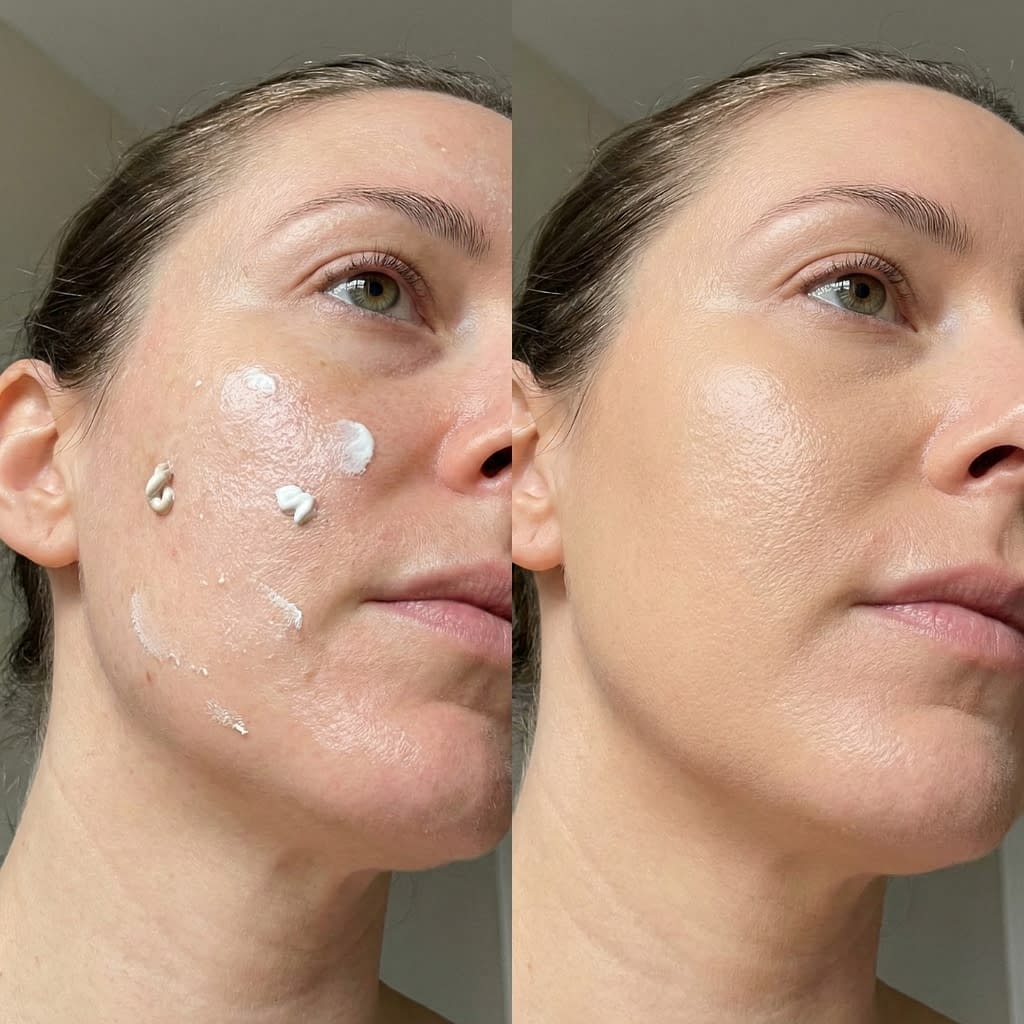
Don’t introduce multiple new products at once.
Step-by-step stacking method:
- Test sunscreen alone for 3 days.
- Add primer and observe.
- Add foundation and observe.
- Adjust only one product at a time.
Once you find a combination that works — stick to it.
Final Word
Wearing sunscreen under makeup without pilling isn’t about luck — it’s about layering smarter.
Choose lightweight textures.
Keep your routine simple.
Let products set.
Pat, don’t rub.
When your skincare and makeup are compatible, sunscreen becomes invisible — just the way it should be.


