

Healthy body skin that actually feels soft — not just looks plated with lotion — comes from doing a few simple things reliably, not slathering on endless products. If your arms, legs, or torso still feel rough after moisturizing, it’s usually because the surface layer of dead cells, the skin barrier, or an underlying condition needs a different kind of care. This post explains what’s really happening, why moisturizers sometimes fail, and — most importantly — what step-by-step routines and habits actually produce smooth, comfortable skin that lasts.
Understanding Rough Body Skin
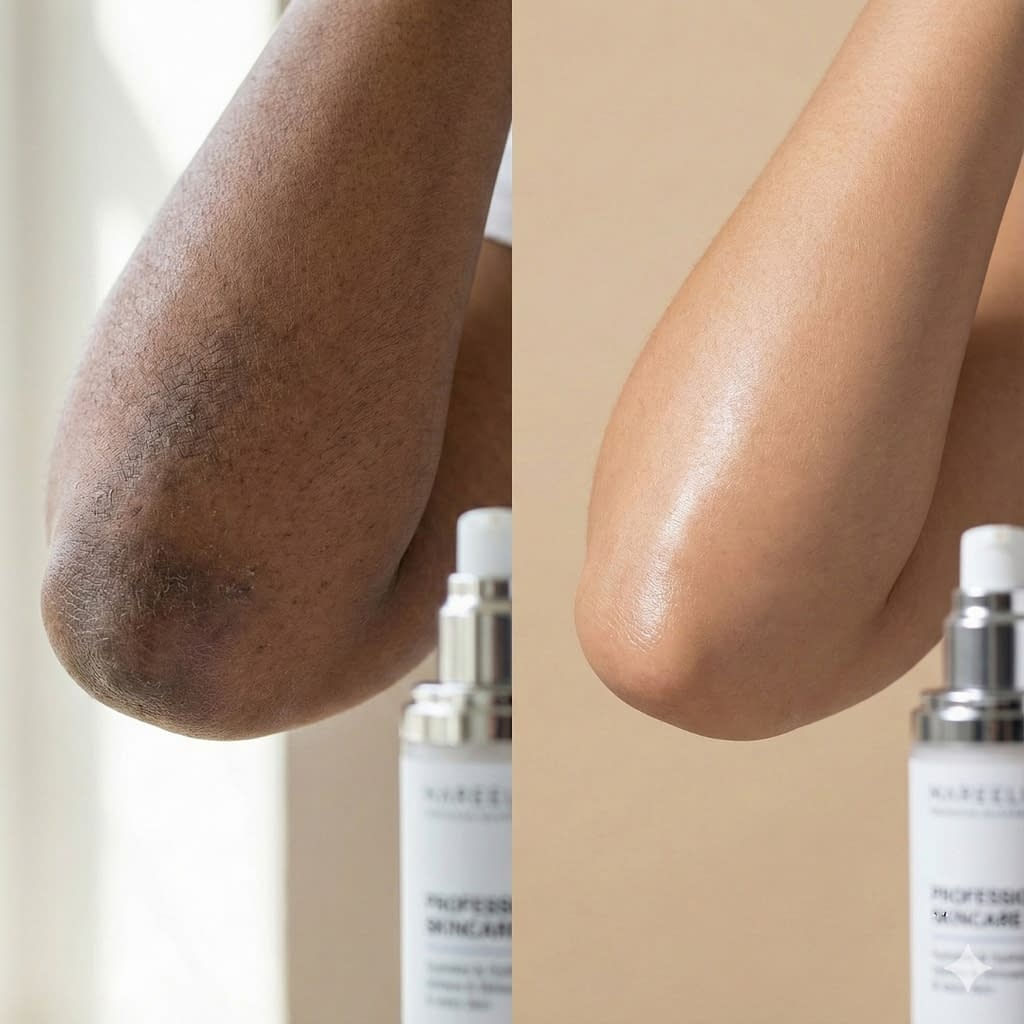
Roughness is a surface texture problem you can feel and often see: little bumps, flakiness, sandpaper-like patches, or overall coarse texture. Biologically, the outermost layer of skin (the stratum corneum) becomes uneven when dead skin cells don’t shed properly, lipids that keep moisture inside are depleted, or there’s inflammation from irritation or a skin condition.
Quick checklist to identify the type of roughness:
- Is it flaky and scaly across large areas? → think dehydration, xerosis, or ichthyosis.
- Is it bumpy with tiny flesh-colored or red bumps (often on upper arms or thighs)? → think keratosis pilaris (KP).
- Is it itchy, red, and inflamed? → could be eczema/dermatitis.
- Is it rough plus discolored or thickened? → possible chronic rubbing, lichenification, or psoriasis.
Why a basic lotion might feel useless: many moisturizers sit on the surface but don’t remove the dead-cell buildup or repair the lipid imbalance that’s keeping moisture from penetrating. Before expecting a cream to work wonders, the surface often needs a light reset and the barrier needs targeted ingredients.
Common Causes of Rough Skin Despite Moisturizing
Here are the typical reasons moisturizers feel ineffective — and how to address each one.
- Dead skin build-up: Moisturizer sits on top of accumulated corneocytes and can’t smooth texture. Solution: regular gentle exfoliation (see next section).
- Wrong type of moisturizer: Heavy creams at the surface but lacking humectants or key lipids won’t restore barrier function. Solution: use products with humectants + ceramides + occlusives.
- Hot showers / harsh cleansers: Strip oils and increase water loss. Solution: switch to lukewarm water and mild cleansers.
- Infrequent application or timing: Moisturizer on dry skin won’t trap water. Solution: apply to damp skin immediately after showering.
- Underlying skin condition (KP, eczema, psoriasis): Requires active ingredients or prescription care. Solution: targeted actives and dermatology visit if persistent.
- Environmental dryness (low humidity): Air evaporates moisture quickly. Solution: humidifier + occlusive night care.
- Product buildup from silicones, sunscreens, or styling products (on shoulders/back). Solution: occasional clarifying wash.
- Diet/lifestyle factors: dehydration, low essential fats, or stress can weaken skin. Solution: dietary and habit adjustments (see below).
Dead Skin Build-Up: Why Exfoliation Matters
If rough skin is caused by retained dead cells, a moisturizer won’t reach living cells until you remove that layer. Exfoliation resuspends or dissolves trapped corneocytes so your emollients can sink in.
Safe exfoliation plan (step-by-step)
- Choose the type:
- Chemical exfoliants (recommended for body): lactic acid (gentle AHA), glycolic acid, salicylic acid (BHA for follicular areas and KP), or polyhydroxy acids (PHAs) for sensitive skin.
- Physical exfoliants: soft washcloth, Konjac sponge, or gentle scrubs (avoid harsh salt/grit scrubs that abrade).
- Frequency: 1× per week for sensitive/dry skin; 2× per week for most people; up to 3× for tolerant, oily skin. Start slow.
- How to apply chemical exfoliant: on clean, dry skin apply a leave-on body serum or lotion with 5–12% lactic/glycolic acid (follow product instructions). Start at 5% and build tolerance. Rinse only if the product requires it.
- How to do physical exfoliation: in the shower, use gentle circular motions for 30–60 seconds on problem areas — don’t scrub red or inflamed skin.
- Post-exfoliation care: rinse, pat dry, then immediately apply a hydrating humectant serum (glycerin or HA) and a ceramide-rich moisturizer. If exfoliant increases sun sensitivity, use sunscreen on exposed body areas when outdoors.
- Avoid combining strong actives: don’t use high-strength acids and retinoids together on the same area without building tolerance.
Exfoliation removes the barrier to absorption and visibly smooths texture within a few sessions; barrier rebuilding after exfoliation requires consistent moisturizing.
Dry Air, Climate, and Seasonal Effects on Skin Texture
Cold, dry winters and air-conditioned summers both dry out skin, making it rough even if you moisturize.
Practical seasonal adjustments
- Measure humidity at home (cheap hygrometer). Aim for 40–60% indoors.
- Use a humidifier in bedrooms during dry seasons; clean it regularly.
- Switch to richer formulations in winter: choose creams with ceramides, glycerin, and a small occlusive (petrolatum, dimethicone) at night.
- In hot months: use lighter, humectant-rich lotions (HA, glycerin) with non-greasy finish so they’re used more consistently.
- Shorter, cooler showers year-round and pat dry to avoid stripping.
If your environment constantly evaporates moisture, add occlusion (e.g., apply a thin layer of balm at night or wear soft cotton pajamas) to lock hydration.
Overwashing or Using Harsh Cleansers
Overcleansing strips sebum and disrupts lipid barrier — the skin becomes rough and reactive, so lotions may feel like they evaporate.
Gentle cleansing routine (step-by-step)
- Switch to syndet or cream cleansers (pH-balanced, fragrance-free). Avoid SLS-heavy soaps.
- Limit wash frequency: twice daily for most body areas; spot-cleanse after workouts.
- Keep water warm, not hot: reduce shower time to 5–10 minutes.
- After cleansing: pat skin dry and apply your hydrating routine within 1–3 minutes to trap moisture.
- Avoid harsh scrubs / loofahs on already irritated skin; use them only after buildup is controlled.
Simple swap: trade bar soaps for a gentle, creamy body wash and you’ll notice less dryness in days.
Skin Conditions That Cause Roughness (Eczema, Keratosis Pilaris, etc.)
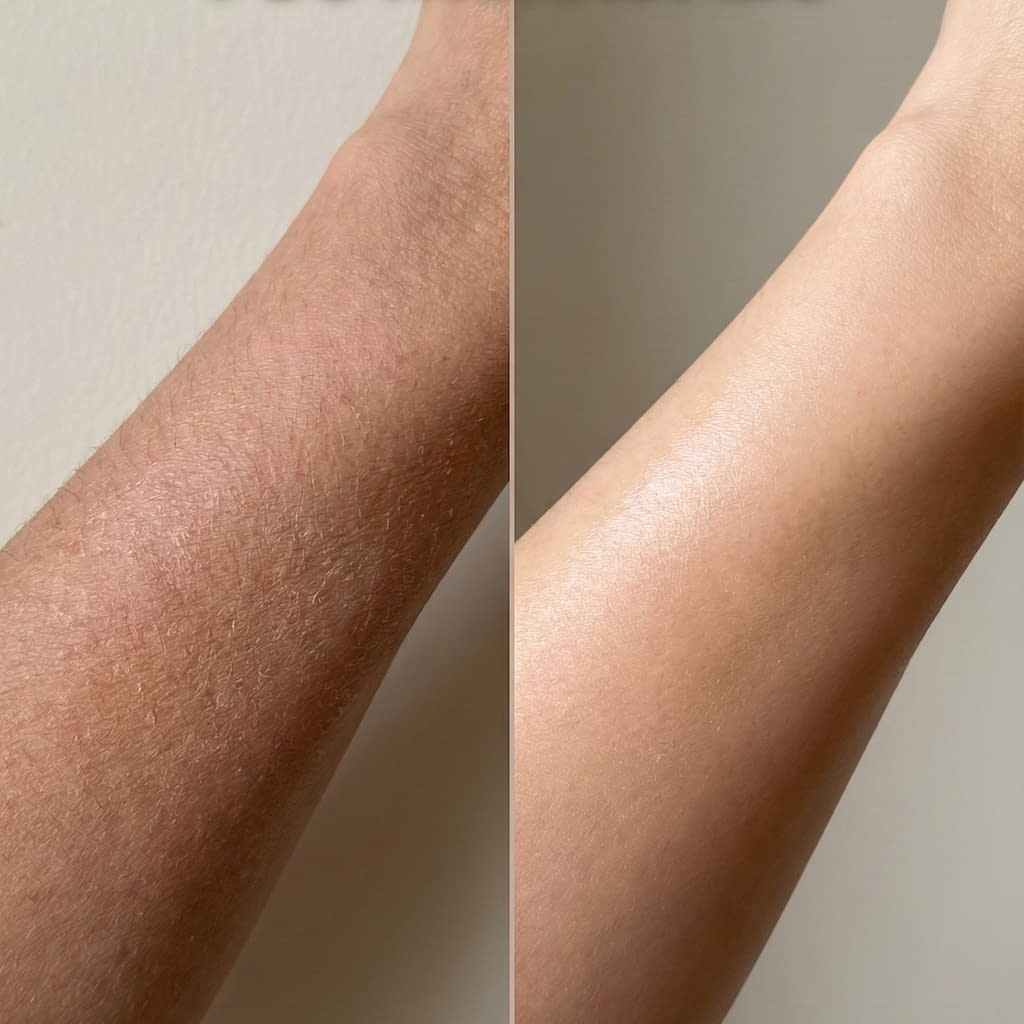
If routine measures fail, an underlying condition may be the cause.
Common culprits and what helps
- Keratosis pilaris (KP): small rough bumps, typically on upper arms/thighs. Best treatments: daily mild exfoliation with lactic acid or salicylic acid, and regular urea or lactic acid creams (10%+). Short-term, gentle retinoids can help but may irritate.
- Eczema (atopic dermatitis): itchy, inflamed, rough patches. Key steps: fragrance-free emollients, ceramide creams, avoid triggers, and short courses of topical steroids or calcineurin inhibitors during flares prescribed by a clinician. Wet wrap therapy can help severe flares.
- Ichthyosis: genetic dry, scaly skin. Needs frequent exfoliation and heavy emollient therapy (urea, lactic acid, richer ointments). Dermatologist care often required.
- Psoriasis: thick, well-demarcated scaly plaques. Treatments often include topical steroids, vitamin D analogs, and systemic therapies for severe cases—diagnosis and management by a dermatologist are essential.
- Contact dermatitis / allergic reactions: avoid the allergen; patch testing may be necessary.
If you see persistent, very itchy, bleeding, or inflamed patches — get a professional diagnosis. Over-the-counter fixes that don’t target the correct condition can worsen the problem.
Choosing the Right Moisturizer for Your Skin Type
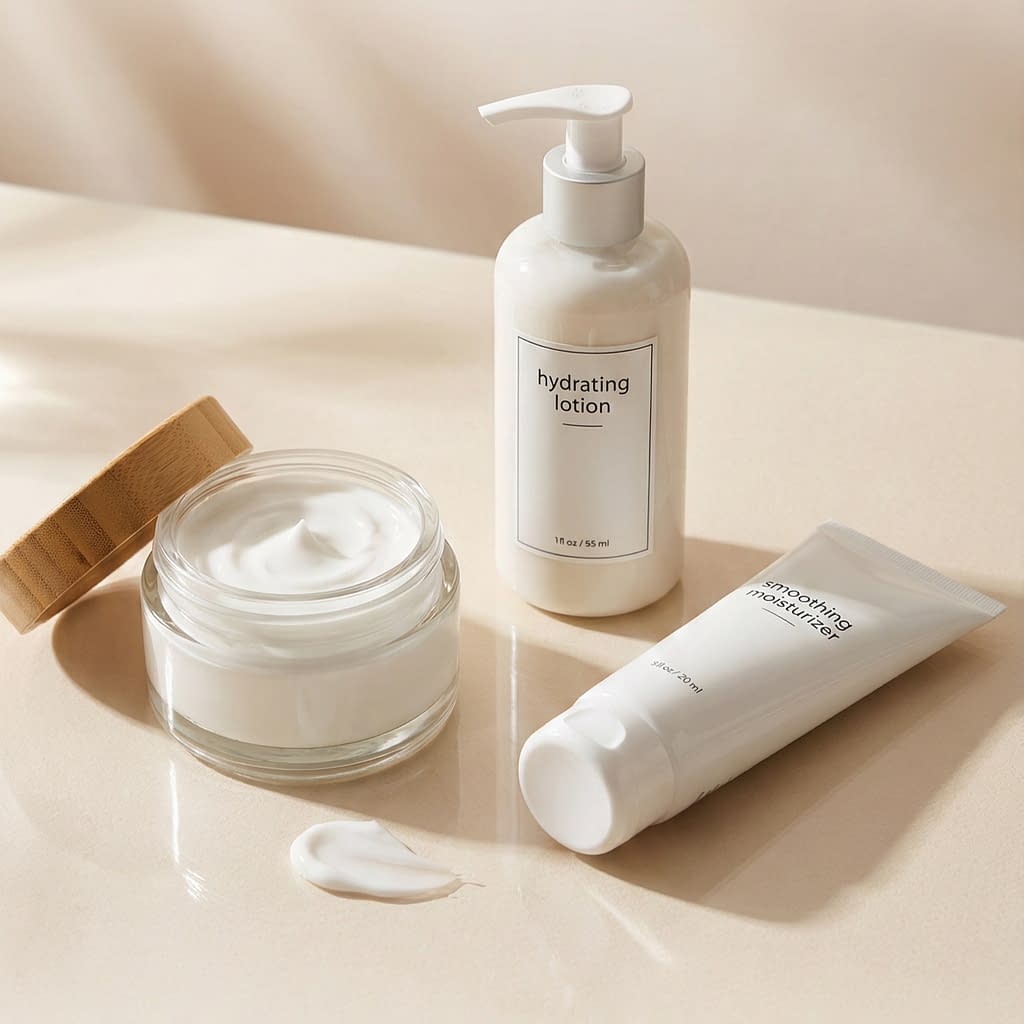
A good moisturizer is targeted: it must hydrate (humectants), replenish lipids (emollients), and seal moisture (occlusives).
How to pick and layer (step-by-step)
- Look for humectants: glycerin and hyaluronic acid pull water into skin.
- Include barrier lipids: ceramides + cholesterol + fatty acids help rebuild the stratum corneum.
- Use occlusives at night: petrolatum, dimethicone, or lanolin in a thin layer locks hydration.
- For rough, bumpy areas (KP): choose products with lactic acid or urea (5–10% routine; up to 20% for stubborn areas as tolerated).
- For itchy eczema-prone skin: thicker creams or ointments (ceramide-based) applied multiple times daily; avoid fragranced products.
- For body acne or oilier skin: choose non-comedogenic, lighter lotions with humectants and ceramides; avoid heavy oils at the trunk.
- Patch test new actives: especially AHAs, urea, or retinoids on inner arm for 48 hours before widespread use.
Layering example (post-shower, on damp skin):
- Apply a hydrating serum (glycerin or light HA).
- Follow with a ceramide-rich cream (emollient).
- If needed, apply a thin occlusive balm to really lock in overnight moisture.
Consistency is the key — daily application morning and night (or at least once nightly) produces real barrier repair.
How to Layer Products for Maximum Hydration
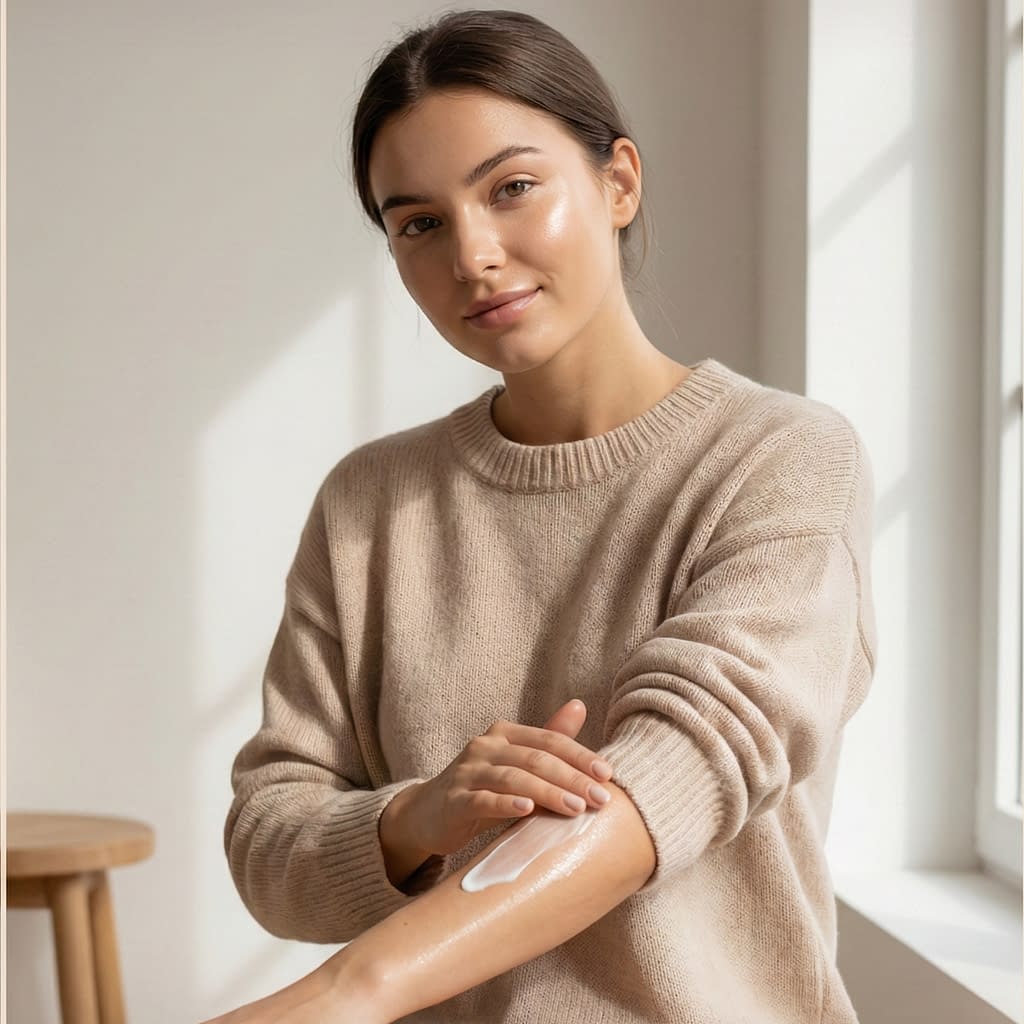
Timing and order matter because each product type works differently.
Stepwise layering guide
- Cleanse with a gentle wash and pat the skin slightly damp (not dripping).
- Humectant layer: apply a light humectant serum (glycerin, hyaluronic acid) to draw water toward the skin.
- Treatment layer (if any): apply targeted actives (lactic acid body lotion, urea cream, or topical retinoid for KP as prescribed). Give it time to absorb per product instructions.
- Emollient / moisturizer: apply a ceramide-rich cream to fill lipid gaps and smooth texture.
- Occlusive finish (night): for very dry patches apply a thin layer of petrolatum or balm as the last step.
- Clothing barrier: allow creams to absorb a few minutes before dressing to prevent rubbing off and to let actives work.
Do this routine within minutes of showering while skin is damp to trap maximum hydration.
Dietary and Lifestyle Factors That Affect Skin Smoothness
Skin health reflects internal health. A few nutritional and lifestyle tweaks can support smoother skin.
Practical nutrition & lifestyle tips
- Hydration: sip water throughout the day — while it doesn’t directly hydrate skin like topical products, it supports cellular function.
- Omega-3 fatty acids: eat fatty fish, walnuts, or consider a supplement — they help barrier lipids and reduce inflammation.
- Protein & vitamins: ensure adequate protein, vitamin C (collagen synthesis), zinc, and B vitamins.
- Limit excessive alcohol and smoking: both impair barrier repair and circulation.
- Manage stress & sleep: chronic stress and poor sleep reduce repair and increase inflammation. Aim for consistent sleep and stress-reduction practices.
- Regular movement: exercise improves circulation and lymphatic flow, supporting skin repair and tone.
If roughness is longstanding and not improving, consider checking iron, vitamin D, and thyroid function with your clinician — these can influence skin texture.
The Role of Regular Exercise in Skin Health
Exercise boosts blood flow, helps clear metabolic waste, and supports healthy collagen turnover — all of which contribute to smoother skin over time.
How to incorporate movement
- Aim for 20–40 minutes of moderate exercise most days — brisk walking, cycling, or resistance training.
- Shower after sweating: sweat can trap dirt and clog pores if left on the body; use a gentle cleanser.
- Add lymphatic self-massage or dry brushing (lightly) before showering to boost circulation; be gentle and avoid inflamed areas.
- Combine movement with hydration and post-workout moisturizing to prevent drying.
Regular exercise complements topical care and supports long-term skin quality.
Home Remedies and Natural Oils for Soft Skin
Some natural oils and home remedies help soften skin when used wisely — but they must be chosen carefully.
Effective options & how to use
- Jojoba oil / squalane: light, non-comedogenic emollients that mimic skin lipids — great as a post-moisturizer finish.
- Sweet almond oil / argan oil: nourishing for body skin (avoid heavy use on acne-prone back).
- Coconut oil: deeply emollient, but can be comedogenic for some people and can irritate sensitive skin — use cautiously on the body.
- Oatmeal baths (colloidal oatmeal): soothe itchy, rough skin (soak 10–15 min).
- Honey masks: raw honey has humectant and antimicrobial properties — apply for 10–20 minutes, then rinse.
- DIY sugar scrub: use a gentle oil + fine sugar once weekly for physical exfoliation—don’t overdo it.
- Aloe vera gel: calming and hydrating for inflamed rough patches.
Rules of safe natural use:
- Patch test for sensitivity.
- Don’t apply oil to inflamed, broken skin without clinician advice.
- Rinse thoroughly after masks/scrubs and follow with moisturizer.
Natural remedies are good adjuncts, not a replacement for targeted actives like urea or lactic acid when those are indicated.
Tips to Prevent Roughness From Coming Back
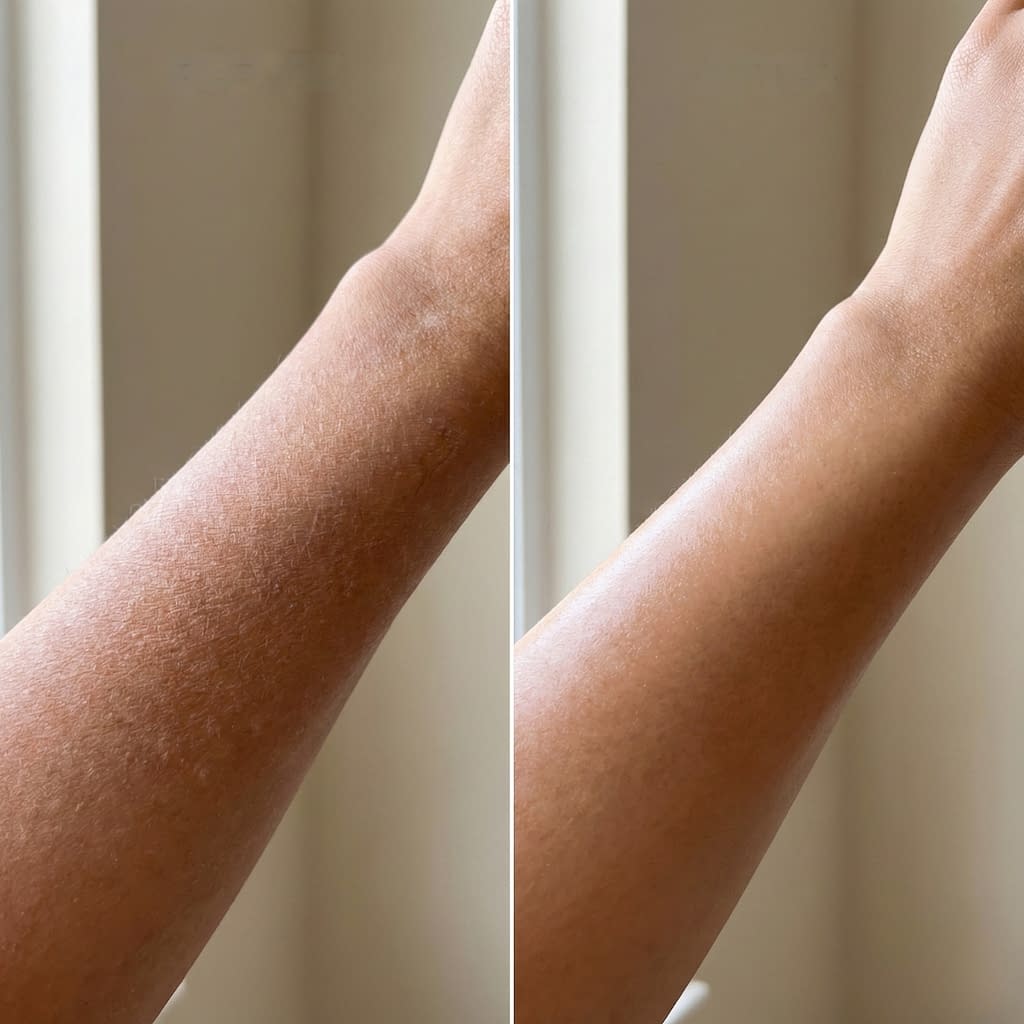
Preventing recurrence is easier than re-repairing chronic roughness.
Maintain these habits
- Regular, gentle exfoliation (1–2× weekly) to avoid buildup.
- Moisturize consistently — at least nightly and after showering.
- Use targeted actives (urea/lactic acid) on trouble areas routinely, not sporadically.
- Protect from environmental stressors: humidifier in winter, sun protection, gentle detergents.
- Avoid repeated trauma: tight clothing, friction from straps, or constant rubbing.
- Rotate products carefully and avoid piling incompatible actives.
- Schedule trims and hair care (if body hair removal contributes to roughness) and use soothing post-hair removal care.
Consistency is the prevention strategy: small daily and weekly rituals protect smoothness long term.
When to See a Dermatologist for Persistent Rough Skin
See a dermatologist if roughness:
- Persists after 4–6 weeks of consistent, targeted care.
- Is associated with severe itching, bleeding, or infection.
- Appears as thickened plaques, sudden widespread scaling, or fails to respond to OTC keratolytics.
- Is accompanied by hair loss, systemic symptoms, or emotional distress.
What the dermatologist may do:
- Diagnose underlying condition (KP, eczema, psoriasis, ichthyosis).
- Prescribe higher-strength topical keratolytics (urea 20–40%, tretinoin, topical retinoids) or topical steroids for flares.
- Offer in-office procedures (chemical peels, microdermabrasion) or guidance for prescription systemic options if needed.
- Arrange patch testing for contact dermatitis or blood tests for systemic causes.
Don’t delay care if the problem is severe or worsening — early targeted therapy prevents scarring and long-term discomfort.
Final Words
Rough body skin that doesn’t soften with a quick lotion isn’t a failure — it’s a signal. Either the surface is clogged with dead cells and needs controlled exfoliation, the barrier needs repair with the right ingredients and occlusion, or an underlying condition requires targeted treatment. Start with these simple steps: swap to a gentle cleanser, exfoliate appropriately, layer humectant → emollient → occlusive on damp skin, use urea/lactic acid for bumpy areas, protect your environment and habits (humidifier, cooler showers), and give your routine four to eight weeks to show change. If it doesn’t, see a dermatologist for a precise diagnosis and stronger, proven treatments.


