

If you’ve ever taken good care of your skin but still dealt with breakouts, you’re not alone. Social media often pushes the idea that healthy skin must be perfectly clear, poreless, and flawless. In reality, skin health and clear skin are not the same thing. You can have strong, well-functioning skin and still experience acne, texture, or occasional inflammation.
This post will break down the difference between healthy skin and clear skin, explain why breakouts don’t automatically mean your skin is “bad,” and help you focus on building truly healthy skin instead of chasing unrealistic perfection.
Healthy Skin vs. Clear Skin: What People Mean
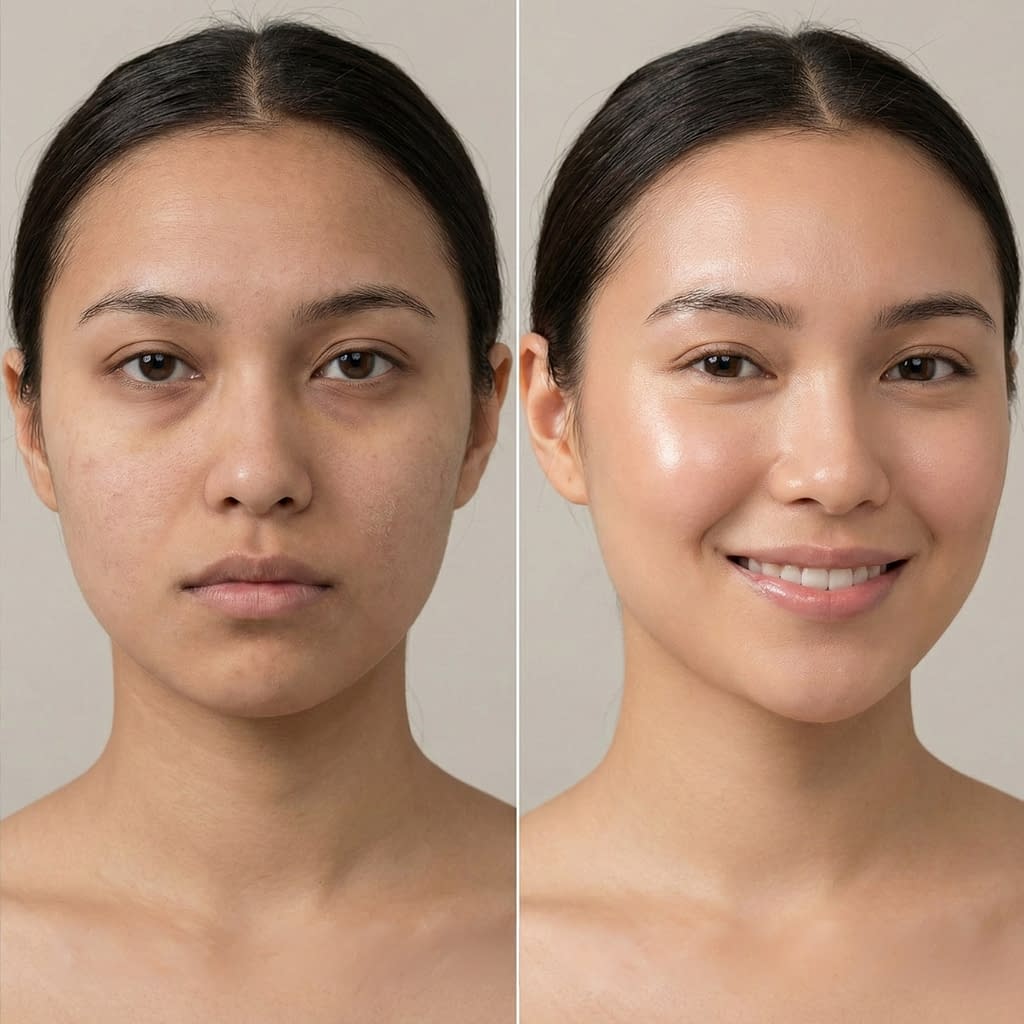
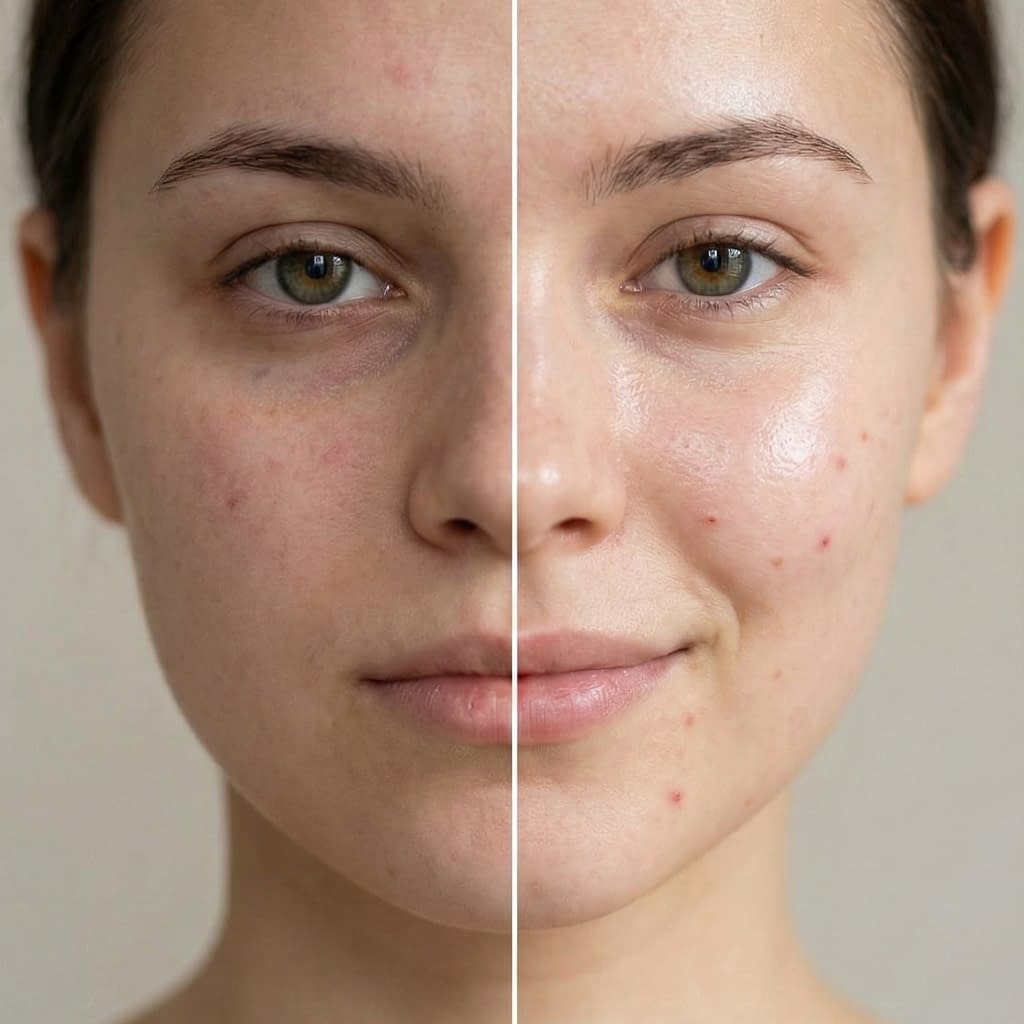
Most people use “healthy skin” and “clear skin” interchangeably, but they describe two very different things.
Clear skin usually means:
- Few or no visible pimples
- Even tone
- Minimal texture or redness
Healthy skin means:
- A strong, intact skin barrier
- Proper hydration
- Balanced oil production
- Good elasticity and resilience
You can have clear skin that is actually damaged, dehydrated, or over-exfoliated. You can also have acne-prone skin that is well-hydrated, protected, and functioning properly.
Step-by-step mindset shift
- Stop using acne alone as the measure of skin health
- Pay attention to comfort, hydration, and sensitivity
- Evaluate how your skin behaves, not just how it looks
What “Healthy Skin” Actually Looks Like: Barrier, Hydration, Elasticity
Healthy skin isn’t always flawless, but it feels balanced and resilient.
Signs of truly healthy skin include:
- Minimal stinging or burning when applying products
- Skin that recovers quickly after irritation
- A soft, flexible feel rather than tightness
- Stable oil production throughout the day
Step-by-step check
- Wash your face and wait 10 minutes without applying anything
- Notice if your skin feels tight, itchy, or uncomfortable
- Gently pinch your cheek and see how quickly it bounces back
- Healthy skin rebounds quickly and feels calm
Why Clear Skin Isn’t the Only Marker of Health
Acne is influenced by many internal factors, not just skincare habits. Hormones, genetics, stress, and inflammation all play a role.
Clear skin does not guarantee:
- A strong skin barrier
- Balanced microbiome
- Long-term skin health
Likewise, acne does not automatically mean:
- Poor hygiene
- Bad skincare
- Unhealthy skin
Focusing only on clearing pimples can lead to over-treating and damaging otherwise healthy skin.
Common Causes of Breakouts on Otherwise Healthy Skin
You can have healthy skin and still break out due to:
- Hormonal fluctuations
- Stress-induced inflammation
- Menstrual cycle changes
- Environmental pollution
- Temporary dietary changes
Step-by-step awareness
- Track when breakouts appear
- Note stress levels, sleep, and cycle timing
- Look for patterns instead of blaming products immediately
The Role of Hormones, Genetics, and the Skin Microbiome
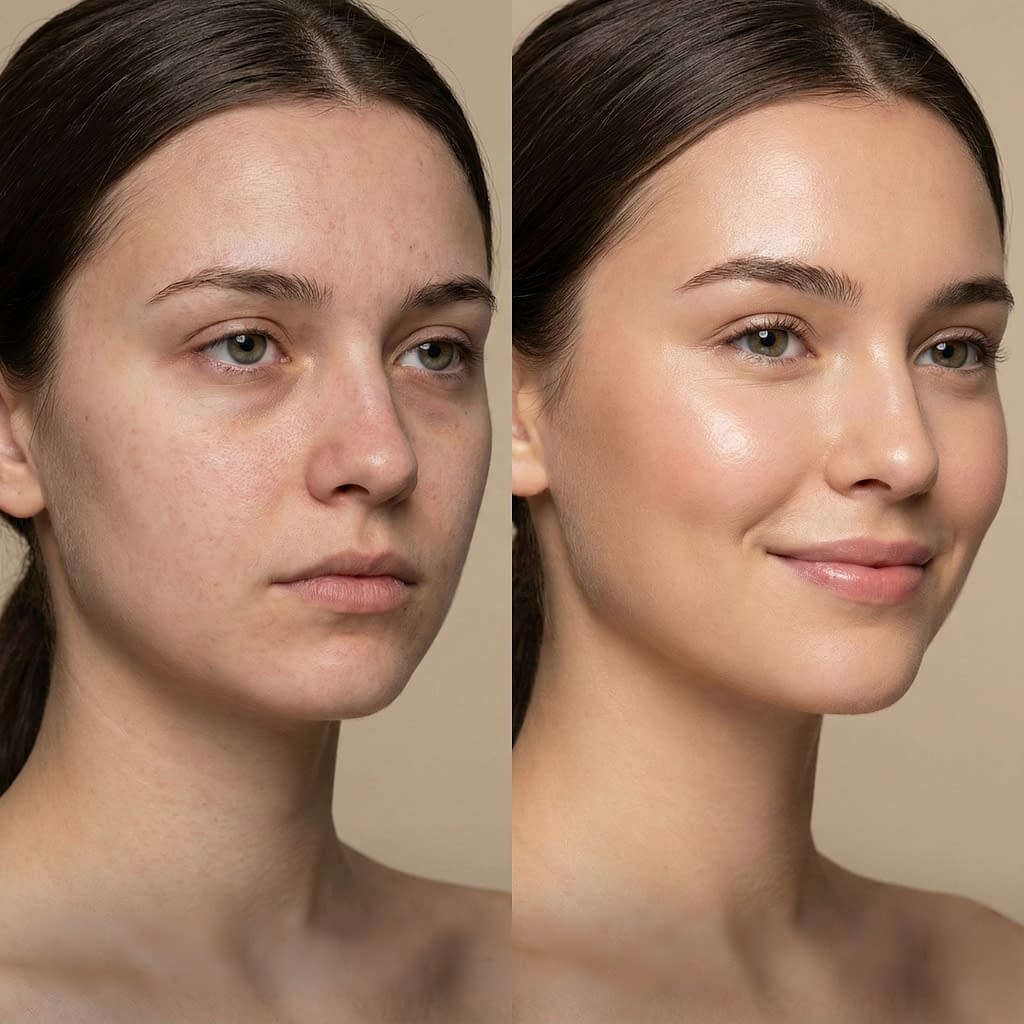
Hormones control oil production, cell turnover, and inflammation. Genetics influence pore size, oiliness, and acne tendency. Your skin microbiome helps regulate inflammation and defense.
Even with perfect skincare:
- Hormonal acne can still occur
- Genetic oil production doesn’t disappear
- Microbiome imbalance can trigger breakouts
Healthy skin supports balance, but it doesn’t override biology.
How Inflammation and a Compromised Barrier Drive Blemishes
Inflammation is a key driver of acne. When the barrier is weakened, irritants penetrate more easily, causing redness, swelling, and breakouts.
Step-by-step barrier protection
- Use gentle, non-stripping cleansers
- Moisturize even if you have acne
- Avoid over-exfoliating
- Apply sunscreen daily
Reducing inflammation improves skin health even if acne doesn’t vanish overnight.
Lifestyle Improvements That Help Health but Don’t Cure Acne
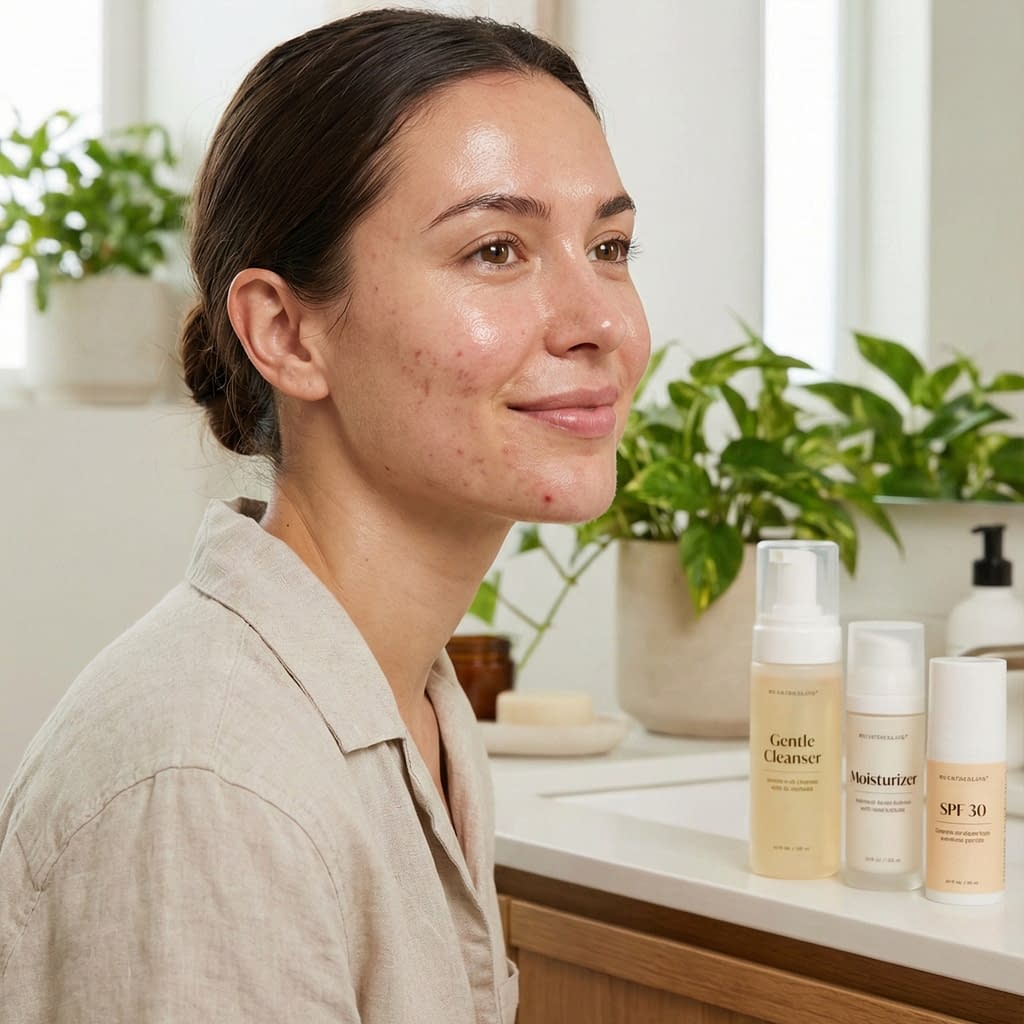
Healthy habits support skin function but aren’t magic cures.
Helpful habits include:
- Regular sleep
- Balanced meals
- Hydration
- Stress management
These improve skin resilience, healing, and glow, but they may not completely eliminate acne. That’s normal.
How to Assess Skin Health Beyond Acne: Tests and Signs to Watch
Instead of focusing on pimples alone, watch for:
- Reduced sensitivity
- Faster healing time
- Less redness after washing
- Improved texture over time
Step-by-step self-assessment
- Notice how skin feels after cleansing
- Observe how quickly irritation calms
- Track hydration throughout the day
Building a Routine Focused on Skin Health — Not Just Spot-Fighting
A health-focused routine prioritizes balance over aggression.
Simple routine structure
- Gentle cleanser
- Hydrating serum or toner
- Barrier-supporting moisturizer
- Sunscreen in the morning
- Target treatments only when needed
This approach supports long-term skin health even if acne is present.
Realistic Timelines and Managing Expectations for Skin Change
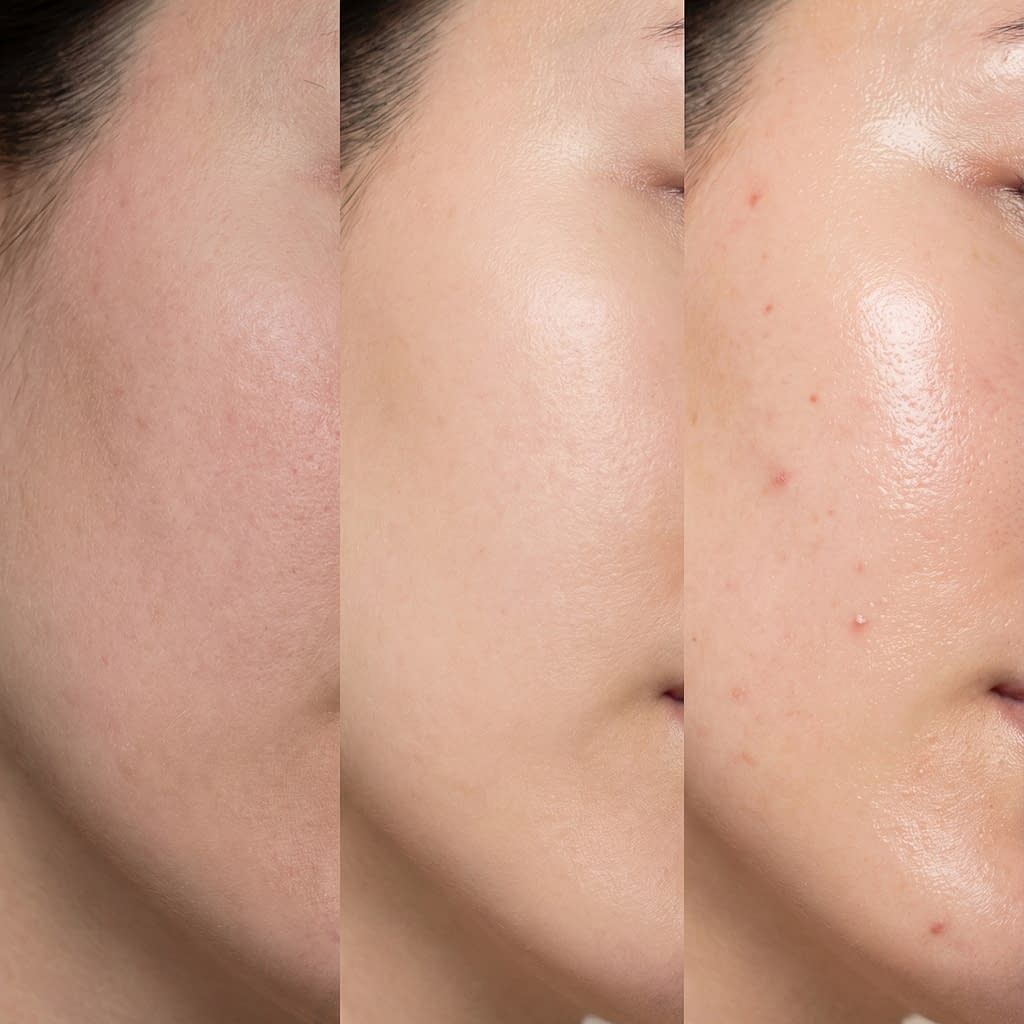
Healthy skin improvements happen gradually.
General timelines:
- Barrier repair: 2–6 weeks
- Reduced sensitivity: 1–2 weeks
- Acne improvement: 6–12 weeks
Expect progress, not perfection.
Makeup, Camouflage, and Confidence While You Treat Your Skin
Using makeup doesn’t mean you’ve failed at skincare. Camouflage can:
- Protect mental health
- Boost confidence
- Reduce stress, which helps skin
Choose non-comedogenic formulas and remove makeup gently.
When Clear-Up Needs Medical Help: Signs to See a Dermatologist
Seek professional help if:
- Acne is painful or cystic
- Breakouts leave scars
- Over-the-counter products don’t help after months
- Acne affects your mental health
Medical treatment can support skin health without damaging it.
Common Myths That Confuse “Healthy” and “Clear” Skin
Myth: Acne means dirty skin
Truth: Acne is biological, not hygiene-based
Myth: Drying out pimples heals skin
Truth: It damages the barrier
Myth: Healthy skin never breaks out
Truth: Even healthy skin can experience acne
Final Words
Healthy skin is about function, balance, and resilience, not perfection. Clear skin can come and go, but a strong skin barrier, proper hydration, and reduced inflammation create the foundation for long-term skin health.
Stop chasing flawless skin and start caring for your skin the way it actually works. When you focus on health first, clarity often follows naturally and even when it doesn’t, your skin is still doing its job.


