


Summer allergies can make the eye area feel like it has a mind of its own: puffy, itchy, watery, red, and constantly uncomfortable. Eye allergies, also called allergic conjunctivitis, are a very common reaction when pollen or other allergens trigger histamine release around the eyes. They often affect both eyes and usually do not damage the eye itself, but they can be incredibly irritating day to day.
The good news is that there are a lot of simple things you can do to feel better fast: cool compresses, rinsing away allergens, limiting exposure, and using the right drops or other products when needed. This guide walks through the signs, the fast at-home relief steps, the habits that help the most, and the red flags that mean you should get medical help rather than trying to power through it.
Why Summer Allergies Make Your Eyes Puffy and Itchy
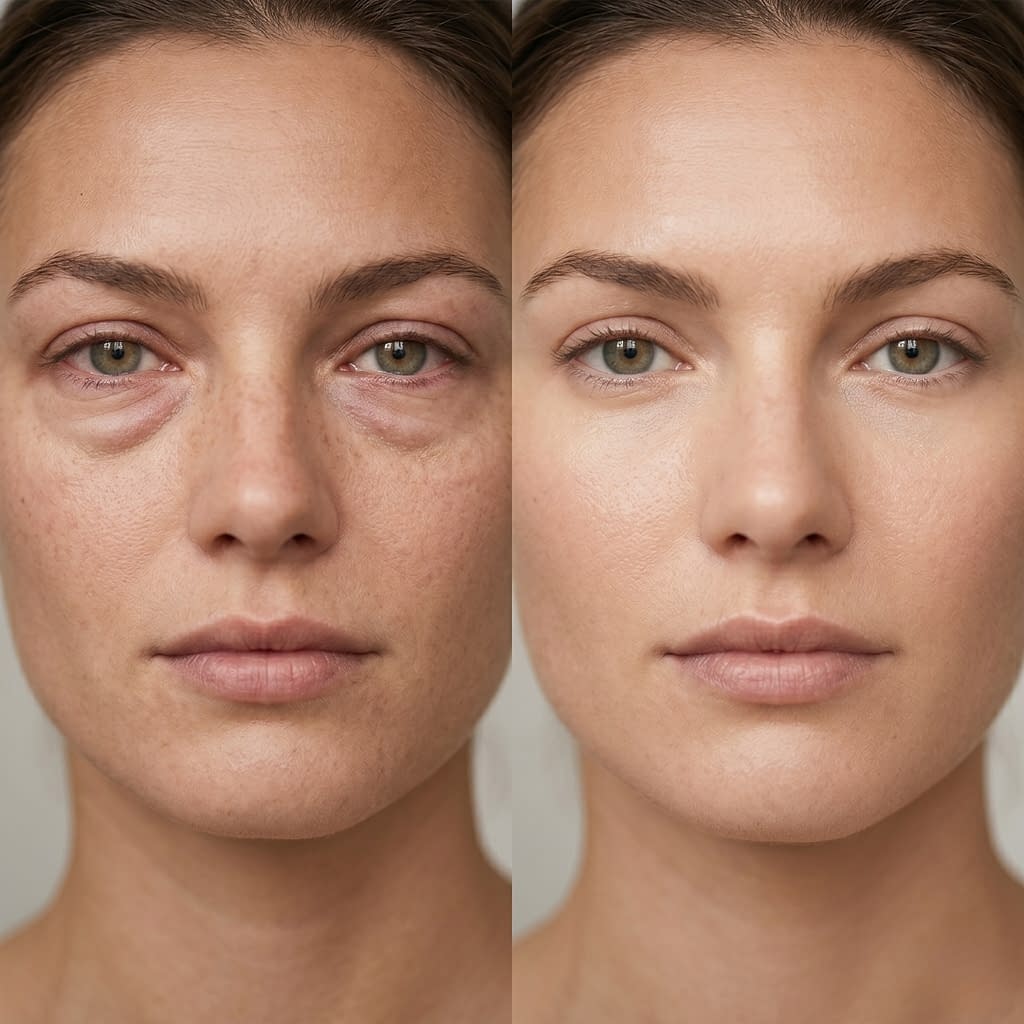
Summer allergies usually flare when airborne allergens like pollen get into the eyes and trigger an immune response. That response releases histamine, which is what causes the classic itchy, red, watery, and swollen feeling. Warm weather also means more time outdoors, more pollen exposure, and more opportunities for allergens to land on the eye surface.
Step by step, it usually goes like this: you spend time outside, allergens collect on the lashes, eyelids, or eye surface, the immune system overreacts, and the eyes start itching and puffing up. Wind, dry air, and rubbing can make the reaction worse by irritating the area even more.
Common Signs Your Eyes Are Reacting to Seasonal Allergies
Allergic eye symptoms usually include itchiness, redness, tearing, swelling, and a puffy feeling around the eyelids. People with eye allergies often notice that both eyes are affected, and the symptoms tend to show up during allergy season or after outdoor exposure.
A simple way to check is to ask: did the puffiness and itching start after being outside, and do both eyes feel irritated? If the answer is yes, allergies are a strong possibility. If you also have severe pain, light sensitivity, blurred vision, or a very red eye, that is a different situation and needs prompt medical attention.
How to Calm Puffy Eyes Fast at Home

The fastest at-home relief usually starts with cooling the area and reducing exposure to the allergen. A cool water compress is often the most soothing option for irritated eyes, and rinsing the eyes with saline drops after being outdoors can help wash allergens away.
Step by step: wash your hands, sit somewhere cool, close your eyes, and place a clean, lint-free cloth dampened with cool water over the eyelids for a few minutes. Then, if your eyes are still irritated, use saline eye drops as directed to rinse away lingering allergens. If you wear contact lenses, stop using them until your symptoms improve.
The Best Way to Soothe Itchy, Irritated Eye Skin
The skin around the eyes is delicate, so the safest approach is to calm it rather than “treat it hard.” Allergy guidance consistently emphasizes avoiding rubbing and using gentle, low-irritation care.
Step by step: cool the eyelids, keep skincare simple, and use only products that are meant for sensitive eye areas. If your eyelid skin feels dry or tight, a very plain, fragrance-free moisturizer applied carefully around—not into—the eye area can help the skin feel more comfortable. Avoid anything that stings, perfumes, or strong actives near the eyes. That is a practical safety choice because the area is already inflamed and easy to irritate further.
Cool Compress Tips That Help Reduce Swelling
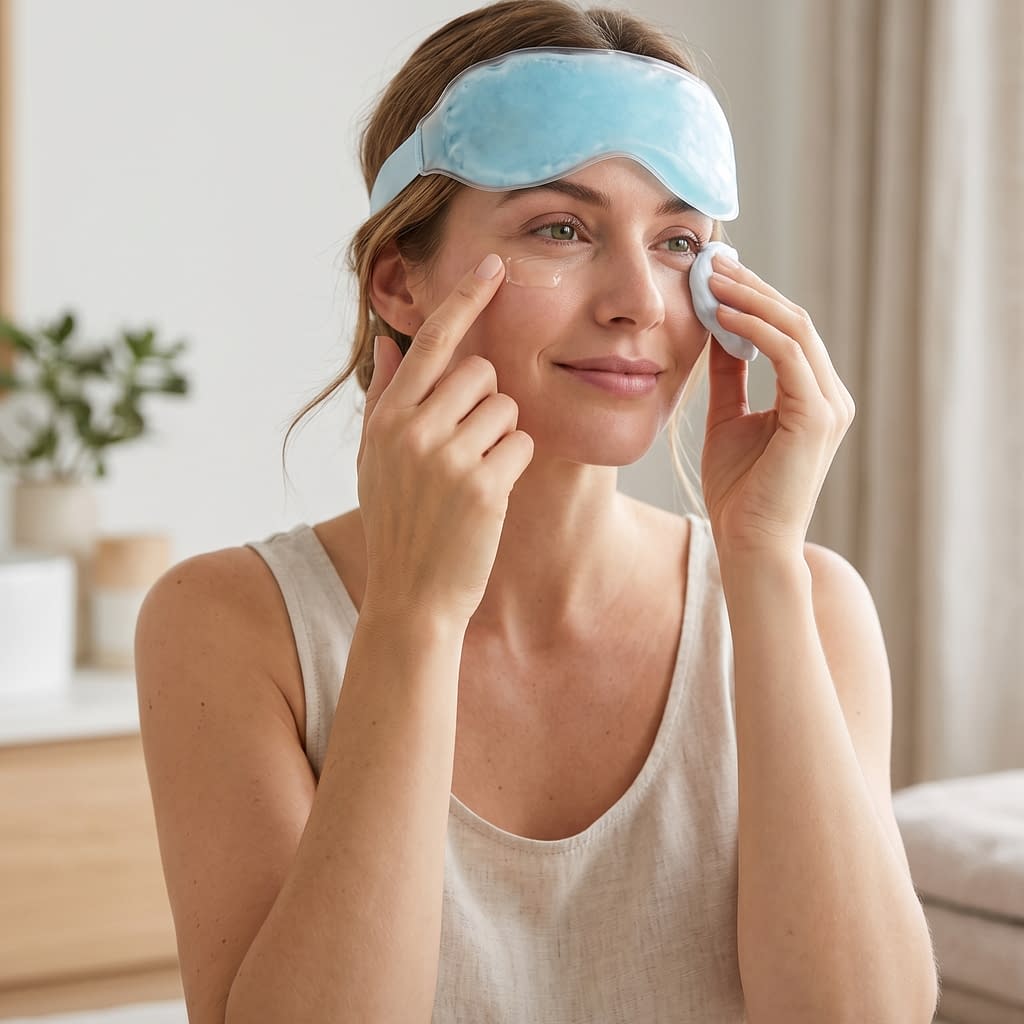
Cool compresses are one of the simplest ways to ease puffy eyes. Mayo Clinic notes that a cool water compress is often soothing for eye irritation, and cool compresses are also commonly recommended for under-eye puffiness.
Step by step: soak a clean, lint-free cloth in cool water, wring it out well, and place it gently over closed eyelids for 10 to 15 minutes. Rewet the cloth as needed so it stays cool, not icy. If one eye is worse than the other, use a separate cloth so you are not moving irritants from one eye to the other.
How to Wash Away Allergens Without Making It Worse
Getting allergens off the face is important, but aggressive washing can leave the eye area even more irritated. Allergy guidance suggests washing after outdoor exposure and using gentle methods rather than rubbing.
Step by step: when you come inside, wash your hands first, then gently rinse your face with cool or lukewarm water. Showering, washing your hair, and changing your clothes after being outdoors can help remove pollen from your skin and hair before it gets transferred back to your eyes. A damp cloth or saline drops can also help rinse the eye area without friction.
Eye Care Habits That Can Help You Feel Better Sooner
Small habits matter a lot during allergy season. Wear wraparound sunglasses outside to reduce how much pollen lands in the eyes, and try to limit exposure when pollen is high if you know your symptoms tend to flare.
Step by step: after outdoor time, wash your hands, rinse your face, shower if needed, and switch into clean clothes. Use clean towels and avoid sharing eye cloths or pillows if your eyes are very irritated. These simple steps reduce the chance of carrying allergens back onto the eye area again and again.
The Best Products for Allergy-Prone Eyes

For many people, the most helpful products are allergy eye drops designed for itchy, irritated eyes. Mayo Clinic and AAAAI both note that antihistamine eye drops can help with itchiness and irritation, and AAAAI lists several over-the-counter options used for allergic conjunctivitis.
Step by step: choose eye drops labeled for allergy relief, follow the package directions, and avoid using anything that is meant to “get the red out” unless a clinician recommends it. If symptoms are persistent or severe, a doctor may suggest stronger options such as prescription drops or other treatments. Steroid eye drops can help in more serious cases, but they should only be used under medical supervision.
What to Avoid When Your Eyes Are Puffy and Sensitive
The big one is rubbing. Multiple sources warn against rubbing itchy eyes because it can make irritation worse and can spread whatever is on your hands or skin back into the eye area.
Step by step: avoid rubbing, avoid harsh eye makeup, avoid strongly fragranced products around the eyelids, and avoid contact lenses until symptoms settle. If your symptoms are being triggered by allergens, reducing contact with pollen and other triggers is one of the best ways to stop the cycle from restarting.
How to Stop Rubbing Your Eyes When They Feel Itchy
This is hard because rubbing feels like relief in the moment, but it usually makes the reaction worse afterward. The safer alternative is to replace the habit with a cooler, gentler action.
Step by step: when the urge hits, pause, close your eyes, and press a cool compress over the lids instead. Keep saline drops nearby if your clinician or product directions say they are appropriate for you. If you catch yourself rubbing often, remove the trigger where possible by showering after outdoor time and wearing wraparound sunglasses.
Makeup Tips for Hiding Allergy Puffiness Gently
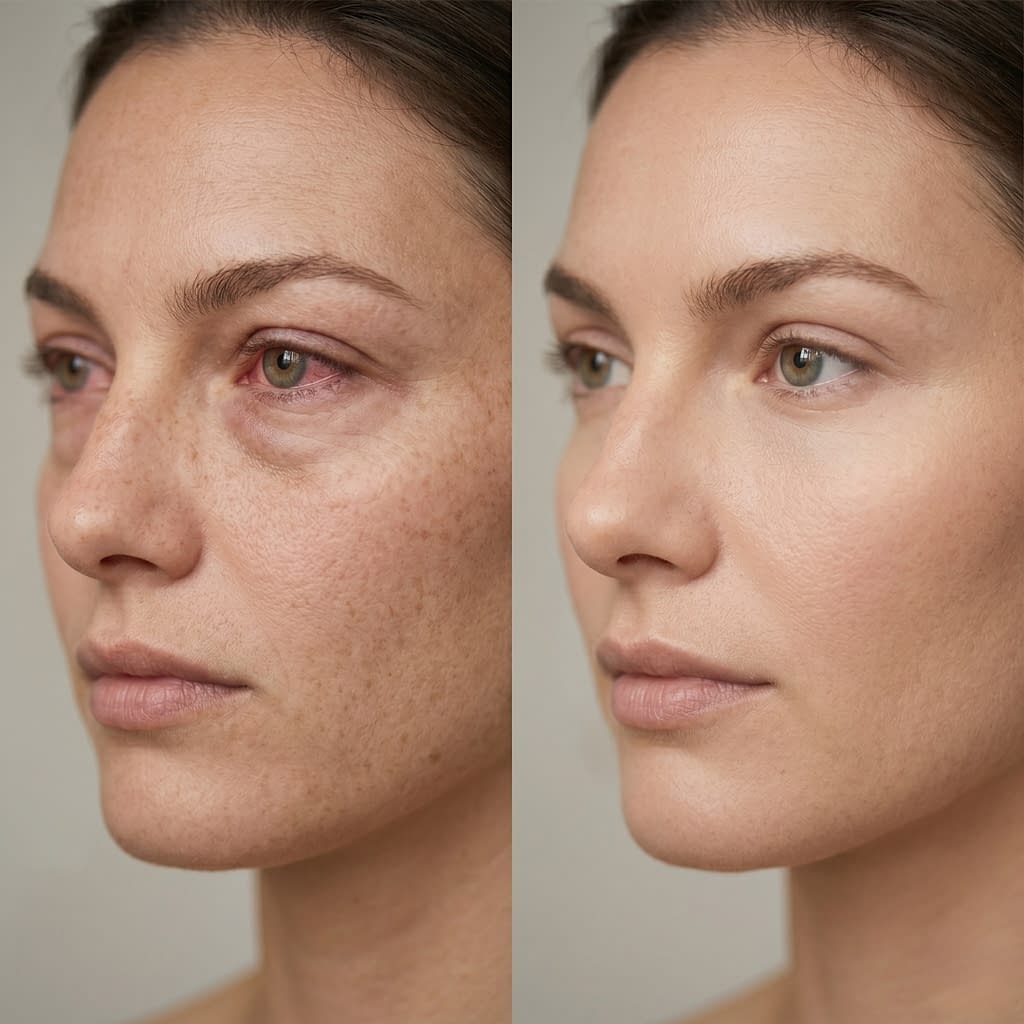
The safest cosmetic approach is to keep the eye area as calm as possible and avoid anything that adds friction or irritation. Because allergic eyes are already sensitive, the goal is light coverage, soft textures, and easy removal later. This is a practical inference from allergy-care guidance that emphasizes avoiding rubbing, protecting the area from allergens, and keeping the eye surface comfortable.
Step by step: if you wear makeup, choose minimal product near the eyes, avoid heavy mascara or thick liner on days when your eyes are flaring, and remove makeup gently at night with a product suited to sensitive eyes. If the eyes are very puffy or itchy, skipping eye makeup altogether for a day or two is often the kindest option.
Final Words
Summer allergy eye symptoms can be miserable, but they are usually manageable with a mix of cooling, rinsing, allergen reduction, and the right eye-care products. Eye allergies are common and often affect both eyes, and simple steps like cool compresses, saline rinses, sunglasses, and washing off allergens after outdoor time can make a real difference.
If the puffiness and itchiness keep coming back, over-the-counter antihistamine eye drops may help, and a clinician can advise on stronger options when needed. Get urgent care if you have eye pain, light sensitivity, or changes in vision, because those symptoms can point to something more serious than seasonal allergies.


