


Sweaty hair is uncomfortable, and it is tempting to wash it every time it feels damp, flat, or sticky. But over-washing can backfire. The more often you strip sweat, oil, and product from your hair, the more likely it is to lose moisture, become rough, and develop frizz that is harder to manage. Instead of feeling fresh and clean, your hair can end up dry, puffy, and stressed.
The key is learning the difference between hair that needs a reset and hair that simply needs a lighter refresh. Sweaty hair does not always need a full wash. In many cases, a gentler approach works better: rinse if needed, cleanse only when necessary, and restore moisture afterward so the hair stays soft and smooth instead of frizzy and brittle.
In this guide, you will learn why sweaty hair does not need frequent washing, how over-washing leads to frizz, what happens when the hair loses too much moisture, and how to repair the damage while still staying fresh in hot weather. Each section breaks the process into practical steps so you can keep your hair clean, healthy, and much easier to manage.
Why Sweaty Hair Does Not Need to Be Washed Too Often

Sweat itself is not the same as dirt. It can make hair feel uncomfortable, but it does not always mean your hair needs a full shampoo session right away. In hot weather, hair may feel damp or sticky simply because your body is trying to cool itself down. That sweat may dry on the hair, but often a light refresh is enough.
Washing too often can remove the natural oils that protect the hair and scalp. Those oils help keep the hair flexible and less prone to breakage. When they are stripped away too often, the hair can become rough, frizzy, and harder to style.
Step by step: when sweaty hair actually needs washing
- Check whether the hair feels dirty or just damp from sweat.
- If it only feels sweaty, try a rinse or light refresh first.
- If there is product buildup or heavy odor, then wash more thoroughly.
- Focus on the scalp rather than scrubbing the lengths too much.
- Adjust your routine based on how your hair responds.
The goal is to clean what needs cleaning without treating every bit of sweat like a full shampoo emergency.
How Over-Washing Strips Hair and Causes Frizz
Hair has a natural protective layer made up of oils and the cuticle on the outside of each strand. When you wash too often, especially with harsh shampoo or hot water, you remove too much of that protection. Without it, the hair shaft becomes rougher and more exposed to dryness.
Once the cuticle is stripped, strands do not lie as smoothly against each other. That rough texture leads to frizz, tangling, and a dry appearance even if the hair is freshly washed. If you keep repeating that cycle, the frizz often gets worse over time.
Step by step: how over-washing leads to frizz
- Shampoo removes sweat, oil, and buildup.
- Frequent washing removes too much natural protection.
- Hair becomes drier and less flexible.
- The cuticle becomes rough or lifted.
- Frizz and breakage increase.
A clean scalp is good, but a stripped scalp and dry hair are not. Balance matters more than washing as often as possible.
What Happens to Hair When It Loses Too Much Moisture
When hair loses too much moisture, it becomes less elastic and more prone to roughness. Healthy hair has enough hydration to stay flexible and smooth. Dry hair becomes stiff, brittle, and more likely to react to humidity by puffing up or frizzing.
Moisture loss affects both the appearance and the feel of the hair. It may lose shine, become harder to detangle, and start breaking more easily when brushed or styled. In hot weather, this can become a bigger problem because the hair is already under stress from sweat, sun, and frequent cleansing.
Step by step: signs of moisture loss
- Hair feels rough instead of soft.
- Shine starts to disappear.
- Tangling becomes more common.
- Ends may look frayed or fuzzy.
- Frizz appears even when the hair is clean.
The hair needs moisture to stay smooth, not just cleansing to stay fresh.
Signs Your Hair Is Damaged from Washing Too Much
It is not always easy to notice over-washing right away, but your hair will usually give you clues.
Common signs
- Hair feels dry shortly after washing
- Frizz appears even when the hair is clean
- Ends look rough, puffy, or split
- The hair tangles more easily
- The scalp feels tight or irritated
- Hair loses softness and bounce
- Styling becomes harder even with products
Step by step: how to check
- Feel the hair when it is dry and clean.
- Notice whether the hair feels rough or brittle.
- Check the ends for dryness or split ends.
- Observe whether frizz shows up quickly after washing.
- Watch whether the scalp feels uncomfortable or tight.
If several of these signs are showing up, the hair may be asking for less washing and more moisture.
How to Clean Sweaty Hair Without Over-Washing
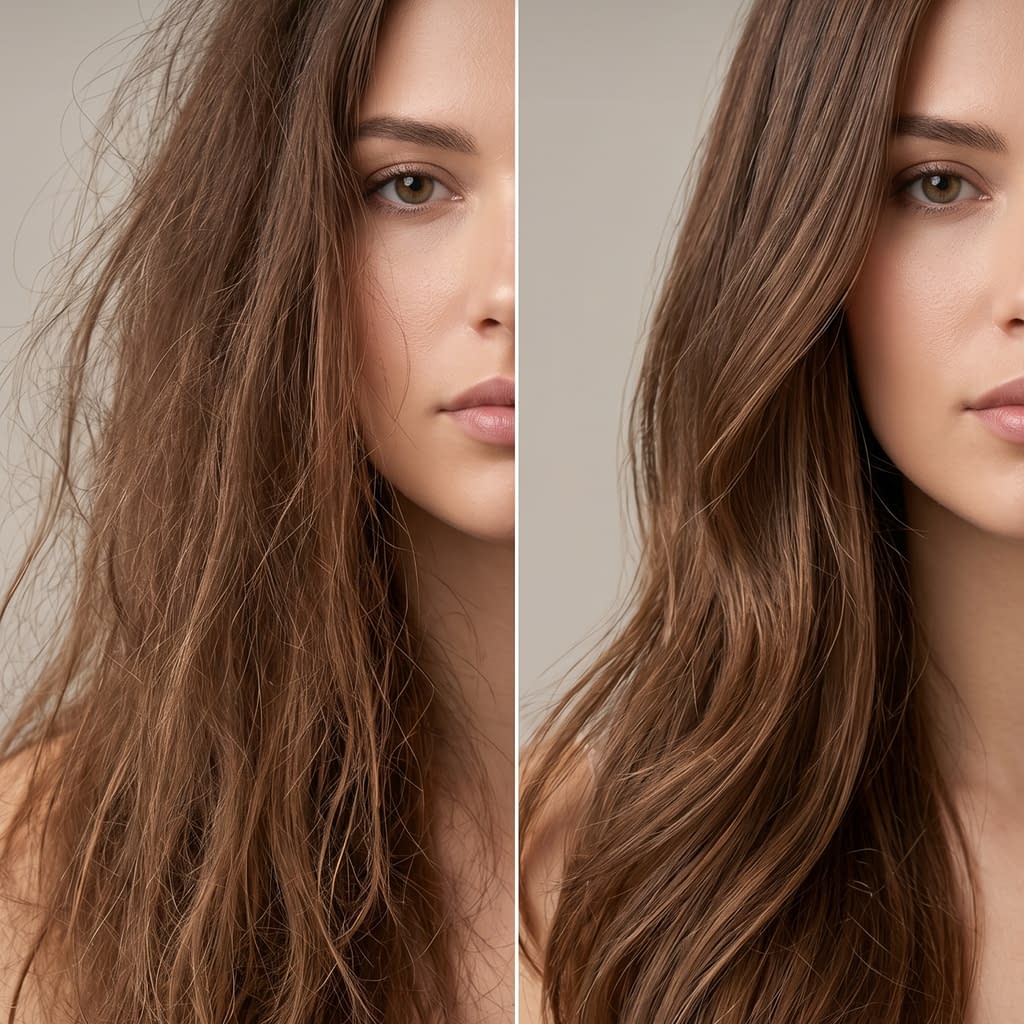
You do not always need a full shampoo to feel refreshed. Sometimes you can clean sweaty hair in a lighter way that removes the feeling of sweat without stripping the strands.
Step by step: gentler cleansing
- Rinse the scalp and roots with lukewarm water.
- Focus on areas that feel sweaty or sticky.
- Use a mild shampoo only when needed, not every time.
- Massage the scalp gently, not aggressively.
- Rinse thoroughly so no residue stays behind.
Helpful options
- A simple water rinse after light sweat
- Scalp-only cleansing if the lengths are still clean
- Dry shampoo on non-wash days if the roots need help
A lighter cleaning routine can help you stay fresh while protecting the moisture your hair needs.
The Best Way to Restore Moisture After Washing Too Often
If your hair has already been over-washed, the next step is to replenish what was lost. Moisture restoration helps reduce frizz and brings softness back to the strands.
Step by step: moisture recovery routine
- Use a gentle shampoo for your next wash.
- Apply conditioner generously to the lengths.
- Leave the conditioner on long enough to soften the hair.
- Rinse with cool or lukewarm water.
- Add a leave-in conditioner or light moisturizing product after washing.
Helpful tips
- Focus on mid-lengths and ends
- Avoid applying heavy products directly to the roots if your scalp gets oily quickly
- Give hair time to recover between washes
The goal is to rebuild softness gradually, not overload the hair all at once.
Hydrating Products That Help Calm Frizzy Hair
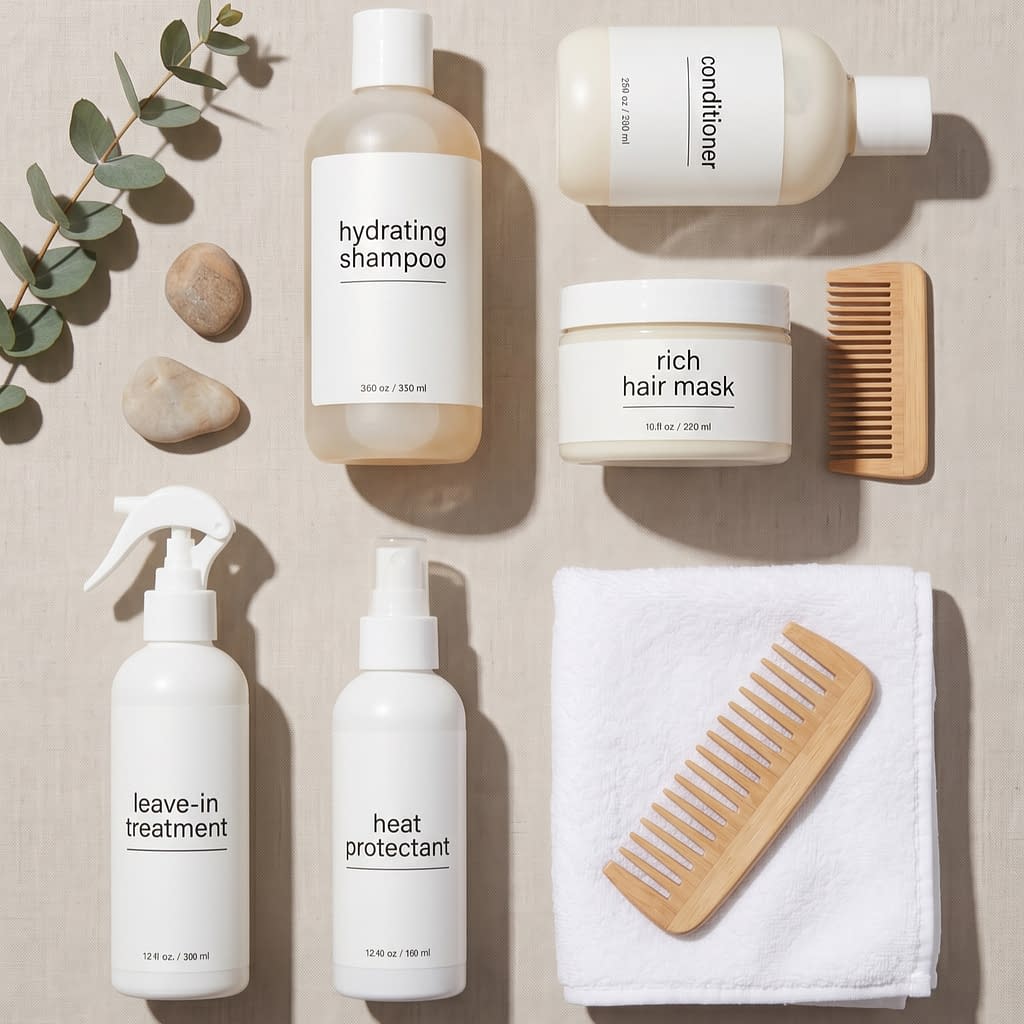
The right products can make a huge difference when the hair is dry and frizzy. You want formulas that add moisture and smoothness without making the hair greasy or heavy.
Helpful product types
- Hydrating conditioner
- Leave-in conditioner
- Lightweight hair mask
- Moisture spray
- Frizz-calming cream
- Hair serum for the ends
- Scalp-friendly moisturizing treatment if needed
Step by step: using hydrating products
- Start with a small amount of product.
- Apply to damp or dry hair depending on the formula.
- Focus on the driest and frizziest areas.
- Avoid applying too much near the scalp if it makes hair flat.
- Use consistently so the moisture builds up over time.
Hydrating products should make the hair feel softer, more flexible, and easier to manage.
How to Repair Dry, Rough, and Stressed Hair Strands
Once hair is over-washed, it may need more than just a quick moisturizing product. Dry, rough strands often benefit from a repair-focused routine that supports both softness and strength.
Step by step: repair routine
- Reduce washing frequency to give the hair time to recover.
- Use a deep conditioner or hair mask once a week.
- Apply a leave-in product after washing.
- Trim damaged ends if necessary.
- Protect the hair from heat, friction, and harsh weather.
Helpful tips
- Be gentle when brushing or detangling
- Sleep on a softer pillowcase if possible
- Avoid heat styling while the hair is recovering
Repair is usually slower than damage, so patience is important. Small improvements add up over time.
Scalp Care Tips to Keep Hair Healthy in Hot Weather

A healthy scalp supports healthier hair. In hot weather, the scalp may sweat more, become oilier, or feel irritated from frequent washing. Good scalp care helps keep the balance between clean and comfortable without stripping moisture.
Step by step: scalp care routine
- Wash the scalp only when needed.
- Use a gentle shampoo that does not leave the scalp feeling tight.
- Rinse thoroughly after washing.
- Avoid scratching or over-scrubbing the scalp.
- Keep the scalp dry and comfortable after sweating.
Helpful tips
- A clean scalp does not need to feel squeaky or stripped
- If the scalp gets dry, adjust your shampoo routine
- Let the scalp breathe when possible
Healthy hair starts at the scalp, so good scalp care is just as important as good strand care.
How to Prevent Frizz While Staying Fresh After Sweat
You can stay fresh after sweating without throwing your hair into a frizz cycle. The trick is to refresh carefully and protect the hair’s moisture balance.
Step by step: sweat-friendly freshness
- Blot excess sweat gently with a soft towel or cloth.
- Rinse lightly if the sweat is heavy.
- Use a light leave-in or anti-frizz product if needed.
- Avoid rubbing or rough towel drying.
- Let the hair air-dry or dry it gently.
Helpful tips
- Keep your hands out of the hair as much as possible
- Refresh the scalp without overworking the lengths
- Use light products that support softness, not stiffness
Fresh hair does not have to mean overly washed hair. A balanced refresh is usually enough.
Common Hair Care Mistakes That Make Frizz Worse
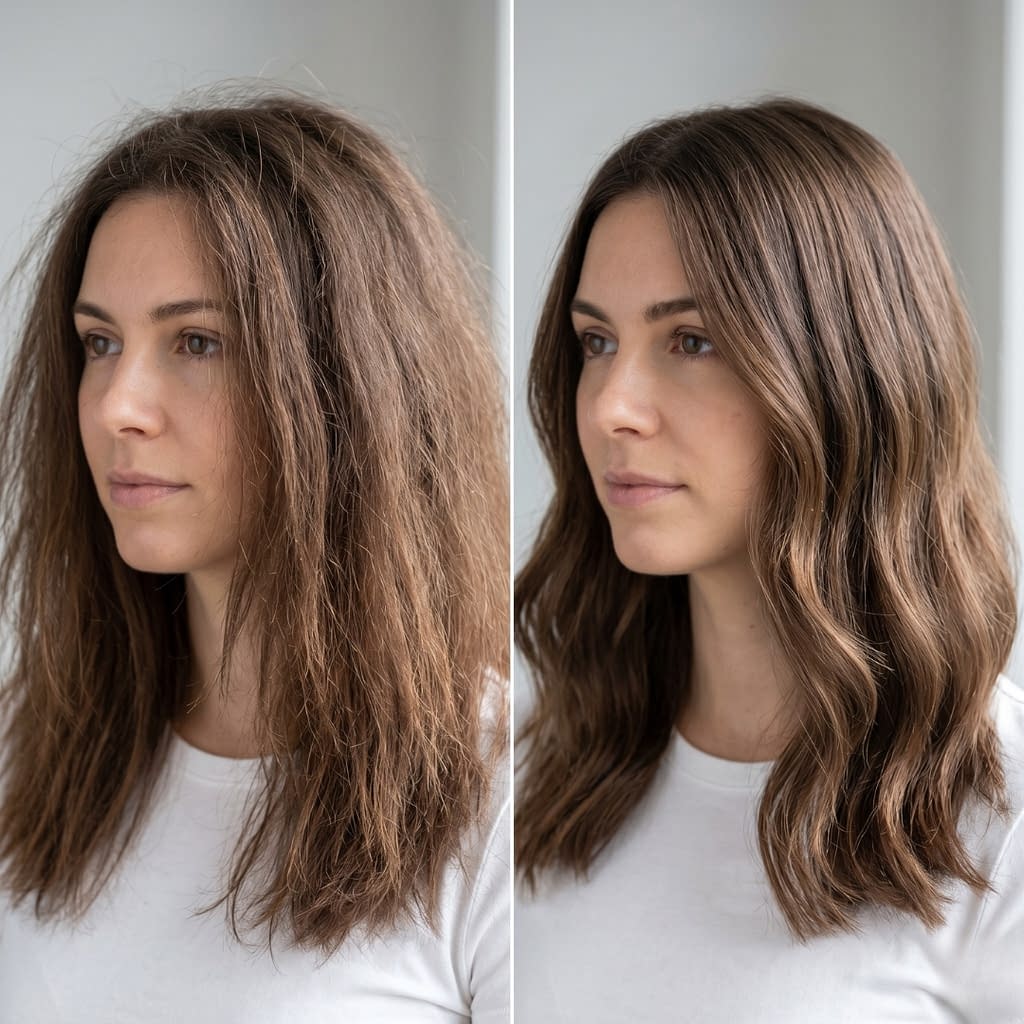
Some habits make frizz worse even when they seem helpful in the moment.
Common mistakes
- Washing too frequently
- Using hot water
- Scrubbing the scalp too hard
- Skipping conditioner
- Rough towel drying
- Using too much product at once
- Brushing dry hair aggressively
Step by step: avoid these mistakes
- Wash only when needed.
- Keep water temperature gentle.
- Condition after shampooing.
- Pat, do not rub, the hair dry.
- Use light styling and moisture products in moderation.
The less stress the hair takes, the smoother it usually stays.
Final Words
Sweaty hair does not need to be washed constantly to stay clean. In fact, over-washing is often what creates the frizz problem in the first place. When hair loses too much moisture, it becomes rougher, weaker, and more reactive to humidity and heat. That is why the best solution is a balanced routine: clean enough to feel fresh, but gentle enough to keep the hair soft and protected.
If your hair is already dry or frizzy from washing too often, focus on restoring moisture first. Use gentle cleansing, nourishing conditioners, leave-in products, and simple scalp care to help the hair recover. Once the hair is healthier, it becomes much easier to stay fresh after sweating without creating more damage.
The most effective hair routine is not the most aggressive one. It is the one that keeps your hair clean, comfortable, and well moisturized at the same time.


